




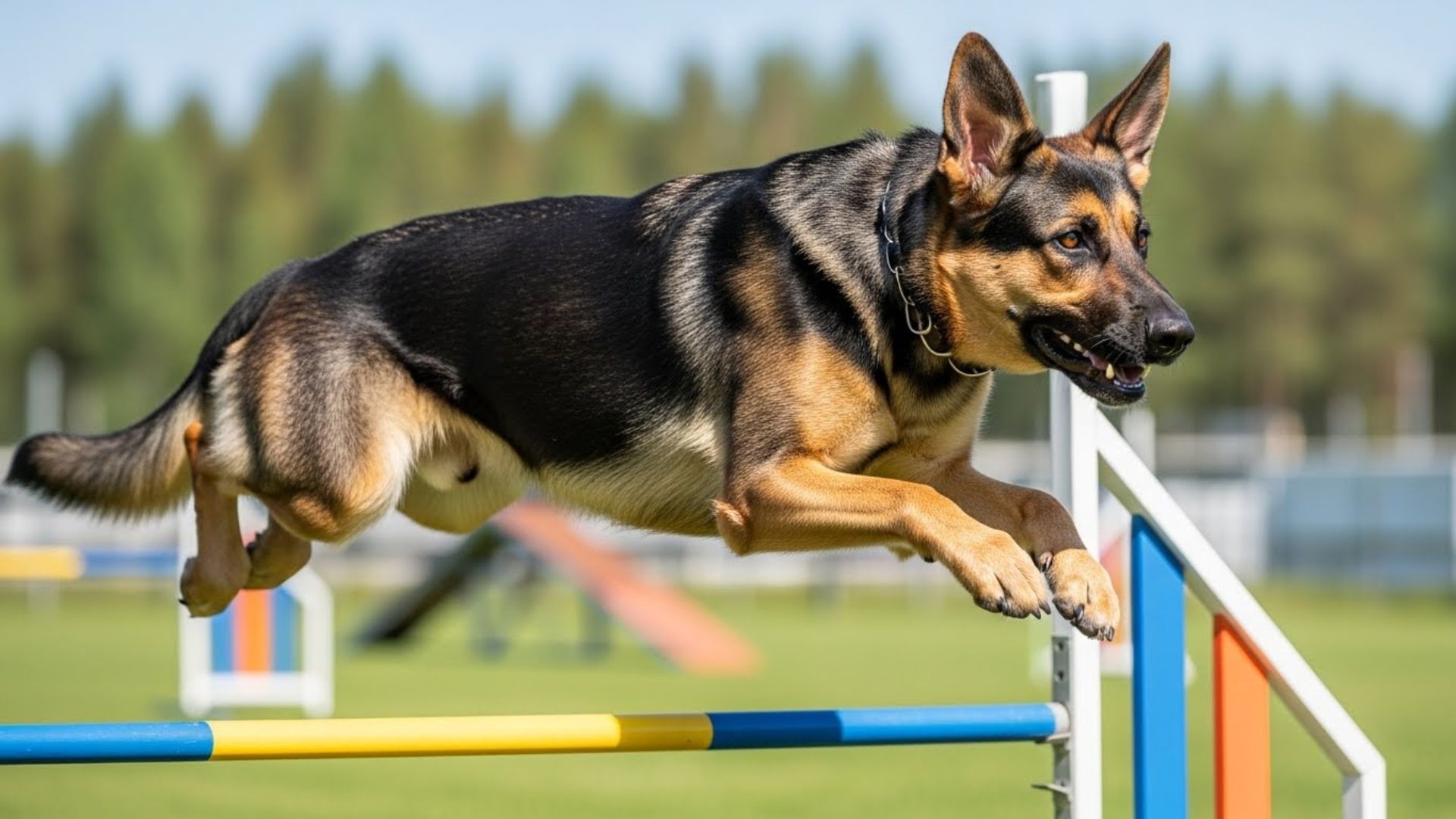
Agility sports demand speed, focus, and an endless zest for movement. For handlers seeking canine partners who thrive on challenge, high-energy breeds often shine. Their athletic builds, quick learning, and eagerness to work make courses feel like playgrounds, every lap fueling motivation and teamwork daily.
These athletic dogs don’t just run fast; they think fast. Sharp problem-solving, strong drive, and responsive temperaments help them navigate tunnels, weave poles, and jump with confidence while staying connected to their handlers under pressure, even in noisy arenas during trials worldwide.
From weekend competitions to backyard training, the right high-energy breed turns practice into joy. Matching energy levels and training goals is key, ensuring both dog and human grow stronger, faster, and happier together through consistent routines and positive reinforcement.
High-Energy Dog Breeds Perfect For Agility Sports
1. German Shepherd
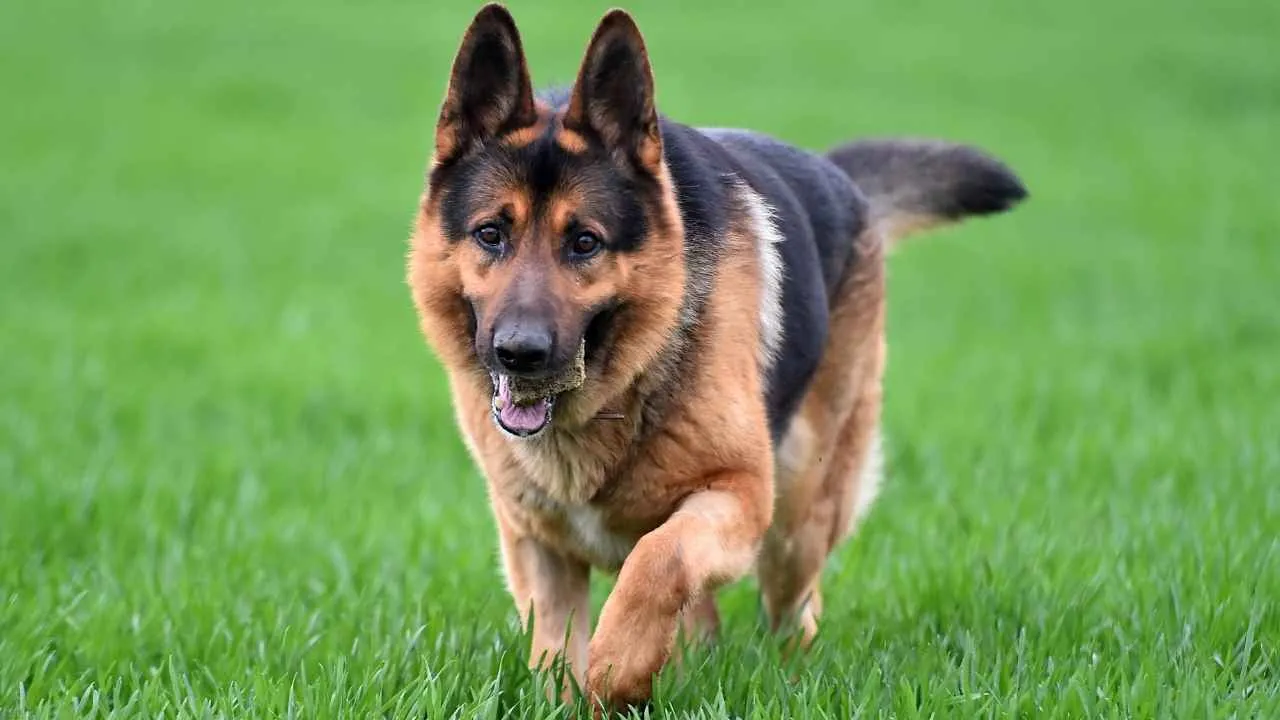
Roots of a Relentless Worker
Developed from German herding dogs in the late 19th century, the German Shepherd was bred for intelligence, stamina, and versatility. Their early roles included guarding livestock and assisting shepherds over long distances.
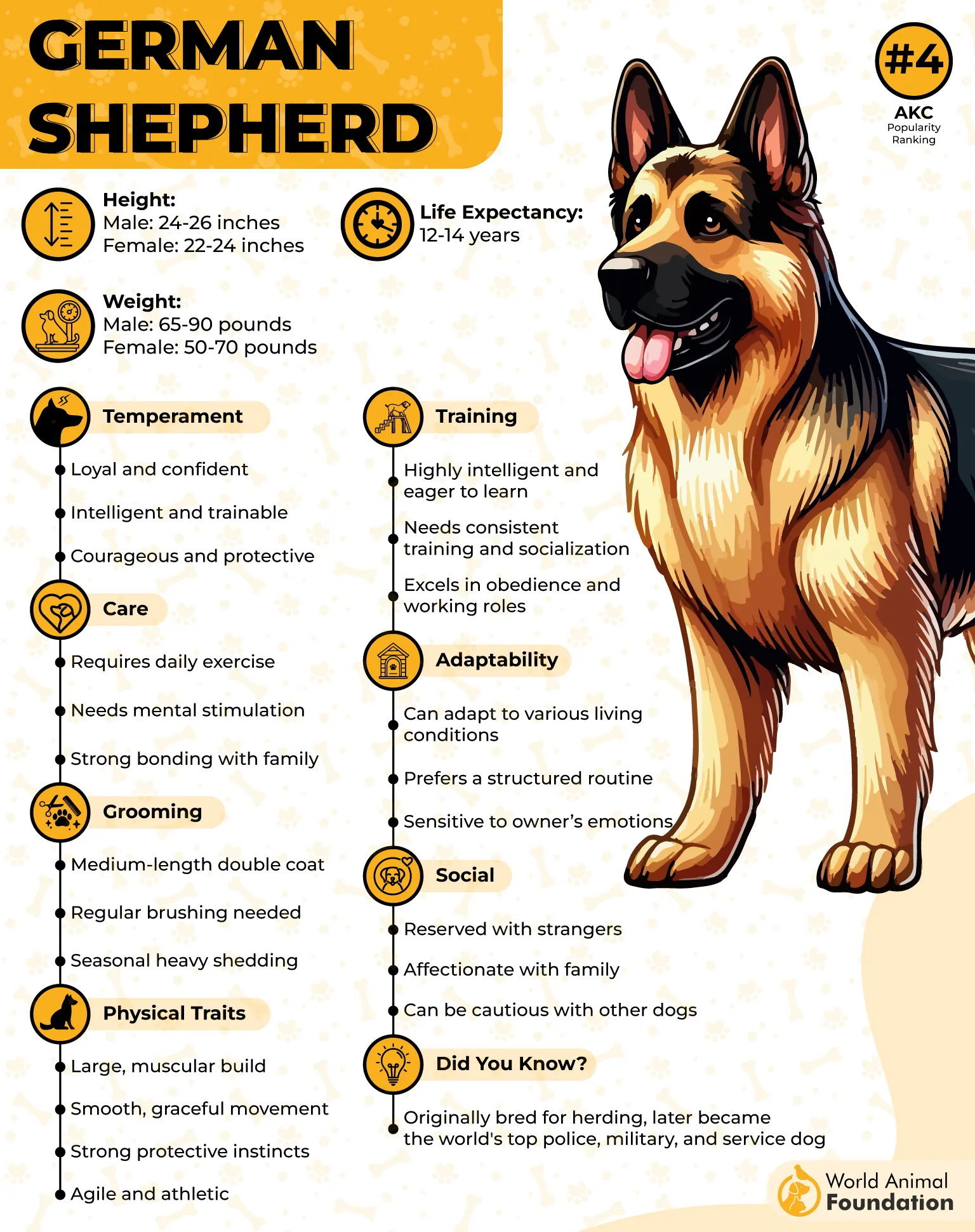
Mind of Steel, Heart of Gold
German Shepherds are confident, fiercely loyal, and deeply bonded to their families. They are alert guardians with a calm steadiness, yet they remain gentle and affectionate at home. While sometimes reserved with strangers, they excel when guided by consistent training.
Power Fueled by Purpose
This breed thrives on one to two hours of daily mental and physical exercise. Agility training provides the perfect outlet, combining speed, focus, and problem-solving. Structured activities like agility keep their bodies strong, minds sharp, and behavior balanced, as per PDSA.

Agility Advantages That Set Them Apart
Exceptional intelligence allows for quick learning of complex courses
Athletic build supports speed, balance, and powerful jumps
Strong work drive keeps them motivated through long sessions
Natural focus helps maintain the handler connection under pressure
Endurance enables consistent performance across multiple runs
2. Labrador Retriever
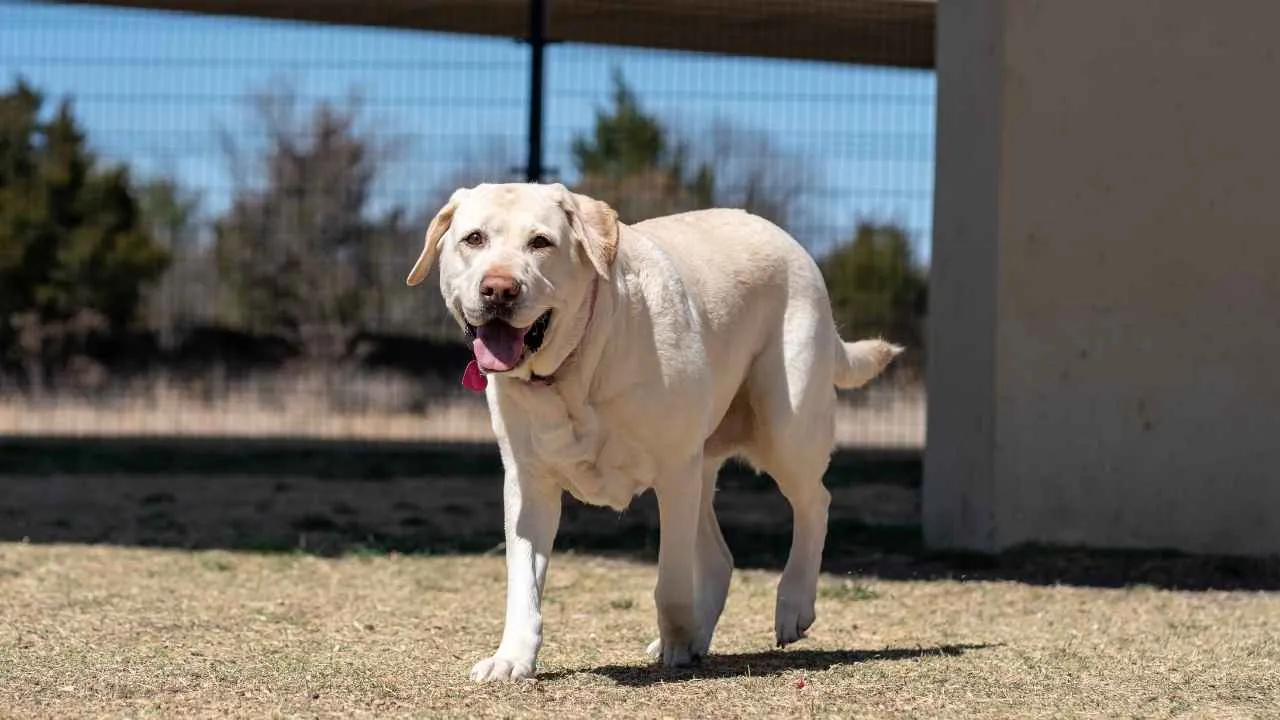
From Fishing Nets to Finish Lines
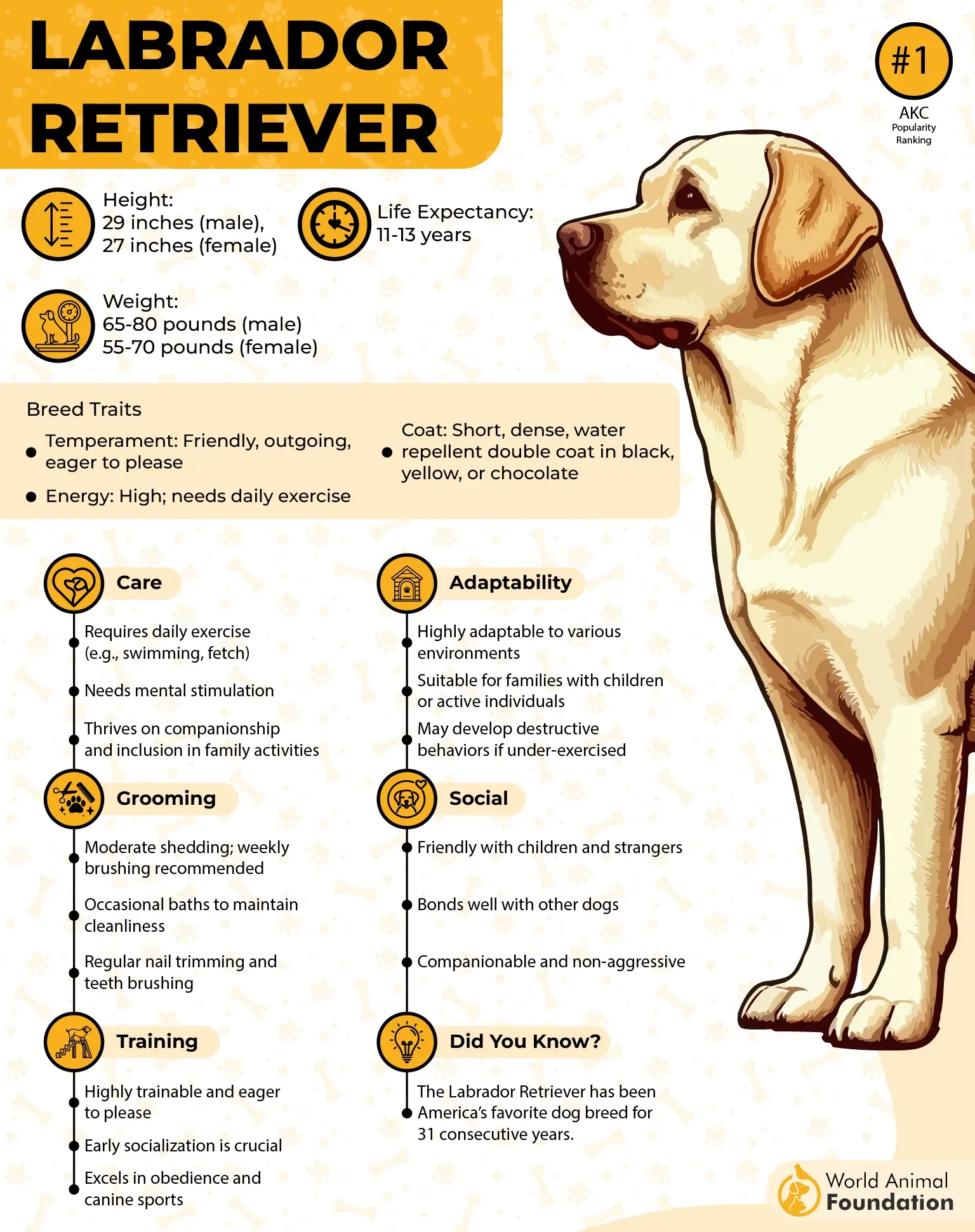
The Labrador Retriever traces its roots to 19th-century Newfoundland, where it worked beside fishermen as a skilled water dog. Known then as the St. John’s dog, it retrieved nets and escaped fish with ease. British sportsmen later refined the breed for hunting and retrieving.
Sunshine Personality with a Willing Spirit
Labs are famously friendly, outgoing, and devoted to their people. Their eagerness to please makes them highly trainable and cooperative partners. This balance of enthusiasm and reliability helps them stay focused and joyful on agility courses.
Energy That Demands an Outlet
As a high-energy, athletic breed, Labradors require daily physical and mental exercise. Activities like running, swimming, and agility training keep them fit and fulfilled. Without sufficient stimulation, boredom can lead to the development of destructive habits.

Why Labradors Excel in Agility Sports
A strong work ethic keeps them motivated through training
Athletic, sturdy build supports speed and clean jumps
High intelligence allows for quick learning of new courses
Eager-to-please nature strengthens handler connection
Endurance helps maintain consistency during competitions
3. Great Dane
Noble Origins of a Towering Hunter
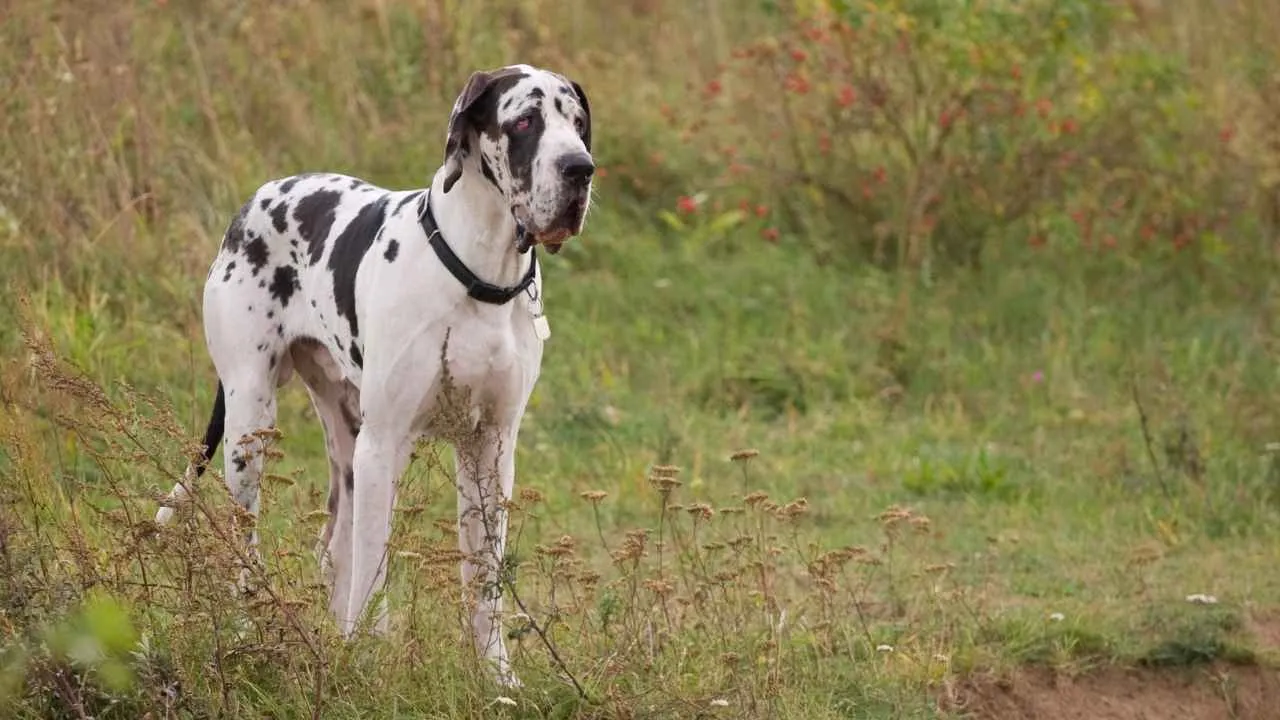
The Great Dane emerged over 400 years ago in Germany, bred by nobility to hunt wild boar and guard estates, as per Britannica. Known there as the Deutsche Dogge, this powerful working dog combined height, strength, and courage. Despite its misleading English name, the breed has no Danish roots.
The Gentle Giant’s Temperament
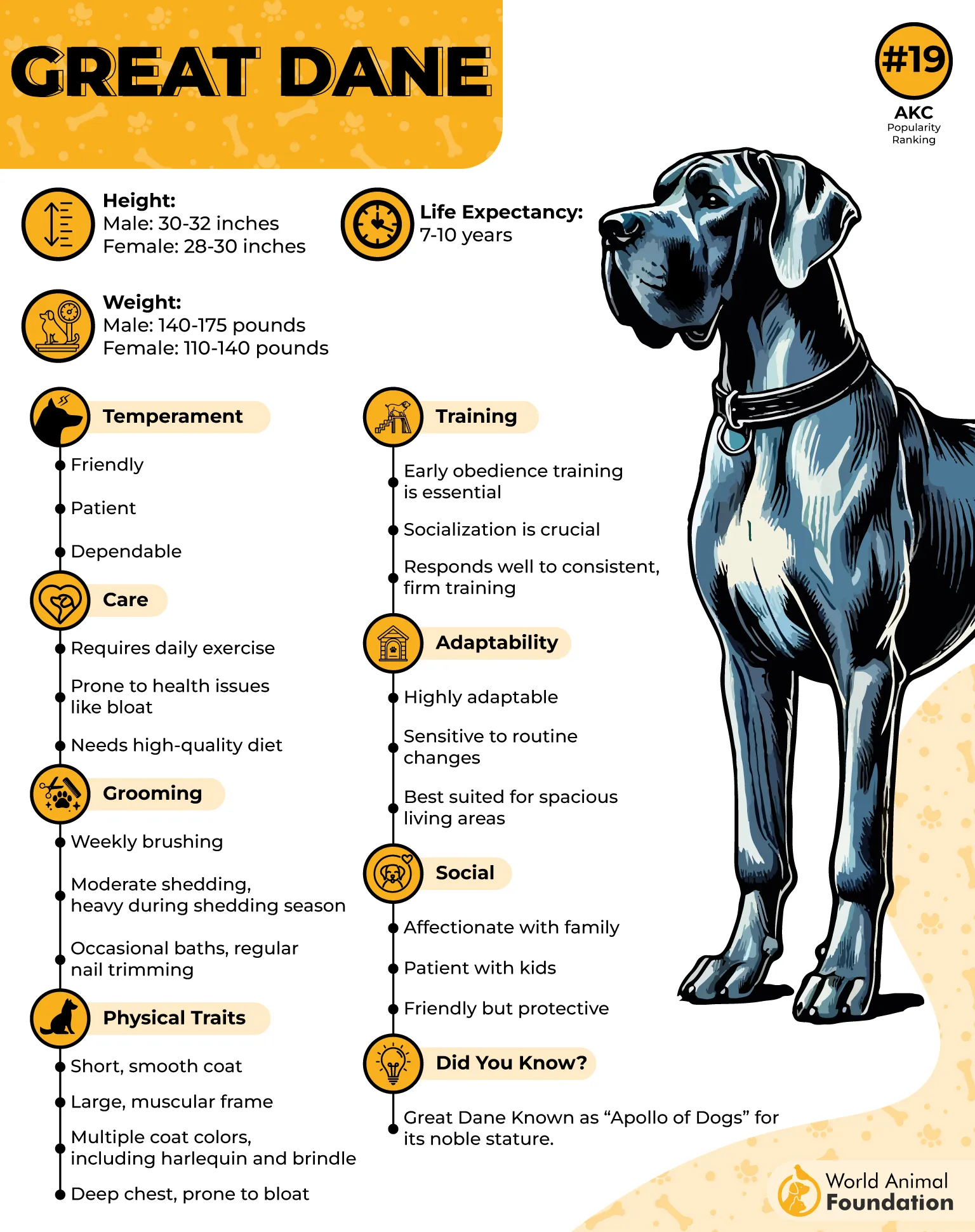
Behind the impressive size lies a calm, affectionate, and dependable companion. Great Danes are friendly with family and visitors alike, showing confidence without unnecessary aggression. While not overly excitable, they are playful in short bursts and easygoing indoors.
Movement in a Massive Frame
Though not a high-energy breed, Great Danes still need daily interactive exercise to stay healthy. Their size limits speed and agility compared to smaller breeds, but with proper conditioning, some Danes enjoy modified agility-style activities that emphasize coordination over speed.
What Makes Great Danes Surprisingly Agile-Capable
Long stride allows smooth, ground-covering movement
Calm focus helps with controlled obstacle navigation
Strong muscles support balance and stability
Willingness to train encourages participation
Confidence prevents hesitation around new equipment
4. Belgian Sheepdog
Born in Belgium’s Working Fields
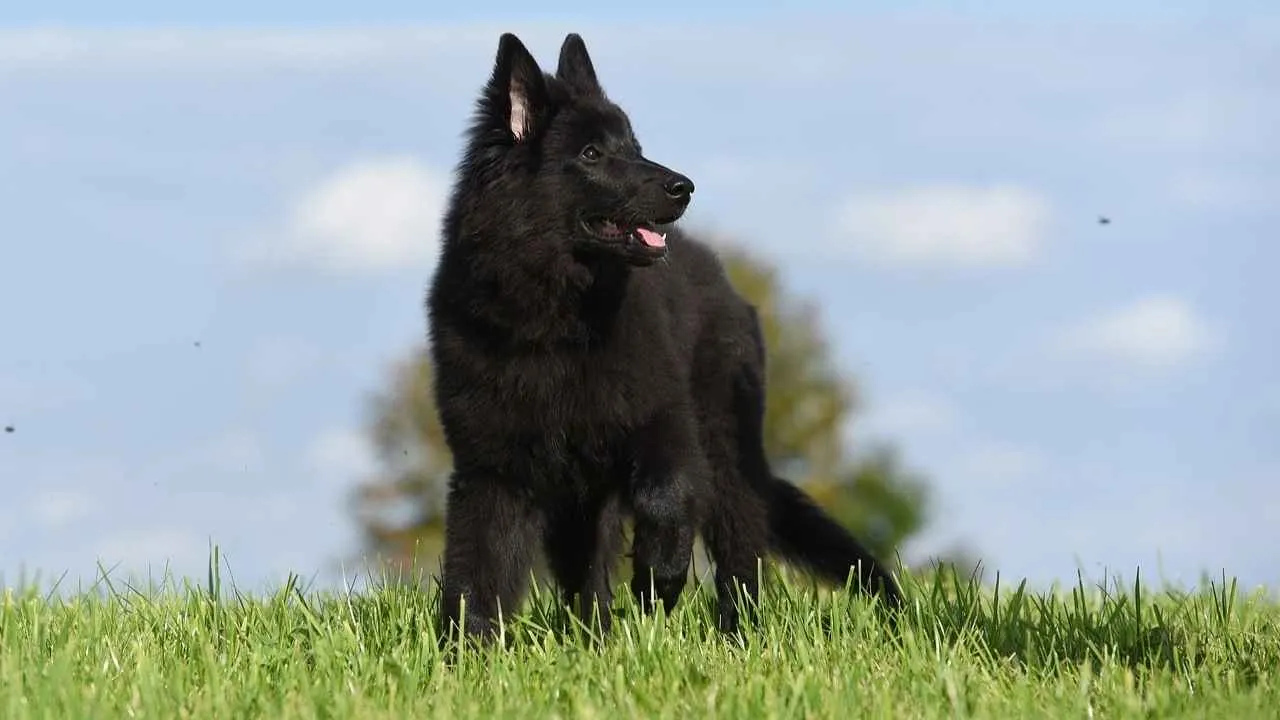
The Belgian Sheepdog, known in Europe as the Groenendael, was shaped by Belgium’s farming landscape in the 1800s, as per PetMD.
Bred to herd and guard livestock, these dogs were prized for intelligence and endurance. Careful breeding by enthusiasts like Nicolas Rose refined the long-coated black variety.
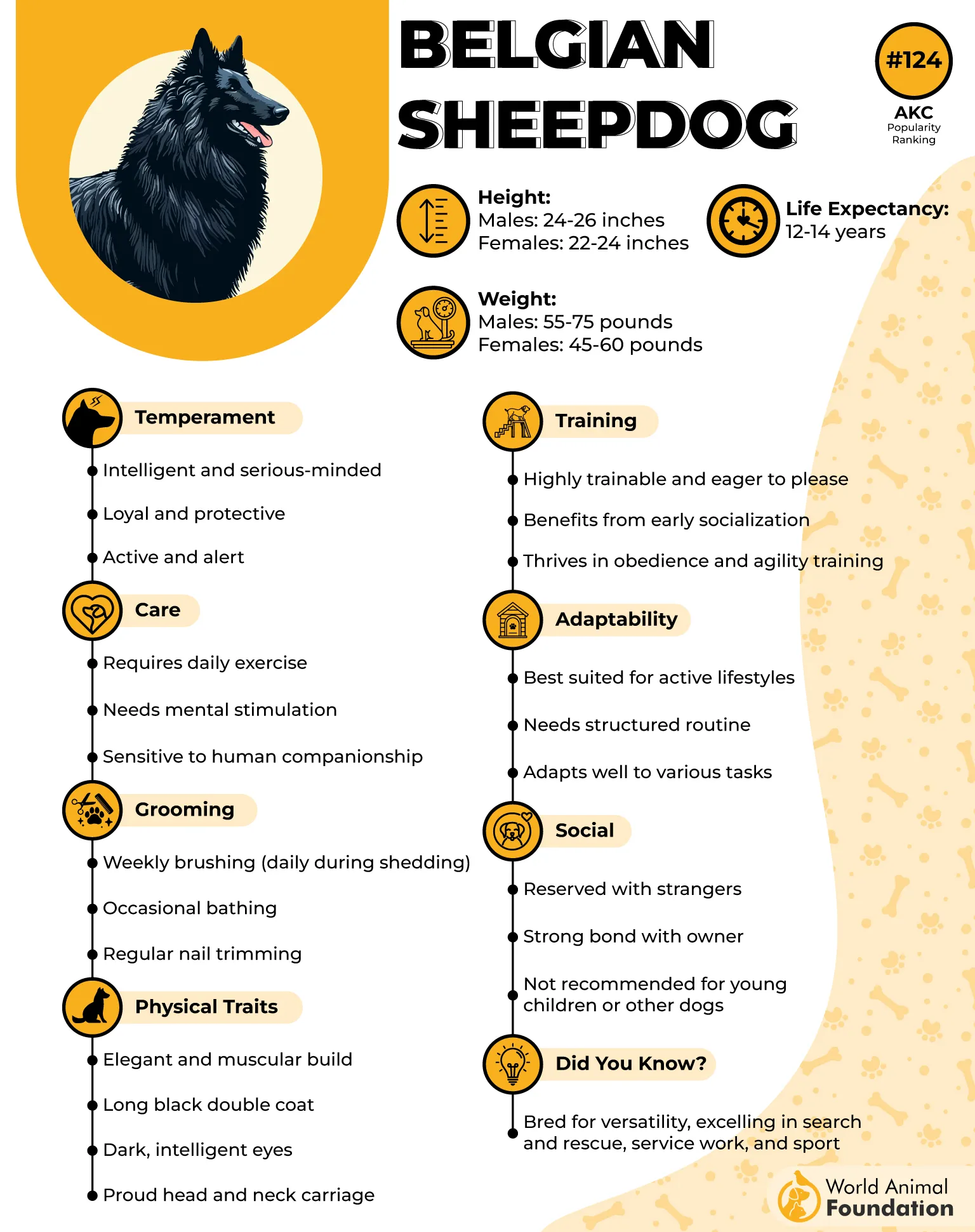
Sharp Minds with Devoted Hearts
Belgian Sheepdogs are intensely loyal, highly intelligent, and deeply connected to their people. They are attentive without being demanding, eager to work yet gentle with family members. Protective instincts make them naturally alert, especially around strangers.
Energy That Thrives on Action
This breed requires close to two hours of daily physical and mental exercise. Simple backyard play isn’t enough—Belgian Sheepdogs need structured activities with their humans. Agility, obedience, tracking, and long runs keep them balanced and fulfilled. Without enough engagement, their sharp minds quickly find trouble.
Why Belgian Sheepdogs Dominate Agility Sports
Exceptional intelligence enables fast course memorization
Athletic, square build supports speed and precision
Strong herding drive fuels focus and responsiveness
Deep handler bond enhances communication on the course
High stamina allows sustained performance under pressure
5. Border Collie
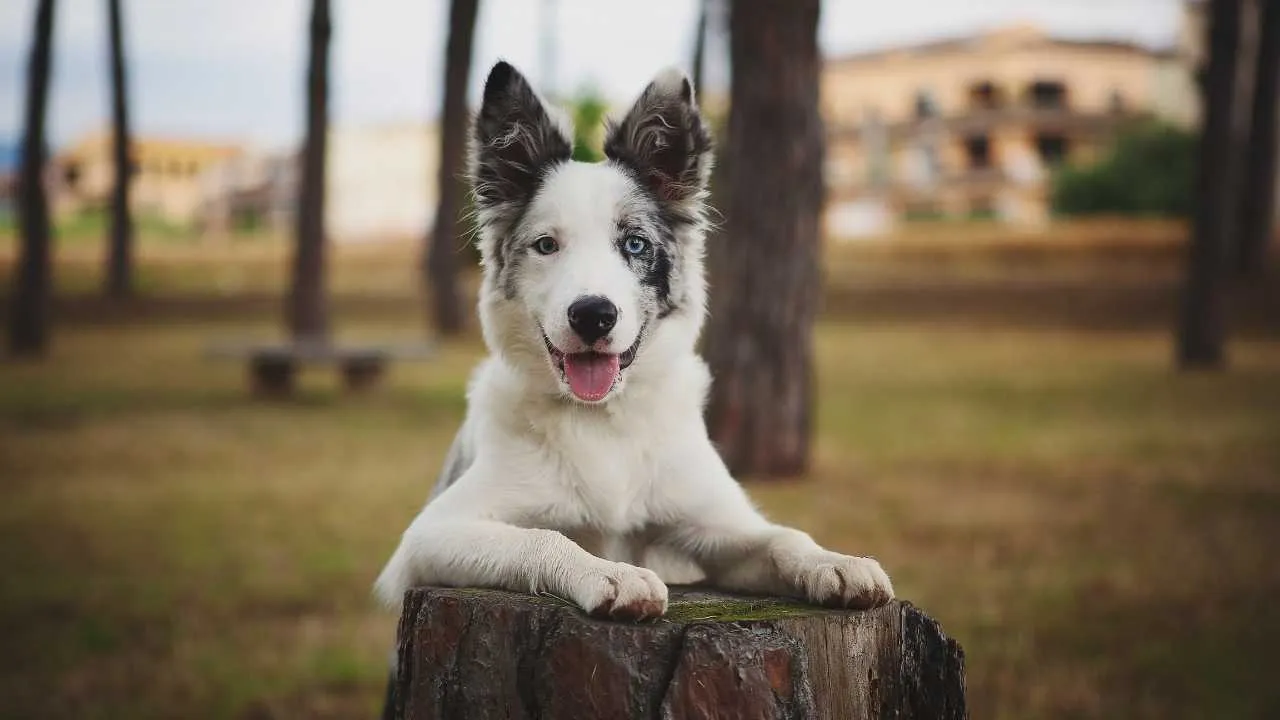
Forged on the Open Fields
Border Collies were developed in Great Britain as elite sheep-herding dogs, prized for precision, speed, and control, as per the AKC. Farmers relied on their intense focus and instincts to manage livestock across vast terrain.
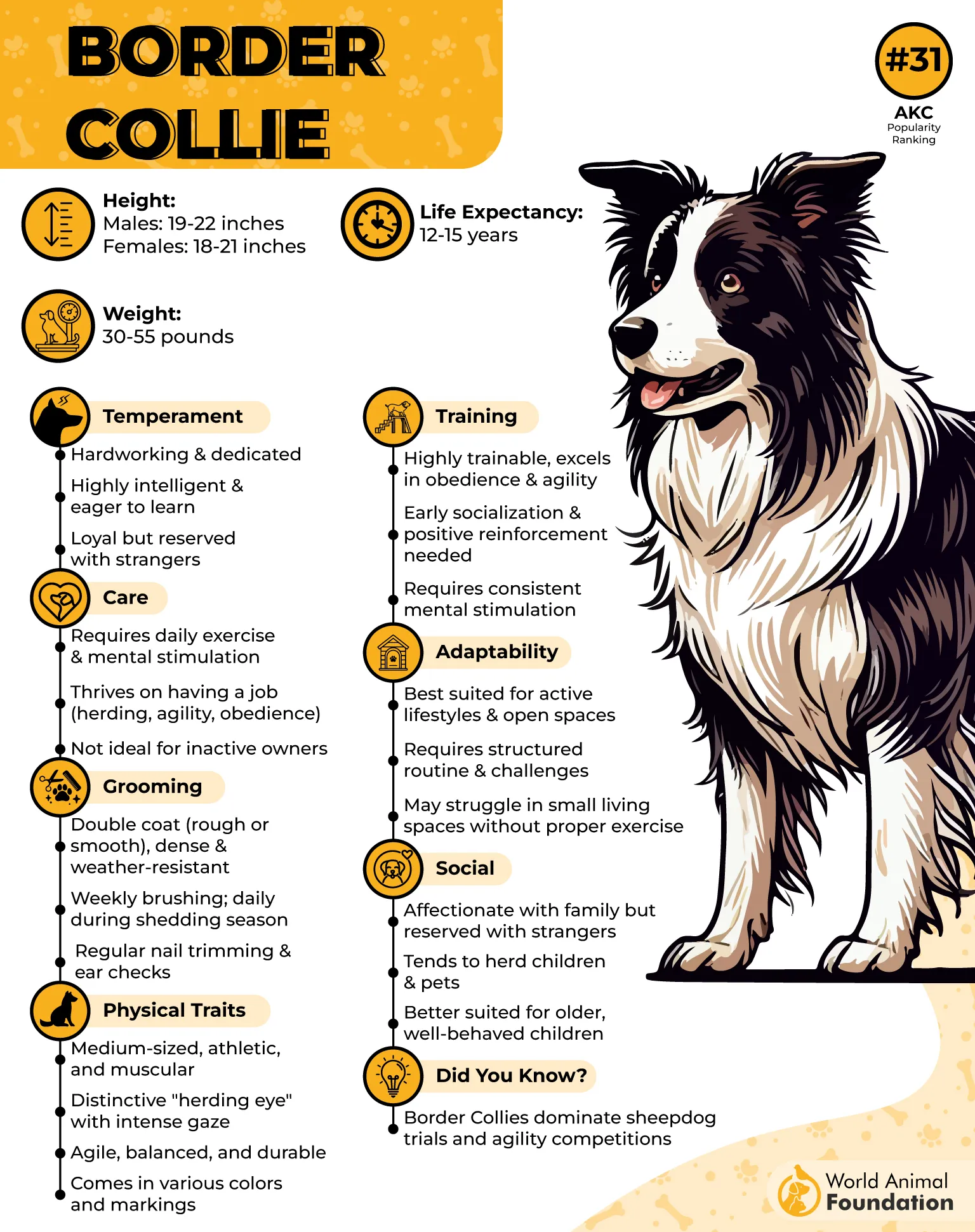
A Brilliant, Busy Mind
Widely considered one of the most intelligent dog breeds, Border Collies learn quickly and thrive on challenge. They enjoy training sessions and often anticipate commands before they’re given. Early socialization and positive reinforcement help shape their sharp minds into confident, loyal companions.
Energy Without an Off Switch
Border Collies need at least one to two hours of daily exercise, plus consistent mental challenges. Long runs, off-lead play, and interactive games are essential to their well-being. Without enough engagement, boredom can lead to unwanted behaviors.
Why Border Collies Rule the Agility World
Exceptional speed allows lightning-fast course times
Intense focus keeps distractions at bay
Natural herding instincts enhance directional control
High intelligence supports complex obstacle sequences
Endless stamina sustains peak performance
6. Doberman Pinscher
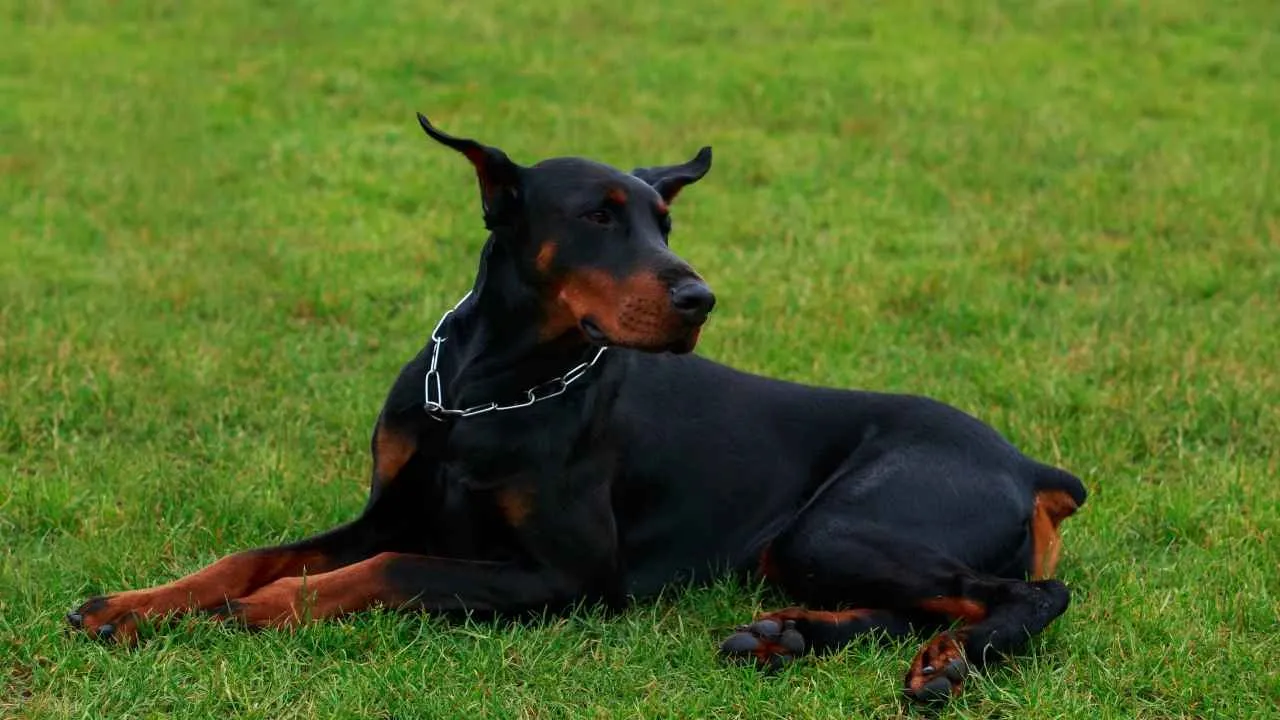
Purpose-Bred for Protection and Precision
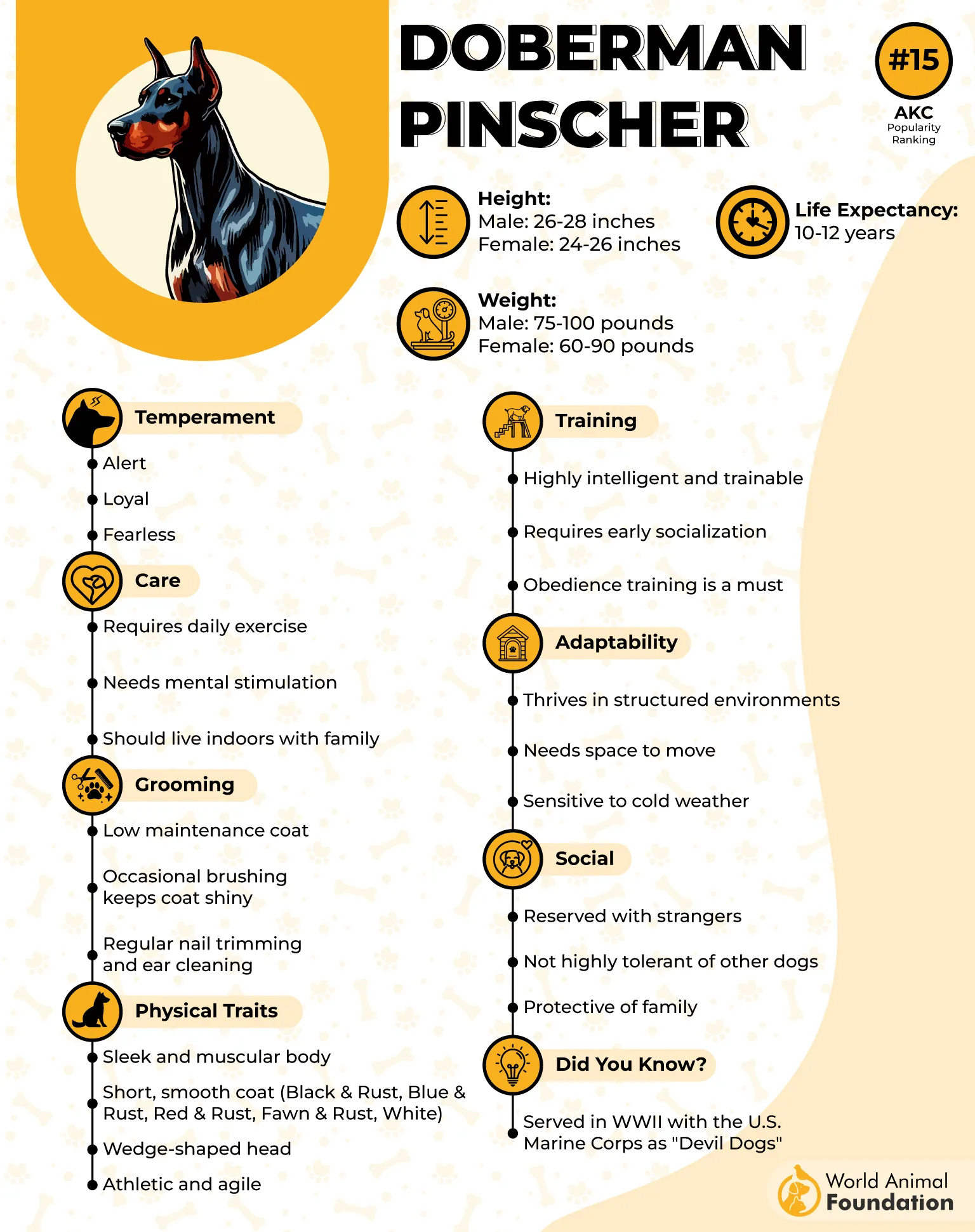
The Doberman Pinscher was developed around 1890 in Apolda, Germany, by Karl Friedrich Louis Dobermann. Bred for protection and reliability, the Doberman combined speed, strength, and intelligence from several working breeds, according to Purina.
Alert, Loyal, and Exceptionally Smart
Dobermans are known for their confidence, loyalty, and sharp awareness. These muscular dogs are naturally protective yet deeply affectionate with their families. Highly intelligent and eager to learn, they excel at complex tasks when trained with consistency and positivity.
Athletic Power That Needs Direction
This high-energy breed requires at least an hour of intense daily exercise. Activities like running, jumping, and advanced training keep them mentally balanced and physically fit. Without enough stimulation, their energy can quickly turn into restlessness.
Why Doberman Pinschers Shine in Agility Sports
Sleek, athletic build supports speed and clean jumps
High intelligence allows rapid learning of complex courses
Strong focus minimizes distraction during runs
Natural confidence prevents hesitation on obstacles
Endurance sustains performance through demanding sessions
7. Boxer
From German Working Roots to Modern Sport
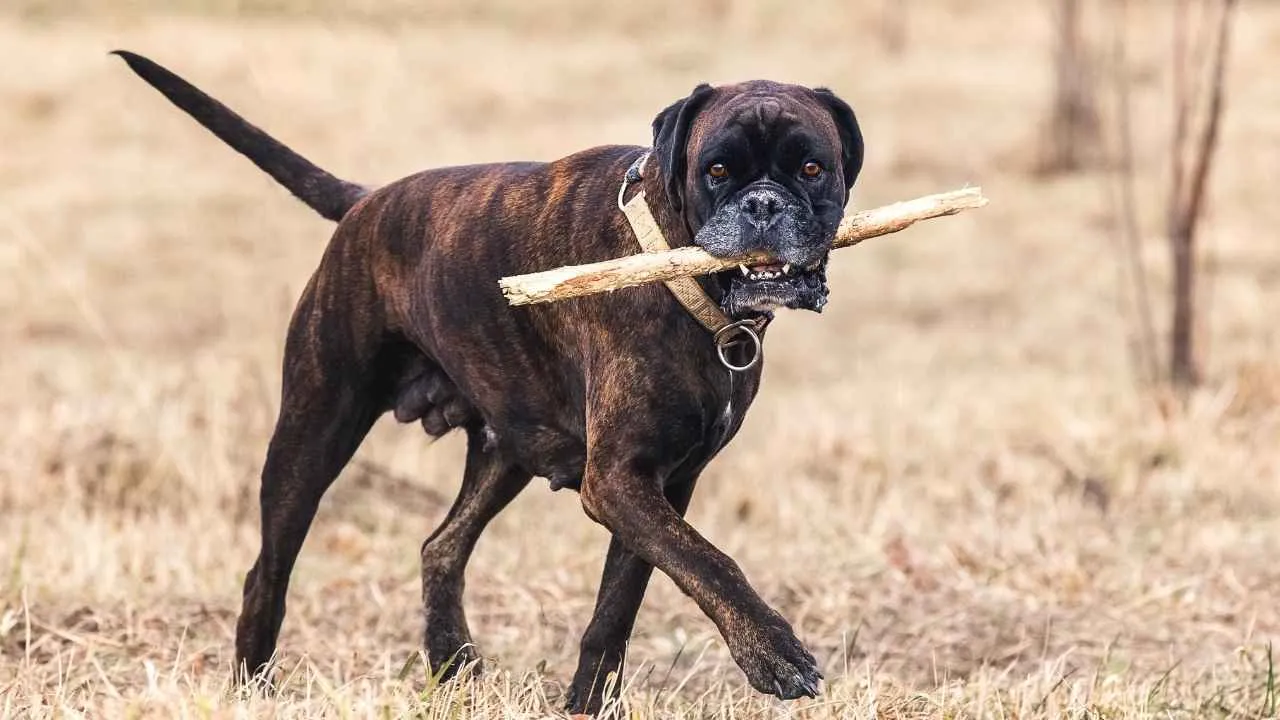
The Boxer was developed in 19th-century Germany from strong working breeds like the Bullenbeisser and mastiff-type dogs. Originally used for bull baiting and later as cattle handlers, Boxers were bred for strength, agility, and courage.
Playful Spirits with Brave Hearts
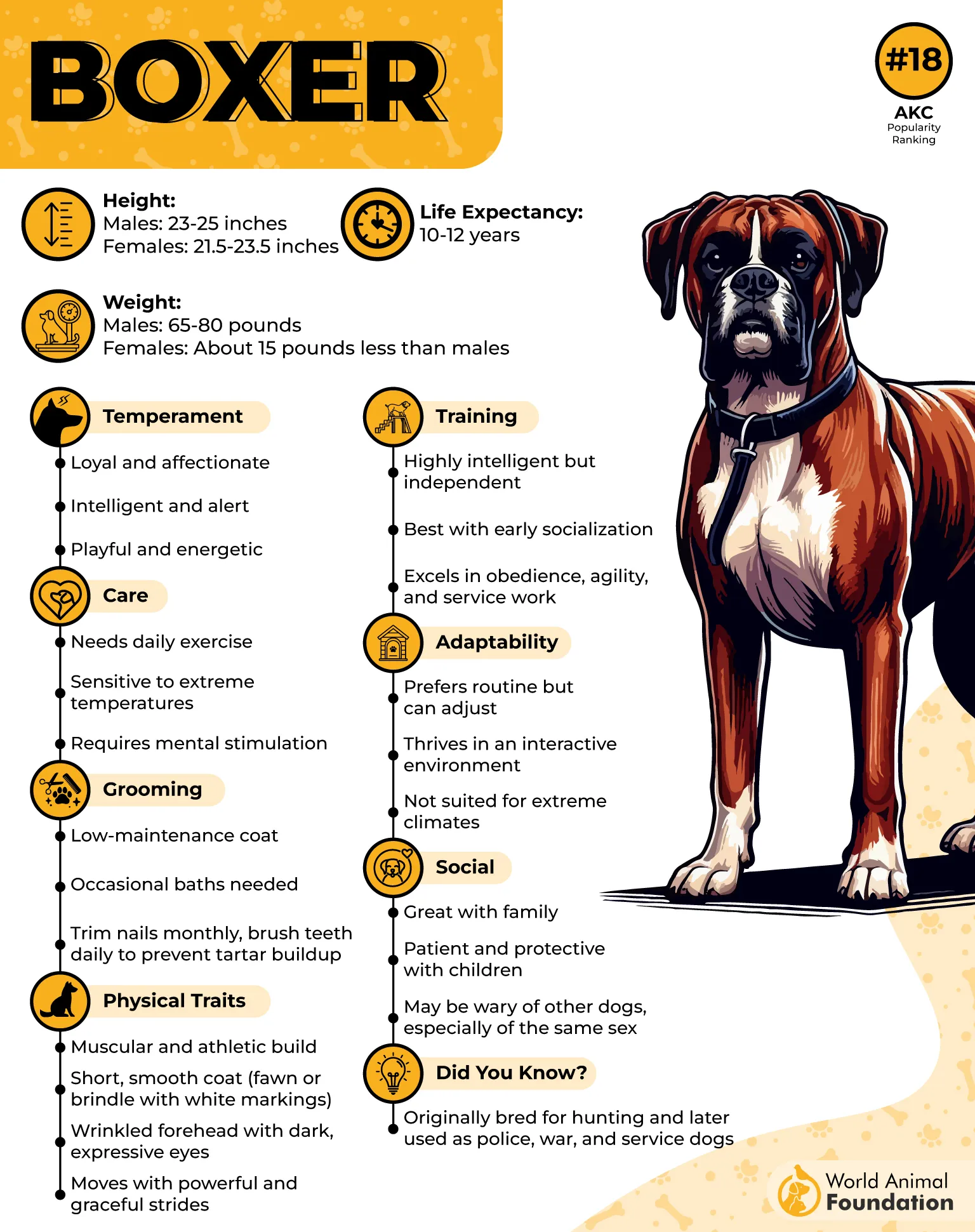
Boxers are famous for their joyful, puppy-like personalities that last a lifetime. Loyal, fearless, and deeply attached to their families, they thrive on constant companionship. While protective, they are not aggressive without cause and are known for their expressive, sometimes goofy behavior.
Power, Speed, and the Need to Move
As a high-energy breed, Boxers need daily exercise and mental stimulation to stay balanced. Running, jumping, and interactive play help channel their strength and excitement. Agility training is an excellent outlet, combining physical challenge with handler interaction.
Why Boxers Bring Energy to the Agility Ring
Muscular, athletic bodies support explosive movement
High enthusiasm keeps motivation levels strong
Natural confidence reduces hesitation about obstacles
A strong handler bond improves teamwork and timing
A play-driven mindset makes training fun and rewarding
Conclusion
High-energy dog breeds are perfect for agility sports, excelling in dog sports and agility competitions due to their athletic build and intelligent breed traits. Medium-sized dogs and herding dogs thrive with active owners who provide plenty of adequate exercise and mental stimulation.
Agility training, agility courses, and performance sports challenge both their physical activity and mental engagement. Active play, advanced obedience, and endurance sports like dock diving or long-distance running offer pet parents ways to prevent boredom and destructive behavior.
Energetic nature and boundless energy make these high-energy breeds excellent companions for active families who enjoy outdoor fun and outdoor adventures.
Consistent training, regular exercise, and daily life filled with training sessions, interactive play, and physical stimulation strengthen loyalty and foster a gentle temperament.
