




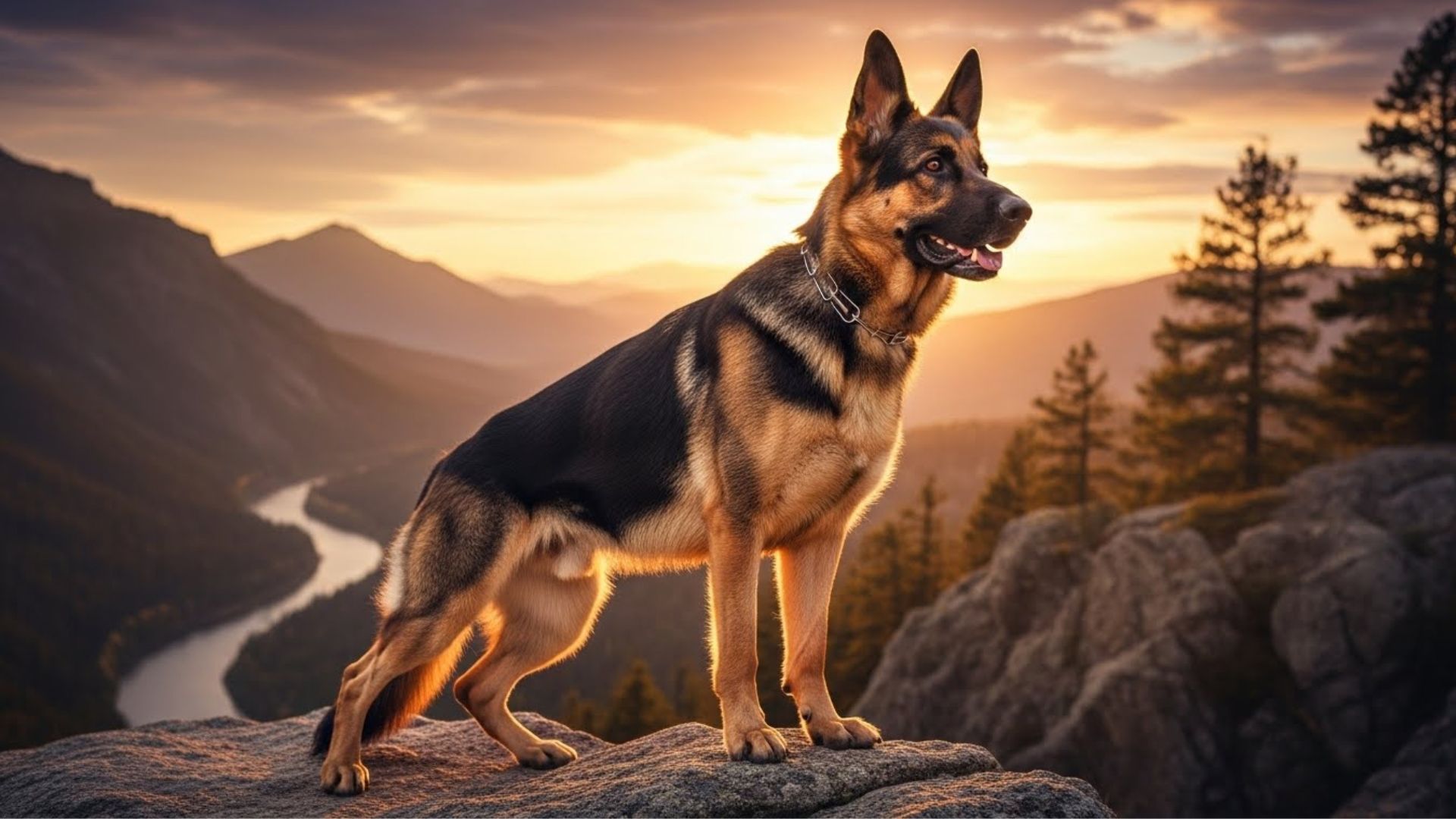
Power in dogs sparks curiosity, admiration, and debate, but what does it truly mean? Is it raw muscle, commanding presence, or an unseen combination of instinct, intelligence, and purpose alone?
For centuries, humans shaped canine power through selective breeding, guided by survival needs and working roles. Hunting, guarding, and herding demanded strength, endurance, and control passed carefully through generations worldwide.
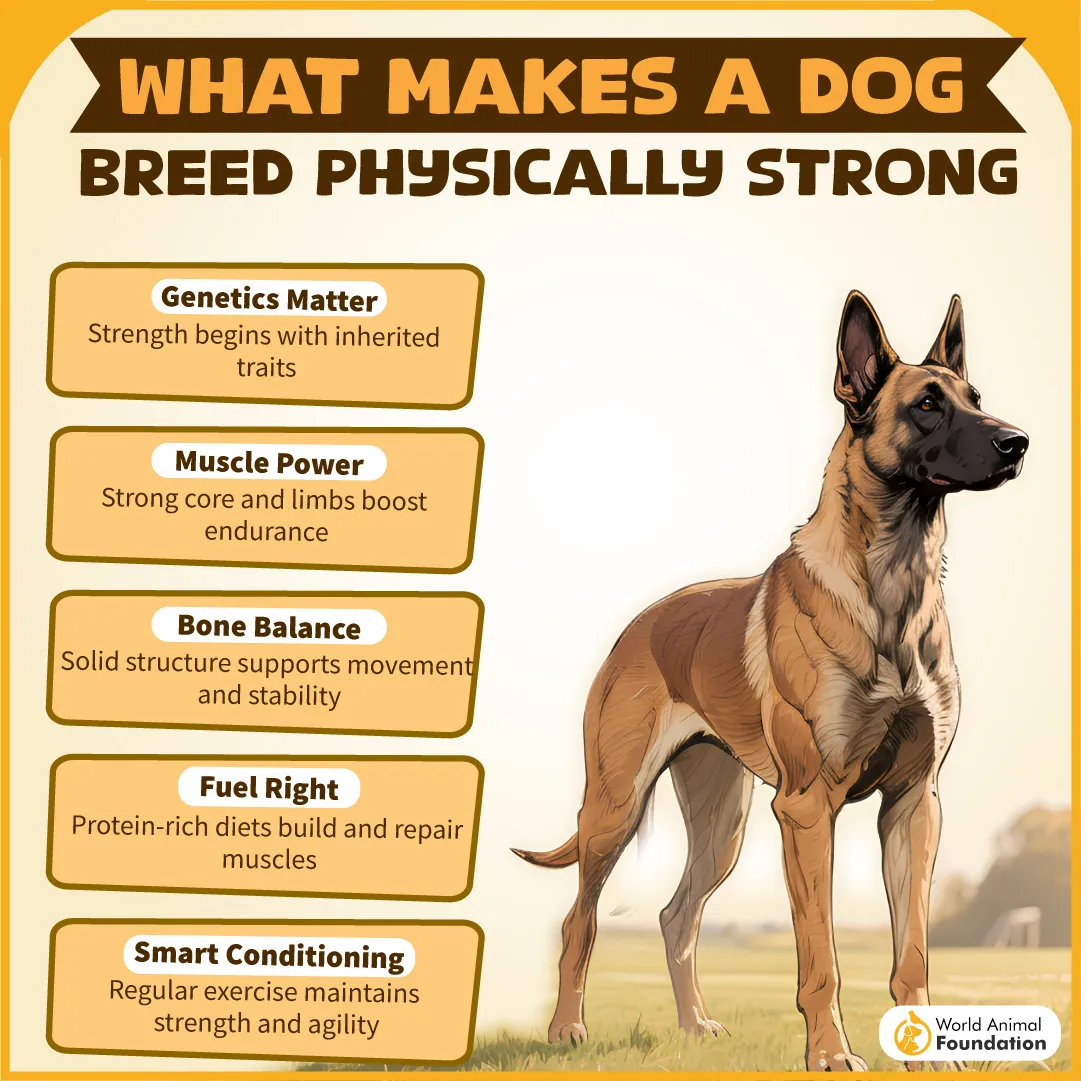
Genetics refines this strength, influencing muscle density, bone structure, stamina, and drive. These inherited traits determine not only how dogs look, but how they move, think, and respond under pressure.
Across cultures and eras, powerful dogs have guarded homes, hunted game, and stood beside people in war and work. Their strength symbolized protection, loyalty, and resilience long before modern companionship.
Today, fascination with powerful dogs remains as strong as ever, blending respect with responsibility. Understanding what power means helps us appreciate breeds beyond appearance, into history, purpose, and heart itself.
Remarkable Dog Breeds Exhibiting Unmatched Power
1. American Pit Bull Terrier
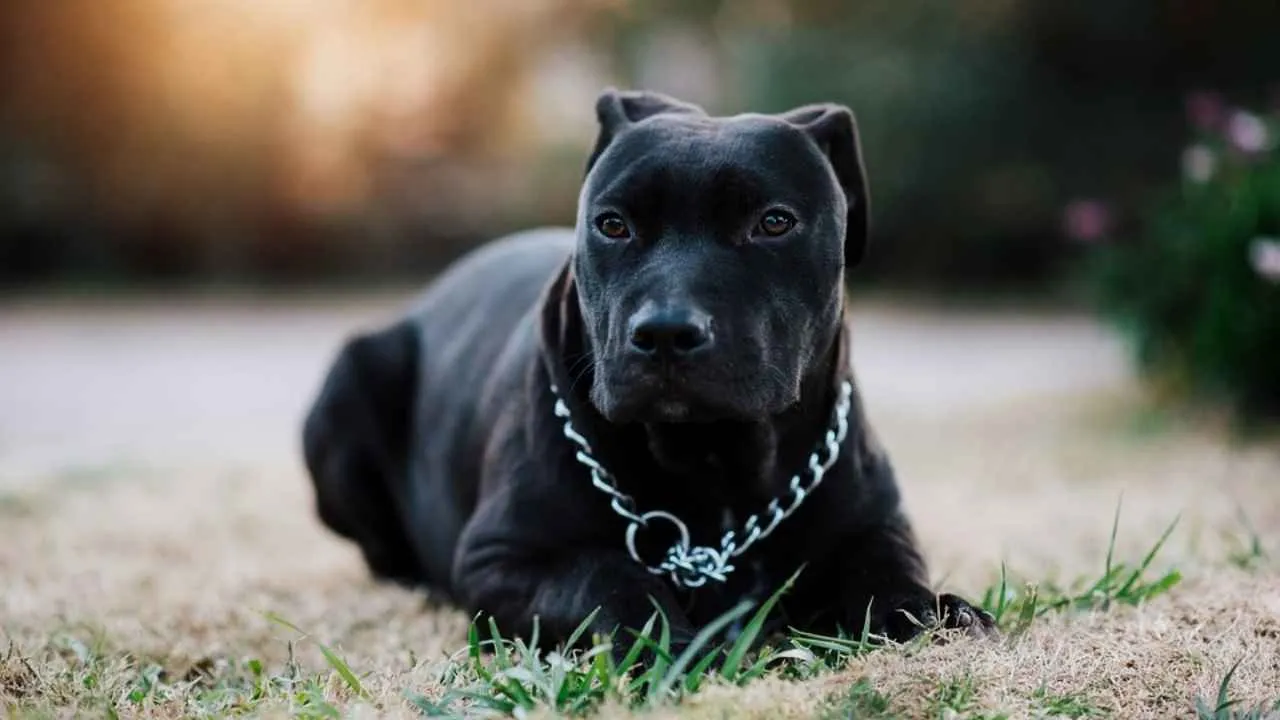
The American Pit Bull Terrier showcases a compact frame packed with extraordinary muscular density, making it a fascinating study in canine power and control. Strength in this breed is not accidental; it is supported by efficient biomechanics, strong shoulders, and a focused, problem-solving mind that thrives on engagement and challenge.
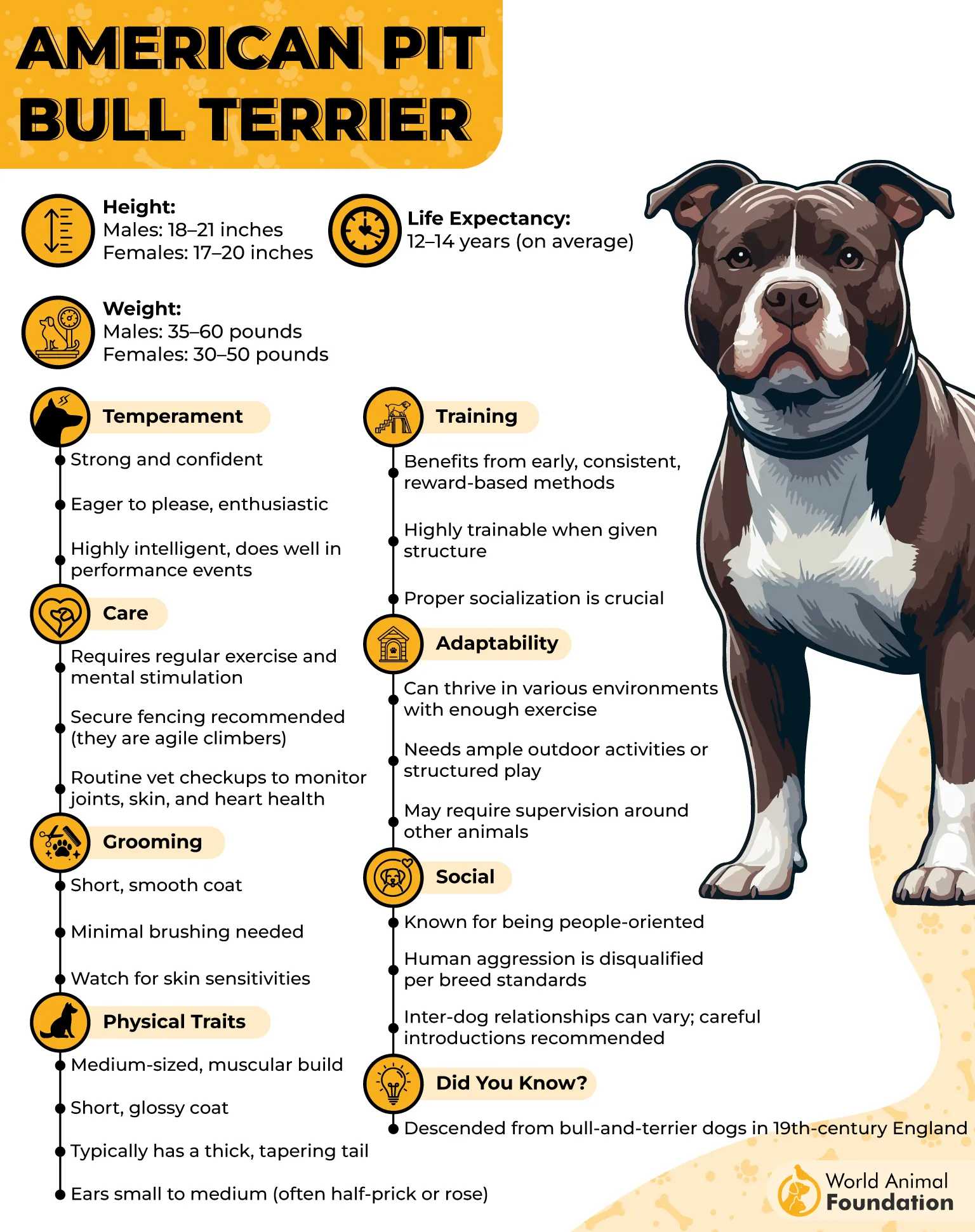
PetMD adds that originally developed for demanding work that required stamina and determination, this breed was shaped to combine physical capability with mental resilience. Early roles emphasized persistence, agility, and the ability to work closely with humans, reinforcing both confidence and responsiveness.
Living with such power requires commitment and understanding.
Structured daily exercise that channels energy productively
Consistent training rooted in clarity and positive reinforcement
Firm but fair leadership to build trust and focus
Caring for strength also means protecting it long term.
Protein-balanced nutrition to support lean muscle mass
Joint-conscious conditioning to avoid unnecessary strain
Regular veterinary checks to monitor muscular and skeletal health
In motion, the American Pit Bull Terrier is agile, explosive, and remarkably coordinated. Short bursts of speed, quick pivots, and controlled strength highlight athletic versatility rather than brute force.

Temperament plays a crucial role in how this power presents itself. Known for loyalty and enthusiasm, this breed bonds deeply with its people and responds best to environments that reward calm confidence and clear communication.
2. Dogo Argentino
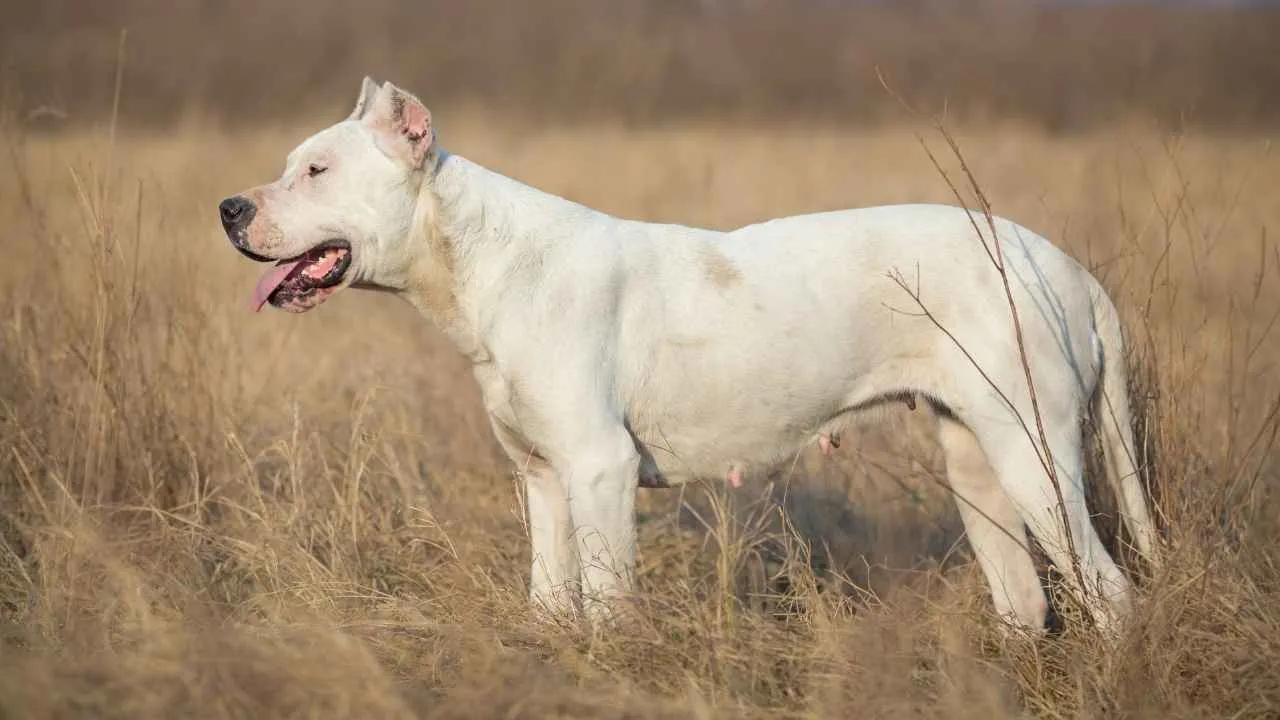
The Dogo Argentino is built like an elite athlete, combining thick muscle fibers, a powerful neck, and a broad chest designed for sustained physical output. Strength here pairs with sharp awareness, giving the breed an impressive balance between force and calculated action.
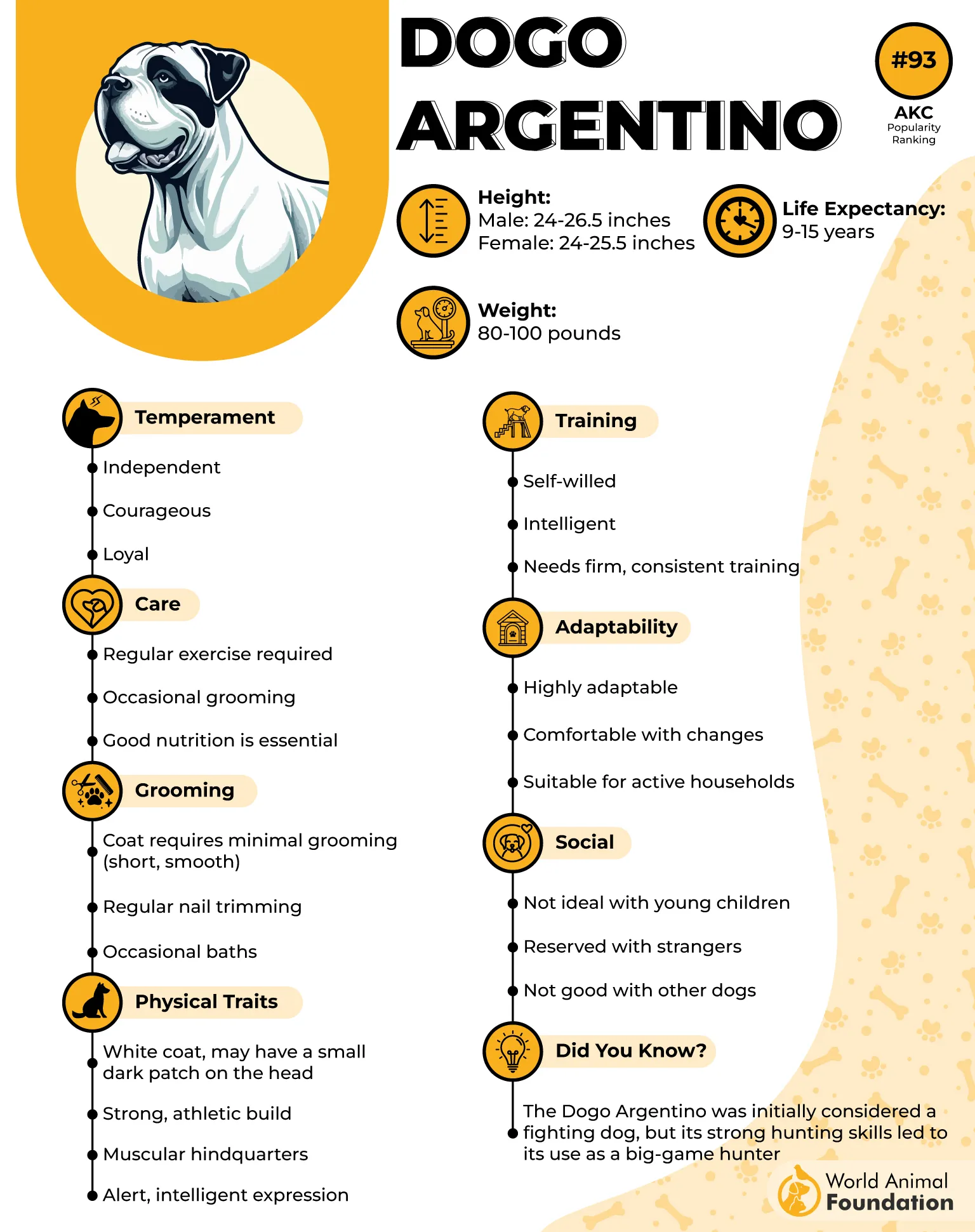
Britannica explains that this breed was purposefully created for big-game hunting in challenging terrain, requiring courage, endurance, and teamwork. Its development focused on producing a dog capable of tracking, confronting, and holding large prey while remaining responsive to human direction.
Life with a Dogo Argentino demands preparation and respect for its capabilities.
Ample space and daily physical outlets
Early socialization to shape confident, stable behavior
Clear boundaries reinforced through consistent training
Maintaining peak condition requires thoughtful care.
High-quality diets that fuel muscle recovery
Conditioning routines that build endurance safely
Monitoring skin and joint health due to size and activity level
Movement reveals the breed’s true elegance, marked by smooth strides and controlled power. The Dogo Argentino excels in endurance-based tasks, sustaining strength over long periods without sacrificing balance.
Temperament reflects a blend of confidence and devotion. When guided responsibly, this breed shows calm vigilance, deep loyalty, and a composed presence that mirrors its purposeful design.
3. Boxer
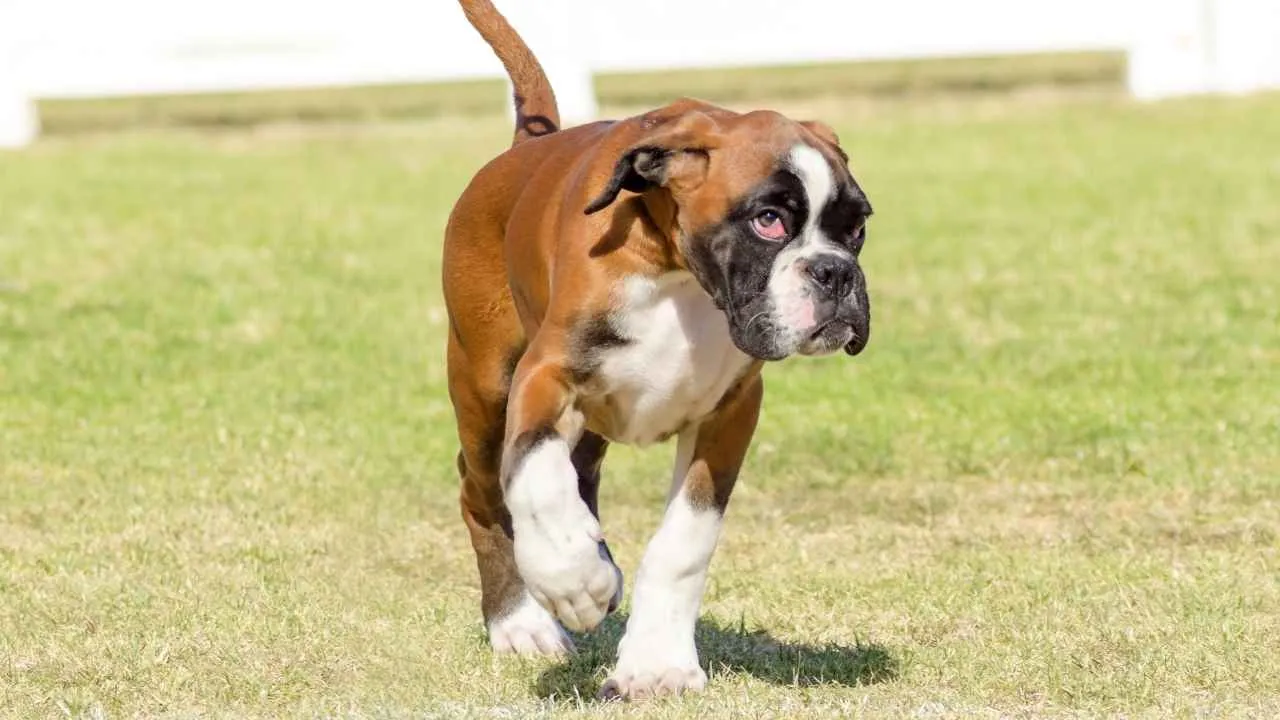
The Boxer’s square build and pronounced musculature give it a spring-loaded appearance, hinting at the energy stored beneath the surface. Strength in this breed pairs with alert intelligence, creating a dog that is both physically capable and mentally engaged.
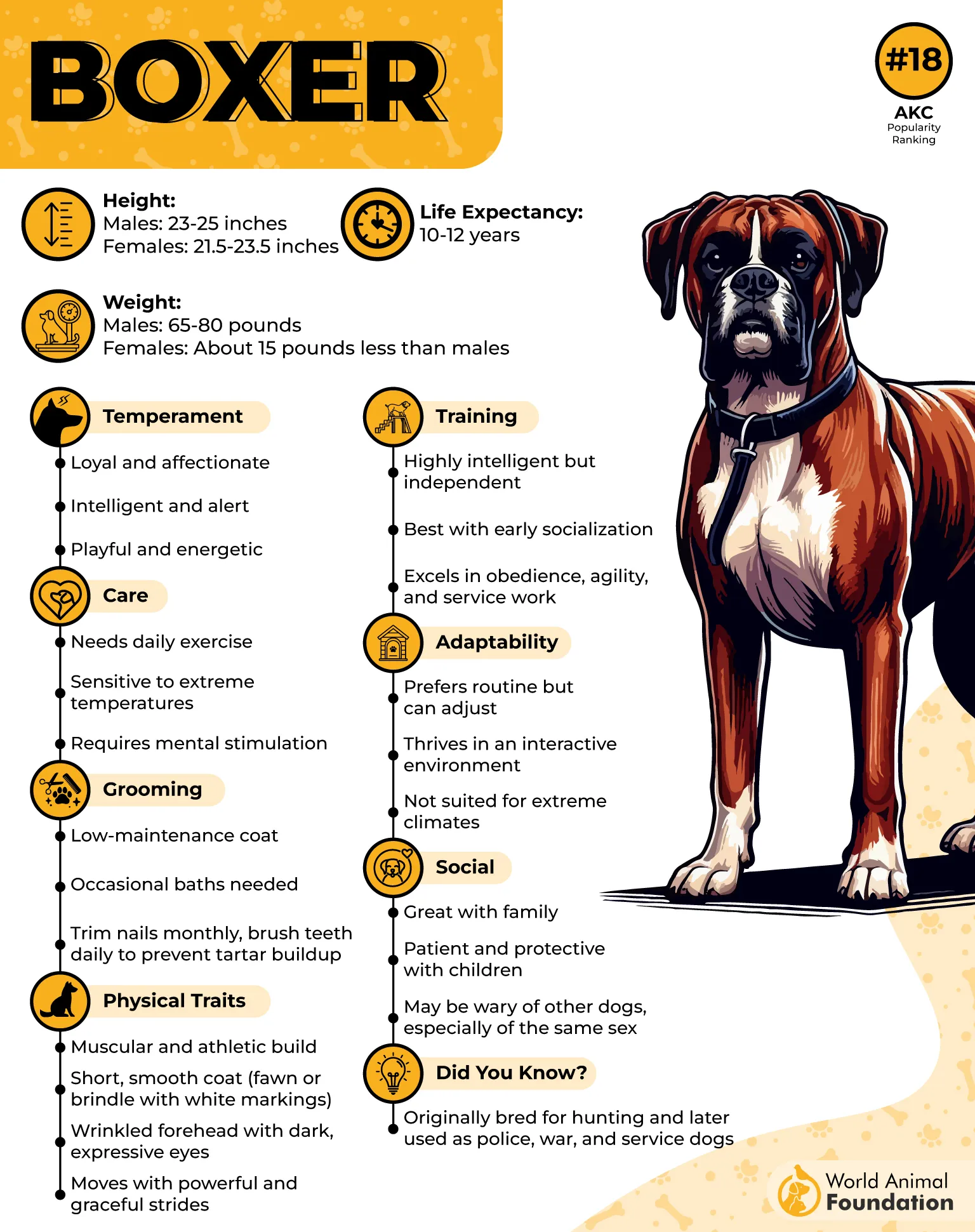
Developed as a working and guarding companion, the Boxer’s history demanded quick reactions and sustained stamina. Its role required strength that could shift instantly into movement, reinforcing versatility over raw mass.
Sharing life with a Boxer brings lively commitment.
Daily play sessions that challenge both body and mind
Training routines that embrace variety and engagement
Clear expectations paired with patience
Supporting long-term strength means proactive care.
Balanced nutrition tailored to high activity levels
Cardio-focused exercise to support heart health
Joint-friendly workouts that preserve mobility
In motion, the Boxer moves with bounce and precision, combining speed with sudden directional changes. Athletic play, agility work, and interactive exercise highlight this breed’s dynamic power.
Temperament softens that strength into approachability. Hills Pet notes that known for expressiveness and enthusiasm, it thrives on companionship, offering a blend of protective instinct and playful warmth.
4. Staffordshire Bull Terrier
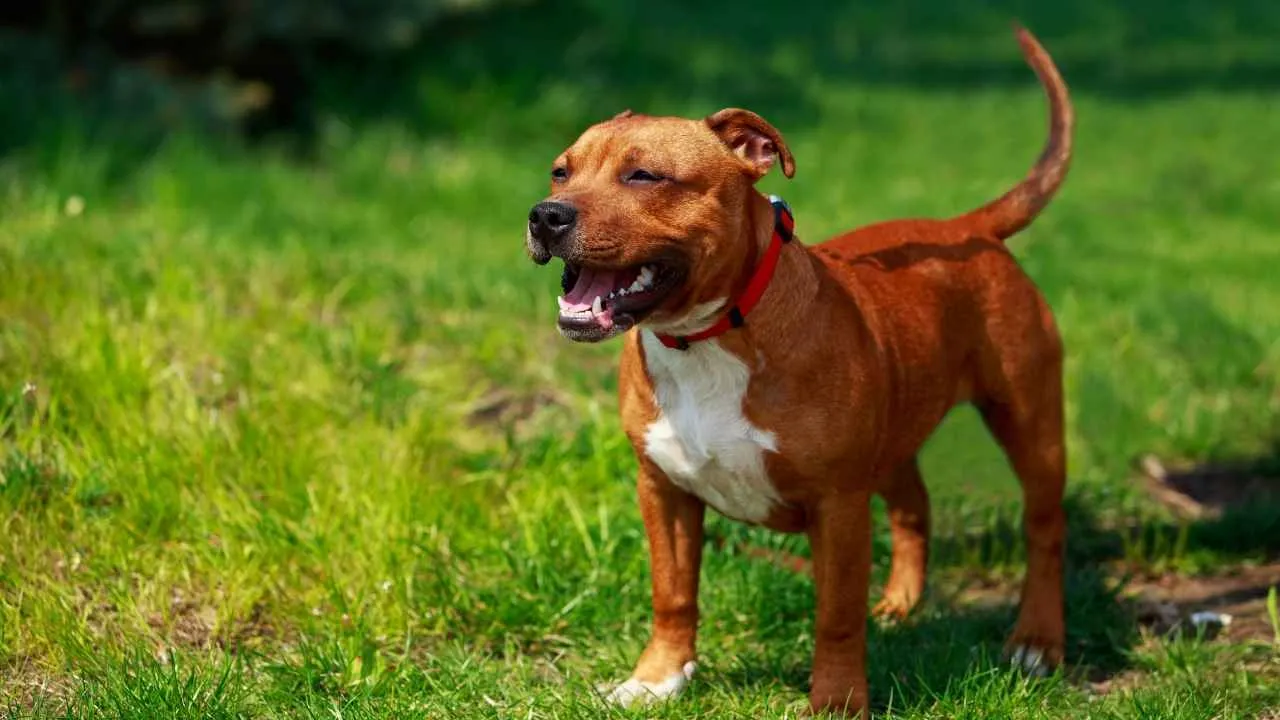
The Staffordshire Bull Terrier carries impressive power within a compact, low-centered frame. Broad shoulders and strong jaws contribute to strength that feels concentrated, guided by keen awareness and emotional intelligence.
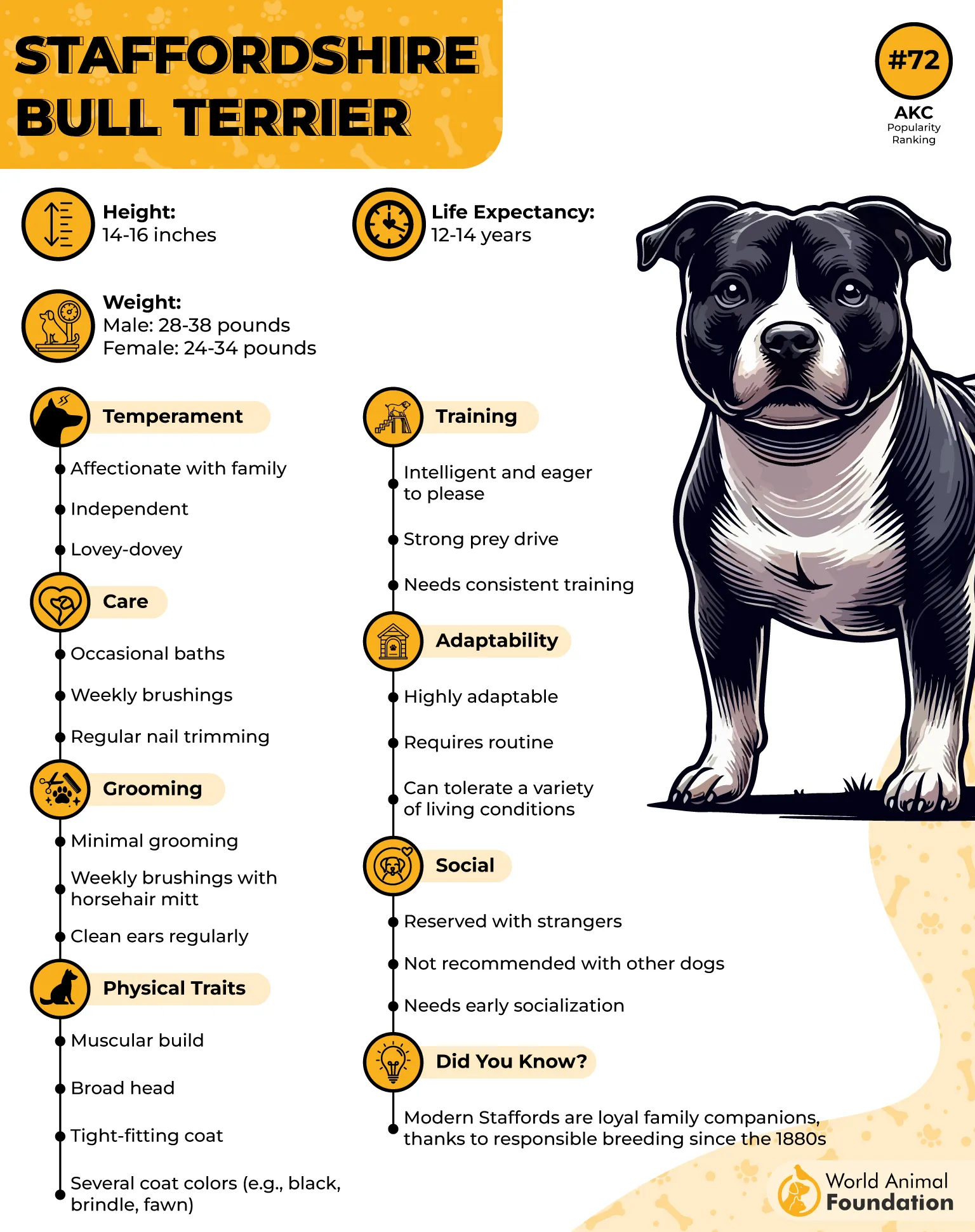
Historically bred for physically demanding roles, this breed was shaped to perform under pressure while remaining attentive to its handlers. Selection favored determination, courage, and close human bonds.
Living alongside this muscular companion requires thoughtful structure.
Engaging exercise that burns energy efficiently
Firm routines that encourage consistency
Positive guidance to nurture confidence
Preserving physical capability starts with mindful care.
Nutrient-dense meals to sustain muscle tone
Weight management to protect joints
Regular conditioning rather than sporadic exertion
The Staffordshire Bull Terrier moves with surprising agility, combining strength with quick acceleration. Short sprints and controlled play showcase athletic efficiency over endurance.
Temperament adds depth to its physical presence. This breed is known for affection, loyalty, and emotional sensitivity, proving that true power often includes empathy and connection.
5. German Shepherd
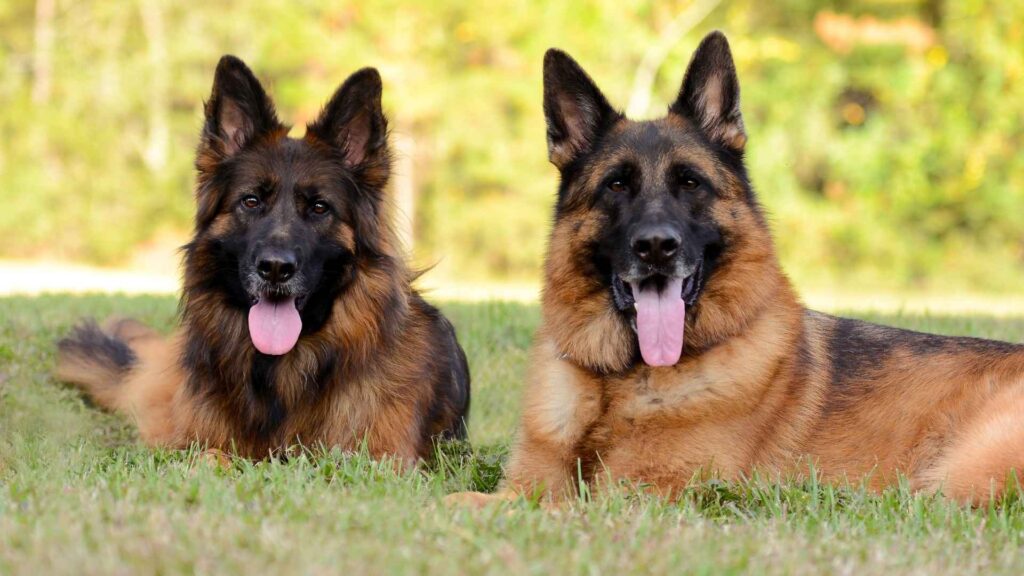
The German Shepherd exemplifies functional strength, built for endurance, balance, and purposeful movement. A strong core, well-angulated limbs, and a highly analytical mind allow power to flow seamlessly into action.
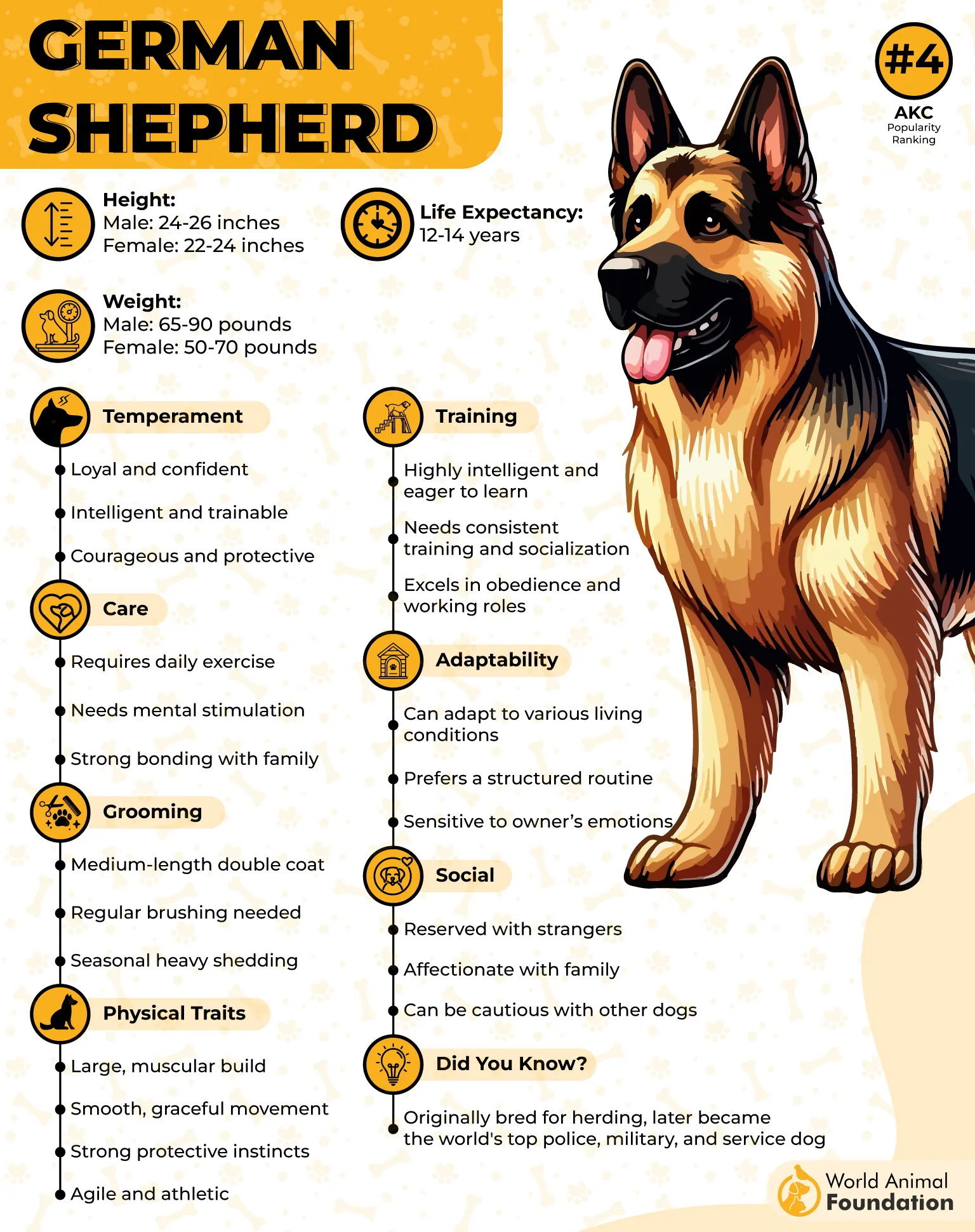
This breed was developed for herding and protection work, roles that demanded stamina, adaptability, and intelligence. Strength evolved alongside problem-solving ability, creating a dog capable of making independent decisions.
Life with a German Shepherd thrives on engagement.
Advanced training that challenges the intellect
Daily exercise with varied intensity
Clear leadership to guide instinctive drive
Sustaining long-term strength requires proactive support.
Joint-supportive nutrition from early stages
Conditioning that balances strength and flexibility
Monitoring hips and spine health regularly
In motion, the German Shepherd displays effortless efficiency. Long strides, controlled turns, and sustained pace define athleticism rooted in purpose rather than spectacle.
Temperament reflects confidence and loyalty. With proper guidance, this breed channels power into calm vigilance, forming deep bonds and excelling as both working partner and devoted companion.
6. Rottweiler
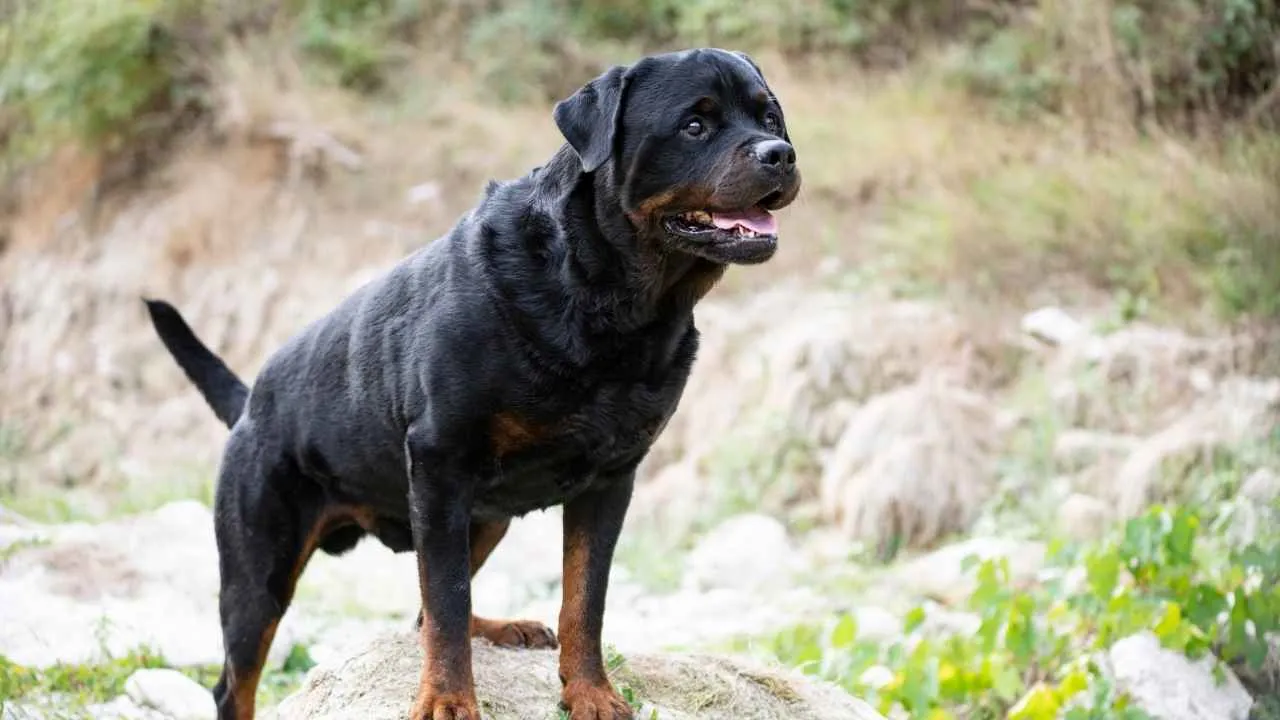
The Rottweiler’s power is immediately evident in its solid bone structure, broad chest, and thickly muscled frame, engineered for strength that feels grounded and deliberate. What makes this power compelling is the mind behind it: a calm, confident intelligence that assesses situations before acting.
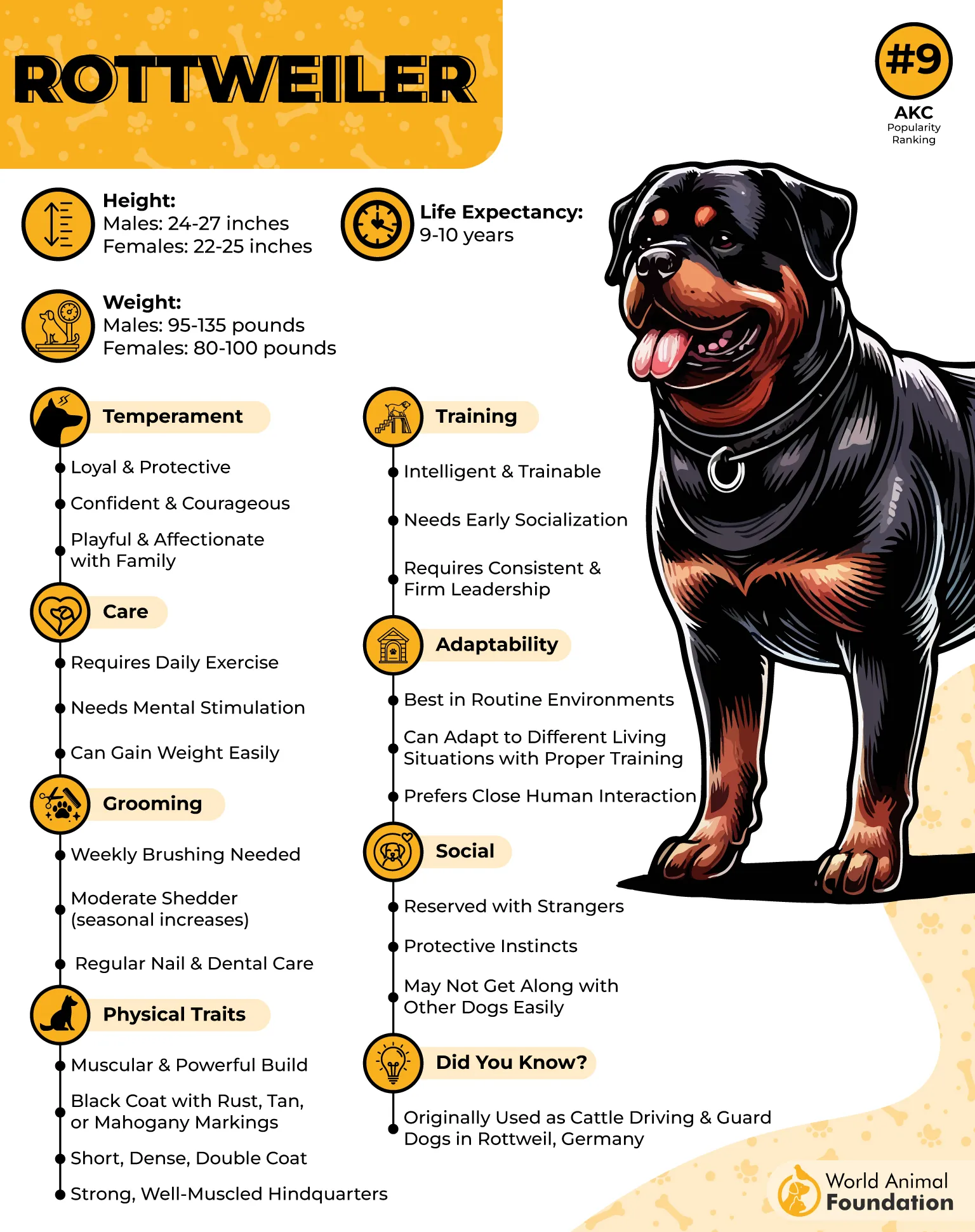
Historically, this breed was created to drive cattle and guard goods for Roman traders, demanding both physical force and reliability. Strength served a working purpose, reinforced by generations of selective breeding focused on endurance, courage, and loyalty to human handlers.
Living with a Rottweiler means respecting structure and responsibility.
Clear rules and consistent leadership from an early age
Regular strength-building exercise paired with obedience work
Mental stimulation to prevent boredom-driven behaviors
Caring for such a powerful dog requires foresight.
Controlled calorie intake to maintain optimal weight
Muscle-supporting nutrition with joint-protective elements
Routine health checks focusing on hips, elbows, and heart
In motion, the Rottweiler is steady and efficient rather than flashy. Its gait reflects controlled force, capable of sustained work and sudden bursts when needed.
Temperament tempers that strength with devotion. Properly guided, this breed is composed, deeply loyal, and protective without being impulsive, embodying power expressed through calm authority.
7. Doberman Pinscher
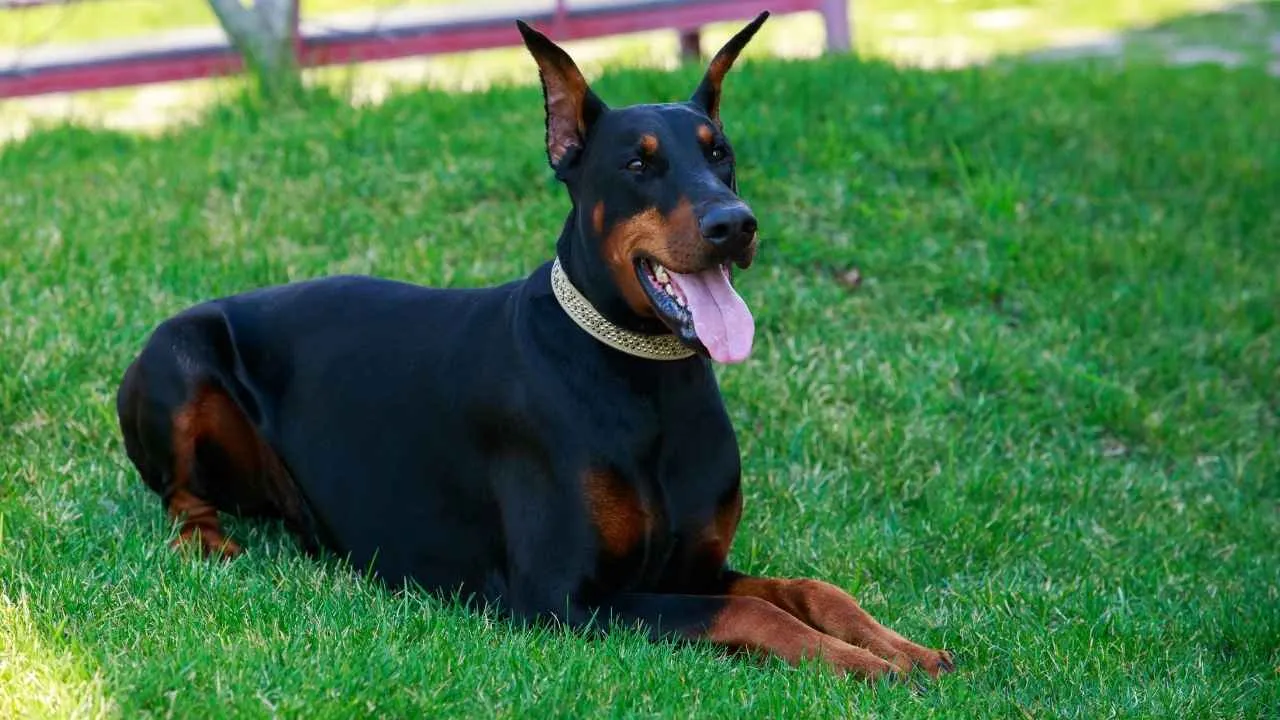
The Doberman Pinscher represents a refined expression of power, blending lean muscle, speed, and heightened awareness. Strength here is aerodynamic, supported by a sharp intellect that thrives on precision and responsiveness.
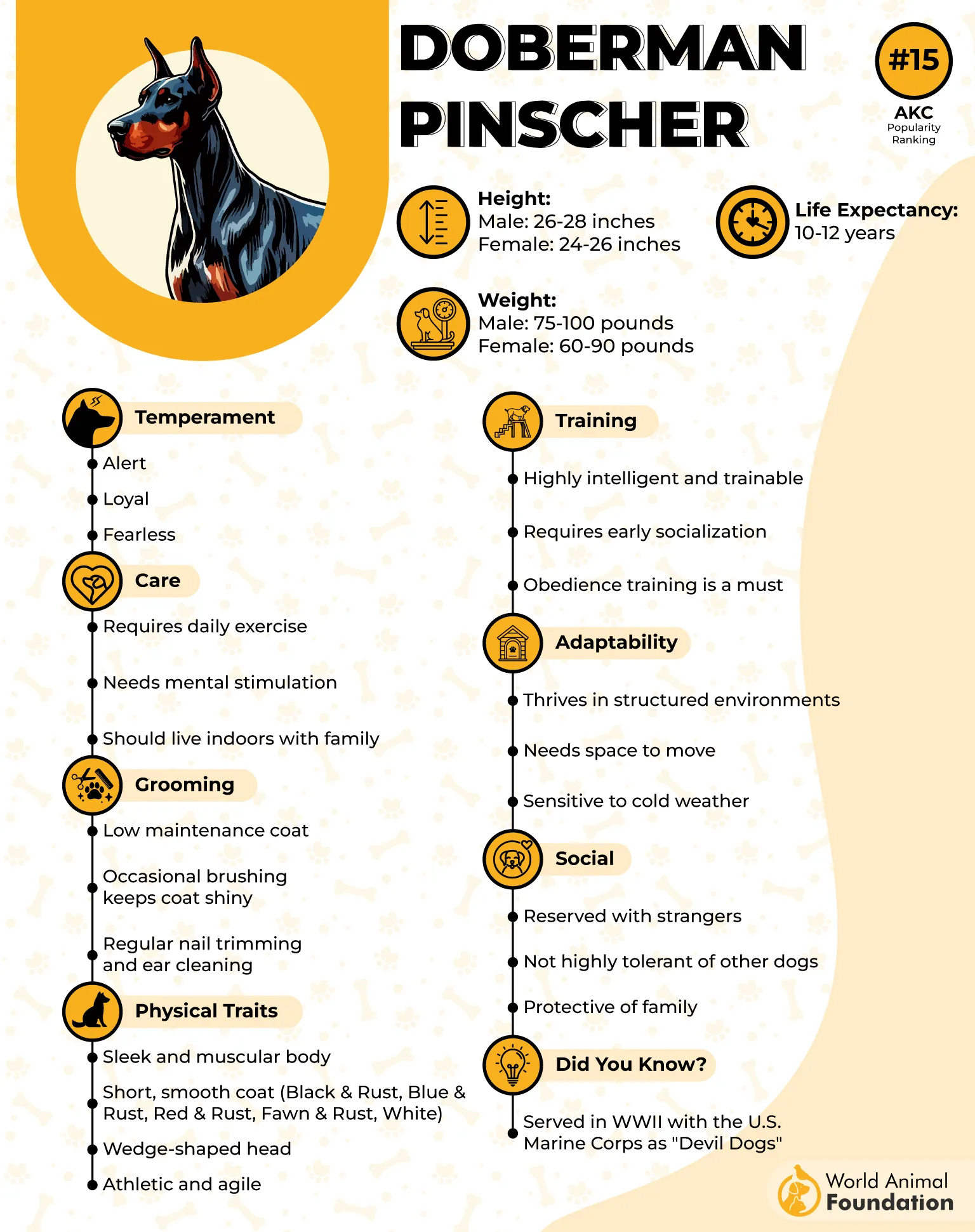
This breed was purpose-built for personal protection, designed to stay close to its handler while remaining alert and capable of swift action. Every physical trait supports vigilance, agility, and controlled force rather than raw bulk.
Life with a Doberman thrives on partnership.
Daily exercise that challenges speed and coordination
Training routines emphasizing responsiveness and trust
Close human interaction to reinforce bonding
Maintaining peak condition means intentional care.
High-quality diets that support lean muscle mass
Cardiovascular conditioning alongside strength work
Monitoring heart health as part of routine wellness
Movement defines the Doberman’s power. Long strides, rapid acceleration, and precise turns showcase athleticism built for protection and pursuit.
Temperament balances intensity with loyalty. Known for deep attachment to family, this breed channels strength through attentiveness and composure, creating a presence that feels both powerful and reassuring.
8. Cane Corso
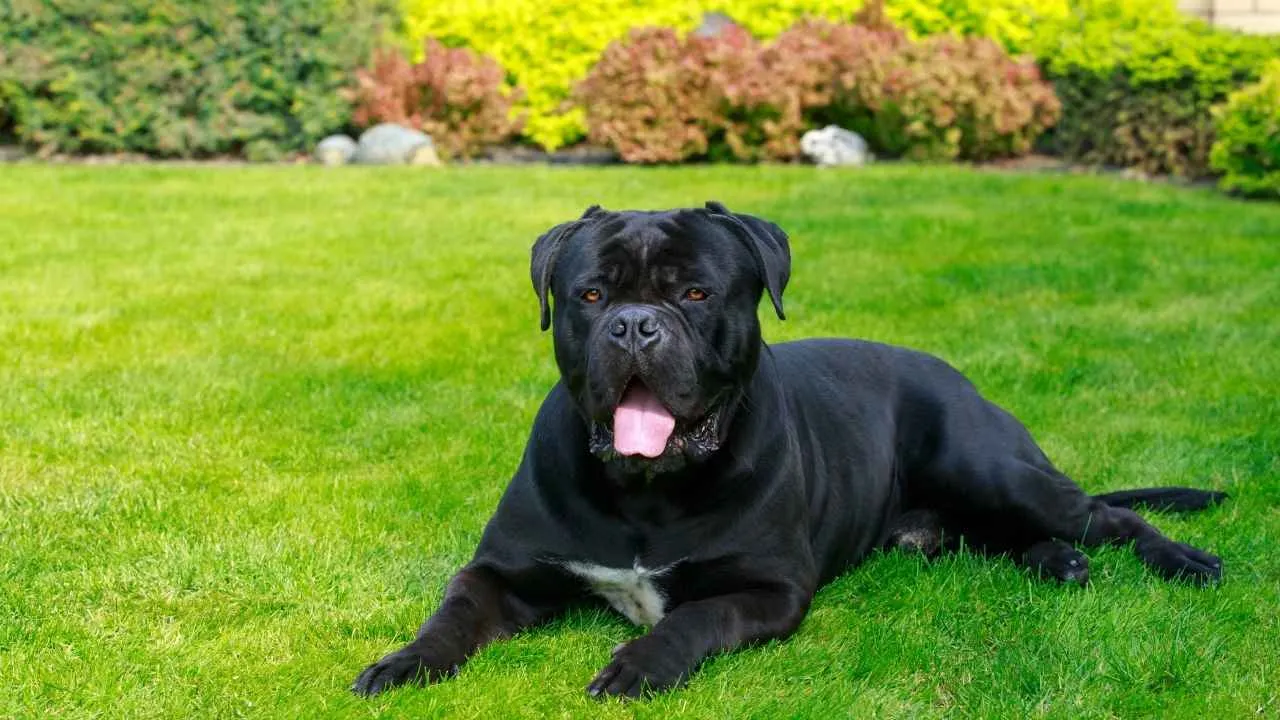
The Cane Corso commands attention with its massive frame, thick musculature, and imposing head structure, all signaling formidable physical strength. Intelligence and situational awareness guide that power, resulting in a breed that acts with intention rather than impulse.
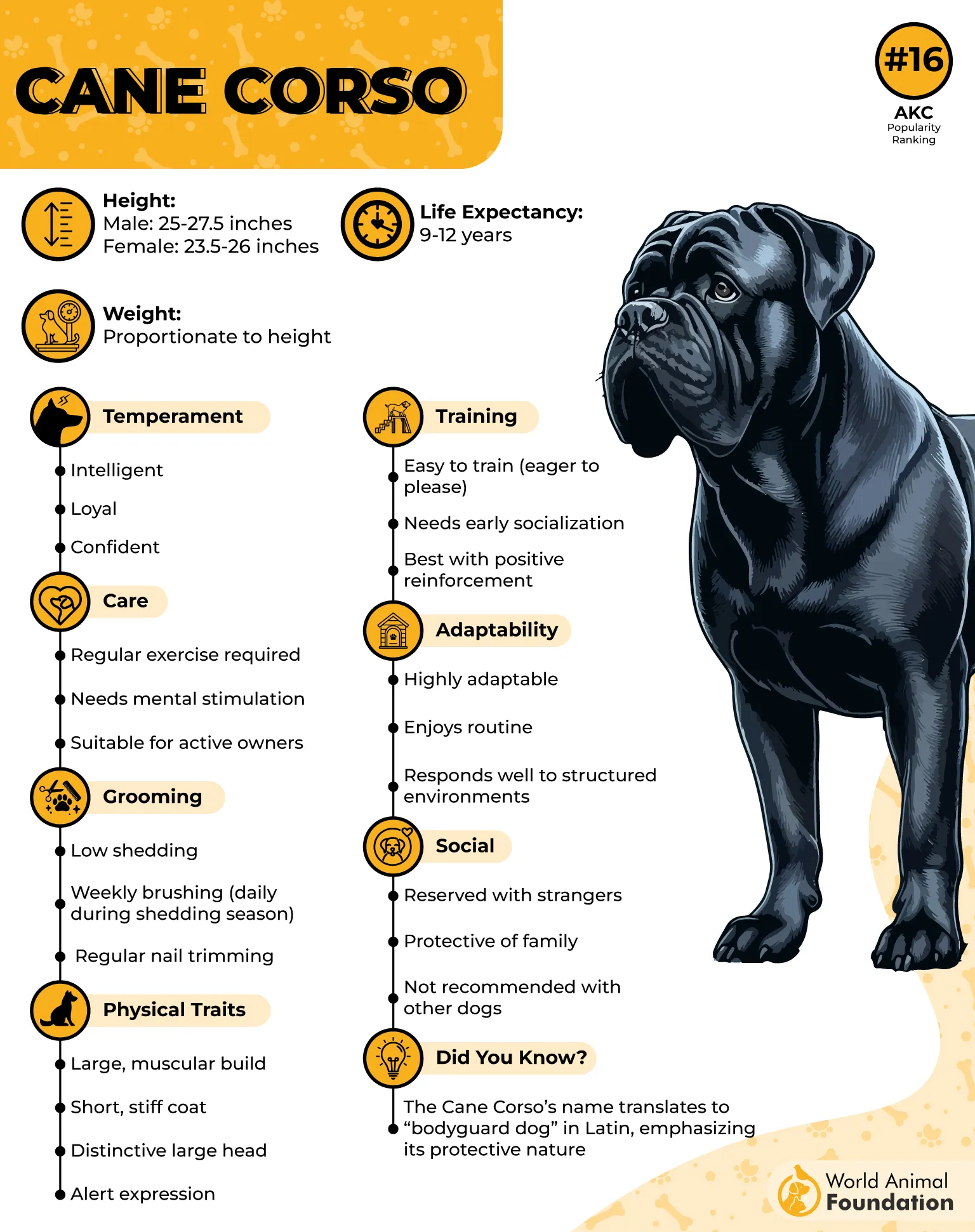
Originating as a guardian and protector in rural Italy, this breed was shaped to defend property and livestock independently. Its strength evolved alongside discernment, producing a dog capable of making decisions under pressure.
Sharing life with a Cane Corso requires preparedness.
Early training to establish boundaries and confidence
Daily physical outlets that match size and energy
Ongoing social exposure to encourage stability
Supporting such strength involves proactive management.
Carefully balanced nutrition to support large-breed needs
Joint-focused conditioning to preserve mobility
Monitoring growth and muscle development closely
In motion, the Cane Corso is powerful yet fluid. Its stride reflects controlled momentum, capable of sudden acceleration paired with impressive balance.
Temperament brings depth to its presence. With proper guidance, this breed is calm, devoted, and naturally protective, expressing power through watchfulness and quiet authority.
9. Rhodesian Ridgeback

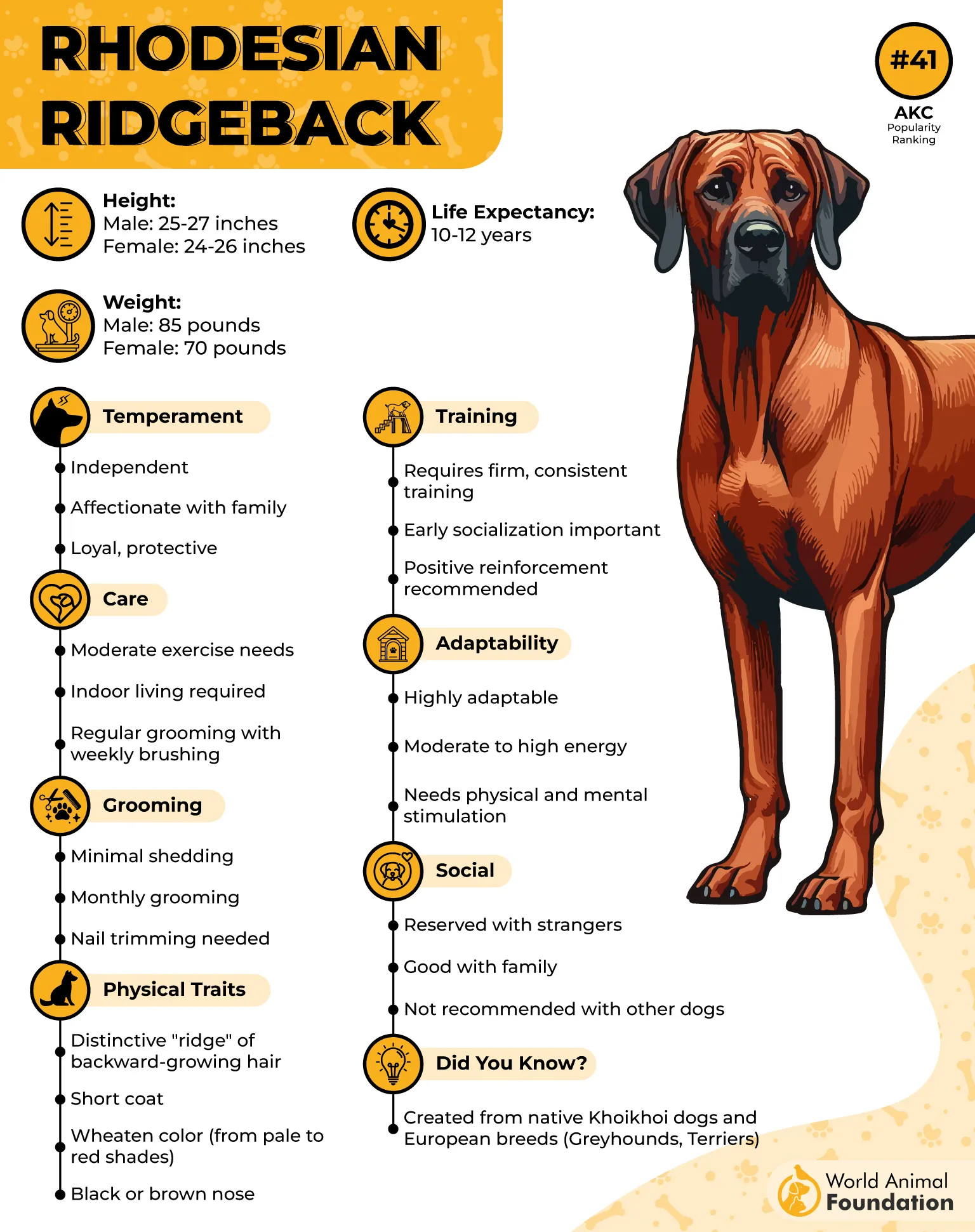
The Rhodesian Ridgeback embodies endurance-based power, built on a foundation of strong limbs, deep chest capacity, and efficient muscle distribution. Mental resilience complements physical strength, allowing this breed to perform consistently in demanding conditions.
Originally developed to hunt and track large game across harsh African terrain, the strength in this breed prioritized stamina and courage. Its power was designed to last, not fade quickly, shaped by survival-driven purpose.
Life with a Ridgeback benefits from active engagement.
Regular endurance-focused exercise
Training that respects independent thinking
Opportunities for exploration and movement
Caring for sustained strength requires balance.
Lean diets that support muscle without excess weight
Conditioning routines that emphasize flexibility
Routine monitoring of joints and overall fitness
In motion, the Ridgeback moves with long, efficient strides. Speed builds gradually, revealing athletic endurance rather than sudden bursts.
Temperament softens physical capability into quiet confidence. Known for loyalty and composure, this breed expresses power through steadiness and self-assurance, earning admiration through presence rather than force.
Conclusion
Across the canine world, the strongest dog breeds were originally bred as working dogs and guard dogs, prized for incredible strength, sharp intelligence, and unwavering loyalty.
From herding dogs handling herding tasks to sled dogs like the Siberian Husky and Alaskan Malamute pulling sleds and hauling heavy loads, these impressive abilities continue to fascinate active owners.
Other breeds, such as the Australian Shepherd, Border Collie, Saint Bernard, Great Dane, Tibetan Mastiff, and Irish Wolfhoun,d suit active families seeking loyal companions.
With proper training, a balanced diet, and the right environment, these large dogs thrive as healthy, incredibly loyal partners for outdoor adventures.
