





Ever wondered how certain dogs can unravel invisible trails across forests, fields, and marshes? Tracking is not magic, but a refined blend of biology, instinct, and centuries of selective breeding.
From lingering ground scents to drifting airborne clues, elite hunting dogs interpret the world through their noses. Their endurance, focus, and decision-making transform scattered scent particles into purposeful movement forward.
This guide explores how different breeds excel at tracking under varied conditions. We examine what enables them to follow a game across distance, time, terrain, and environmental interference with remarkable consistency.
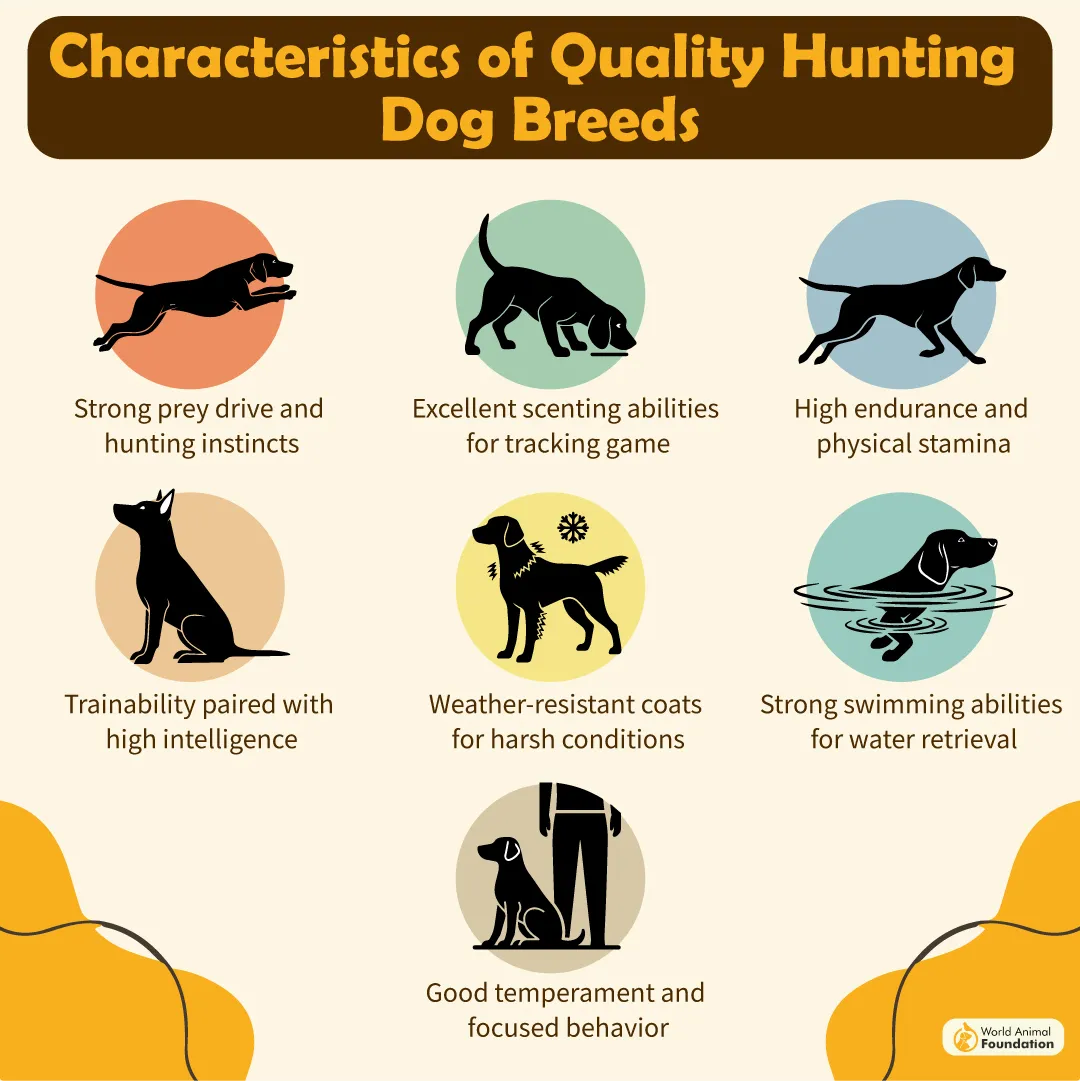
Beyond raw scenting power, successful tracking depends on stamina, trainability, and partnership with a handler. These tough dogs work methodically, adapting strategies as trails grow older or more complex in practice.
Whether you are curious about canine tracking capabilities or choosing a capable field companion, understanding tracking breeds matters. Let us follow the science, history, and instincts guiding these exceptional dogs today.
Hunting Dog Breeds with Superior Tracking Skills
1. Brittany Spaniel
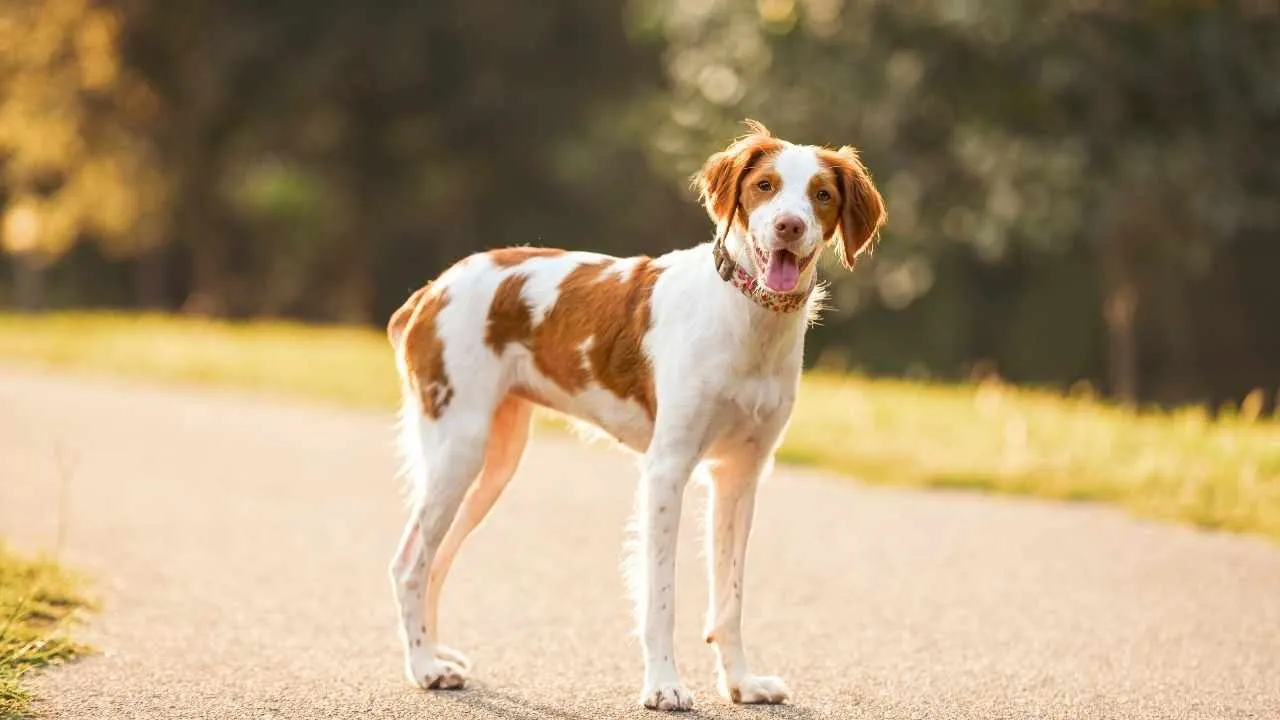
The Brittany Spaniel enters the tracking conversation with an alert expression and a compact, athletic frame that signals readiness for the field.
Known for an upbeat personality, this breed balances intense hunting focus with an affectionate, people-oriented temperament at home. That dual nature makes the Brittany Spaniel appealing to hunters who value both performance and companionship.
AKC explains that tracking ability in the Brittany Spaniel is driven by a sharp nose and an intuitive working style. As a natural bird dog, it excels at reading scent carried on the wind while maintaining close communication with its handler. Training tends to be smooth, as this breed thrives on praise, structure, and shared purpose in the field.
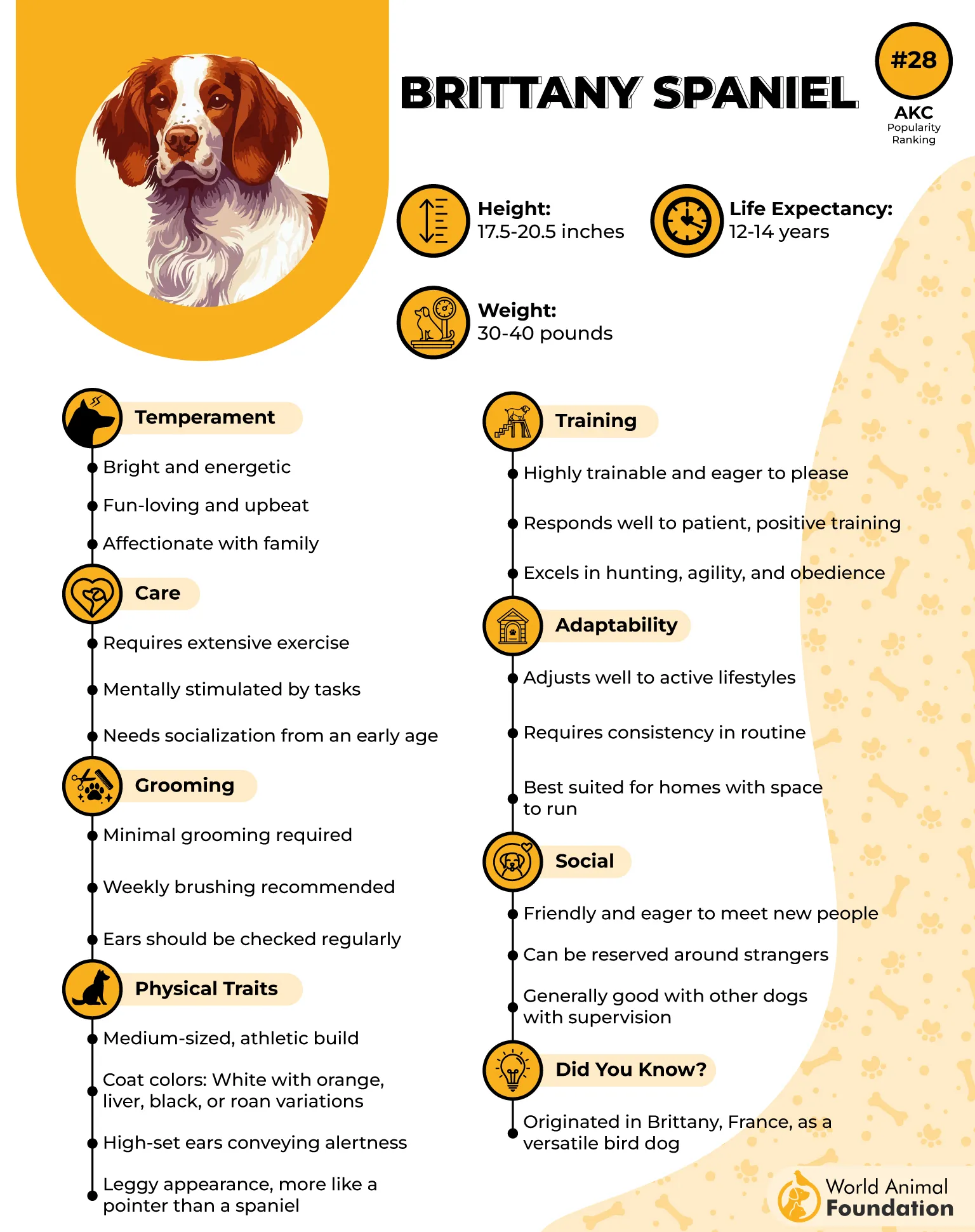
Hunting Style & Field Behavior
Fast-moving air-scent tracker that works within gun range
Frequent check-ins with the handler
Strong pointing instincts paired with quick recovery
Game Specialization
Upland birds such as quail, pheasant, and grouse
Light tracking work for wounded game
Endurance defines the Brittany Spaniel’s field presence more than raw speed. It can hunt for hours across uneven terrain without losing precision, adapting quickly as scent patterns shift. Mental resilience allows it to reset and refocus when trials break or conditions change.
Challenges arise primarily from energy management and mental stimulation needs. Without adequate work, this breed can become restless, yet its adaptability and intelligence consistently stand out.
As a hunting dog with superior tracking skills, the Brittany Spaniel offers a rare blend of efficiency, enthusiasm, and handler connection that elevates every outing.
2. German Shorthaired Pointer
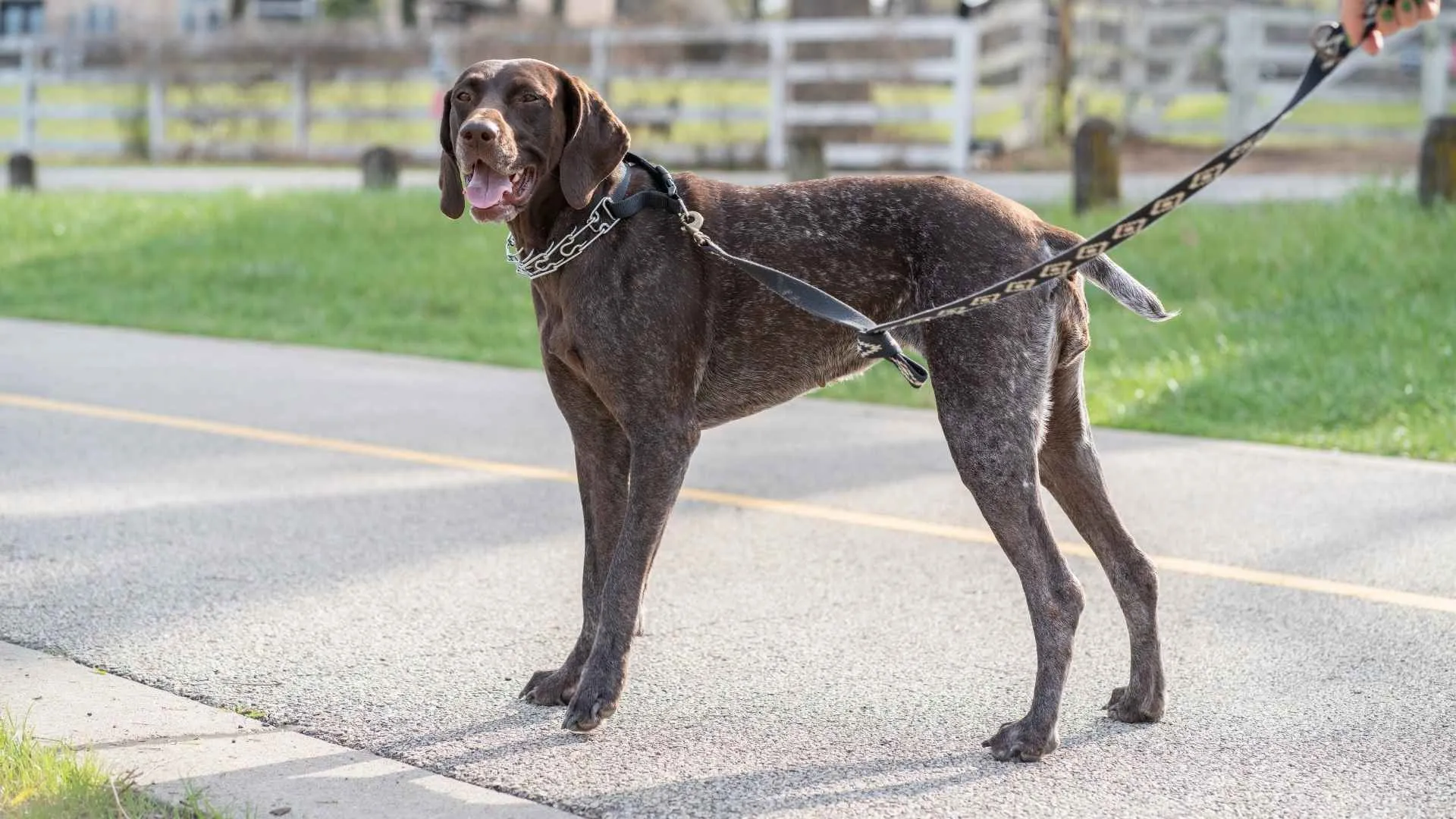
The German Shorthaired Pointer projects confidence from the moment it enters the field. Bred for versatility, it combines athletic power with a sharp, investigative mindset that suits serious tracking work. Outside of hunting, its loyal and engaged personality reflects a dog that prefers constant involvement in daily activity.
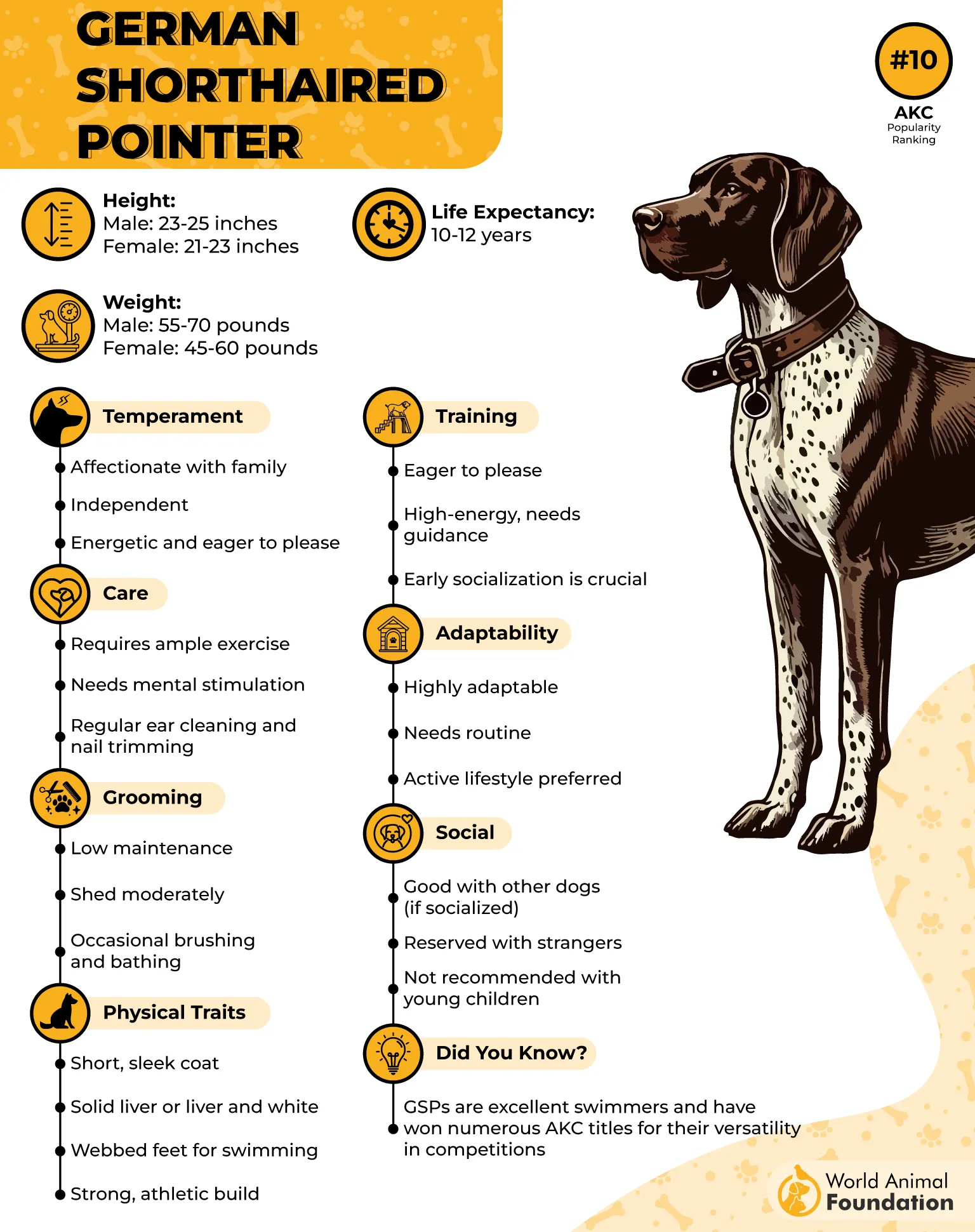
Scenting strength in the German Shorthaired Pointer comes from its ability to transition between air-scenting and ground tracking seamlessly.
This adaptability allows it to follow fresh trails or locate dispersed scent cones with equal precision. Its high intelligence supports advanced training, particularly for handlers who enjoy refining complex field commands.
Hunting Style & Field Behavior
Wide-ranging search patterns with controlled responsiveness
Strong pointing followed by reliable tracking
Effective in both open fields and dense cover
Game Specialization
Upland birds and waterfowl
Medium to large game tracking
PetMD notes that built for stamina and speed, the German Shorthaired Pointer thrives during long hunts that demand physical resilience. Its stride efficiency conserves energy, allowing it to maintain intensity throughout extended sessions. Mental toughness emerges when navigating unfamiliar terrain or recovering lost scent trails.
The breed’s primary consideration lies in its exercise demands and mental drive. It stands out as a superior tracking dog due to its rare combination of endurance, versatility, and problem-solving ability. For hunters seeking a capable all-around tracking partner, this breed delivers consistent field performance.
3. Basset Hound
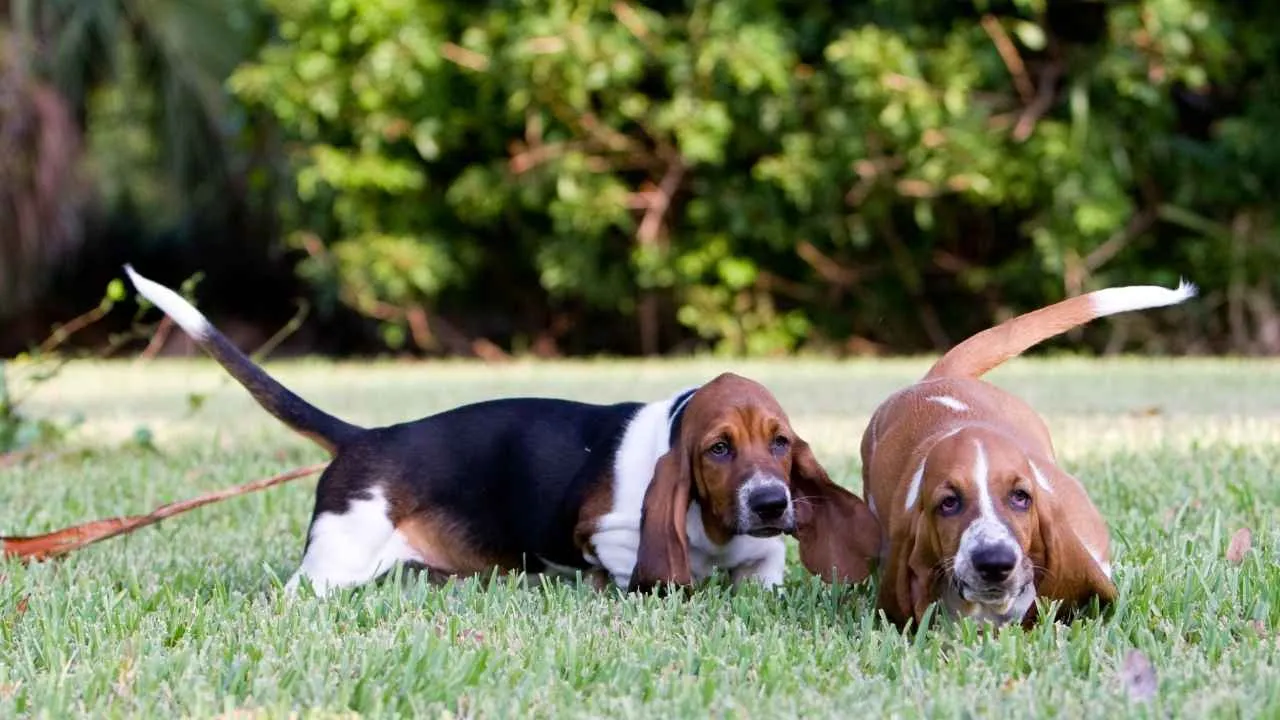
The Basset Hound may appear unhurried, yet its tracking reputation rests on methodical precision rather than speed. Its calm demeanor extends beyond the hunt, making it a composed and observant companion. That quiet determination becomes its greatest strength once its nose meets the ground.
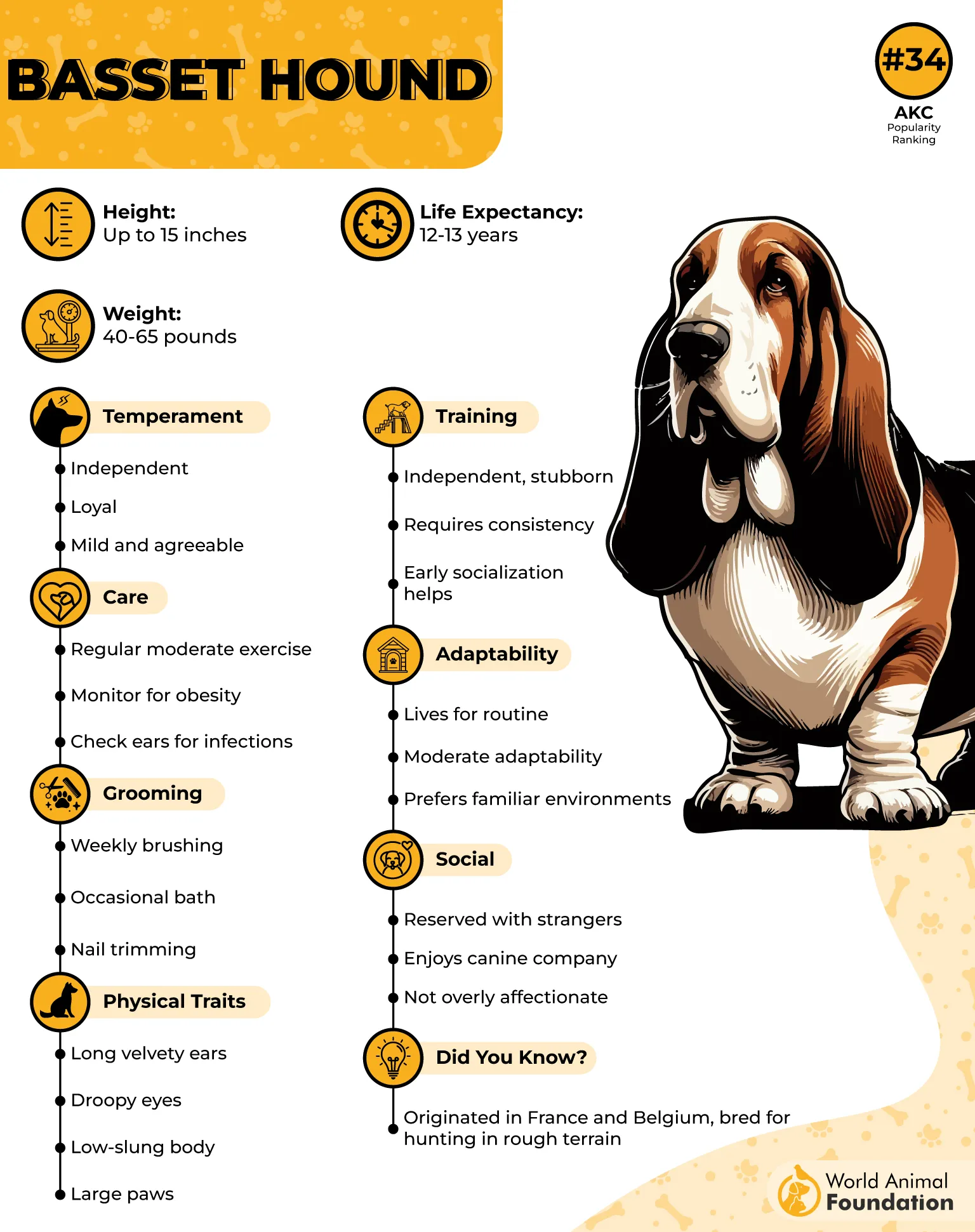
Few breeds rival the Basset Hound’s scenting capability at ground level. Its long ears and loose skin help trap scent particles, enabling detailed analysis of older trails. Training success depends on patience, as this breed follows scent logic first and commands second.
Hunting Style & Field Behavior
Slow, deliberate ground tracking
Exceptional scent retention over long distances
Independent working rhythm
Game Specialization
Small game such as rabbits and hares
Cold trail tracking
Endurance in the Basset Hound is subtle but impressive. It maintains focus for extended periods, advancing steadily without rushing decisions. Mental persistence allows it to continue tracking even when scent trails weaken.
Hills Pet claims that challenges include limited speed and a strong independent streak. What makes the Basset Hound stand out is its unmatched scent accuracy and consistency. In discussions of hunting dog breeds with superior tracking skills, this breed represents precision over pace.
4. Weimaraner
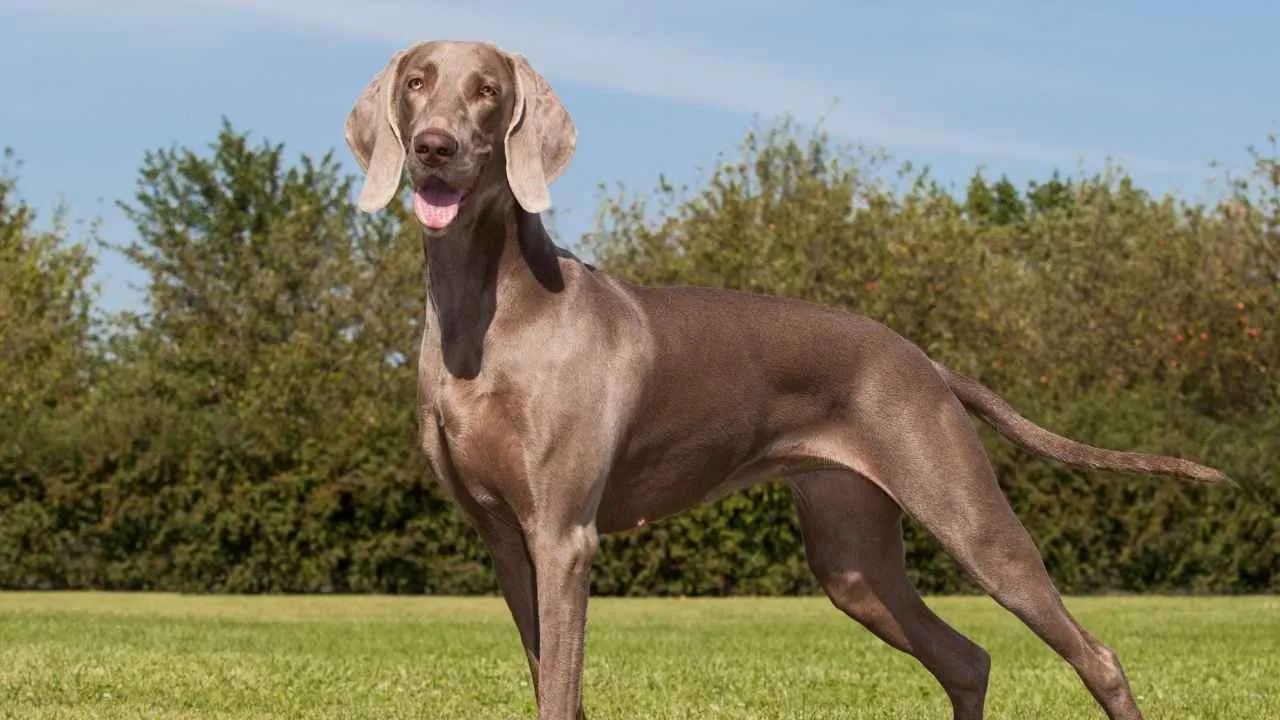
The Weimaraner commands attention with its sleek build and intense gaze. Known for strong bonds with handlers, it blends emotional sensitivity with high field awareness. That combination fuels a tracking style rooted in focus and determination.
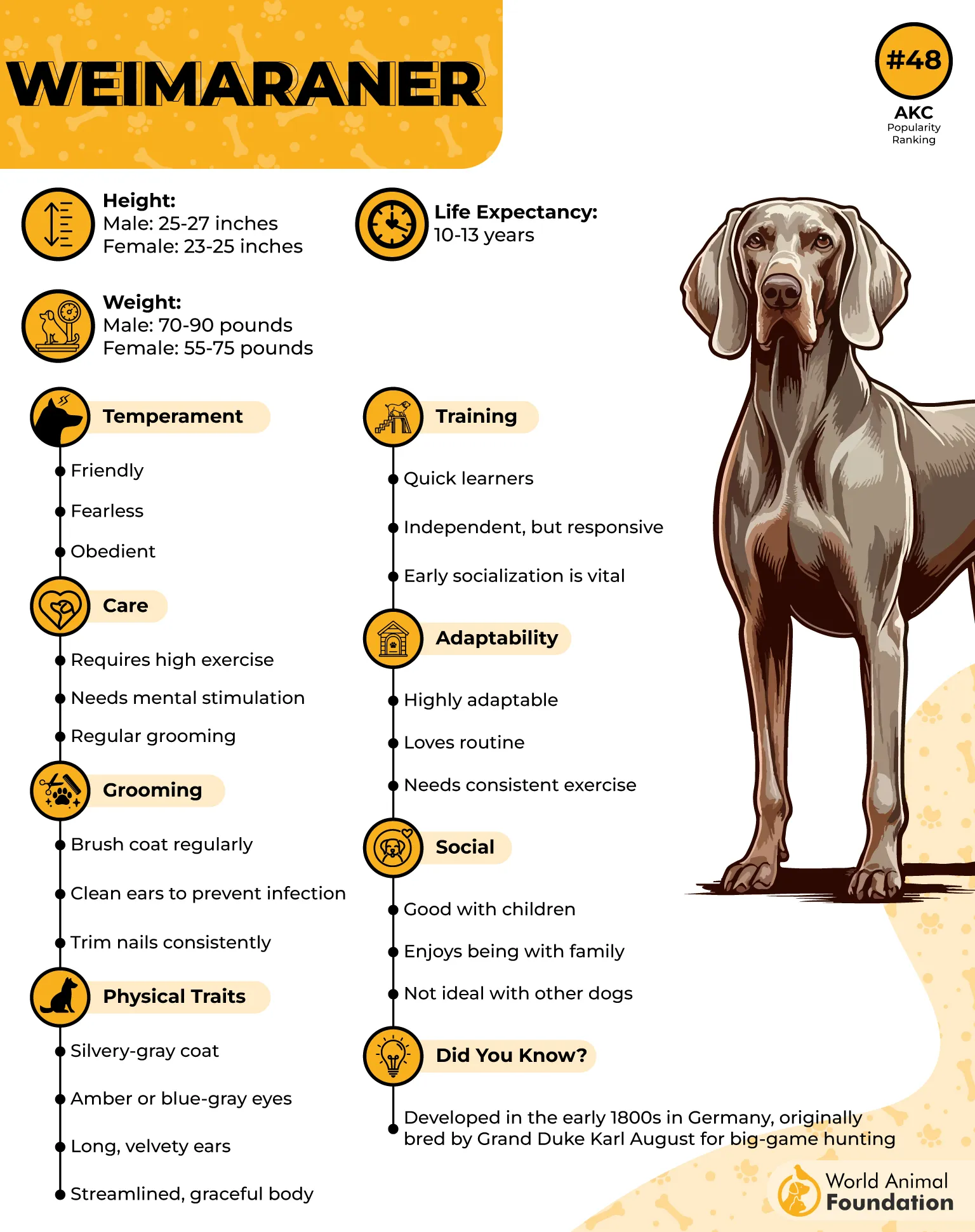
This energetic dog breed relies heavily on air-scenting, using speed and elevation to locate moving scent patterns. Its intelligence supports structured training, though it responds best to confident, engaged handlers. Once trained, it tracks with purpose and decisiveness.
Hunting Style & Field Behavior
Fast-paced searches across a wide terrain
Strong prey drive with sustained pursuit
Close coordination with the handler signals
Game Specialization
Large game tracking
Upland birds in open environments
The Weimaraner’s endurance reflects both physical stamina and emotional intensity. It maintains speed while processing scent changes, adjusting direction rapidly. Mental toughness allows it to remain engaged during long, demanding hunts.
Considerations include high exercise needs and sensitivity to isolation. What distinguishes the Weimaraner is its blend of speed, scent awareness, and loyalty. As a tracking breed, it excels when given purpose, structure, and space to work.
5. English Pointer
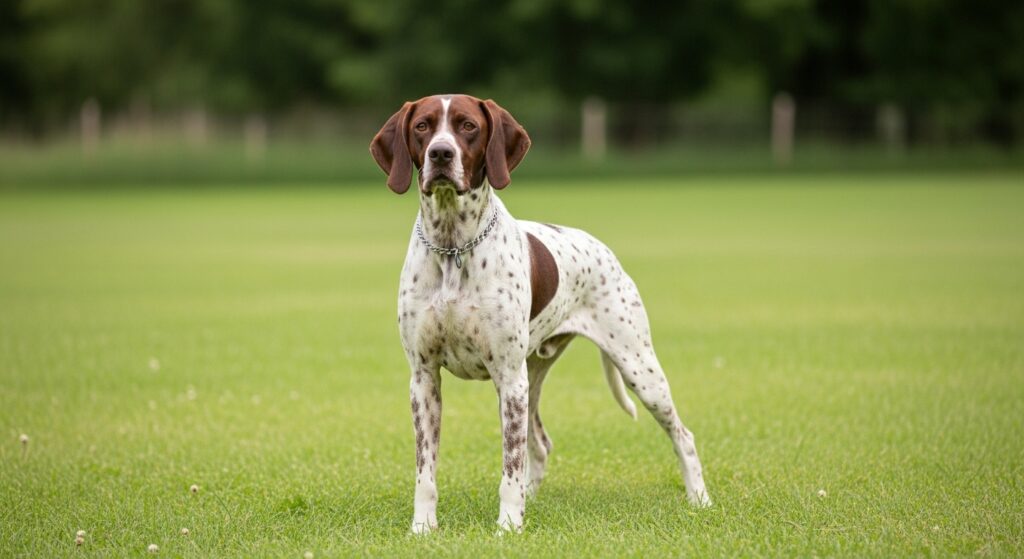
The English Pointer exemplifies elegance paired with instinct-driven performance. Its calm presence off the field contrasts sharply with its alert precision during a hunt. This balance contributes to its long-standing reputation among seasoned hunters.
Tracking in the English Pointer relies on advanced air-scenting skills and instinctive pattern recognition. It reads environmental cues efficiently, making real-time decisions without constant direction. Training enhances consistency, especially when reinforcing controlled range and responsiveness.
Hunting Style & Field Behavior
Swift, sweeping field coverage
Iconic point freezes upon scent detection
High situational awareness
Game Specialization
Upland birds
Field-based scent tracking
Endurance manifests through sustained speed and efficient movement. The English Pointer conserves energy while remaining alert, allowing extended field sessions without loss of accuracy. Mental resilience supports steady performance under variable conditions.
Challenges center on managing drive and space requirements. What sets the English Pointer apart is its instinctive elegance in tracking scenarios. Within hunting dog breeds known for superior tracking skills, it represents refined precision guided by instinct and experience.
6. Bluetick Coonhound
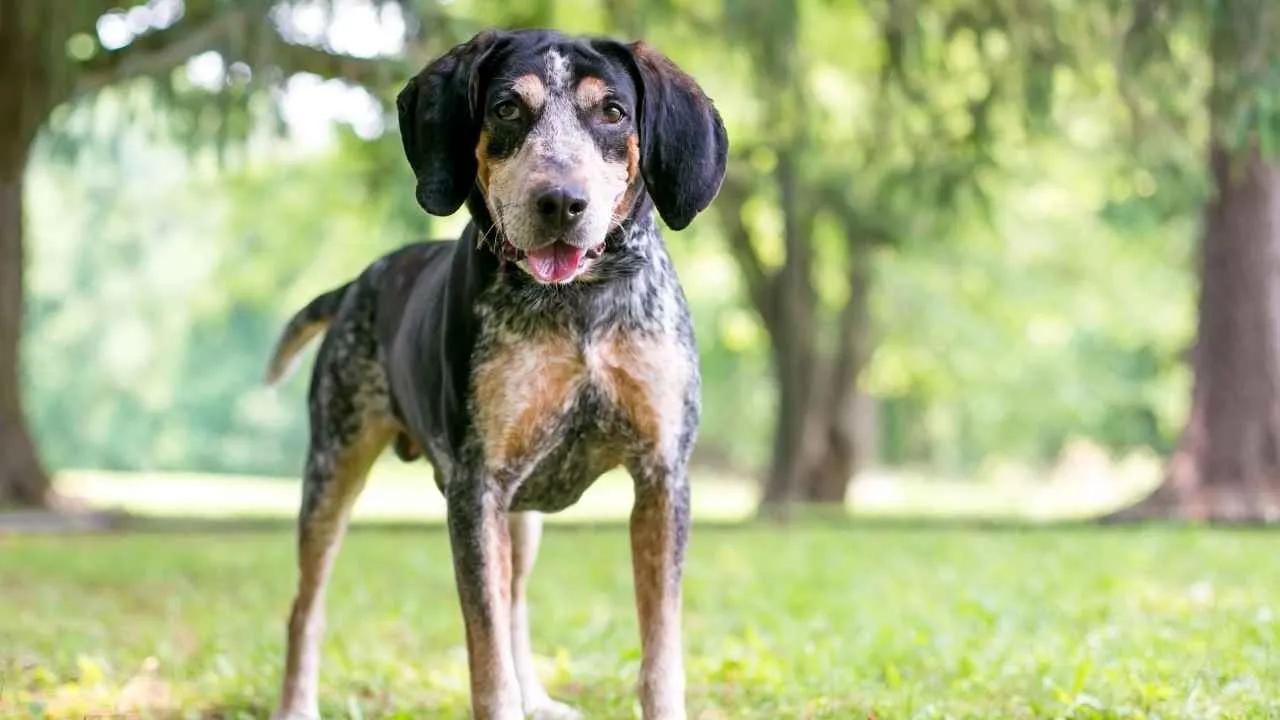
The Bluetick Coonhound brings a deliberate, thoughtful presence to the field, shaped by generations of scent-driven work. Its steady temperament and distinctive voice reflect a breed built to solve scent puzzles patiently rather than rush outcomes. Away from the hunt, it shows an easygoing and sociable personality, often forming strong bonds with its handlers.
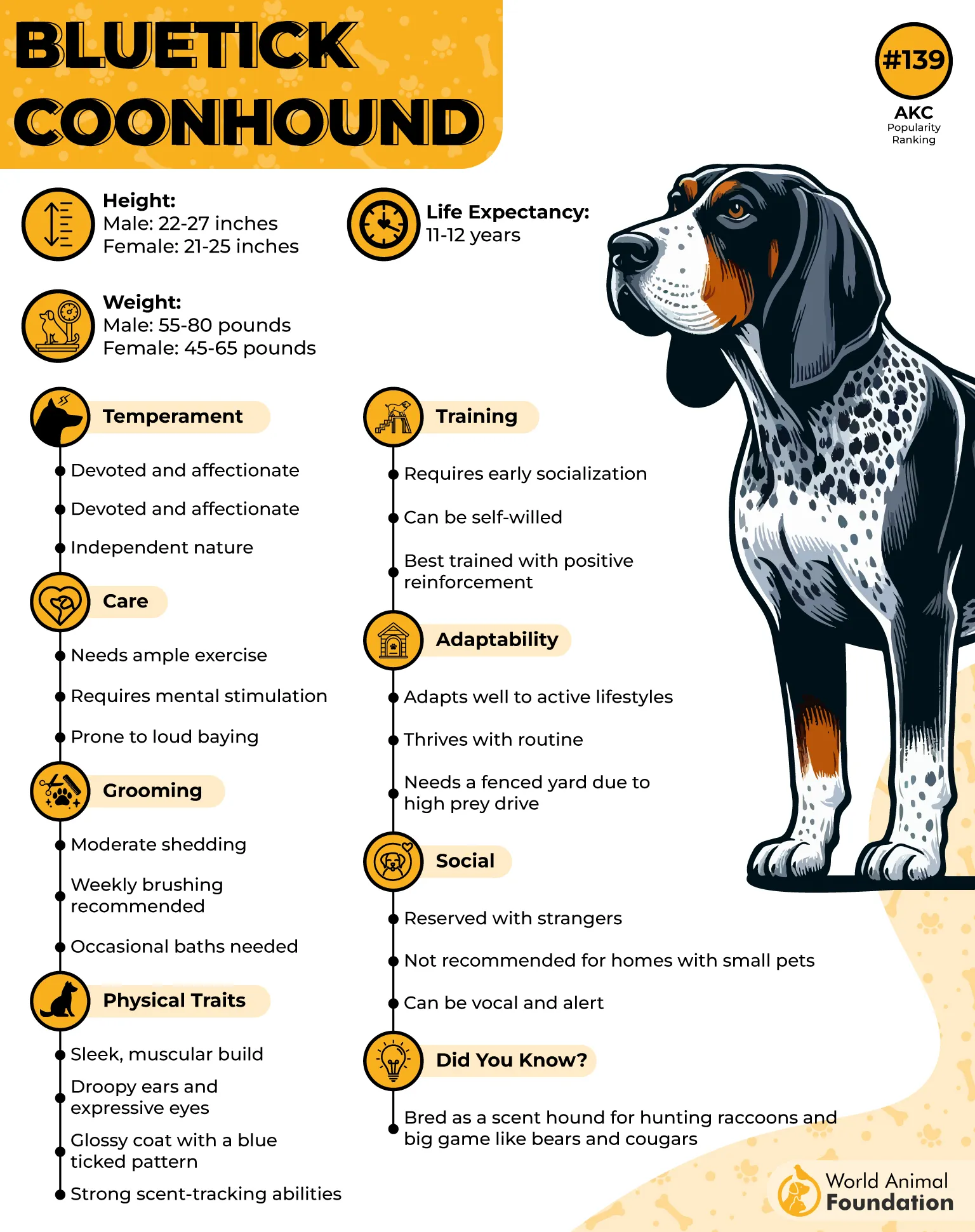
Tracking excellence in the Bluetick Coonhound centers on its cold-nose capability, allowing it to follow older, faint trails with confidence.
This breed processes scent step by step, showing remarkable commitment once a trail is identified. Training benefits from consistency and respect for its problem-solving nature, as it prefers understanding tasks rather than mechanical repetition.
Hunting Style & Field Behavior
Methodical ground tracking with strong trail loyalty
Vocal signaling to communicate trail progress
Independent yet purposeful movement
Game Specialization
Raccoon and similar nocturnal game
Extended trail tracking over large areas
Endurance defines the Bluetick’s working style more than speed. It remains engaged for long hours, navigating terrain changes without losing scent focus. Mental persistence allows it to rework trails when scent disperses or doubles back.
Considerations include its vocal nature and need for structured work. What makes the Bluetick Coonhound stand out among hunting dog breeds with superior tracking skills is its ability to stay committed to a single trail until the objective is reached.
7. Bloodhound
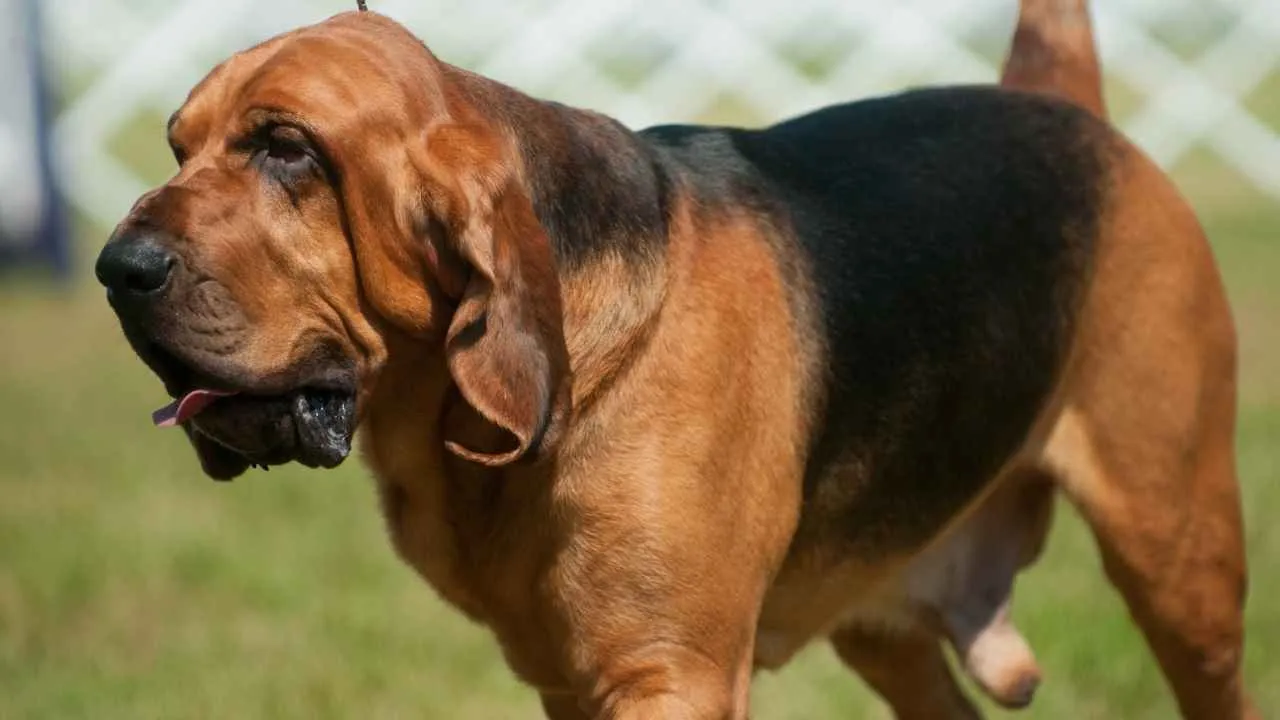
The Bloodhound’s reputation precedes it, rooted in centuries of scent-tracking excellence. Calm, observant, and intensely focused, this breed approaches tracking as a deliberate investigative process. Outside of work, it displays a gentle and patient temperament that contrasts with its legendary field abilities.
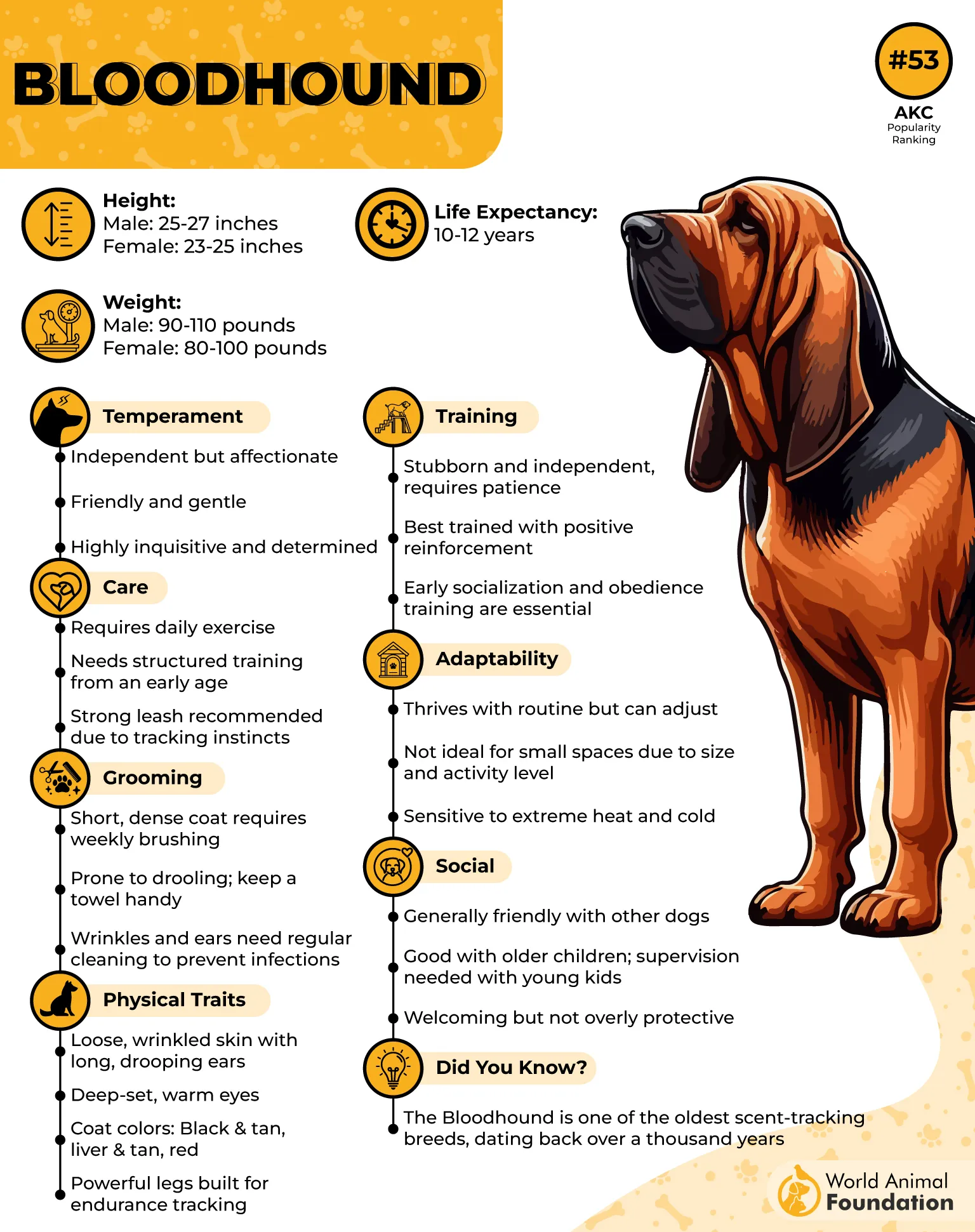
No breed rivals the Bloodhound’s scent discrimination. Its nose can identify individual human or animal scent and follow it across time, terrain, and environmental disruption. Training centers on channeling instinct rather than building it, as the breed naturally commits fully once a trail is established.
Hunting Style & Field Behavior
Deep ground tracking with unwavering focus
Minimal distraction once the scent is locked
Slow, precise movement prioritizing accuracy
Game Specialization
Large game tracking
Aged and disrupted scent trails
Physically, the Bloodhound demonstrates surprising stamina, maintaining consistent effort over long distances. Mental toughness is its defining trait, allowing it to ignore competing scents and environmental noise. The breed’s tracking style reflects patience refined into expertise.
Challenges include independence and strong scent fixation. The Bloodhound stands apart through unmatched scent precision, making it the benchmark for discussions around superior tracking dogs.
8. Black and Tan Coonhound
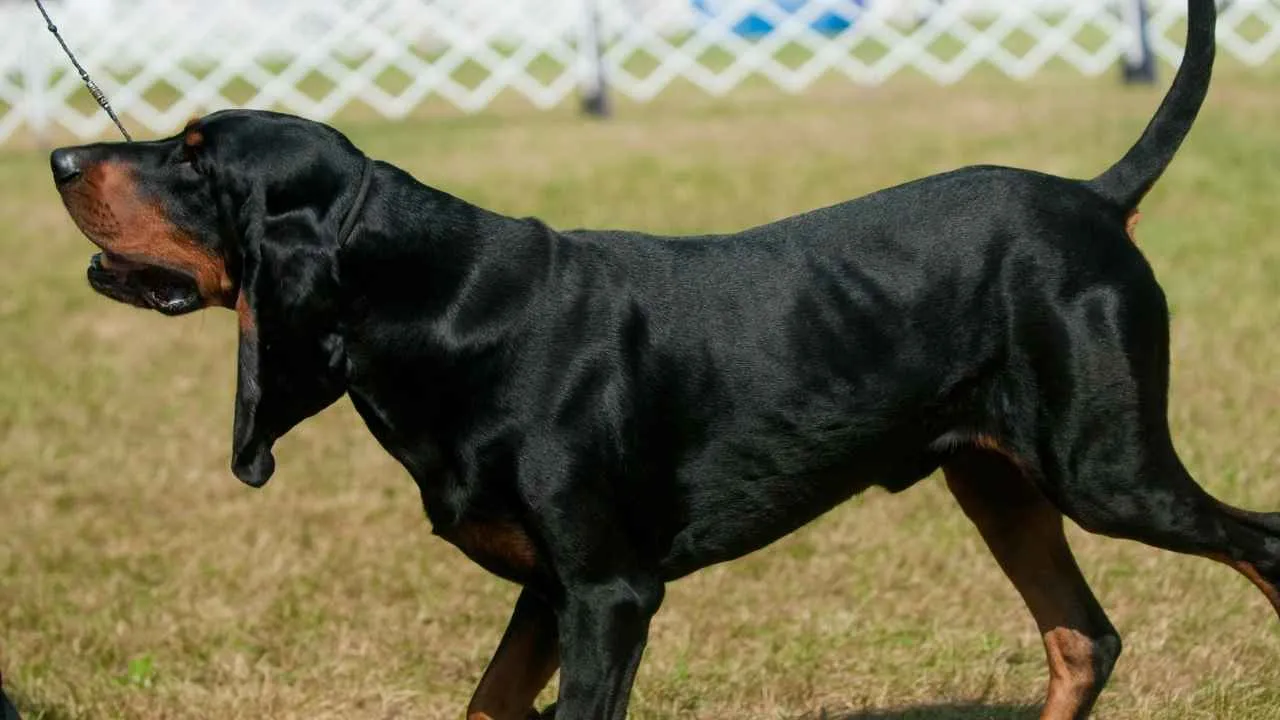
The Black and Tan Coonhound enters the tracking landscape with confidence and composure. Its demeanor reflects a balance between independence and cooperation, shaped by demanding nighttime hunting roles. At home, it remains calm and approachable, shifting seamlessly between work and rest.
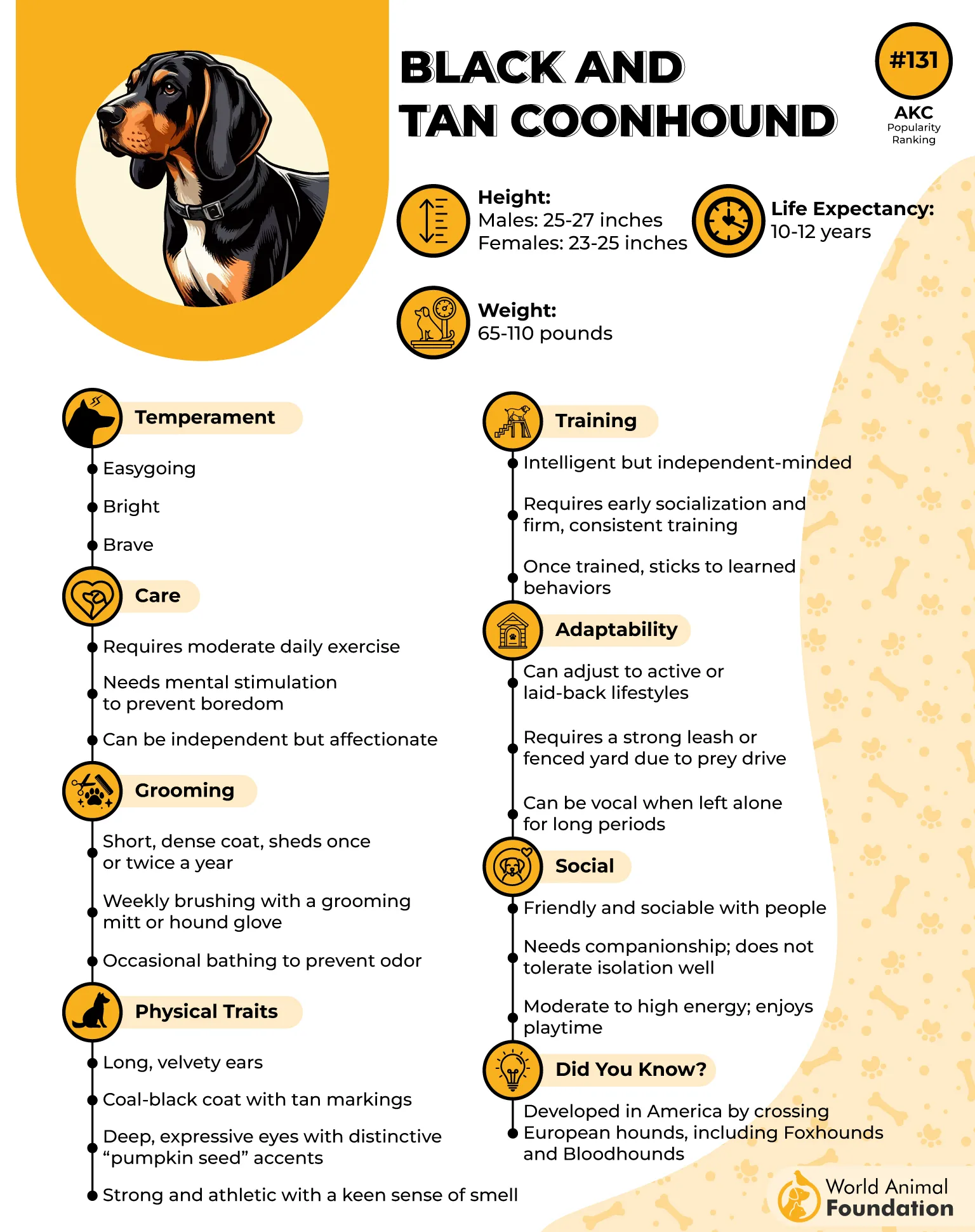
This breed’s tracking ability relies on a powerful nose combined with strategic decision-making. It assesses scent direction and strength carefully, adjusting pace as needed to preserve accuracy. Training requires patience, though once learned, commands are applied reliably in the field.
Hunting Style & Field Behavior
Strong ground tracking with steady progression
Clear vocal cues during active trials
Adaptability to rugged terrain
Game Specialization
Raccoon and large game
Long-distance scent tracking
Endurance allows the Black and Tan Coonhound to cover expansive territories without fatigue. Its mental resilience supports continued focus even when scent becomes intermittent. Physical strength contributes to confident navigation through challenging landscapes.
Considerations include space needs and vocal tendencies. What distinguishes this breed among hunting dog breeds with superior tracking skills is its balance of strength, scent power, and reliability across extended hunts.
9. Catahoula Leopard Dog
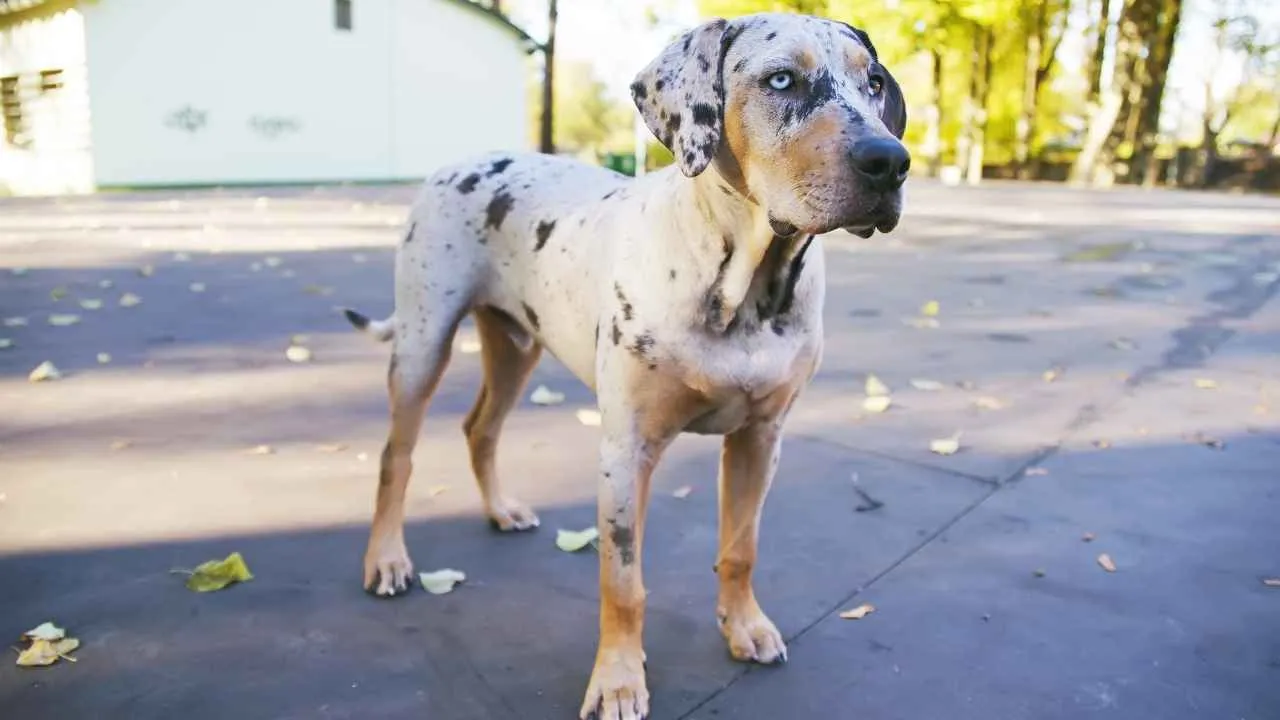
The Catahoula Leopard Dog approaches tracking with intensity and intelligence. Known for a bold personality, it combines problem-solving instincts with a strong work ethic. Its alert, watchful nature carries over from the field into daily life.
Tracking in the Catahoula relies on adaptability rather than a single method. This breed reads scent, movement, and environmental cues simultaneously, adjusting tactics as situations evolve. Training is most effective when it engages the dog’s independent thinking and confidence.
Hunting Style & Field Behavior
Active pursuit combined with scent tracking
Strategic positioning to control game movement
High situational awareness
Game Specialization
Hog and large game
Dense terrain tracking
Endurance comes from muscular strength and mental determination. The Catahoula maintains intensity during physically demanding hunts, responding quickly to shifting conditions. Its mental toughness supports decisive action when game behavior changes unexpectedly.
Challenges include strong drive and assertiveness. The Catahoula Leopard Dog stands out for versatility and strategic tracking, earning its place among elite hunting dogs known for superior tracking skills.
Conclusion
Beyond the breeds covered here, other hunting breeds such as the Labrador Retriever, Golden Retrievers, Chesapeake Bay Retriever, English Springer Spaniel, German Wirehaired Pointer, English Setter, Irish Setter, and Boykin Spaniels were originally bred for specific hunting tasks.
These versatile dogs support bird hunting, upland bird hunting, duck hunting, and retrieving waterfowl through strong tracking instincts, a keen sense of smell, and instincts refined by proper training.
Many serve as loyal hunting companions and great family dog options, thriving in active households with daily exercise. Explore other breeds to find exceptional hunting partners that match your outdoor adventures and hunting skills.
