




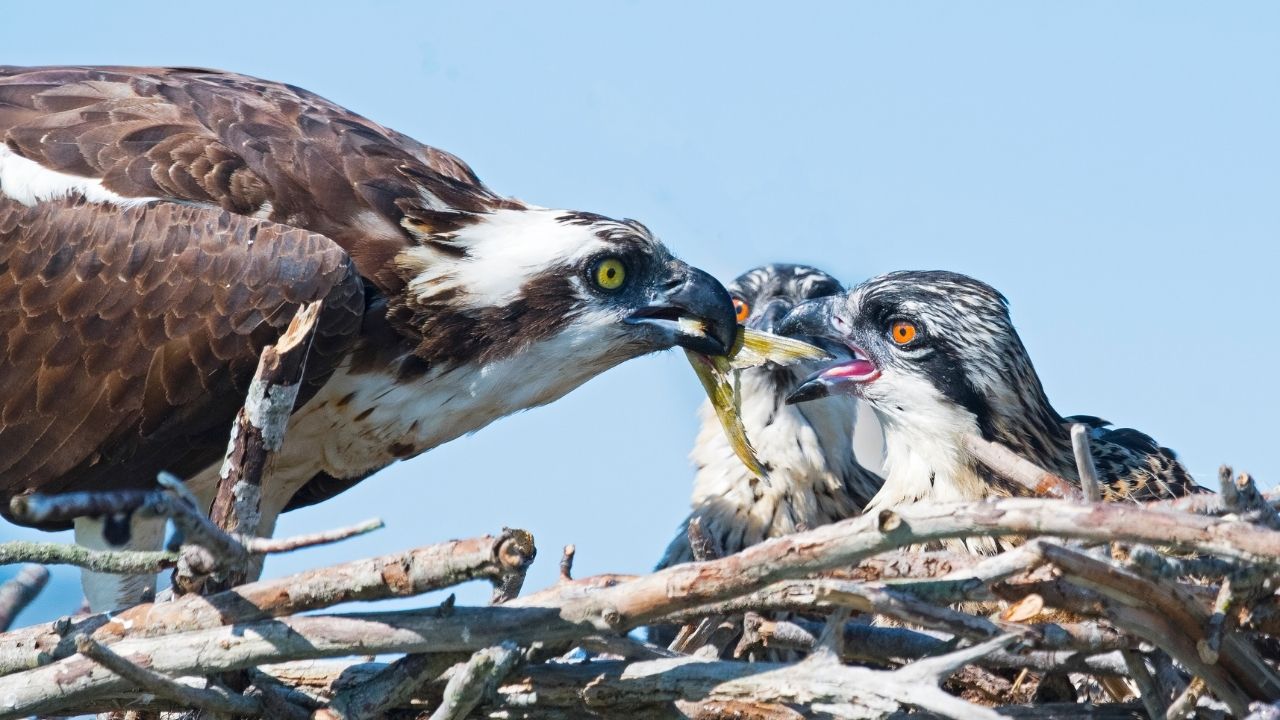
Birds are incredible creatures, not just because they can fly, but because of the fascinating ways they find and eat their food. Some birds nibble on tiny seeds, while others have developed extraordinary skills to catch fish, insects, or even scavenge leftovers from other animals.
You might think that birds always eat just a little at a time, but that’s far from true! Some species can consume almost double their body weight in food daily to keep up their energy for flying, nesting, and staying warm.
Others have mastered the art of scavenging, swooping in quickly to grab meat from animals that have already passed away. These birds play an important role in nature by helping keep the environment clean and balanced.
What makes birds’ feeding habits so interesting is how creative and specialized they can be. From using their beaks like tools to hunting underwater or snatching prey mid-air, each bird has its own unique way to survive.
In this article, we’ll explore some of the most unusual and amazing feeding behaviors in the bird world — get ready to be surprised by how clever and adaptable our feathered friends really are!
Key Takeaways
See how Hummingbirds power their tiny bodies with nonstop nectar and insect feasts.
Meet the clever Woodpecker Finch and fearless Kingfisher with wild hunting tricks.
Discover why Flamingos turn pink and how Pelicans scoop fish like pros.
Explore how Bald Eagles and Ospreys master smart feeding to survive and thrive.
Birds Known for Their Unique Feeding Habits
1. Hummingbird
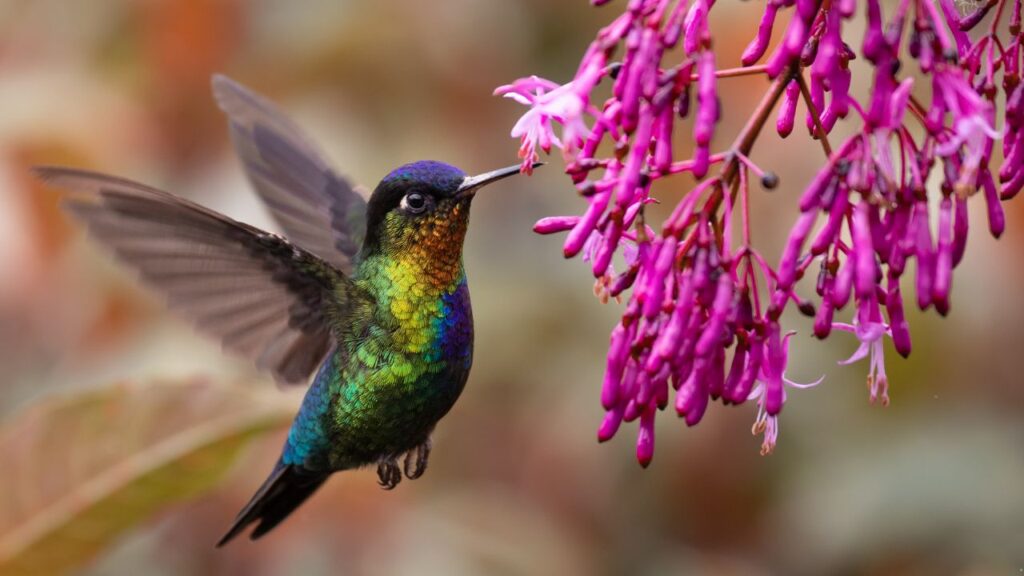
Hummingbirds are some of the most dazzling birds in the world. Known for their bright, glittering colors and incredible flying skills, these tiny birds have unique feeding habits that set them apart.
They mainly feed on nectar, which gives them quick energy, but they also eat insects and spiders for protein. This mix helps them stay active and strong throughout the day.
Unique Feeding Habits of Hummingbirds
High-Energy Diet: Hummingbirds consume nectar for fast sugar energy, but about 60–80% of their diet is made up of insects and spiders for essential protein.
Frequent Feeders: They visit flowers every 10–15 minutes and can eat up to twice their body weight in food daily to fuel their fast metabolism.
Red Attraction: Hummingbird feeders are often red because these birds have learned that red flowers usually hold the most nectar.
Amazing Adaptations for Survival
Despite their small size, hummingbirds fly up to 30 miles per hour, as mentioned by Britannica. They have evolved alongside many plants, helping pollinate flowers as they feed. During tough times, they enter a state called torpor, slowing down their metabolism to save energy.
This ability is crucial for migratory hummingbirds traveling long distances between breeding and non-breeding seasons. Watching these jewel-like birds up close reveals just how perfectly adapted they are to their unique feeding lifestyle.
2. Woodpecker
The Woodpecker Finch, native to the Galápagos Islands, is a bird famous for its clever feeding skills. Unlike most birds, this finch uses tools like cactus spines or twigs to pry insects out of tree bark.
Watching it in action is like seeing a tiny engineer at work. This behavior makes the Woodpecker Finch one of the few bird species known to regularly use tools, setting it apart in the bird world.
Feeding Techniques That Impress
Tool Use: It carefully selects and uses cactus spines or twigs to reach hidden insects.
Insect Hunter: Its main diet consists of insects found deep inside tree bark.
Ingenious Strategy: This finch’s smart feeding approach helps it survive in the tough Galápagos environment.
Masters of Tree Drilling
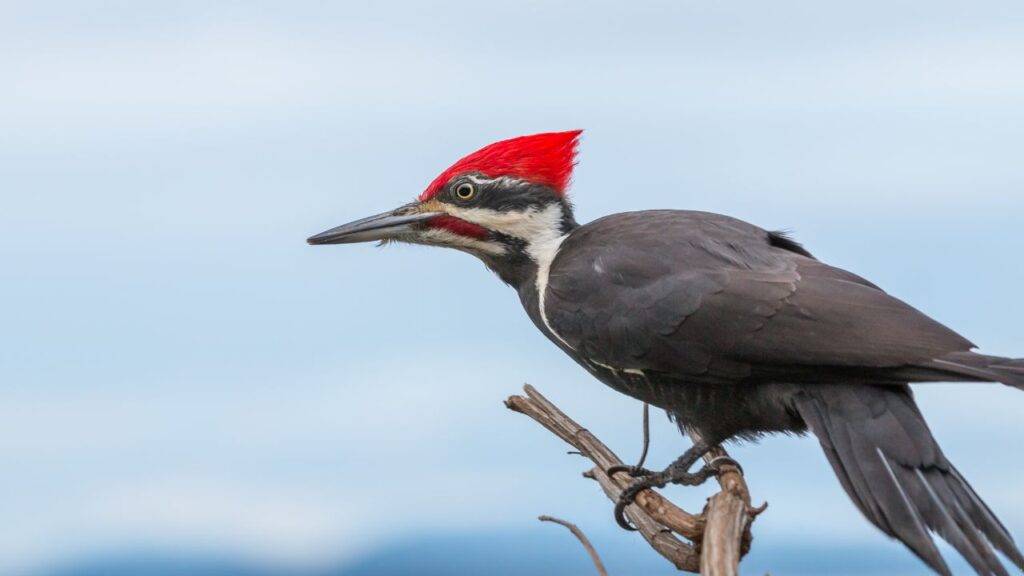
PennState Extension says that Woodpeckers belong to the Picidae family, which includes over 300 species worldwide. They have strong beaks and long tongues that help them dig into tree bark to find insects. Many woodpeckers also store nuts like acorns in tree hollows for later use.
These birds are found nearly everywhere except Australia and New Guinea, with some species migrating seasonally. Their noisy drilling isn’t just for show—it’s an important part of how they feed and make homes.
3. Flamingo
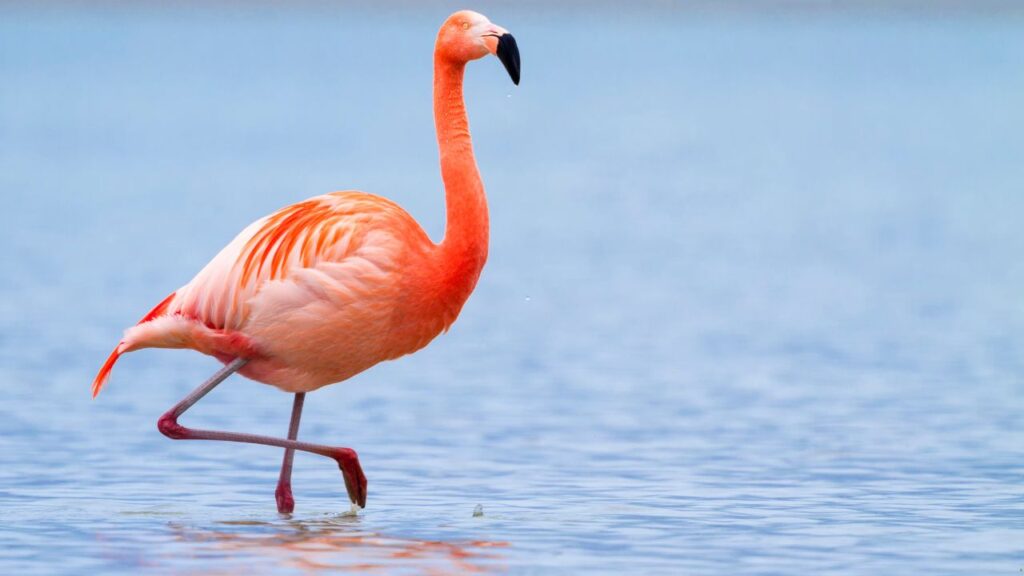
Flamingos are some of the most striking birds, famous for their bright pink feathers and long legs. They live in large colonies in tropical areas across Africa, Asia, and South America.
Unlike many birds that pick food from plants or hunt insects, flamingos have a very unique way of eating—they filter tiny food from algae-rich waters.
Unique Feeding Technique
Filter Feeding: Flamingos use their specialized, downturned bills to filter small organisms like algae, brine shrimp, and snails from the water.
Comb-like Lamellae: Their bills contain tiny comb-like structures called lamellae, which act like sieves.
Rapid Movements: They sweep their heads back and forth up to four times per second to strain food from the water.
How Diet Shapes Flamingos
What flamingos eat directly affects their iconic pink color. Their diet is rich in carotenoids, pigments found in algae and shrimp, which turn their feathers pink.
Flamingos play an important role in their ecosystem by feeding on microorganisms that others might miss. Watching a flock of flamingos feeding is a beautiful and fascinating display of nature’s unique adaptations.
4. Kingfisher
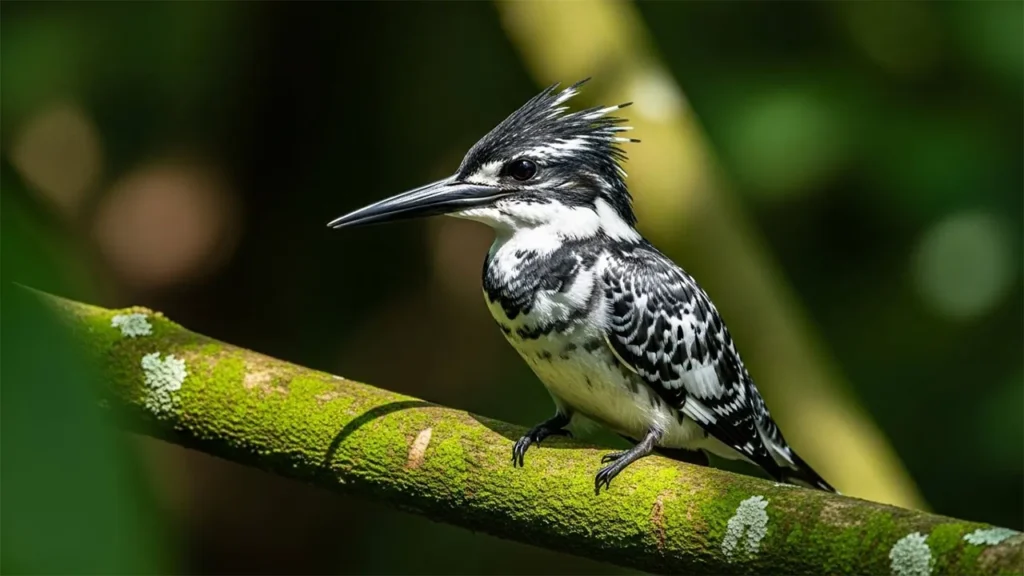
Kingfishers are striking birds known for their bright, bold colors and expert fishing skills. These birds often perch quietly by rivers or lakes, watching the water closely for their next meal. With their large, dagger-like bills and strong bodies, they’re perfectly designed for catching fish in spectacular dives.
Unique Feeding Style
Diving Hunters: Kingfishers spot fish from a perch, then dive swiftly into the water to catch them.
Headfirst Swallowing: After catching a fish, they pull it out of the water and swallow it headfirst.
Hovering Ability: Some species can even hover over water to get a better view before diving.
Beautiful and Cautious Birds
Kingfishers are easy to recognize with their bright blues, greens, and oranges. Despite their vivid colors, they can be hard to spot because they often stay still and quiet.
Their fast flights and sharp calls are often the first sign they’re nearby. These birds are sensitive to environmental changes and need clean water habitats to thrive, making their presence a sign of a healthy ecosystem.
5. Osprey
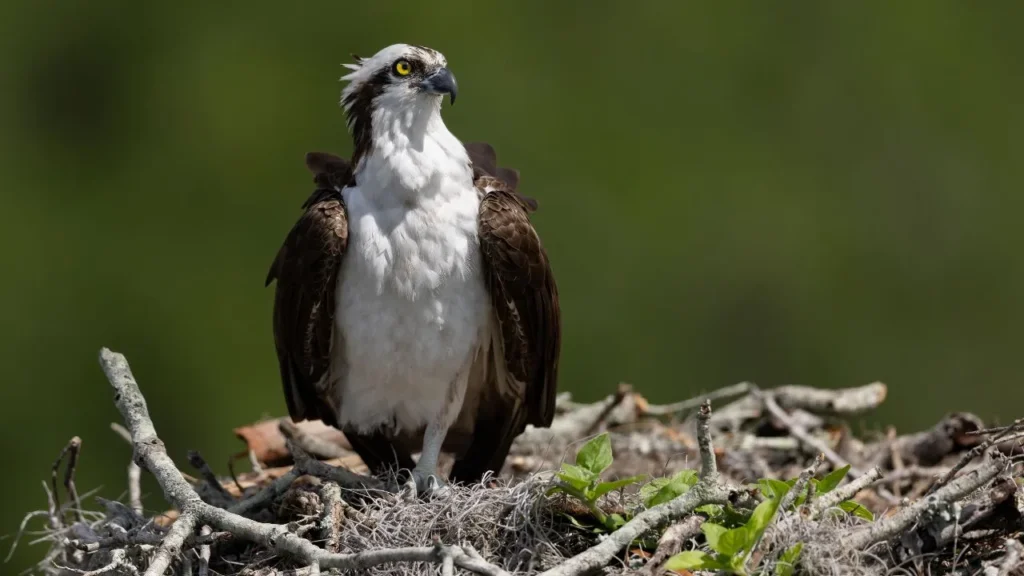
Ospreys, often called “sea hawks,” are remarkable birds known for their almost exclusive diet of fish. They hunt by flying over shallow waters, spotting prey near the surface, then diving feet-first to grab fish with their sharp talons.
Despite being large birds, they have slender bodies and long wings that help them glide smoothly over lakes, rivers, and coastlines worldwide.
Unique Hunting Strategy
Fish Specialists: Fish make up 99% of the osprey’s diet, with individuals often preferring certain fish types or sizes.
Shallow Dives: Ospreys can only dive about three feet underwater, so they hunt mainly in shallow waters.
Head-First Carry: After catching a fish, they fly away holding it head-first to reduce air resistance.
Remarkable Flight and Conservation Status
Cornell Lab states that Ospreys have a distinct flying style, with wings bent into an “M” shape visible from below. They are sometimes mistaken for large gulls because of their white underparts and wing patterns.
These impressive fish hunters face challenges like illegal hunting and habitat loss, which have affected their numbers. Today, conservation efforts, including providing nesting poles, help protect these amazing birds.
6. Pelican
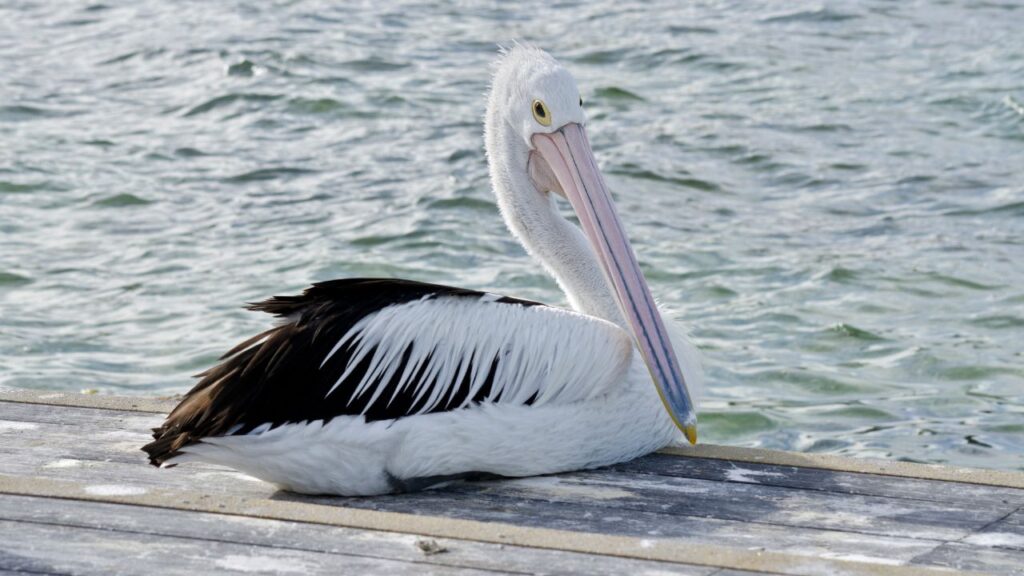
Pelicans are large water birds famous for their unique feeding style and massive throat pouches. They live near lakes, rivers, and coastal waters around the world. Pelicans are expert fish hunters, using their stretchy pouches to catch and hold fish, making them stand out among water birds.
Unique Feeding Techniques
Scoop Feeding: American white pelicans use their large pouches like nets to scoop up small fish from the water.
Diving for Dinner: Brown pelicans dive from great heights to catch fish underwater, their pouch stretching to hold both fish and water.
Clever Thieves: Sometimes pelicans steal fish from other birds or even eat seagulls and ducklings when food is scarce.
More Than Just a Big Pouch
The pelican’s pouch isn’t only for catching food—it helps cool the bird in hot weather by flapping it open like a fan.
These birds are part of a family that includes cormorants and gannets, all well adapted to fishing. Watching pelicans feed is a fascinating glimpse into the clever ways birds survive and thrive in watery habitats.
7. Bald Eagle
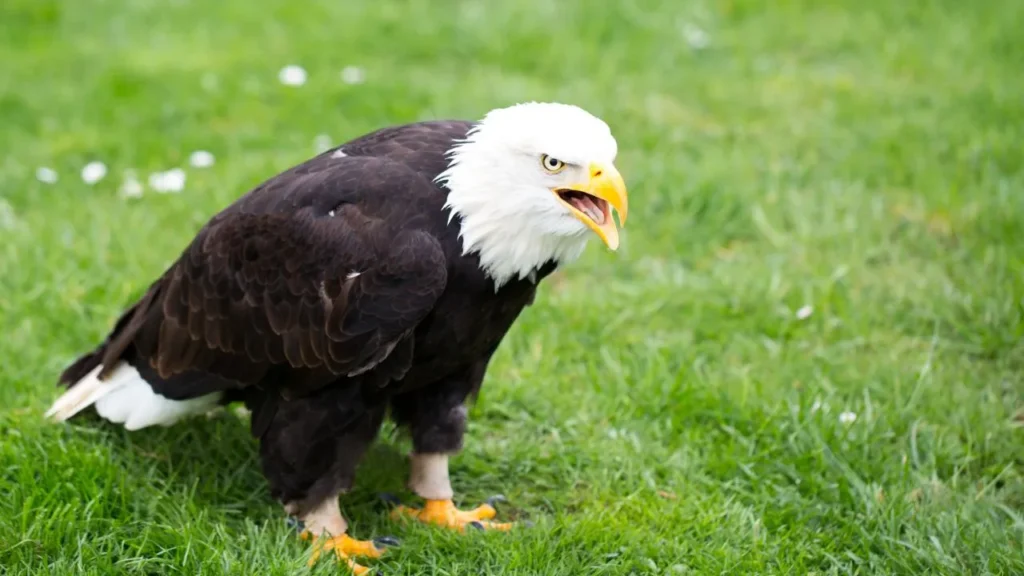
The Bald Eagle is one of North America’s most iconic birds, famous for its striking white head and strong hunting skills. These majestic birds mainly eat fish, making up 70 to 90 percent of their diet.
But they are also smart feeders, taking advantage of whatever food is easiest to catch. This includes injured waterfowl during migration and even small mammals like groundhogs.
Feeding Habits That Show Adaptability
Fish Focused: Fish are the main part of their diet, which they catch near water.
Opportunistic Hunters: They follow migrating birds and feed on injured ducks or geese.
Versatile Eaters: Bald Eagles will also hunt or scavenge mammals and other prey when available.
More Than Just Hunters: Symbols and Survivors
Bald Eagles build enormous nests, some reused and added to for years, growing to massive sizes. Once endangered due to habitat loss, illegal hunting, and pesticides like DDT, they have made a remarkable comeback thanks to protection laws.
Conclusion
Birds eat a wide variety of food sources, from fruit and worms to small mammals, reptiles, and even roadkill. Different species have unique eating habits that help them survive in the wild.
Small birds tend to peck at peanuts and seeds at bird feeders, while others hunt for chicks, eggs, or insects. Some birds will even kill prey like amphibians or reptiles to feed their young, showing just how diverse their diets can be.
In the wild, birds must carefully wait and watch for food while avoiding predators. During winter, food becomes scarce, so many wild birds rely more on bird feeders and whatever scraps they can find.
Pecking at different foods and adapting to what’s available is an example of their incredible survival skills. Whether eating worms, blood from roadkill, or fruit, birds play a vital role in the cycle of life in nature.
