




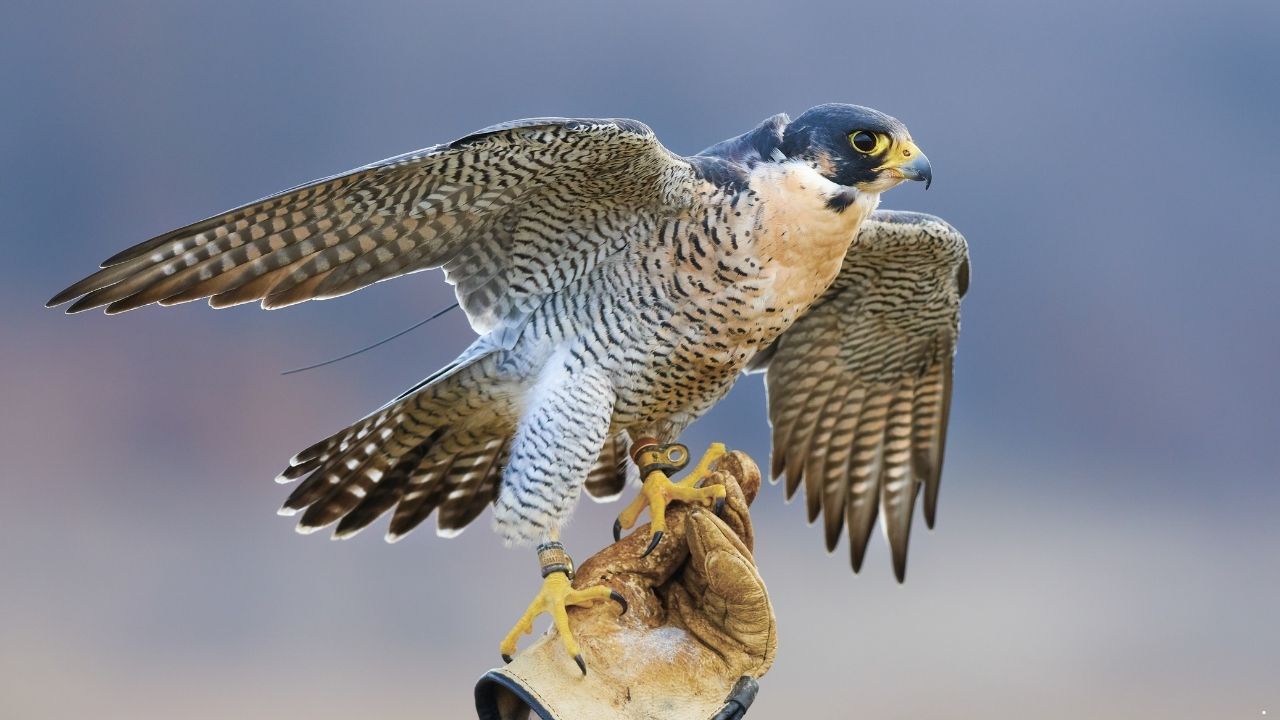
Adaptations are nature’s way of giving animals and plants the tools they need to survive and thrive in their unique environments.
Birds are some of the most amazing examples of this—over millions of years, they’ve developed special features that help them live in places as different as frozen tundras, dense forests, and even busy cities.
An interesting fact is that the first bird, Archaeopteryx, lived around 150 million years ago and already showed a mix of dinosaur and bird traits.
Since then, birds have evolved unique beaks, feet, and feathers that suit their specific lifestyles and habitats. These physiological adaptations allow them to find food, stay safe, and even attract mates in clever ways.
In this article, we’ll take a look at some special bird adaptations—discovering how their unique traits help them survive environmental challenges and stand out in the wild.
Key Takeaways
See how penguins brave icy seas and hummingbirds zoom with dazzling speed.
Discover woodpeckers’ super-strong beaks and flamingos’ glowing pink feathers.
Find out how peregrine falcons dive faster than any animal on Earth.
Explore ducks and other birds like rockhoppers and pileated woodpeckers thriving with unique tricks.
Birds Known for Their Special Adaptations
1. Penguin
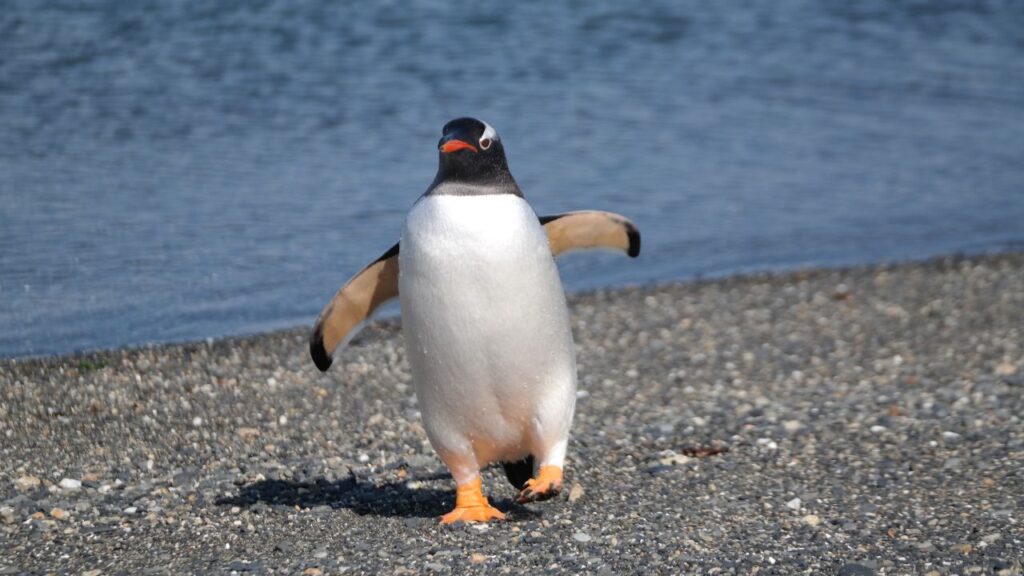
Penguins are remarkable birds that have adapted to live mainly in the Southern Hemisphere. They thrive in cold environments like Antarctica and the chilly islands near South Africa and New Zealand.
What makes penguins stand out is their ability to spend months at sea, only returning to land for breeding and molting. For example, Fiordland crested penguins sometimes grow barnacles on their tails—showing just how long they can stay in the ocean.
These birds have a striking black-and-white look, with some species like the rockhopper penguin adding extra colors. Rockhoppers are known for their red eyes, yellow eyebrow feathers, and a unique crest of black feathers on their heads.
Penguins have a special body shape designed for swimming—they have flipper-like wings, webbed feet, and a tapered body that helps them glide through water efficiently.
Here are some key penguin adaptations:
Flippers instead of wings for powerful swimming.
Webbed feet are placed far back to help steer underwater.
Distinctive markings on their heads identify different species.
Fusiform body shape that reduces water resistance.
2. Hummingbird
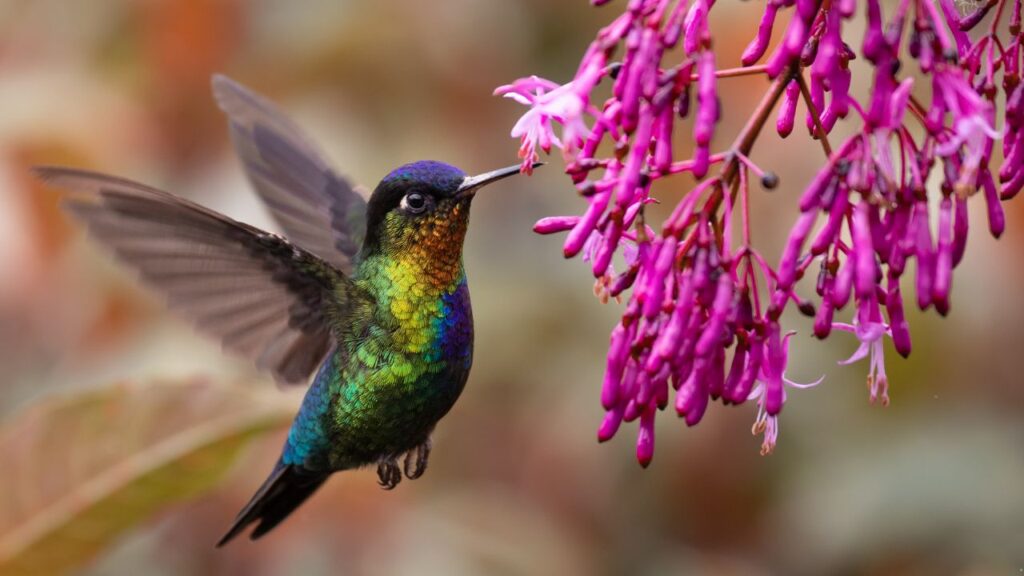
Hummingbirds are tiny, vibrant birds known for their dazzling colors and incredible flying skills. Found mainly in the Americas—from the cloud forests of Ecuador to many parts of South America—they are often called “flying jewels” because of their shimmering feathers.
Despite their small size, hummingbirds play a big role in nature as pollinators, helping many plants reproduce, and as natural controllers of insect populations.
These birds have some amazing adaptations that help them survive a fast-paced life. Britannica says that they can fly at speeds up to 30 miles per hour and hover in place while feeding on nectar from flowers. They also eat insects, spiders, and tree sap, especially when raising their young, to get enough protein.
When times get tough, hummingbirds enter a special state called torpor, where they slow down their metabolism and lower their body temperature to save energy.
Here are a few key hummingbird adaptations:
Brilliant iridescent feathers that catch light and attract mates.
Hovering flight is thanks to powerful wing muscles and unique wing joints.
Fast metabolism is supported by a diet rich in nectar and insects.
Torpor to conserve energy during cold or scarce conditions.
3. Owl
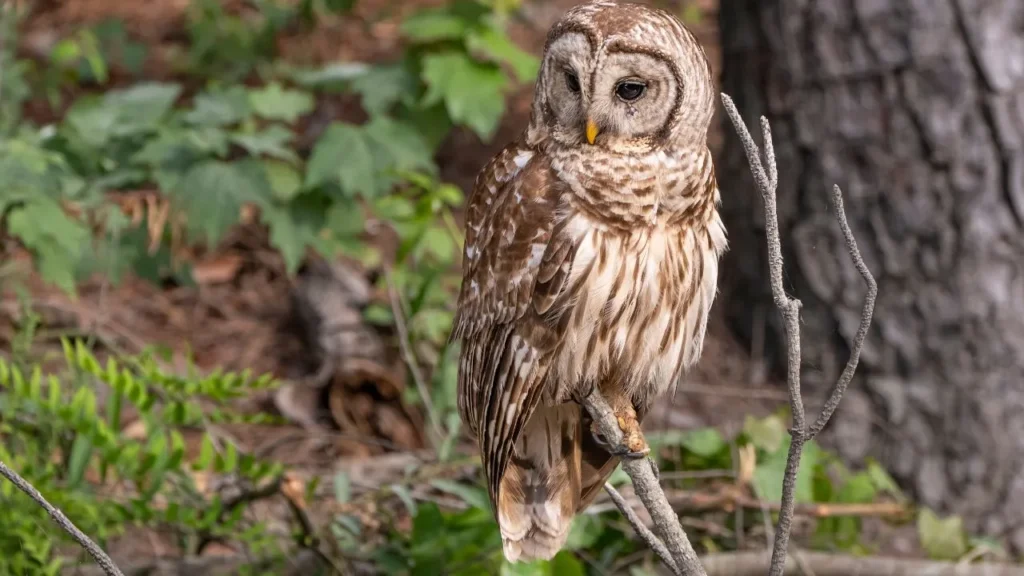
Owls are mysterious and fascinating birds known for their silent flight and sharp senses. With over 200 species found all around the world, owls live in many habitats—from thick forests to open grasslands.
They have adapted perfectly to life as nighttime hunters, helping them stay at the top of the food chain in the dark.
These birds have unique features that set them apart from other birds of prey. Most owls have large, forward-facing eyes for excellent night vision. Their soft feathers allow them to fly silently, and their reversible toes help them grip prey tightly.
Owls’ heads are large and round, giving them a distinct look that is often linked to wisdom and mystery in many cultures.
Here are some special owl adaptations:
Silent flight thanks to soft, fringed feathers.
Exceptional night vision with large, forward-facing eyes.
Reversible toe for better grip on prey.
A wide range of habitats from forests to prairies.
4. Woodpecker
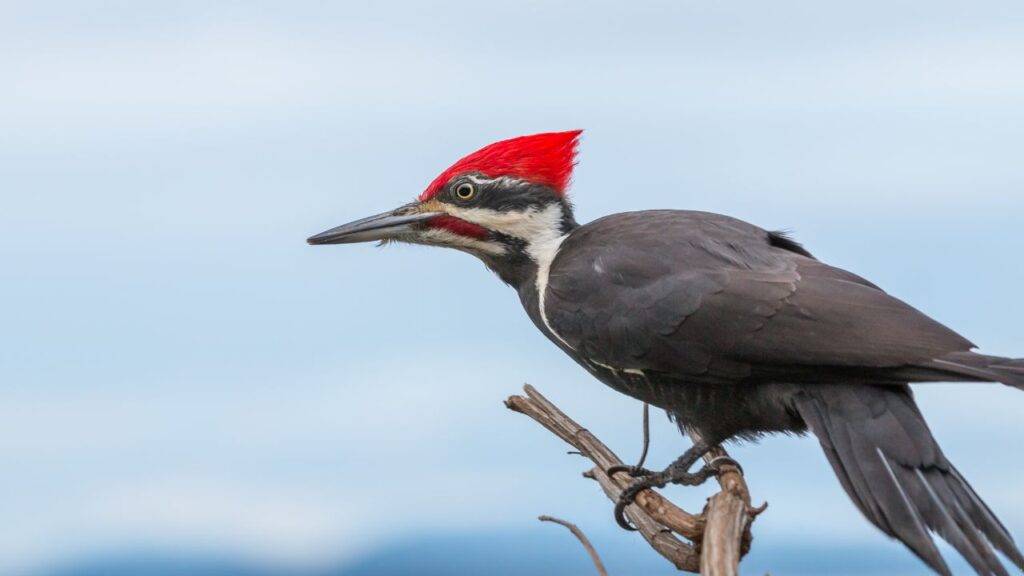
Woodpeckers are fascinating birds known for their bold black and white feathers, often highlighted with bright red patches.
With over 300 species worldwide, they mostly live in forests and woodlands, where they specialize in drilling into tree trunks to find insects and create nests. These birds are especially noticeable in colder months, when they add life to quiet winter woods.
One of the most impressive woodpeckers is the Pileated Woodpecker, famous for its striking red crest and powerful beak. This bird digs deep, rectangular holes in dead trees to reach carpenter ants, a key food source.
Though once rare due to deforestation, the Pileated Woodpecker is making a comeback, even living near city parks where forests remain.
Here are some amazing woodpecker adaptations:
Strong beaks are built to hammer wood without damage.
Shock-absorbing skulls to protect their brains from constant pounding.
Specialized tongues that can reach deep into crevices for insects.
Unique communication through drumming sounds instead of singing.
5. Flamingo
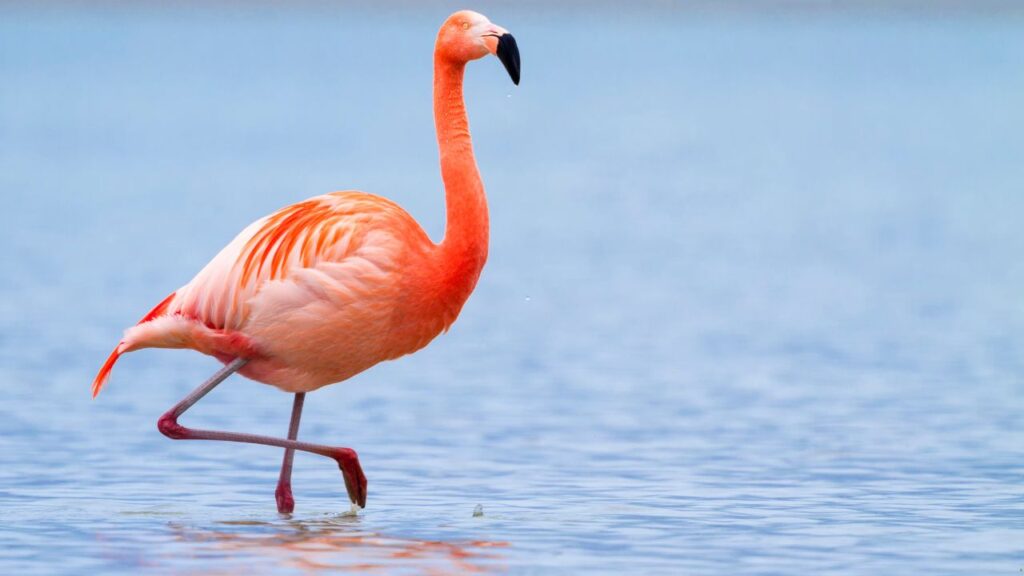
Flamingos are famous for their bright pink feathers and unique behavior. Their stunning color comes from the carotenoid pigments found in the algae and tiny crustaceans they eat. These pigments are similar to those that color carrots and beets.
Interestingly, not all flamingos are bright pink—some species have paler or even white feathers. Flamingos rest in a special way, too, often standing on one leg and facing the wind to protect their feathers from rain and cold.
PBS mentions that there are six species of flamingos spread across the Americas, Africa, Asia, and Europe. Each species has its own unique traits, but all share slender legs, long necks, and thick, curved bills perfect for filtering food from water.
The American flamingo is one of the brightest, showing rich reds and pinks on its legs, face, and bill. Flamingos’ resting posture, swaying on one leg in the wind, helps them conserve body heat and stay balanced.
Key flamingo adaptations include:
A carotenoid-rich diet gives their feathers bright pink and red hues.
Long legs and necks are suited for wading in shallow waters.
Specialized bills for filtering algae and small crustaceans from water.
One-legged resting to conserve heat and reduce muscle fatigue.
6. Peregrine Falcon
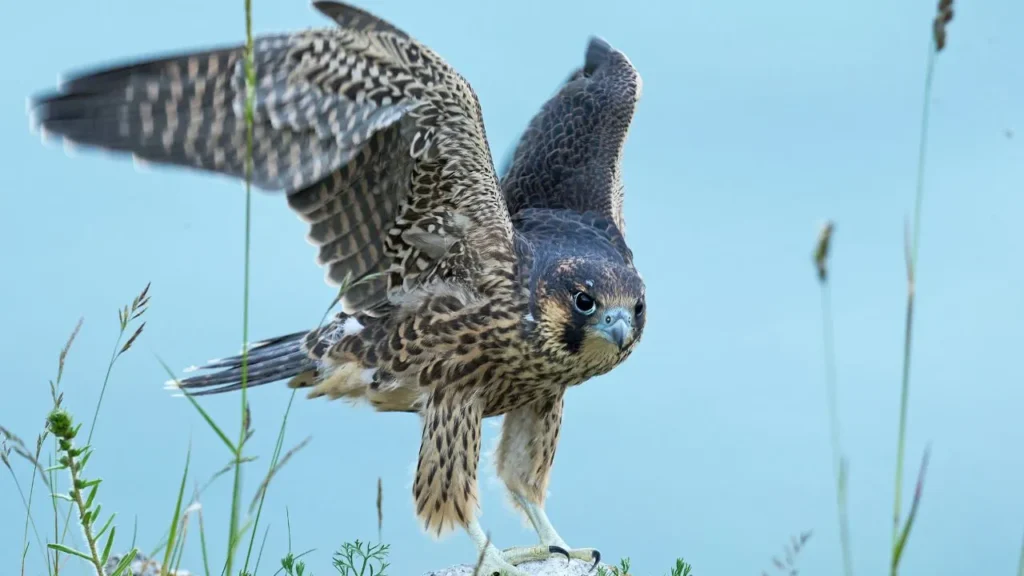
Peregrine falcons are famous for being the fastest animals on Earth. Known for their incredible diving speed, called a “stoop,” they can reach over 200 miles per hour when hunting.
This amazing skill lets them swoop down from high above and catch prey mid-flight. Peregrines are powerful birds with sharp talons, designed to grab other birds even while flying at high speed.
These falcons have a striking appearance with bluish-gray wings and backs, dark heads, and a distinctive black “moustache” mark on their white faces.
Their quick, agile flight and camouflage colors make them hard to spot as they chase prey. Peregrines live nearly everywhere on Earth except Antarctica, showing how well they have adapted to diverse environments.
Here are some key peregrine falcon adaptations:
Unmatched diving speed to catch fast-moving prey.
Strong talons and a beak for gripping and killing prey quickly.
Camouflaged plumage to blend into their surroundings.
Resilience and recovery after being nearly wiped out by pesticides like DDT.
7. Duck
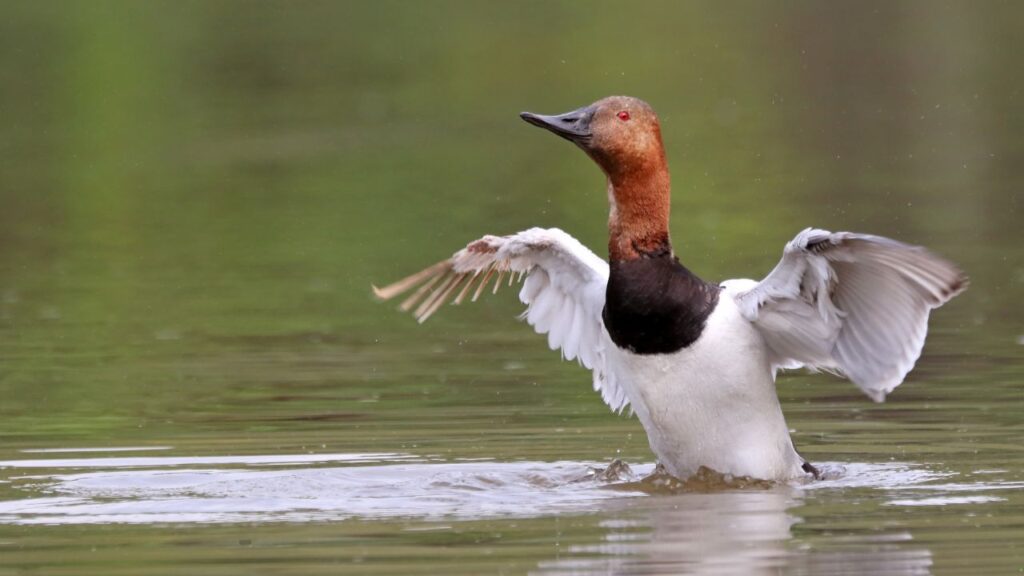
Ducks are some of the most adaptable birds in the world. They can live in many environments, from freshwater lakes and marshes to coastal wetlands and even city parks.
Their ability to adjust to different climates and food sources helps them thrive almost anywhere. This flexibility makes ducks one of the most widespread and resilient bird groups on the planet.
According to Bird Spot, there are around 130 species of ducks, all sharing some common traits. They have webbed feet that help them swim efficiently and broad beaks designed mostly for eating plants.
Unlike their relatives, the swans and geese, ducks have shorter necks and a distinctive waddling walk because of how their legs are positioned on their bodies.
Here are some key duck adaptations:
Webbed feet for smooth swimming.
Broad bills suited to filtering plants and small animals from water.
Flexible diet and habitat choices across many environments.
Distinctive calls and plumage differences between males and females.
Conclusion
Bird species are a fascinating group of warm-blooded living things that have evolved incredible adaptations over millions of years.
Most birds share common traits like two wings and broad wings that help them fly, while their warm skin and feathers allow them to stay warm in different types of environments.
Even within the same species, birds show amazing variations that help them survive. Just like humans and other animals, birds trace back to a common ancestor, showing how evolution is a continuous process shaping all organisms.
Science helps us detect and understand these amazing changes in many species of birds. From their unique skin and feathers to how they use resources to survive, birds offer a glimpse into the wonders of evolution.
Studying different types of birds reveals how all living things, including reptiles and humans, are connected through the process of adaptation and survival.
