




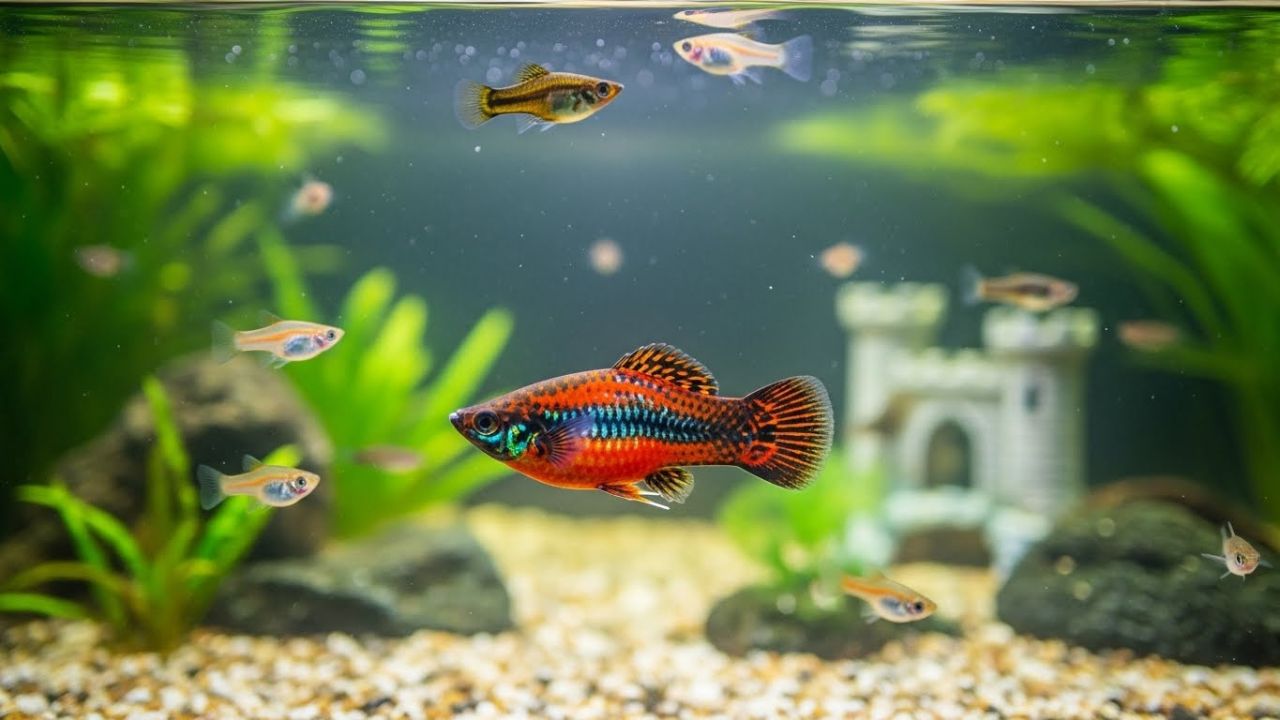
If you have been in the aquarium hobby for a while, you eventually reach a point where just watching your fish swim around isn’t enough. You want to see the circle of life happen right in your living room. You want to try breeding fish.
For many of us, the most exciting moment in keeping an aquarium is spotting tiny eyes looking back at you from the moss. Raising fry (baby fish) is a rewarding experience that teaches you a lot about biology and water chemistry. Plus, if you get really good at it, you might even make a little money or store credit at your local fish store (LFS).
However, not all fish are created equal. Some are incredibly difficult to spawn, requiring specific RO water mixes and complex triggers. But today, we are focusing on the easiest fish to breed—the ones that are practically guaranteed to give you results.
Whether you want to make a profit, feed larger fish, or have some fun, here are the fish that are great at breeding.
Fish That Are Great at Breeding
1. Guppy Fish

If you ask anyone for suggestions on where to start, guppies are almost always the best bet. There is a reason their common name used to be the “Millions Fish.”
They are live bearers, meaning they don’t lay eggs; they give birth to live, swimming babies. If you put one male and two or three females in a tank, you will likely have babies within a few weeks.
How to Breed Them:
Honestly, it is a good fish, and you don’t need to do much with it. As long as you have healthy adults and clean water, nature takes its course. The males are the smaller, colorful ones, while the females are larger and usually drabber (though modern strains are changing that).
PetMD says your aquarium must be at least 5 gallons!
The Challenge:
The biggest issue with breeding guppies is that the parents have no family loyalty—they will eat their own babies. To stop this, you need plenty of hiding spots.
Floating plants like Hornwort or Guppy Grass are essential. These plants create a tangled safety web at the surface where the fry can hide until they are big enough to join the community tank.
2. Molly Fish
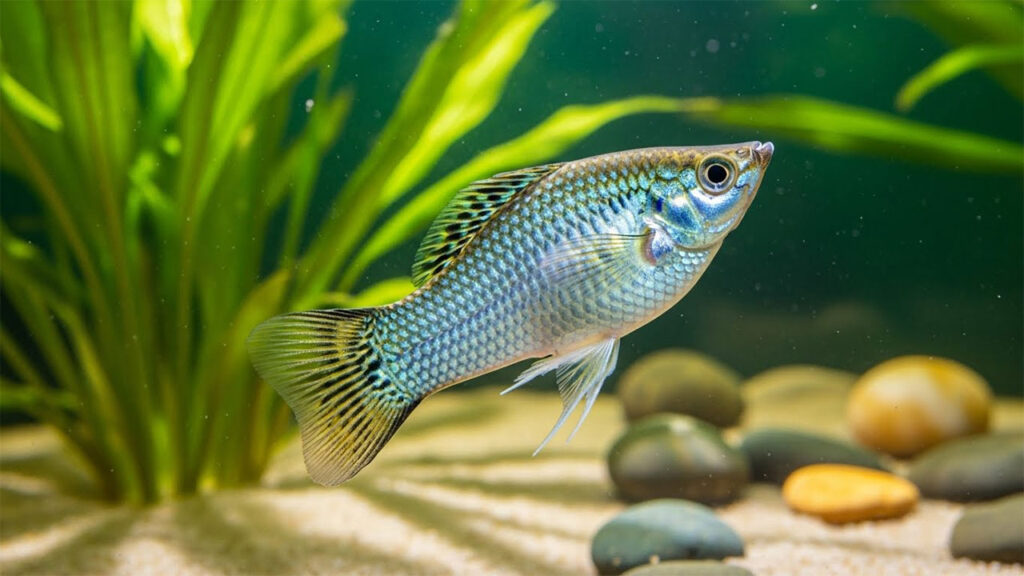
Mollies are very similar to guppies, but they are generally larger and have a bit more personality. They come in amazing colors, from solid black to Dalmatian speckles and gold dust.
Breeding Process:
Like guppies, mollies are livebearers. They are generally peaceful, though they can be active eaters. A cool thing about mollies is that they are fantastic algae eaters, helping keep your tank clean while they reproduce.
Breeding Tips:
Mollies breed regularly, roughly every month. Because they are bigger fish, they produce bigger waste, so you need pretty good filtration. A sponge filter is an excellent choice for a breeding tank because it won’t suck up the babies. While they are hardy, they do prefer harder water with a higher pH. Some people even add a little aquarium salt, though it’s not strictly necessary for them to survive.
Keep this fish safe from the impact of climate change by keeping it protected in a home aquarium rather than letting it lead an independent life out in the world, and it will surely thrive.
3. Platy Fish
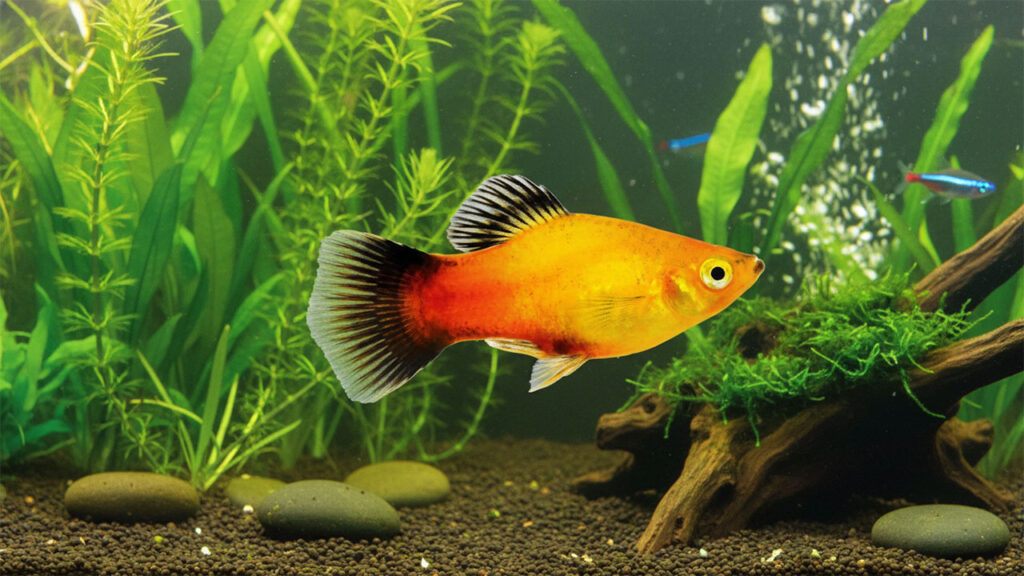
If you want a fish that is colorful, stout, and easy to breed, WebMD says platies are a fantastic choice. They are arguably the most peaceful of the livebearer family.
Why They Are Great:
Platies come in almost every color imaginable—red, blue, yellow, and “Mickey Mouse” patterns. They are excellent community tank residents. They aren’t as frantic as danios and aren’t as nippy as some tetras.
The Strategy:
Just like the others, you want a ratio of at least two females to one male. This keeps the male from harassing a single female too much. Platy fry are usually smart enough to dive into the substrate or hide in plants immediately after birth.
If you want to raise many of them to sell to pet stores, you should separate the pregnant female into a breeding box or a new tank right before she gives birth.
4. Swordtail
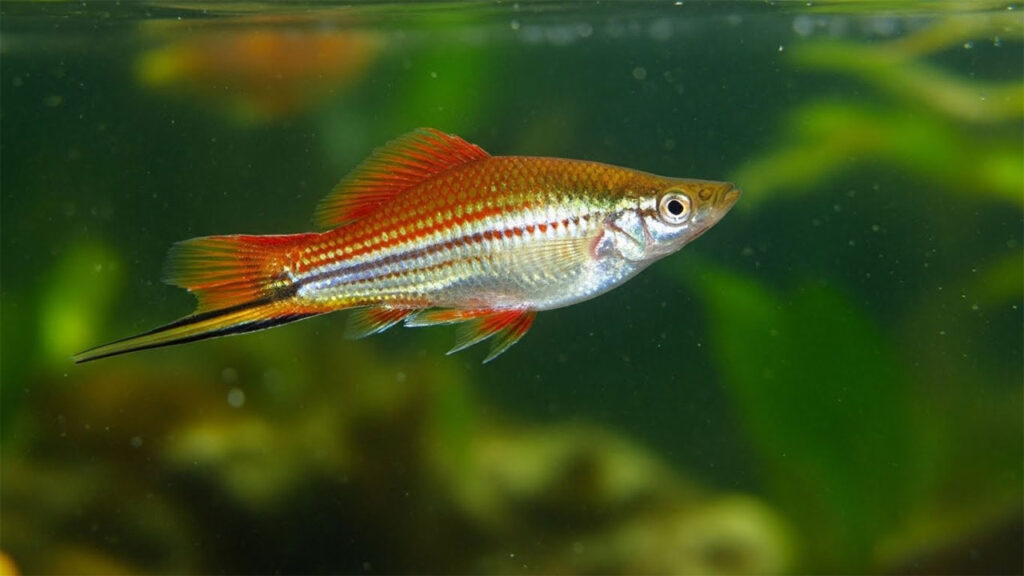
Swordtails are closely related to platies, but they have a distinct look. The male has a long extension on the bottom of his tail that looks like a sword.
Behavior:
These guys are active swimmers and can sometimes be a little aggressive toward each other if the tank is too small. In the wild, they are robust survivors. In your tank, they need space to swim.
Breeding:
They breed just as easily as the other livebearers. However, be careful about mixing Swordtails and Platies in the same tank. They are so closely related that they can cross-breed. While this might sound cool, it creates “mutt” fish that most pet stores won’t want to buy. If you’re going to maintain a pure strain to sell, keep the species separate.
Also, a quick warning: Swordtails are excellent jumpers. Make sure your tank has a tight lid, or you might find your prize breeder on the floor!
5. Zebra Danios
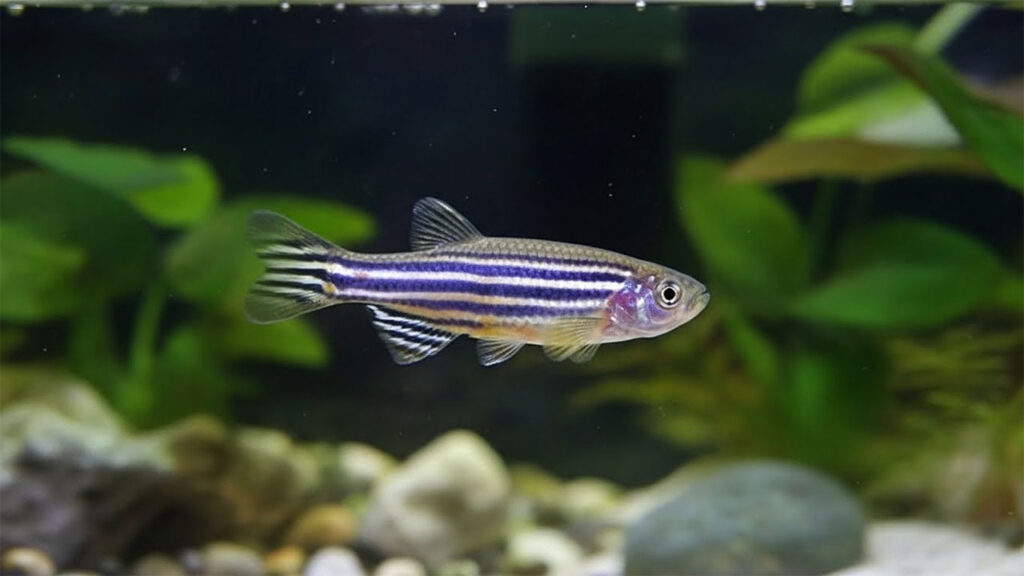
Let’s switch gears from livebearers to egg layers. If you want to try breeding an egg-laying species, Zebra Danios are the easiest fish to start with.
The Setup:
These fish are speedy and energetic. To breed them, you usually separate a pair or a small group into a breeding tank. They scatter their eggs all over the bottom.
The Trick:
The parents are terrible—actually, they are awful parents. They will turn around and eat the eggs immediately after laying them. To get a high yield, use a substrate made of large marbles or a mesh grid. The eggs will fall between the marbles where the adults can’t reach them.
Once the eggs are laid (usually in the morning when the light hits the tank), remove the adults. In a few days, you will have tiny slivers of life darting around. You will need microscopic food, such as infusoria or vinegar eels, to feed them at first.
6. Goldfish
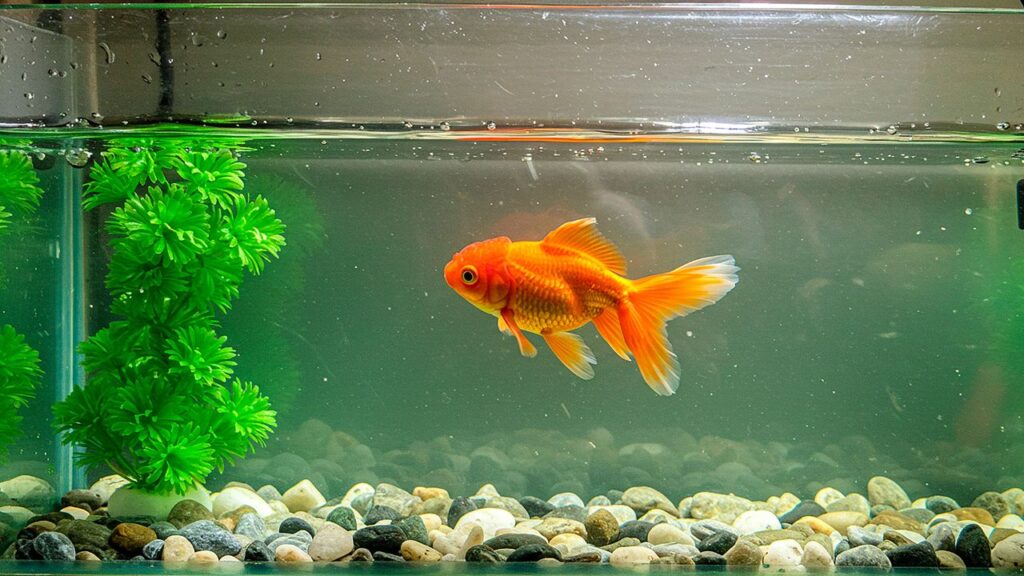
Goldfish are a classic, but breeding them takes a bit more space than a standard 10-gallon tank. These are messy fish, and they get big.
How it Works:
It usually breeds in the spring. In an aquarium, you can simulate this by lowering the temperature for a few weeks and then slowly raising it while feeding them high-quality live foods or frozen bloodworms. These conditions cause the female to fill up with eggs.
The Process:
It can be a rough process. The males will chase the female relentlessly, bumping into her to knock the eggs loose. It doesn’t look very nice, but it’s its nature. They will scatter sticky eggs over plants (or spawning mops). Like Danios, you need to remove the parents or the eggs, or the eggs will become a snack.
If you have a pond, this often happens naturally without you doing anything!
7. Tilapia
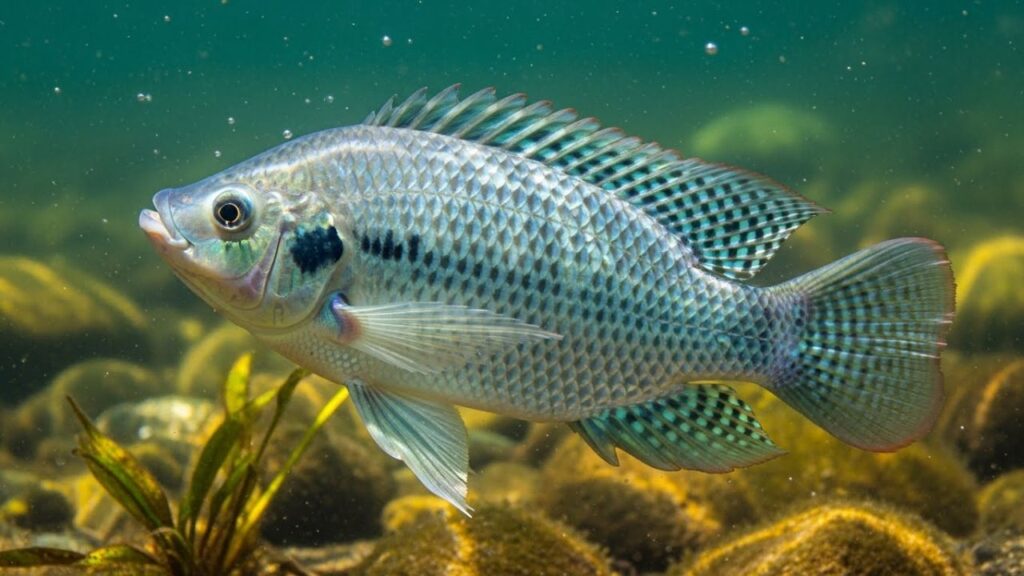
This might seem like a weird addition to a list of aquarium fish. Still, Tilapia are becoming very popular in the hobby, especially for those interested in aquaponics or sustainable living.
Why Tilapia?
They are mouthbrooders. This means one of the parents (usually the female, depending on the species) picks up the eggs and holds them in her mouth until they hatch. They are better parents than tetras or danios.
Growth:
Britannica notes that these fish grow incredibly quickly. They are hardy, handle poor water conditions better than most, and eat almost anything.
While you won’t find them in a standard community tank with Neon Tetras or Angelfish, they are fascinating if you have a large setup. Plus, if you are looking for a food source or a way to understand fish farming, Tilapia is the best bet.
Conclusion
Breeding fish adds a whole new layer of fun to the hobby. It forces you to pay attention to water quality, diet, and fish behavior in a way you never did before.
If you are looking for other fish to breed that we didn’t list, Convict Cichlids are another great option—they are such good parents, they will attack your hand to protect their babies! On the other hand, some fish like Endlers are just as easy as guppies but offer a different look. In short, all these fish thrive when they are kept away from ocean pollution!
