




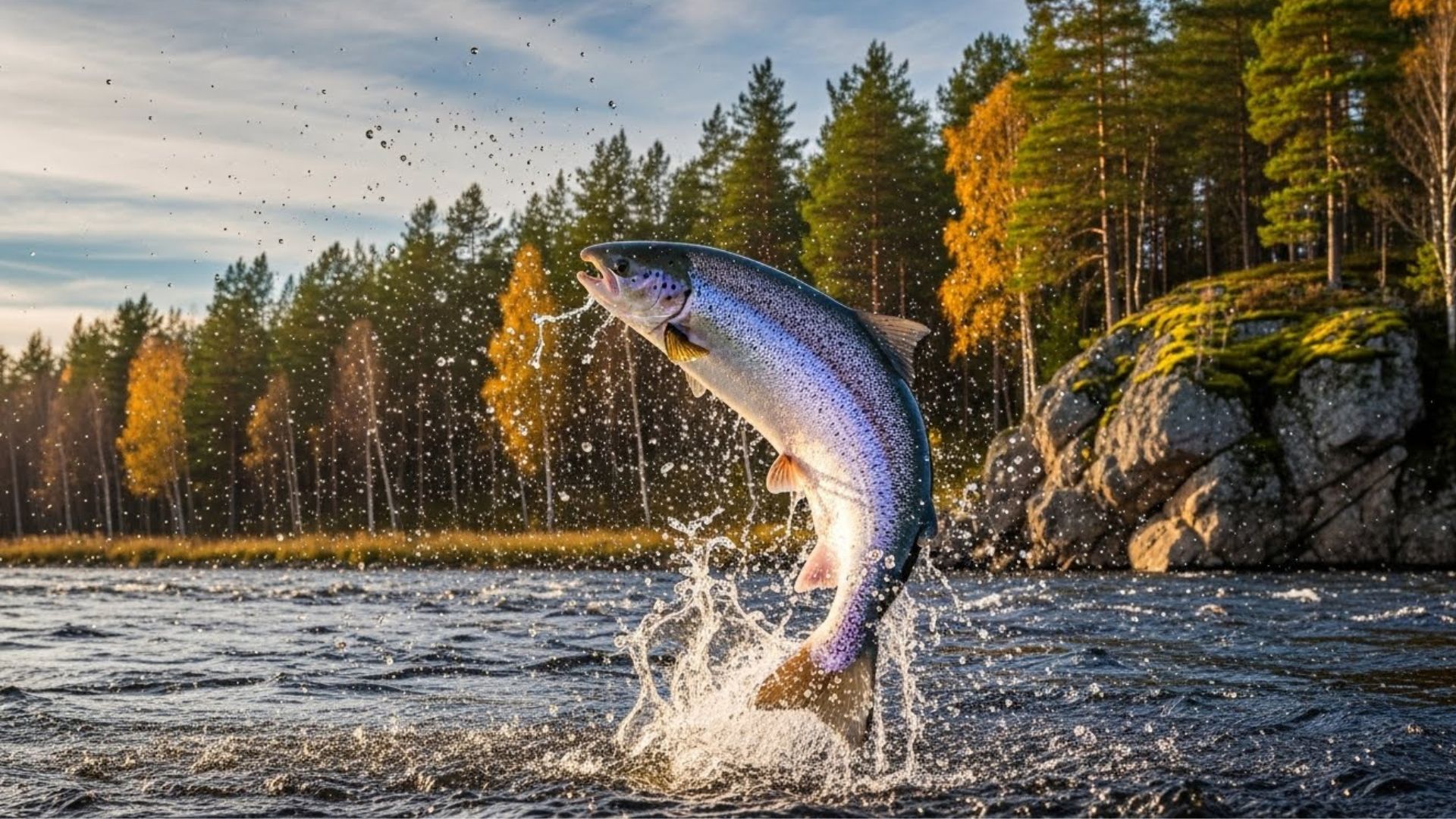
Some fish don’t just swim—they commute like athletes with gills. These migratory species cross oceans, climb rivers, dodge predators, and still arrive on time at their spawning grounds. Their epic journeys span thousands of miles and stitch together freshwater streams, open ocean highways, and hidden places like the Sargasso Sea.
Why do they go long?
Food, love, and survival. Adult fish chase prey that blooms in far-off regions, breeding fish return to precise spawning habitats, and many species follow migratory pathways shaped by currents, temperature, and the Earth’s magnetic field.
Let’s talk about fish species that can travel thousands of miles and ride currents across nearly the entire width of basins.
9 Fish Species That Can Travel Thousands of Miles
1. Atlantic Salmon
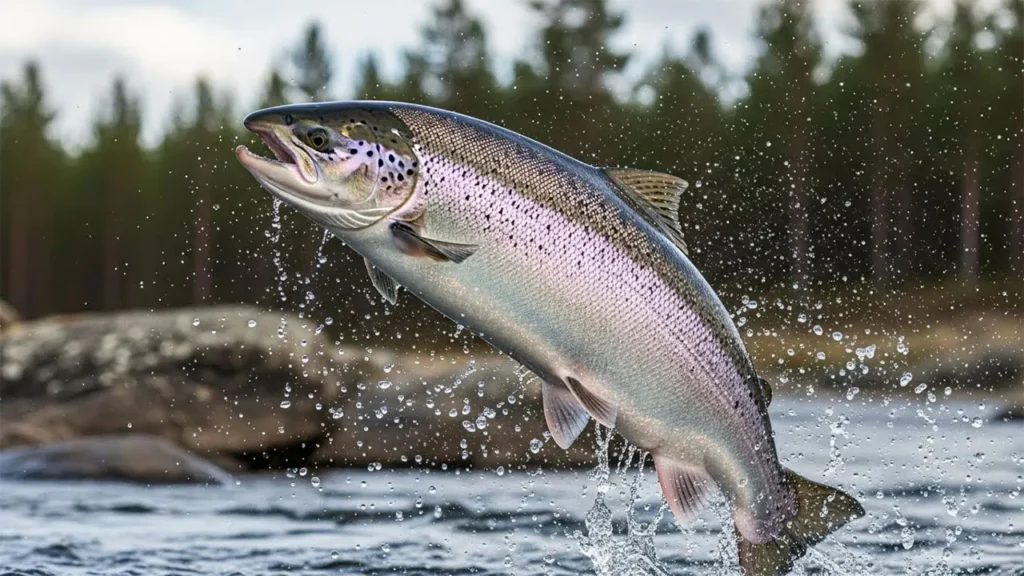
Distance: ~5,000 miles round trip (Maine river to West Greenland and back)
The Atlantic salmon is the classic anadromous species with an epic life cycle expedition. A typical trip from a river in Maine to feeding grounds off Greenland and back runs roughly 5,000 miles—about the same as a New York–Los Angeles round trip. From headwaters, they drift downstream through estuaries, the Gulf of Maine, the Scotian Shelf, the Labrador Sea, and finally the coast of Greenland. Then they reverse it to come home.
How do they navigate? Scientists believe salmon use the Earth’s magnetic field as a compass on the high seas and their super-sniffer sense of smell to find the exact natal river once they near the coast. It’s like having GPS for the Atlantic and Google Nose for the last few miles. This combo lets them cross long distances while still hitting the right streams.
Their life cycle is a marvel.
Freshwater life (parr and smolt) lasts one to three years in rivers, followed by smoltification—a makeover to silver and gold skin that prepares them for life in saltwater. Ocean migration as post-smolts and adults shifts them into the big-prey league—capelin, small fish, and squid—before the return to spawn.
Dam removals in parts of New England are reopening migratory pathways. NOAA Fisheries, local communities, and conservation efforts by groups like the Nature Conservancy are helping bring salmon back to rivers where they were once common.
2. European Eel
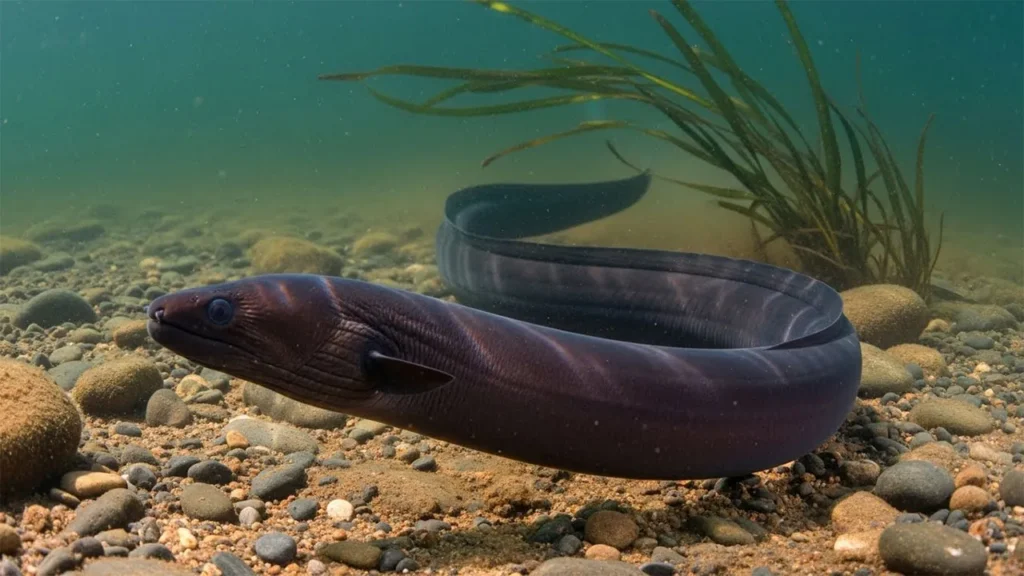
Distance: 3,000–6,000 miles (5,000–10,000 km) Sargasso Sea to Europe and back
The European eel is migration wrapped in mystery. These eels hatch in the Sargasso Sea—a region in the Atlantic with clear blue water and mats of Sargassum—then tiny leaf-like larvae drift thousands of miles on currents to Europe. The juvenile fish become glass eels at river mouths, slip into freshwater, and grow for years before transforming into silver eels that return across the ocean to spawn and die. Tens of thousands go; nobody has filmed the final fireworks yet. Questions remain—and we love that.
Distance? Think 5,000 to 10,000 km (3,000–6,000 miles).
Life phases in short: From Sargasso to Europe as leptocephali, up tributaries as glass eels and elvers, then years as adults in rivers and lakes. When the silver-eel phase arrives, it’s go-time: downstream migrations toward the sea, then the big Atlantic crossing. Their calcium deposits in ear bones (otoliths) record age like tree rings—a handy tool for scientific research.
European eels are critically endangered due to barriers, habitat loss, and fishing pressure. Effective management strategies—restoring free-flowing rivers, better planning for headwater infrastructure development, and limiting illegal trade—matter. International team efforts, some funded by groups like the Betty Moore Foundation and the MacArthur Foundation, continue to track routes and physiology. Glass eels might be tiny, but their story is global.
3. Atlantic Bluefin Tuna
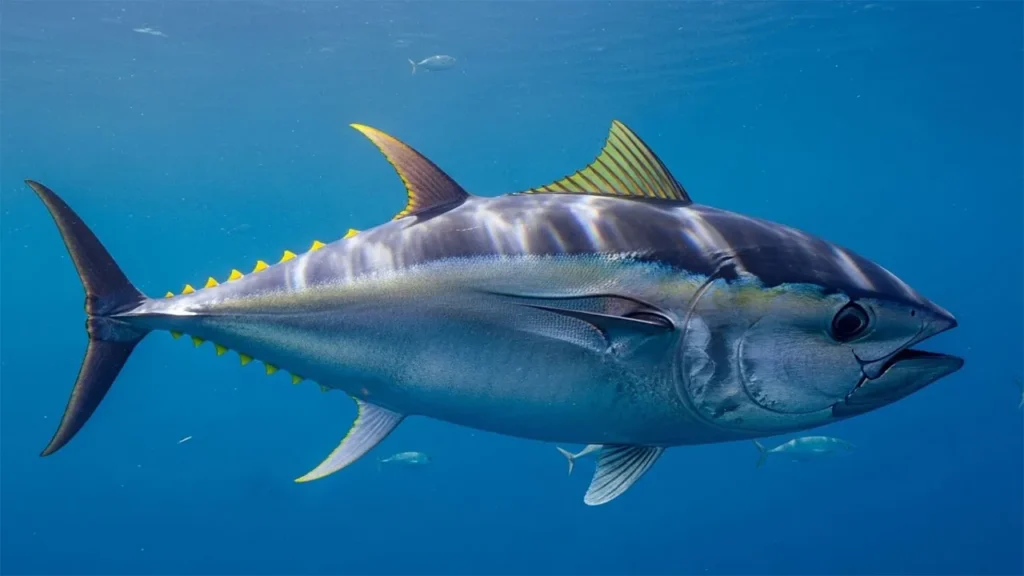
Distance: 5,000–8,000+ km per crossing; entire Atlantic in 40–60 days
The Atlantic bluefin tuna is a torpedo with a heart for travel. Tagged fish cross the Atlantic in 40–60 days, clocking over 8,000 km. One was tracked from the Bahamas to Norway; others shuttle between feeding zones off Canada and spawning habitats in the Gulf of Mexico or the Mediterranean. They can exceed 200 km per day, powered by warm-blooded physiology and a body built for speed.
National Geographic claims they are among the most ambitiously migratory of all fish.
Why the long haul? Feeding, reproduction, survival. They seek vast schools of small fish, squid, and crustaceans, then switch to warm, predictable spawning grounds. As warm-blooded fish, constant motion keeps their engines purring and their muscles ready—think marathoner meets sports car.
Life notes: Larvae nibble tiny planktonic crustaceans (and, yes, other tuna larvae). Adults eat fish, squid, and octopus. Main predators include killer whales and big sharks. Bluefin navigate the Atlantic like seasoned captains, possibly keying on magnetic cues, temperature fronts, and prey fields.
4. Great White Shark
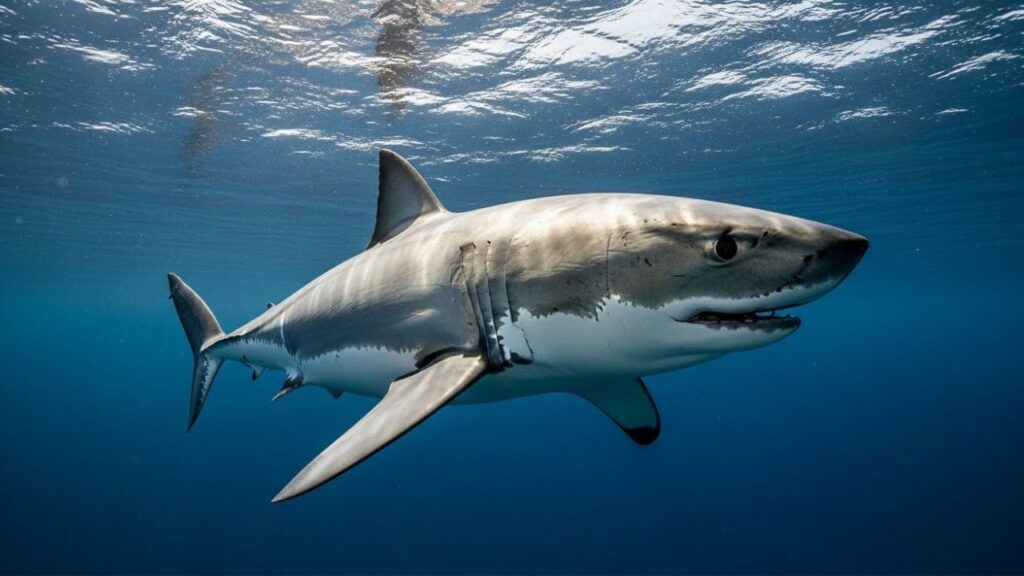
Distance: 2,500–11,000+ km on major migrations; record trips ~6,900 miles
Great white sharks are long-range cruisers with a knack for disappearing into the blue and popping up an ocean away. California to Hawaii? Routine. South Africa to Australia? Recorded. Nicole swam nearly 11,000 km (6,900 miles) from South Africa to Australia in under 4 months. That’s a lot of tail beats—and some classy cardio.
How do Sharks manage it? Massive livers store energy-rich oils. They mix steady swimming with drift diving—glide, sink, and repeat—to save energy across the big empty. It’s like switching between a jog and a moving sidewalk, only the sidewalk is the Pacific.
Their annual migrations can top 2,500 miles as they shuttle between foraging and reproductive areas. In mid-ocean “cafés,” they dive deep, possibly feeding or just networking with other sharks. Despite their scary persona, they’re selective hunters that follow temperature, prey, and seasonal cues.
Fun fact: In the middle of the Pacific, there isn’t much on the menu, so great whites time their routes to hit productive hotspots—upwelling zones, shelf edges, and island chains.
5. Whale Shark
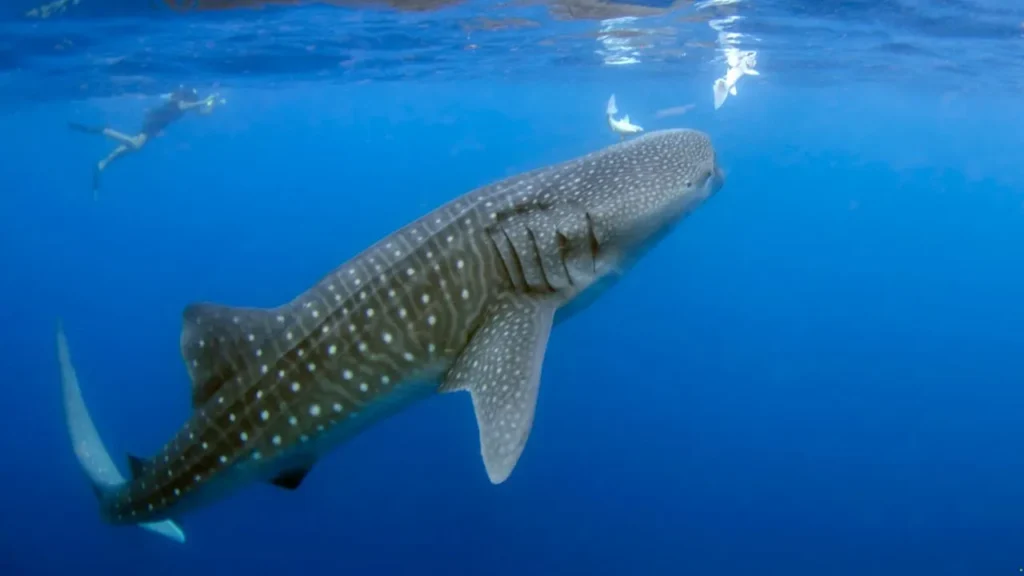
Distance: Up to ~12,800 km (8,000 miles) documented over multi-year tracks
The Whale shark is the gentle giant of the open ocean—slow and steady, but with surprising range. Genetic studies show global mixing, which means these animals roam. One whale shark logged 12,800 km (8,000 miles) over three years. Average speed? A chill 3 mph. They’re living zeppelins following invisible snack trails.
Why travel so far? Food and family. They shadow plankton blooms, krill swarms, and fish spawns, surfing temperature fronts—the ocean’s highways—to hit seasonal feeding grounds. Reproduction likely requires long circuits too, though much remains mysterious. Scientists use satellite tags to reveal routes that crisscross basins.
Range notes: Found in warm seas worldwide (curiously, not in the Mediterranean), whale sharks occur at hotspots from Mexico to Mozambique. In places like Oslob, Philippines, many move on after a few days; a small percentage hang around year-round.
Fun fact: Their skin is dotted like a starry night, and every pattern is unique—like a fingerprint. Photo-ID catalogs act as passport control for these polka-dotted travelers.
6. Humpback (Pink) Salmon
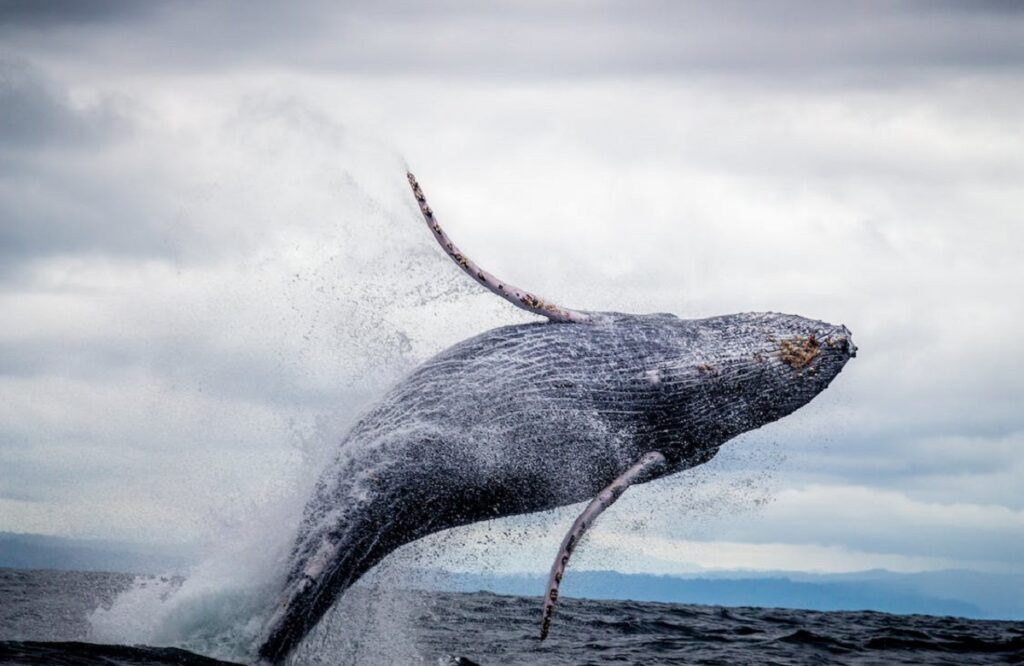
Distance: 1,000–2,000+ ocean miles plus hundreds of river miles upstream
Pink salmon, also called humpback salmon, are compact compared to kings, but their travel resume is huge. Born in freshwater, juveniles flush out to sea, roam the North Pacific for up to two years—often topping 2,000 miles—then return upstream for hundreds of miles to spawn. When they flip to upriver mode, they can grind out 30 miles a day.
Navigation is a combo of smell and maybe geomagnetism. They imprint on the chemical “scent” of their natal stream and use that memory on the way back. Obstacles? Rapids, waterfalls, logjams, bears, eagles, and the occasional human with a net. Upstream is a contact sport.
Energy strategy is brutal: once in freshwater, they stop eating and live off fat reserves built at sea. After spawning, they die—recycling nutrients back into rivers and forests. Bears drag carcasses into the woods, fertilizing trees. Salmon feed the land. That’s a fantastic life history loop.
7. Swordfish
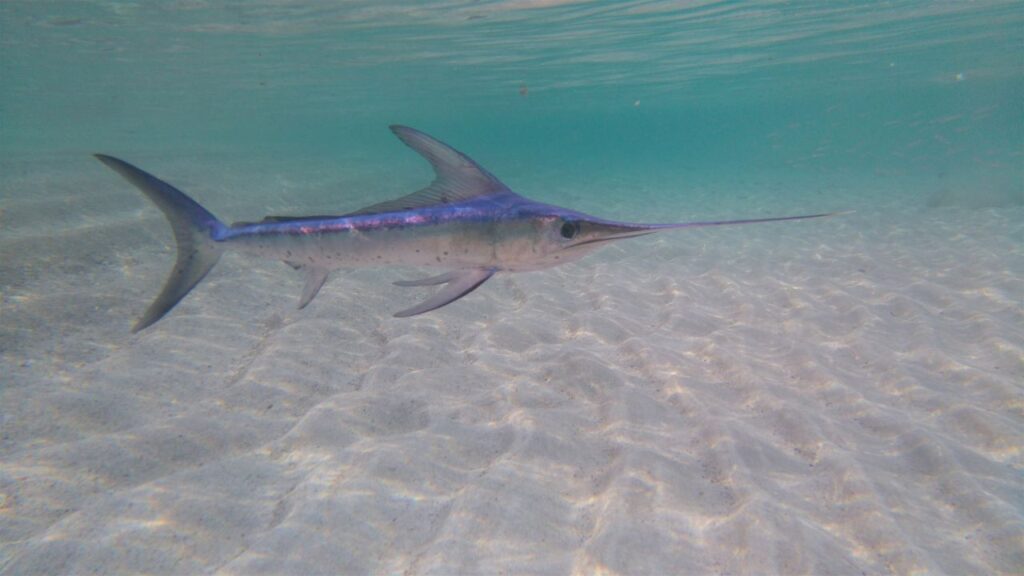
Distance: Thousands to 20,000+ km over annual/biannual circuits
Swordfish are globe-trotting blades with places to be. Tagged individuals have covered over 20,000 km, shifting between temperate feeding grounds in summer and tropical/subtropical spawning areas in winter. They ride the seasons like pros and show up from the Atlantic to the Indian and Pacific.
Drivers of movement include water temperature, prey (especially squid), and the daily cycle of light. Navigation may lean on the Earth’s magnetic field. On top of their long migrations, they perform daily vertical migrations—deep by day, surface at night—like commuters who also climb a skyscraper twice a day. Oceana mentions they showcase a fantastic transformation in size throughout their lives.
Range notes: From North America to the Caribbean, across the Atlantic Ocean, into the Mediterranean, and beyond. Their long-distance movements help explain why management must span countries and why proposed dams or headwater infrastructure development in river systems (for other species) can ripple through marine food webs. Everything connects.
Fun fact: Swordfish can warm their brains and eyes—handy for hunting in chilly depths. Imagine night-vision goggles that run on sushi. It’s a physiology superpower that helps turn long trips into full buffets.
8. Mahi-Mahi
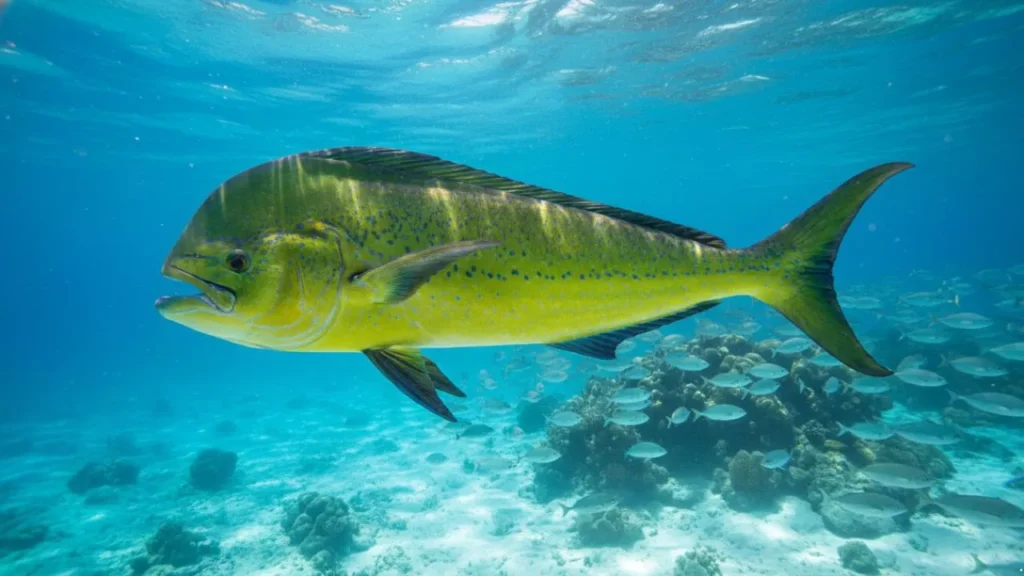
Distance: Typically thousands of miles annually; records ~8,000 miles in 6 months
Mahi-mahi are neon sprinters of the pelagic world. Highly migratory, they follow warm currents, eddies, and gyres, riding the Gulf Stream like a moving walkway. Seasonal journeys send them north to feed in summer and south for winter survival and spawning. One tagged fish covered over 8,000 miles in six months—ambition in green and gold.
Why travel? Food and warmth. They haunt current edges where small fish and squid pile up, often near floating debris that acts like a mini-reef. Think of them as current connoisseurs who know every front, foam line, and weed patch on the map.
For anglers, tactics mirror the fish: keep moving. Trolling pink or blue lures, ballyhoo, or squid along convergence zones pays off. Mahi are classic open ocean opportunists—quick to find a flotsam party and even quicker to leave when the snacks run out.
Fun fact: They grow at rocket speed. A mahi can hit “wow” size in a year. That fast growth fuels constant migration thousands of miles to keep the calorie budget in the black.
9. Pacific Blue Marlin
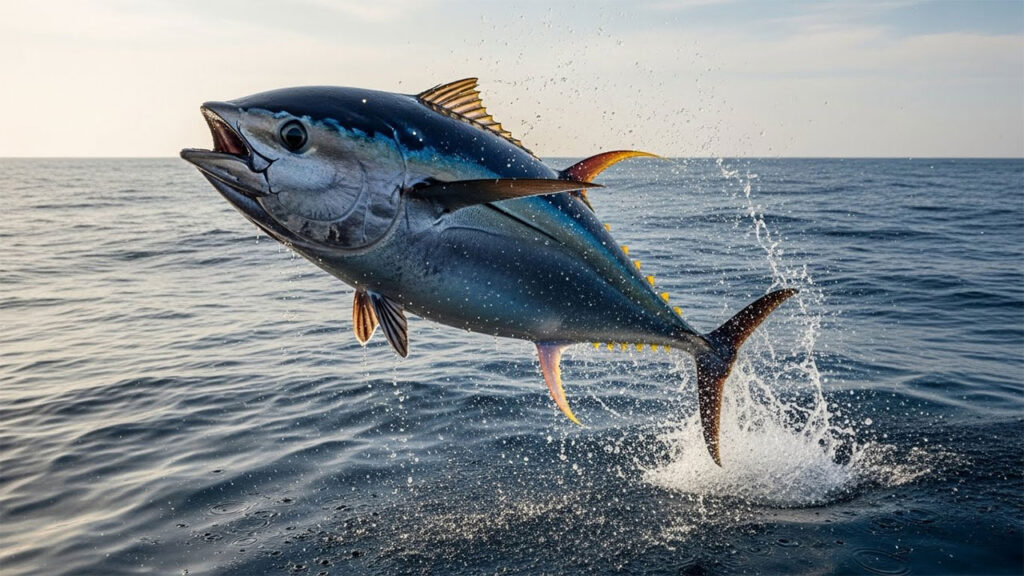
Distance: Thousands to basin-scale crossings; Hawaii→Galápagos in ~90 days
Pacific blue marlin are royal wanderers. Tags show regular crossings of entire ocean basins—Hawaii to the Galápagos in 90 days, or even moves from the Pacific off Australia to the Indian Ocean near Sri Lanka. They like the top 30 meters above the thermocline, where the water is blue, and the buffet is brisk.
Geographic spread is wild: Southern California to Chile, Hawaii, Mexico, Panama, Ecuador, Japan, Australia—and Indo-Pacific hubs like Mauritius and Seychelles. They follow tuna, mackerel, and small fish schools and seek warm spawning zones near equatorial waters.
Their sword-like bills and missile bodies make them swift and efficient. Add big ocean currents like the Leeuwin Current in Australia, and you have a blueprint for transoceanic journeys.
Long-distance migratory movements? Absolutely. They write their travel logs in straight lines and sudden zigzags.
Fun fact: Marlin bills aren’t for fencing; they’re for slashing bait balls. Dinner is served, sashimi-style, at 30 knots.
Conclusion
Fish migrations are epic feats that knit together rivers, coasts, and oceans—salmon homing across thousands of miles, eels looping the Sargasso, and tuna, marlin, whale sharks, great whites, and even Amazonian goliath catfish covering basin-scale routes.
From Atlantic salmon threading rivers to Greenland and back, to European eels looping the Sargasso Sea, to tuna, marlin, whale sharks, and great whites sprinting across basins, these are epic journeys by incredible fish. Add the Amazon’s goliath catfish species—long, muddy treks from headwaters to the Atlantic—and you see why researchers call them the world’s longest freshwater migrants. It’s a reminder that migratory fish connect regions, economies, and ecosystems across miles and miles of water.
Science is rapidly decoding these routes with tags, genetics, and ecological analysis, revealing a simple truth: connectivity is everything. New tagging and genetics studies are mapping the epic pathways of the four goliath catfish species, informing smarter river management and cross-border conservation. Protecting free-flowing rivers and ocean corridors—through dam removals, fish passages, and smart management—guards against habitat loss and blockages, ensuring food security, livelihoods, and the survival of these remarkable commuters.
