





Ever wondered which fish rule the ocean’s fast lane? The sea isn’t just a chill, blue expanse—it’s packed with high-speed chases, epic escapes, and some awe-inspiring aquatic athletes. From tropical and subtropical waters to the open stretches of the Atlantic and Pacific, certain fish truly act like speed engines.
Whether they’re escaping predators, chasing swift prey, or dazzling anglers with their acrobatics, speed is their ultimate survival hack. Forget the slow and steady—these fish are all about the thrill of the chase, the sharp turns, and those jaw-dropping bursts of power that can leave even the most experienced sport fishers stunned.
Ready to dive into the underwater world of turbo-charged tail fins and streamlined shapes? Let’s meet nine of the fastest, most fascinating fish known for their intense speed.
Fish Known for Their Intense Speed
1. Sailfish
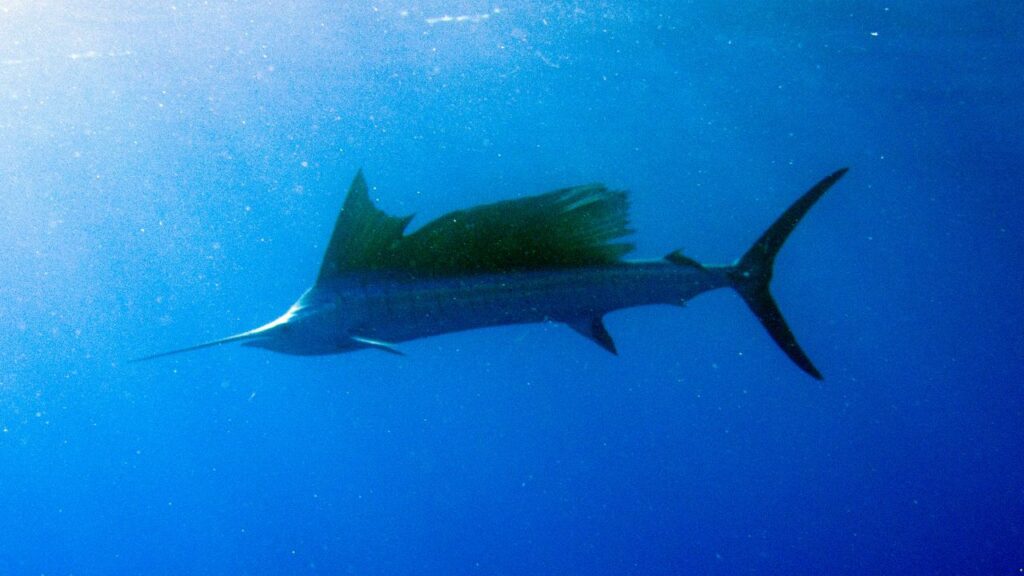
Let’s kick things off with the legend itself—the sailfish. If you’ve ever seen a fish with a massive, sail-like dorsal fin zipping through the water like it’s late for a critical date, you’ve met the Usain Bolt of the sea.
This fish can reach incredible speeds of up to 68 mph (110 km/h)—yep, you read that right! Their streamlined bodies and elongated bills help them slice through the water with minimal resistance, making them among the fastest fish on the planet.
But it’s not just about speed; the Marine Sanctuary says the sailfish’s hunting strategy is pure genius. They use that flashy sail to herd smaller fish into tight schools, then swoop in for the kill with lightning-fast strikes.
Talk about apex predators! Sport fishers dream of catching these pelagic fish on a fishing trip in the Atlantic Ocean or the Indian and Pacific Oceans—but be warned, you’ll need some impressive fishing techniques to land one.
This fish also has a fantastic ability to leap high out of the water, putting on a show for anyone lucky enough to witness it. Their remarkable speed isn’t just for fun—it’s a survival tool for both capturing prey and evading predators in the open ocean.
And let’s not forget the looks! The sailfish’s crescent-shaped tail and vibrant blue stripes make it a total fashion icon among marlin species—no wonder it’s the poster child for “fast swimmers” everywhere.
2. Swordfish
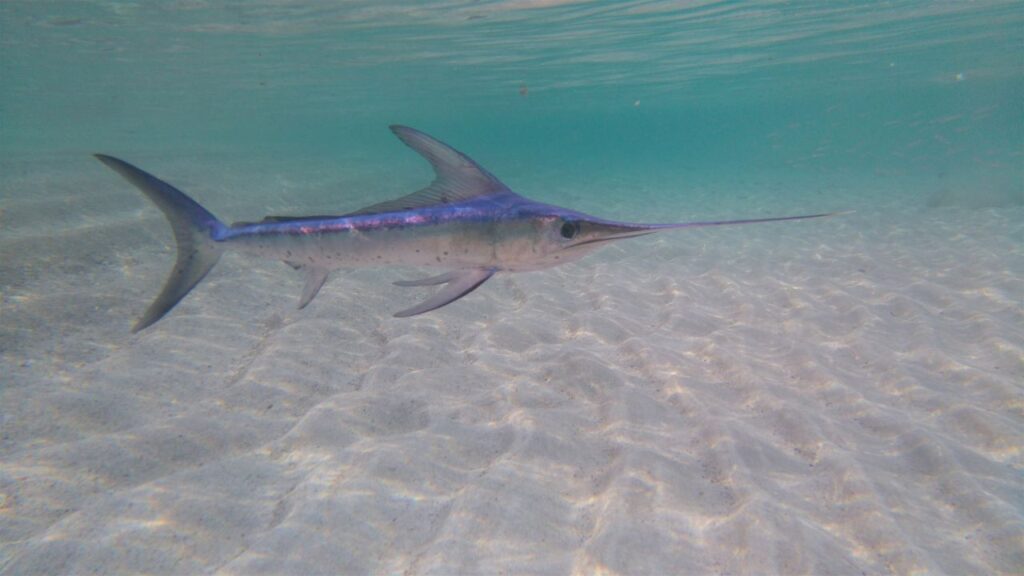
Next up: the swordfish. These pelagic powerhouses rock that iconic, elongated “sword” (technically, their bill), which they use to slash through schools of swift prey. It can reach remarkable speeds of up to 60 mph (97 km/h) in short bursts, making it a top contender for the title of fastest fish.
Swordfish are the ultimate night owls of the ocean, cruising deep waters by day and rising to the surface at night to hunt. Their streamlined body and large tail fin give them the edge in both speed and endurance—perfect for chasing down those tricky, snappy swimmers.
With their sharp teeth and formidable predator vibes, swordfish have earned a spot at the top of the food chain. And get this: their body is packed with powerful muscles and a special heat-exchange system that keeps their eyes and brain warm—basically, they’re the Terminators of the marine ecosystem.
Love fishing stories? Anglers love it for its fight and strength. Hooking one is a bucket-list moment for any sport fisher, especially in tropical and temperate waters. And if you’re into sushi, you’ve probably tasted this apex predator without even realizing it!
3. Black Marlin
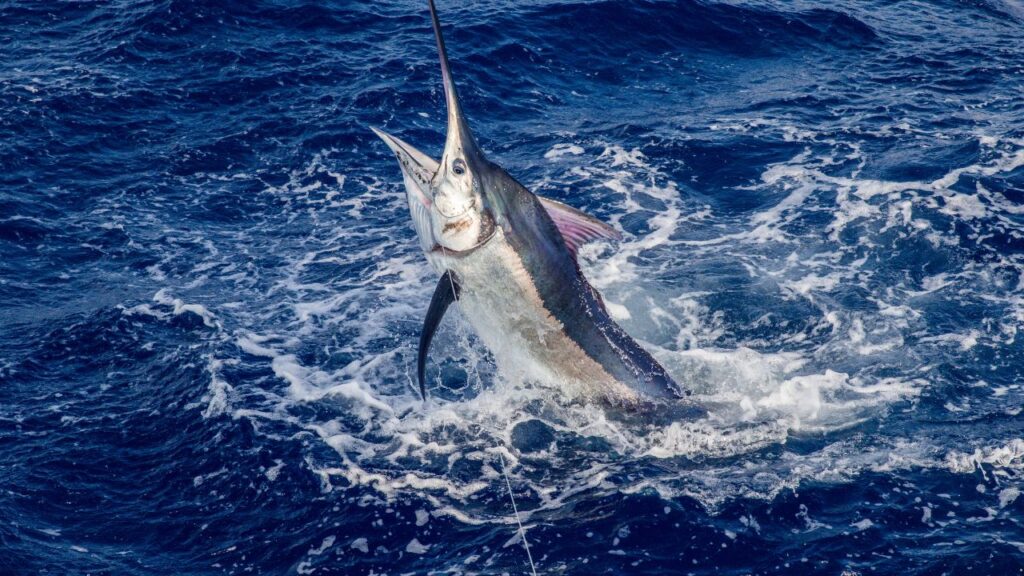
Enter the black marlin, the muscle car of the ocean. With its massive size (measuring up to 15 feet in length and weighing over 1,500 pounds), you’d think it would be slow, but nope—this marlin species can reach speeds of 82 mph (132 km/h) in brief bursts, according to some reports3. That’s like the ocean’s version of a turbo boost.
Britannica claims Black marlin are highly migratory, cruising through the Indian and Pacific Oceans and making pit stops in tropical waters. Their large, pointed bill and streamlined body help them slice through the water with surprisingly minimal resistance.
If you’re imagining a powerful fish that can leap clear out of the ocean, you’ve got the right idea. Black marlin are famous among sport fishers for their dazzling aerial displays and sheer strength. Their strong pectoral fins remain rigid, unlike those of blue marlin, which adds to their aerodynamic prowess.
Hunting strategy? They’re all about high-speed chases, targeting fast-moving bait like tuna and mackerel. In the world of apex vultures, the black marlin is an absolute legend—no wonder it’s a dream catch for anyone hooked on deep-sea adventure.
4. Wahoo
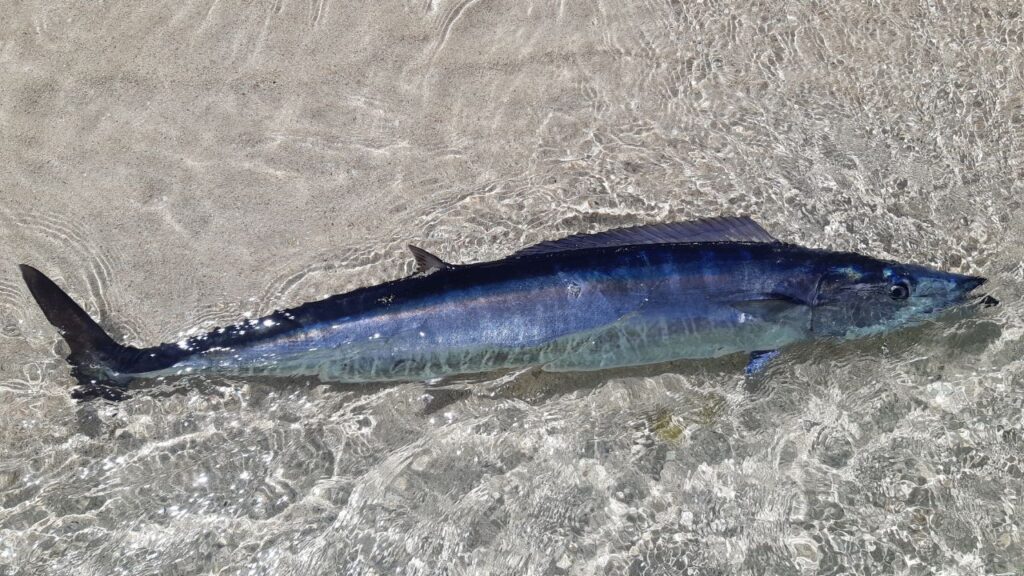
Say hello to wahoo—one of the ocean’s most underrated speedsters. This scombrid fish is built for high speeds, with a slender body and sharp teeth that make it a nightmare for other species in the tropical and subtropical waters.
Wahoo’s speed is legendary among anglers—their top speed? They can reach around 48 mph (77 km/h), making them one of the fastest fish in the sea. Their powerful muscles and crescent-shaped tail are designed to achieve maximum speed with minimal energy.
Don’t let their sleek looks fool you: wahoo are powerful predators, and their feeding habits are all about blitz-attacks. They zoom through schools of smaller fish around their habitat, snapping up prey before anyone knows what happened.
5. Yellowfin Tuna
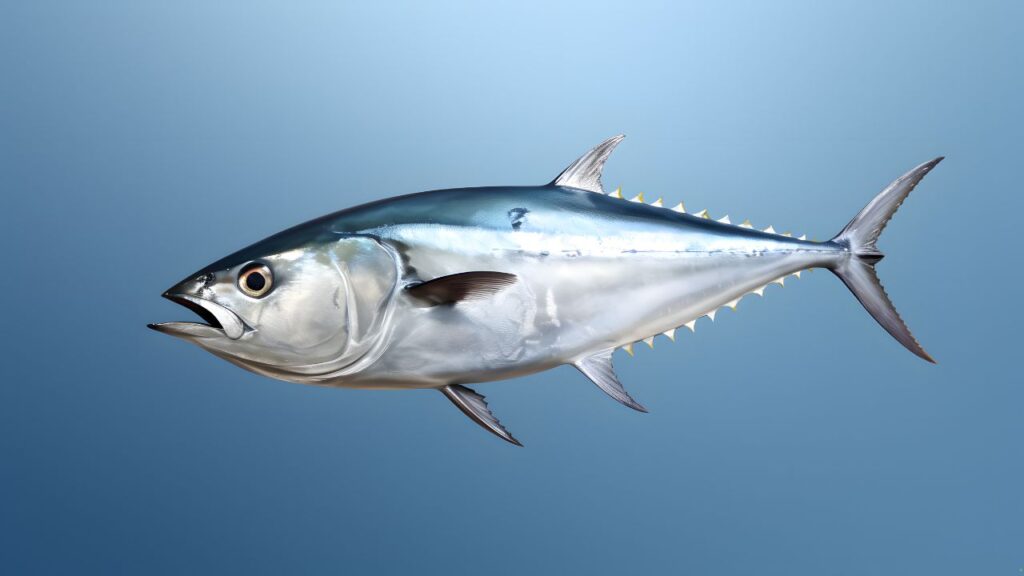
Time to shine the spotlight on the yellowfin tuna. These aren’t just any fish—they’re the athletes of the ocean, built for long distances and high speeds. Yellowfin can reach speeds of up to 50 mph (80 km/h), and their sleek, torpedo-shaped body means they can swim for ages without breaking a sweat.
You’ll find yellowfin tuna thriving in tropical waters, especially in the Atlantic Ocean, the Indian Ocean, and the Pacific Ocean. They’re migratory, traveling thousands of miles in search of food and adventure.
Their rugged muscles and streamlined physique let them chase down swift prey or evade predators like the blue shark (another swift swimmer!). Yellowfin tuna also play a crucial role in the food chain, supporting both marine life and commercial fisheries.
Sport fishers love the challenge of landing a yellowfin tuna—they’re strong, fast, and put up a fight worthy of TikTok fame. Plus, they look super cool with their bright yellow anal fins and extended bodies!
6. Mahi-Mahi
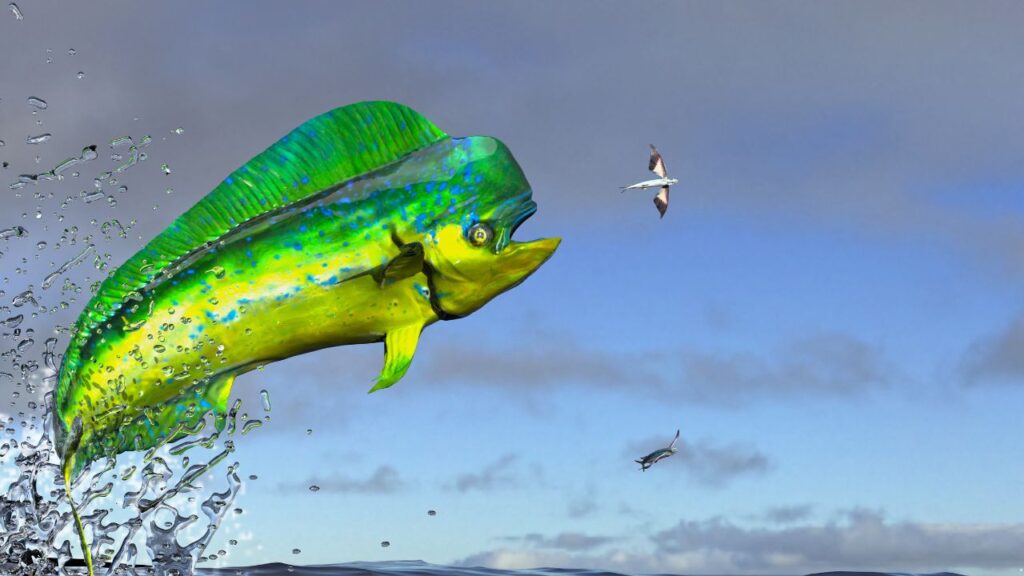
Ready to meet the most colorful speedster in the ocean? Enter the mahi-mahi, also known as dolphinfish. With their electric green-and-yellow hues and elongated bodies, these fish look like they just swam out of a neon dream.
Mahi-mahi can reach impressive speeds of up to 57 mph (92 km/h), making them a favorite among anglers and fishing enthusiasts alike. NOAA states that their streamlined body and prominent dorsal fins help them glide effortlessly through the tropical and subtropical waters.
Their hunting strategy is all about agility and speed. Mahi-mahi chase down flying fish and squid, using their quick reflexes to outmaneuver prey and evade predators. Their remarkable speed also makes them challenging to catch, adding to their mystique among sport fishers.
7. Shortfin Mako Shark
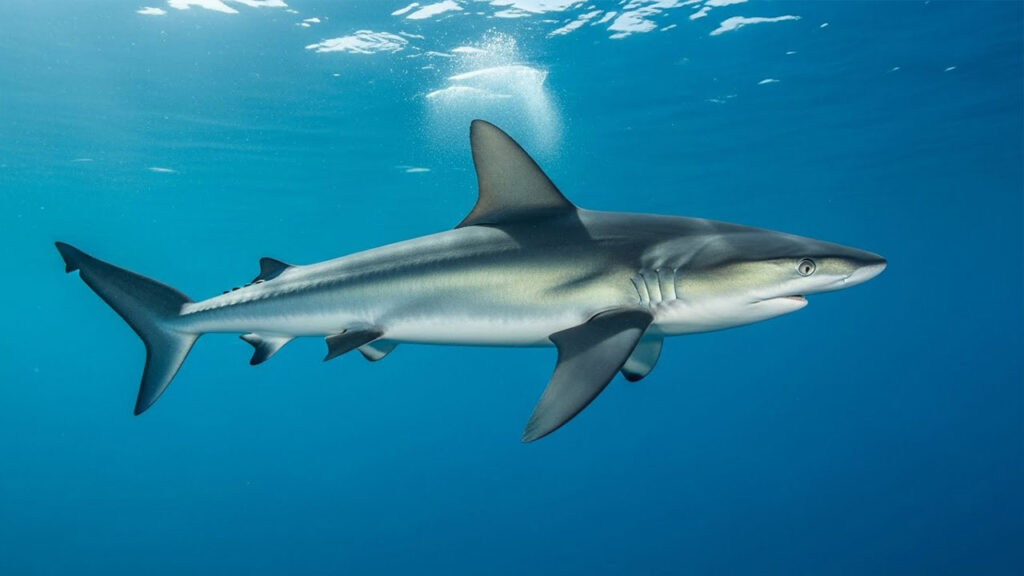
Sharks aren’t just about brute strength—some are built for speed, too! The shortfin mako shark earns its crown as the fastest shark, capable of reaching speeds up to 45 mph (72 km/h)7. With a streamlined build, pointed snout, and crescent-shaped tail, they are the Ferraris of the shark world.
You’ll find Makos in both mild and tropical waters, often cruising near the surface in search of swift prey like tuna and swordfish. Their strong muscles and large tail let them accelerate in short bursts, making them formidable predators.
Makos also have a reputation for being highly migratory and covering long distances across the open ocean. Anglers love the challenge of catching a mako, but they are no joke—expect an epic battle!
And yes, their razor-sharp teeth and torpedo-like bodies make them icons among apex predators.
8. Atlantic Bonito
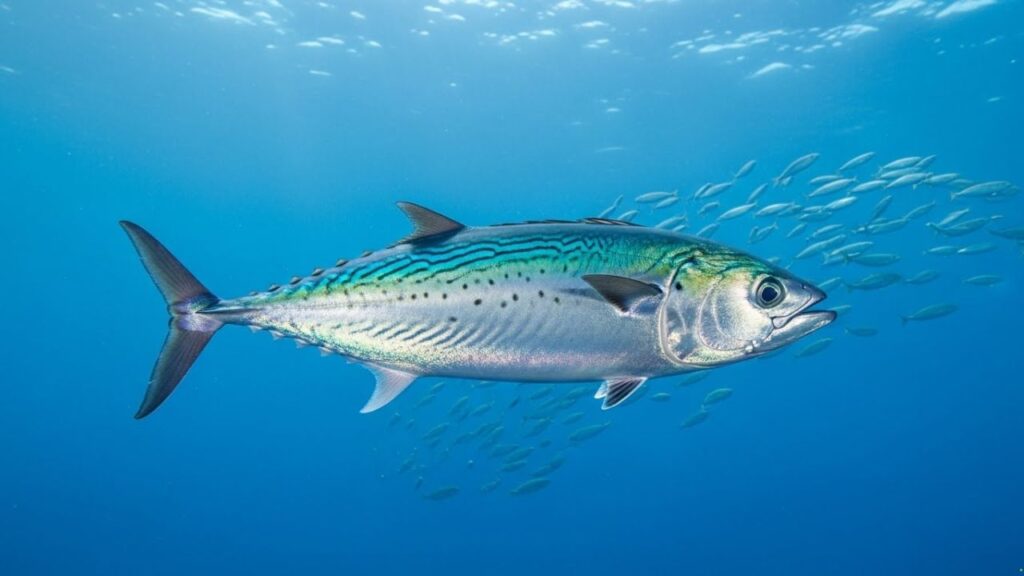
Let’s talk about a more diminutive, but mighty, speedster—the Atlantic bonito. This scombrid fish (related to tuna and mackerel) may not be the biggest, but it sure is fast, clocking in at around 40 mph (64 km/h)8.
Atlantic bonito inhabit both coastal waters and the open sea, darting after schools of smaller fish with impressive speed. Their streamlined body, forked tail, and agile movements make them tough for predators to catch and even tougher for anglers to land.
The bonito’s feeding habits are all about teamwork—they often hunt in packs, herding baitfish into tight balls before swooping in for the feast. It’s like synchronized swimming, but way more intense.
Don’t underestimate their role in the marine ecosystem—Atlantic bonito are crucial for keeping the food chain balanced, feeding both larger fish and humans (ever tried bonito flakes on your ramen?).
9. Bonefish
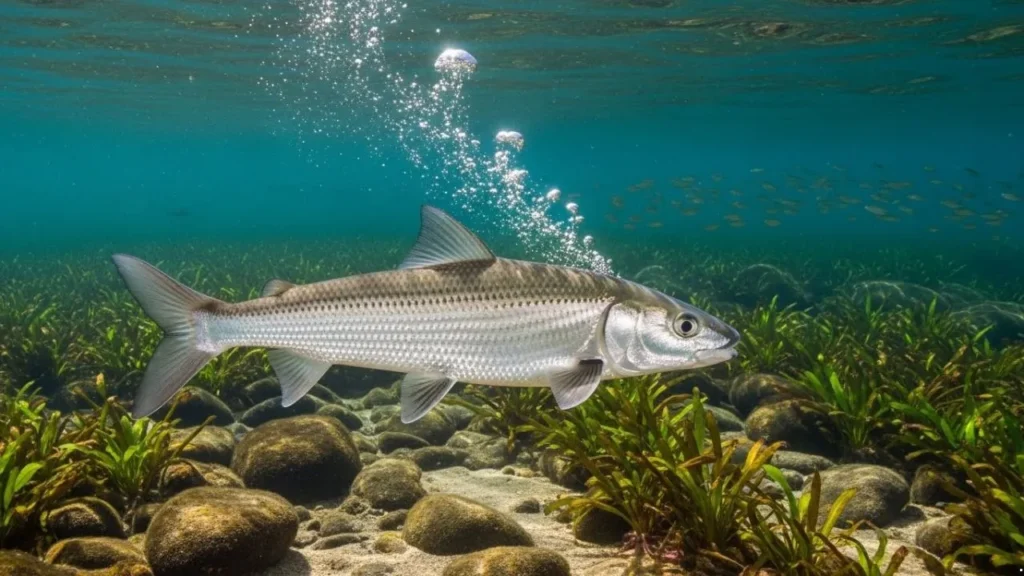
Last but not least, the bonefish—aka “silver kings.” These slender, silvery fish are famous for their speed and agility in shallow, warm waters, especially around tropical coastlines. Bonefish can dash at speeds up to 40 mph (64 km/h), making them the ultimate escape artists when it comes to evading vultures.
Body shape is key—bonefish have elongated bodies that let them zip across sandy flats with minimal opposition. Their swift movements make them a favorite among fly-fishing enthusiasts, who consider bonefish a top prize on any fishing trip.
What really sets bonefish apart is their stealth. They often feed in shallow waters, using their speed to outmaneuver both predators and sport fishers alike. Their feeding habits are all about quick bursts and sudden turns.
If you’re looking for a challenge, bonefish deliver. Just remember, they’re fast swimmers for a reason—catching one is as much about skill as it is about luck!
Conclusion
So, next time you’re daydreaming about the ocean, remember: it’s not just the big sharks or mysterious deep-sea creatures that rule the waves. These incredible speedsters—from the sailfish to the bonefish—are rewriting the definition of “fast fish” every single day.
Whether they’re darting through tropical waters, cruising the Atlantic Ocean, or making waves in the Indian and Pacific Oceans, each of these fish is a master of speed, survival, and style. So, which one will you root for in the next underwater race?
