




Imagine diving into the deep blue, expecting to see a bustling city of vibrant scales and dancing fins, only to find an empty, silent ghost town. As someone who absolutely adores the underwater world, it breaks my heart to see the decline of so many beautiful creatures.
While most people worry about whales, dolphins, or bears, the crisis facing fish species is just as urgent. From the coastal waters to the deep sea, populations are plummeting.
We are currently witnessing a tragic loss of biodiversity. Many threatened fish species are struggling against factors like overfishing, pollution, and climate change. It isn’t just about losing a food source; it is about losing the remarkable biological heritage of our planet.
If we don’t pay attention to these threatened fish, they could disappear forever.
Here is a look at some of the most endangered fish that need our help and empathy right now.
Endangered Fish You Should Know About
1. Red Handfish
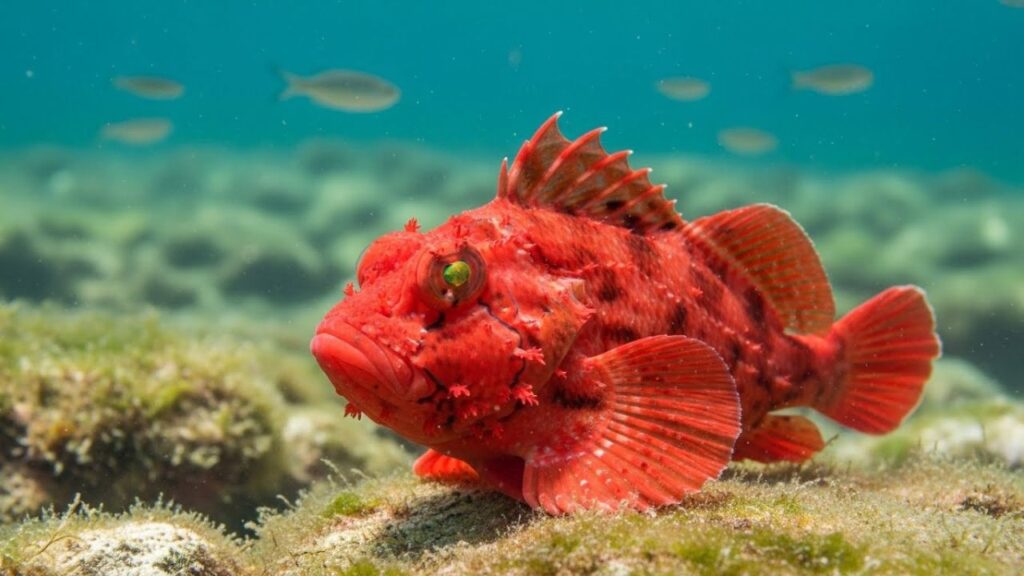
The Red Handfish (Thymichthys politus) is perhaps one of the most unique and quirky creatures in the ocean.
Instead of swimming like other fish, Discover Wildlife claims this little creature actually uses its hand-like fins to walk along the seafloor. It is a heartbreaking reality that this species is now critically endangered.
Scientists estimate that there are fewer than 100 to 250 individuals left in the entire world, confined to just two small patches of reef off the coast of Tasmania.
Their history is a sad tale of accidental loss. It is thought that they became a victim of a huge scallop fishery that operated until 1967. This commercial dredging likely destroyed their homes and eggs without anyone realizing it until it was almost too late.
Today, they face new challenges. Their remaining habitat is being destroyed by an explosion of native sea urchins that overgraze the kelp forests they call home, leaving them nowhere to hide.
Furthermore, pollution and runoff from urban areas are degrading the water quality that they need to survive. Conservation groups like the Handfish Conservation Project are working hard on conservation efforts, including captive breeding and habitat restoration.
Ways to Solve the Issue:
Support Habitat Restoration: We must support organizations that remove invasive urchins to let the kelp forests grow back.
Reduce Water Pollution: Improving urban drainage systems prevents harmful runoff from destroying their fragile reef homes.
2. European Eel
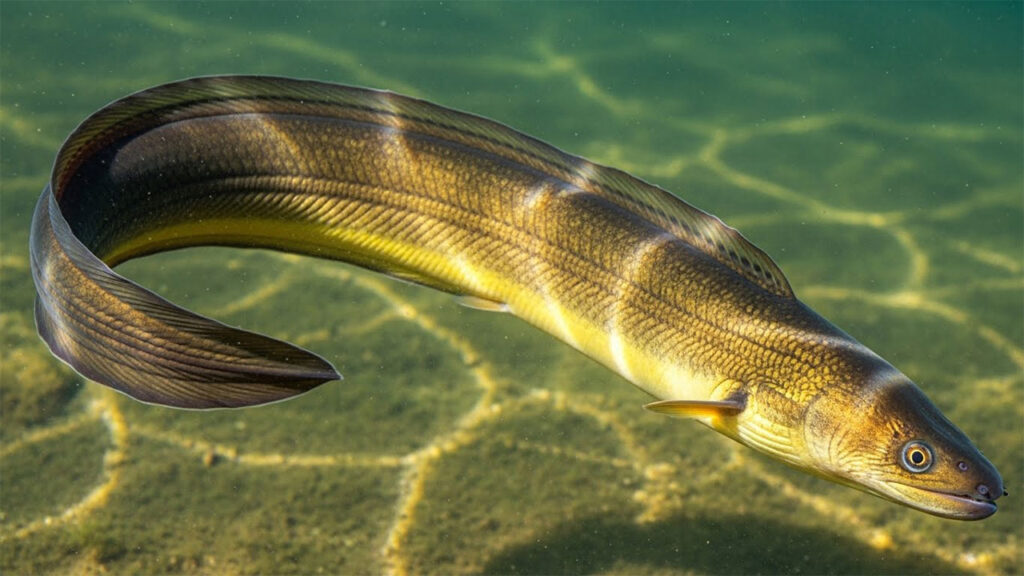
The European Eel (Anguilla anguilla) undertakes one of the most mysterious and epic migrations in nature.
They begin their lives in the Sargasso Sea, drift across the Atlantic to rivers in Europe, and live there for years before returning to the ocean to spawn and die. However, this fascinating cycle is broken.
The species is now listed as critically endangered on the IUCN Red List, having suffered a catastrophic population decline of up to 98% since the 1970s.
The threats facing them are numerous and severe. Dams and other barriers in rivers block their migration paths, preventing them from moving between freshwater and the ocean. Pollution is another major enemy; toxic chemicals like PCBs build up in their bodies, harming their ability to multiply.
Climate change is also shifting the ocean currents that they rely on to drift toward Europe. Because their life cycle is so complex and spans such a huge geographic area, guarding them is a logistical nightmare.
Conservation groups are trying to aid them by manually moving them over barriers and cracking down on illegal fishing, but the risk of extinction remains high.
Ways to Solve the Issue:
Remove River Barriers: We need to remove obsolete dams or install eel passes to allow them to migrate freely.
Stop Illegal Trade: stricter policing and heavy fines are needed to stop the poaching of baby eels for the international market.
3. Nassau Grouper
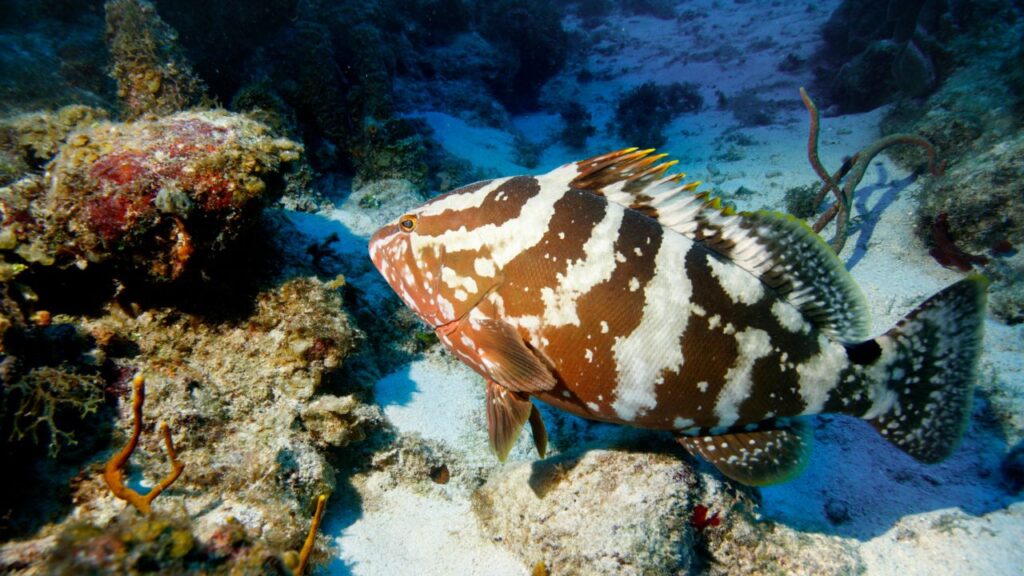
The Nassau Grouper (Epinephelus striatus) is a friendly, curious fish often seen by divers in the Caribbean. Sadly, their social nature has been their downfall.
These fish are famous for gathering in massive numbers at specific spawning sites during the full moon to reproduce. Historically, fishermen knew exactly where and when these gatherings happened, allowing them to catch thousands of fish in a single night.
This easy access led to massive overfishing, causing populations to crash by roughly 60% over three generations. Today, the Nassau Grouper is listed as critically endangered.
They are a slow-growing species, and because they are harvested right when they are trying to produce the next generation, the population cannot replenish itself fast enough.
The decline of this large fish disrupts the balance of the coral reefs they inhabit. While there are now fishing bans and watch areas in places like the Bahamas and the Cayman Islands, illegal fishing still occurs.
Recovery is slow, and it requires strict cooperation between different countries to ensure these fish have a safe place to breed.
Ways to Solve the Issue:
Strict Seasonal Bans: Fishing for grouper must be completely banned during their winter spawning months.
Consumer Choice: We must refuse to buy or eat Nassau Grouper at restaurants to decrease the demand that drives illegal fishing.
4. Winter Skate
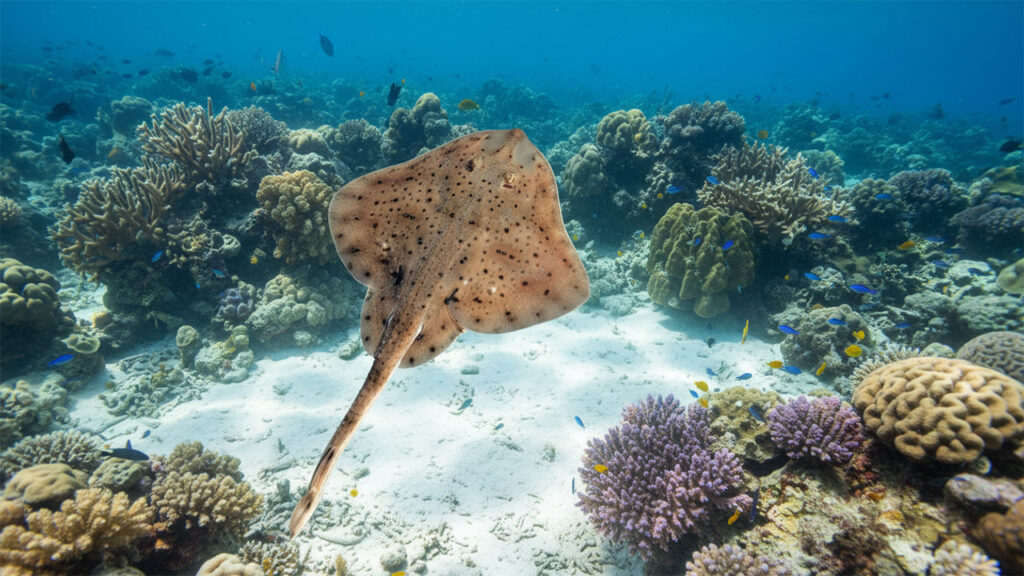
The Winter Skate (Leucoraja ocellata) is a flat, ray-like fish that glides along the sandy bottoms of the Northwest Atlantic.
While they might look plentiful to some, they are considered endangered globally. Their biggest problem is their biology: they have a very slow life cycle. It takes them over a decade to mature, meaning they must survive many years of dangers before they can even have babies.
The Florida Museum mentions that the primary threat to the Winter Skate is bycatch—accidental capture in nets meant for other fish. Because they reside on the bottom where trawlers drag their nets for cod or scallops, skates get swept up unintentionally.
To make matters worse, in some areas where fishing pressure has actually decreased, the skates are now facing heavy predation by recovering grey seal populations. The seals eat the adult skates, preventing the population from growing.
Ways to Solve the Issue:
Modify Fishing Gear: Fisheries need to use gear that allows flatfish like skates to escape nets meant for other species.
Sustainable Seafood Choices: Consumers should check labels; US wild-caught Winter Skate is often managed better than stocks in other regions.
5. Humphead Wrasse
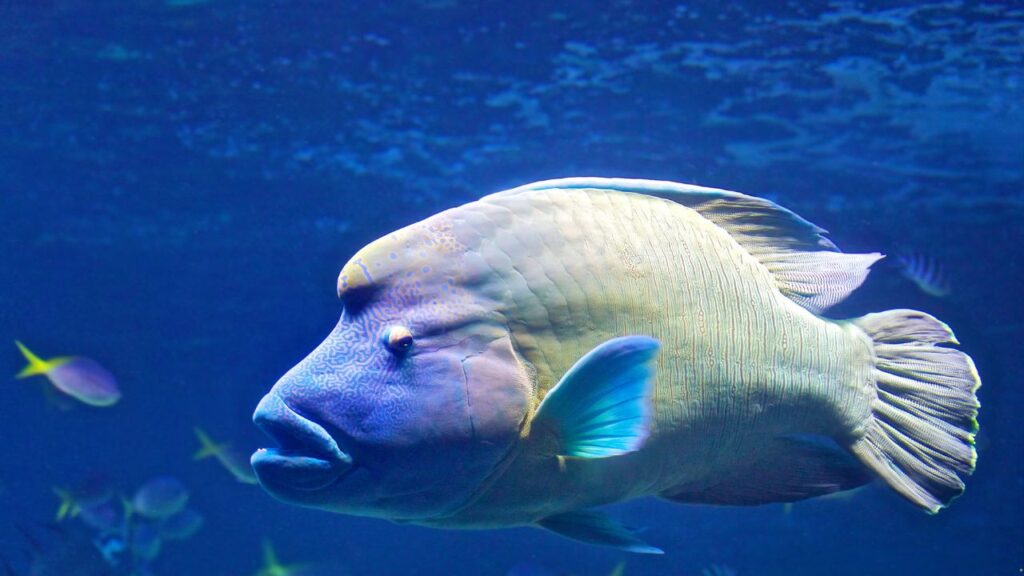
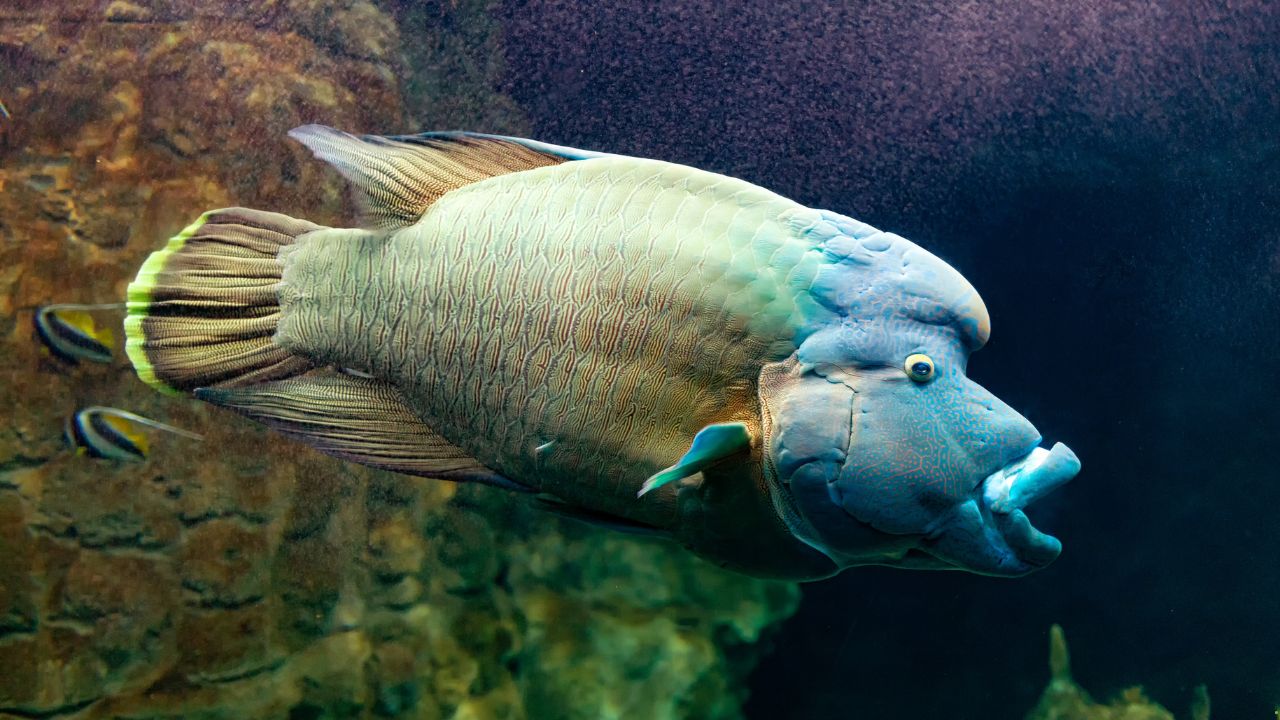
The Humphead Wrasse, also known as the Napoleon Wrasse, is a majestic giant of the coral reefs.
With its bright blue colors and the distinctive bump on its head, it is an icon of the Indo-Pacific. However, this species is endangered largely due to the luxury food market. They are highly prized in the reef fish trade, where they are sold for huge sums of money in restaurants in Hong Kong and China.
Because they grow slowly and live for a long time, they cannot withstand this intense hunting pressure. Illegal fishing is rampant, and fishermen sometimes use cyanide to stun prey and catch them alive.
This poison doesn’t just hurt the fish; it kills the coral reef habitat around them, causing widespread destruction.
Climate shift is also bleaching the coral reefs that the Humphead Wrasse calls home. Without healthy reefs, these fish have nowhere to feed. Their population has dropped by 50% or more in recent years, and without strict controls on the international luxury food trade, we might lose this reef king forever.
Ways to Solve the Issue:
Ban Luxury Trade: We need stricter enforcement of CITES laws to stop the international trade of this species for consumption.
Protect Coral Reefs: Combating climate shift and stopping cyanide fishing ensures they have a home to reside in.
6. Smalltooth Sawfish
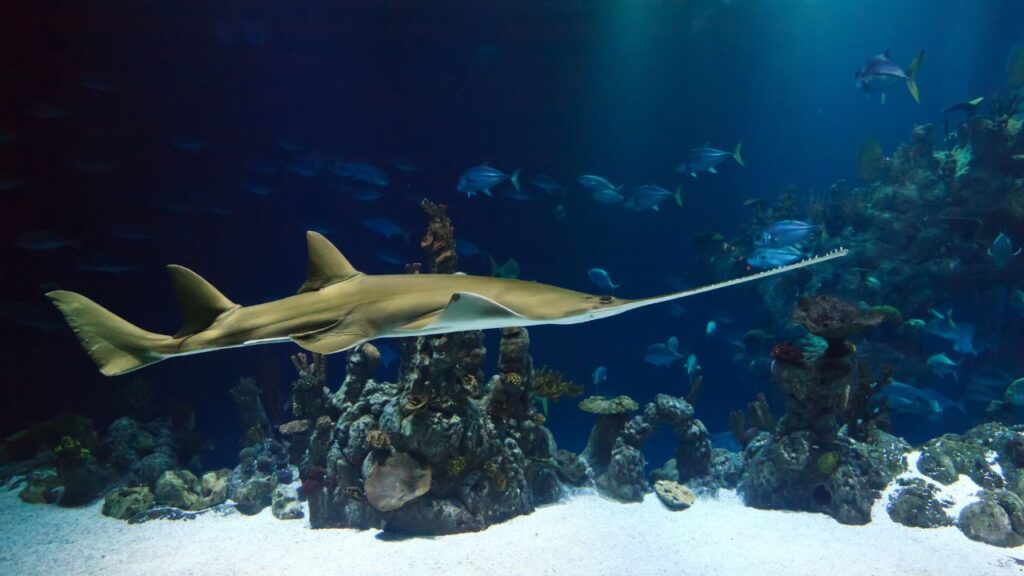
The Smalltooth Sawfish (Pristis pectinata) looks like a creature from the age of dinosaurs.
With a long, flat snout lined with sharp teeth (the “saw”), it is easily one of the most distinct animals in the ocean. Once found throughout the Gulf of Mexico and the Atlantic, their range has shrunk dramatically. Today, they are mostly found off the coast of Florida.
They were listed under the Endangered Species Act in 2003, making them the first marine fish to receive such federal protection. Their saw is their greatest vulnerability; it gets easily tangled in fishing gear and nets.
Recently, a terrifying new threat has emerged in Florida: a mysterious illness is causing sawfish to spin uncontrollably and die. Scientists are racing to understand what is causing this “unusual mortality event.” Between habitat loss, accidental capture, and this new disease, the Smalltooth Sawfish is in a fight for its survival.
Ways to Solve the Issue:
Protect Mangroves: We must stop cutting down mangrove forests and replant them to provide safe nurseries for baby sawfish.
Safe Release Education: Anglers must be taught how to safely untangle and release sawfish if they accidentally catch one.
7. Orange Roughy
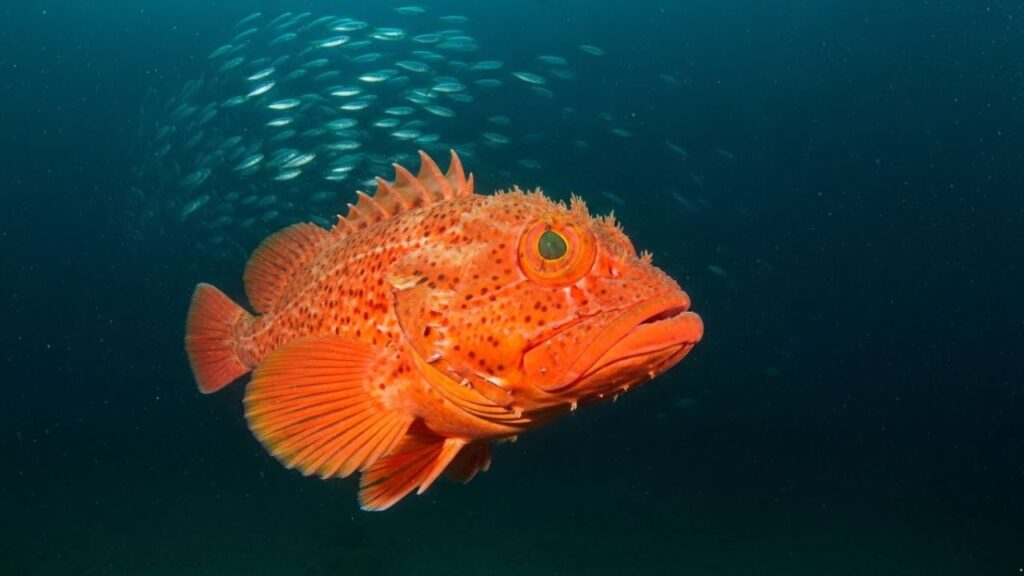
The Orange Roughy (Hoplostethus atlanticus) is a deep-sea fish that lives a life in slow motion.
These fish can live to be over 200 years old! They do not even reach maturity until they are around 70. Because they reproduce so slowly, they are incredibly vulnerable to overfishing.
In the 1980s and 90s, they became a popular food fish, and fleets decimated their numbers before scientists realized how fragile they were.
Fisheries targeted them on seamounts where they gather to feed and breed. Using heavy bottom trawls, they scooped up tons of Orange Roughy, destroying the ancient deep-sea corals on the seamounts in the process. This severely damaged the habitat, and it may take centuries to heal.
Although conservation measures have led to strict quotas and protections in places like Australia and New Zealand, the populations are extremely slow to recover. A stock that is fished down takes decades—or even human lifetimes—to rebuild.
Ways to Solve the Issue:
Stop Bottom Trawling: We must ban destructive trawling on seamounts to protect the fish and the ancient corals.
Avoid Consumption: Consumers should avoid buying Orange Roughy to lessen market demand.
Conclusion
The stories of these fish are a wake-up call. Whether it is the Atlantic halibut struggling in the north, the massive Beluga sturgeon poached for caviar, or the Southern Bluefin Tuna chased across the oceans, the pattern is the same. We are taking too much, too fast.
Other species, such as the Atlantic sturgeon and the Acadian redfish, also face similar threats from bycatch and habitat degradation.
We have the power to change this. By supporting the Endangered Species Act, making smart seafood choices, and reducing pollution, we can help these populations recover. We need to respect these creatures not just as food, but as vital parts of our world.
Let’s ensure that future generations can see these amazing animals in the wild, not just in history books. We must act now to conserve what is left.
