




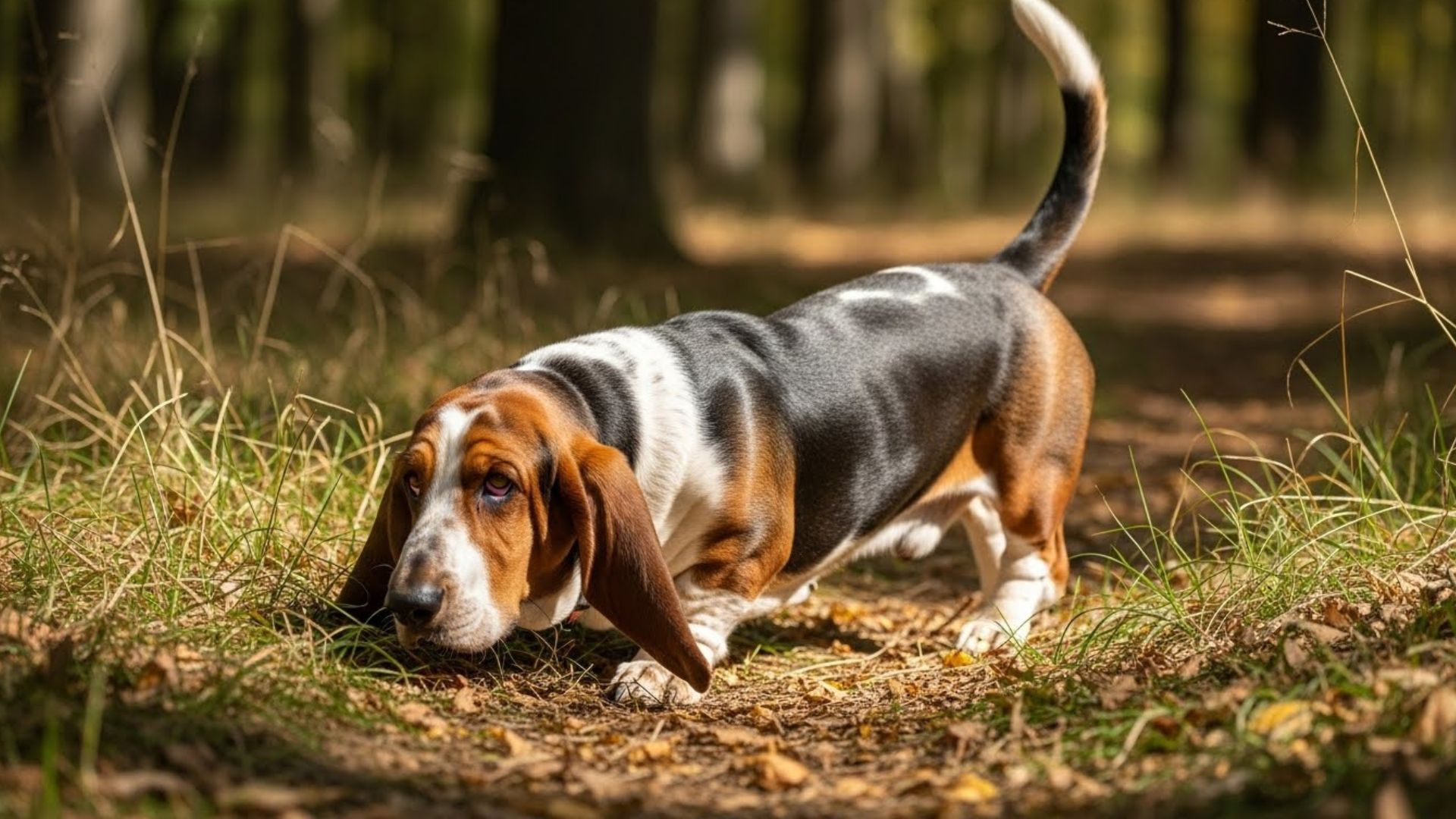
Most people imagine hunting as rugged, loud, and forceful, yet the world of hunting dogs often feels quiet and precise. Their work does not rely on power alone. It depends on patience, observation, and the ability to understand the landscape on an intimate level.
A hunting dog can locate faint scent patterns that seem impossible to detect. It can follow them across changing terrain without losing concentration. Its body shifts with natural rhythm, and each movement aligns with a purpose that has been shaped over many generations.
The contrast between the peaceful environment and the intensity of the dog’s focus creates a scene that feels almost artistic. These dogs do not compete with the wild. They cooperate with it and read it like a familiar language.
This introduction opens the way to an article that explores the unique combination of instinct and skill that defines hunting dogs.
Key Takeaways
Some dogs seem to understand the land as if it speaks directly to them, moving with purpose and alertness that feels almost magical.
Basset Hounds quietly follow faint trails that other dogs ignore, while Weimaraners glide through fields with sharp focus and fluid movement.
Beagles and Bloodhounds combine stamina with instinct, tracking scents for miles while staying alert to subtle changes in their environment.
By the end, you’ll see how these nine breeds turn instinct and skill into a form of art in the field.
Hunting Dog Breeds and Their Unique Skills
1. Basset Hound
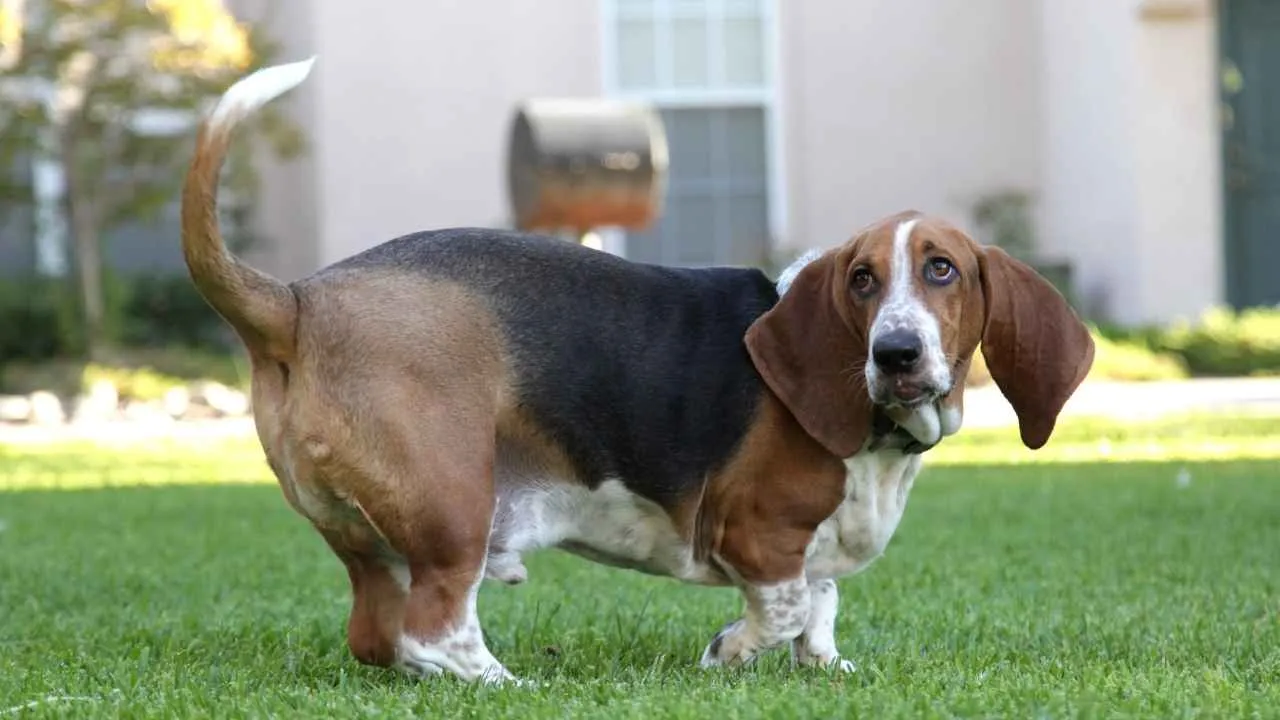
Their slow, methodical pace makes them surprisingly effective when a scent trail winds through dense ground cover. A Basset Hound can follow a trail long after it fades for other breeds, which is why hunters still rely on their persistence. Even in distraction-filled terrain, their focus stays locked on the job.
Why Their Nose Excels in the Field
That long, low frame keeps their nose close to the earth, helping them catch faint trails during rabbit or hare tracking, as mentioned in Omlet. Their determination shows most when a scent grows more interesting.
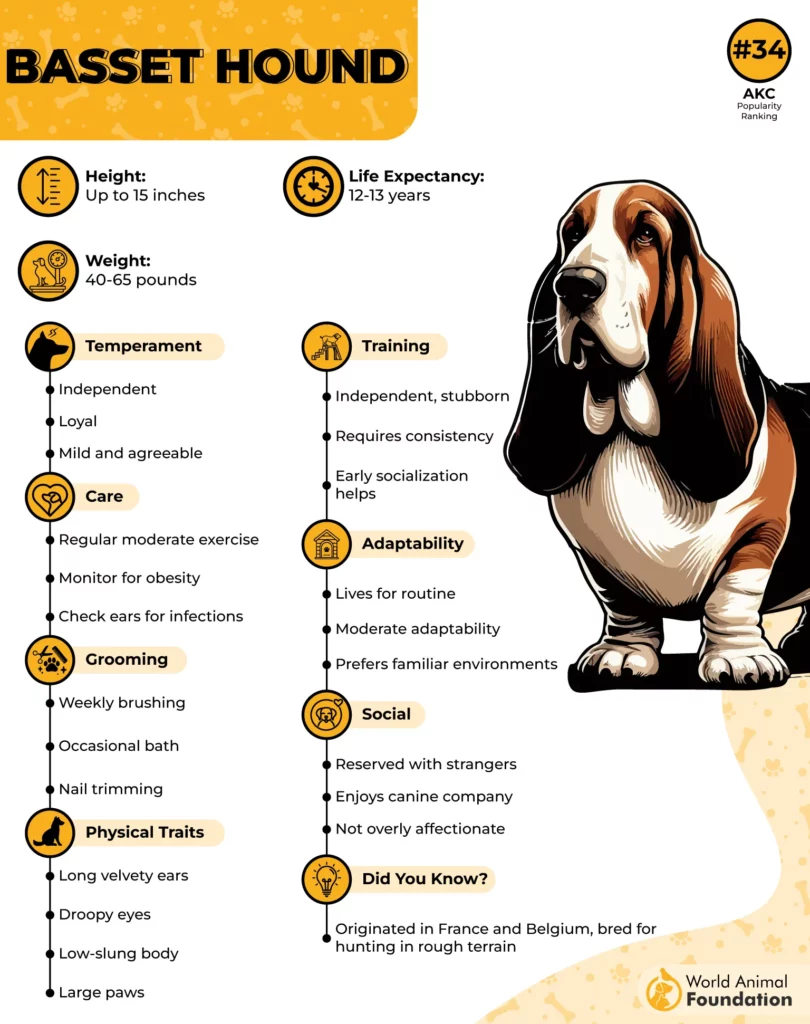
Here is a quick look at what helps them work so well:
Strong scent retention from ground-level tracking
Loud baying to signal progress
Steady movement that keeps trails intact
Distinctive Hunt Behavior
Their enthusiasm becomes clear the moment they pick up a promising trail, often shifting into excited baying as they close in. Food motivation helps guide their training, though it progresses slowly due to their independent thinking. Once they understand the task, their reliability in scent-driven work stands out.
2. Weimaraner
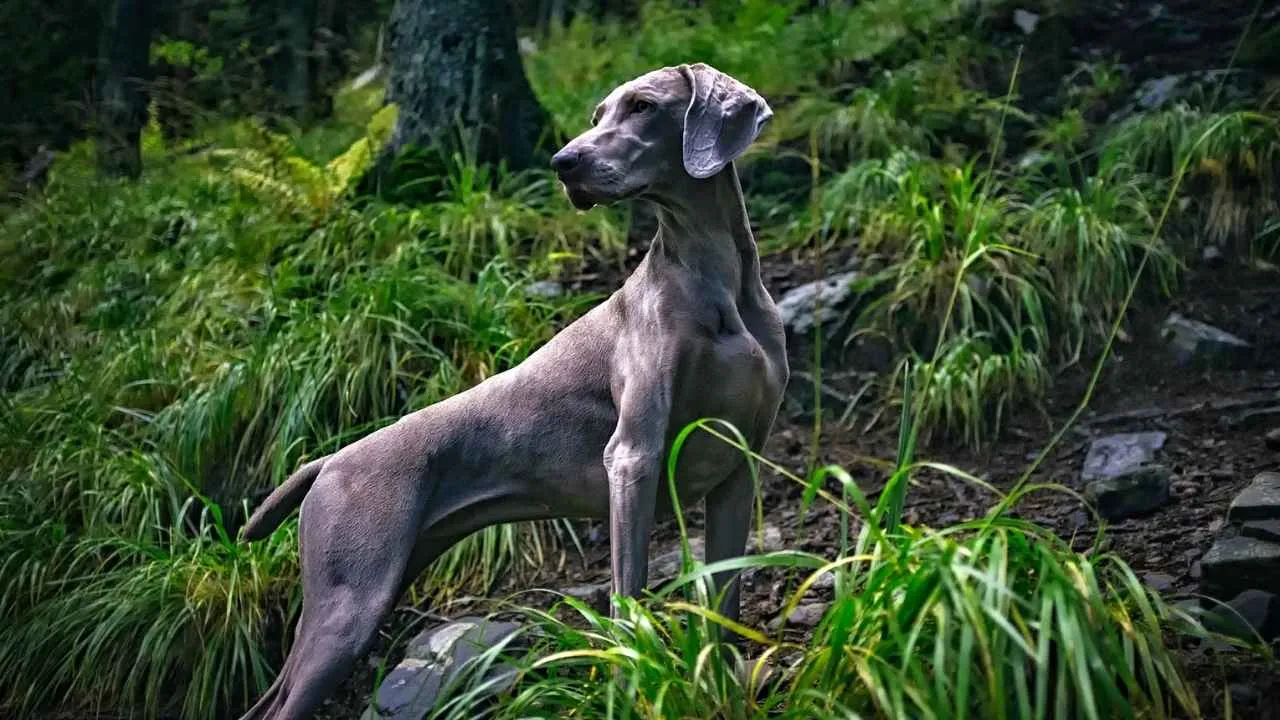
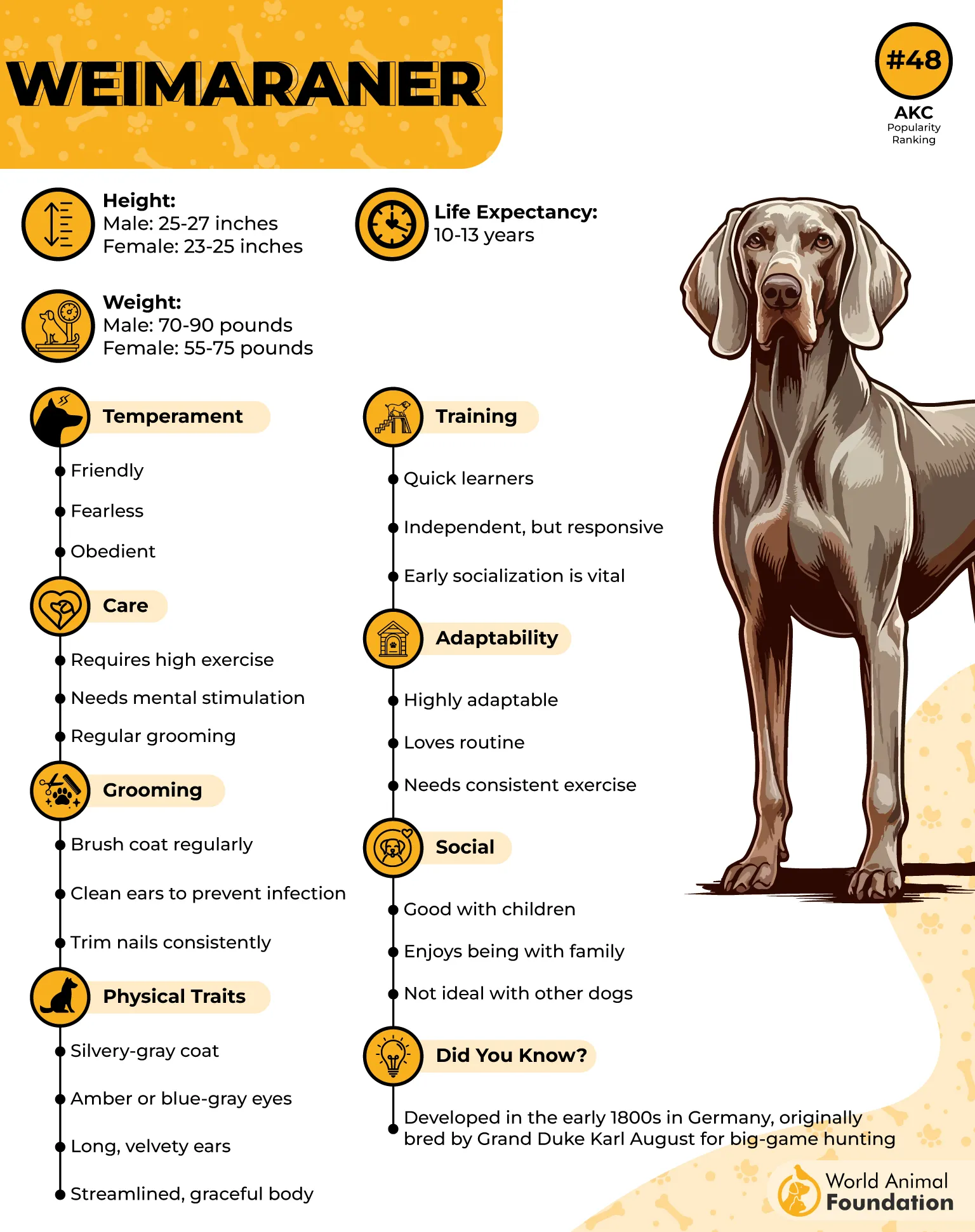
The Weimaraner stands out for its fluid movement and sharp focus, traits that make this sleek “Gray Ghost” unforgettable in the field.
It quickly settles into work, guided by an eagerness that shows in every stride. Its silver-gray coat and expressive eyes add to the presence it brings when tracking game, as per the AKC.
Field Strengths
A Weimaraner’s athletic frame helps it navigate different hunting conditions with confidence. The breed’s natural ability to stay attentive gives it an edge when reading scent changes or terrain.
A short round-up adds clarity:
Steady on long pursuits
Quick to read body cues from its person
Responsive when the chase sharpens
Sharp Instincts
Once a trail catches its attention, the Weimaraner switches into a purposeful rhythm that experienced hunters often admire. That iconic moment when it freezes on point shows the control and precision the breed is known for. Its velvety ears lift just enough when the environment shifts, showing how tuned in it remains during the search.
3. Black and Tan Coonhound
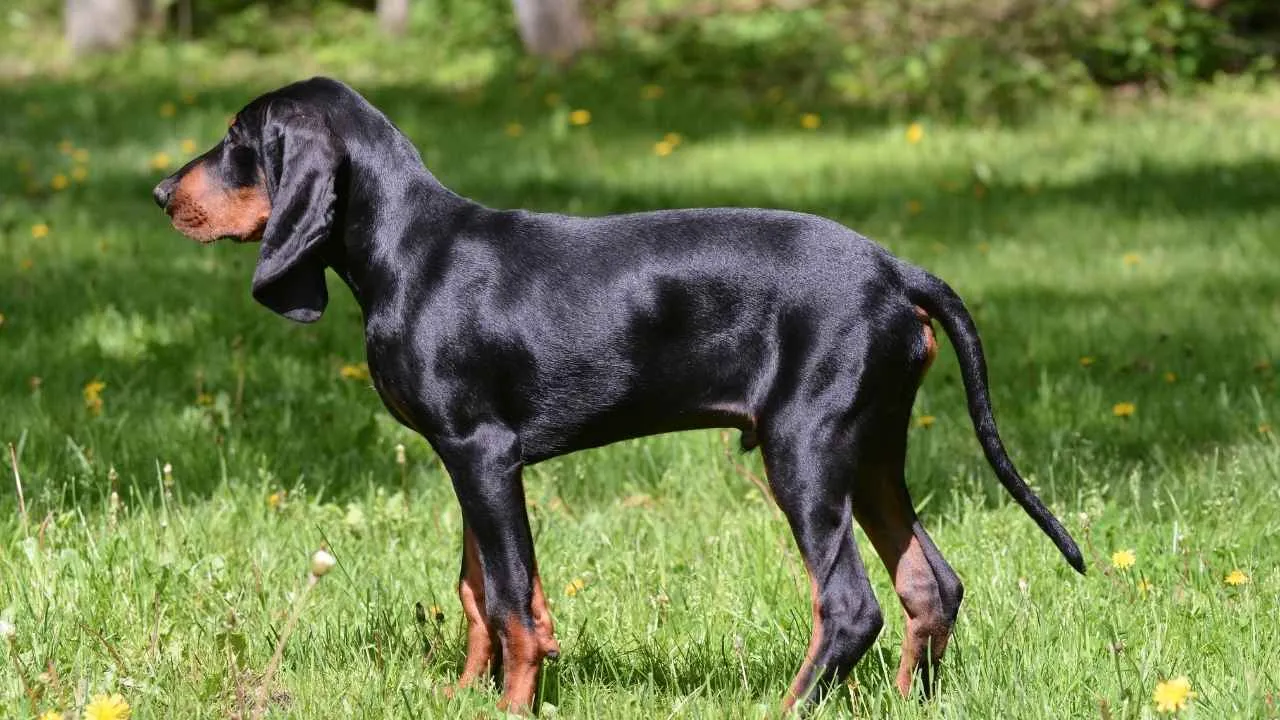
The Black and Tan Coonhound is known for an instinctive focus that switches on the moment a scent touches the ground.
Their deep, expressive eyes and long ears help them stay locked onto trails that other dogs often miss. This determined nature makes them reliable hunters who stay engaged for long hours outdoors.
Skill Built for Night Searches
Their strong nose and steady pace make them valuable during night hunts, especially when game hides in thick cover. These hounds move with a smooth, rhythmic stride that keeps them going without losing momentum.
A short look at their working style shows why they remain dependable hunters:
A strong nose in dense woods
Long, even strides for steady tracking
Clear, far-reaching vocal signals while on game
Endurance Rooted in Structure
Their tall frame gives them room to stretch into effortless movement, helping them handle uneven ground with confidence. Even in low light, they stay alert to shifting scents that raccoons leave behind. This balance of stamina and awareness supports their usefulness in challenging terrains.
4. Catahoula Leopard Dog
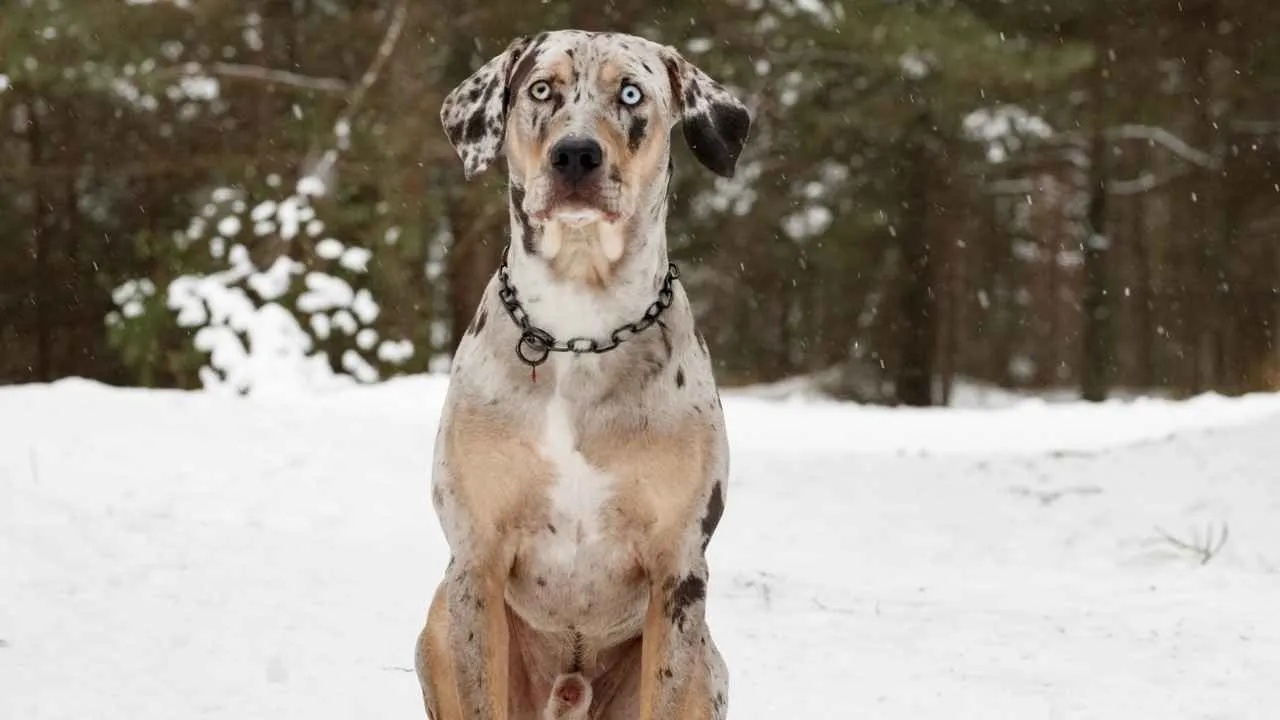
Catahoulas are known for their muscular build paired with surprising speed and endurance. They navigate rugged terrain with precision, making them effective in hunting and stock work. Their alertness ensures they respond quickly to sudden movements or changes in their environment.
Skills That Define Them
This breed combines intelligence with instinct, which helps it track and control prey. Their versatility makes them highly adaptable for a variety of tasks. Quick thinking and focus are key to their effectiveness.
Key abilities that set them apart:
Sharp tracking instincts for prey
Ability to control livestock effectively
High responsiveness to commands
Independence with Purpose
Catahoulas have a strong sense of independence, which helps them make decisions during hunts, as stated in UKC. Their confidence enables them to handle challenging situations calmly. This balance of autonomy and attentiveness makes them reliable working dogs.
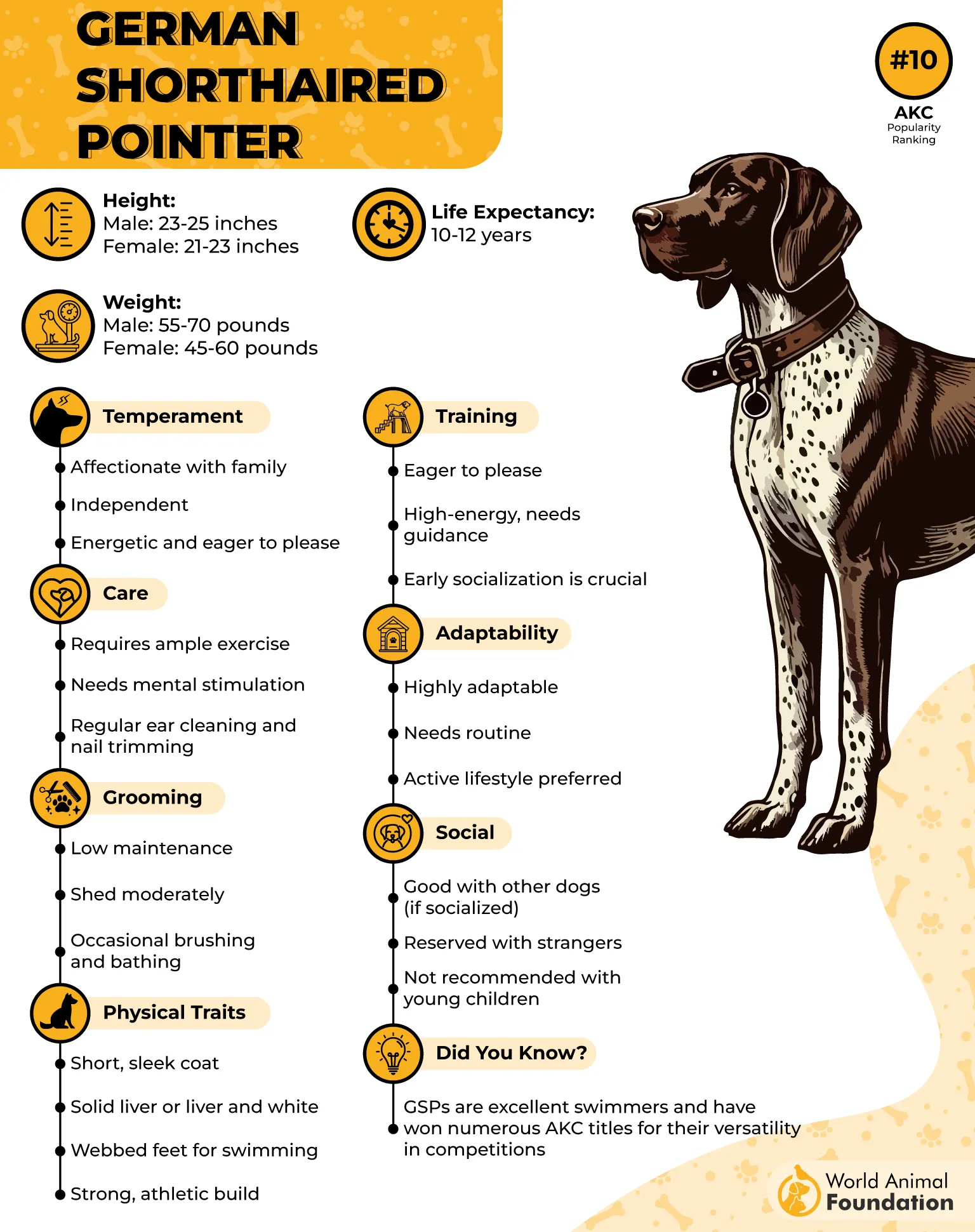
5. German Shorthaired Pointer
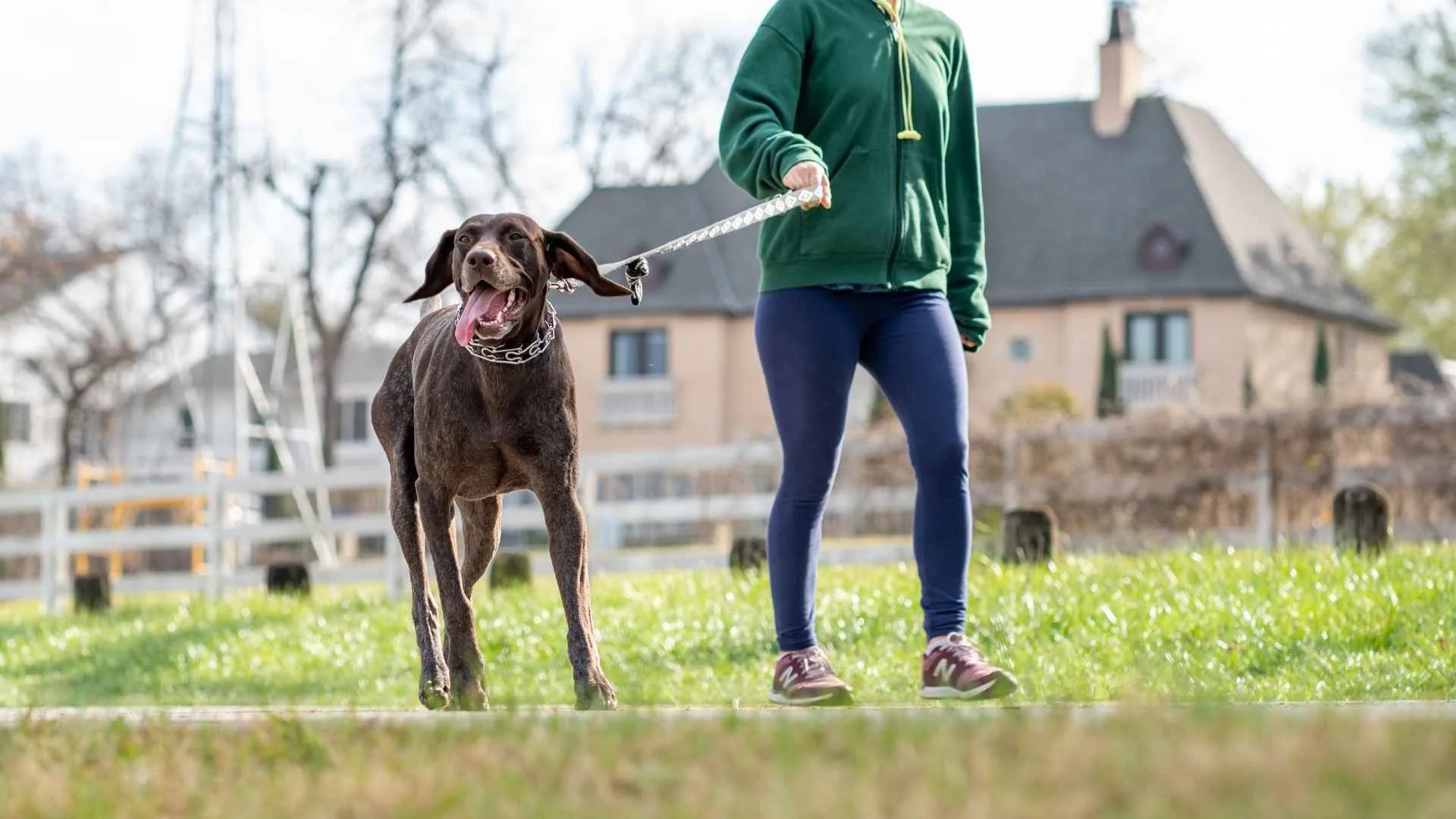
German Shorthaired Pointers are bursting with agility and focus, making them natural companions for hunting breeds. Their lean, muscular build allows them to cover ground quickly while staying alert to their surroundings. Every movement reflects a dog built for endurance and precision.
Versatile Skills for the Field
These dogs excel in multiple hunting scenarios, from upland birds to waterfowl hunting. Their sharp noses and responsive minds make them efficient trackers. Their intelligence and eagerness to perform keep them engaged during long days outdoors.
Fresh highlights of their capabilities:
Strong swimming abilities for retrieving in lakes or streams
Quick adaptability to changing terrain
High energy suited for extended hunting sessions
Bonding Through Activity
Interaction with humans enhances their focus and sharpens their skills, keeping them mentally stimulated. Their endurance and enthusiasm for outdoor tasks make them ideal for people who lead active lifestyles. They are known to be good family pets while maintaining high performance in the field.
6. English Pointer
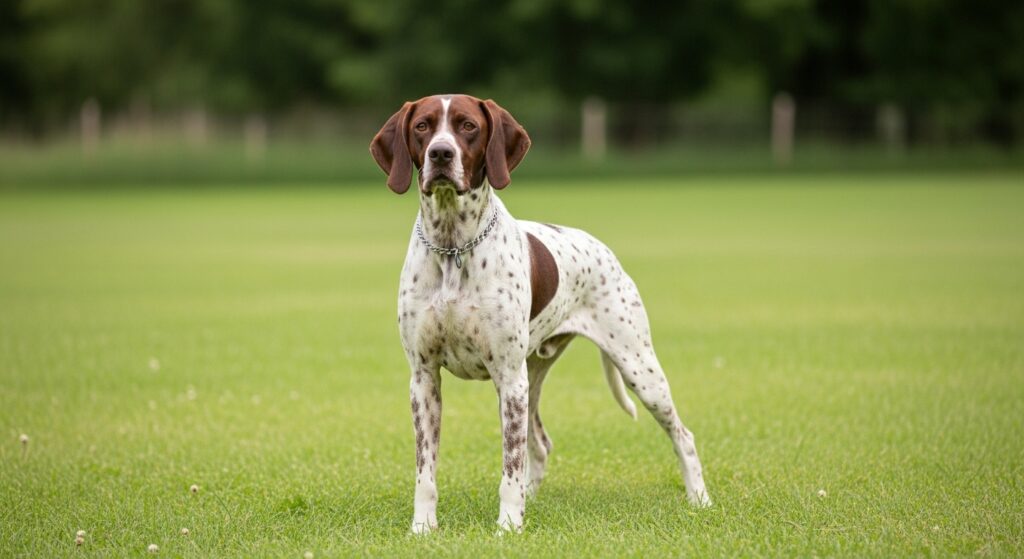
English Pointers are celebrated for their athletic grace and pinpoint focus during hunts. Every movement is calculated, allowing them to cover large fields with astonishing accuracy. Their presence blends agility with sharp instincts, making them formidable hunting companions.
Built for Tracking and Pointing
This breed thrives when given a clear task, demonstrating remarkable endurance and attention to detail. Their focus translates naturally into their work, turning instinct into consistent performance.
Notice how their skills shine in these areas:
Exceptional scent detection for locating game
Ability to freeze instantly on point
Swift, sustained running over rough terrain
Balance of Strength and Temperament
Pointers combine muscular endurance with steady composure, letting them navigate dense cover without losing pace. Their alertness allows them to adjust quickly to moving targets. This mix of power and calm precision is why they excel in demanding fieldwork.
Fun fact: The phrase “a good Pointer can’t be a bad color” reflects the breed’s tradition: appearance may vary, but skill and instinct remain consistent.
7. Beagle
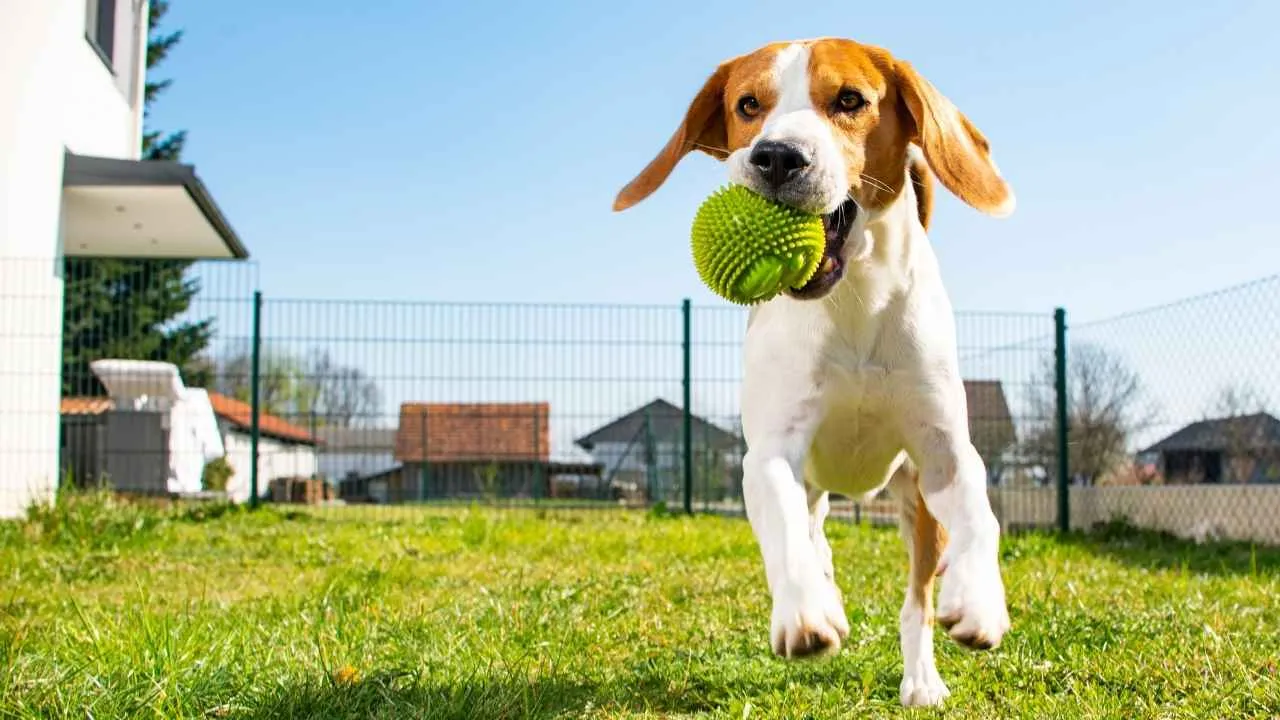
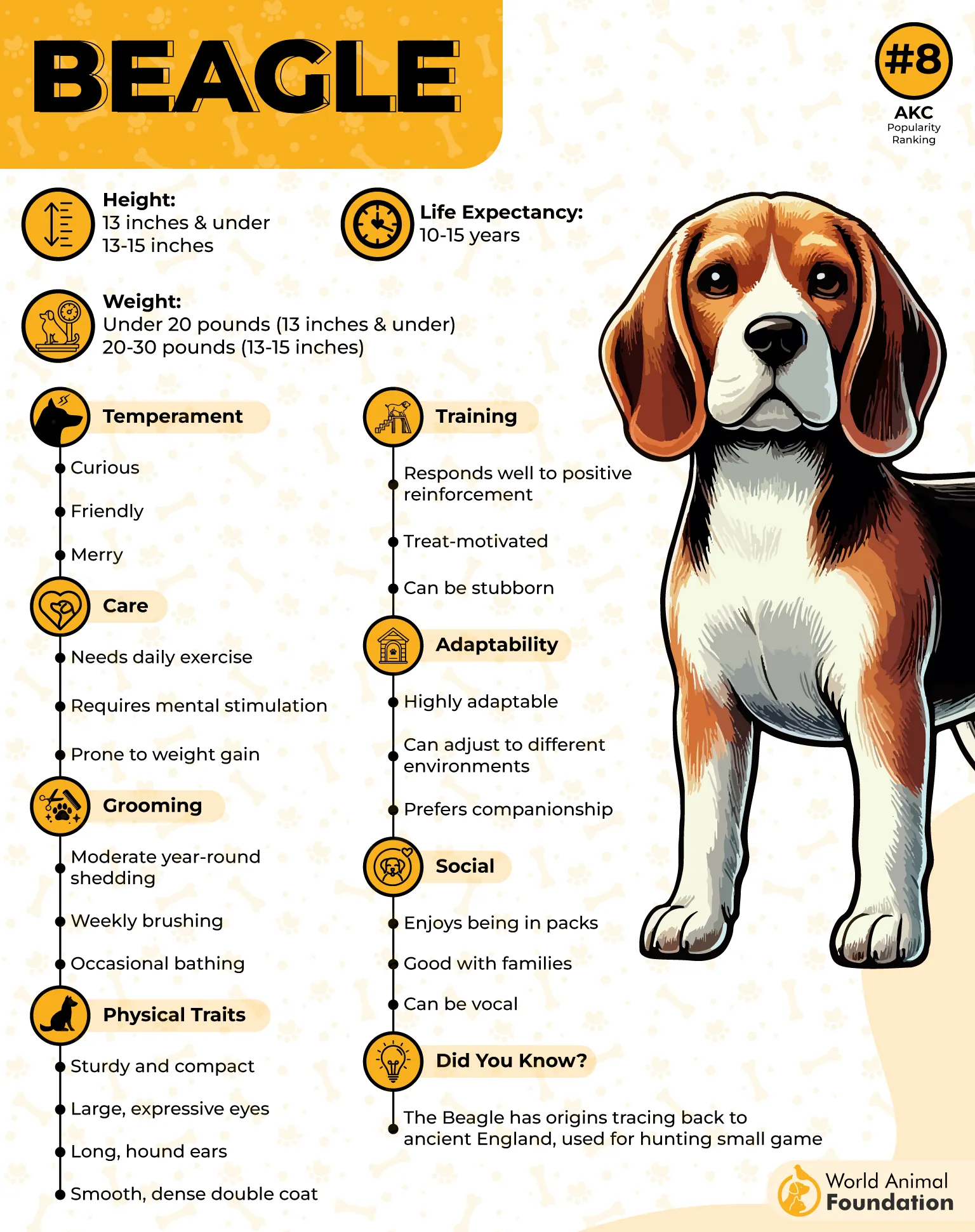
Beagles are driven by a natural curiosity that keeps their noses constantly exploring. Their keen sense of smell makes them excellent trackers during hunting tasks. Small yet solid, their build allows them to move quickly and follow scents for long distances.
Pack-Oriented Hunters
These dogs were bred to hunt in packs, which encourages cooperation and focus during group hunting. Their energy and determination make them agile and attentive companions in the field.
Some traits that set Beagles apart in action:
Strong stamina for extended tracking
Ability to follow subtle scent trails
Alert to the movement of other animals
Intelligence With a Playful Side
Beagles balance cleverness with a happy-go-lucky demeanor, making problem-solving in hunting scenarios natural for them. Their clever minds allow them to adapt to changing terrain and unexpected challenges. Observing their behavior provides insight into how they manage both fun and focus.
8. Bluetick Coonhound
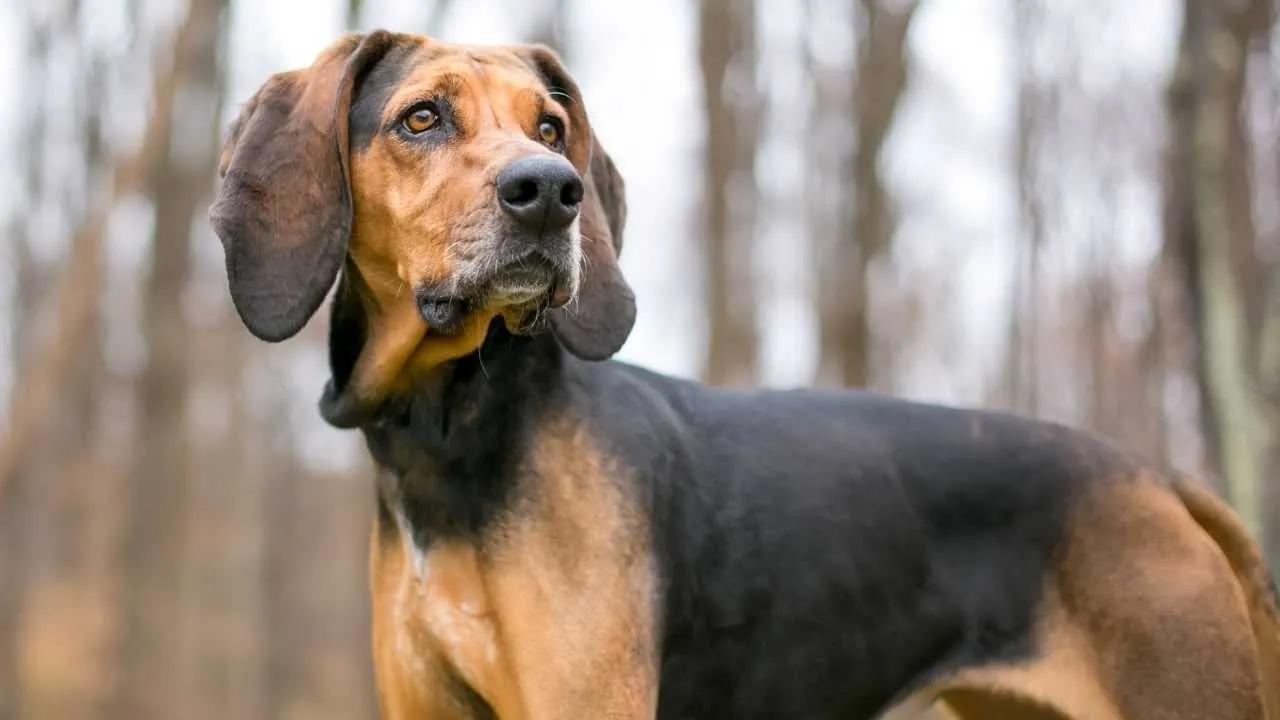
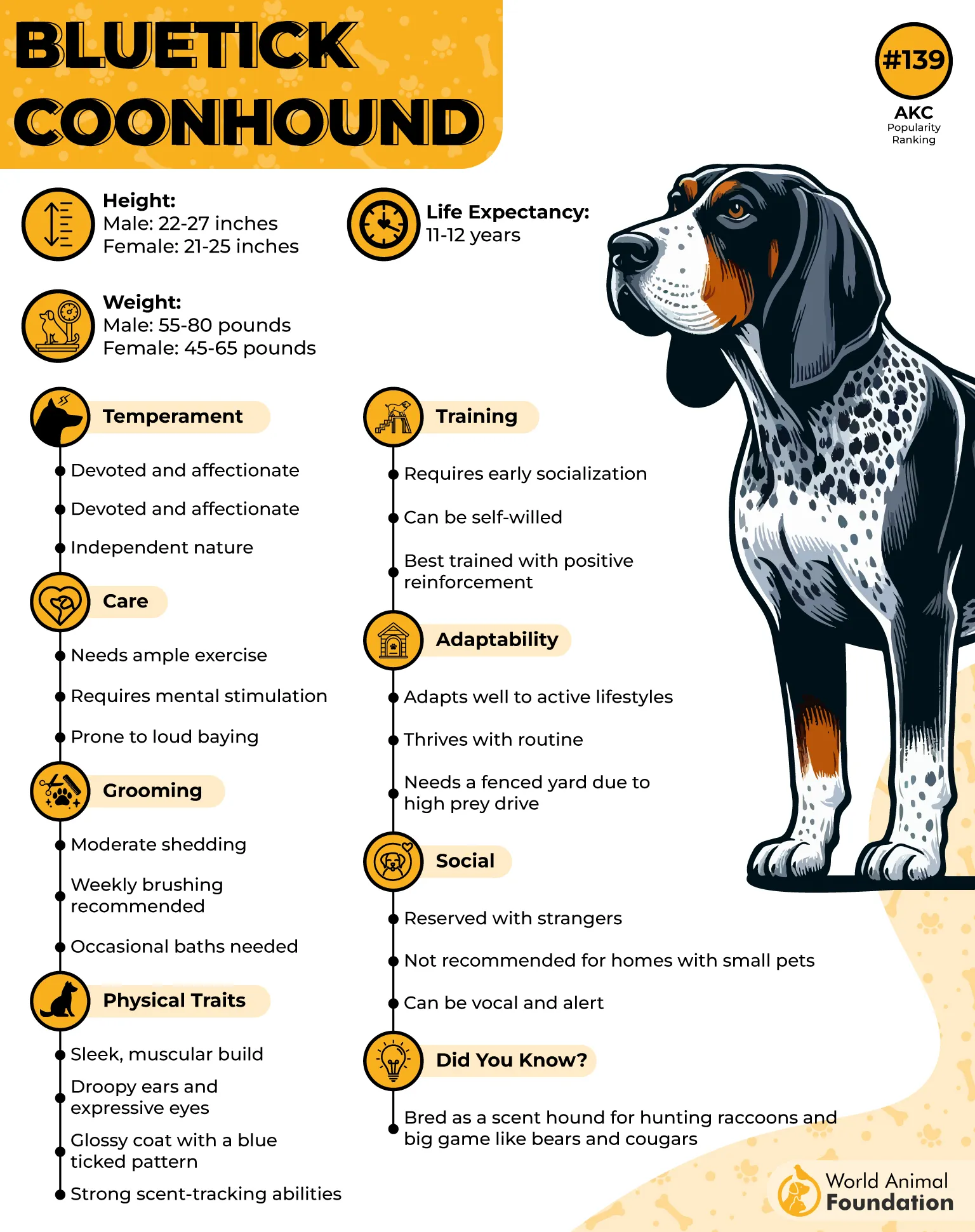
Bluetick Coonhounds are driven by a high prey instinct, making them skilled hunters who rarely lose focus once a trail is found. Sleek and muscular, their bodies are built for speed and endurance during long night hunts. Their mottled blue-black coat adds a striking look to their athletic frame.
Adaptability and Drive
These dogs thrive when given tasks that engage their instincts and keep them alert. Their hunting style demands both stamina and intelligence, creating a blend of energy and focus that few breeds match.
Small but telling details enhance their performance:
Barking pattern helps track prey over long distances
Excellent night vision aids nocturnal hunting
Compact, agile movement allows quick turns in dense terrain
Vocal and Expressive
Blueticks communicate with distinctive baying, chopping, and bawling, signaling excitement or a found scent. Their voice may seem overwhelming, but it is part of their working language. This makes them reliable companions for hunters who depend on auditory cues to follow a trail.
9. Bloodhound
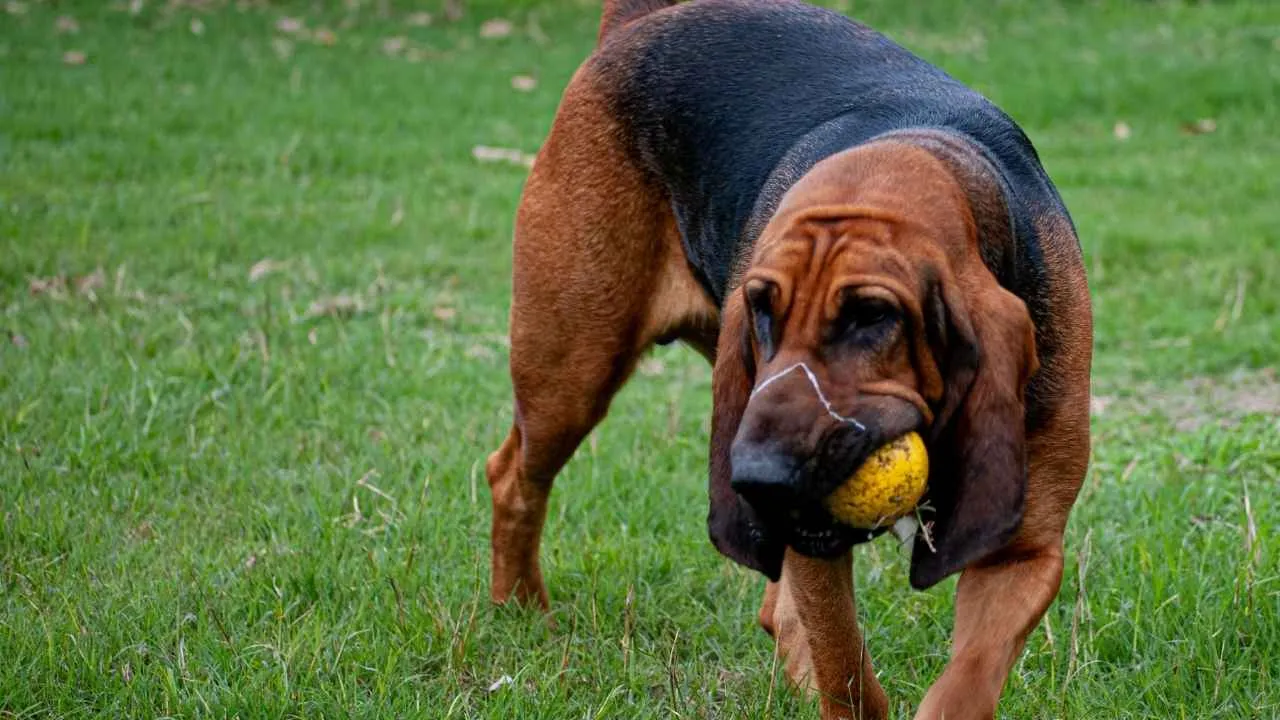
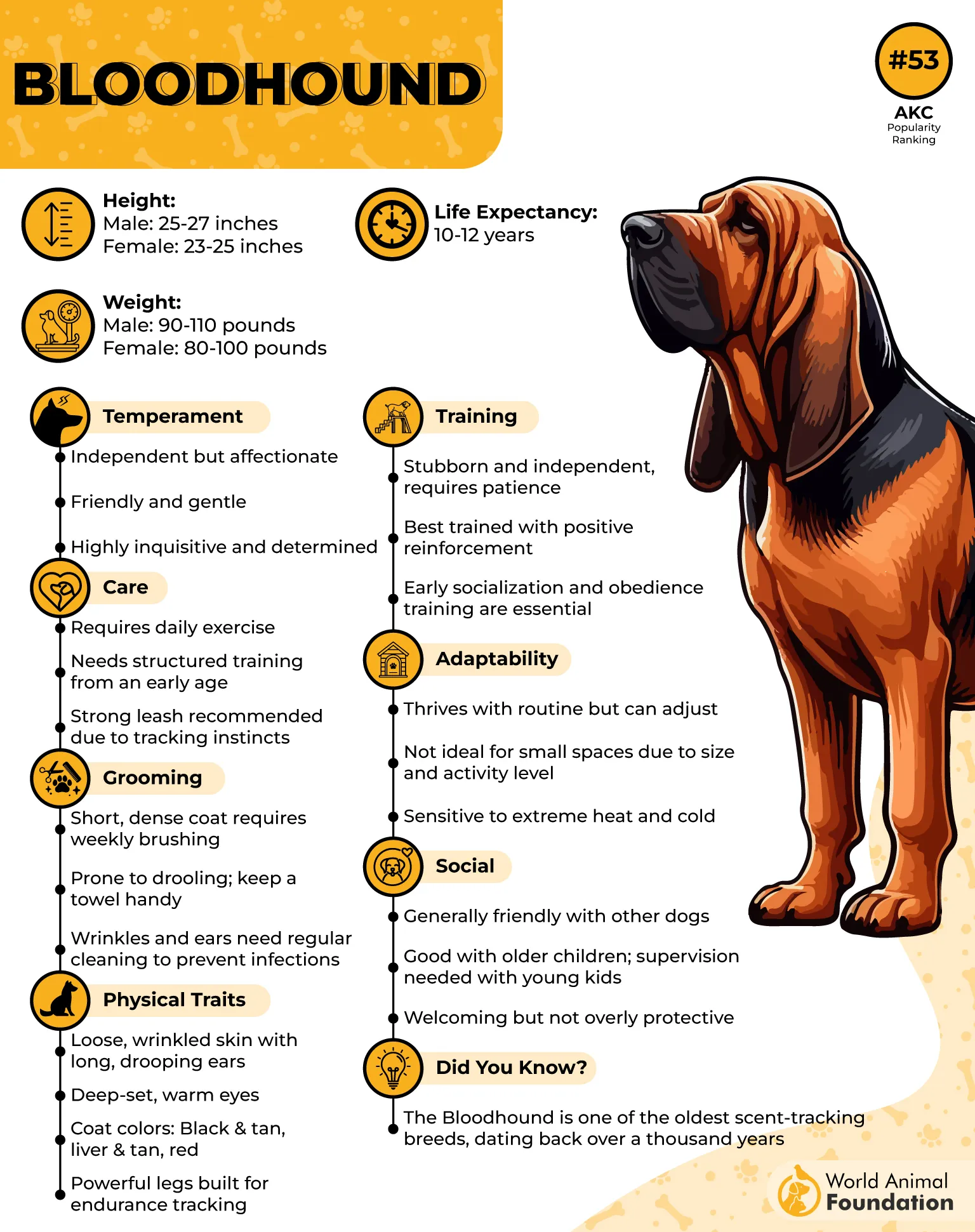
Bloodhounds are masters of the nose, using unmatched olfactory skills to follow scents over miles. Their long, drooping ears and loose skin help trap scent particles while moving steadily through terrain. This single-minded focus sets them apart among hunting dog breeds.
Training Challenges and Insights
While gentle and easygoing off-duty, they can be stubborn when following a trail. Patience and consistency are key to guiding their determination without frustration. Their strong instincts need constructive engagement to channel their natural drive.
These traits show their practical edge:
Exceptional ability to stay on a trail
Can follow scents days old
Works well with a structured hunting style
Pack Awareness and Social Skills
Bloodhounds thrive in the presence of other dogs, displaying cooperative pack behavior that aids in coordinated tracking. Their calm disposition allows them to navigate diverse environments while remaining focused. They are naturally observant and responsive to subtle cues during a search.
Conclusion
Hunting dogs bring a rare mix of focus and calm to the field, and that balance becomes clear each time they work with intent. Their skill with game birds shows how naturally they adapt to upland bird hunting and other forms of hunting birds.
Many of them are also excellent family pets, which adds to their value beyond the field. They handle small game with steady confidence and stay responsive during bird hunting. Their hunting instincts remain sharp in various hunting scenarios, and many breeds excel when guided with proper training that supports exceptional retrieving skills.
