




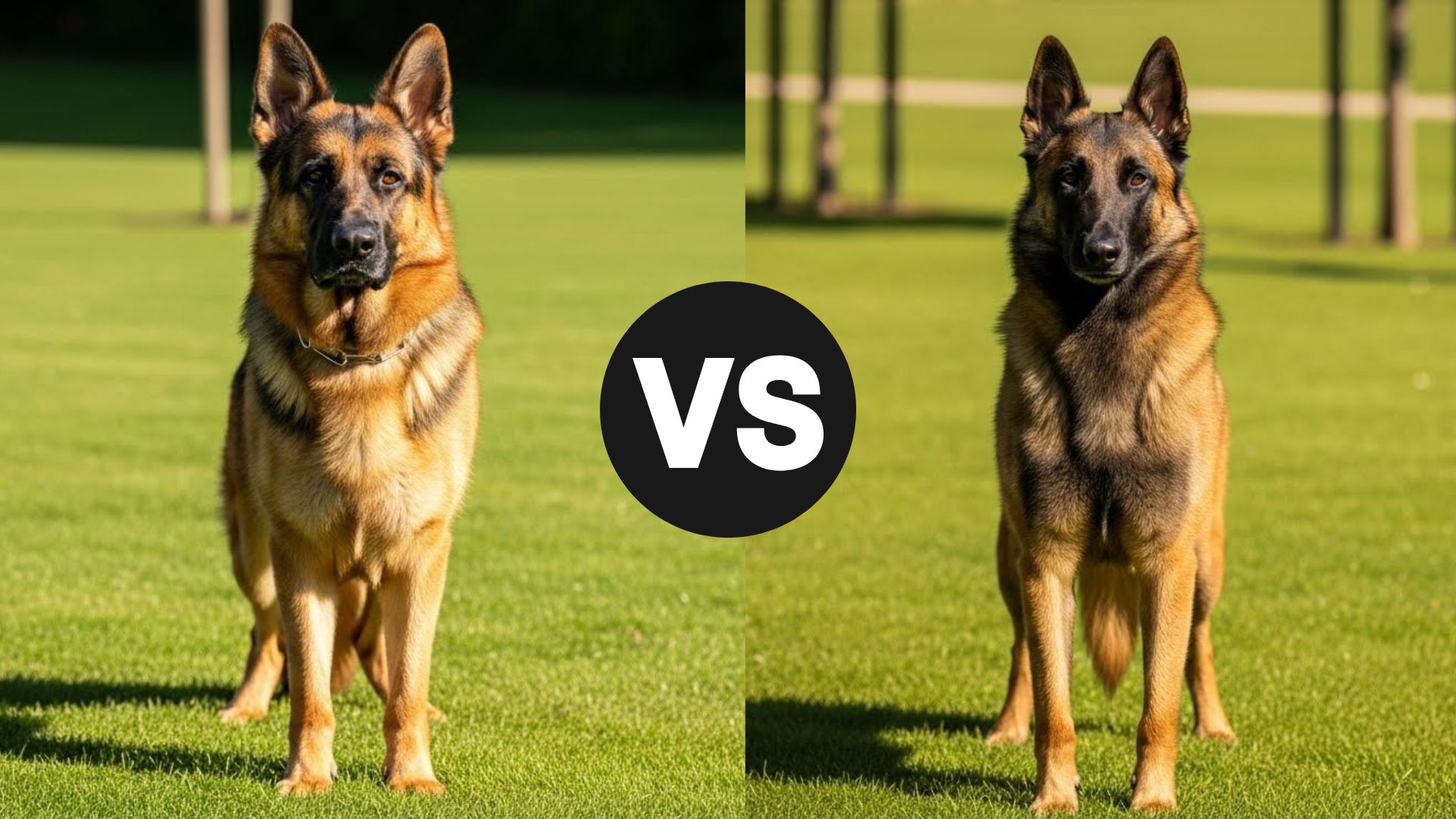
German Shepherds and Belgian Shepherds bring excitement, curiosity, and a little confusion. Many people see two strong working dogs that look somewhat alike, yet they carry unique qualities that set them apart. Their strength, loyalty, and sharp minds attract families, handlers, and dog lovers who want a dependable partner with a confident spirit.
The National Police Dog Foundation states that a police dog, or K-9, is specially trained to assist law enforcement, with breeds like the German Shepherd commonly used. They serve for six to nine years, and harming them is a criminal offense in many countries.
This guide compares two breeds in history, their energy needs, family behavior, training, and long-term care. By the end, you will know exactly which dog fits your lifestyle and daily routine.
German Shepherd vs. Belgian Shepherd
History and Origin
Both breeds began their journey as herding dogs, though their development followed different paths. According to the American Kennel Club, the German Shepherd dog was bred in Germany by Captain Max von Stephanitz.
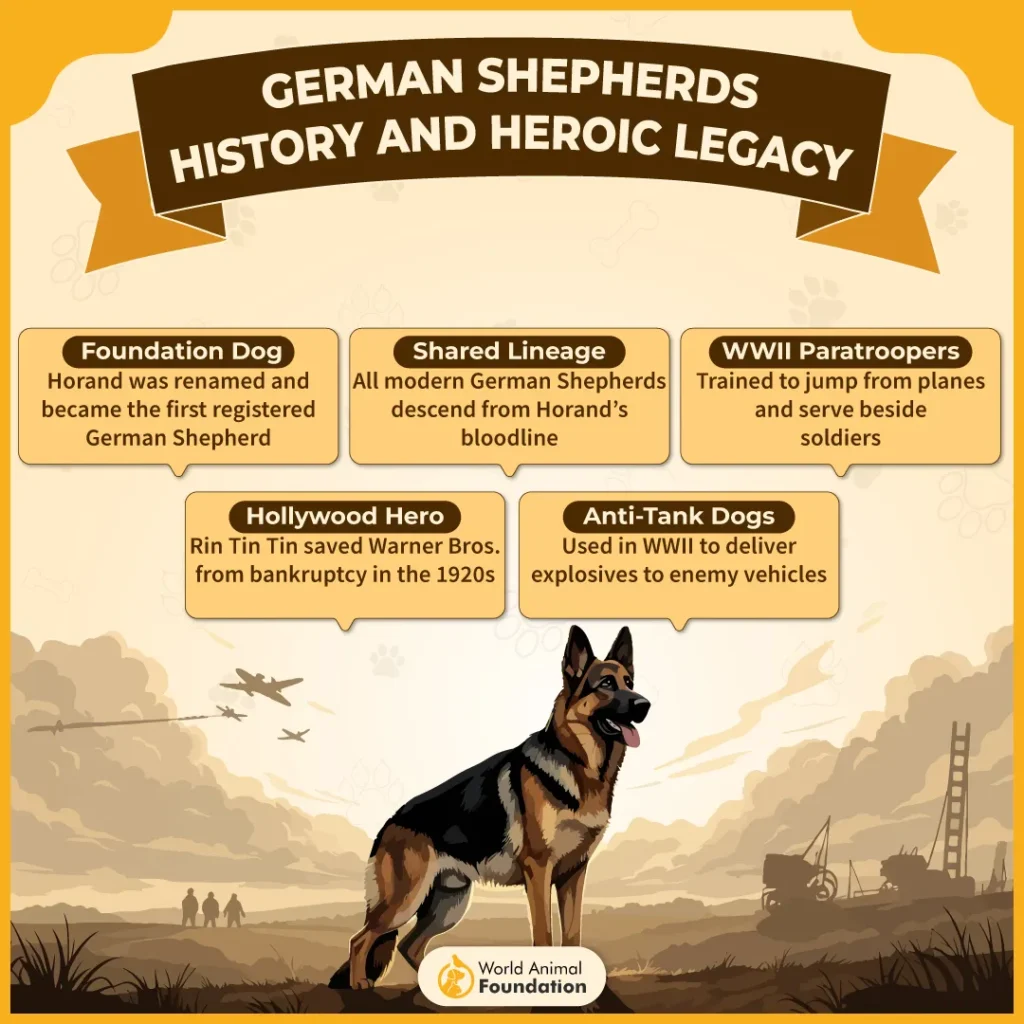
He wanted a courageous and intelligent dog for herding sheep. The breed gained popularity across Europe and later earned worldwide recognition for police work, military service, and search and rescue.
The history of Belgian Shepherds began in the late 19th century in Belgium, where this herding breed grew into four types: the Groenendael, Tervuren, Laekenois, and Malinois. Known for speed and focus, they guided and protected livestock in rural areas. During World War I, they served as messengers, ambulance helpers, and loyal guard dogs.
🎧 Dogcast
Episode 21 — If Dogs Could Talk: Humans, Explain New Year
If you don’t hear sound, tap the button above to enable audio.
Size, Build, and Appearance
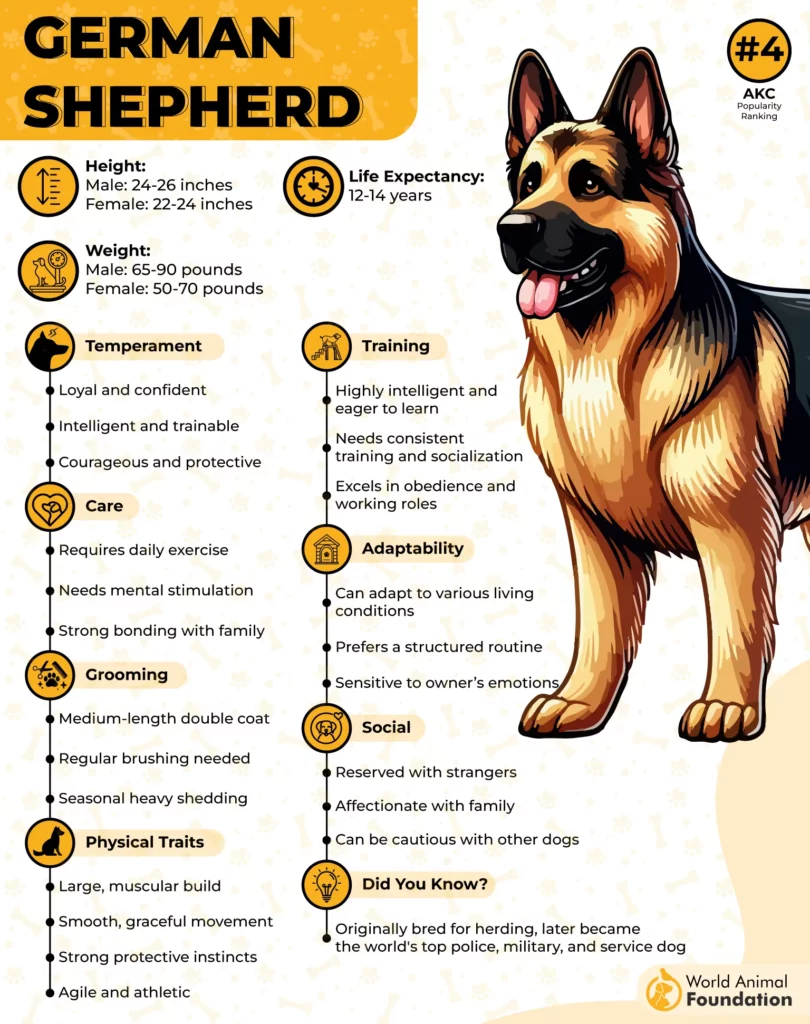
The German Shepherd carries a larger and heavier frame. Most males reach up to ninety pounds, giving them a solid and powerful look. They have deep chests and long bodies that show strength and endurance. Many lines also carry a gentle slope from neck to tail.
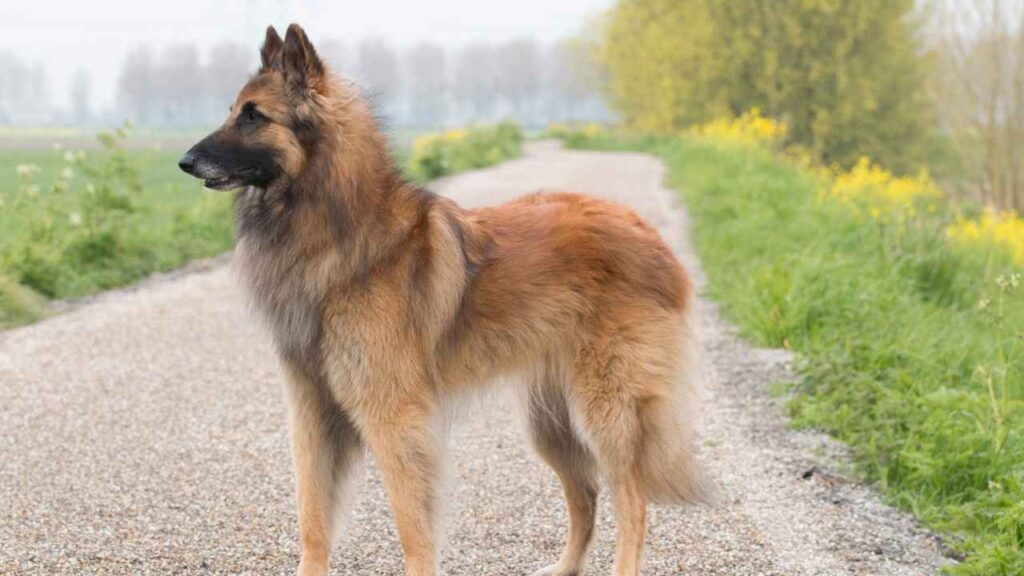
All four Belgian Shepherds are medium-sized dogs with a strong, athletic build, designed for agility and endurance. The Groenendael has a long, straight black coat with an elegant, refined look. The Malinois has a short, dense coat, highlighting its muscular, work-ready physique.
The Tervuren features a long, straight coat with fawn and black markings, combining grace and agility. The Laekenois sports a rough, tousled coat and alert expression, giving it a rugged yet athletic appearance.
Coat, Colors, and Grooming
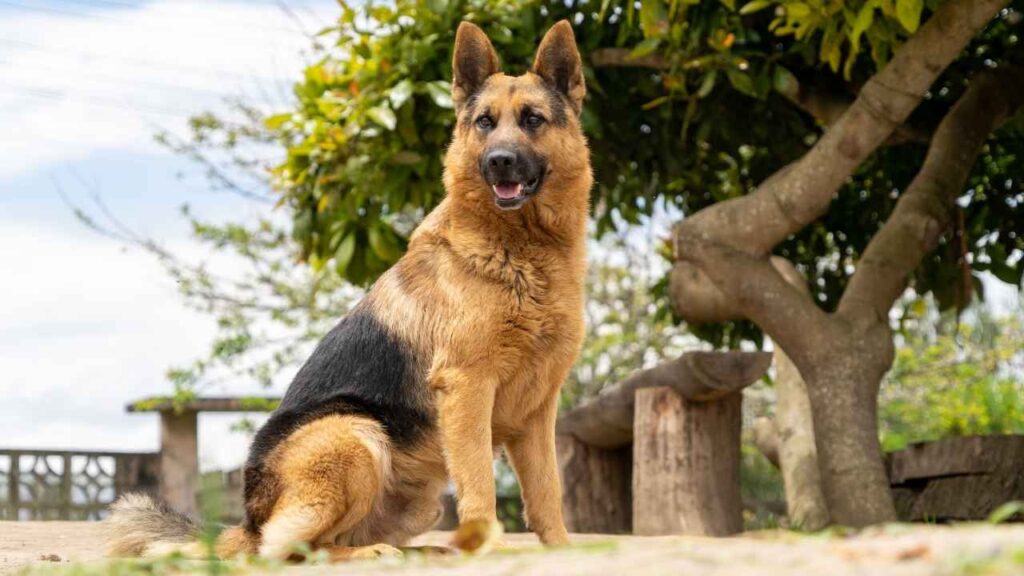
Coat type is a major difference between these two dogs. The German Shepherd carries a thick double coat with medium-length fur. Therefore, this breed sheds heavily throughout the year. Quick brushing several times a week helps control loose hair and keeps the coat clean.
Common German Shepherd colors include black and tan, sable, and solid black. Seasonal shedding can increase during spring and fall, which owners often refer to as blowing the coat.
Belgian Shepherd Dogs each bring their own coat personality to the table. The Groenendael shows off a long black coat that needs regular brushing to stay smooth, and the Malinois keeps things simple with a short coat that just needs routine upkeep.
The Tervuren carries a longer coat that appreciates steady care, and the Laekenois stands out with its rough-textured coat that sometimes needs a little extra attention. With consistent brushing and occasional touch-ups, all four stay comfortable and looking great.
Temperament and Personality
The German Shepherd brings a calm confidence mixed with deep affection for its family. This beloved breed enjoys spending time with all household members. You will often see them stay close to the people they trust. Their protective nature appears naturally, but with proper socialization, it remains controlled and thoughtful.
Belgian Shepherds are intelligent, loyal, alert, and protective dogs with high energy levels. They thrive on daily physical and mental activity and form strong bonds with their families. While all are devoted and active, some have a higher work drive and intensity, requiring more challenging tasks and engagement.
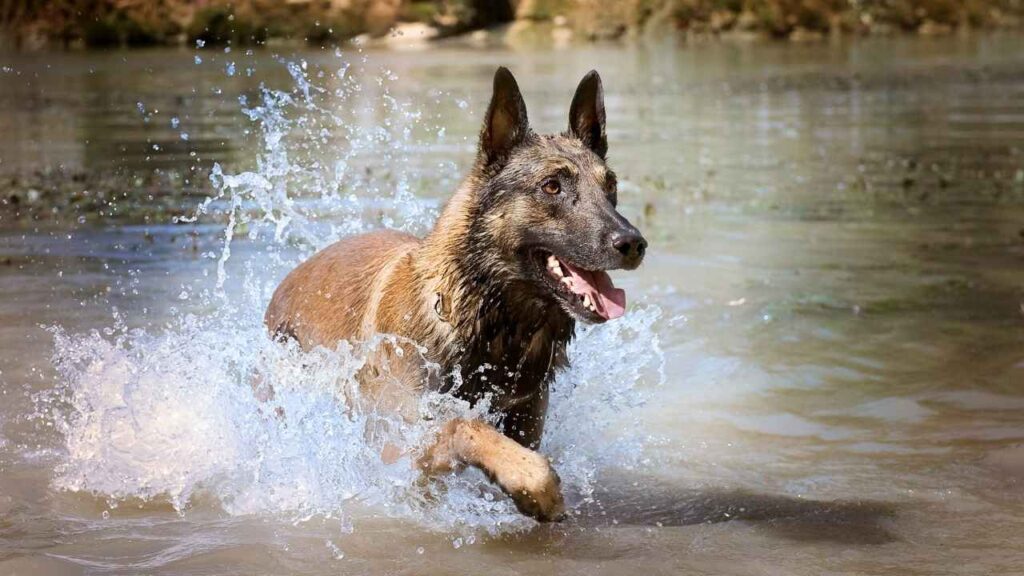
While others are slightly more adaptable and balanced, combining energy with companionship. Overall, they need consistent training, socialization, and an active lifestyle to stay happy and well-adjusted.
Energy Levels and Exercise Needs
Understanding each dog’s energy level is important when choosing the right companion. PDSA points out that German Shepherds are high-energy dogs who need a lot of exercise, usually one to two hours each day. Walks, games, and training sessions keep them satisfied. Once their needs are met, they relax well indoors and appreciate quiet time with the family.
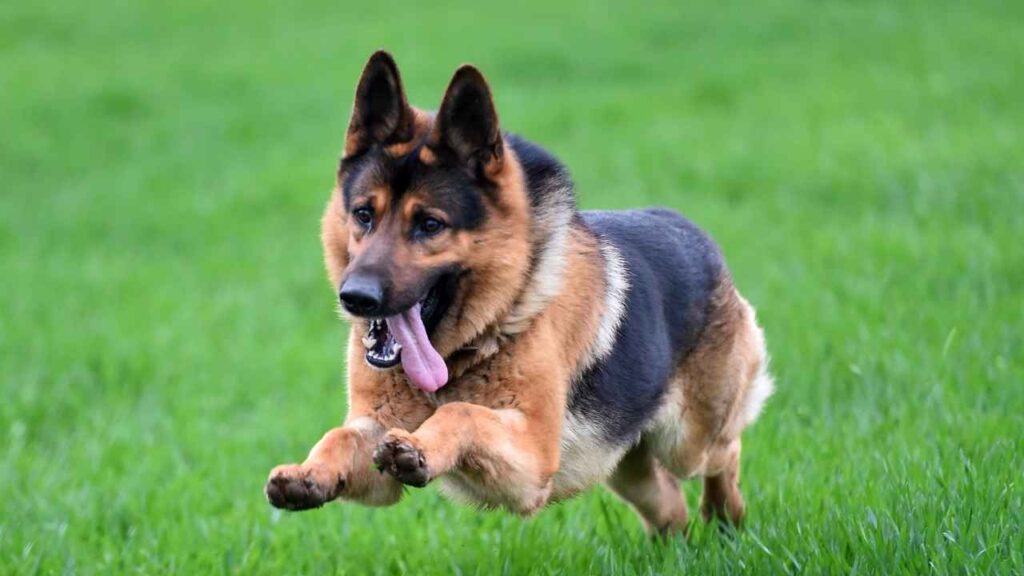
Belgian Shepherds are all highly energetic and need plenty of exercise and mental stimulation, but their energy and exercise demands vary slightly. Some have extremely intense drive, needing long, challenging workouts and constant activity, while others, though still very active, can adapt to a slightly less demanding routine. However, German Shepherds and Belgian Shepherds are great dogs for active families.
Intelligence and Trainability
Both dogs are among the most intelligent breeds in the world. The German Shepherd learns quickly and responds well to positive guidance. They work with enthusiasm and enjoy solving tasks with their handler. Their intelligence makes them popular in tracking, service roles, and competitive obedience. They love mental challenges and stay motivated when learning new skills.
Belgian Shepherds are highly intelligent and trainable, but each variety shows it slightly differently. The Groenendael is quick to learn and responds well to consistent, positive training, combining sharp intelligence with a slightly adaptable temperament. The Malinois is extremely driven and highly focused, excelling in demanding work or specialized roles, requiring an experienced handler to channel its energy.
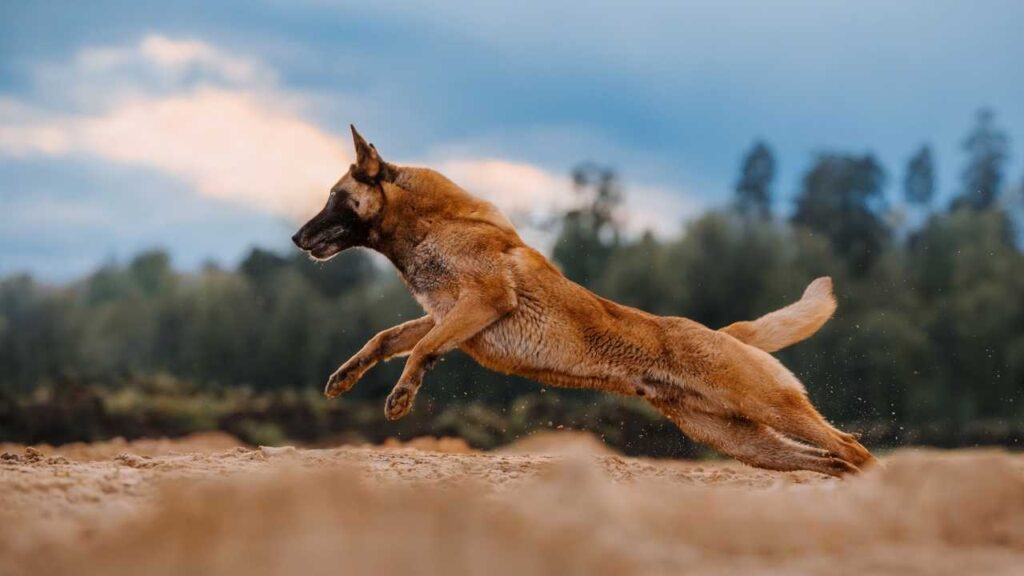
The Tervuren is intelligent and eager to please, balancing a strong work drive with a more adaptable and steady temperament. The Laekenois is alert and clever, learning quickly while maintaining a reliable and consistent approach, especially in guarding or working tasks. All four thrive with mental stimulation and structured training.
Behavior with Family and Other Pets
A well-socialized German Shepherd becomes a loyal and gentle family companion. They are not aggressive and often do well with children when raised with positive experiences. They can also live with other pets when introductions happen early, and supervision remains consistent.
The Belgian Shepherd shows a more serious approach to family life. Omlet states that their herding instincts and high drive can lead to nipping or chasing smaller pets.
They do best in homes with older children or adults who understand training. Their loyalty usually centers on one person, so they may appear reserved with other family members.
Health, Lifespan, and Common Issues
Both breeds face genetic conditions that pet parents must understand. Hip and elbow dysplasia appear in both dogs. Responsible breeders test for these issues.
The German Shepherd is also at risk of bloat, a dangerous condition that requires rapid veterinary care. They may face digestive problems or degenerative myelopathy in later years. Their average lifespan is 12 to 14 years.

The Belgian Shepherd tends to live slightly longer, usually 10 to 12 years. Belgian Shepherds can be prone to certain health issues, so it helps to know the signs and symptoms. While worrying is natural, prompt care usually leads to better outcomes.
Best Roles, Working Dog or Family Companion
The German Shepherd offers balance, versatility, and steady behavior. They can switch from family dog to working partner with ease. This flexibility makes them a strong choice for many types of owners. They are highly reliable for crucial roles like police dogs, service dogs, and guard dogs.
Belgian Shepherds can excel as both working dogs and family pets, but they truly thrive when given a job or regular physical and mental challenges. As family dogs, they need plenty of exercise and stimulation to stay happy and well-behaved. With the right training and attention, they become loyal, protective, and loving companions.
Choosing the Right Breed for You
Choosing the right dog breed comes down to your lifestyle and personal preferences. The German Shepherd is a smart working breed that suits families seeking loyalty, a calm temperament, and steady behavior. They thrive in a house where humans provide structure, exercise, and consistent interaction.
The Belgian Shepherds are a high-energy working breed with remarkable stamina and intelligence. Interestingly, Belgian Malinois excel in dog sports. They are ideal for active humans who can meet their physical and mental needs. Their drive and focus reward owners who can provide guidance, training, and consistent challenges. With many similarities and differences, personal preference guides the decision in choosing the right animal.
Conclusion
The German Shepherd and Belgian Shepherd share similar personality traits, like intelligence, loyalty, and a strong work ethic. Both breeds thrive with regular exercise and mental challenges, making them excellent companions for active owners who enjoy training and engagement.
However, key differences make each breed unique. The German Shepherd has a steadier temperament and a larger, balanced physical characteristic, which makes it great for family life. The Belgian Shepherds are leaner, more intense, and need an owner who can match their stamina and focus. Knowing these traits helps you pick a furry companion that fits your lifestyle best.
