




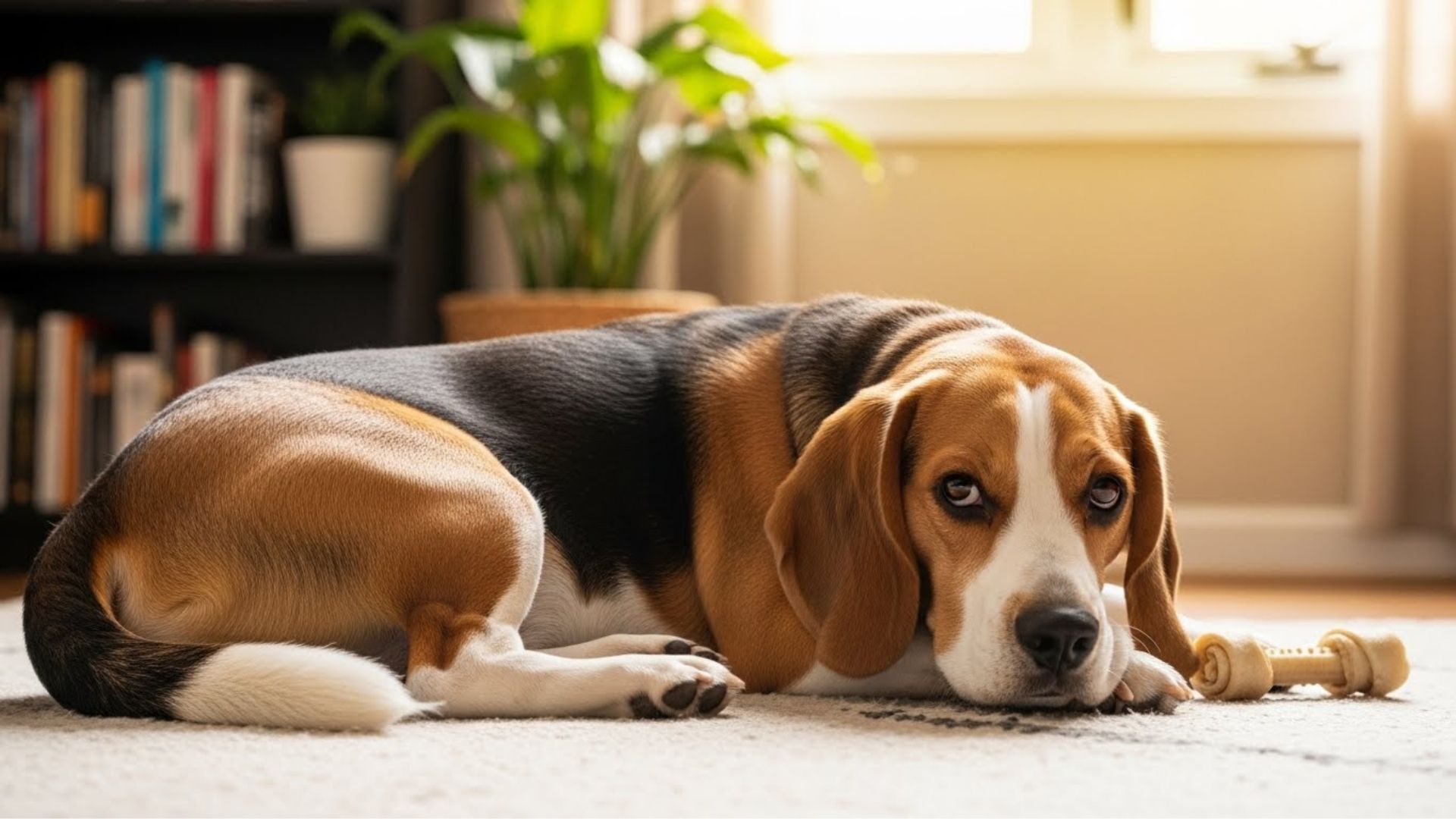
Life with a dog is the best kind of chaos—until your schedule is already packed and you’re juggling work, errands, and family time. That’s where low-maintenance dog breeds shine. The right pup can still deliver all the companionship and tail-wagging joy, without demanding hours of grooming, training drills, or marathon workouts every single day.
Of course, no dog is truly “no work.” Every pet needs food, attention, basic training, and healthcare. But some breeds are naturally easier to live with, thanks to simpler coats, calmer energy, and personalities that fit smoothly into busy homes. For first-time dog parents, seniors, and anyone craving a more relaxed routine, those traits matter.
In this guide, we’ll explore dog breeds that don’t need much work and what makes them easier day to day—think manageable grooming, realistic exercise, and easygoing temperaments. By the end, you’ll know what to look for (and what to avoid) so you can choose a companion that matches your lifestyle, not the other way around.
Low-Maintenance Dog Breeds That Don’t Need Much Work
1. Beagle
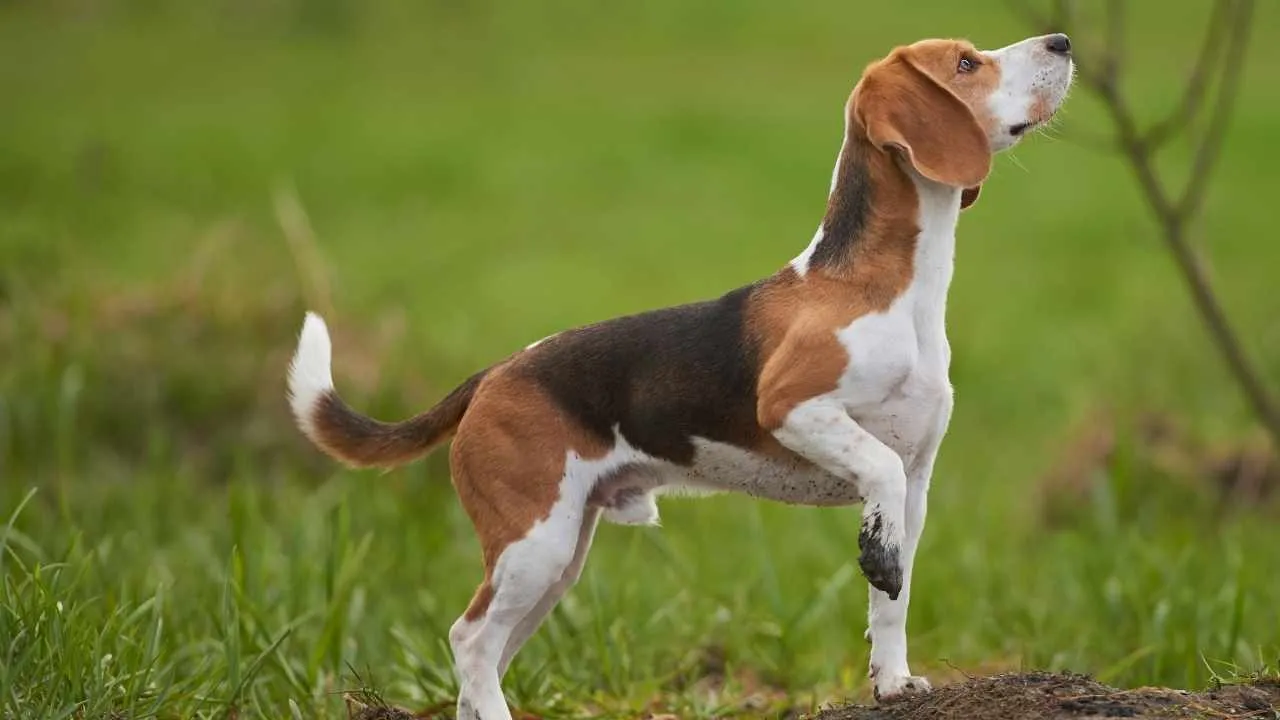
Beagle (also simply called a Hound) is a medium, solid little scent dog from Great Britain, often recognized by its big brown eyes, floppy ears, and classic black-tan-white coat.
With a short, weatherproof jacket and a friendly spirit, this breed fits comfortably into many homes—apartments included—when daily needs are met.
The AKC states that the Beagle is both a skilled hunting dog and a devoted companion, and it’s also known for being cheerful, funny, and especially cute thanks to its signature pleading expression.
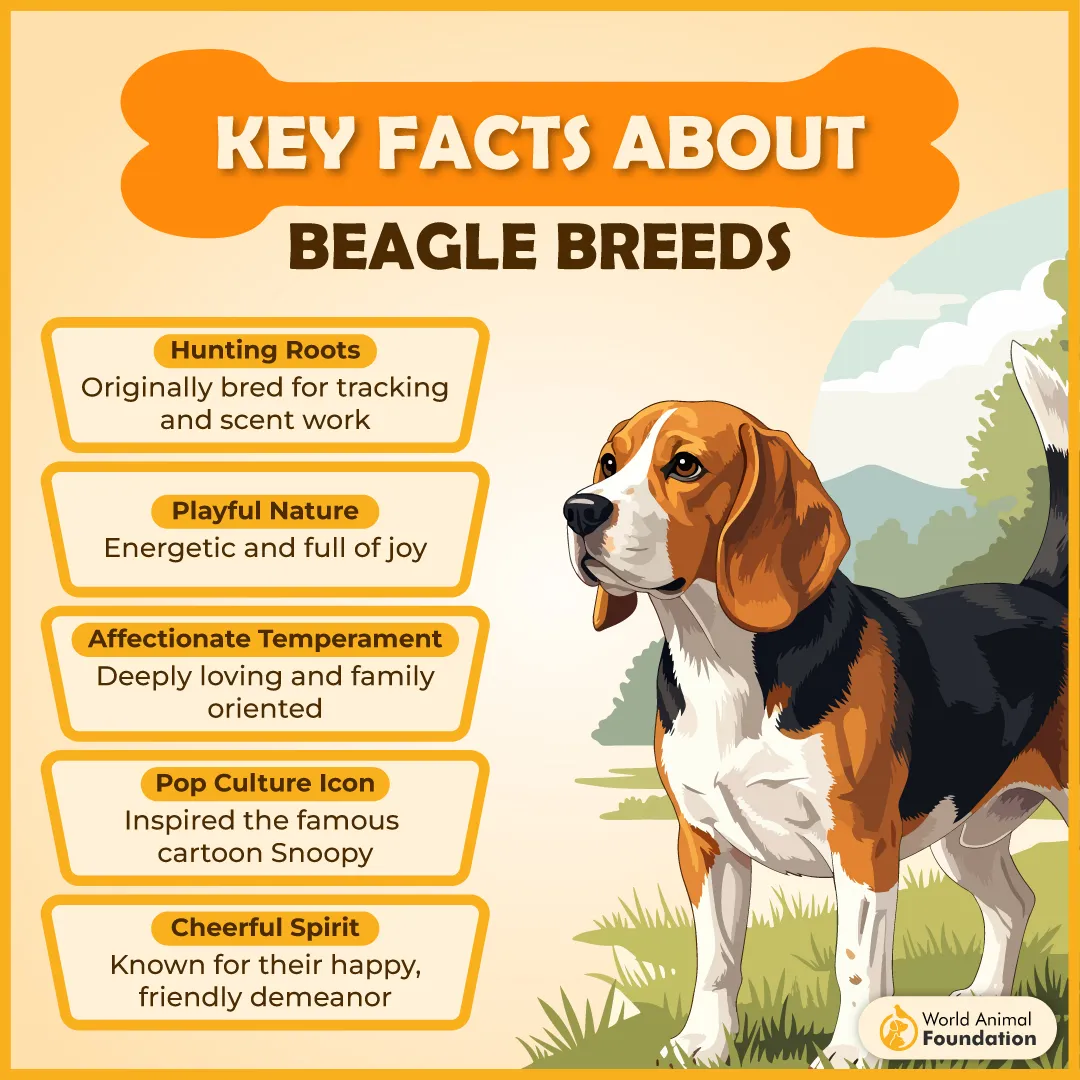
When people say “low-maintenance,” they usually mean easy coat care and a workable routine, not “no effort.” Beagles don’t need fancy grooming; a quick weekly brush usually handles dead hair, with a bit more help during heavier shedding.
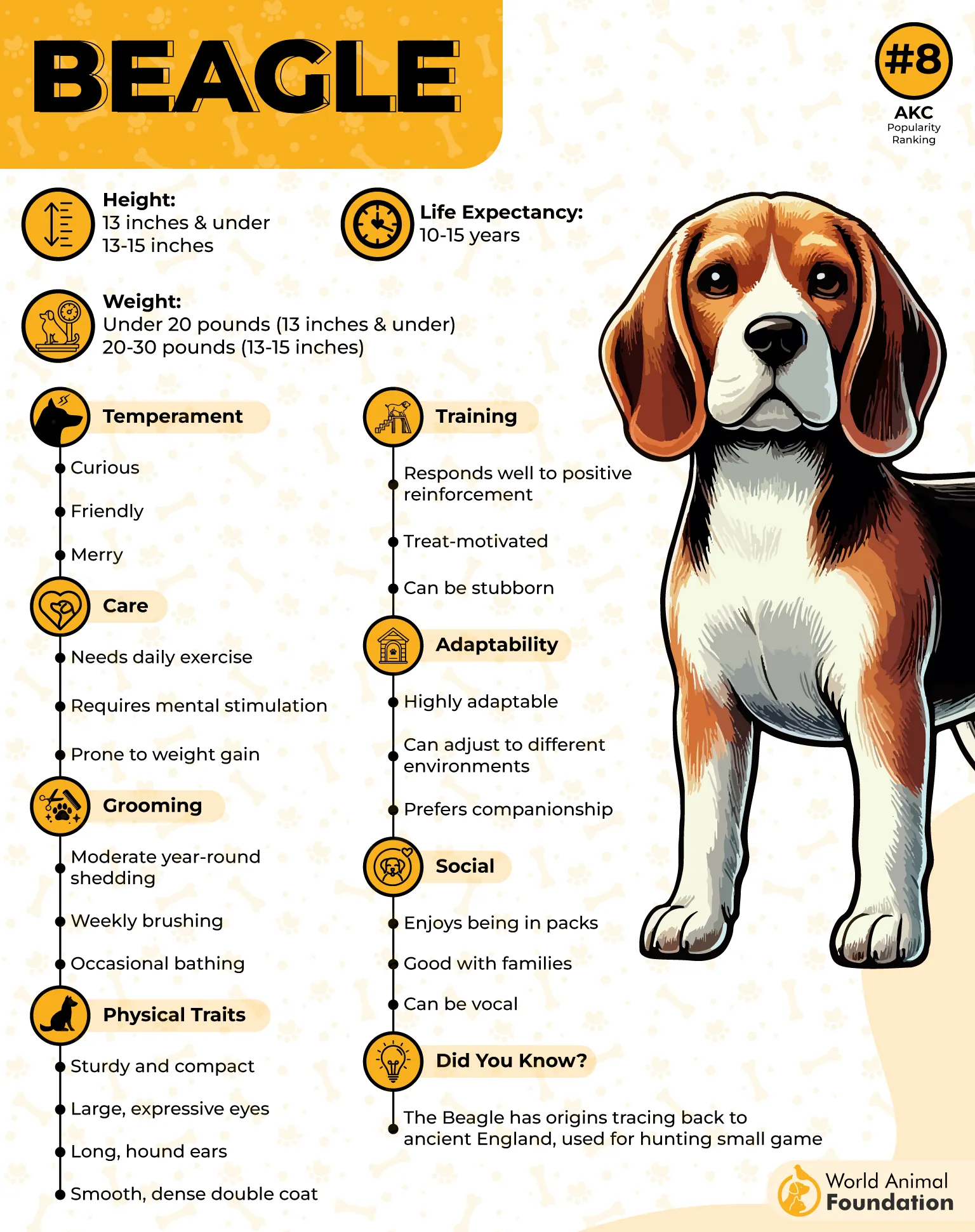
They’re also a good example of moderate exercise: happy with walks and sniffy exploring, but not a dog that demands nonstop intensity. Because their nose can override their ears, a fenced yard or leash time matters, and consistent training helps keep that curiosity pointed in the right direction.
Low-maintenance can still include smart prevention—watch portions to avoid weight gain, and stay on top of routine checks for things like ears after outdoor adventures.
Fact: U.S. Customs and Border Protection uses a “Beagle Brigade” to detect prohibited foods in airports.
2. French Bulldog
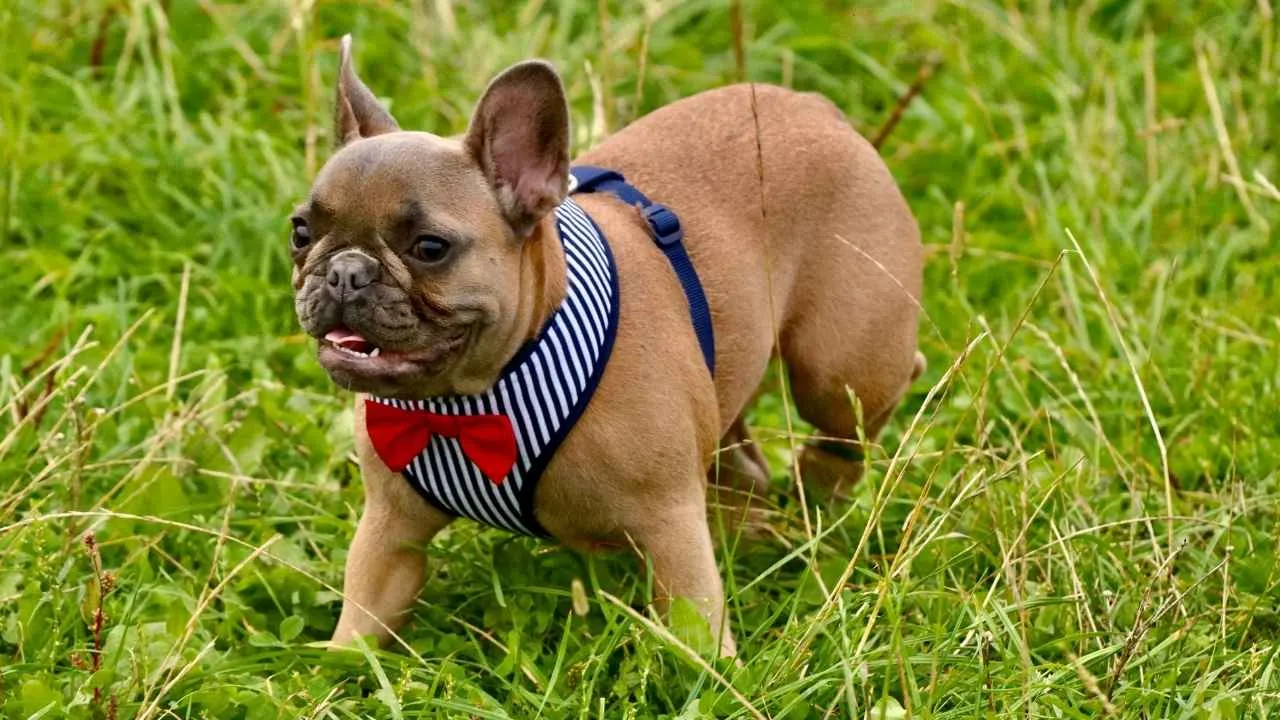
French Bulldog—often called the Frenchie—is a compact, short-coated companion with trademark bat-like ears and a cheerful, “loafing” vibe that fits relaxed homes. This AKC Non-Sporting breed is friendly and sociable.
PetMD notes that French Bulldogs—often called “Frenchies”—are relaxed, cheerful little dogs that make affectionate companions.
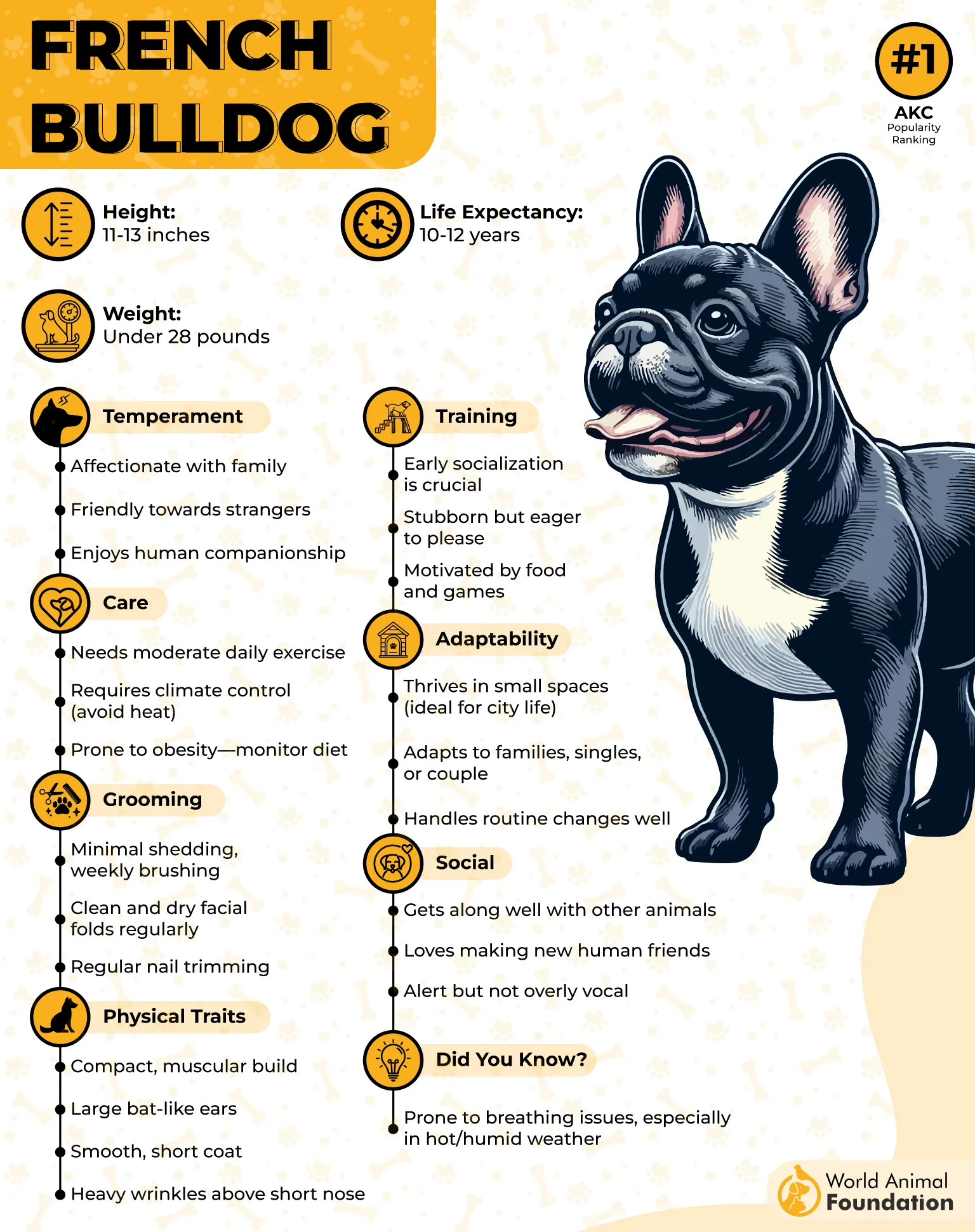
If you want low-grooming, Frenchies keep it simple: their smooth coat needs only light brushing, and baths are typically occasional—mainly when they’re visibly dirty. That said, “low-grooming” doesn’t always mean “no upkeep,” because skin allergies can pop up and may require a vet-recommended shampoo.
For busy owners, the big win is exercise: they can be playful, but they don’t have much endurance, so moderate daily activity is usually enough. Keep outdoor time shorter in hot or humid weather, since their short muzzle can make breathing harder.
Training is generally manageable with structure and consistency, and they’re not known for constant barking.
Fact: French Bulldogs have a higher risk of brachycephalic syndrome due to their shortened muzzle.
3. Chihuahua
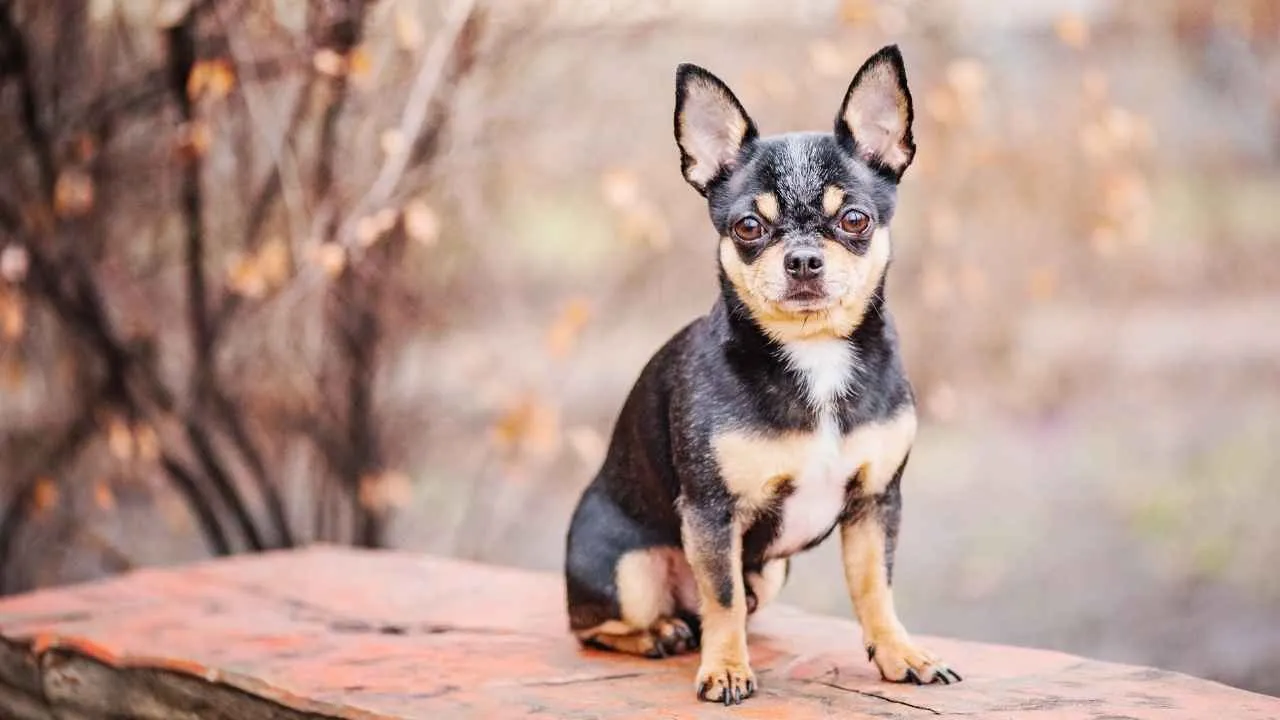
Chihuahua (also called the Chi) is an extra-small companion dog that comes in both smooth-coat and long-coat varieties. WebMD states that Chihuahuas are very affectionate and prefer staying close to their owners.
Don’t let the tiny frame fool you—this portable pup is loyal, spunky, and surprisingly adaptable in apartments or bigger homes.
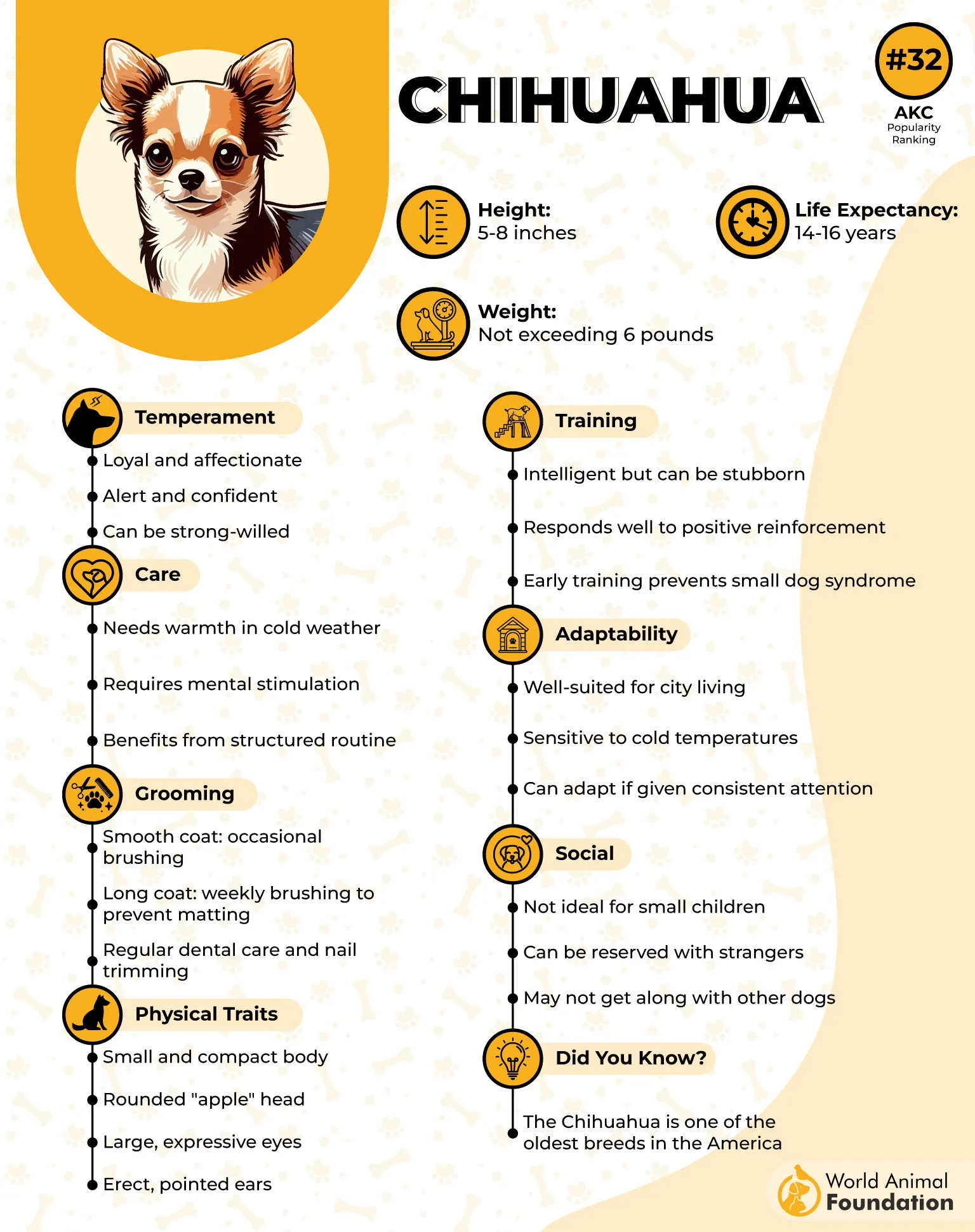
For a laid-back routine, Chihuahuas fit nicely because their small size keeps workouts simple. A short walk plus indoor playtime usually covers their needs, so you’re not stuck doing constant exercise just to keep them content.
Grooming can be refreshingly easy, especially with a smooth-coat Chihuahua. A light brush now and then and regular baths help them stay neat, while long-haired Chis just need more frequent brushing to prevent tangles and mats.
They’re also easier on the daily budget because their petite bodies eat less, and their strong bond with their people can make training feel more straightforward with consistency and a little patience.
Fact: Adult Chihuahuas typically need around 30 minutes to 1 hour of exercise per day.
4. Dachshund
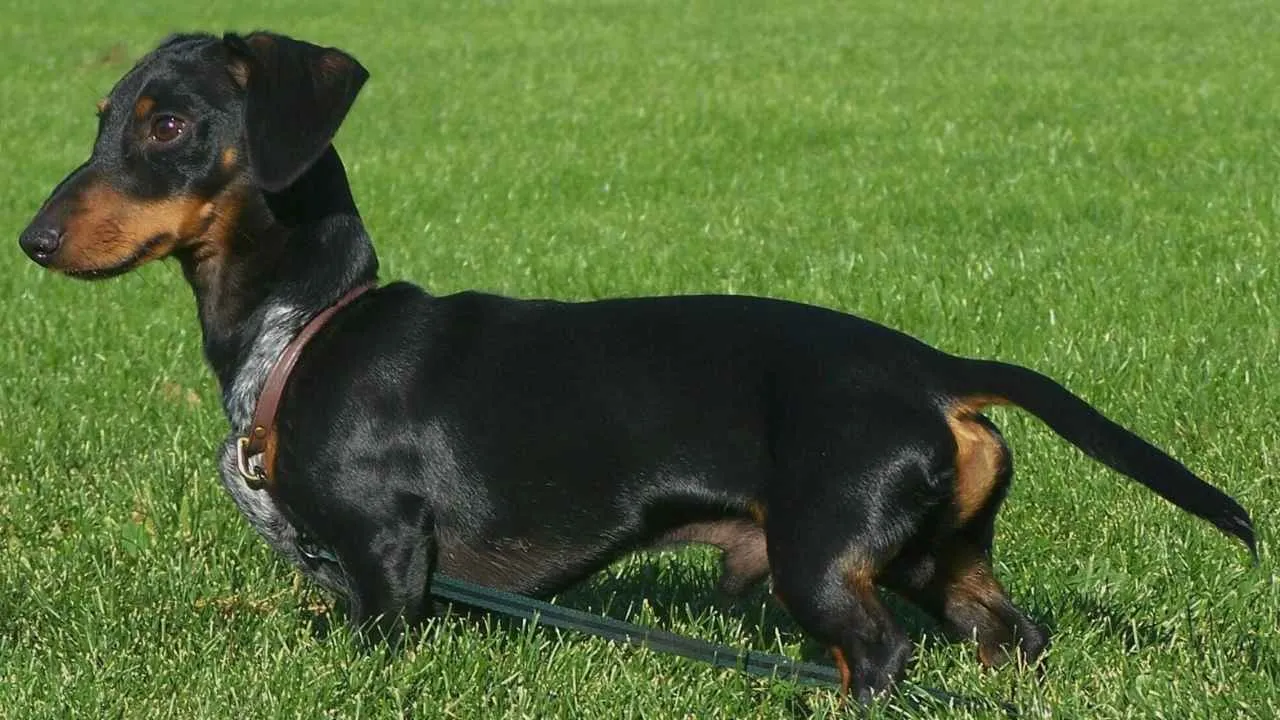
The Dachshund—often called the “Doxie” or “wiener dog”—is instantly recognizable for its long body, short legs, and outsized confidence.
Small, curious, and full of personality, this hound fits well in apartments or houses and is relatively easy to groom, especially the smooth-coated variety.
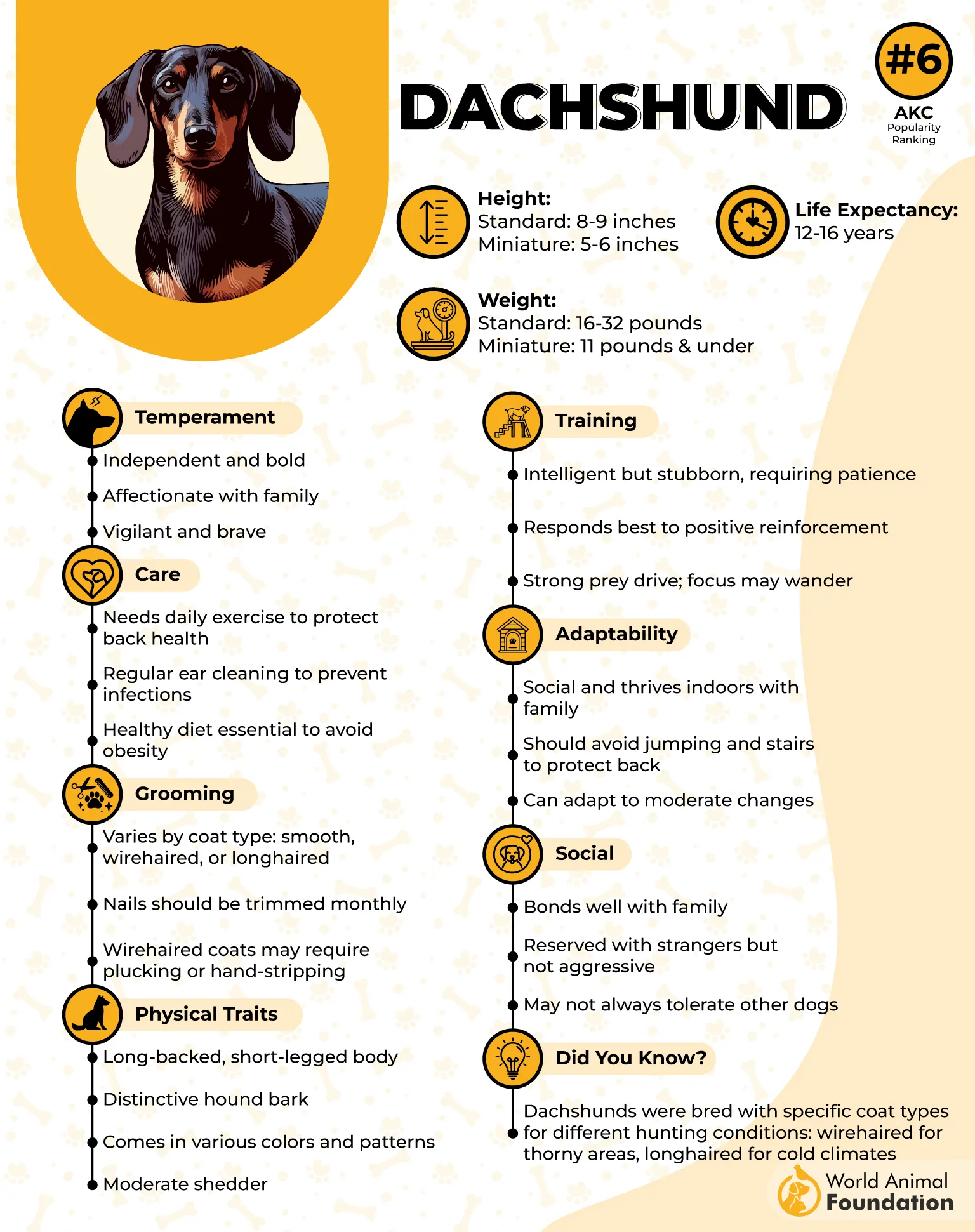
For low-maintenance living, their exercise needs stay realistic: a couple of short walks plus indoor play usually does the trick. Keep life easy (and your dog happier) by using mentally stimulating dog toys, since their busy brains love a challenge more than endless miles.
Training can be a mixed bag: Dachshunds are smart, but also independent and sometimes stubborn. The shortcut is consistency—short, upbeat sessions, clear rules, and rewards that actually matter to them. When you get their buy-in, they’re much easier to live with day to day.
Because of their long spine, protect their back by discouraging jumping off high furniture and keeping them at a healthy weight, with regular vet checkups.
Fact: Dachshunds can need physical therapy or other vet treatment for back issues at some point in their lives.
5. Pug
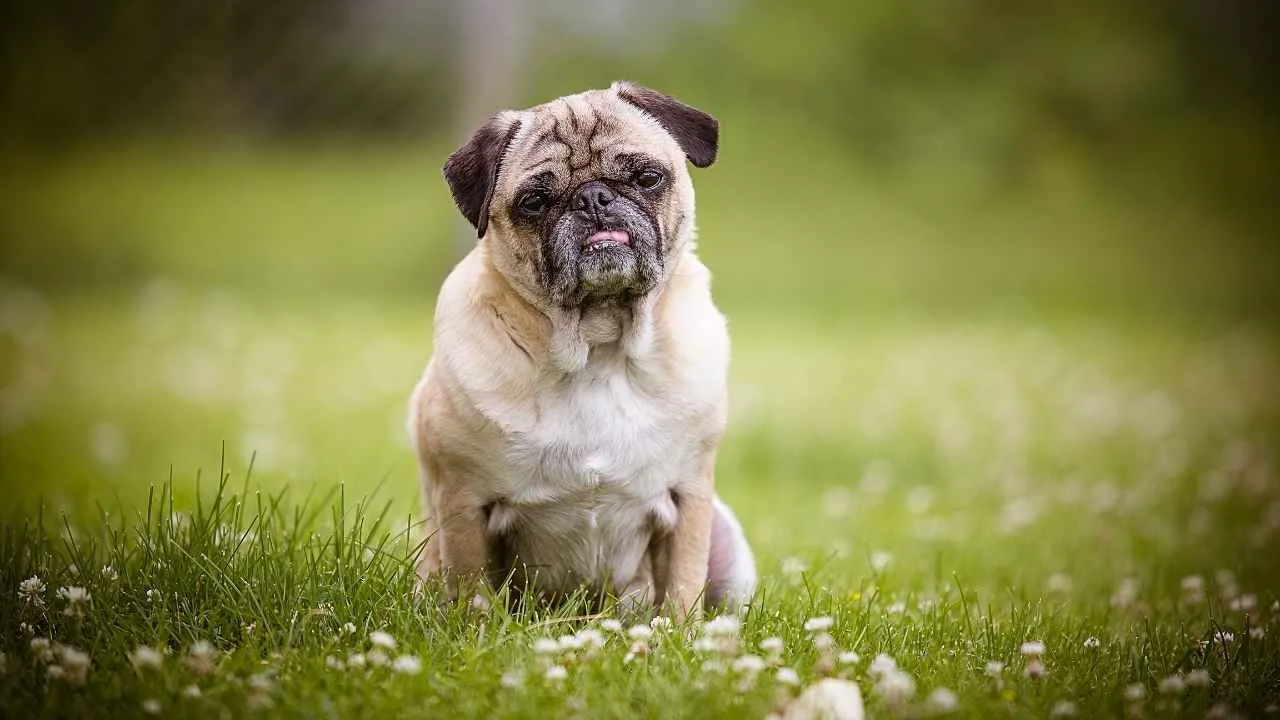
Pugs—often called little “velcro dogs” for how closely they stick to their people—are charming, cuddly companions with a short, smooth coat and an expressive, wrinkly face. They’re typically quiet and happy to be near you, which is exactly why they’re a favorite among busy households.
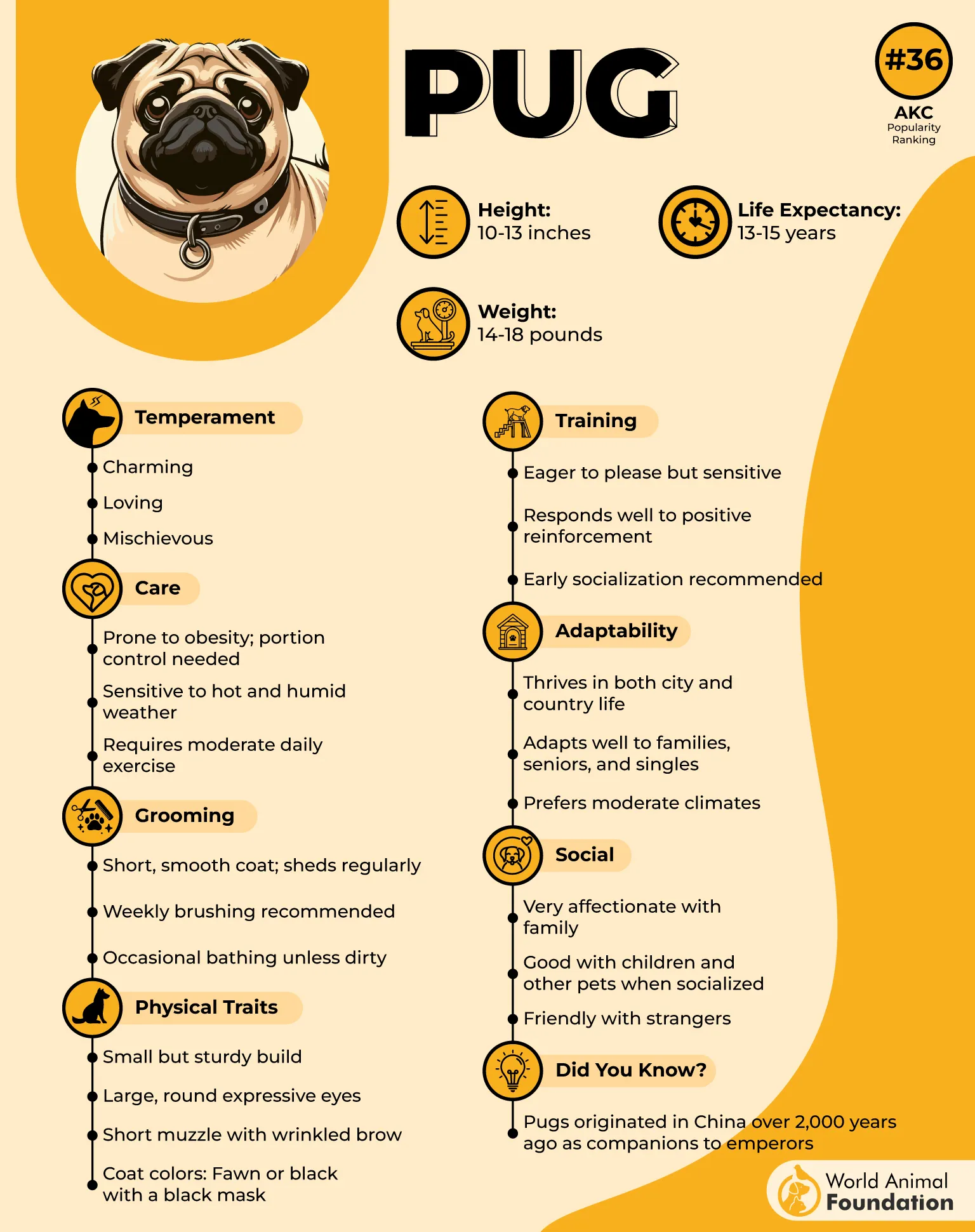
For apartments and small spaces, this small dog breed is a natural fit: they don’t need a big yard, and their low-energy vibe means they’re perfectly content lounging like tiny couch potatoes. A couple of short outings and some gentle play usually keep them satisfied, without turning your day into a workout schedule.
Grooming is refreshingly simple compared to fluffier breeds. Their coat is easy to manage with quick brushing, and they rarely need intensive upkeep—great news for pet parents who want a low-maintenance routine and minimal mess.
Because they’re brachycephalic (flat-faced), it’s smart to keep them cool, avoid overexertion, and stay on top of breathing-related concerns—especially in warm weather.
Fact: Pugs generally don’t bark much and love spending large parts of their day napping.
6. Shih Tzu
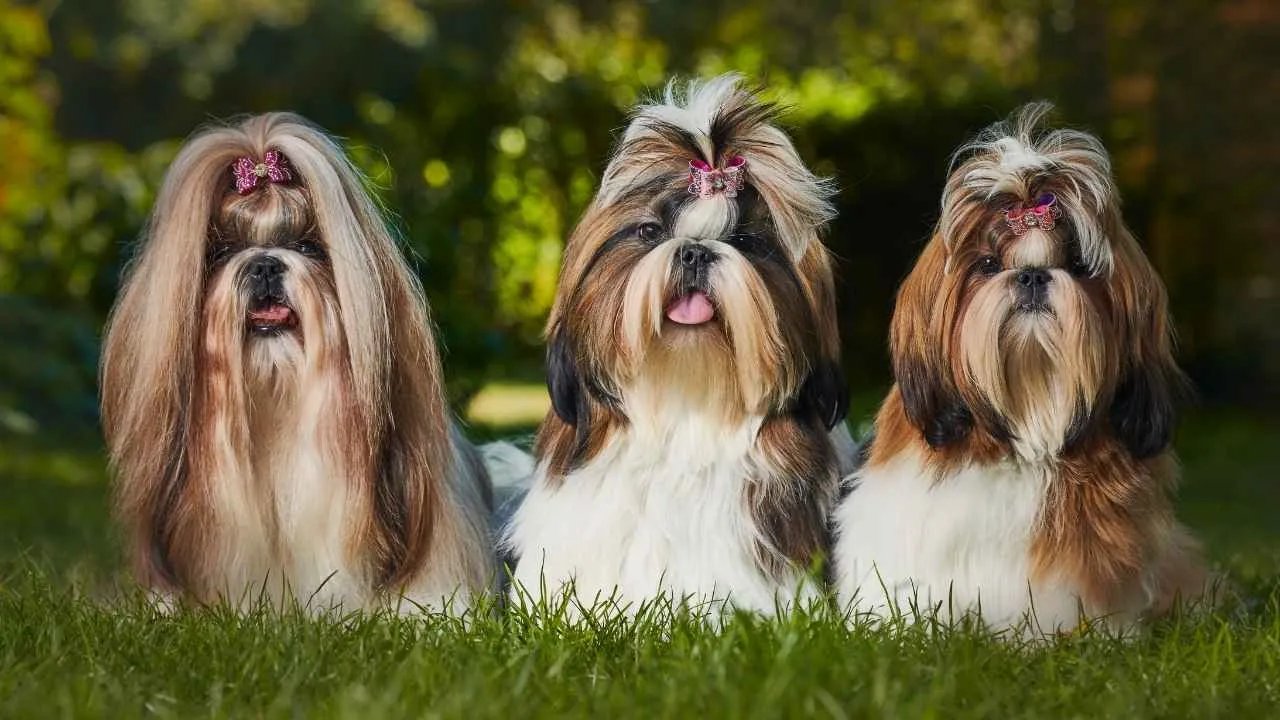
The Shih Tzu—often called the “Lion Dog”—is a small, people-loving companion originally from the Tibetan Plateau. Known for a plush, long double coat and a big, cheerful personality, this breed was made for close-up companionship, not constant hustling.
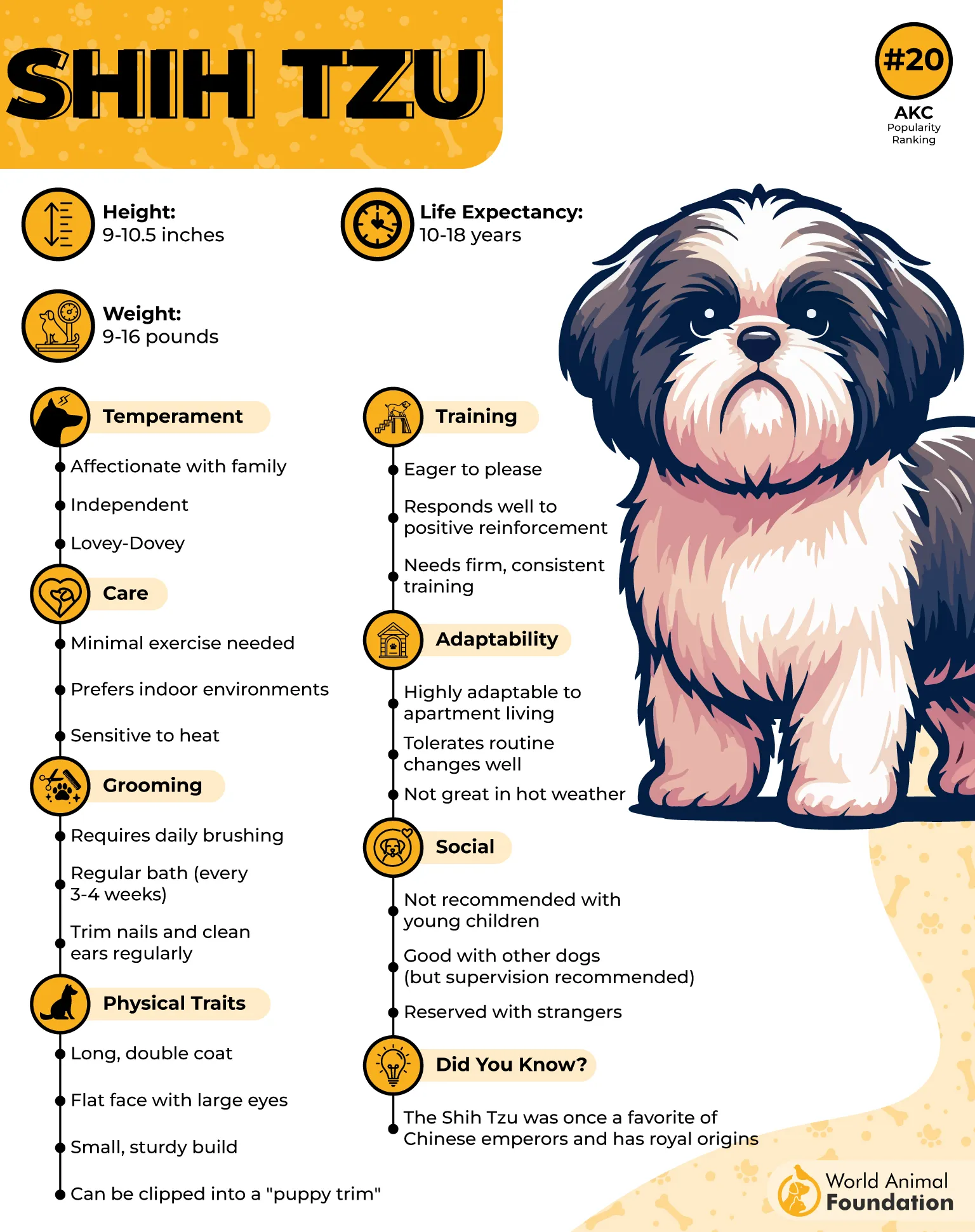
For first-time owners wanting low-maintenance dogs, a Shih Tzu can be a smart pick because they shed very little. Many pet parents keep the coat in a short trim, which dramatically reduces grooming time while still keeping them looking tidy.
Their flattened, brachycephalic face also naturally suits a slower routine. Instead of intense workouts, they do best with gentle daily activity—think calm strolls and indoor play—especially during hot weather when overheating can be a concern.
Training is usually a feel-good experience because they’re bright and eager to learn, but they respond best to praise and treats rather than harsh corrections.
Fact: Shih Tzus typically have a life expectancy of 10–16 years.
7. Boston Terrier
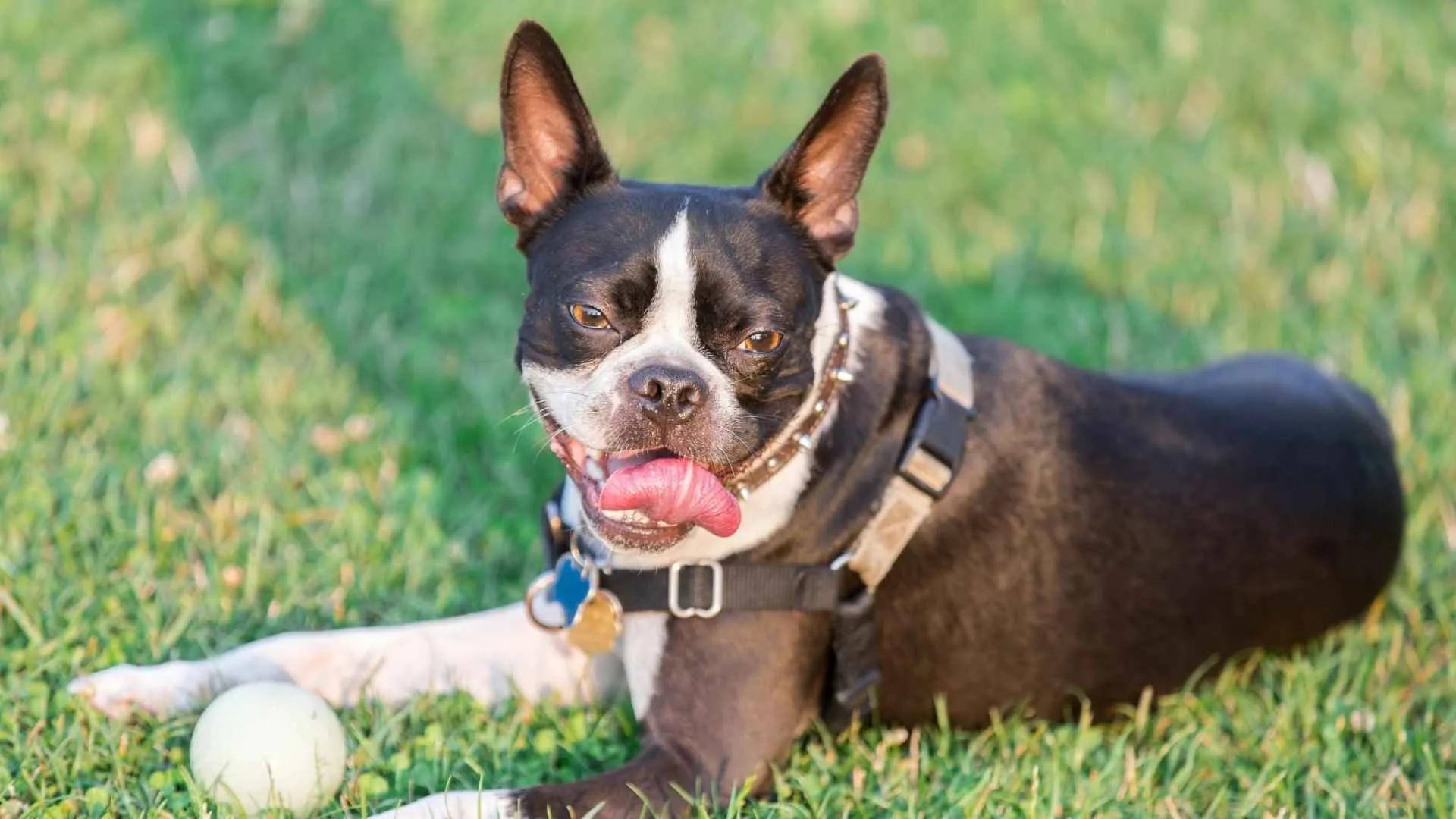
Boston Terriers—often nicknamed the “American Gentleman” for their tuxedo-like markings—are compact, people-focused dogs with a glossy, short coat and an upbeat personality.
Friendly and intelligent, they fit comfortably into apartment life or homes with small yards, as long as they get plenty of time with their humans.
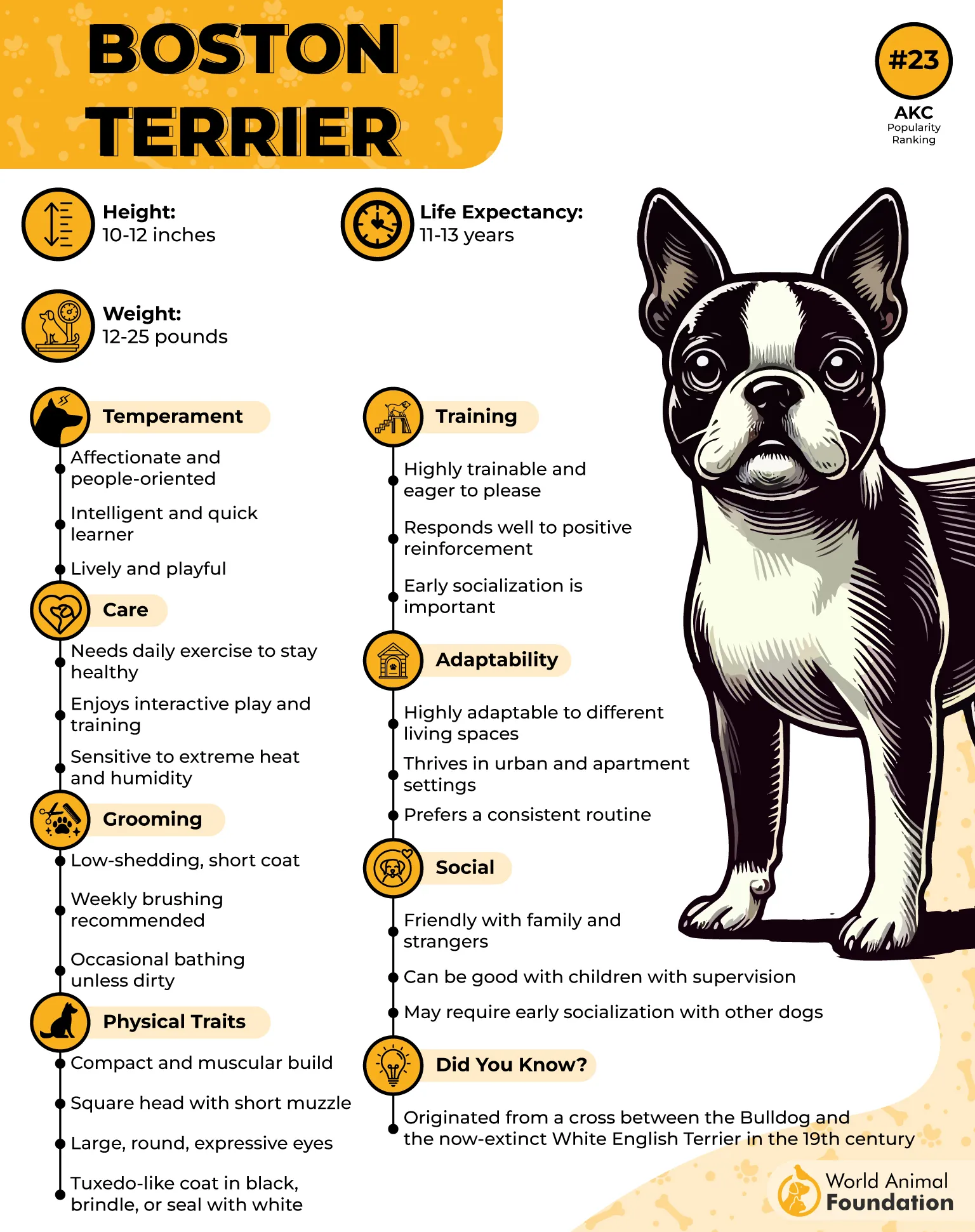
For a simple care routine, you’ll love the low-effort grooming: a quick brush keeps that smooth coat looking sharp, and upkeep stays manageable compared to fluffier breeds. Pair that with steady, basic training, and you’ve got a companion that’s easy to live with and happy to be part of everyday family activities.
Exercise doesn’t need to be complicated, but it does need to be consistent. A couple of short play sessions, a brisk walk, and a bit of mental stimulation can prevent boredom—important because a Boston who’s under-stimulated may turn “playful” into “destructive.”
One extra note for busy households: as a short-nosed breed, they can have breathing issues, so keep them cool in hot weather and monitor activity levels.
Fact: Boston Terriers have a life expectancy of 12–13 years.
Conclusion
Low-maintenance dog breeds that don’t need much work can still be loving, charming dogs—just with fewer chores. With a low-maintenance breed, minimal grooming, minimal shedding, and a calm demeanor often go hand in hand, especially for apartment dwellers and dog owners with busy energy levels.
Think occasional brushing, regular brushing when needed, and daily walks or regular exercise that fits a low exercise routine without turning into high maintenance.
For a petite dog breed or toy breeds like the cavalier king charles spaniel, choosing the right dog means matching energy levels—some are fairly lazy with a quiet nature makes home life easier, while others can be high energy or prone to excessive barking without daily exercise and positive reinforcement training.
Whether you pick a mixed breed dog, an Italian greyhound, a basset hound, or a medium-sized dog, plan regular grooming, watch for health problems, consider allergy sufferers, and introduce another pet or other dogs carefully—dog park trips can wait for a first-time dog owner.
