




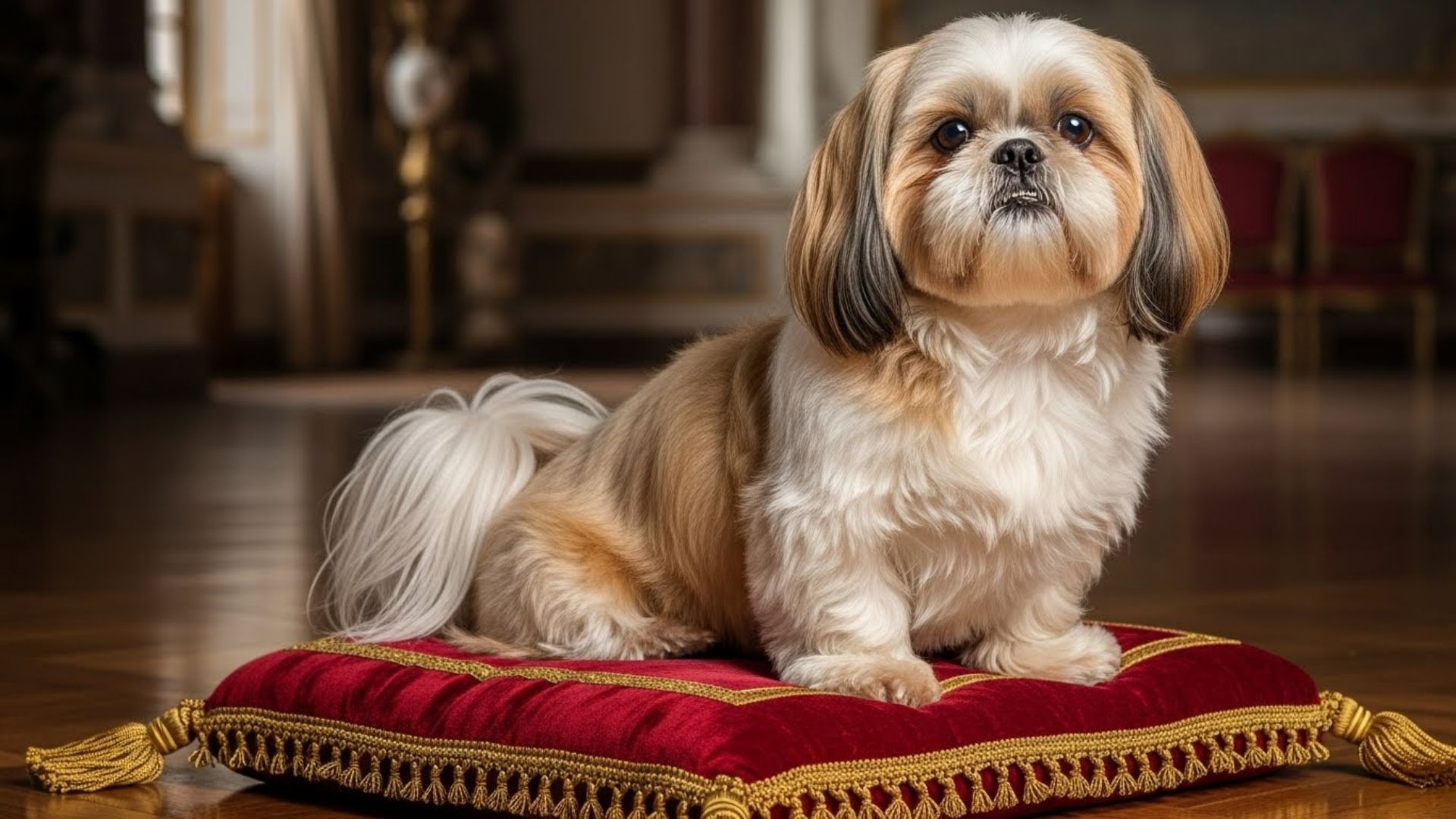
Throughout history, certain dog breeds have been more than just pets—they were royal companions, symbols of status, and cherished members of palaces and noble households.
These dogs were prized for their elegance, intelligence, and loyalty, often accompanying kings, queens, and aristocrats in daily life, ceremonial events, and leisure.
These breeds have histories steeped in royalty. Beyond their exquisite appearance, they were selected for their gentle temperaments, companionship qualities, and ability to live harmoniously in opulent environments.
Their royal lineage has left a lasting mark on their personality today, making them affectionate, loyal, and attuned to human emotions.
We’ll explore dog breeds that once graced palaces and castles, highlighting their history, charm, and enduring appeal.
Whether you’re fascinated by canine history or seeking a companion with a regal aura and gentle nature, these breeds combine elegance, loyalty, and a rich heritage that makes them truly special.
Interesting tidbit: Many dog breeds we admire today were originally kept by royalty and nobility as status symbols. Beyond luxury, these dogs were selected for loyalty, elegance, and temperament, traits that still shine in modern companion dogs.
Dog Breeds That Were Once Royal Companions
1. Shih Tzu
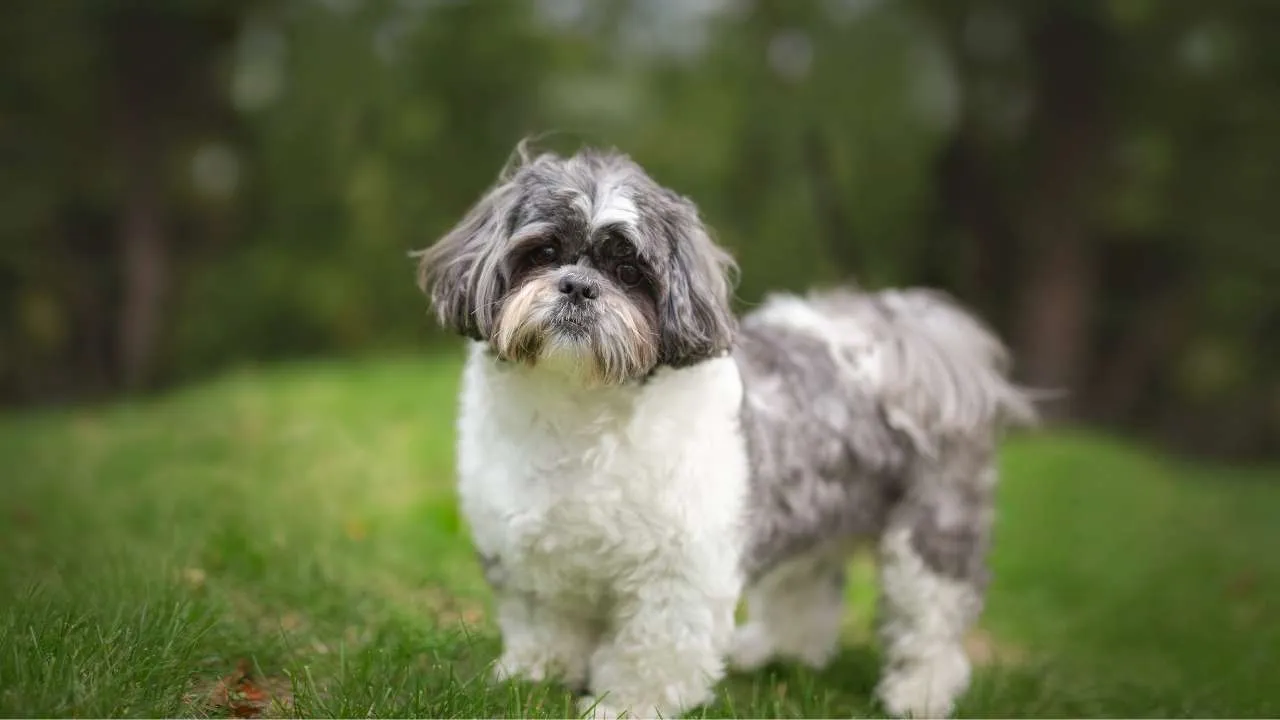
If you ever wondered what it would be like to have a fluffy little dog that thinks it owns the palace, look no further than the Shih Tzu. Affectionately known as the “Lion Dog,” this extremely popular companion has a history as rich as its luxurious coat—and a royal pedigree to match.
The Shih Tzu didn’t just wander into history by accident. These dogs were the ultimate status symbol in imperial China, often given to emperors as gifts from Tibetan monks, symbolizing good fortune and heavenly favor, as noted by Pedigree.
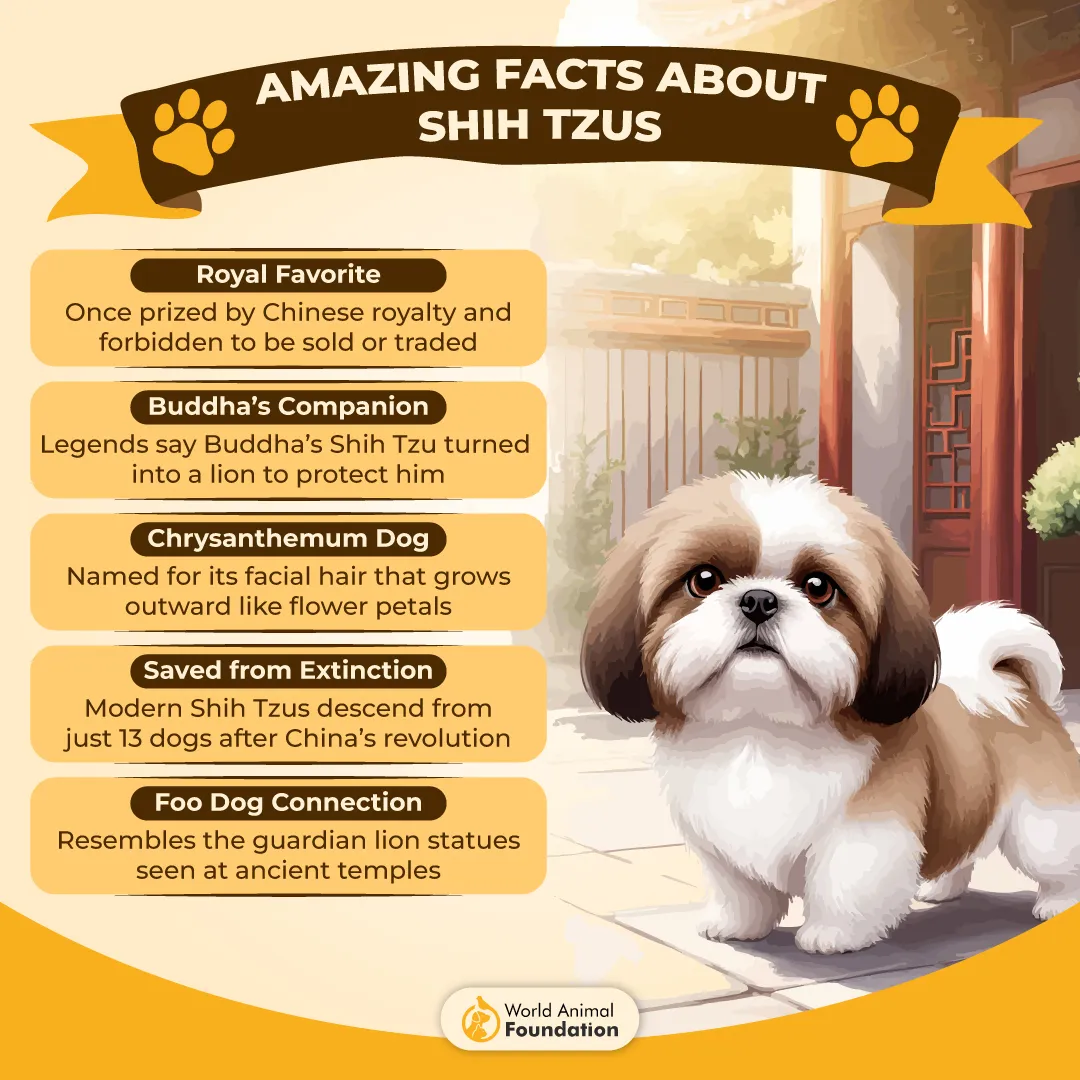
Why the lion comparison? Well, legend has it that Buddha rode a lion, and the Shih Tzu’s regal mane made it a miniature celestial lion right at your feet. Basically, they were furry little omens of luck—and very tiny, royal bodyguards.
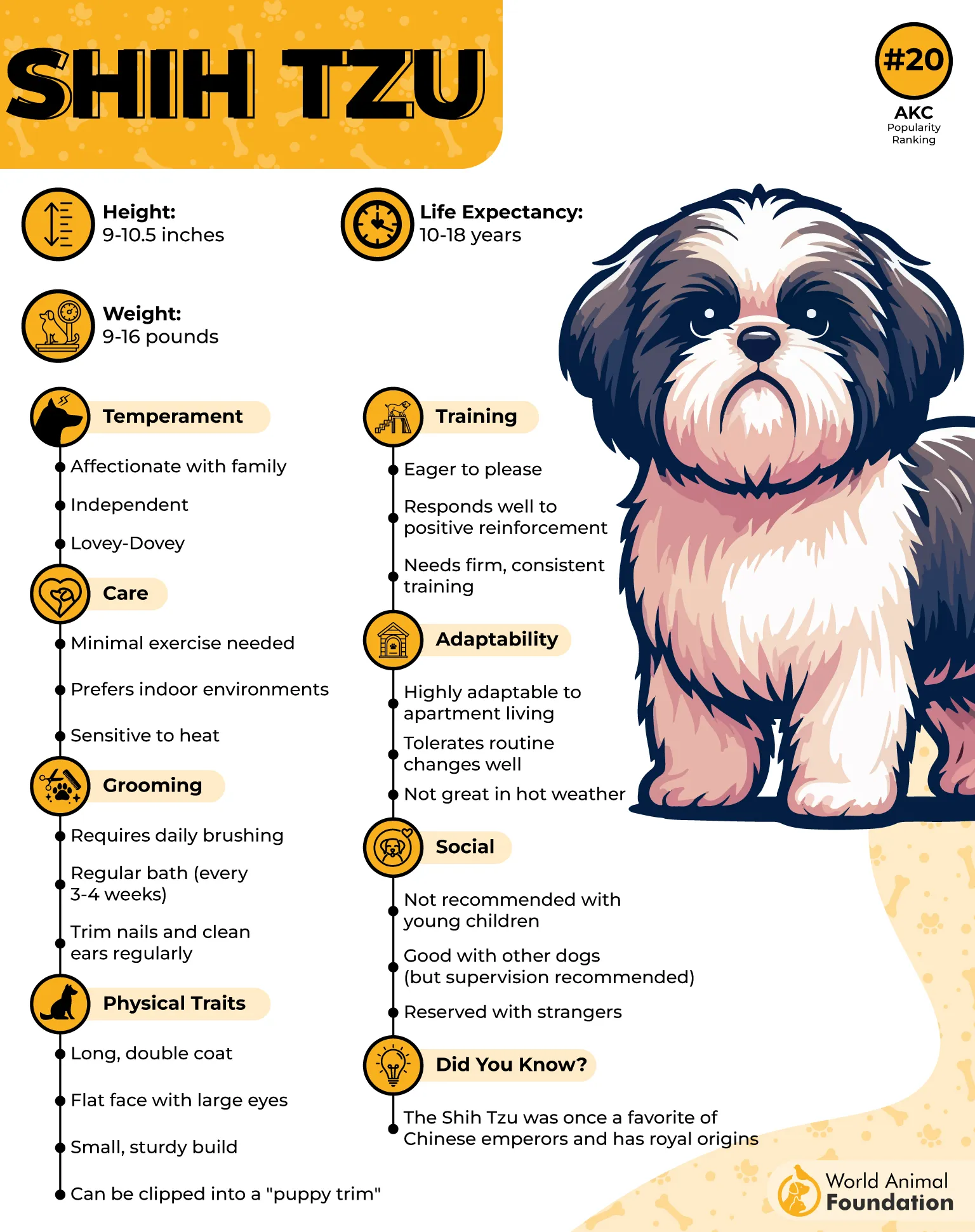
Their royal reputation wasn’t just fluff either; their presence in art, literature, and dynastic records proves these dogs were more than companions—they were living, breathing symbols of status, elegance, and yes, a little mischief.
Today, a Shih Tzu might be lounging on your sofa instead of an imperial throne, but don’t be fooled—their royal attitude is very much intact. They still expect the best treats, the fluffiest pillows, and occasionally a ceremonial bow… or at least a respectful pat on the head.
2. Cavalier King Charles Spaniel
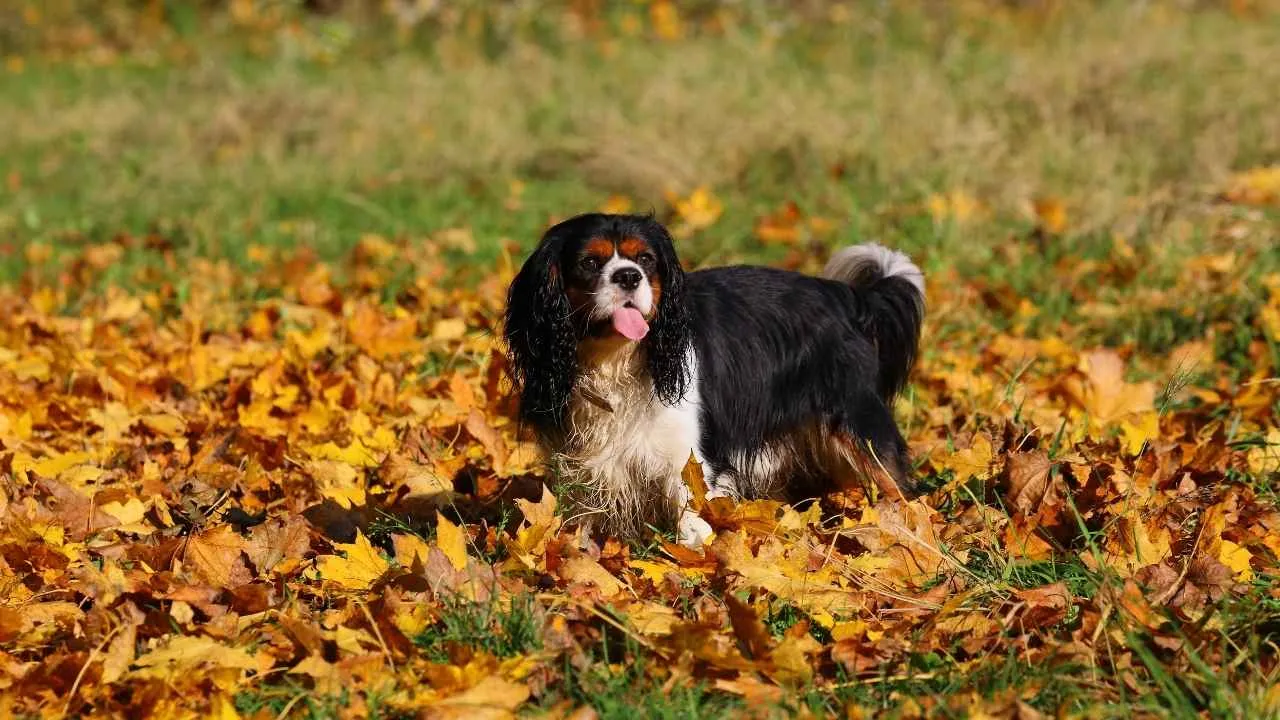
Meet the Cavalier King Charles Spaniel: the ultimate lapdog with a pedigree that screams “royal VIP.” Britannica mentions that they were named after King Charles II of England. This little charmer wasn’t just a dog—it was a fashion accessory, a confidant, and sometimes, a professional court companion.
Imagine a tiny pooch with the softest, silk-like coat, big soulful eyes, and a knack for making anyone feel like royalty. That’s your Cavalier.
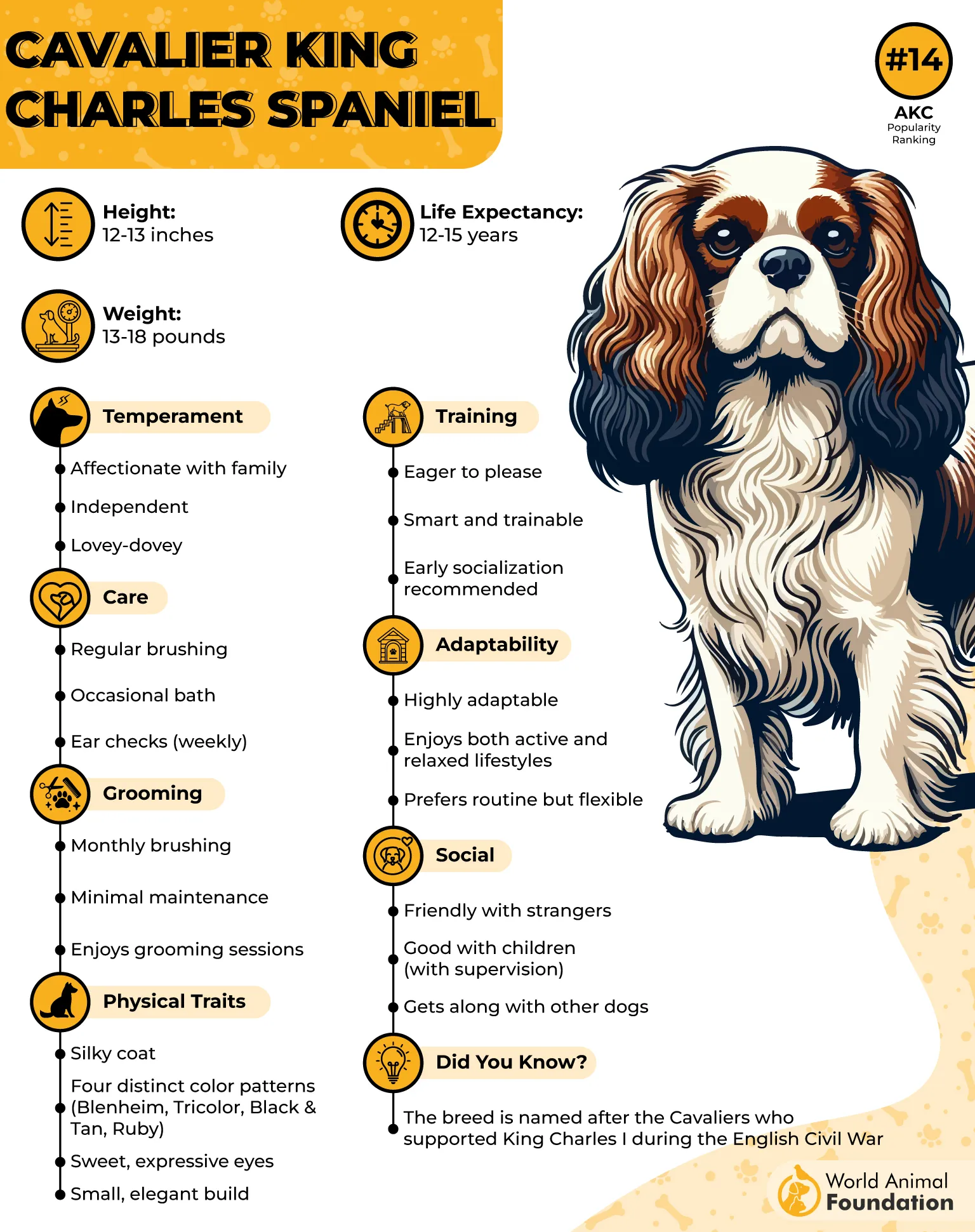
These Spaniels were practically born with a crown on their heads, often appearing in portraits with monarchs, nobles, and anyone who could appreciate a dog that mastered the art of looking utterly devoted while simultaneously judging your life choices.
Whether perched on a king’s lap or strolling through palace gardens, Cavaliers had a talent for blending elegance with pure friendliness. They were basically the medieval version of a celebrity influencer—but with fur.
What’s truly delightful is that their charm hasn’t faded over the centuries. Today’s Cavaliers still expect cuddles, casual strolls in the park, and perhaps the occasional royal treatment… even if it’s just from your couch.
And if you catch the Cavalier giving you that soulful gaze, beware—it’s not just cute, it’s centuries of aristocratic persuasion packed into one tiny, adorable frame.
3. Pekingese
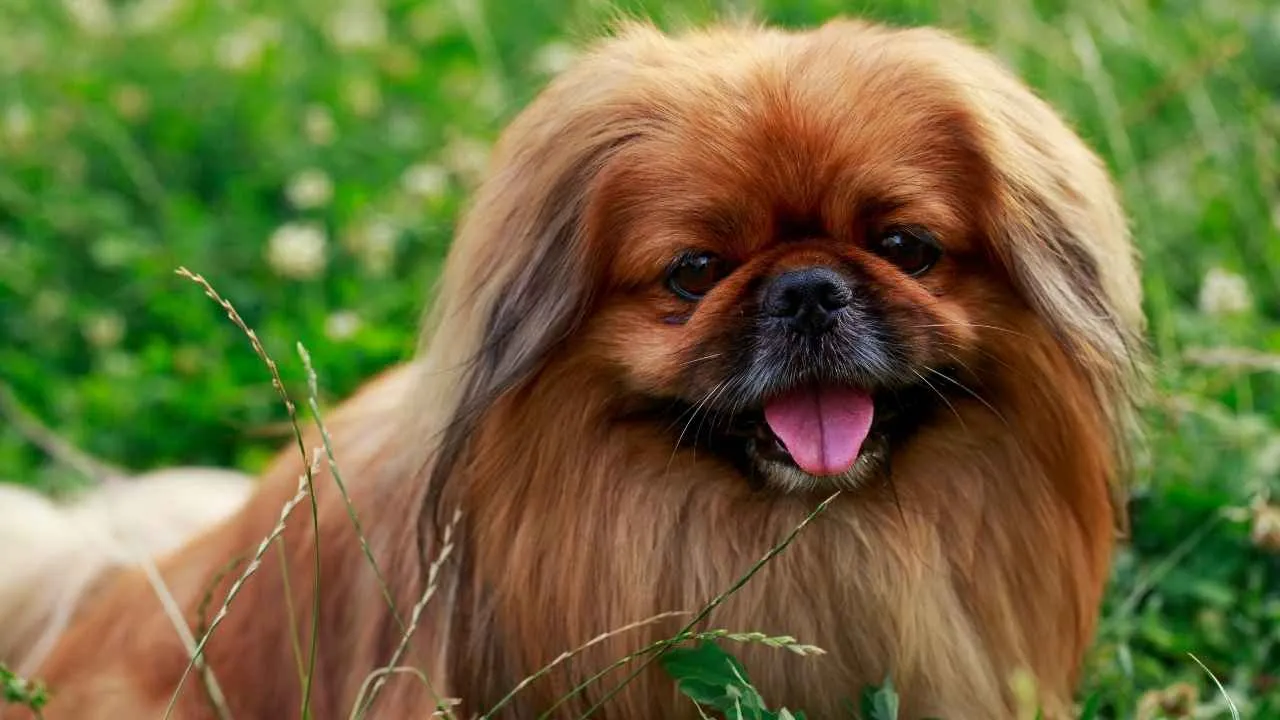
If the Shih Tzu is China’s miniature lion of luck, the Pekingese is its full-on, lion-mane-wearing superstar. These pint-sized pups weren’t just pets—they were living symbols of imperial power, sacred companions, and occasionally, tiny emperors in their own right.
With their flowing manes, squat little bodies, and dignified strut, Pekingese dogs had the sort of royal swagger that could make a court official pause mid-bow.
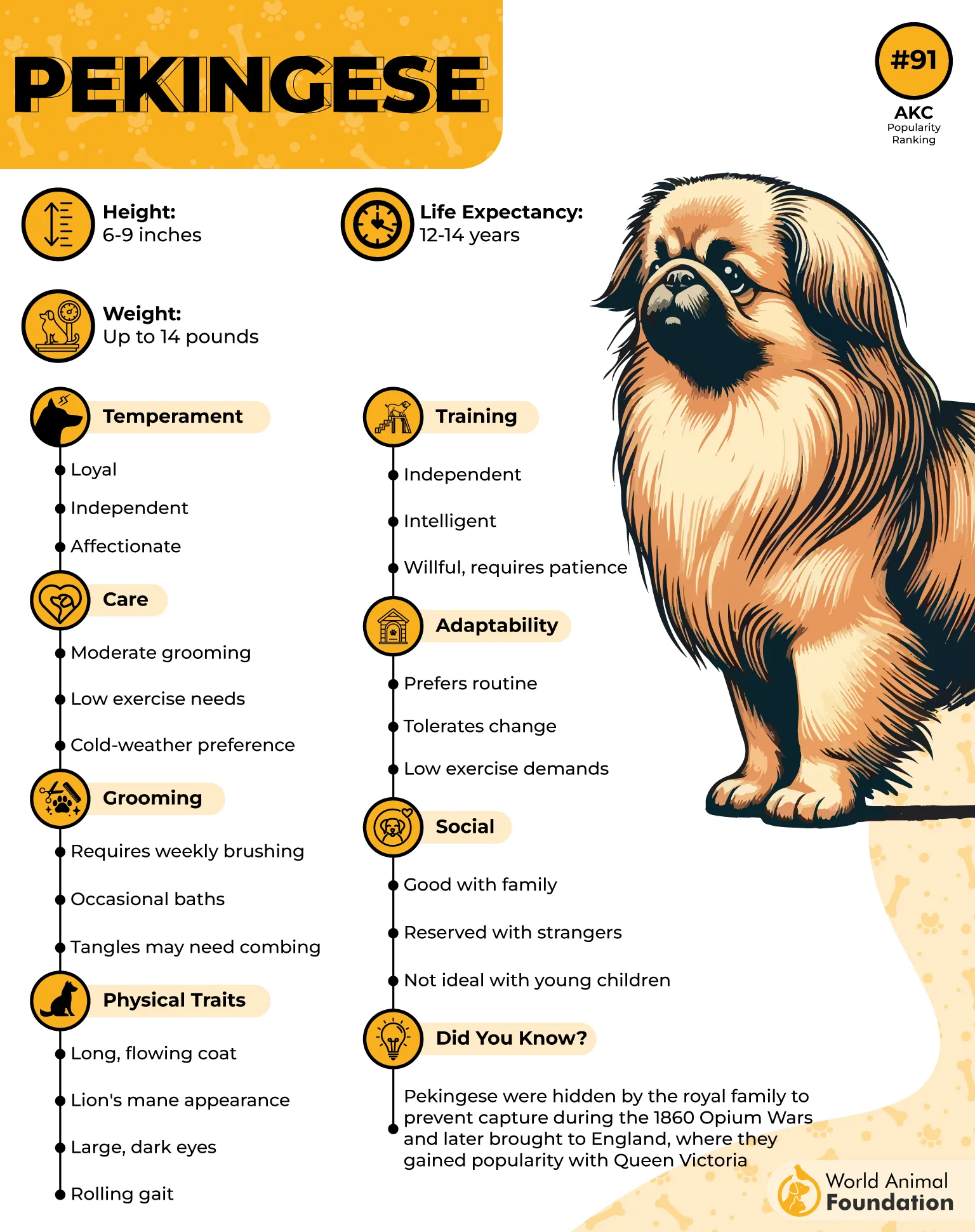
Kept exclusively by Chinese emperors, these little lions weren’t allowed to roam freely among the common folk. They were pampered, adored, and treated like living jewels, complete with attendants to brush their luxurious coats and ensure their royal paws never touched anything “beneath” them.
Legend even has it that stealing a Pekingese could be punishable by death—so yes, these dogs were basically the canine equivalent of a crown jewel with a side of sass.
Despite their small stature, Pekingese carry themselves with immense dignity. Even today, if you meet one, you’ll notice that unmistakable “I am royalty” aura, often accompanied by a subtle glare that says, “Yes, you may pet me… but only if I deem it worthy.”
In short, this breed proves that true nobility doesn’t come from size—it comes from attitude, poise, and a very luxurious mane.
4. Greyhound
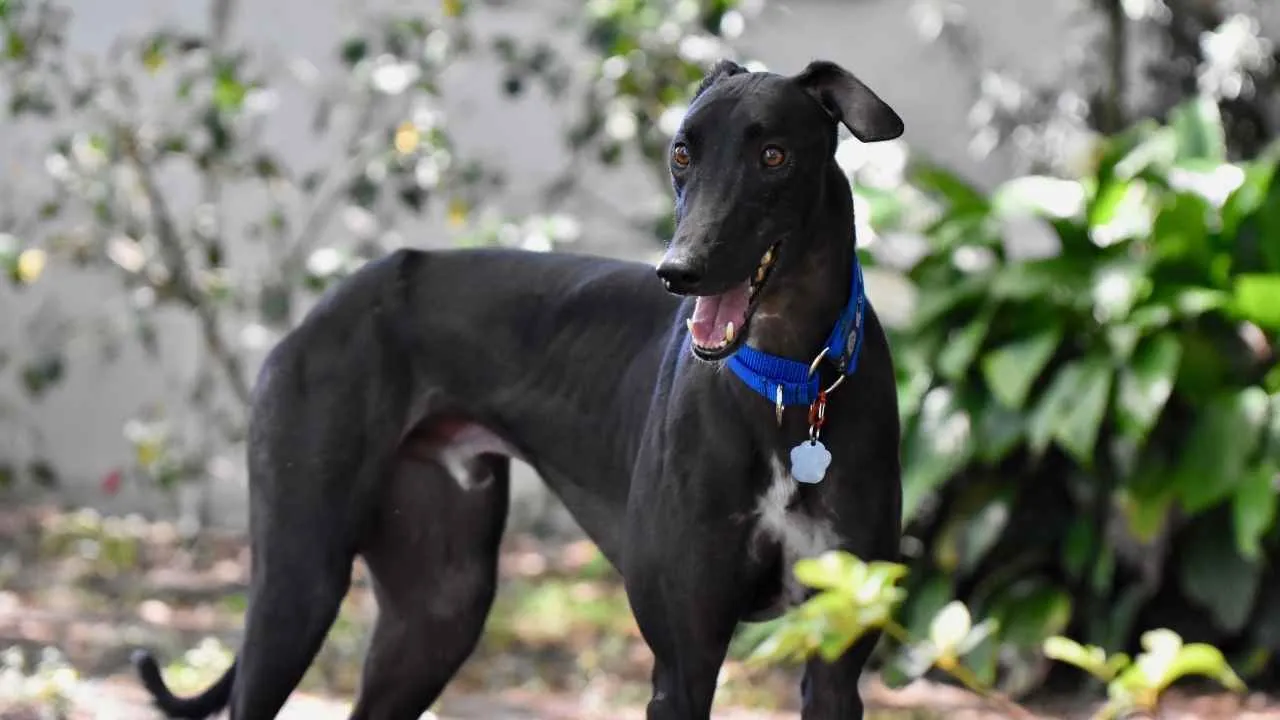
If elegance and speed had a poster child, it would be the Greyhound. Sleek, graceful, and built like a finely tuned sports car, Greyhounds have been winning the hearts of royalty for thousands of years—literally.
Ancient Egyptian Pharaohs adored these dogs for their hunting prowess, seeing them as symbols of power and poise. Fast forward to medieval Europe, and Greyhounds were strutting their stuff in noble households, even making cameo appearances on coats of arms to show off a family’s sophistication.
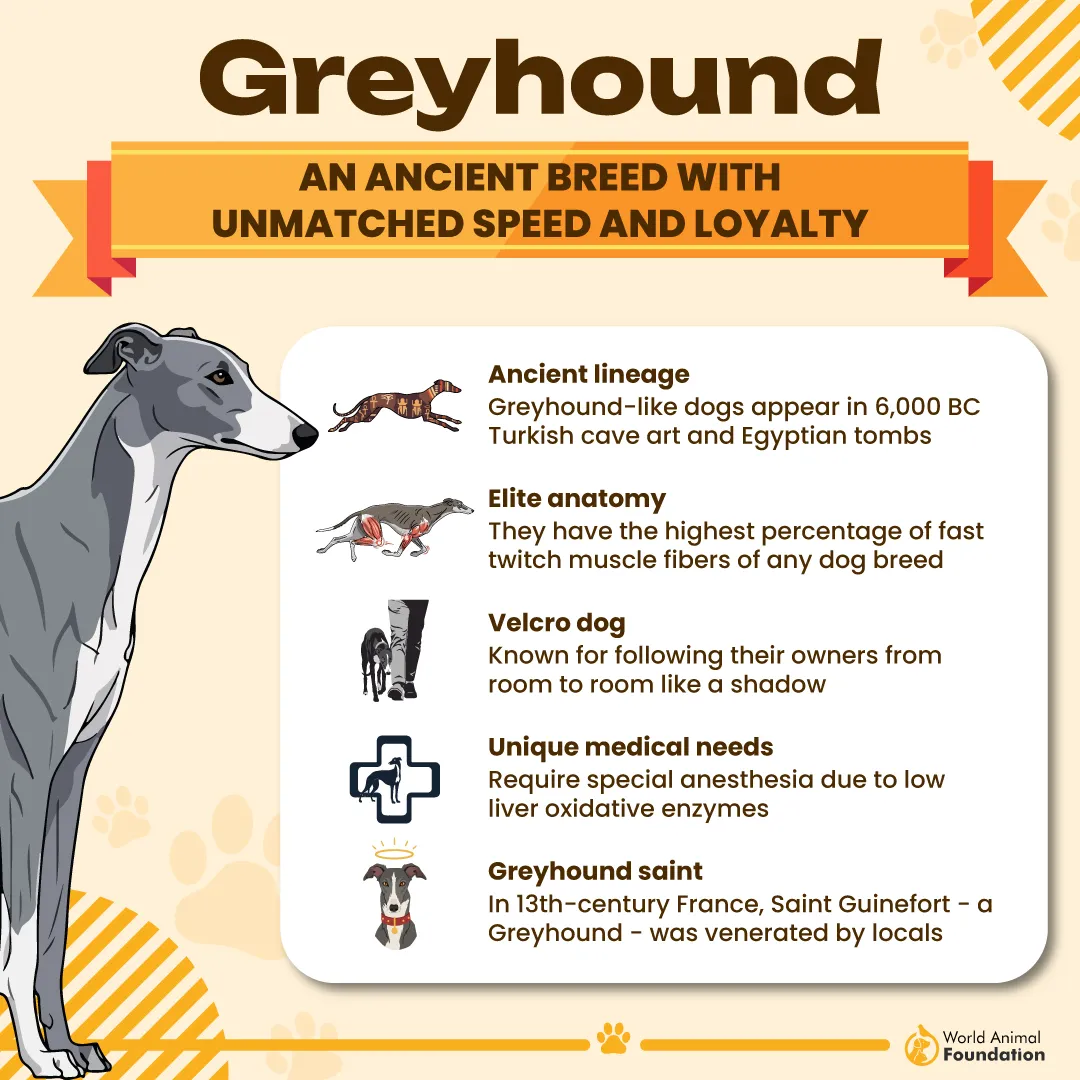
A Greyhound’s elegance isn’t just for show—they can sprint like the wind, making them the original canine Olympic athletes long before the concept existed.
Yet despite their athletic prowess, these dogs often prefer lounging on plush cushions, giving off an air of effortless aristocracy. Basically, they run like the wind but nap like kings.
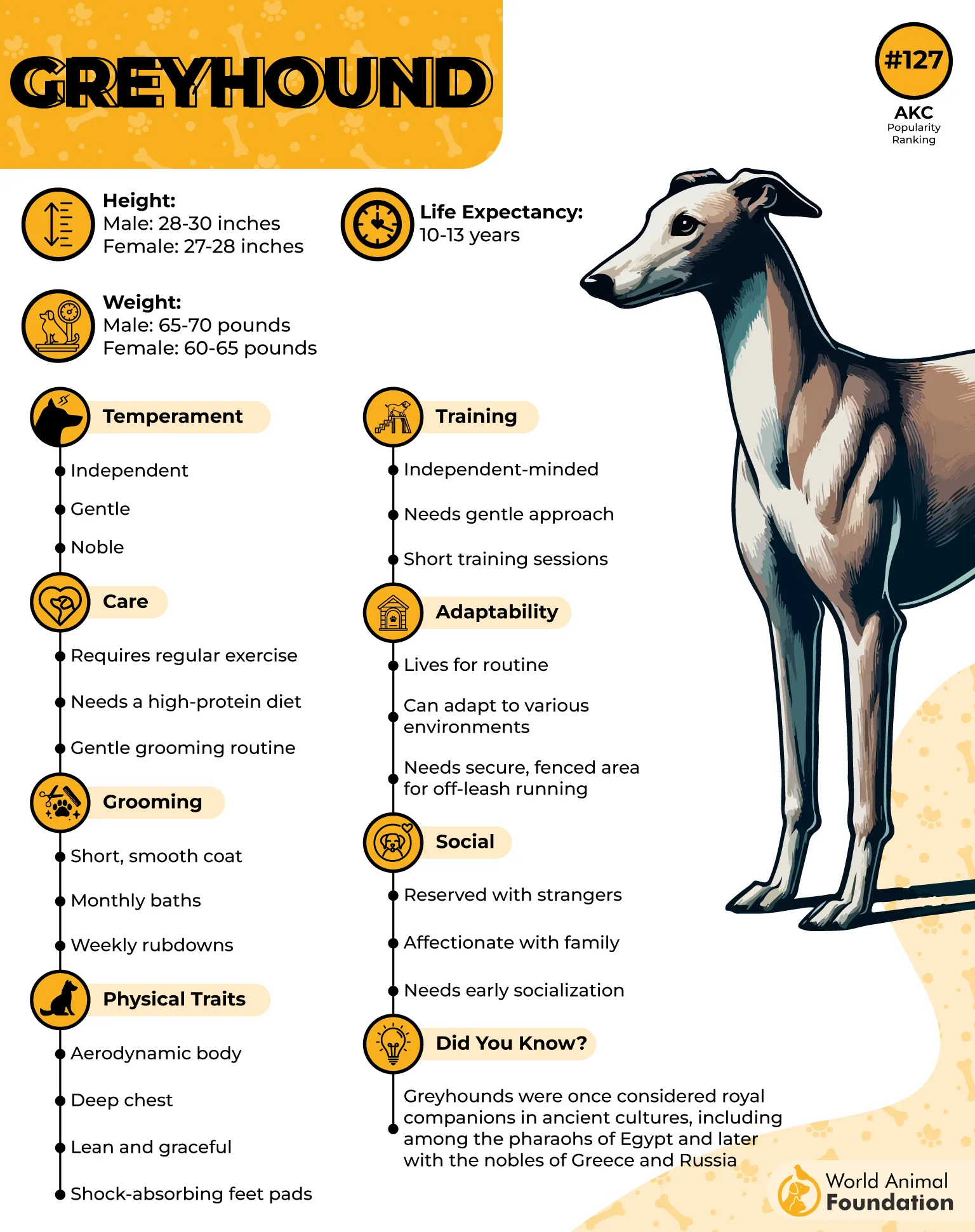
Owning a Greyhound was a subtle but clear status symbol: the faster the dog, the higher your nobility points.
Today, their grace and gentle demeanor continue to captivate dog lovers worldwide, proving that you don’t need a crown to be regal—sometimes, a long, lean snout and a poised stare will do just fine.
5. Afghan Hound
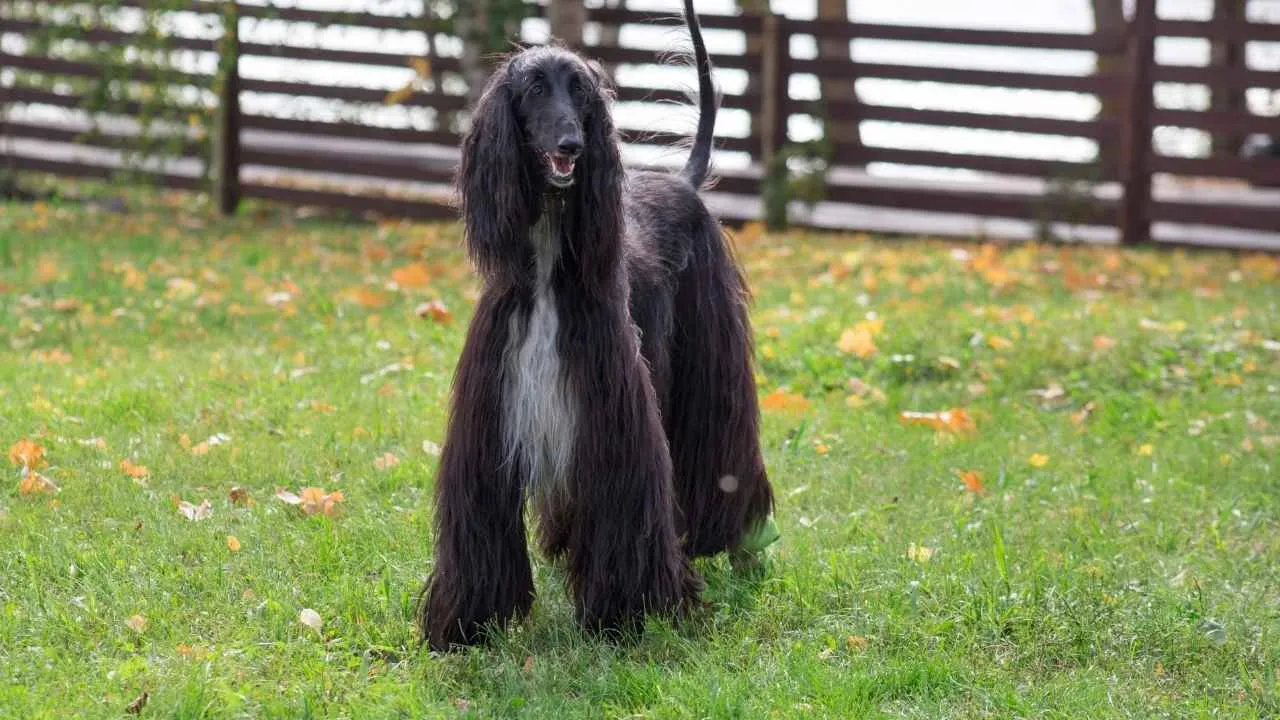
If elegance were a sport, the Afghan Hound would have a gold medal around its neck—literally. With its flowing, silky coat and aristocratic demeanor, this breed has been turning heads (and tails) for centuries.
Originating in the mountains of Afghanistan, these dogs were prized by nomadic tribes for their incredible speed, hunting skills, and ability to survive in harsh conditions.
But when word of their beauty and poise reached the courts of Europe, royalty couldn’t resist bringing them home as exotic companions.
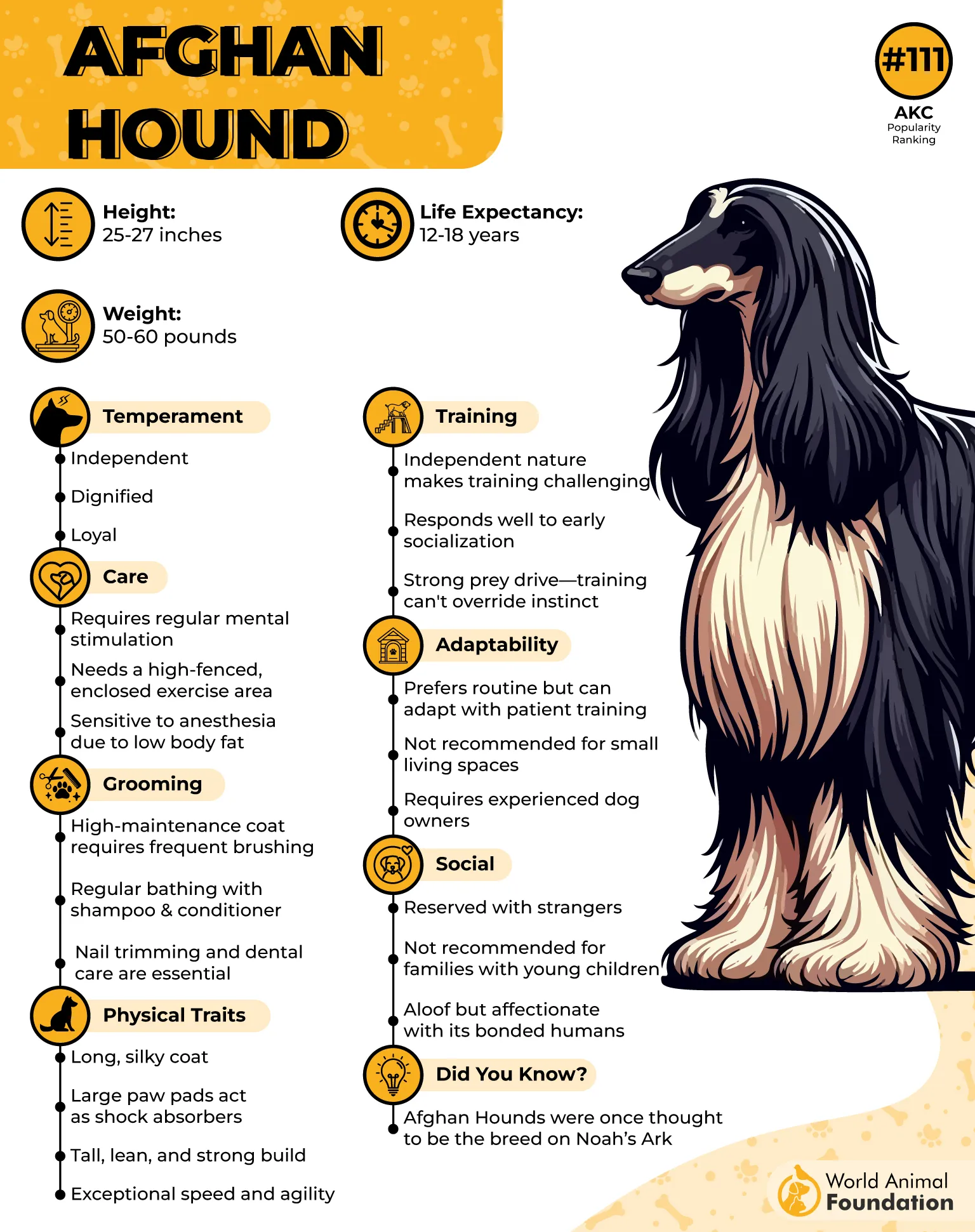
Afghan Hounds are the supermodels of the canine world: they walk with a regal gait, seem to have a permanent hair commercial in progress, and possess that ineffable aura of “I know I’m fabulous—and so do you.”
Nobles adored them not just for their looks, but for their grace, independence, and the subtle reminder that true royalty often prefers to march to its own beat.
Despite their glamorous exterior, Afghan Hounds have a playful and loyal side—though they’ll happily make you work for their affection.
Think of them as the kind of aristocrat who allows peasants… er, humans, into their inner circle—but only after passing a few tests of patience and admiration. Owning one is like having a living work of art that occasionally reminds you who’s really in charge of the household.
6. Saluki
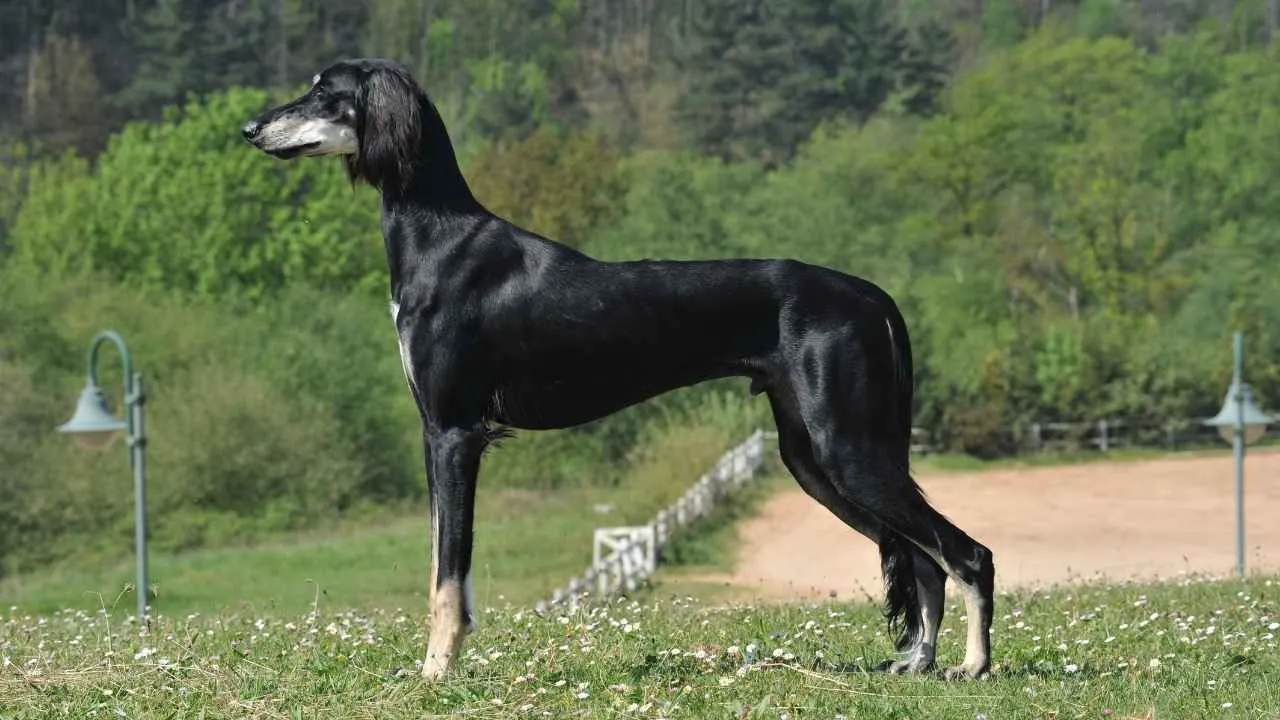
Meet the Saluki, often crowned the “Royal Dog of Egypt,” and it’s easy to see why.
Sleek, graceful, and almost ethereal in appearance, this breed has been a companion to royalty for millennia—so much so that ancient Egyptians sometimes mummified Salukis alongside their owners, a testament to the profound respect these dogs commanded.
These dogs weren’t just living statues of beauty—they were hunting specialists, admired for their speed, endurance, and uncanny ability to track prey across the desert.
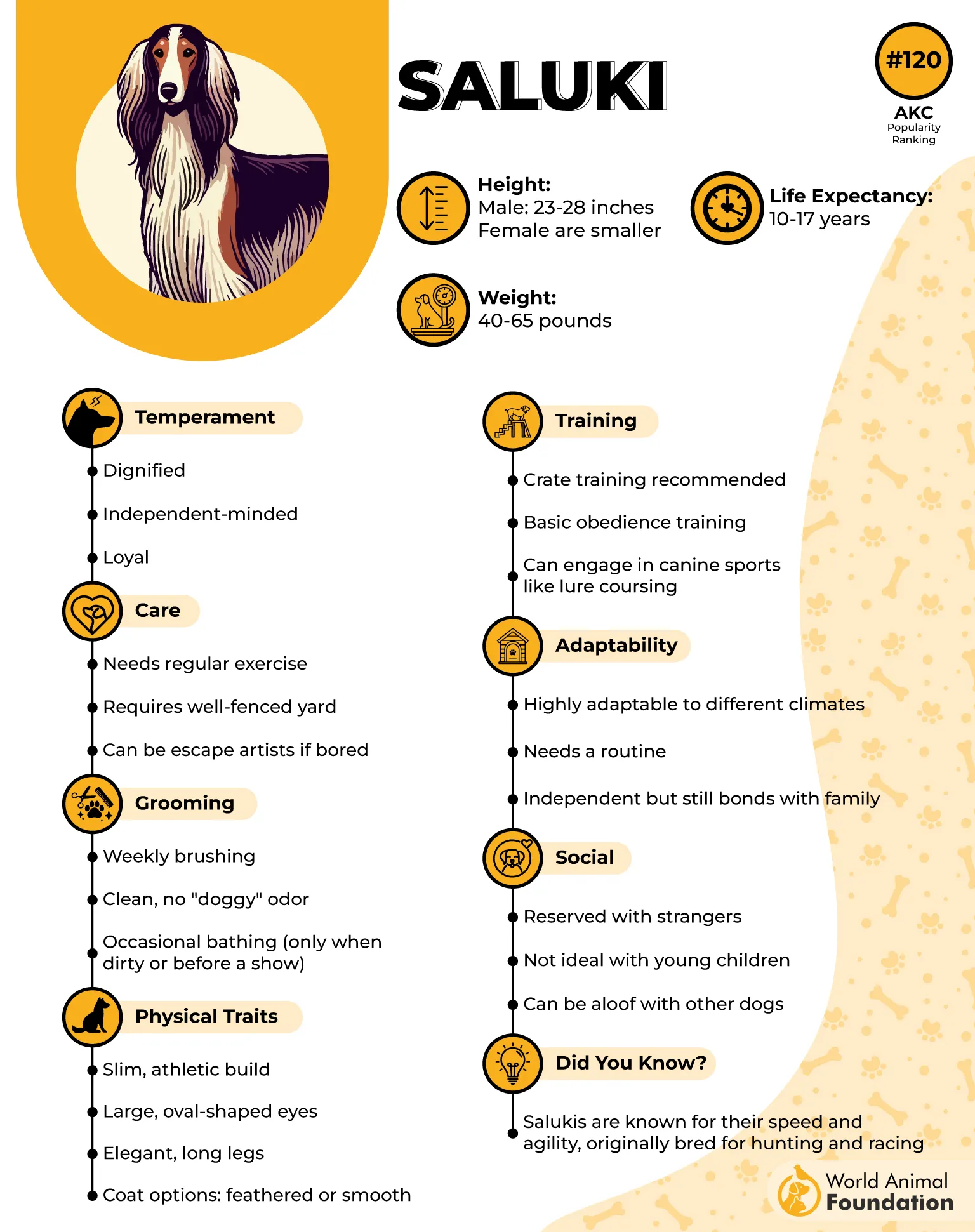
Bedouin tribes treasured them for survival, while the pharaohs and nobility used their presence as a status symbol: owning a Saluki was a clear sign that you were wealthy, powerful, and possessed impeccable taste.
Some Salukis even appear in ancient art dating back as far as 7000–6000 BCE, which is basically the doggy equivalent of having a royal portrait hanging in the Louvre.
Despite their exotic looks and noble history, Salukis are quietly affectionate and reserved. They’re fearless hunters, yes, but otherwise unaggressive—a subtle reminder that real royalty commands respect without needing to bark orders.
Not everyone is lucky enough to earn a Saluki’s devoted friendship, but if you do, it’s a privilege—and probably one that comes with a lot of graceful sidelong glances and “don’t rush me, peasant” energy.
7. Pharaoh Hound
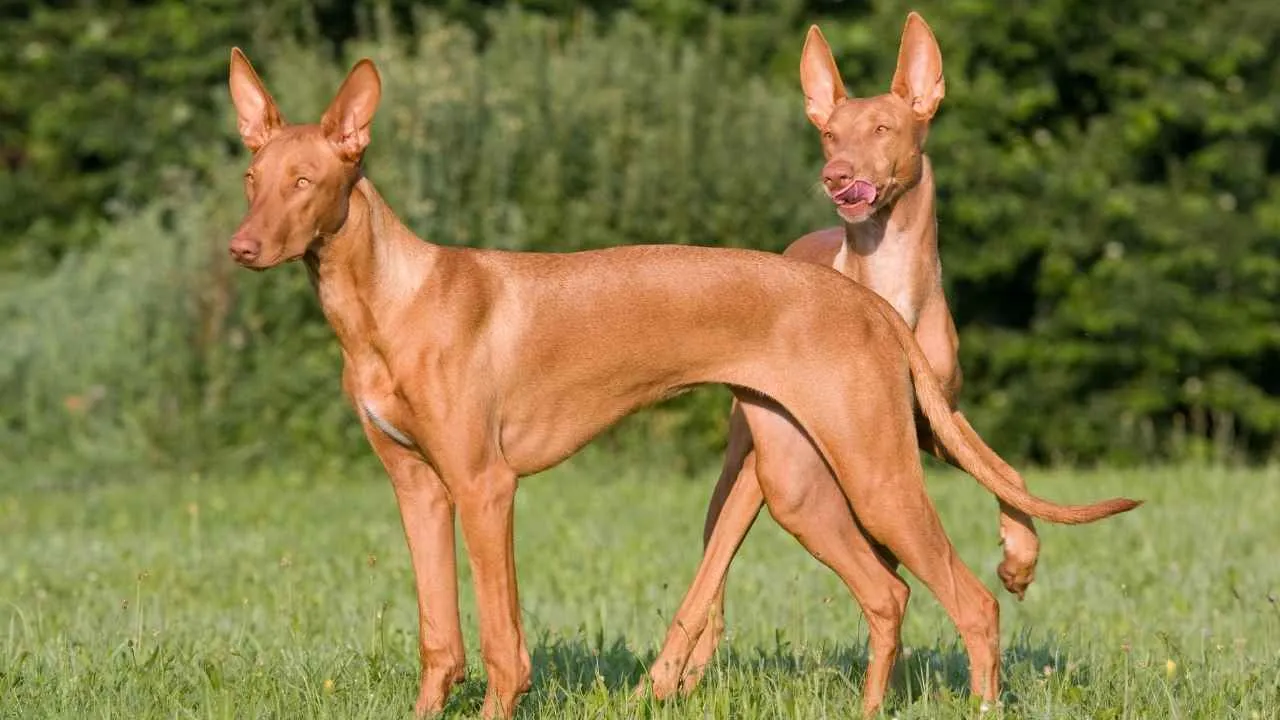
Say hello to the Pharaoh Hound, a dog that’s practically royalty in its DNA. Tracing its roots back over 5,000 years to ancient Egypt, this breed was a favorite of pharaohs and nobility alike.
You can spot them immortalized in tomb paintings, standing proudly beside kings and queens, proving that even 5 millennia ago, dogs were basically the ultimate status symbols.
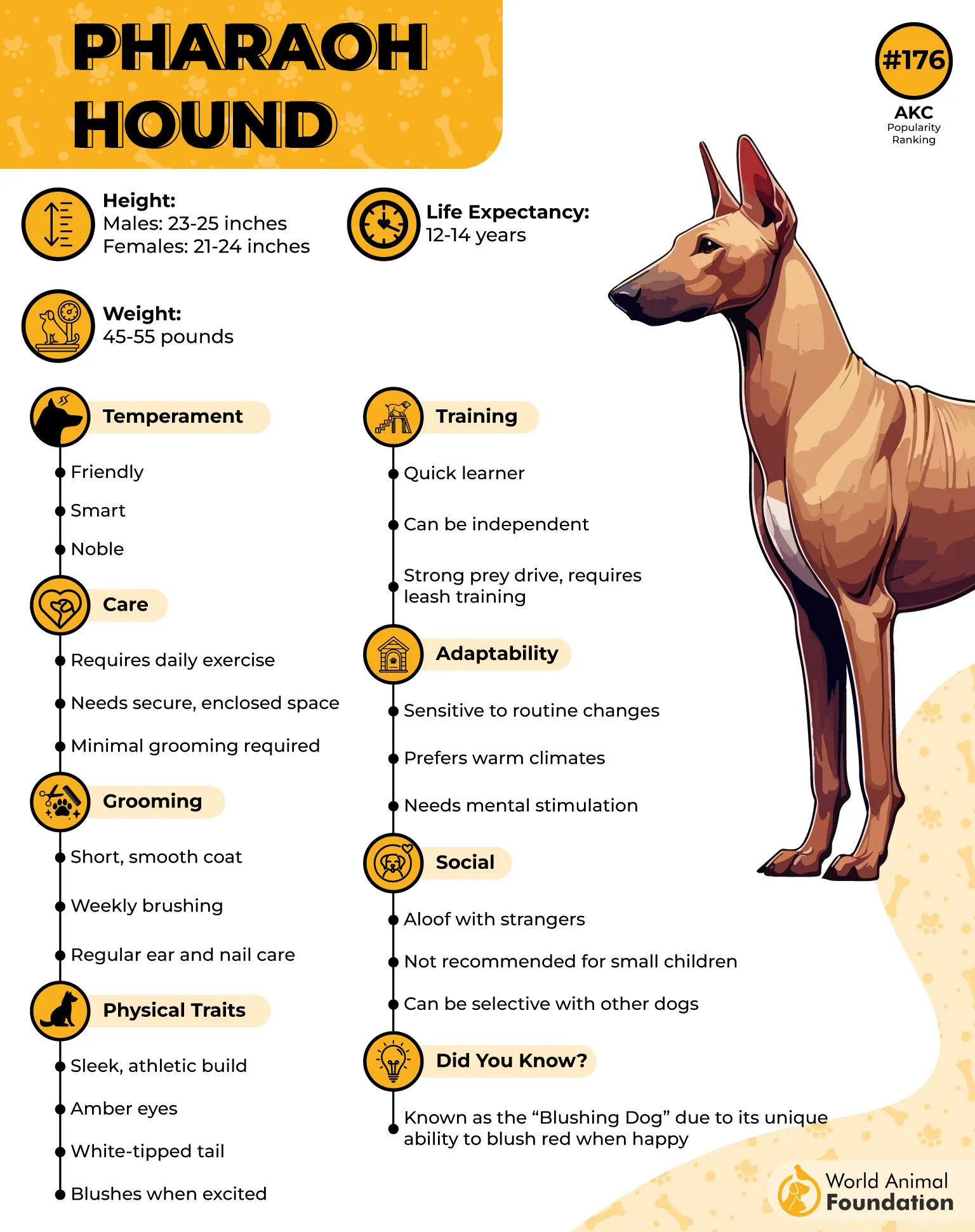
Known in Malta as the Kelb tal-Fenek, or “rabbit dog,” Pharaoh Hounds aren’t just statuesque companions—they’re expert hunters.
Traditionally, hunters release pairs of these dogs across the rocky Maltese countryside at night, letting them sniff out rabbits with the precision of a royal tracker, as per Wikipedia.
And despite their hunting prowess, they’ve still retained that signature aristocratic charm: a blushing face, pricked ears, and the kind of poise that makes you instinctively bow… or at least offer a treat.
Pharaoh Hounds are the perfect mix of elegance and athleticism. They carry themselves with dignity, move with a hunter’s grace, and have a knack for making everyone around them feel like they’re in the presence of canine royalty.
Loyal, intelligent, and playful, these dogs prove that nobility isn’t just about pedigree—it’s about attitude, and the Pharaoh Hound has it in spades.
Conclusion
Dog breeds that were once royal companions—such as the Pembroke Welsh Corgi, Pembroke Corgi, Japanese Chin, Yorkshire Terrier, Bichon Frise, Maltese Dogs, Jack Russell Terrier, and Great Pyrenees—have a long history of association with royalty across the world.
From Queen Victoria and King George VI to Queen Elizabeth II, King Henry III, Queen Camilla, and Prince Charles, these small dogs and lion-like dogs were cherished in royal households, imperial courts, and European aristocracy for their comforting nature, majestic appearance, and loyal companionship.
They were beloved by royal families in ancient China, ancient Egyptian tombs, French nobility, and Japanese royalty, and remain iconic symbols of elegance and devotion.
Many of these breeds continue to enjoy popularity today, celebrated as official dogs or companions of modern royalty, carrying forward a legacy of royal history, sacred status, and timeless charm.
