




Did you know that some of Germany’s most famous dog breeds, while intelligent and loyal, can also be quite the handful when it comes to behavior? Germany is home to many remarkable breeds celebrated for their working skills, confidence, and sharp minds, but those same traits can make them challenging to manage without proper training.
From stubborn streaks to high energy levels, certain German dogs demand an experienced hand and consistent guidance. Without it, they might outsmart their owners, ignore commands, or turn their strength into mischief.
Understanding which breeds are more prone to behavioral issues isn’t about labeling them as “bad,” but about recognizing the effort they require.
This guide explores some of the worst-behaved German dog breeds, why they develop those habits, and how dedicated pet parents can help channel their spirit into positive behavior rather than chaos.
Worst Behaved German Dog Breeds
1. Dachshund
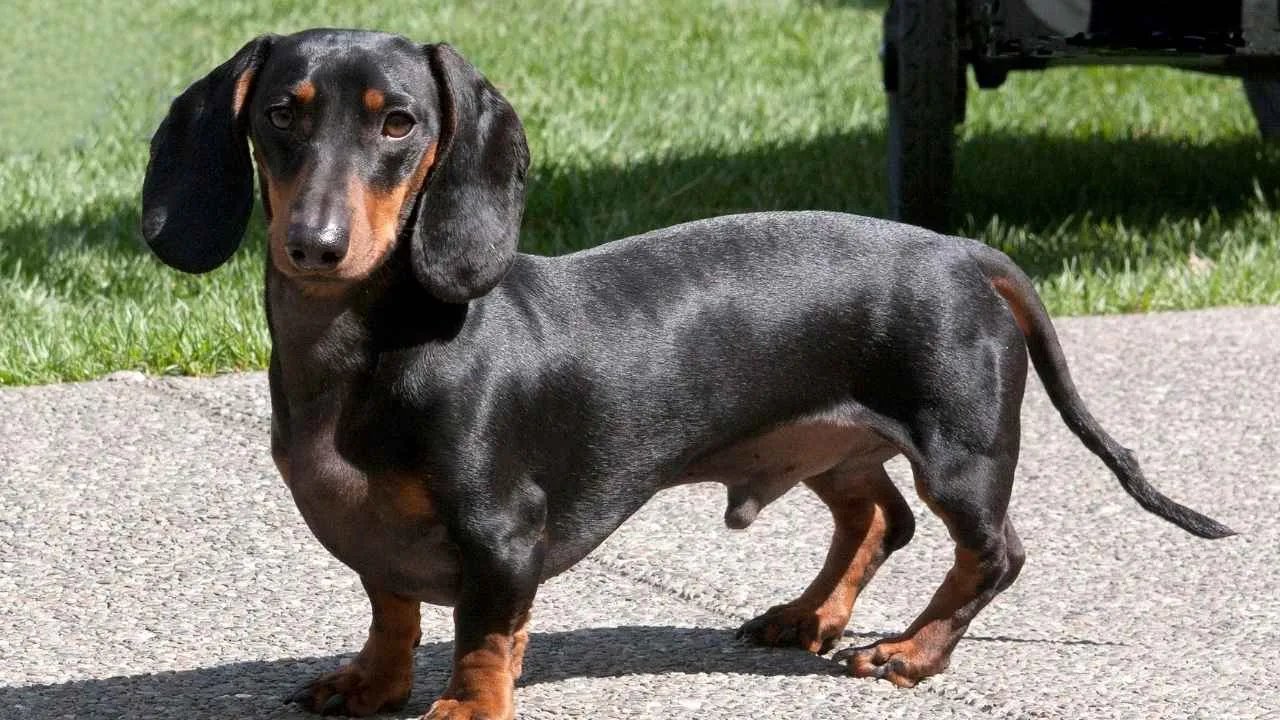
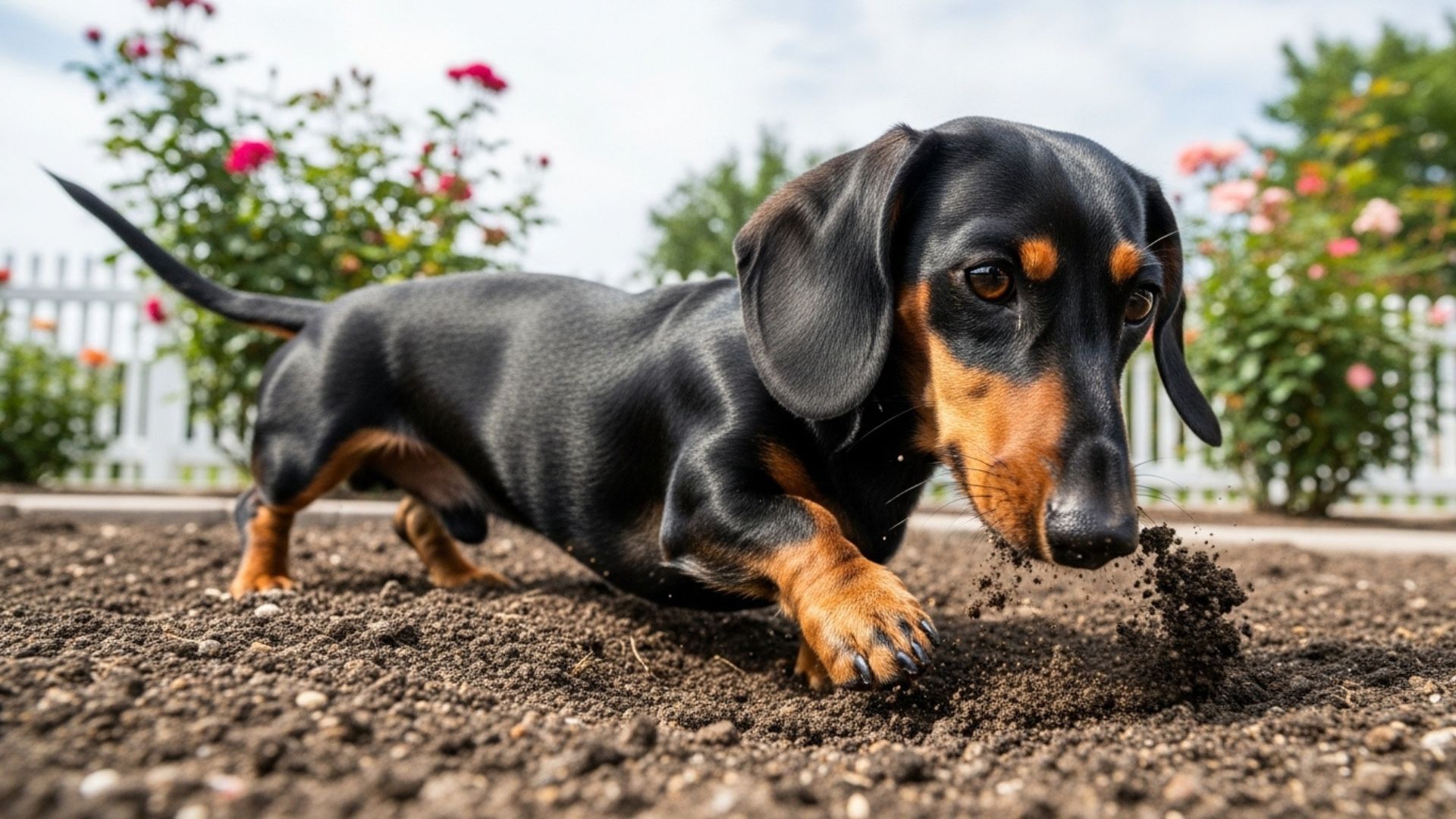
The Dachshund, affectionately known as the “sausage dog,” was originally bred in Germany to hunt badgers and other small burrowing animals. Their long bodies and short legs weren’t just cute quirks — they allowed them to dig fearlessly into tunnels and chase prey underground. Today, that same determination often shows up as stubbornness during training.
Despite their small size, Dachshunds possess a bold, confident attitude that sometimes borders on bossy. According to the AKC, they like to do things their own way, which can make obedience training a test of patience. Positive reinforcement and consistency are key to helping them learn good manners.
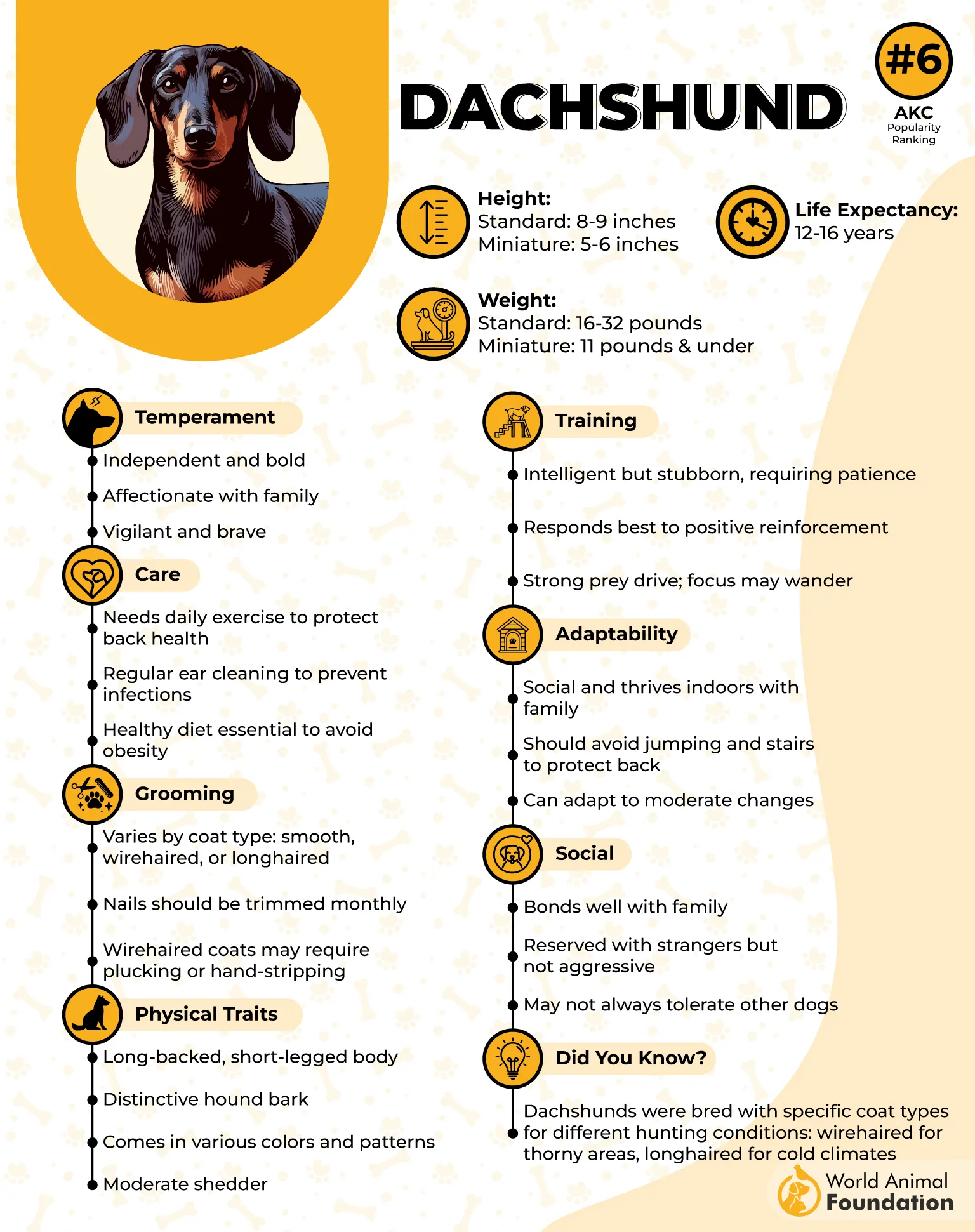
Their strong prey drive also means they’re quick to chase after small animals, which can lead to mischief if left unchecked. Socializing them early helps manage their curiosity and prevent overprotective behavior.
Dachshunds are alert and vocal, making them surprisingly effective watchdogs. However, their tendency to bark excessively can become an issue if not controlled through gentle correction and mental engagement.
For all their quirks, Dachshunds are loving, loyal, and full of character. Their fearless spirit and sense of adventure make them entertaining companions — just be prepared to handle their big personality in a small package.
Fun Fact:
The name “Dachshund” literally translates to “badger dog” in German, a nod to their original role as fearless underground hunters.
2. Rottweiler
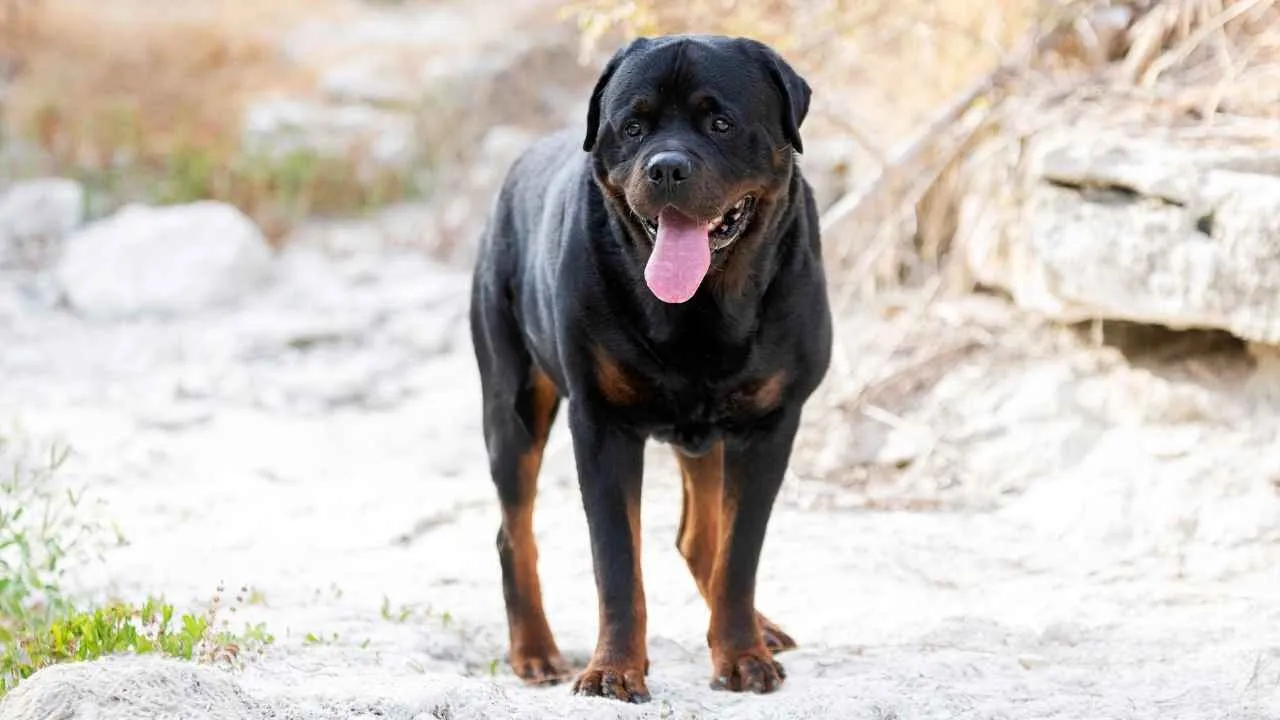
The Rottweiler is one of Germany’s oldest working breeds, originally used to herd cattle and pull carts for butchers. Known for their strength, intelligence, and confidence, they can be both dependable workers and formidable protectors. Without firm, consistent leadership, however, their natural assertiveness may turn into dominance issues.
Rottweilers are loyal to their families and have strong guarding instincts. This loyalty, while admirable, can lead to overprotective or territorial behavior if not balanced with proper socialization. They thrive under confident owners who set clear rules and boundaries.
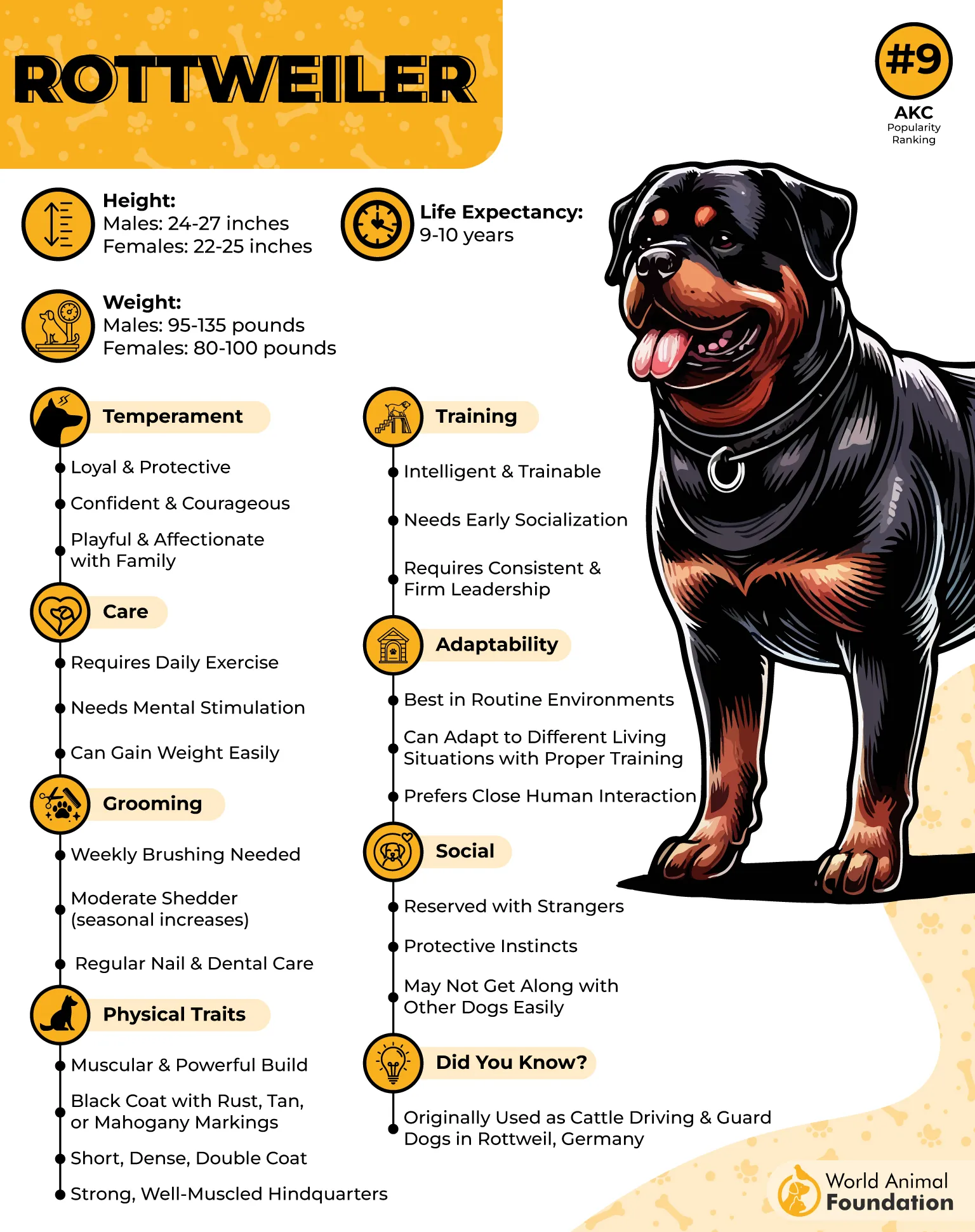
As per Britannica, training should begin early, focusing on obedience and positive reinforcement. Rottweilers respond well to structured routines and mental challenges that keep their powerful minds occupied. Neglecting this can lead to restlessness or destructive habits.
Despite their intimidating appearance, they’re affectionate companions when treated with respect and patience. Their calm confidence and sense of purpose make them highly capable, though inexperienced owners may find them overwhelming.
When raised correctly, Rottweilers display unwavering loyalty and intelligence. But without reliable guidance, their strength and independence can make them one of the more challenging German breeds to manage.
Fun Fact:
Rottweilers are descendants of ancient Roman drover dogs, known for marching alongside legions and guarding livestock across Europe.
3. Doberman Pinscher
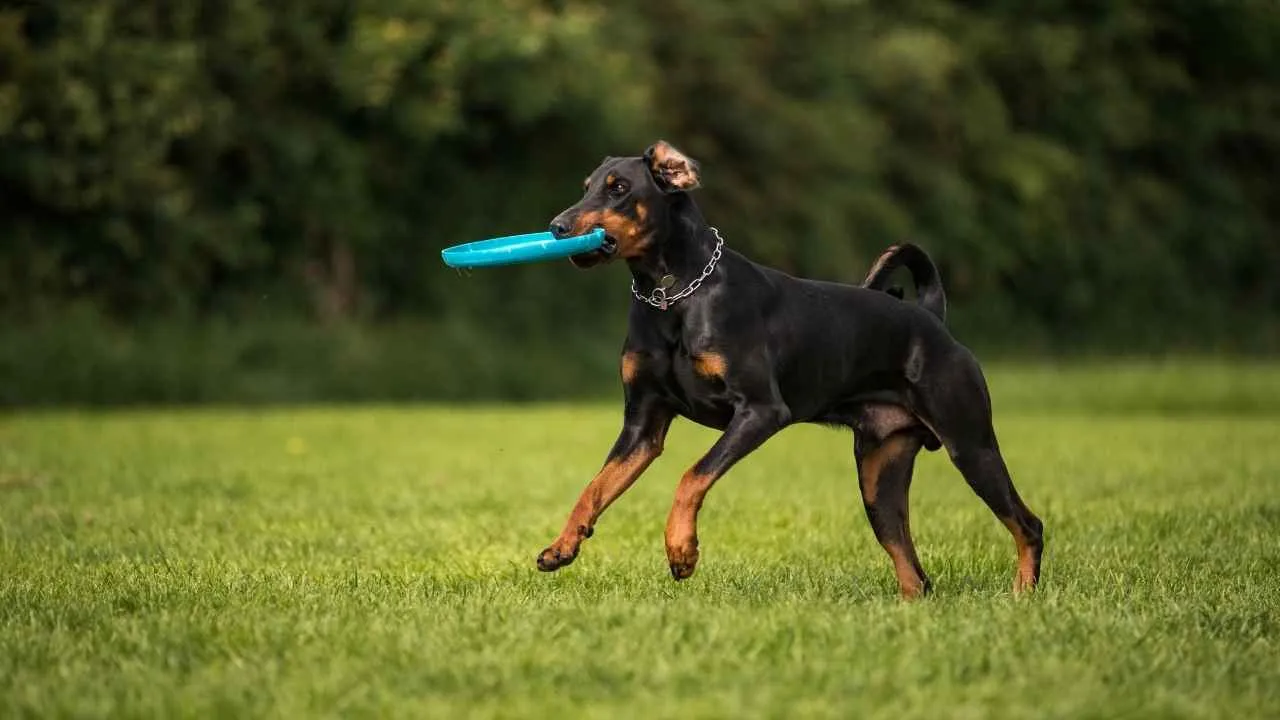
The Doberman Pinscher is sleek, intelligent, and fiercely loyal, often ranking among the most misunderstood breeds. Bred in Germany for protection, they combine athleticism with alertness, making them exceptional guard dogs. However, their intense energy and intelligence can lead to behavioral problems if not properly managed.
These dogs are highly trainable but need experienced handlers who can establish authority without harshness. Without a firm structure, Dobermans may become dominant or overly protective, misinterpreting normal situations as threats.
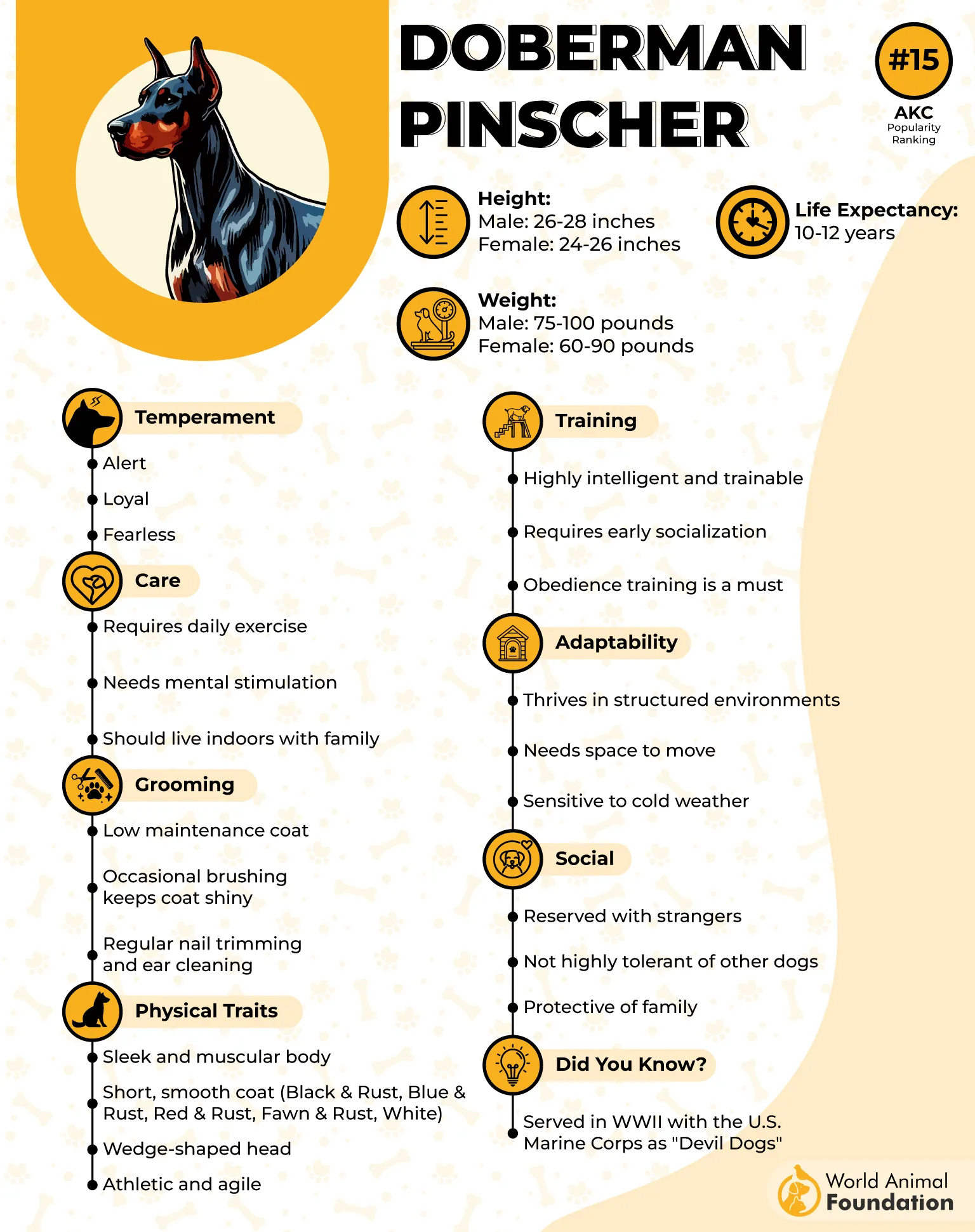
They require plenty of exercise and mental stimulation to stay content. A bored Doberman might become restless or display destructive tendencies, especially if left alone for long periods. Consistent activity and attention are essential.
With the right environment, they form deep emotional bonds and show incredible loyalty to their families. Their combination of strength, intelligence, and sensitivity makes them both powerful and affectionate companions.
Because of their commanding presence, Dobermans often attract admiration — but they demand respect, structure, and patience to bring out their best behavior.
Fun Fact:
Doberman Pinschers were created by a German tax collector named Louis Dobermann, who wanted a protective yet obedient dog to accompany him on his rounds.
4. Weimaraner

The Weimaraner, known for its sleek silver-gray coat, is an energetic and determined breed developed for hunting in Germany. Their intelligence and drive make them outstanding companions for active families, but they can become difficult for owners who can’t match their stamina.
This breed is highly affectionate and thrives on constant human interaction. When left alone too long, Weimaraners may develop separation anxiety, leading to excessive barking or destructive behavior. They do best with owners who include them in daily routines and outdoor activities.
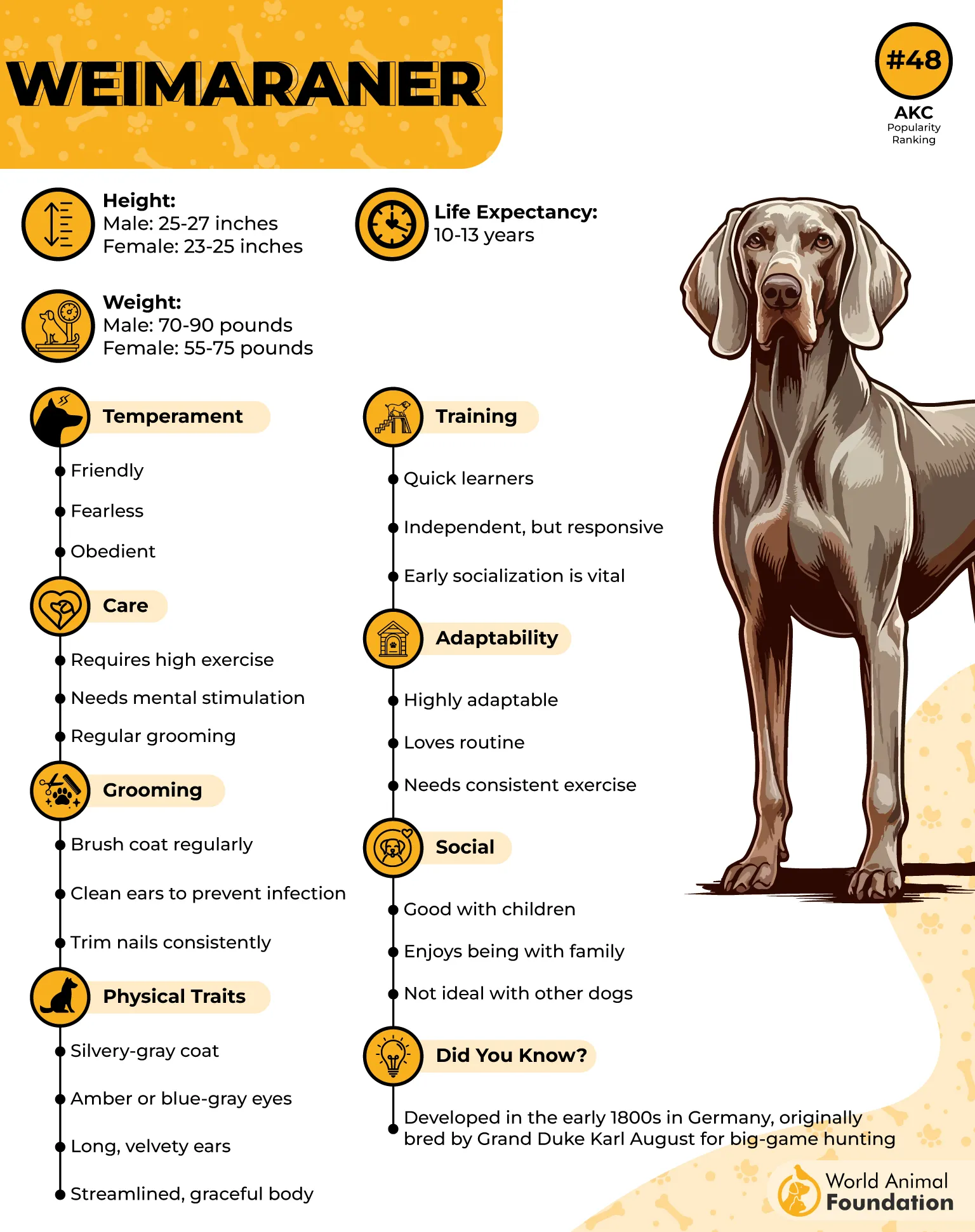
WebMD states that they’re quick learners, but their curiosity can make them stubborn or mischievous if training lacks consistency. Keeping them mentally engaged through varied exercises prevents boredom-related misbehavior.
Their athletic build and need for space make them better suited to active households than apartment living. With sufficient exercise, however, they can adapt and remain calm indoors.
The Weimaraner’s energy and intelligence are unmatched, but without structured guidance, they may outthink their owners. They need patient, committed training to channel their intensity into positive behavior.
Fun Fact:
Weimaraners were originally bred by German nobles for hunting large game like boar and deer, earning them the nickname “Gray Ghost” for their stealth and striking color.
5. Miniature Pinscher

The Miniature Pinscher, often called the “King of Toys,” is a small but spirited dog with an attitude that far exceeds its size. Originally bred in Germany to hunt rats in homes and stables, this breed’s confidence and energy remain unmatched. Their fearless demeanor can sometimes lead them into trouble, especially if not trained early.
Miniature Pinschers are curious, alert, and incredibly intelligent. However, their independence often makes them stubborn learners. Owners need to use positive reinforcement and short, engaging training sessions to keep their attention.
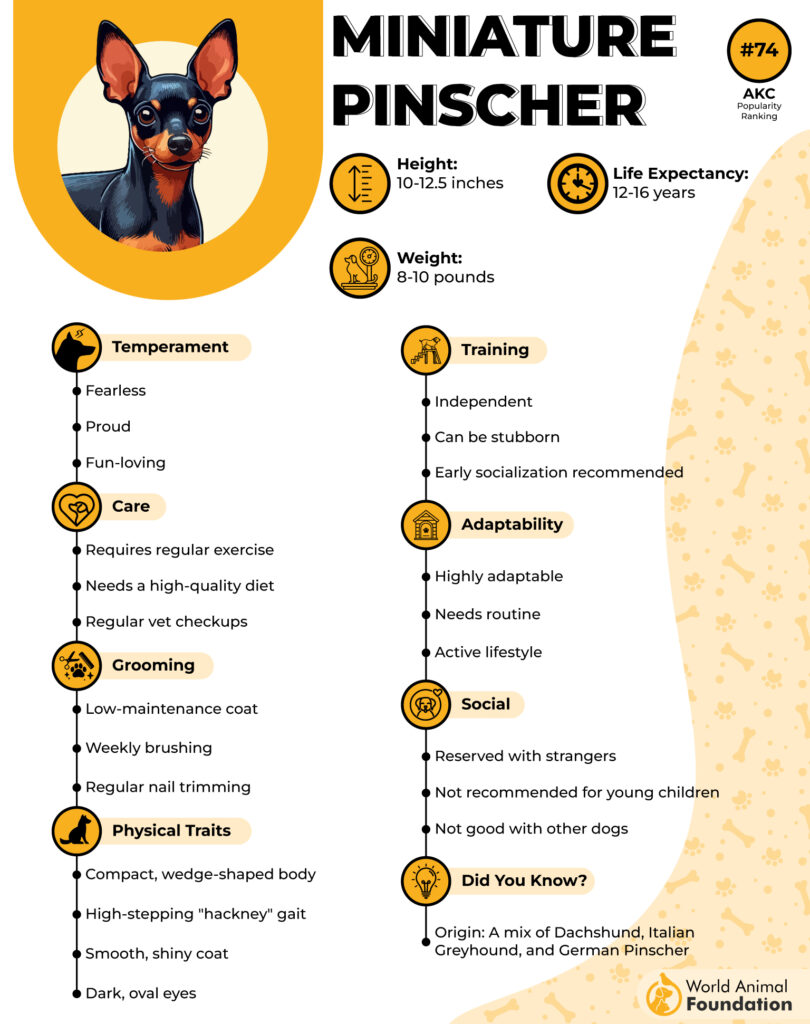
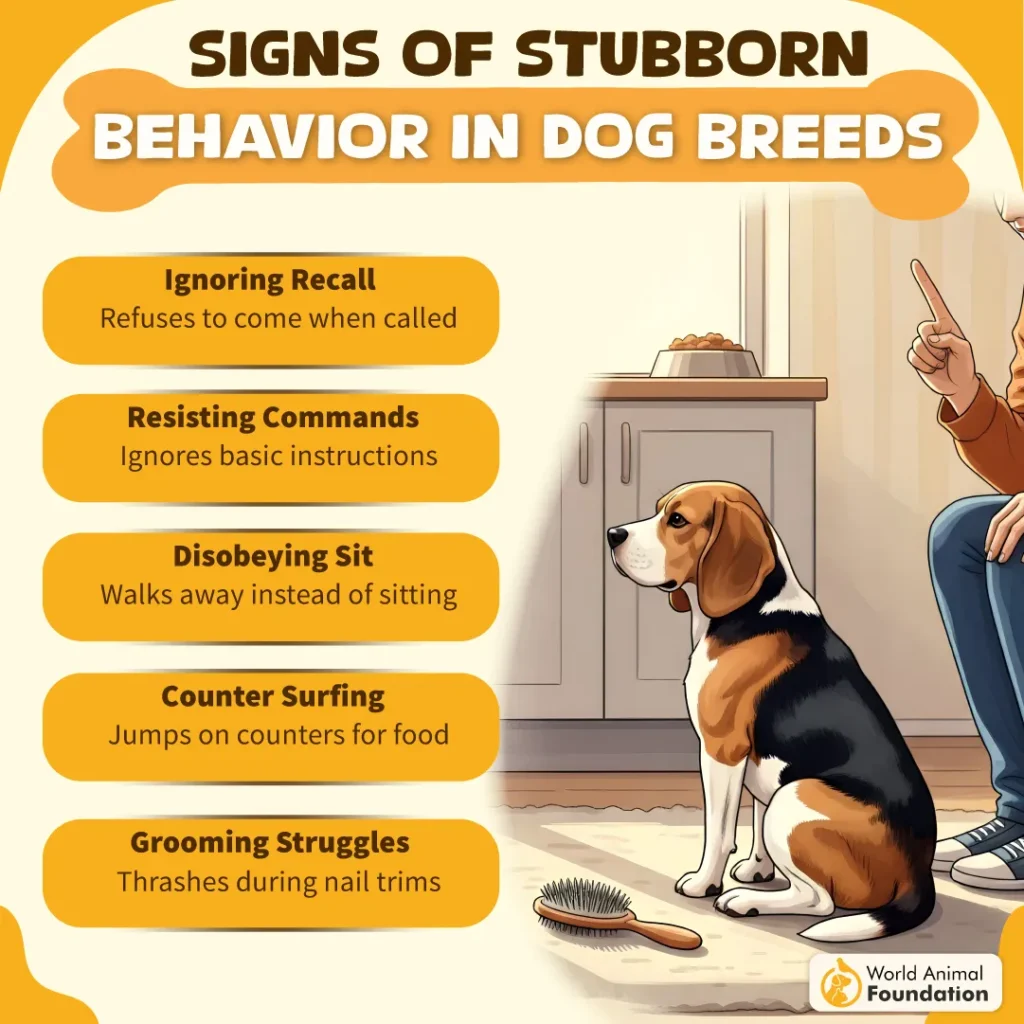
These little dynamos are full of energy and require regular exercise to prevent boredom. Without enough activity, they can become noisy, mischievous, or develop small-dog syndrome — believing they’re much larger than they are.
Although tiny, Miniature Pinschers make vigilant watchdogs and are quick to announce visitors. Socialization helps temper their assertiveness, turning their bold confidence into balanced charm.
Their playful personality and affectionate nature make them delightful companions for experienced pet parents. But for first-time owners, their sass and self-assurance can feel like a full-time challenge.
Fun Fact:
Despite their resemblance to Dobermans, Miniature Pinschers are not miniature versions — they’re an older, separate breed with their own proud history.
6. German Shorthaired Pointer
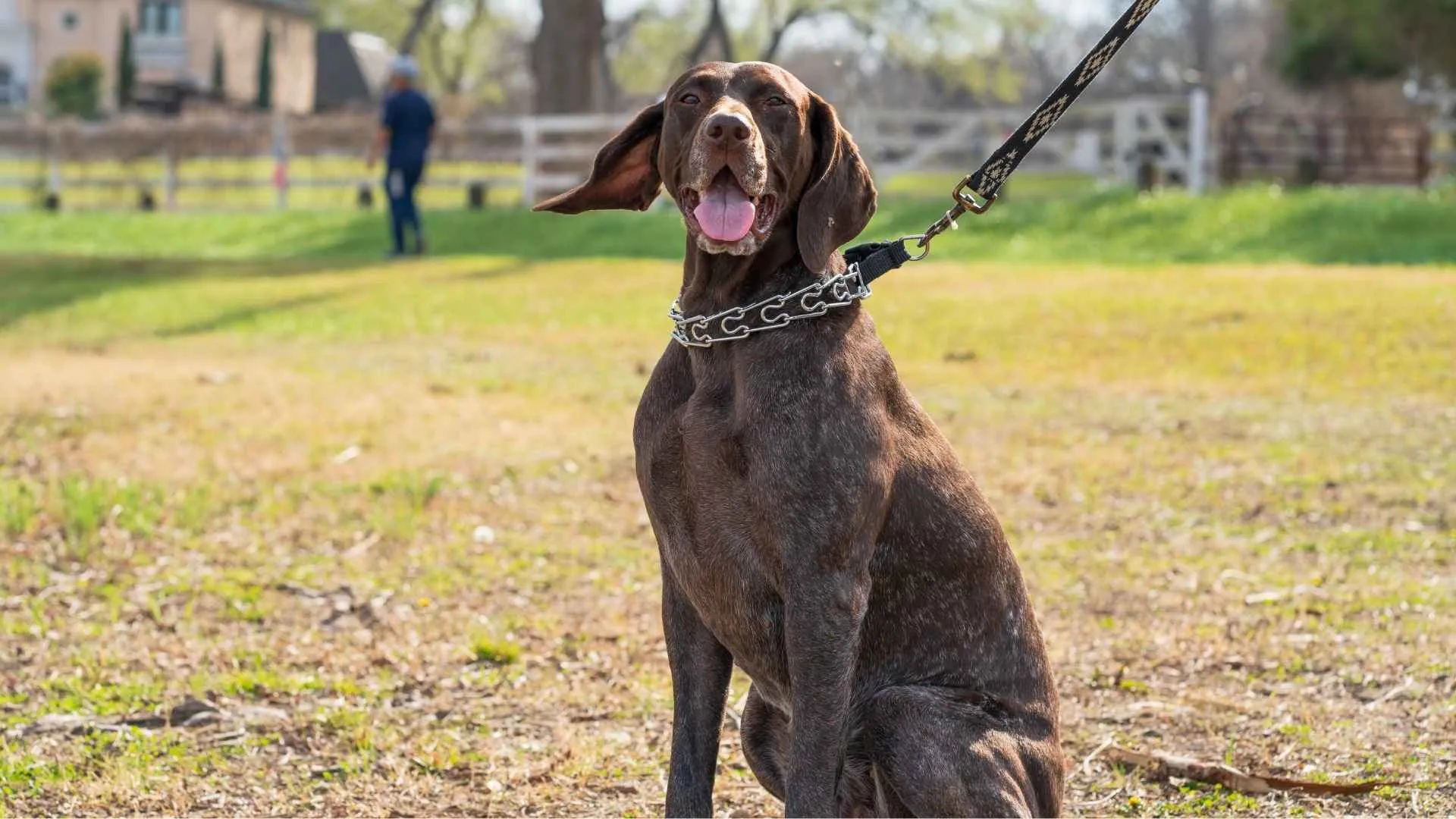
The German Shorthaired Pointer (GSP) is a versatile hunting breed celebrated for its athleticism, intelligence, and endurance. Originally bred for both land and water work, it has boundless energy that makes it a joy for active owners — and a handful for less experienced ones.
GSPs are affectionate and eager to please, but their high energy demands consistent outlets. Without proper exercise and mental stimulation, they can become restless, destructive, or prone to excessive barking.
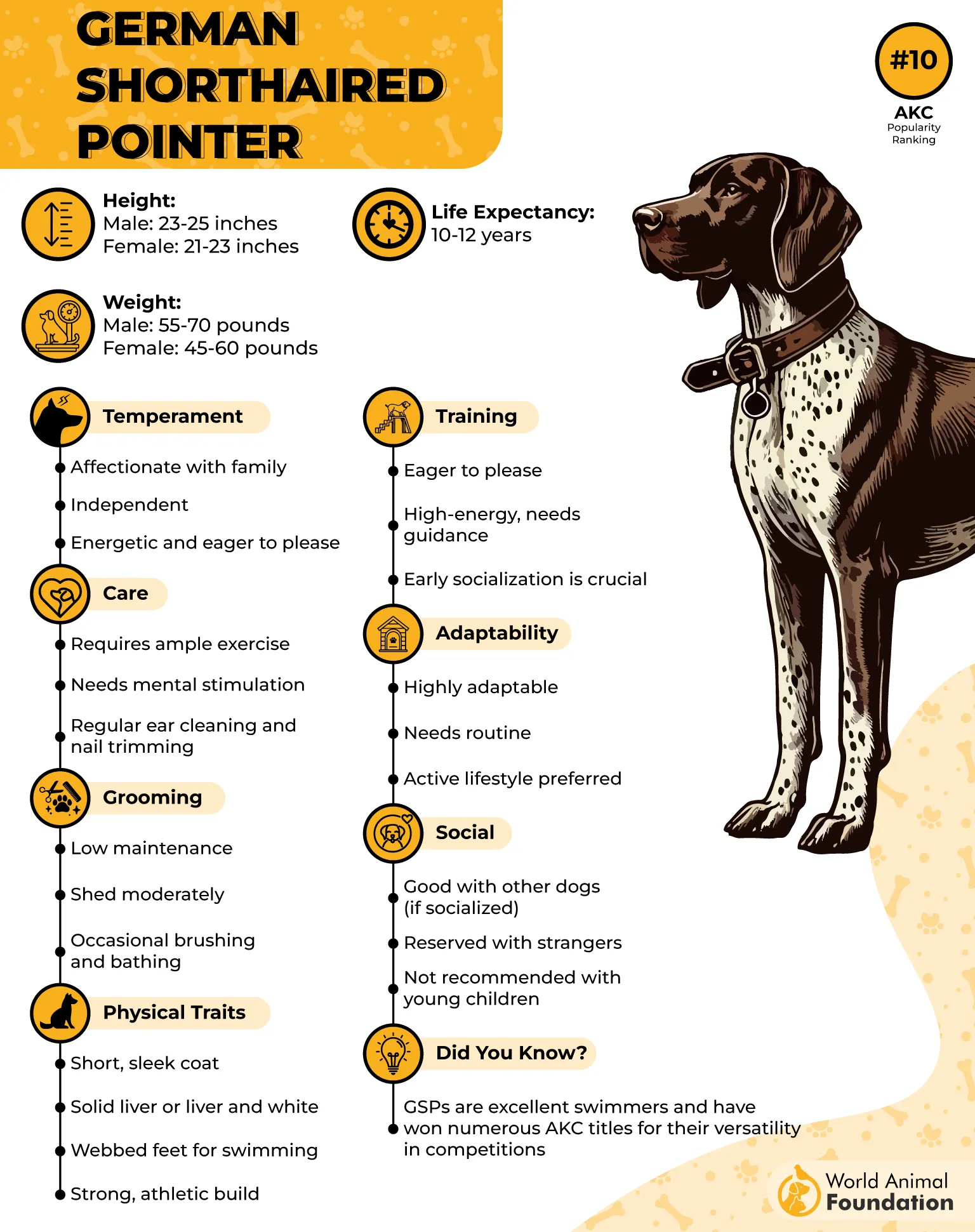
Training comes easily when started early and reinforced positively. However, their sharp minds mean they can quickly grow bored with repetition, so variety is key to maintaining focus.
Their short coat is easy to maintain, and their love for the outdoors makes them ideal companions for hiking, running, or any adventure that burns off energy. They thrive on companionship and dislike being left alone for long periods.
When guided with patience and structure, the German Shorthaired Pointer becomes a loyal, loving family member. Yet without enough attention, they can turn their intelligence into mischief.
Fun Fact:
German Shorthaired Pointers are natural multitaskers — bred to point, retrieve, and track — making them one of the most versatile sporting dogs in the world.
7. Great Dane
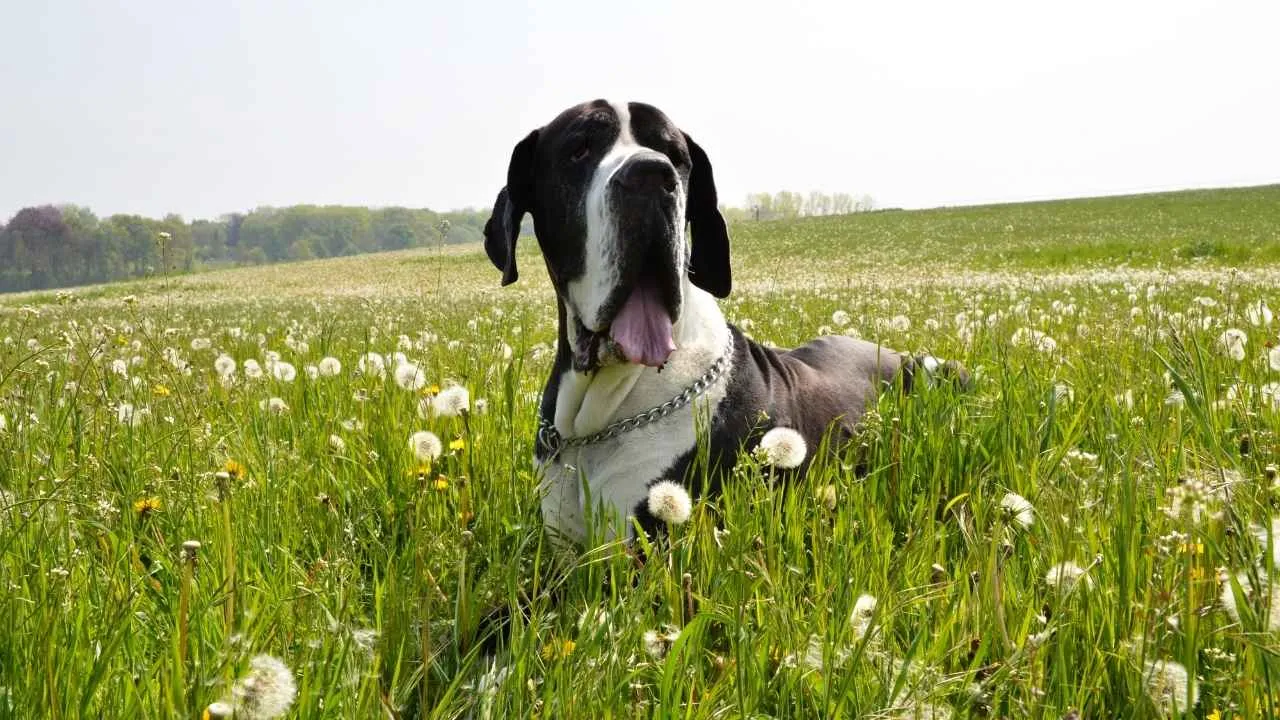
The Great Dane, known for its towering size and gentle demeanor, often surprises people with its affectionate and sensitive nature. Despite their nickname “gentle giants,” they can be quite stubborn and even clumsy if not properly trained from an early age.
These dogs require consistent training and socialization to channel their strength and size responsibly. Without guidance, a playful leap or push can easily knock over furniture or people.
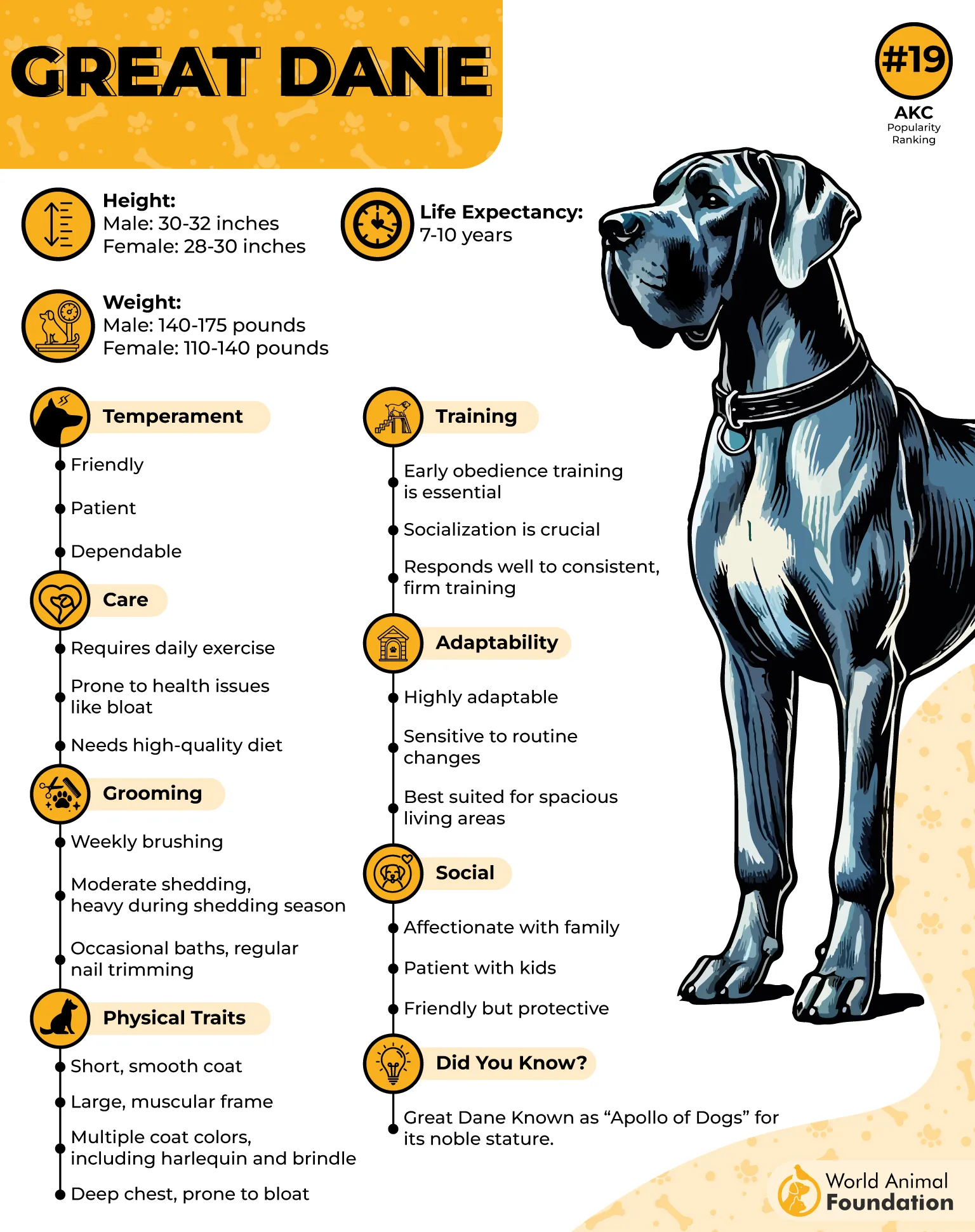
While they’re generally calm indoors, Great Danes need daily walks and opportunities to stretch their long legs. Lack of activity or attention can lead to boredom-driven mischief, such as chewing or ignoring commands.
They’re devoted family companions who crave closeness with their humans, often following them from room to room. However, their emotional sensitivity means they don’t respond well to harsh correction — gentle firmness works best.
With proper care and understanding, Great Danes grow into majestic, well-mannered companions. Their combination of strength, grace, and affection makes them unforgettable — though sometimes a bit of a handful.
Fun Fact:
Great Danes were originally bred in Germany as boar-hunting dogs but became symbols of nobility, admired for their regal appearance and loyal nature.
FAQs
Which German breeds are the most challenging for inexperienced owners?
High-energy and strong-willed dogs can be tough for new dog owners to manage. Their confidence and independent temperament often lead to unpredictable behavior without proper structure and training.
What are the common training mistakes people make with German breeds?
Inconsistent rules, lack of mental stimulation, and poor socialization are major mistakes. Many owners underestimate their intelligence, leading to boredom, aggression, or escape attempts.
How much exercise do high-energy German breeds really need?
They need at least one to two hours of daily activity, including long walks, games, and mental challenges. Regular exercise prevents aggression, restlessness, and unwanted jumping or destructive habits.
Conclusion
German breeds are admired for their intelligence, loyalty, and confidence, but even the best friend can become difficult without proper guidance. Many of the worst-behaved dog breeds share one thing in common — they require consistency, patience, and early training.
According to the American Kennel Club, prospective owners should focus on socialization, diet, and understanding their dog’s temperament before choosing. While some popular dog breeds like the German Shepherd, Boxer, or Cane Corso can display unpredictable behavior, proper training reduces risk and aggression.
Other dog breeds, such as the Golden Retriever, Labrador Retriever, Boston Terrier, Poodle, Beagle, French Bulldog, and Cavalier King Charles Spaniel, are considered among the most behaved dog breeds, recommended for those seeking balance, kindness, and quality companionship.
