




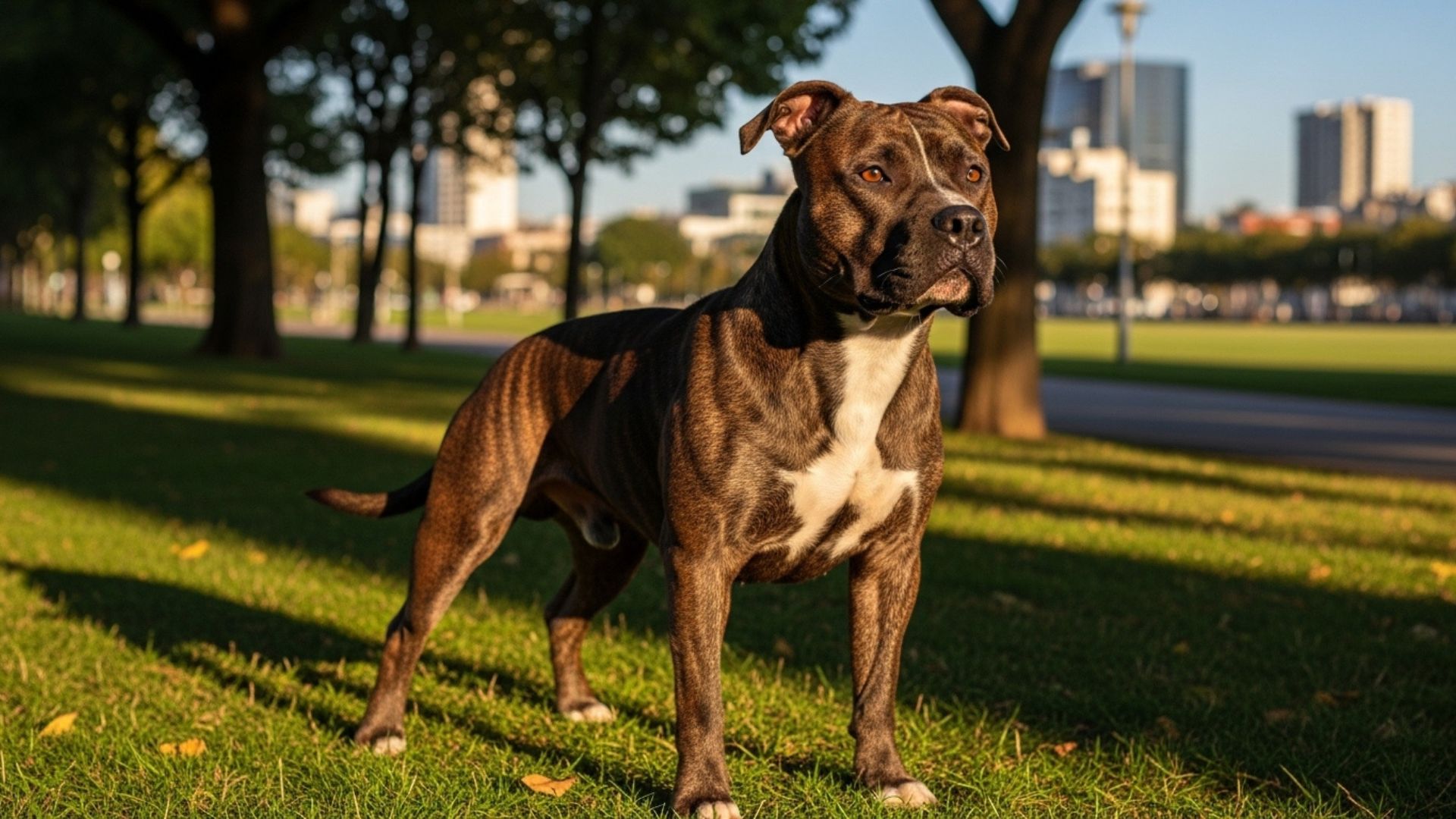
Bringing home your very first dog is an exciting milestone. It’s the start of a new friendship, daily walks, silly moments, and plenty of cuddles. But before you pick out your future best friend, it’s important to remember that not all dogs are equally suited for beginners.
According to the Centers for Disease Control and Prevention, about 4.5 million people in the U.S. are bitten by dogs each year, with a portion of those incidents leading to serious injuries.
While any dog can bite if it feels threatened or poorly trained, certain breeds are statistically more likely to cause severe harm simply because of their size, strength, and instincts.
That doesn’t mean these dogs are “bad” or unlovable—they’re often loyal and protective in the right hands. But for a first-time owner, choosing a breed that’s easier to manage, train, and socialize will set you (and your pup) up for a much happier experience.
In this article, we’ll explore the breeds experts recommend avoiding if you’re new to dog ownership, and why making a thoughtful choice matters so much for both you and your furry companion.
Key Takeaways
Thinking of getting your first dog? This article breaks down why some breeds, despite their beauty or popularity, can be a real handful for beginners.
You’ll discover which dogs are most likely to cause problems due to their strength, protective nature, and endless energy—and why they’re better suited for experienced owners.
Learn fascinating facts like which breeds have the most powerful bite forces and how poor training or socialization can turn even loyal dogs into potential risks.
Most importantly, you’ll see why not every adorable or loyal breed is the right fit for beginners—and how choosing the wrong one can quickly turn an exciting first-time experience into a difficult and even dangerous challenge.
Dangerous Dog Breeds To Avoid As A First-Time Owner
1. Belgian Malinois
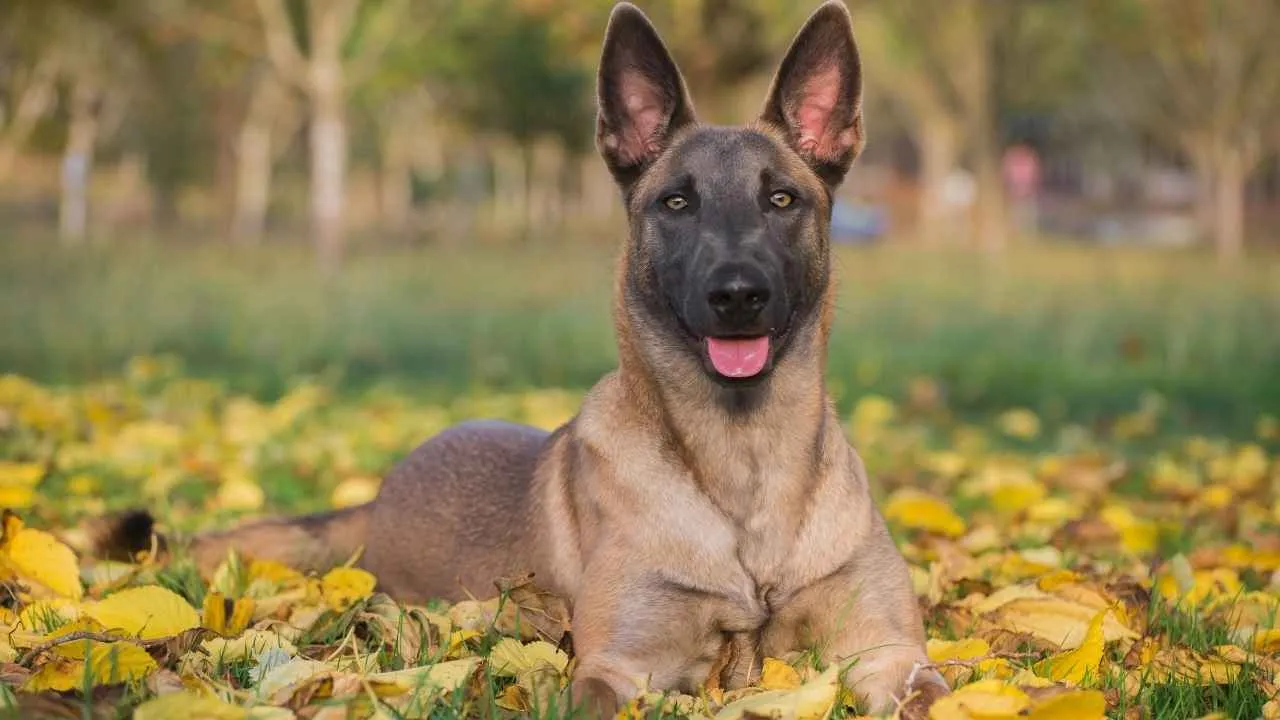
The Belgian Malinois is one of the smartest and hardest-working dog breeds. Originally bred for herding, they are now commonly used in military and police roles because of their sharp intelligence and athletic build. They form an intense bond with their owners and thrive when given a job to do.
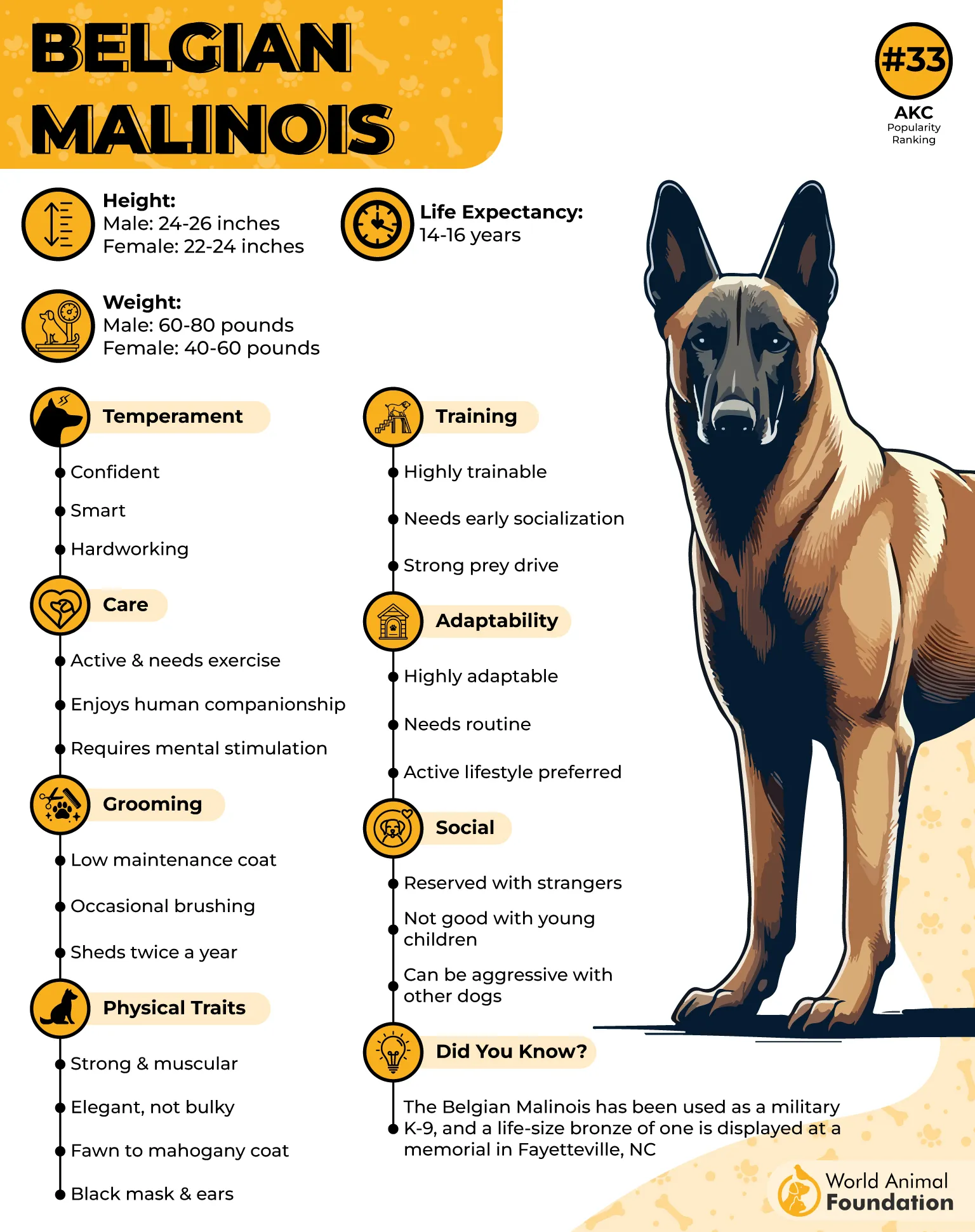
High Energy and Dangerous Potential
This is not a breed that can sit idle. Belgian Malinois demand constant exercise, training, and mental challenges. If neglected or poorly trained, they can become restless and destructive.
Their strong protective instincts, paired with their bite force of around 195 PSI, make them a serious risk in the wrong hands. They also have a high prey drive, which means small pets or even strangers can become targets of their aggression if they are not properly trained.

Not for First-Time Pet Parents
The Malinois can be an incredible partner for someone with experience and dedication. But for first-time owners, their intensity often becomes overwhelming.
Without proper mental and physical stimulation, they can develop destructive behaviors. They need expert handling, not casual pet ownership.
2. Siberian Husky
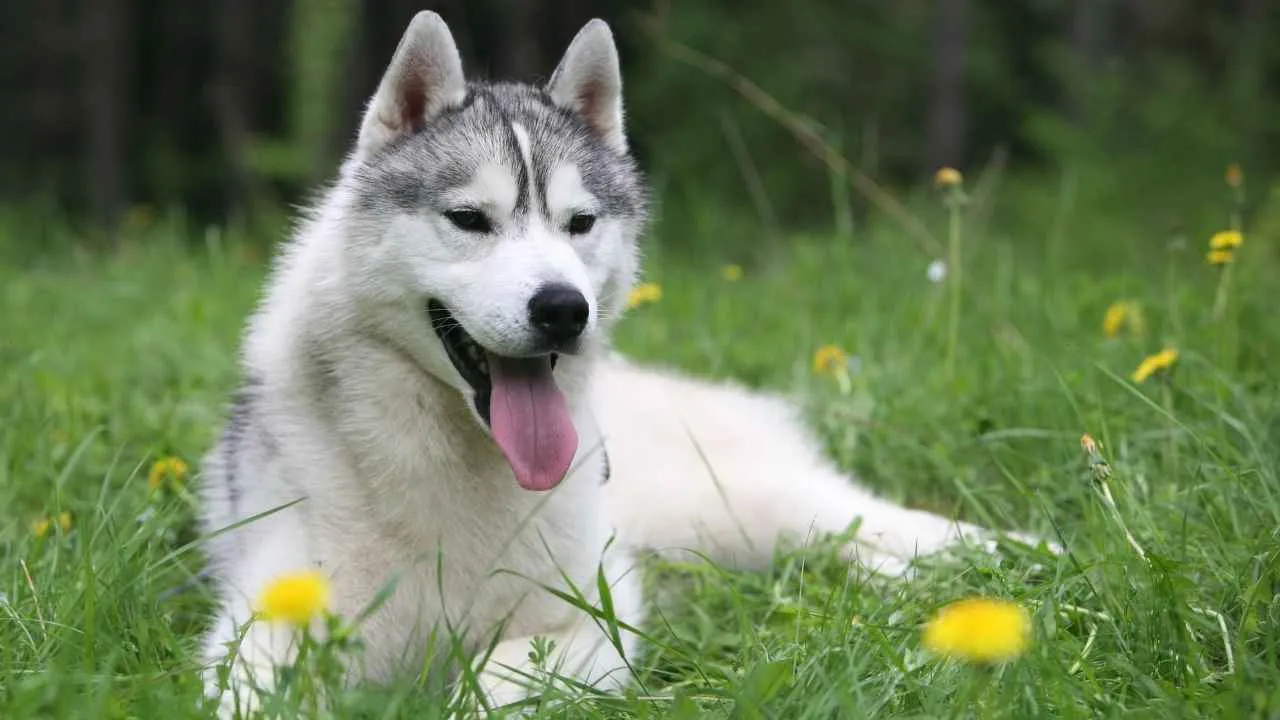
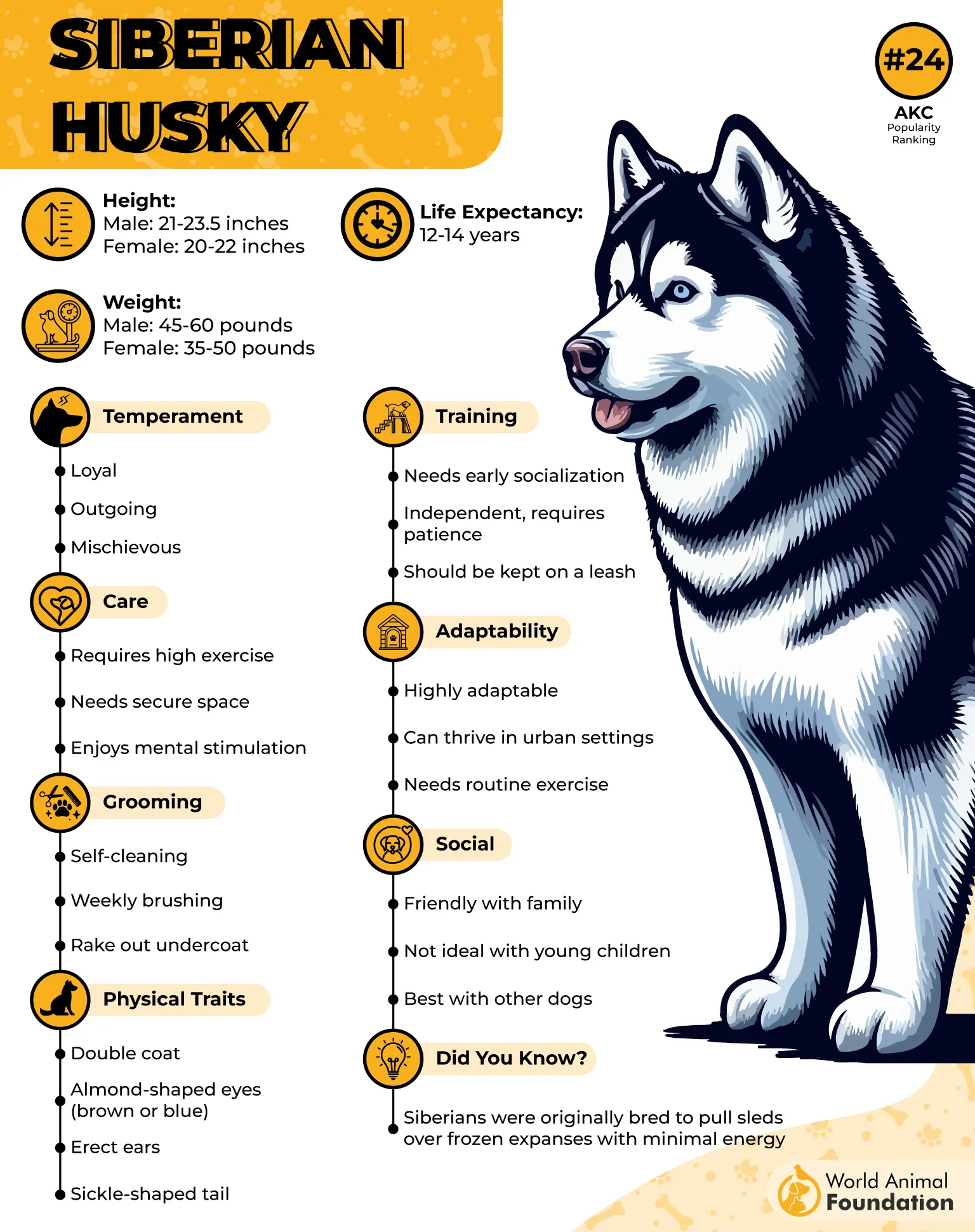
The Siberian Husky is one of the most beautiful and recognizable dog breeds. Known for their striking looks and playful nature, they often attract first-time owners.
But beneath their charm, Huskies are powerful sled dogs that pulled sleds for long distances in harsh climates. Their incredible endurance means they need far more exercise than the average family can provide.
High Energy and Risk Factors
Huskies are friendly, but they have strong predatory instincts and a high prey drive. They are not ideal for homes with small animals like cats or birds. These dogs are also famous escape artists and can be very destructive when bored or under-exercised.
With a bite force of around 320 PSI, they are capable of causing serious harm, particularly if poorly trained or left frustrated. Their independence and stubborn nature also make training a challenge for beginners.
Why They’re Not for Beginners
Huskies may look like the perfect family dog, but they are best suited for experienced owners who can meet their demanding needs. They require positive training, secure fencing, and plenty of physical and mental stimulation.
Their heavy shedding, loud vocalizations, and tendency to roam add to the difficulty of owning them. For novice owners, these traits can quickly become overwhelming.
3. American Pit Bull Terrier
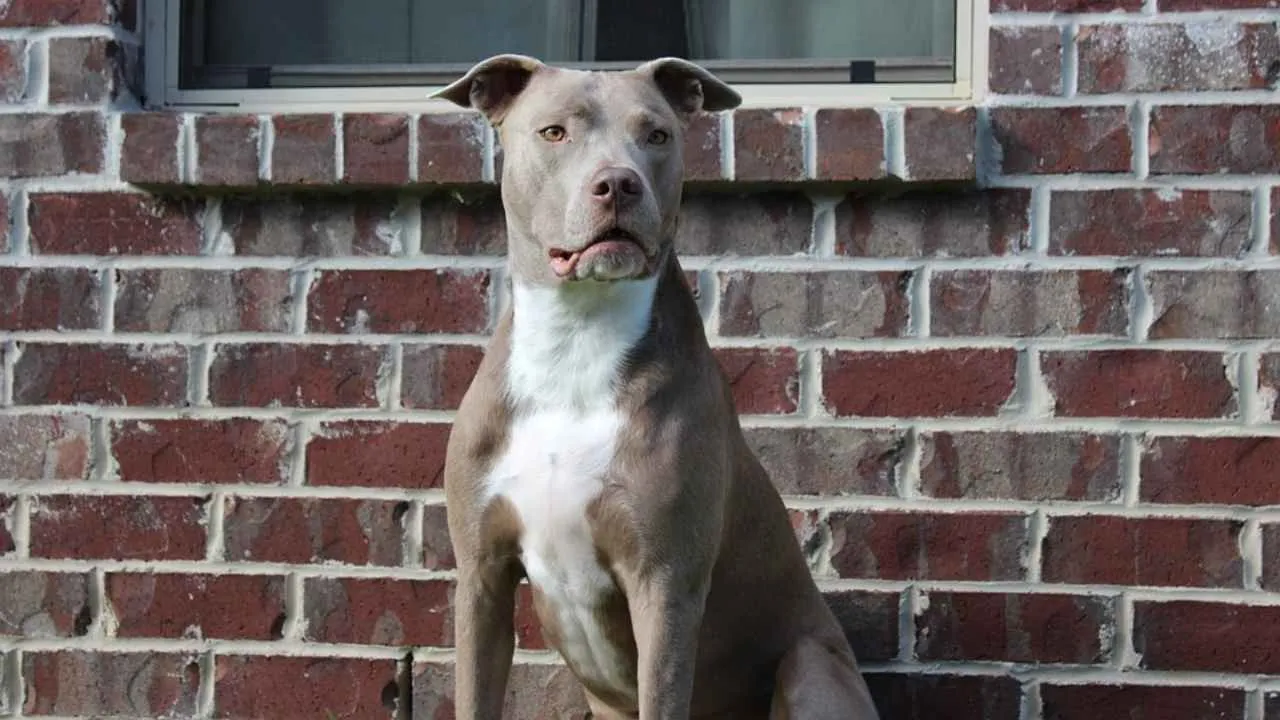
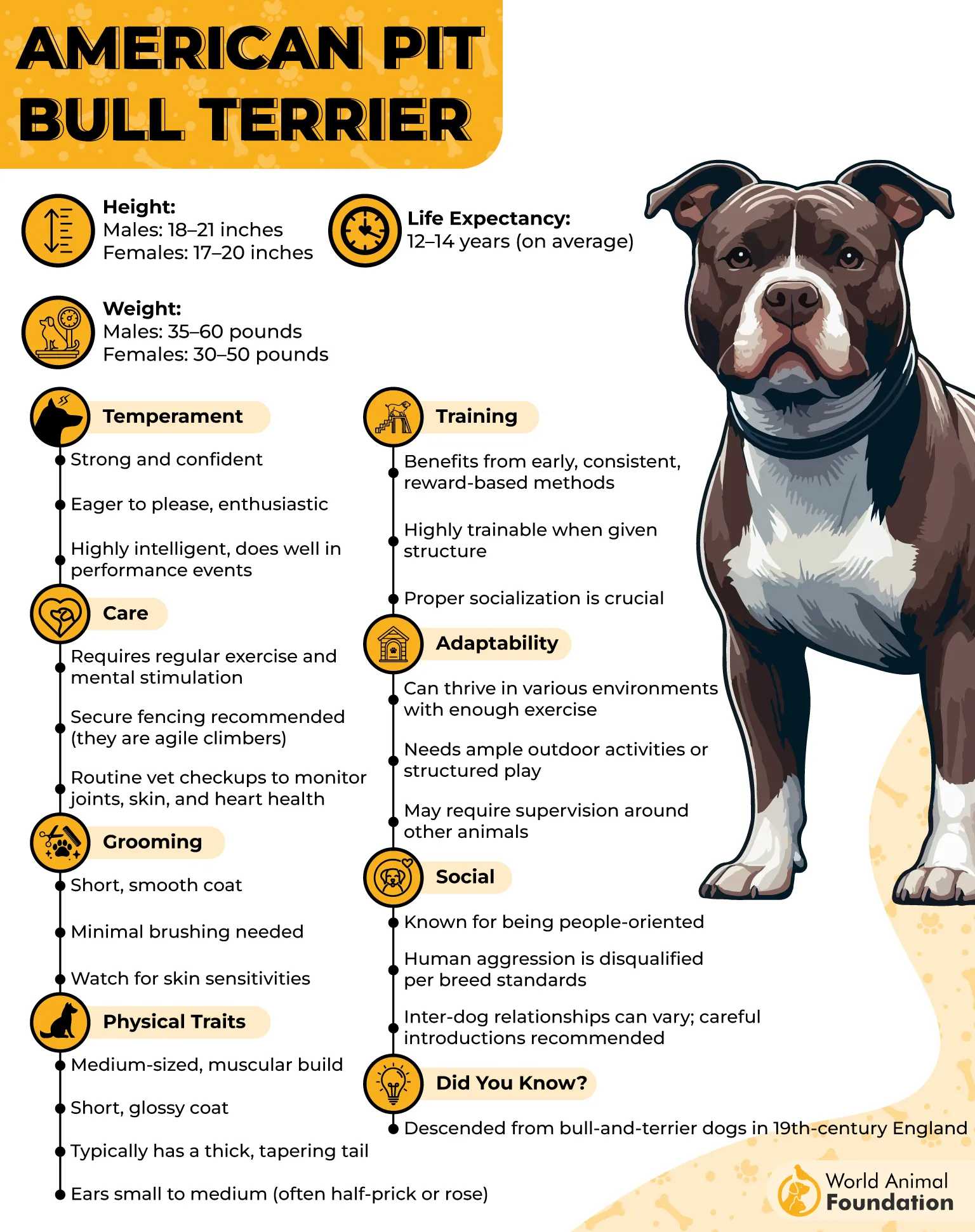
The American Pit Bull Terrier is one of the most talked-about breeds in the world. Known for their strength, loyalty, and determination, they also carry a reputation as one of the most dangerous dog breeds.
Historically linked to dog fighting, Pit Bulls were bred for toughness and persistence, traits that can lead to aggression when not managed properly.
Statistics and Bite Force
This aggressive breed is responsible for the majority of fatal dog attacks in the U.S. Reports show that while they make up only about 6% of the dog population, they are linked to more than 68% of fatal attacks. With a bite force of around 235 PSI, their powerful jaws can cause severe and sometimes fatal injuries.
Risks for First-Time Dog Owners
While many Pit Bulls can make affectionate and extremely loyal companions for their families, their strength and unpredictability make them a dangerous choice for new owners.
They require consistent training, early socialization, and responsible handling to prevent undesirable behavior and aggressive tendencies. Their history, combined with the statistics, makes them one of the riskiest breeds for beginners.
4. Cane Corso

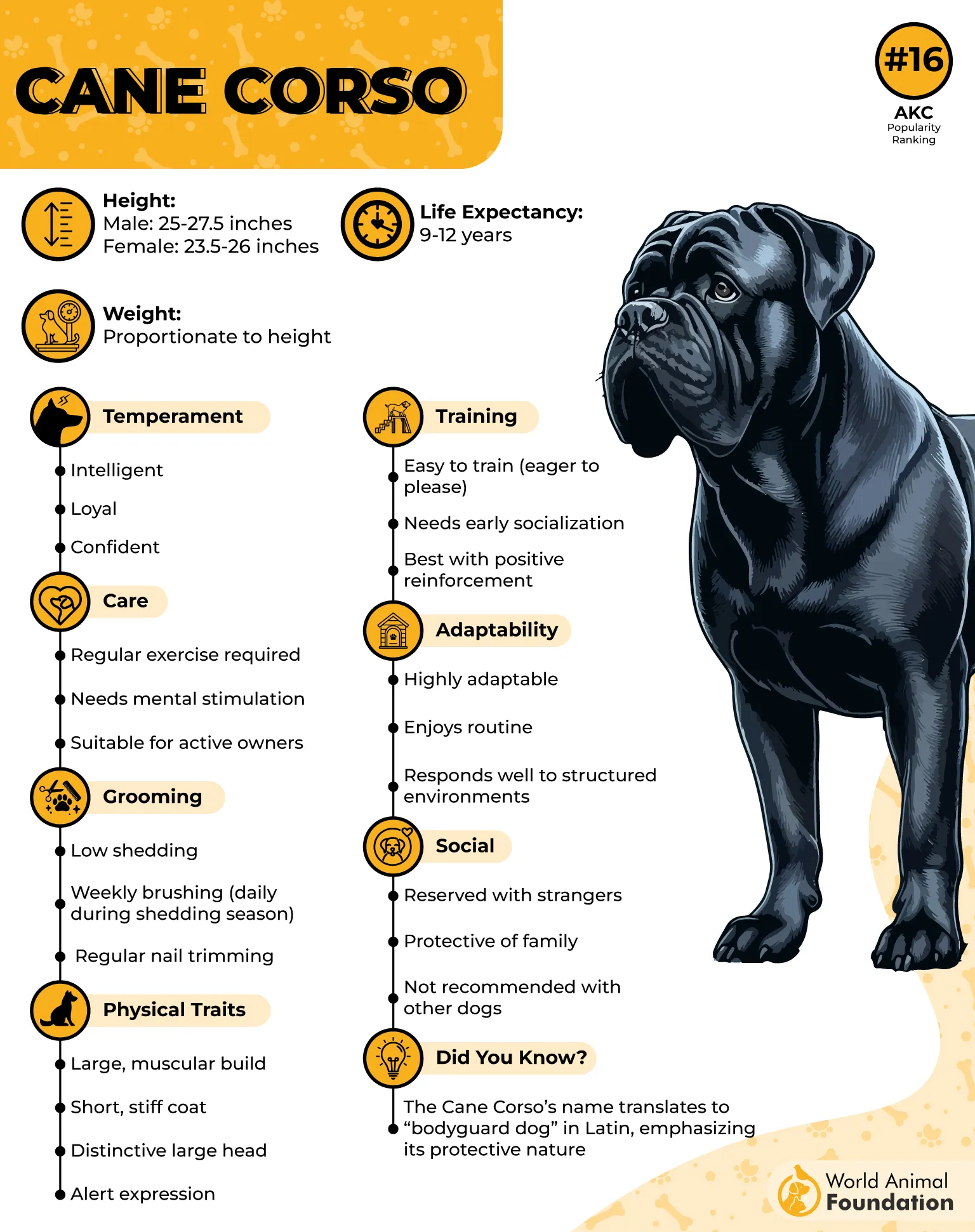
The Cane Corso is a descendant of Roman war dogs, bred as a guarding and protective breed. Today, they are one of the most sought-after guard dog breeds.
With their strength, intelligence, and loyalty, they can make wonderful companions for the right owner. But their intimidating presence and strong-willed personality make them unsuitable for beginners.
Protective and Strong-Willed
Cane Corsos are naturally protective and territorial. Without being properly trained and socialized, they can become aggressive toward strangers. Their size and power also make them difficult to handle, especially for new dog owners.
Even with good intentions, they can easily knock over children or elderly family members. With a bite force of about 700 PSI, one of the strongest among dog breeds, they can be extremely dangerous if poorly trained.
Not for First-Time Owners
This breed needs a confident and experienced owner who can establish leadership early. They require proper training and plenty of mental stimulation from a young age.
While they do enjoy exercise and games, they also need structure and clear boundaries. For first-time owners, their strong-willed nature, guarding instincts, and raw strength make them a risky choice.
5. Chow Chow
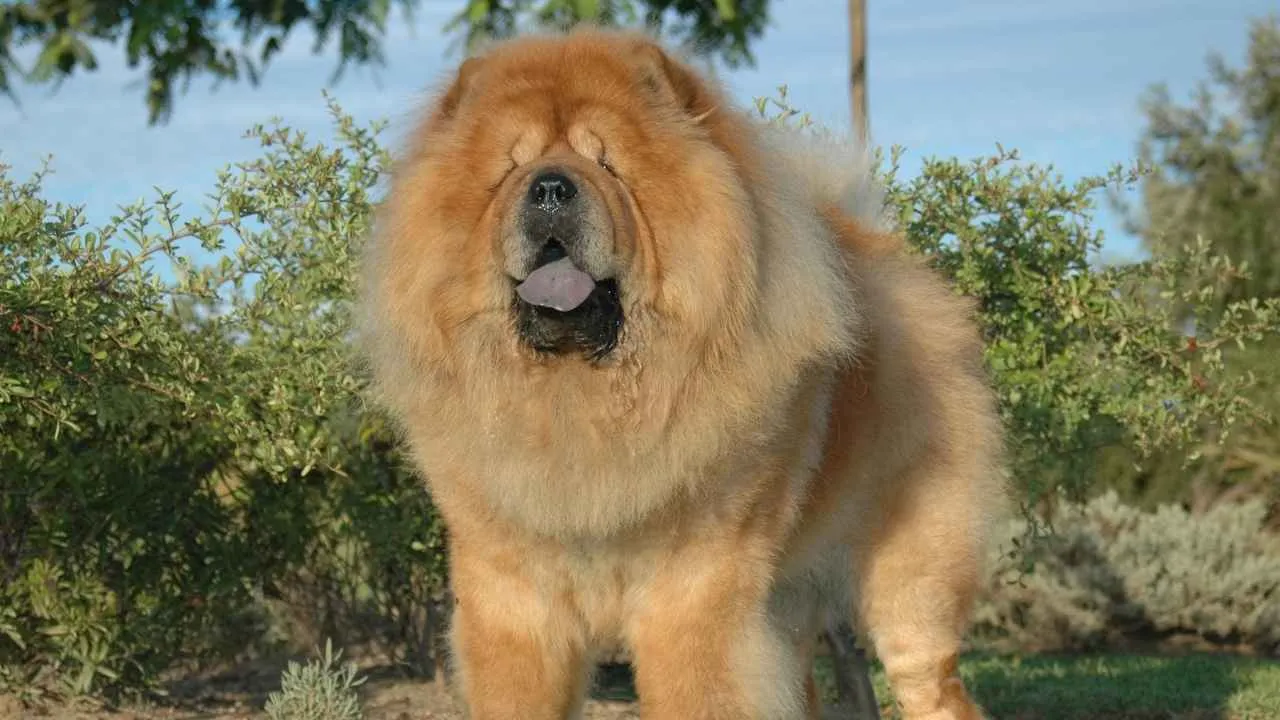
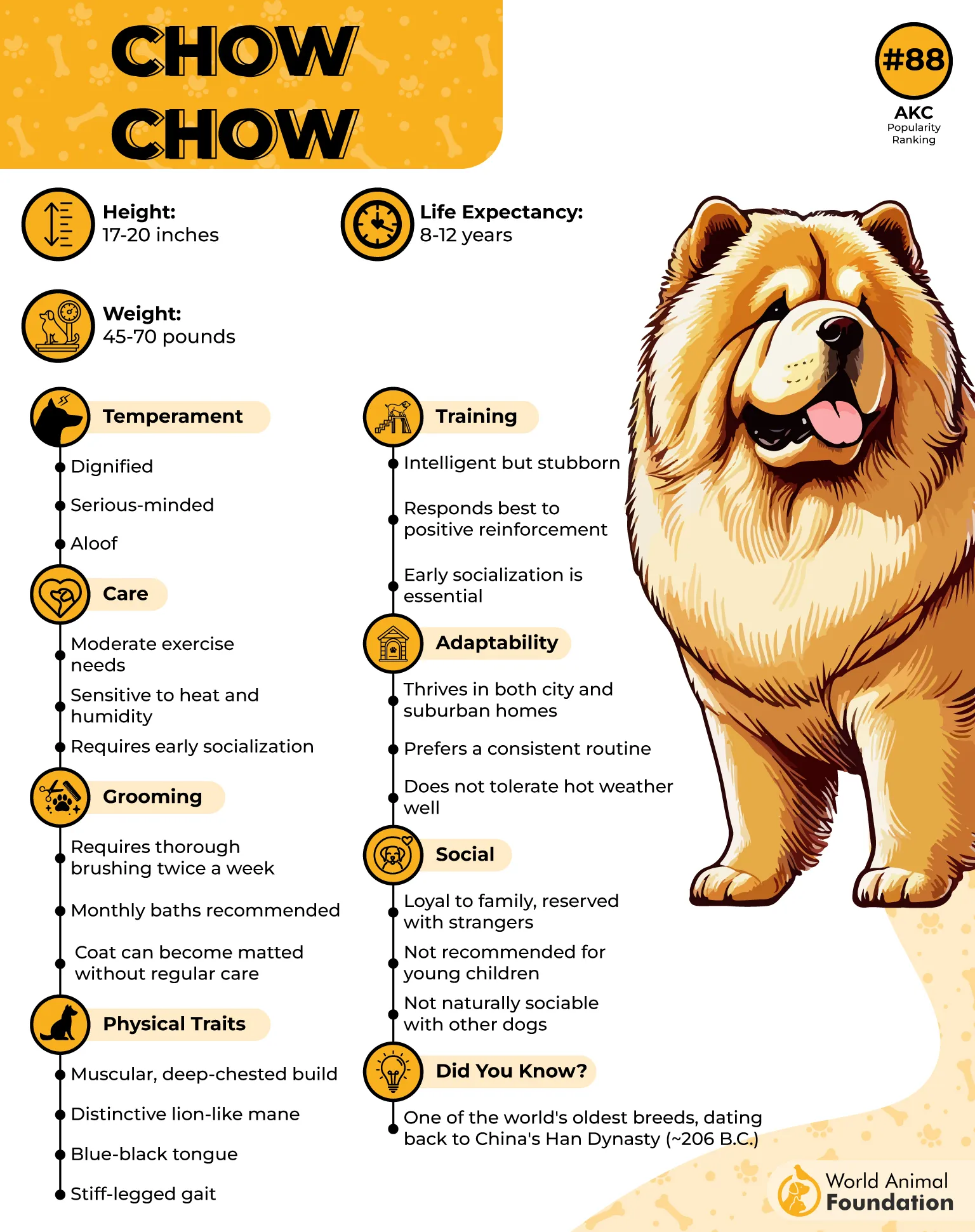
The Chow Chow is one of the oldest dog breeds, originating from China. Historically, they were used for hunting, guarding, and even pulling sleds.
With their lion-like mane and fluffy coat, they may look like cuddly teddy bears, but appearances can be deceiving. Chow Chows are known for being aloof, stubborn, and highly territorial.
Aggression and Risk Factors
Despite their smaller size compared to other dangerous breeds, Chow Chows are responsible for many bite incidents. Their strong-willed personality makes them difficult to train, often requiring 80 to 100 repetitions for a single command.
They are naturally suspicious of strangers and can become aggressive if not properly socialized. With a bite force of about 220 PSI, they can cause serious harm when provoked.
Not for First-Time Owners
Chow Chows require an experienced handler who can provide firm leadership, early training, and proper socialization. They are not naturally affectionate with strangers and may become overprotective of their owners.
On top of their behavioral challenges, they also need regular grooming to manage their thick double coat. For first-time owners, their stubborn temperament, protective instincts, and potential for aggression make them a risky choice.
6. Weimaraner
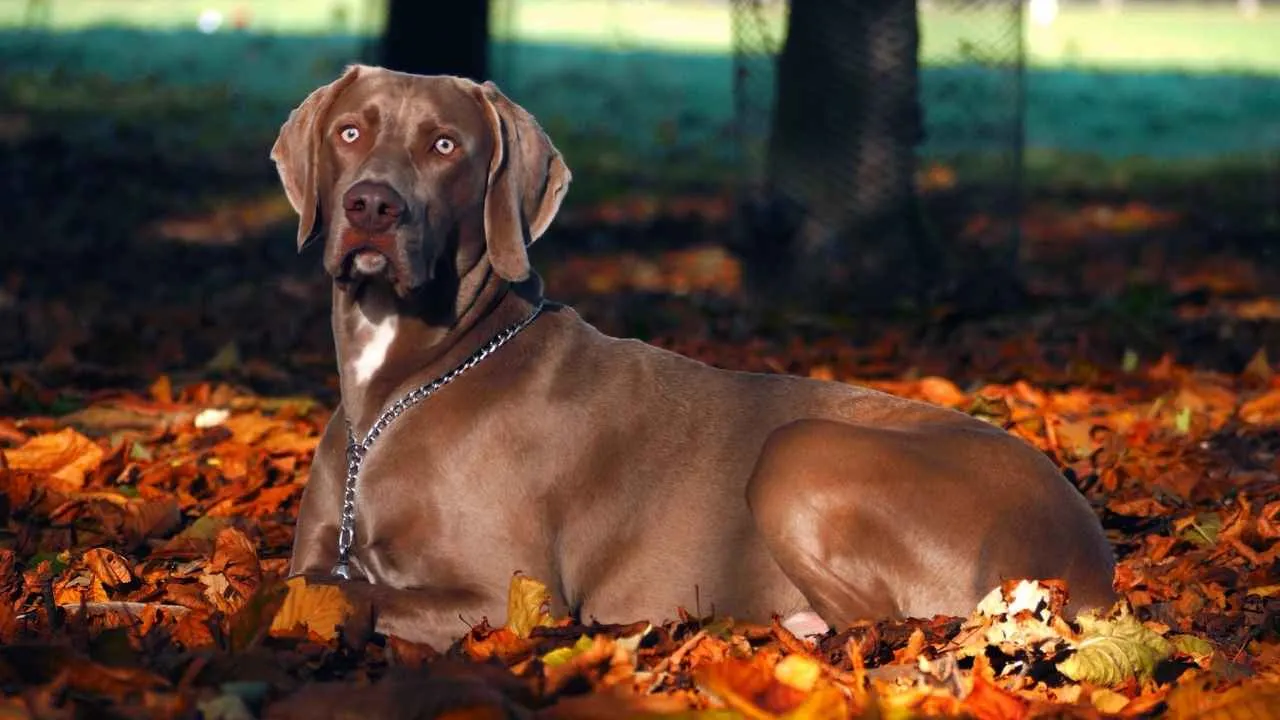
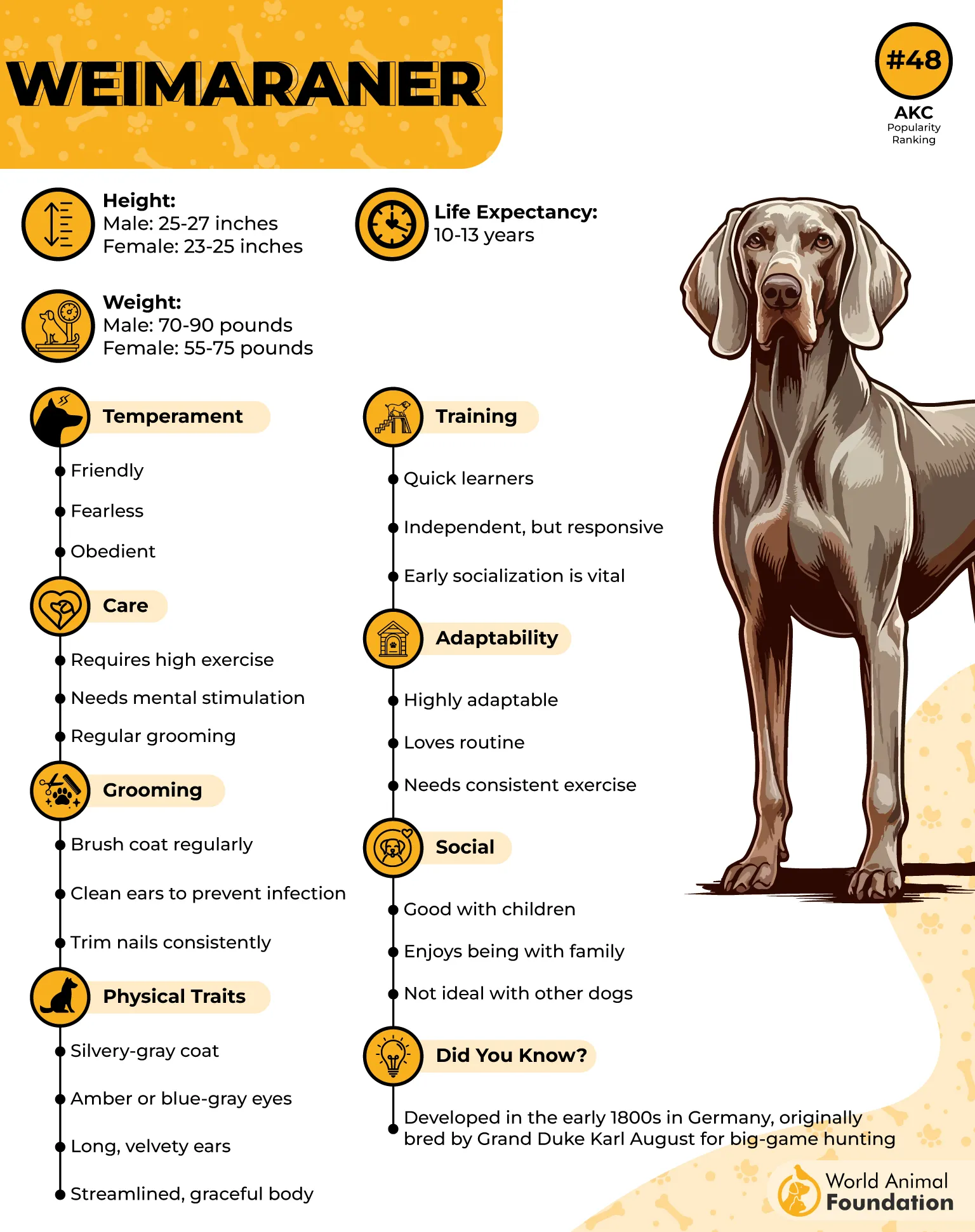
The Weimaraner is a striking hunting breed that originated in Germany. Known for their sleek silver-gray coat and athletic build, they are often called “gray ghosts,” as mentioned by the AKC.
While they are stunning dogs, they are not a good choice for first-time owners. These dogs are extremely energetic, intelligent, and demanding.
Exercise and Training Needs
Weimaraners are a high-energy breed that requires at least two hours of regular exercise to stay balanced. Long jogs, agility courses, and games in the yard are essential for keeping them happy. Without enough activity and extra training, they can show behavioral problems.
Their intelligence also means they need plenty of mental stimulation. At the same time, they can be stubborn and independent, making training difficult for inexperienced owners.
Challenges for First-Time Owners
These dogs form very strong bonds with their families, which can lead to separation anxiety when left alone. They also have a strong prey drive, making them unsafe around small pets.
First-time owners often struggle with their energy, clingy behavior, and emotional needs. For this reason, Weimaraners are best suited for experienced handlers who can provide structure and consistency.
7. Shar-Pei

The Chinese Shar-Pei is one of the most distinctive dog breeds in the world. With its wrinkled skin, broad muzzle, and blue-black tongue, it has a look that is instantly recognizable.
PetMD states that this breed dates back over 2,000 years to the Han Dynasty in China, where it was used for guarding, herding, and even hunting. Loyal and protective, the Shar-Pei bonds closely with its family but remains suspicious of strangers.
Challenges and Risks
Shar-Peis are independent and strong-willed, which makes training a serious challenge for beginners. They are territorial and can become aggressive toward other dogs or strangers without proper socialization.
A major concern for this breed is their skin folds, which require regular cleaning to prevent painful infections. In addition, Shar-Peis are prone to health issues like eye conditions and skin problems. With a bite force of around 220 PSI, they can cause serious injuries if provoked.
Not for First-Time Owners
Shar-Peis need experienced owners who can set firm boundaries and provide consistent leadership. They are not naturally friendly with new people or other pets, which can make daily life stressful for novice handlers.
On top of their demanding grooming needs, their tendency to react without warning makes them a risky choice for first-time owners.
Conclusion
Choosing the right dog is one of the most important decisions any pet lover can make. While many dogs are friendly and adaptable, breeds like the ones listed above can be challenging for first-timers. Their strength, endless energy, and protective instincts can easily overpower inexperienced handlers.
It’s essential to remember that every dog has its own personality, and even the most well-behaved pup can react unpredictably around unfamiliar dogs or strangers.
Before bringing home a new companion, consider your lifestyle and talk to veterinary professionals or trainers who can guide you toward a better fit.
With the right training, structure, and environment, most dogs can become loyal, loving family members. But not everyone is suited to handle demanding breeds — and understanding that from the start helps ensure both you and your dog thrive together.
Apart from the breeds mentioned above, there are other breeds as well that first-time owners should avoid. These include the German Shepherd, Great Dane, Rottweiler, Airedale Terrier, Doberman Pinscher, Border Collie, Australian Cattle Dog, and Alaskan Malamute.
