




Bringing a new dog into your home is one of the most rewarding decisions a family can make — but it’s also one that requires careful thought, especially if you already have a dog. Not all breeds adjust well to sharing their space, toys, or people. Some are territorial, dominant, or just prefer to be the only furry friend in the spotlight.
Think of it like matchmaking — you’re not just choosing a pet for yourself but also finding a compatible companion for your existing dog.
According to the American Veterinary Medical Association, nearly 45.5% of U.S. households own a dog, and many families have more than one. But when temperaments clash, it can lead to tension, stress, or even fights — and no one wants that.
In this guide, we’ll explore some dog breeds that may not be the best fit for families with other dogs. From dominant personalities to strong prey instincts, understanding these traits will help you make a smart, peaceful match for your home.
Key Takeaways
Find out why loyal breeds like the Chow Chow, Akita, and Cane Corso can be tough to live with in multi-dog homes.
See how strong-willed dogs like the Bullmastiff, Alaskan Malamute, and Australian Cattle Dog handle sharing space with others.
Discover why energetic pups like the Jack Russell, Basenji, and Weimaraner can stir up chaos without the right training.
Learn how to pick the perfect match for your family and keep the peace when adding a new furry friend.
Top Dog Breeds to Avoid For Families With Dogs
1. Chow Chow
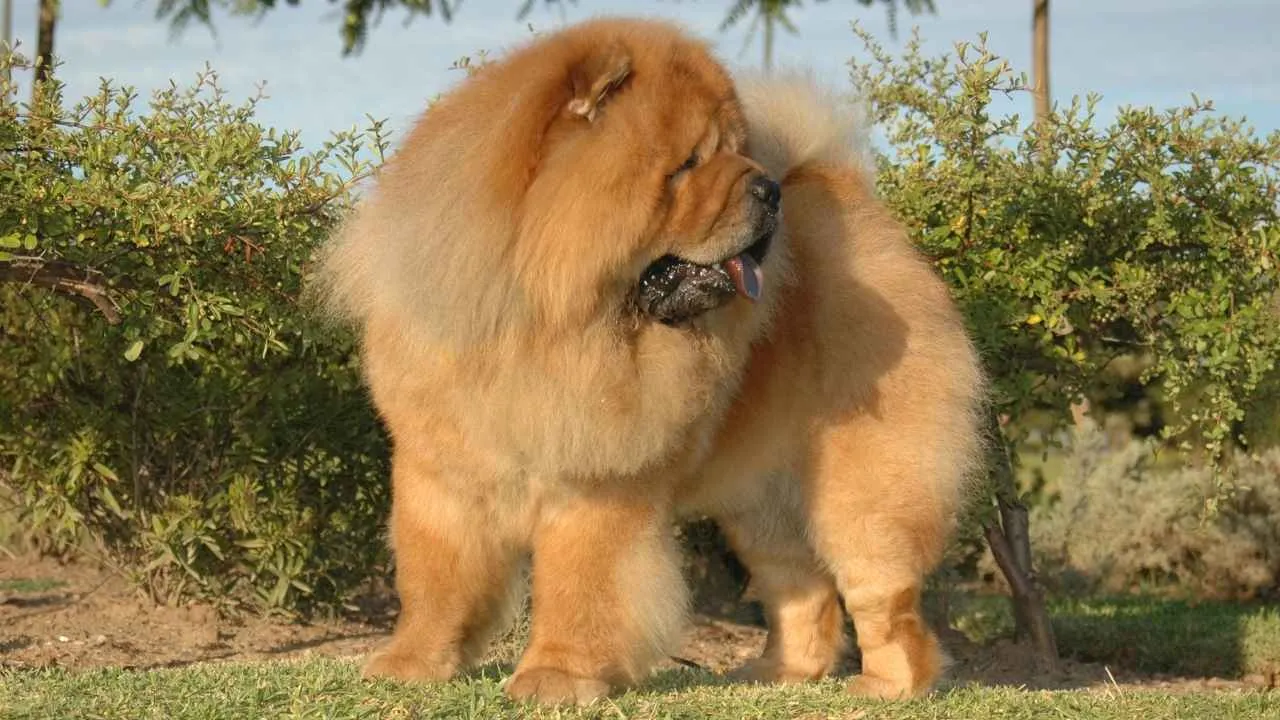
With their thick, fluffy coats and regal, lion-like manes, Chow Chows are one of the most striking dog breeds around.
Originating from ancient China, they were once used to guard homes and livestock — a role that shaped their protective and independent nature. Unlike playful companion breeds, Chow Chows carry themselves with dignity and reserve.
Why They’re Not Ideal for Families with Dogs
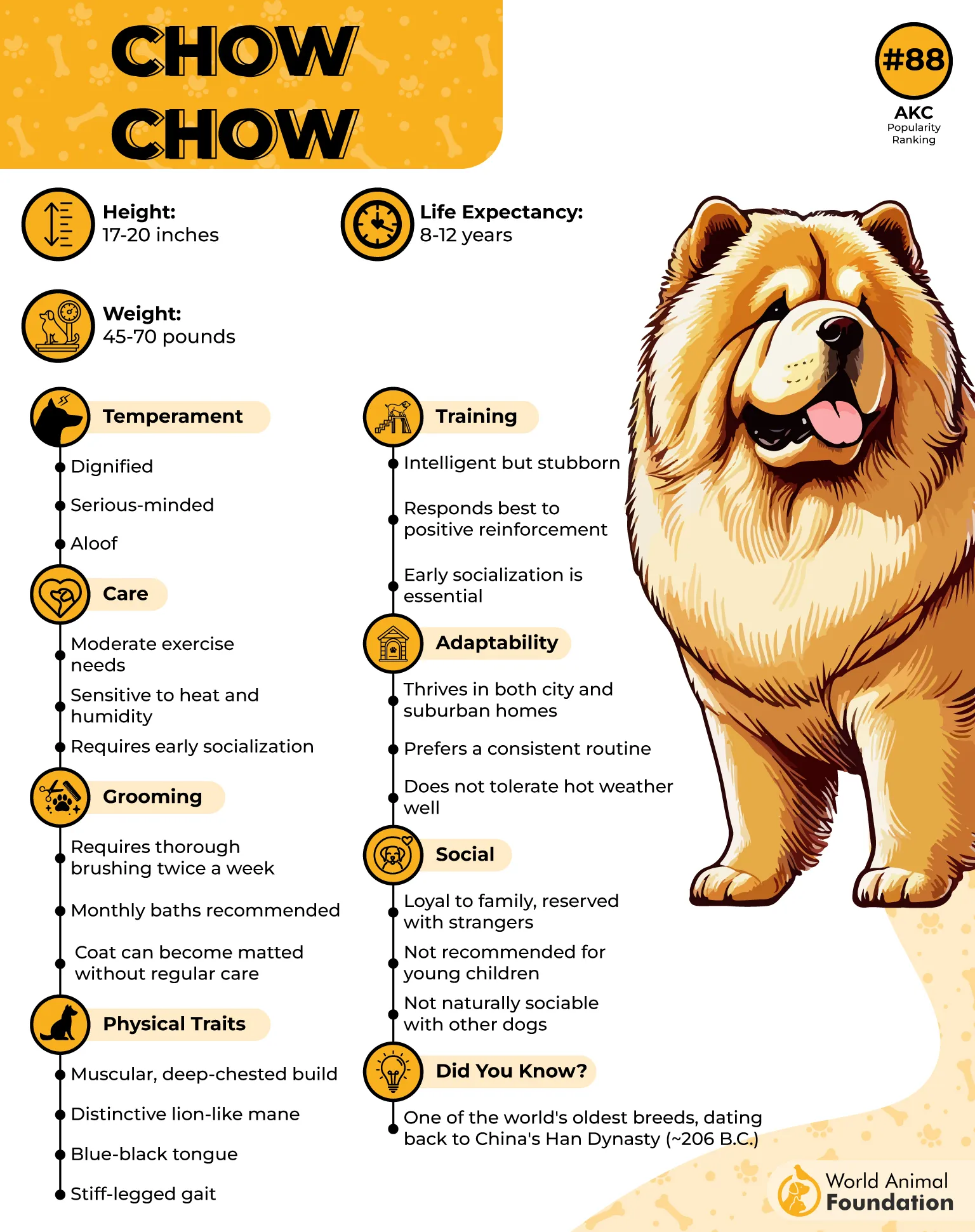
Chow Chows are not naturally social dogs. Hill’s Pet states that they tend to be aloof with strangers and can show aggression toward other dogs, especially if they haven’t been socialized early.
Their history as guard dogs gives them a strong instinct to protect their territory and family, which can lead to dominance or tension in multi-dog homes. Without early exposure to other pets and people, they may become overly suspicious or defensive.
Living Successfully with a Chow Chow
While not typically aggressive by default, Chow Chows need steady training and socialization from a young age to adapt comfortably to other dogs. They thrive in calm, patient households where routines are predictable and energy levels are moderate.

It’s also important to control their alarm barking, as they may bark excessively when protecting their space. With proper care, grooming, and gentle guidance, Chow Chows can make loyal companions.
2. Alaskan Malamute
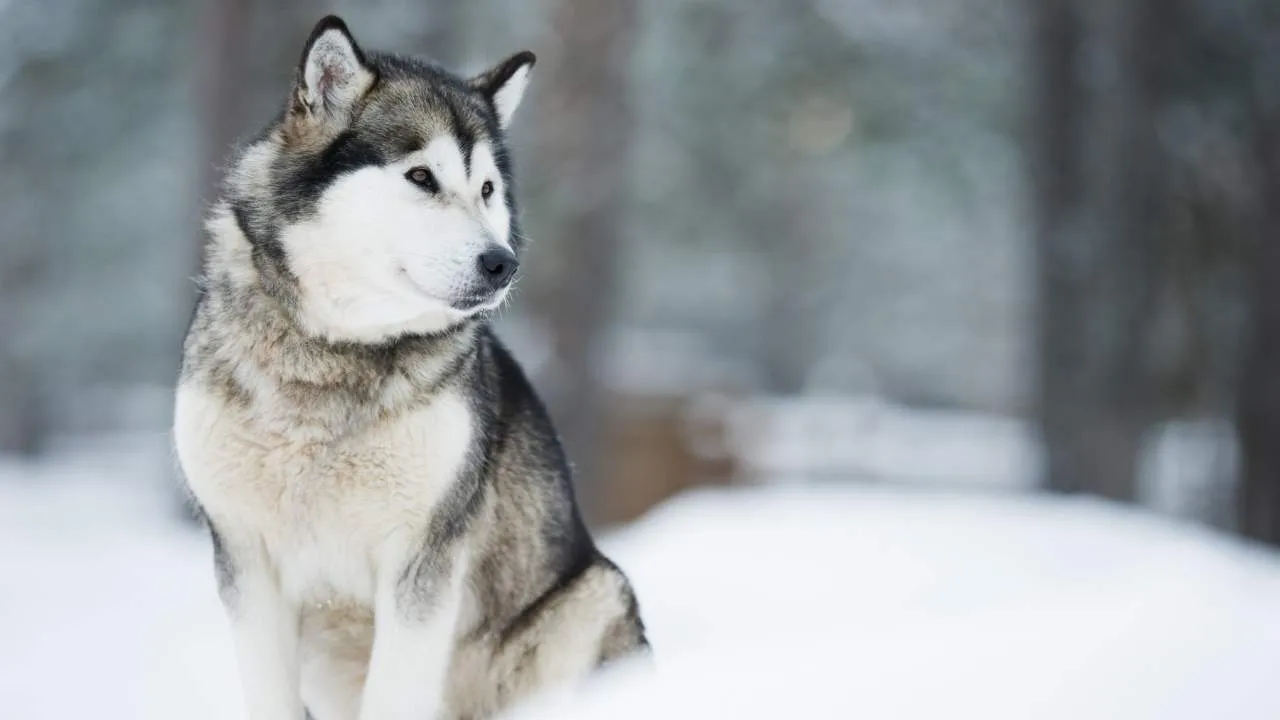
The Alaskan Malamute is a striking and powerful working dog, famous for its sled-pulling strength and endurance. Originating from Alaska’s cold and harsh climates, this breed was developed to haul heavy loads across snowy terrain.
With their thick double coats, almond-shaped brown eyes, and signature howling sounds, Malamutes are both beautiful and expressive. Despite their imposing looks, they are friendly, loyal, and affectionate companions that thrive on human interaction.
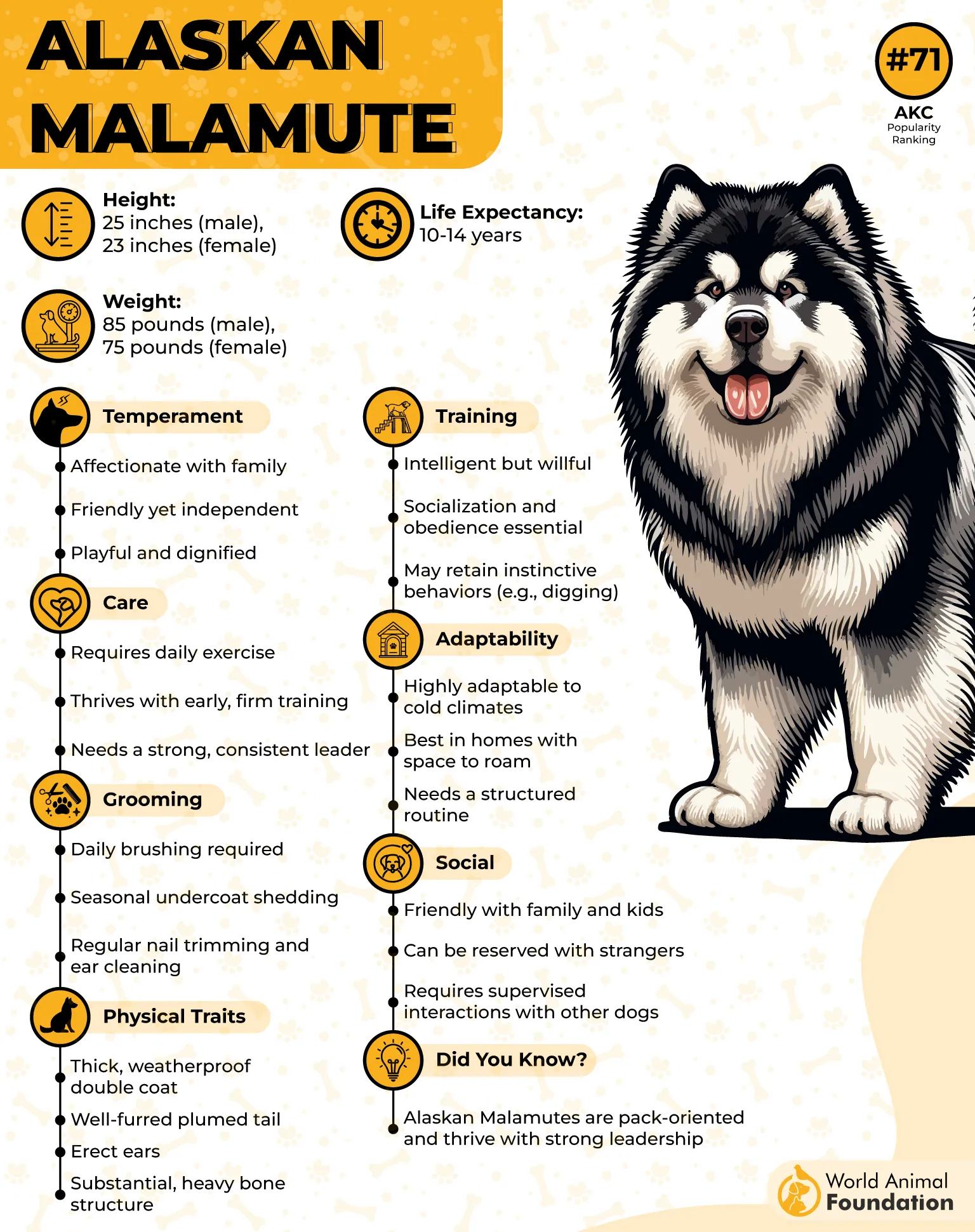
Why They’re Not Ideal for Families with Dogs
Malamutes are true pack dogs and often enjoy the company of other dogs. However, this doesn’t always guarantee harmony — especially between dogs of the same sex. Without early socialization, they can develop dominant or aggressive behavior, leading to serious fights if challenged.
Their sheer strength means that even minor scuffles can quickly escalate. Confident leadership and structured training are essential to keep this powerful breed balanced and well-behaved.
Living Successfully with an Alaskan Malamute
To live peacefully with other pets, Malamutes need early, positive introductions and regular social experiences. They require plenty of exercise and mental stimulation to prevent boredom and destructive habits like digging.
Their independent, strong-willed nature means they need an owner who can set firm boundaries while offering affection and engagement. Because of their energy and need for space, they thrive in large homes with outdoor areas rather than apartments.
3. Jack Russell Terrier

Developed in 19th-century England by the Rev. John “The Sporting Parson” Russell, the Jack Russell Terrier was bred for fox hunting both above and below ground.
Despite their small size, these energetic dogs are bursting with confidence and curiosity. They’re clever, fearless, and always ready for action — a combination that makes them fun but also demanding.
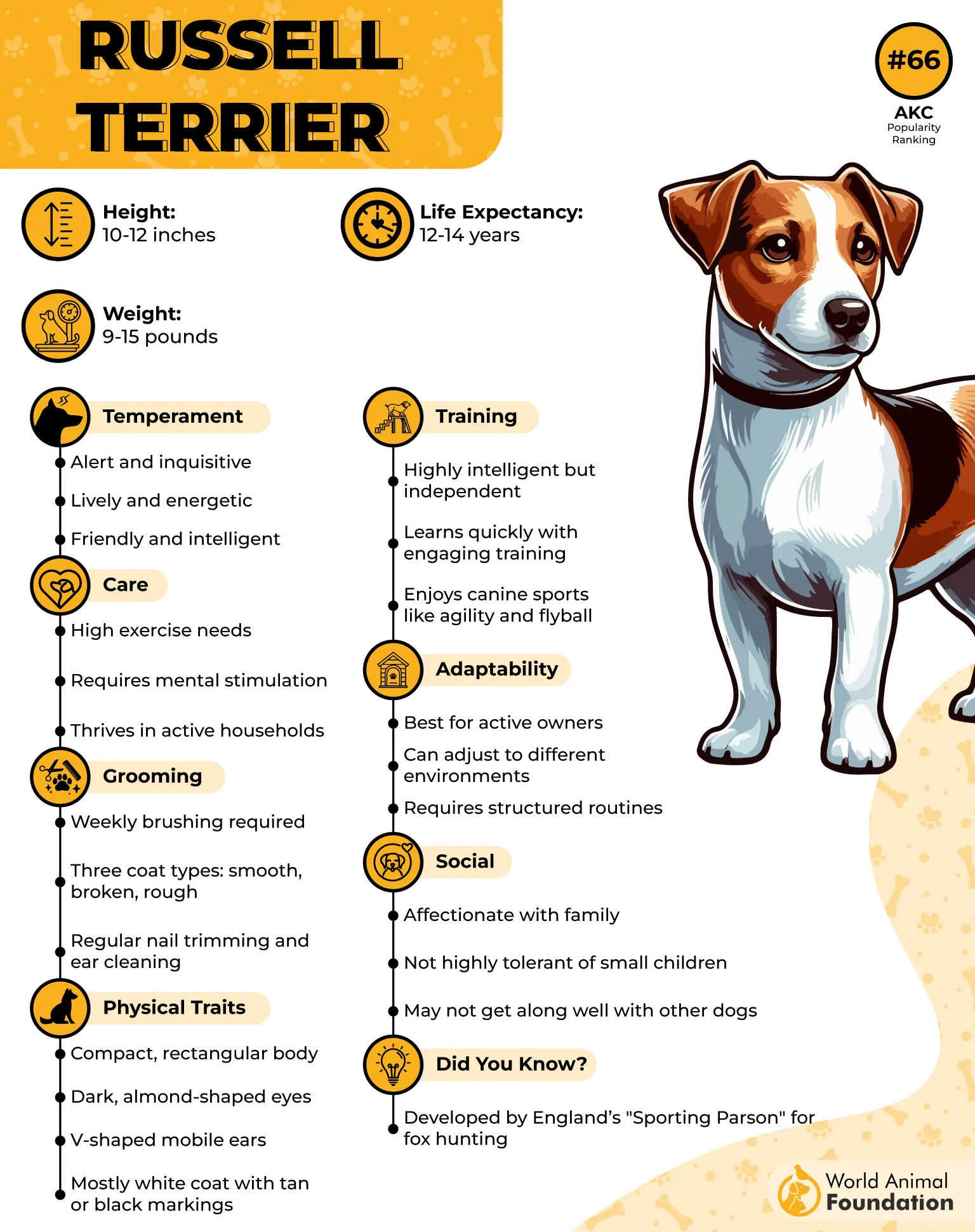
Why They’re Not Ideal for Families with Dogs
Jack Russells are naturally assertive and bold, often trying to take charge around other animals. PDSA says that they should be socialized with other dogs from a young age. Otherwise, they can become aggressive toward other dogs.
Some Jack Russells learn to coexist peacefully with other pets, but many prefer to be the boss. Their fiery personality can clash with calm or submissive dogs, leading to tension or fights in multi-dog homes.
Living Successfully with a Jack Russell
Early socialization and consistent training are key to helping a Jack Russell live harmoniously with other dogs. They need firm leadership and structured routines to keep their behavior in check.
Regular exercise and mental challenges help prevent boredom and reduce frustration that can lead to aggression. Even with the right training, some Jack Russells simply prefer to rule the house alone.
4. Weimaraner

The Weimaraner, often called the “Gray Ghost” for its sleek silver-gray coat, is an elegant and athletic breed with deep roots in German nobility.
Originally bred in the 19th century as hunting dogs, they were once a favorite among aristocrats for their speed, stamina, and devotion.
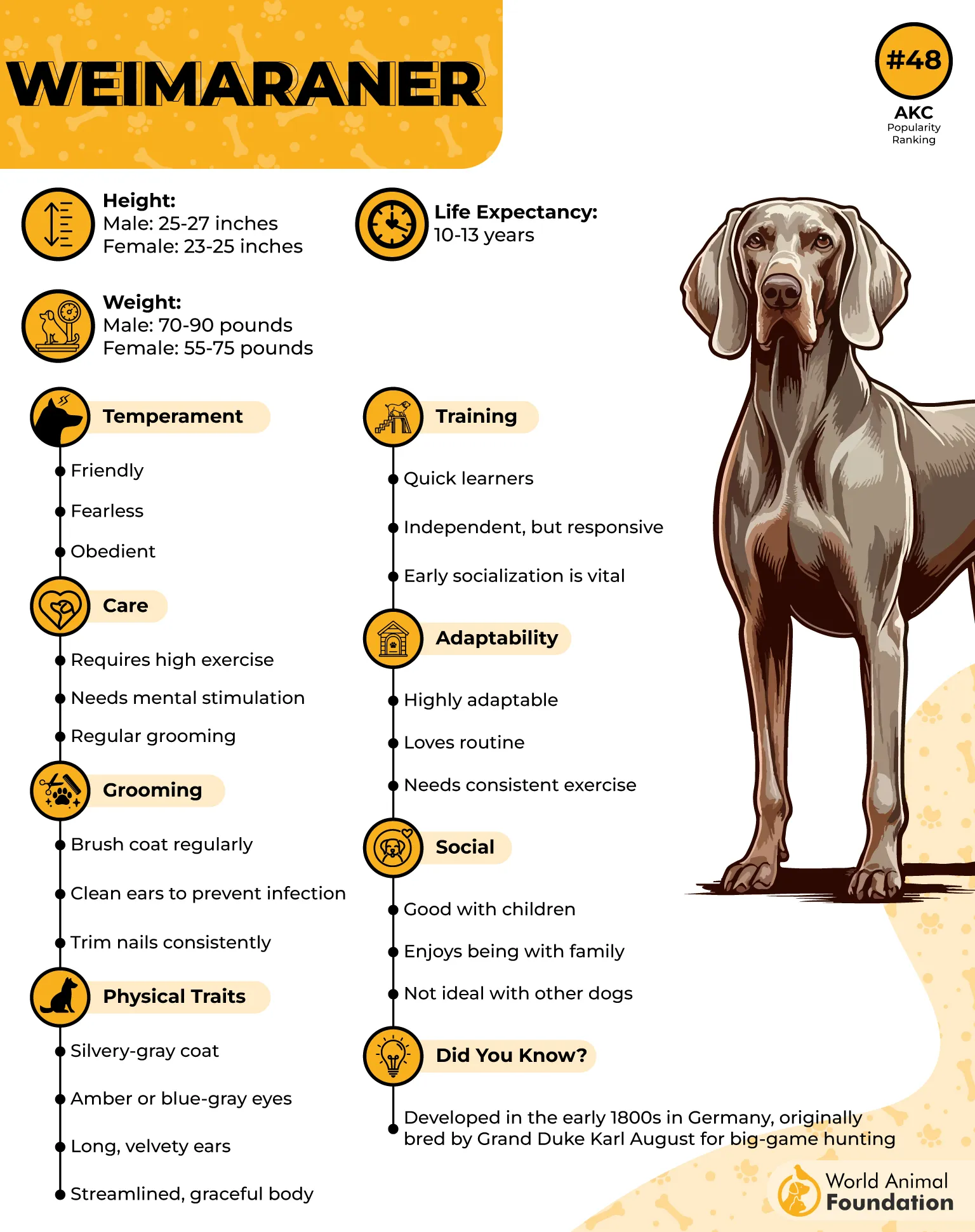
Why They’re Not Ideal for Families with Dogs
Weimaraners are naturally cautious around unfamiliar dogs and can display dominant behaviors if not properly socialized. They form deep attachments to their owners and often prefer human companionship over canine company.
Without early and consistent exposure to other pups, they may become territorial or even aggressive dogs, especially when competing for attention. While some Weimaraners adapt well to living with another dog, many prefer to be the only pet in the household.
Living Successfully with a Weimaraner
Strong leadership, early socialization, and structured routines are essential to help a Weimaraner coexist peacefully with other pets. They’re highly energetic and intelligent, so they need plenty of physical and mental exercise to stay balanced.
Without it, their restlessness can turn into destructive or possessive behavior. Even with socialization, many Weimaraners are content to keep to themselves and stay close to their owners rather than interacting with other dogs.
5. Akita
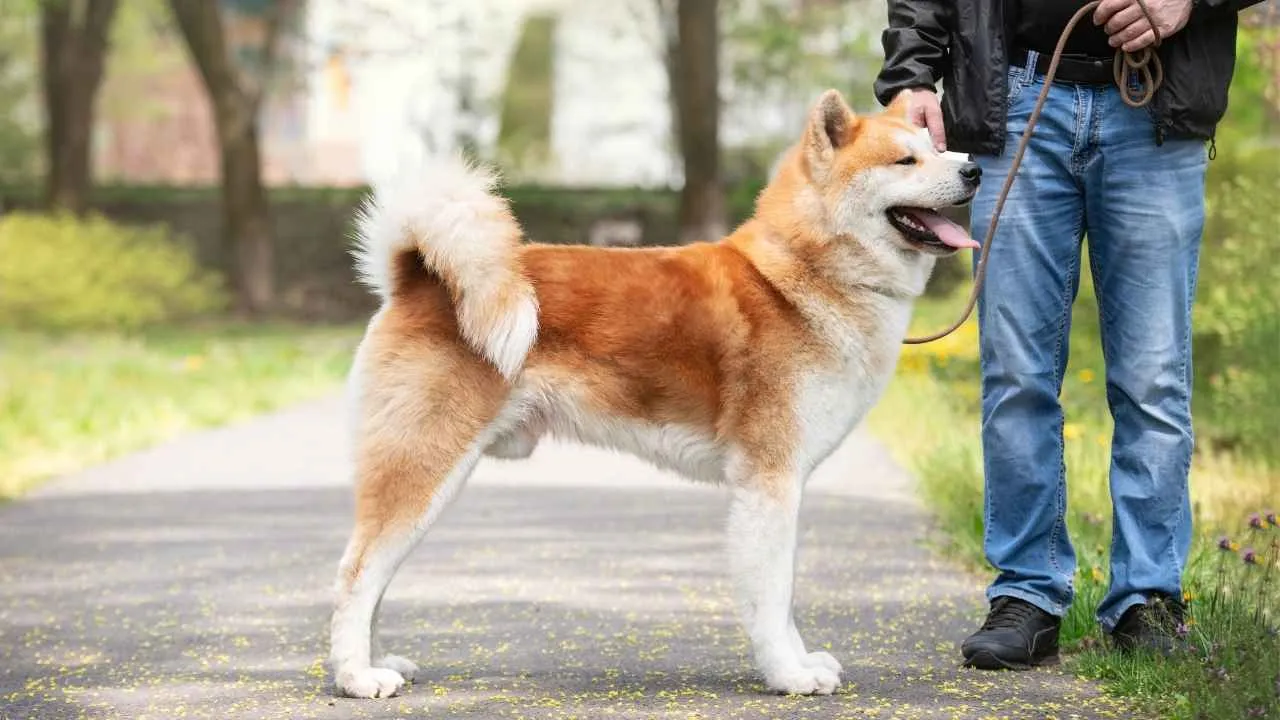
The Akita is a dignified and powerful breed that originated in Japan, admired for its loyalty and courage. With a proud stance and thick coat, Akitas are often seen as noble companions.
Their devotion to their families is unmatched, but their independence and protective instincts can make them challenging in multi-dog households.
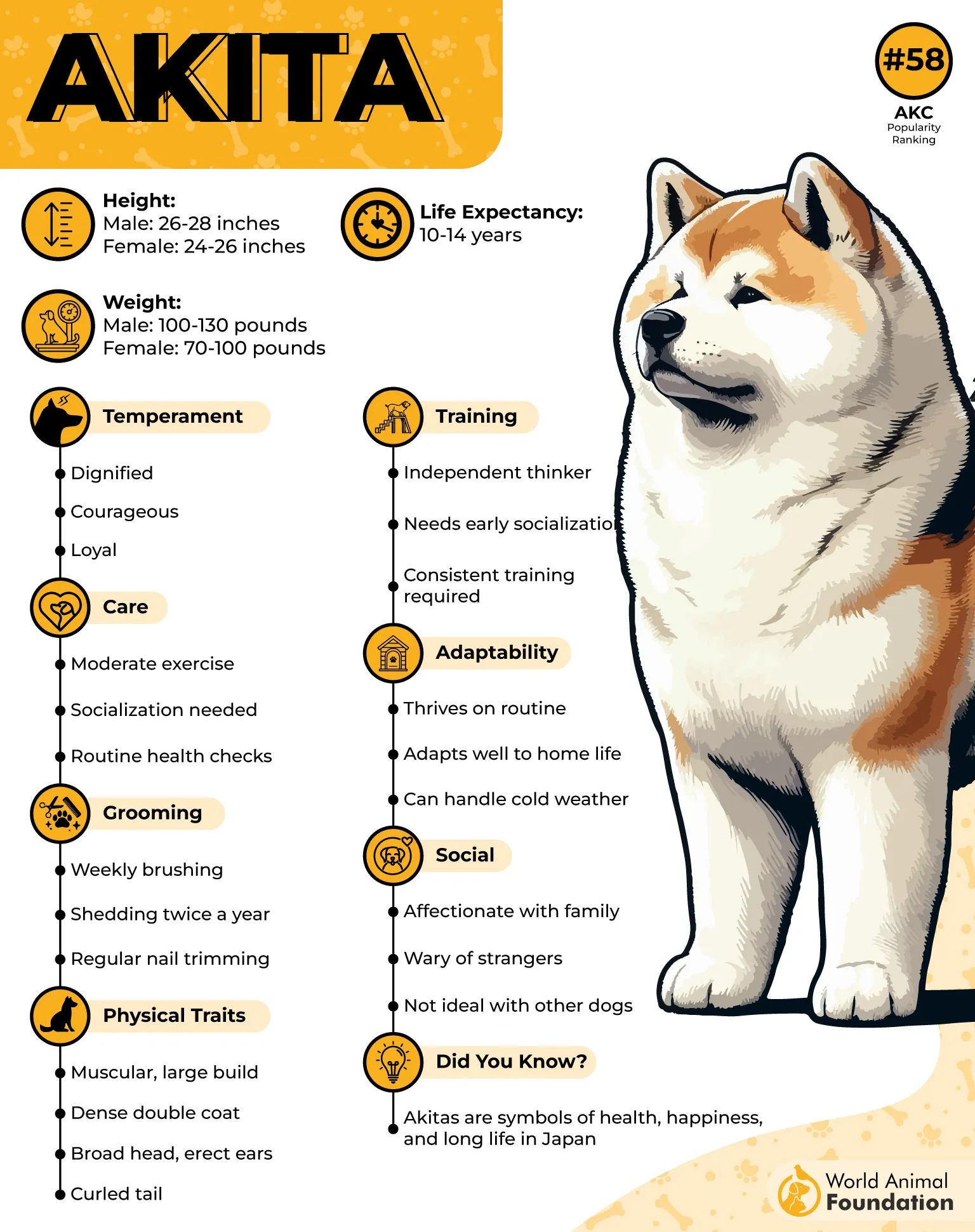
Why They’re Not Ideal for Families with Dogs
One of the defining traits of the Akita is its strong independence and high prey drive. These dogs have a deep desire to protect what they consider “theirs,” which often includes their family, home, and possessions. Because of this instinct, they typically don’t get along well with other dogs, especially those of the same sex.
While it’s possible to socialize Akitas from a young age and teach them to tolerate other dogs, they generally prefer being the only dog in the household.
They like to be the top dog in any group and can become territorial or dominant if not properly managed. Even with training, their protective nature can make interactions with unfamiliar dogs tense or unpredictable.
Living Successfully with an Akita
Owning an Akita requires strong, confident leadership and an understanding of canine body language. These dogs respond best to calm, assertive owners who establish clear boundaries and routines. Positive reinforcement and early socialization are key to managing their instincts.
Because Akitas are intelligent and loyal, they thrive when given structure and purpose. They enjoy activities like obedience training, hiking, or guarding duties — anything that keeps their minds engaged and bodies active.
6. Australian Cattle Dog

The Australian Cattle Dog, also known as the Blue Heeler or Red Heeler, was developed in 19th-century Australia to herd cattle over long distances. Strong, smart, and hardworking, this breed is known for its resilience and sharp instincts.
They are loyal, protective, and always alert to what is happening around them, which makes them valuable working partners for farmers and ranchers.
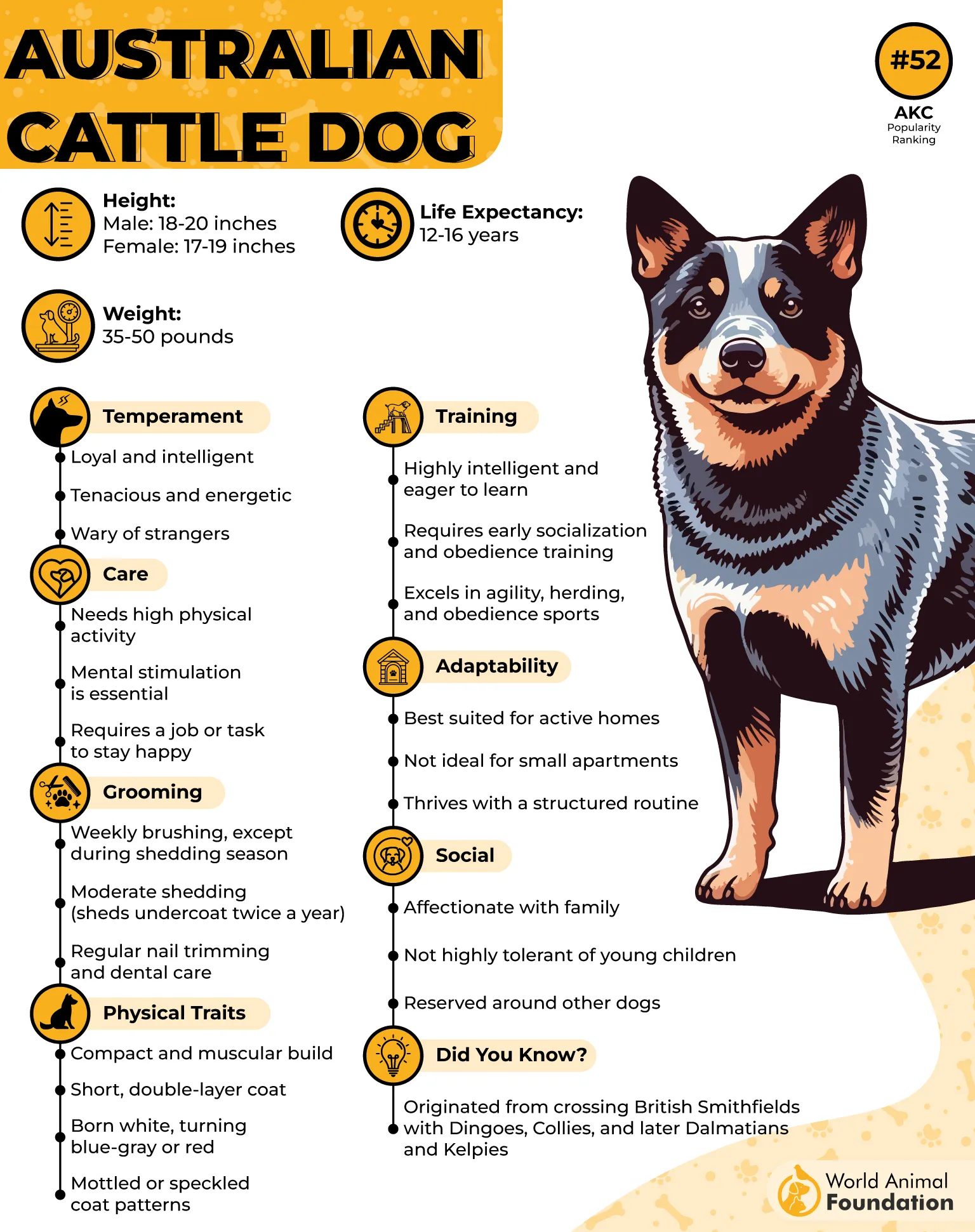
Why They’re Not Ideal for Families with Dogs
Australian Cattle Dogs were bred to be territorial and cautious around strangers and unfamiliar animals. Their strong herding drive can lead to nipping and chasing, and they may show dominance toward other dogs.
Because they take their job of protecting their family and property seriously, they can become reactive if they feel threatened or challenged. This makes them a difficult fit for homes with multiple pets or families who often have visitors.
Living Successfully with an Australian Cattle Dog
This is a high-energy breed that needs strong leadership, daily exercise, and consistent training. Without enough physical and mental activity, they can become bored and destructive.
Early socialization is important to teach them how to behave around people and other animals. They thrive in homes where they have a purpose and a structured routine.
7. Basenji

The Basenji is an ancient breed from Africa, often called the “barkless dog” because it doesn’t bark like most breeds. Instead, it produces unique yodel-like sounds known as “baroos.”
Cave paintings found in Libya depict dogs resembling the Basenji as far back as 6000 BCE, showing their long history as loyal hunting companions. With their tightly curled tail and wrinkled foreheads, Basenjis are as striking as they are intelligent.
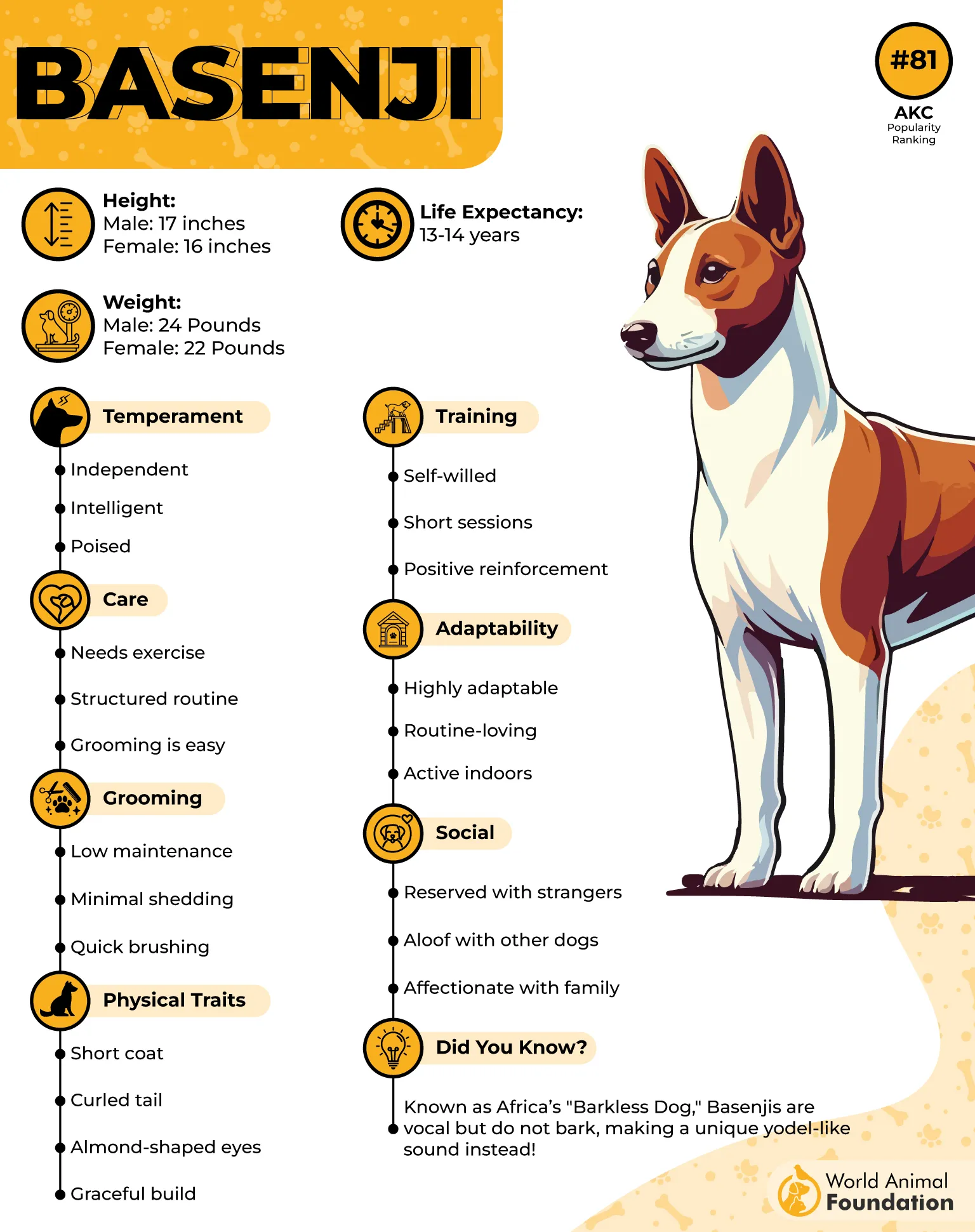
Why They’re Not Ideal for Families with Dogs
Basenjis are independent and sometimes incredibly stubborn, often preferring to do things their own way. While they originally hunted in packs and can get along well with other dogs — especially those of similar size — it’s crucial that they’re socialized from a young age.
Without this, they can be argumentative or territorial, particularly with other Basenjis. Their curious, cat-like temperament and quick reflexes can also lead to tension in homes with more submissive or anxious dogs.
Living Successfully with a Basenji
To live peacefully with other pets, Basenjis need gradual, positive introductions and consistent supervision.
They enjoy companionship but on their own terms, often preferring short bursts of play over constant togetherness. Their intelligence and energy require daily mental and physical stimulation — long walks, puzzle toys, or agility activities work best.
8. Cane Corso

The Cane Corso is a powerful Italian guardian breed descended from ancient Roman war dogs, as mentioned by Orvis. Known for their intelligence, strength, and loyalty, these wonderful dogs can make exceptional companions for experienced owners who understand their needs.
However, they are high-energy dogs that require enough exercise and extensive training to keep their protective instincts in check.
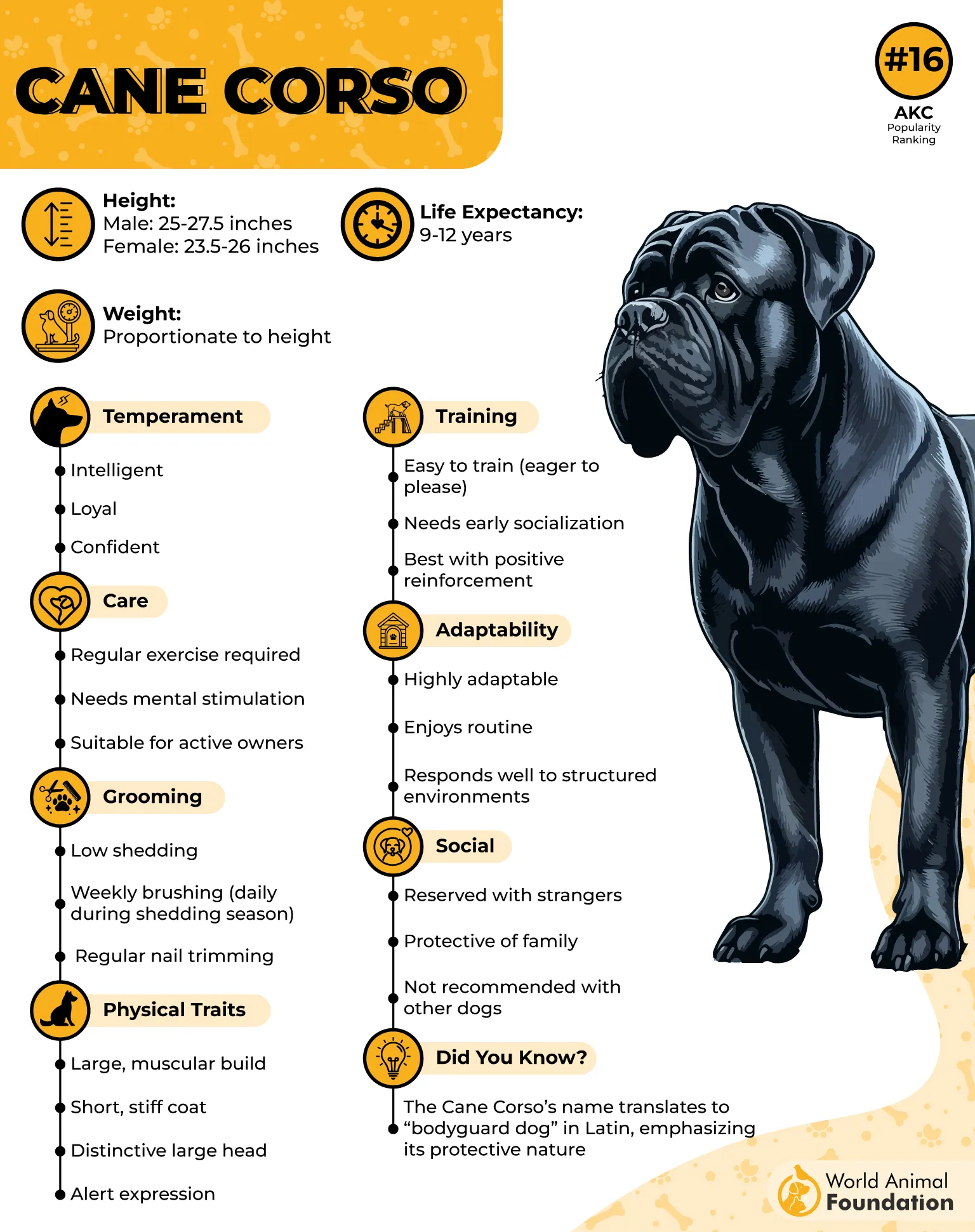
Why They’re Not Ideal for Families with Dogs
Cane Corsos are naturally territorial and protective, traits that can make them extremely difficult to manage in multi-dog households. They may become aggressive toward dogs of the same sex or smaller pets if not trained properly and socialized from an early age.
Their strong guarding instincts mean they don’t always welcome unfamiliar dogs into their space, and even well-socialized individuals can become defensive if they sense a threat to their family.
Because of their size and power, Cane Corsos can easily overpower other dogs during play or disputes, making them a risky choice for families with multiple pets. Those with young children should also exercise caution, as these large dogs may unintentionally knock over smaller family members while playing.
Living Successfully with a Cane Corso
Socialization and structure are non-negotiable for this breed. Introducing a Cane Corso puppy to calm, balanced dogs early in life helps reduce territorial tendencies, but even then, careful supervision is crucial.
Proper training sessions, mental stimulation, and physical activity prevent boredom and frustration, which can otherwise lead to destructive or dominant behavior.
Unless you have the time, experience, and confidence to handle such a commanding breed, it’s best to steer clear of the Cane Corso when choosing a dog for a multi-pet household.
9. Bullmastiff

The Bullmastiff was first developed in Britain in the 1860s, when gamekeepers crossed Bulldogs with Mastiffs to create a strong, obedient dog to guard estates from poachers. Known for their courage, power, and loyalty, Bullmastiffs earned a reputation as dependable protectors.
Despite their imposing presence, they can be gentle and affectionate with their families, especially small children, when raised with care and consistent training.
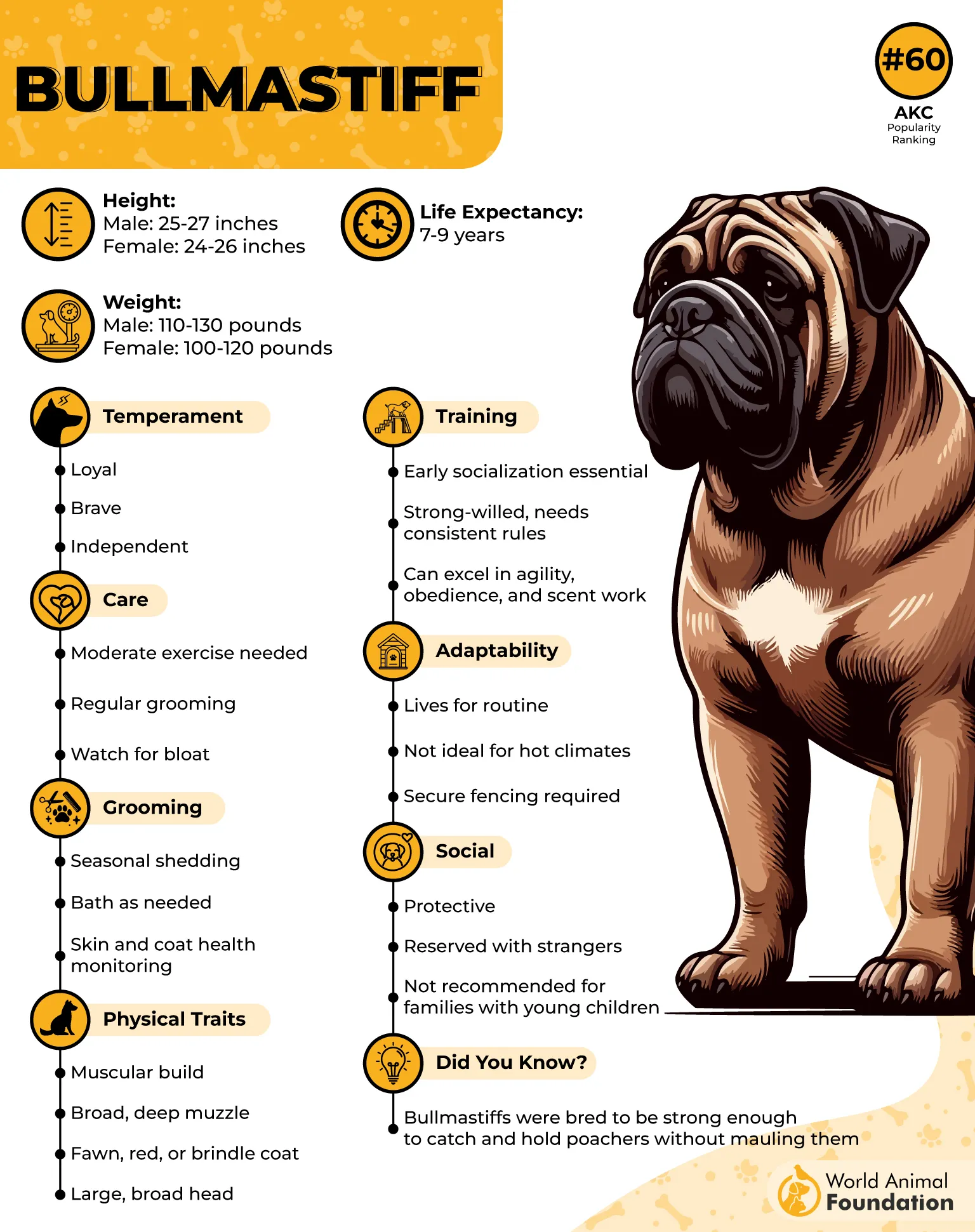
Why They’re Not Ideal for Families with Dogs
Bullmastiffs were bred to work independently, which contributes to their naturally dominant nature. They can be aggressive toward other dogs, particularly those of the same sex, and may not tolerate sharing territory or attention.
While a well-socialized Bullmastiff can learn to coexist with other dogs, it takes effort, consistency, and early exposure. Even then, they may prefer to keep to themselves rather than play or interact. Males and females tend to get along better than same-sex pairs, but tension can still arise over toys, food, or space.
Living Successfully with a Bullmastiff
Proper socialization is essential for this breed. Taking Bullmastiff puppies to training classes and dog-friendly environments from an early age helps them view other dogs as friends, not threats.
However, their cautious nature around unfamiliar dogs means they should always be supervised in multi-dog settings. Owners must remain attentive, as long periods of harmony can still be interrupted by sudden disputes. Calm leadership, consistent training, and controlled introductions are key to success.
Conclusion
Ultimately, even the worst dog breeds for multi-pet homes can thrive with the right care and understanding of their breed characteristics. While some large breeds love rough play, others are content being a couch potato. For pet parents and dog walkers, the key is patience—most dogs can adapt when properly trained and socialized.
Choose reputable breeders, watch for health problems, and remember that dogs require time, structure, and love. Whether for families or senior citizens, the best dog is one matched to a responsible primary caregiver—not a bad owner—who values these beautiful dogs.
Apart from the ones mentioned above, there are other dogs as well that families should consider carefully. Friendly breeds like the Labrador Retriever, Golden Retriever, and Cocker Spaniel often do well with others, while dogs such as the Pit Bull, German Shepherd, and Belgian Malinois can be territorial or dominant without proper socialization.
High-energy breeds like the Border Collie, Australian Shepherd, and Siberian Husky may overwhelm calmer pets, and even laid-back dogs like the Basset Hound or Chesapeake Bay Retriever can be selective about their companions. No matter the breed, early socialization, consistent training, and supervision are key to harmony in multi-dog homes.
