




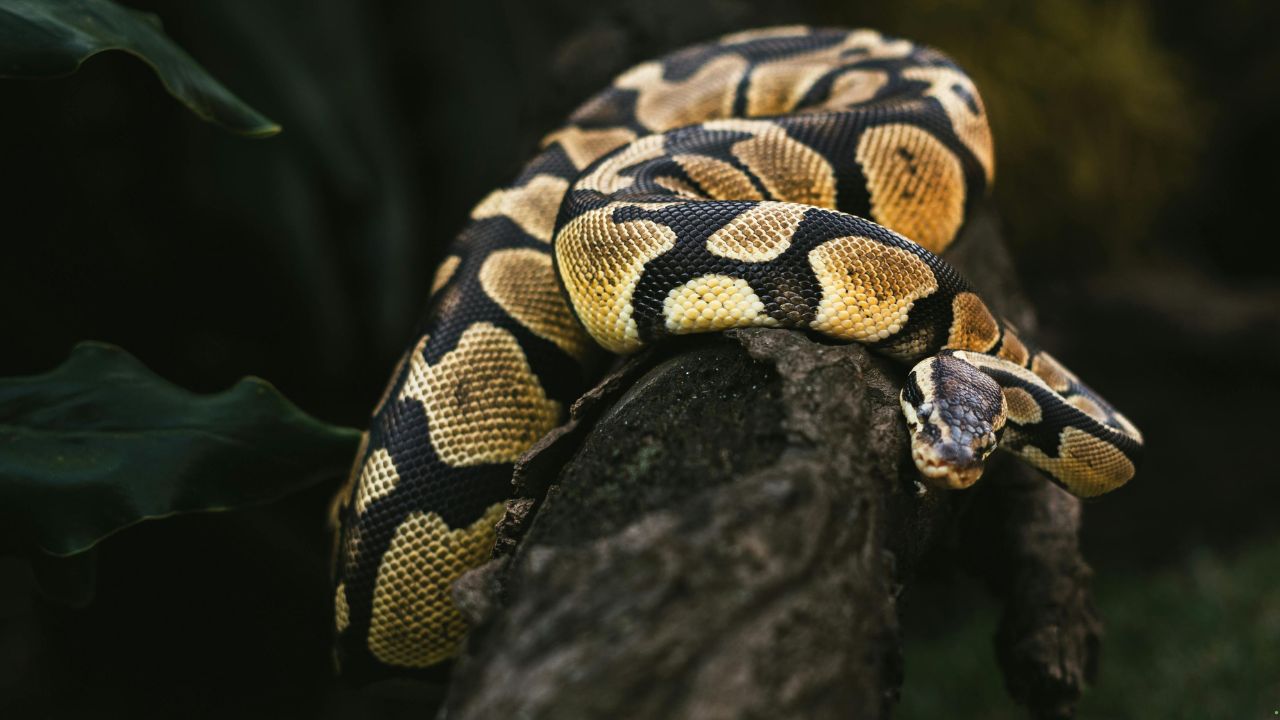
Imagine hunting in complete darkness, where sight is limited, yet every rustle, footstep, or heartbeat becomes a guiding beacon. For some snakes, this isn’t imagination—it’s life. Unlike humans, these incredible reptiles can detect the faintest vibrations in their surroundings, using sound in ways that seem almost supernatural.
The rattlesnake, for example, doesn’t just warn potential threats with its iconic rattle—it also relies on acute hearing and ground vibrations to locate prey. Pit vipers take it a step further, using specialized heat-sensing pits in tandem with sound detection to map their environment and strike with deadly accuracy.
This extraordinary adaptation allows these snakes to thrive in dense forests, underbrush, and even pitch-black caves. It’s a silent symphony of hunting, where sound guides every strike, and patience turns into survival.
By understanding these auditory hunters, we glimpse a world where senses evolve in extraordinary ways, and where the quietest rustle can mean life or death. The next time you hear a soft shake of leaves, remember—the hunter may already be listening.
Fact: Snakes may lack external ears and eardrums, but they are far from deaf. They “hear” by detecting vibrations through the ground, which travel from their jaw to specialized bones—the quadrate and columella—allowing them to sense approaching prey or predators with surprising accuracy.
7 Snakes That Use Sound to Locate Prey
1. Rattlesnake
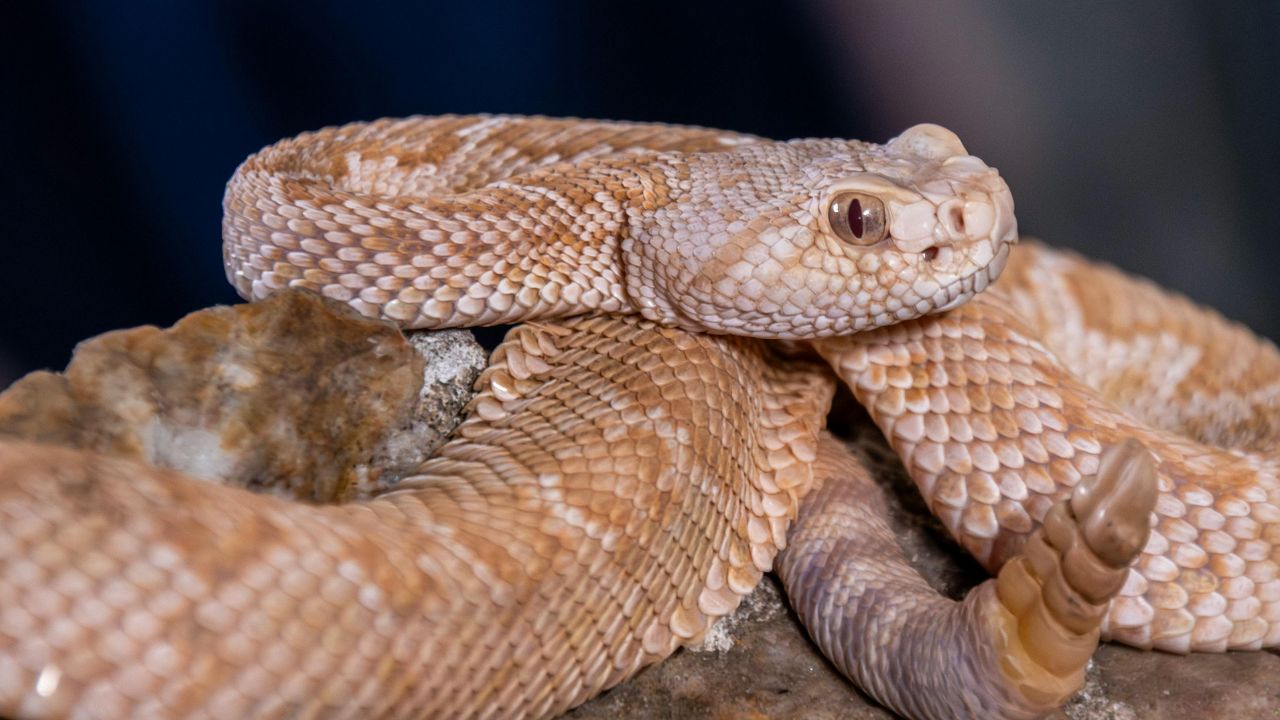
When you think of a rattlesnake, chances are you picture a slithery critter with a tiny maraca at the end of its tail—and you wouldn’t be far off! Rattlesnakes are the ultimate desert DJs, shaking their rattles like a warning sign that says, “Back off, buddy, or face the consequences!”
But don’t let the tail fool you—they’re far more than just noisy neighbors in the wild. Rattlesnakes are master predators, hunting everything from unsuspecting birds to rodents that wander a little too close. And here’s where things get really cool: they have built-in thermal radar.
These snakes sport heat-sensing pits on their faces, right between their eyes and nostrils, which can detect the warmth of a nearby creature. Basically, they can see your heat even in total darkness. Talk about night vision on steroids!
Here’s the kicker: As per Wikipedia, these pits only work within a short range—about a foot (0.30 m)—but in the darkness of night, that little slice of thermal insight is all a rattlesnake needs. When combined with their keen hearing, these snakes can pinpoint exactly where a prey animal is hiding and strike with precision.
And yes, the rattle isn’t just for show. While it doesn’t directly help them hunt, it’s a clever little warning system. It’s the snake equivalent of a “Do Not Disturb” sign, giving predators (and humans) fair warning before things get messy. Think of it as a tiny percussion instrument announcing: “Approach at your own risk!”
Rattlesnakes are a perfect example of nature’s ingenuity: small, stealthy, and armed with both heat sensors and a built-in maraca. Next time you hear that familiar rattle, remember—it’s more than just noise.
2. King Cobra
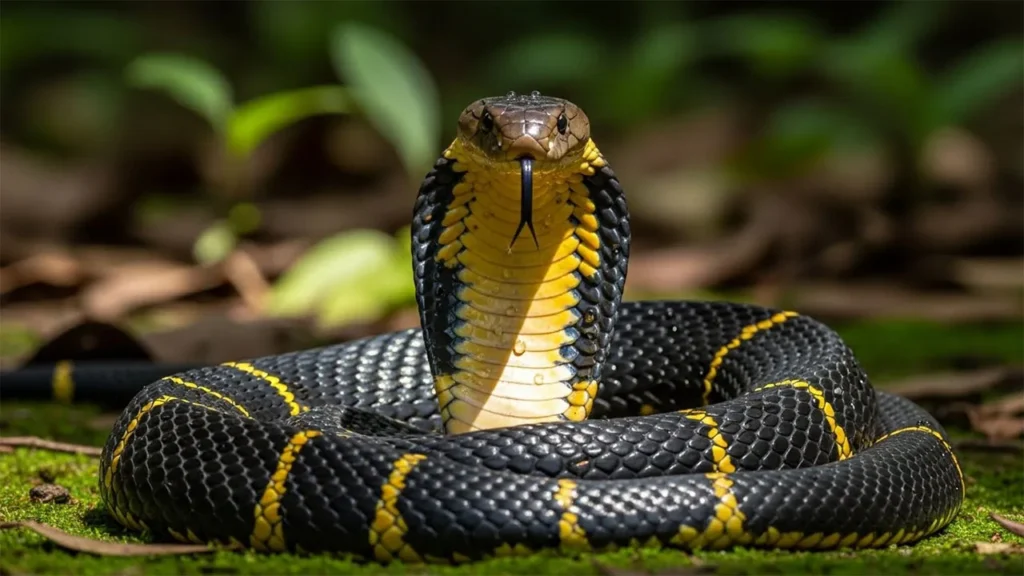
Meet the King Cobra, the royalty of the snake world. And yes, it lives up to the name—it’s basically the “lion” of the snake kingdom, able to slay and snack on other cobras without breaking a sweat.
These serpents aren’t just long; they’re impressively long. A full-grown king cobra can reach up to 18 feet, making it the longest venomous snake on the planet. That’s longer than most cars—imagine a snake trying to parallel park!
Their colors are just as striking as their reputation: shades of yellow, green, brown, or black, often with yellow-white crossbars or chevrons that make them look like they just stepped out of a snake fashion magazine.
And don’t let the beauty fool you—these snakes are fierce, aggressive, and more than capable of defending their title as king.
Now, when it comes to hunting, king cobras have a secret weapon: they’re excellent at detecting vibrations and subtle sounds in their environment. While they don’t have the rattlesnake’s tail shaker, they can “listen” to the rustle of prey through the ground and air.
That means a tiny vibration from a mouse or lizard can send the king cobra slithering with deadly precision—think of it as high-tech hunting, no ears required.
In short, the king cobra is a master of intimidation and stealth combined. Long, lethal, and laser-focused on prey, it’s easy to see why this snake wears the crown in the serpent kingdom. Approach with caution—or better yet, just admire from a safe distance.
3. Yellow-bellied Sea Snake
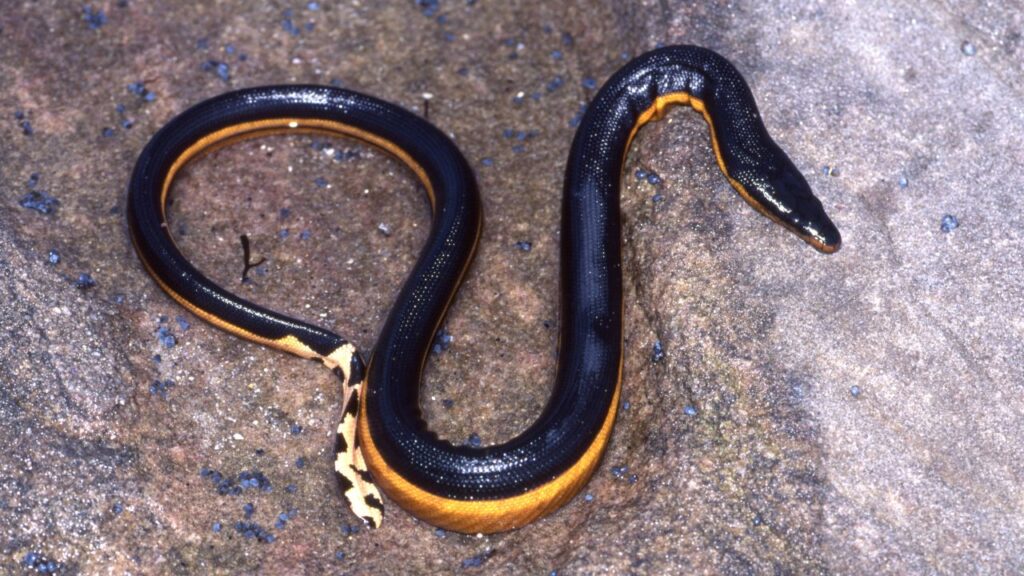
Meet the yellow-bellied sea snake, a true oceanic acrobat and one of the most venomous snakes on the planet. Unlike its land-dwelling cousins, this snake swapped deserts and forests for sunlit tropical waters—everywhere except the Atlantic, apparently. Maybe the Atlantic didn’t RSVP to the party.
Its signature yellow belly is like a neon warning sign to would-be predators: “Danger ahead—swim carefully!” Sleek, streamlined, and built for life in the waves, the yellow-bellied sea snake is a master of underwater stealth.
Its hunting skills? Sharp, precise, and highly adapted to the marine environment. It can sense vibrations in the water, detecting the faint movements of fish and other prey even in murky conditions. Think of it as sonar, snake-style.
Unlike the rattlesnake’s rattle or the king cobra’s intimidating hood, this snake doesn’t need flashy tricks—it blends in with the ocean currents, striking with lightning speed when prey comes within reach.
It’s a lethal combination of elegance and venom, moving through the water like a living torpedo with a bright yellow belly to make sure everyone knows not to mess with it.
In short, the yellow-bellied sea snake proves that even in the vast open ocean, snakes have found clever ways to hunt using sound and vibration—sometimes without making a single audible noise. Silent, deadly, and absolutely mesmerizing.
4. Western Blind Snake
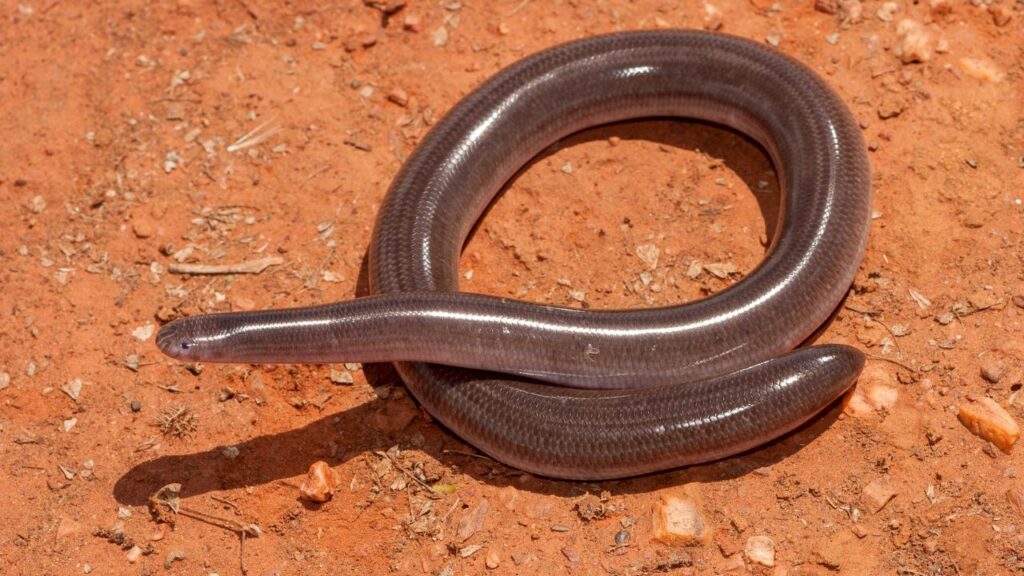
Don’t let the name fool you—the Western Blind Snake isn’t completely “blind,” but it’s definitely a master of stealth.
Imagine a tiny, worm-like snake that spends most of its life underground or under leaf litter, slithering silently while the world above bustles along. These snakes are built for a subterranean lifestyle, and their senses have adapted accordingly.
Since their eyes are tiny and mostly useless for hunting, Western Blind Snakes rely heavily on vibrations to find food. They can detect the faintest tremors in the soil caused by wriggling insects, larvae, and other small prey.
In other words, they don’t need to see or hear much—they just feel their dinner coming. It’s like a natural motion sensor for hunting.
Small, slender, and incredibly unobtrusive, these snakes may not have the flashy venom of a king cobra or the dramatic rattle of a rattlesnake, but they are perfectly suited for their hidden world.
They are the silent ninjas of the snake world, proving that sometimes, the best hunters don’t need to be loud—they just need to be incredibly sensitive to the tiniest vibrations around them.
5. Horned Sea Snake
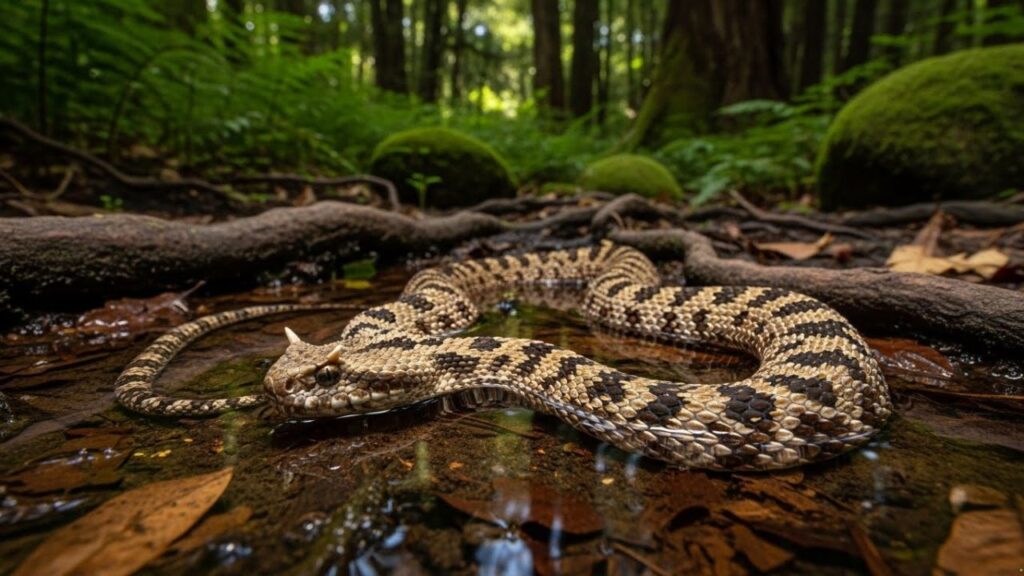
The horned sea snake is basically the underwater equivalent of a warrior in a fancy helmet—literally. Tiny, sharp “horns” above its eyes give it a distinctive look, like it’s ready for a medieval joust… in the ocean.
Sleek, slender, and venomous, this snake glides effortlessly through tropical waters, hunting fish and eels with deadly precision. Unlike land snakes that might rely on rattles or striking vibrations in the soil, the horned sea snake has adapted to sense movements in the water.
It can detect tiny vibrations from struggling prey, using its body to feel the rhythm of life beneath the waves. Imagine an underwater motion detector, finely tuned to the slightest flick of a fin—this is the horned sea snake in action.
Its hunting style is stealthy and efficient. No flashy warning signs, no dramatic displays—just a well-armored, agile predator that moves like a shadow, striking quickly when prey comes too close. Add the “horns” to its already striking appearance, and you have a snake that’s both elegant and deadly.
The horned sea snake is a perfect reminder that in nature, even the smallest sensory adaptations—like detecting vibrations in water—can turn a seemingly harmless creature into a master hunter. Silent, sleek, and razor-sharp, it’s a little predator with a big punch.
6. Ball Python
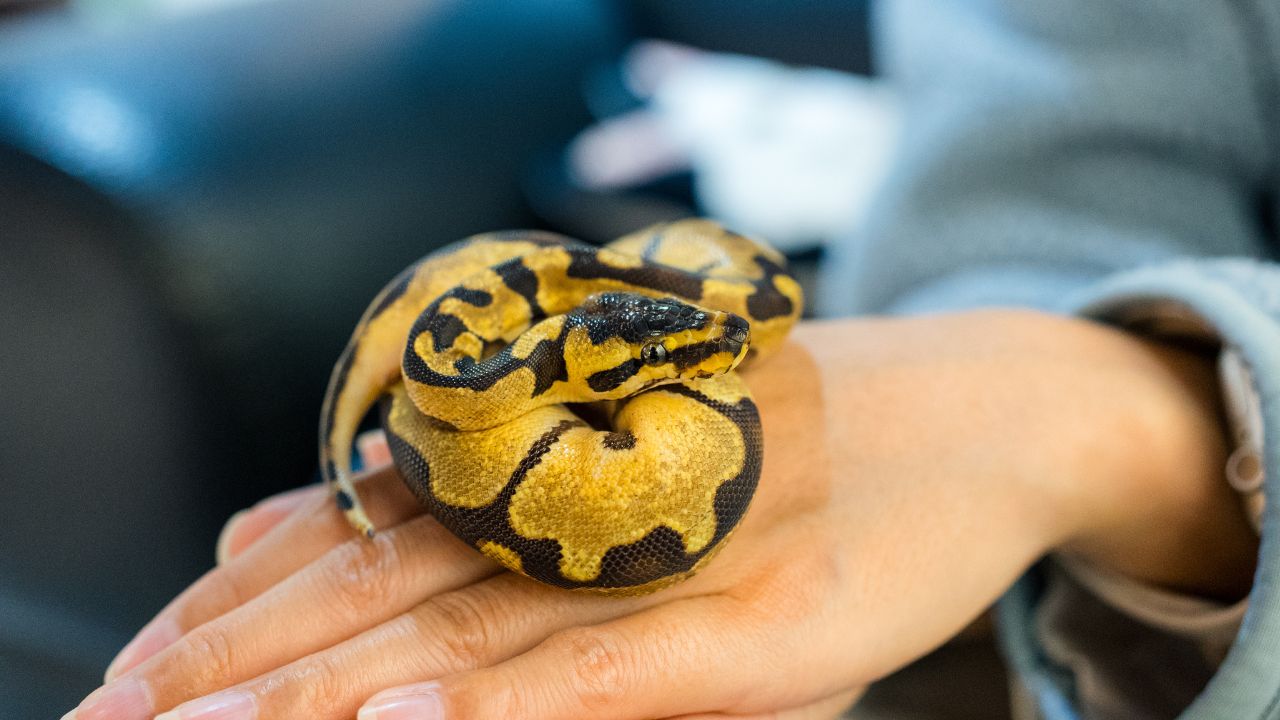
Meet the ball python—a snake that’s as cozy as it is cunning. Named for its adorable habit of curling into a tight ball when stressed or sleepy, this little serpent might look like a living yoga pose, but don’t be fooled: it’s a skilled nocturnal hunter.
Ball pythons are primarily active at night, which means they rely on subtle sensory cues rather than flashy displays or speed. They detect vibrations from prey moving nearby and can sense heat through specialized cells in their faces, helping them track small mammals in the dark.
Think of them as stealthy ninjas in a soft, scaly package. PetMD noted that, though ball pythons are famous in the pet world for their manageable size and gentle temperament, in the wild, they’re solitary hunters. They prefer to do their stalking in peace, away from other animals, striking only when they sense a perfect opportunity.
And while they’re not venomous like cobras or sea snakes, they have another trick up their sleeve: a powerful constricting hug that ensures their prey doesn’t get away.
With proper care, ball pythons can live for 30 years or more—a long life spent perfecting the art of nighttime hunting and curling up into the cutest little snake ball you’ve ever seen.
7. Egyptian Cobra
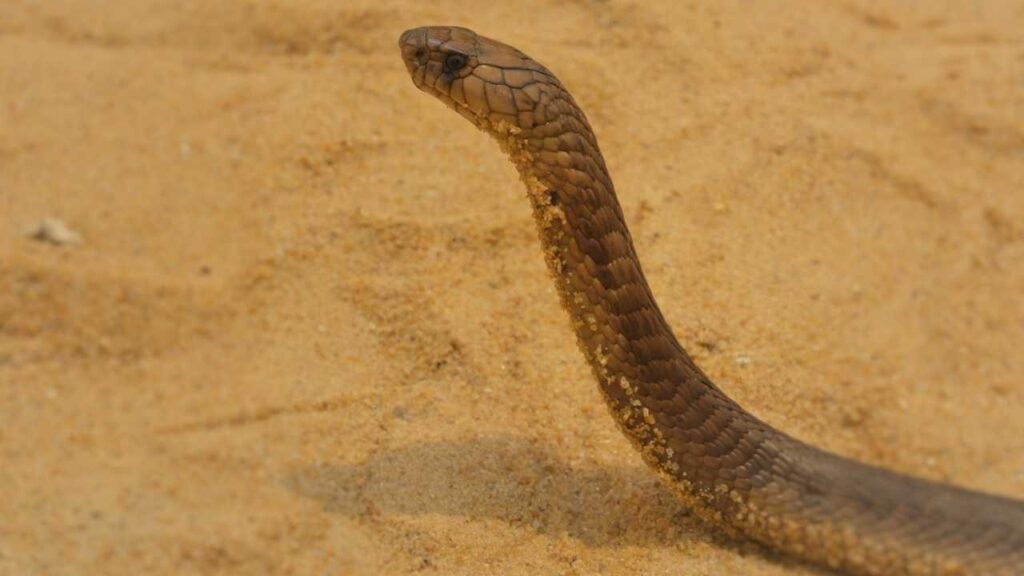
The Egyptian cobra is a true icon of the snake world, famous not just for its impressive size but also for its legendary reputation in ancient history. Known as a symbol of royalty and protection in ancient Egypt, this snake has plenty of real-world skills to back up its fame.
Egyptian cobras are highly venomous and can deliver a potent bite when threatened or hunting. They primarily feed on small mammals, birds, and other reptiles, and they rely heavily on their acute sense of smell, heat detection, and sensitivity to vibrations to locate prey.
Unlike snakes with flashy tail rattles or underwater horns, the Egyptian cobra is more of a silent stalker—patiently waiting, sensing, and striking with precision when the opportunity arises.
These snakes are also excellent at reading their surroundings. They can detect subtle movements and vibrations in the ground, almost like having a built-in “motion sensor” that tells them when a snack is nearby.
Their iconic hood? Not just for show—it makes them look bigger and more intimidating, helping keep predators at bay while they focus on hunting.
In short, the Egyptian cobra combines elegance, danger, and keen sensory skills, making it a top-tier predator. From ancient temples to the deserts of Africa, this snake proves that history and hunting prowess can coexist in a very sleek, very venomous package.
Conclusion
Snakes that use sound to locate prey demonstrate remarkable prey localization abilities across many snake species, including adult snakes, brown snakes, death adders, western diamondback rattlesnakes, Saharan sand vipers, and Woma pythons. By detecting airborne sound and ground borne vibrations through their inner ear, bones attached to the lower jaw, and body bridging, snakes can identify a sound source and monitor lizards, rodents, or large prey even in complex surrounding environments. Sound trials comparing a steel-mesh basket and three sounds reveal that snakes respond to sound frequencies and low frequencies, sometimes significantly more so when visual stimuli are limited.
Snakes also use Jacobson’s organ, the mouth, and head orientation to refine hunting, while active foragers and ambush predators alike adjust body temperature, behavior, and fangs during hunting or predator avoidance. In species that lay eggs, these mechanisms are observed across three other genera, with one snake sometimes monitored for several weeks to study trials included in biological sciences, highlighting the intricate and highly adaptive ways snakes use sound to survive and hunt.
