




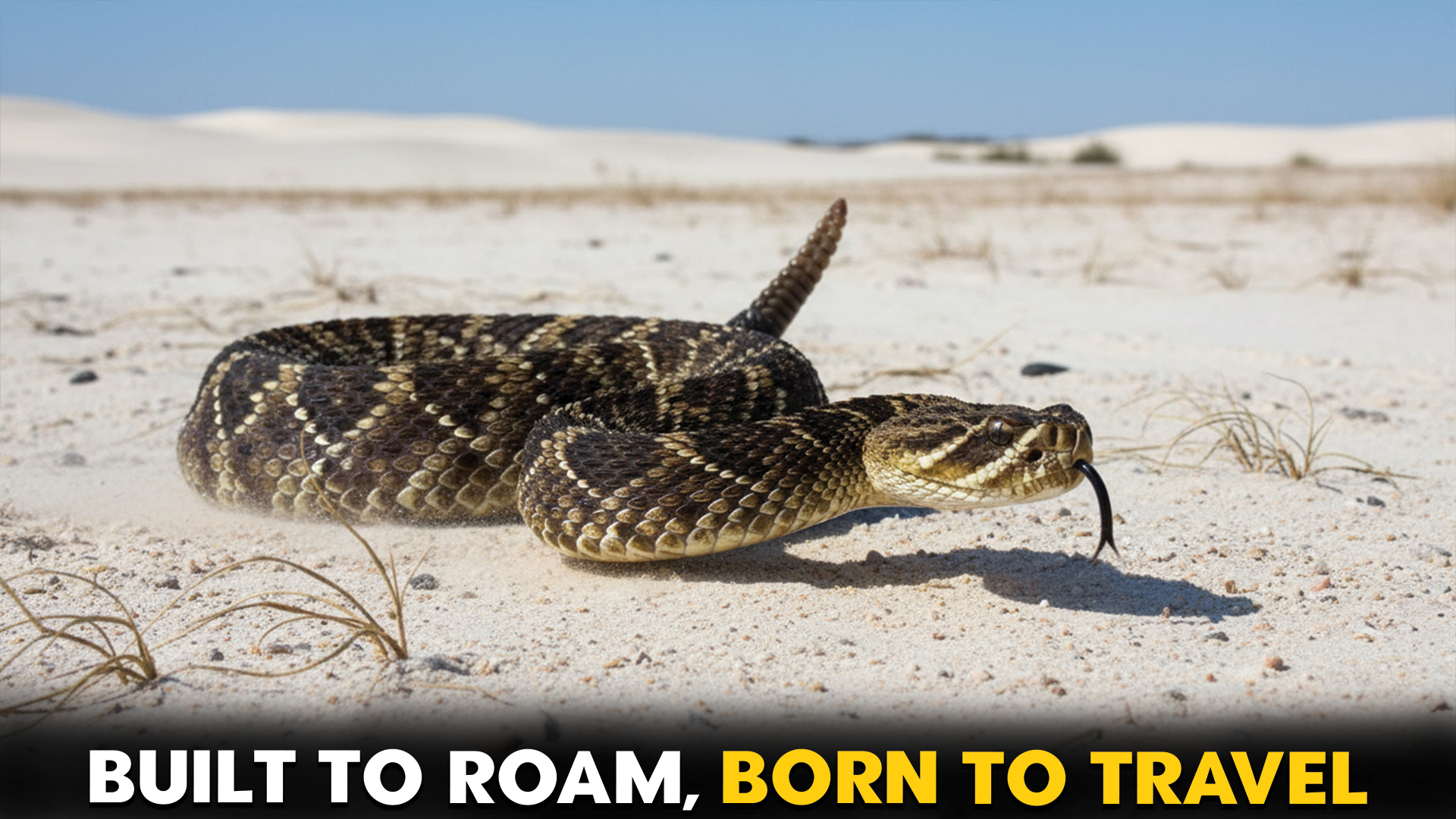
Snakes are often thought of as creatures with limited movement, but some species are capable of covering astonishing distances.
Snakes that can travel long distances use their mobility to hunt, find mates, escape threats, and explore new territories, demonstrating endurance and adaptability few would expect from these seemingly slow-moving reptiles.
Long-distance snakes have evolved traits that support extended travel. Muscular bodies, efficient energy use, and keen navigation abilities allow them to traverse deserts, forests, wetlands, and even rivers.
Some species migrate seasonally, while others expand their territories in search of food or breeding opportunities. These journeys can span miles, often under harsh conditions or through challenging terrain.
We’ll explore snakes that roam far and wide, revealing the behaviors, habitats, and survival strategies that allow them to cover vast distances. These snakes show that mobility and adaptability are just as crucial to survival as venom, camouflage, or strength—reminding us that even the quietest creatures can be remarkable explorers of the natural world.
Fact: Species like the Black mamba and king cobra can cover long distances to hunt, find mates, or expand territory. Even without legs, they’re capable of remarkable journeys.
Snakes That Can Travel Long Distances
1. Eastern Diamondback Rattlesnake
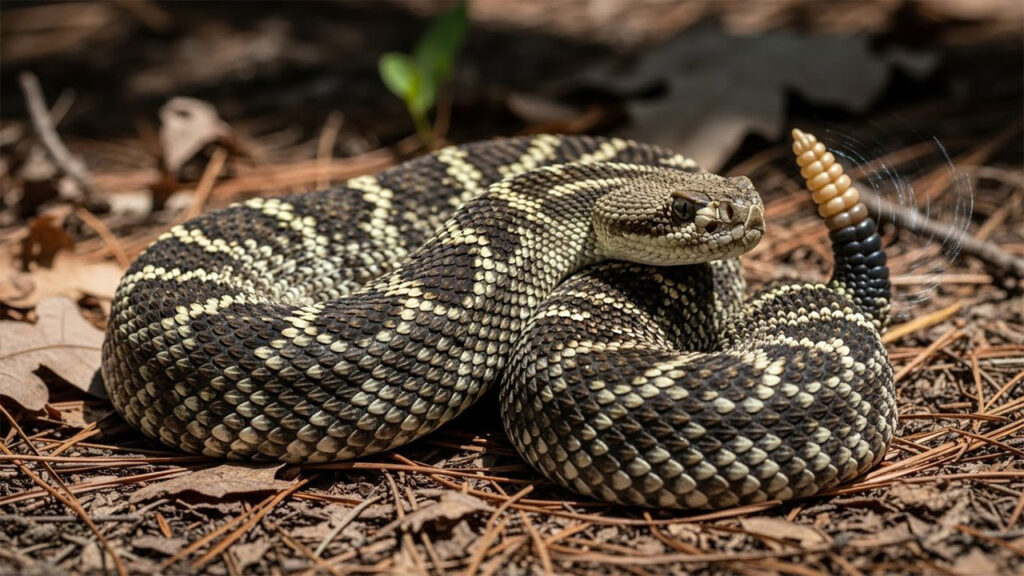
Meet the Eastern Diamondback, the heavyweight champ of rattlesnakes and a true wanderer. These snakes are the largest rattlers in North America, with adults commonly stretching 6–8 feet long, and some legends even claim a few have hit 10 feet!
What makes them such long-distance travelers isn’t just their size—it’s their survival instincts. Eastern Diamondbacks are known to patrol territories, moving several miles in search of small mammals like rabbits, rats, or even birds.
And if you’ve ever seen one in action, you know they’re not exactly sprinting; they’re more like stealthy, slithering road-trippers, carefully plotting their route with a GPS made of heat sensors.
They’re equipped with heat-sensing pits that let them “see” warm-blooded prey, making them efficient hunters even in the dark. And while they might not have a backpack or a playlist for the journey, they do have a rattle—a perfectly natural way of saying, “Stay off my lane!”
Eastern Diamondbacks also show seasonal movements. In cooler months, they’ll retreat to burrows or cozy dens, but when the weather warms up, it’s prime time for a slow, deliberate exploration of their domain.
So the next time you think your morning walk is long, remember there’s a rattlesnake out there silently logging miles like a true reptilian fitness enthusiast.
2. King Cobra
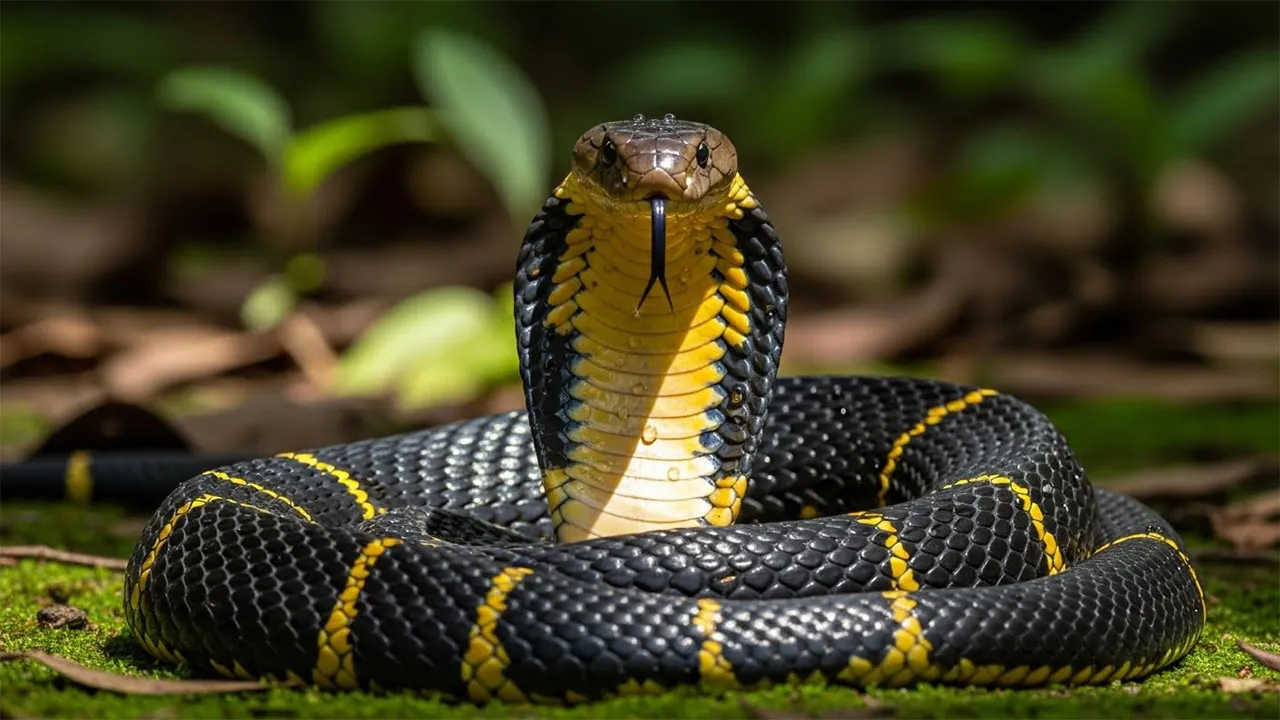
Towering as the world’s longest venomous snake, averaging between 10 and 13 feet, this reptile isn’t just impressive in length—it’s a master traveler across Asia. King Cobras are essentially the nomads of the snake kingdom.
Their territory stretches from the lush forests of India and Nepal, up to the highlands of Bhutan, and across Southeast Asia to the islands of Indonesia and the Philippines. Imagine packing your bags and deciding to tour a dozen countries—that’s basically a week in the life of a king cobra.
Despite their intimidating size, these snakes are surprisingly agile. When a threat appears—or, in human terms, when someone accidentally wanders too close—they can raise their iconic hood, giving a dramatic royal wave… before gliding forward to strike with surprising speed.
Multiple strikes? Oh yes, the king cobra doesn’t do things halfway. It’s the snake equivalent of saying, “I warned you, now back off… again… and again.”
According to Wikipedia, King Cobras are also dedicated explorers, moving long distances in search of food (mostly other snakes, hence the genus name Ophiophagus, “snake eater”) or the perfect den for laying eggs.
Their ability to cover ground efficiently while staying alert for both predators and prey makes them not just the longest, but one of the most disciplined long-distance travelers in the snake world.
3. Black Mamba
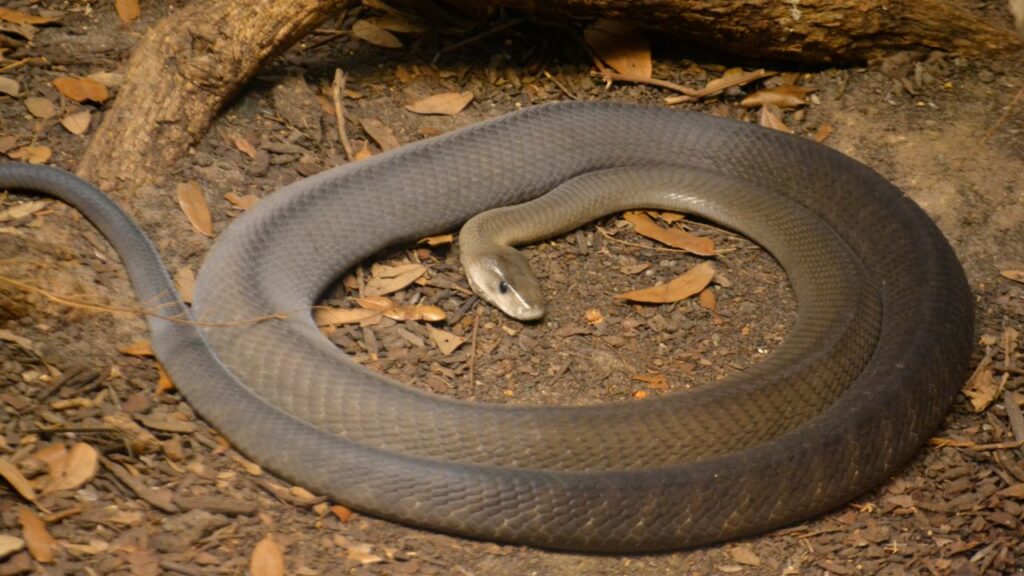
Native to sub-Saharan Africa, this snake has earned a fearsome reputation for both speed and venom. How fast are we talking? The black mamba can zip along at 16 km/h (about 10 mph) over short distances.
That might not sound like a lot until you realize that’s faster than a human jogging pace—and certainly faster than most people expect from a snake. Imagine trying to outrun something that hisses, flashes its black “fang curtain,” and delivers multiple bites in seconds—it’s basically a ninja on four scales.
Prots signature threat display, the black mamba opens its inky-black mouth, spreads a narrow neck-flap, and hisses like a sinister warning siren. It’s a dramatic, high-speed “back off” signal that few predators—or humans—ignore.
And when it does strike, it can hit from a surprising distance, often delivering several venomous bites in a row. Basically, this snake combines elegance, deadly precision, and high-speed mobility into one terrifyingly effective package.
Despite its fearsome persona, the black mamba is a skilled traveler, moving efficiently across its territory to hunt, patrol, or simply find a cozy spot to sunbathe. In the snake world, it’s not just a predator—it’s a long-distance sprinter with serious style.
4. Yellow Anaconda
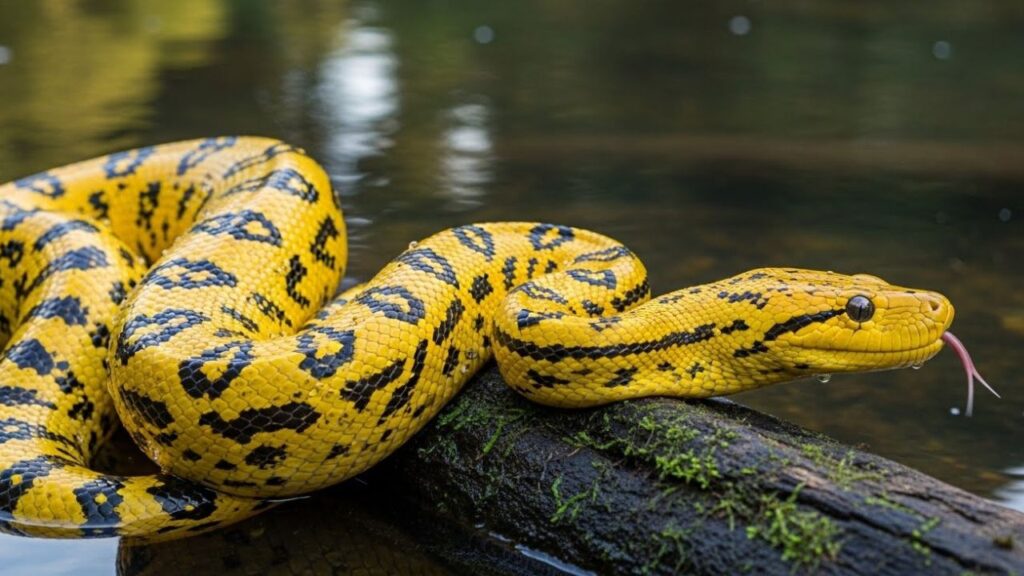
Big, powerful, and surprisingly graceful in water, this South American native is a master of long-distance travel, especially when it comes to cruising rivers and swamps. Yellow anacondas are semi-aquatic snakes, meaning they spend a lot of time in the water, slinking through marshes, streams, and slow-moving rivers.
They may not look fast on land, but in the water, they are excellent swimmers, able to glide silently for miles while stalking prey—or just enjoying a leisurely snake-sized road trip. These snakes can grow impressively large, often reaching 12–14 feet, with some reports of even bigger specimens.
Their size makes them formidable hunters, preying on fish, birds, mammals, and even caimans when the opportunity arises. But unlike the high-strung Black Mamba, the Yellow Anaconda prefers slow, deliberate exploration, moving long distances without unnecessary drama—though they are fully capable of showing their power when needed.
And here’s a fun twist: despite their intimidating size, yellow anacondas are masters of stealth and patience. They don’t rush—they travel, they explore, and they wait for the perfect moment, proving that long-distance travel doesn’t always need speed—it just needs persistence and style.
In short, if snakes had personalities, the Yellow Anaconda would be the laid-back world traveler: taking its time, enjoying the scenery, and occasionally reminding everyone that size does matter.
5. Burmese Python
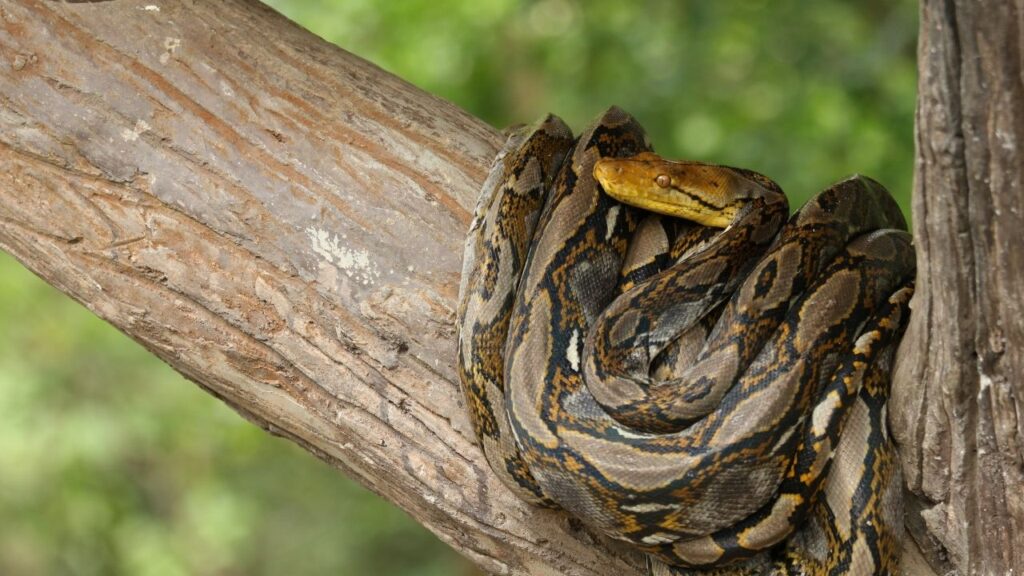
Native to Southeast Asia, this giant constrictor has made a name for itself both in its home range and, famously, in Florida, where it’s become an unexpected tourist of the Everglades. Burmese pythons can grow up to 23 feet long, making them one of the largest snake species on the planet.
Despite their massive size, they are surprisingly mobile. They slowly, methodically explore their environment, capable of covering large territories in search of prey such as mammals, birds, and even other reptiles.
Their travel style isn’t flashy or fast, but it’s persistent—a true testament to long-distance strategy in the snake world. In water, these snakes shine even more. Burmese pythons are excellent swimmers, using rivers, streams, and flooded forests as natural highways to cover distances efficiently.
On land, they may look like slow-moving giants, but don’t underestimate them—they can strike suddenly with precision if provoked.
Humorously, you could think of the Burmese Python as the “moving company” of snakes: slowly hauling its considerable bulk from point A to point B, making sure no meal—or hiding spot—is left behind. They’re the ultimate long-distance travelers in a world where patience, persistence, and a big appetite go hand in hand.
6. Garter Snake
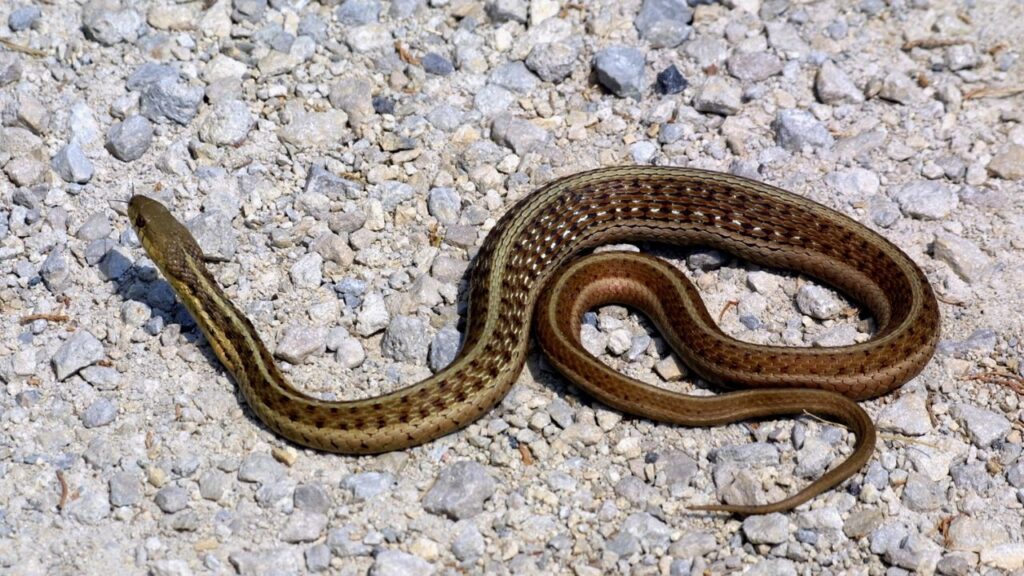
Meet the Garter Snake, the little adventurer of the snake world. While it might not be as massive as a Burmese Python or as legendary as a King Cobra, this slender, semi-aquatic serpent proves that long-distance travel doesn’t require size—just determination and a sense of curiosity.
Garter snakes are habitat generalists, thriving in forests, grasslands, lawns, and even wetlands. If there’s a route worth exploring, chances are a garter snake has slithered through it. Their versatility means they can cover a lot of ground, from hunting worms and amphibians to simply exploring their surroundings.
PetMD says these snakes are also famous escape artists, especially when kept as pets. Give a garter snake a loose lid, and it’s practically a Houdini in scales—slipping out to explore new territory. In the wild, that same adventurous streak makes them efficient travelers, moving through diverse landscapes with stealth and speed relative to their size.
Despite being small (usually 18–26 inches), garter snakes have big personalities. They’re active during the day, curious, and surprisingly bold, showing that you don’t need to be a giant to roam far and wide. In fact, their small size and agility make them ideal long-distance survivors in varied environments.
So next time you see a garter snake crossing your garden, think of it as a tiny explorer, on a slow but steady quest for adventure—and maybe for a snack along the way.
7. Western Diamondback Rattlesnake
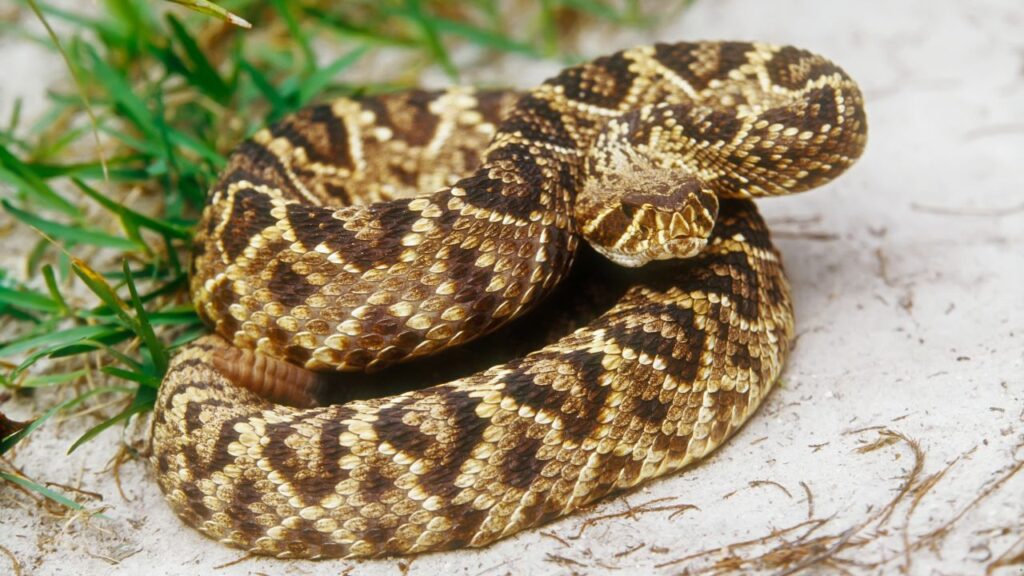
Meet the Western Diamondback Rattlesnake, the fearless road warrior of North America’s arid landscapes. Stretching across the southwestern U.S. into northern Mexico, this pit viper isn’t just venomous—it’s a master of long-distance survival in some of the toughest environments around.
Western diamondbacks are true desert travelers, navigating brushy flatlands, rocky slopes, riverbanks, and even the occasional “junk pile suburb” without missing a beat.
Their adaptability allows them to cover surprisingly large territories in search of prey like rodents, birds, and lizards—or just a comfy sunbathing spot. Think of them as the ultimate off-road explorers, combining stealth, precision, and endurance.
Britannica noted that in winter, these snakes are communal den enthusiasts, hibernating in abandoned burrows or even sharing space with gophers and prairie dogs. Before and after denning, the males engage in ritual combat, wrestling for access to females—a reminder that even desert warriors have their battles and love stories.
Despite their reputation as aggressive, the Western Diamondback is also strategic in travel. They don’t rush—they move deliberately, conserving energy for hunting and mating. And when threatened, they flash their iconic rattle, warning intruders with a sound that says, “This is my territory, back off!”
In short, if snakes had a cross-country road trip guide, the Western Diamondback would be the one navigating rocky terrain, dodging hazards, and always making it to the next pit stop, rattling along with confidence and style.
Conclusion
Certain snake species, such as the banded flying snake, paradise tree snake, and moluccan flying snake, demonstrate a remarkable ability to travel long distances, gliding through the air from tree branches to hunt mammals or avoid predators. Using ambush tactics, feeding strategies, and chase techniques, some of the fastest snakes, like the southern black racer or common death adder, can cover ground efficiently while maintaining highly venomous defense when needed.
Belonging to the genus Chrysopelea, most snakes show adaptations shaped by evolution, enhancing survival and dispersal. With five species identified, scientists highlight their dangerous yet fascinating nature, emphasizing the importance of conservation to preserve these long-distance travelers and their unique history in the wild.
