




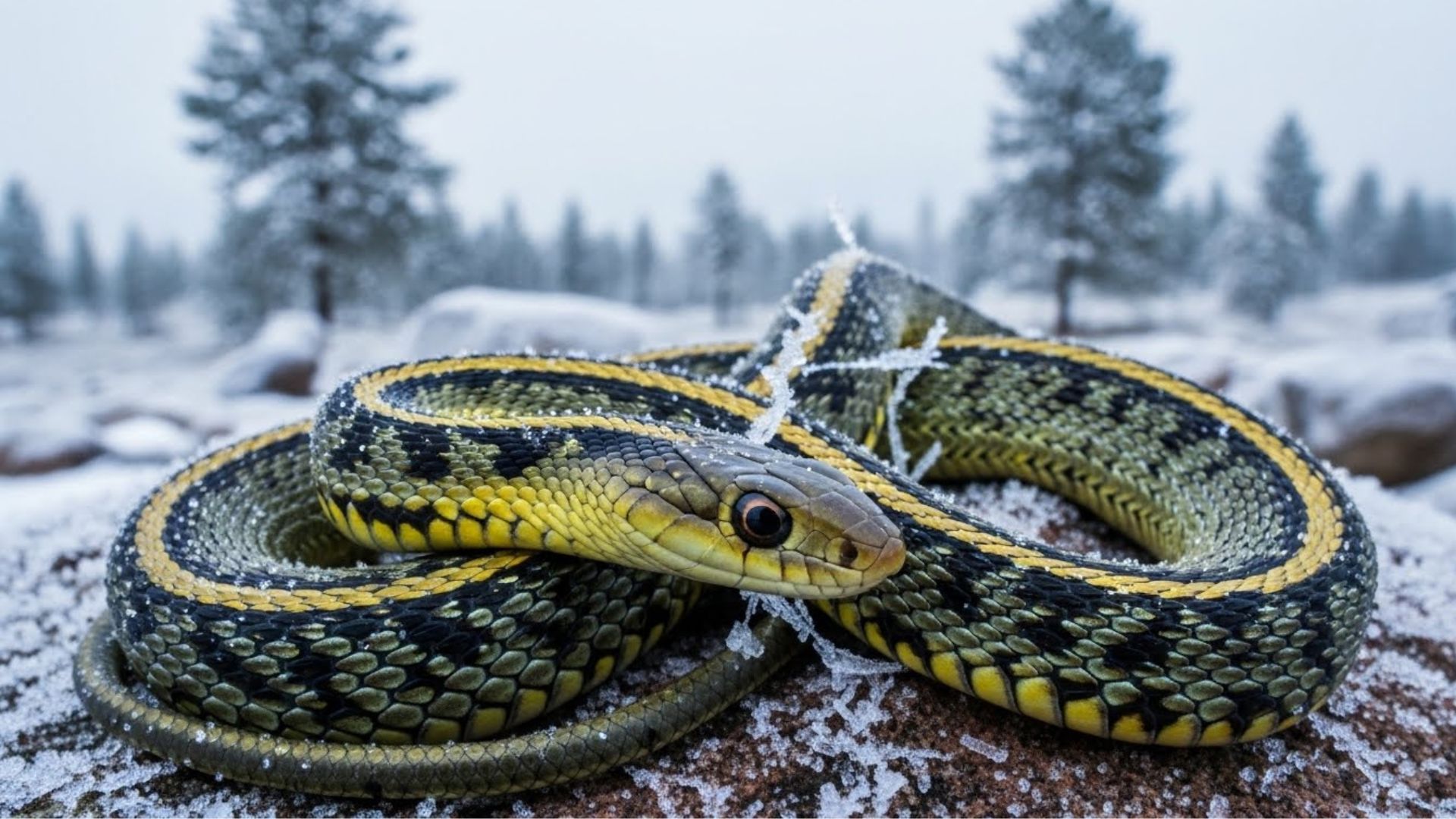
Snow-covered forests, frozen wetlands, and long winters don’t seem like places where snakes should exist. After all, snakes are cold-blooded reptiles, often associated with warm deserts and tropical jungles.
Yet nature has its surprises. Some snake species have evolved incredible adaptations that allow them to survive—and even thrive—in very cold conditions. These cold-climate snakes use clever strategies to endure freezing temperatures. Many enter a state similar to hibernation, known as brumation, slowing their metabolism to conserve energy.
Others seek refuge in deep burrows, rock crevices, or shared underground dens that stay insulated from extreme cold. Some species can even tolerate partial freezing, reviving when temperatures rise again.
Living in cold environments also reduces competition and predation, giving these resilient reptiles a unique ecological niche. Their ability to survive harsh winters is a testament to evolution’s creativity and resilience.
As we dive into the world of cold-tolerant snakes, you’ll discover how these misunderstood creatures challenge the myth that snakes belong only in warm, sun-soaked places.
Quick Insight: Species like the European viper and the Himalayan pit viper can survive freezing temperatures by hibernating in burrows or under rocks and slowing their metabolism almost to a standstill.
7 Snakes That Can Live in Very Cold Conditions
1. Common Garter Snake
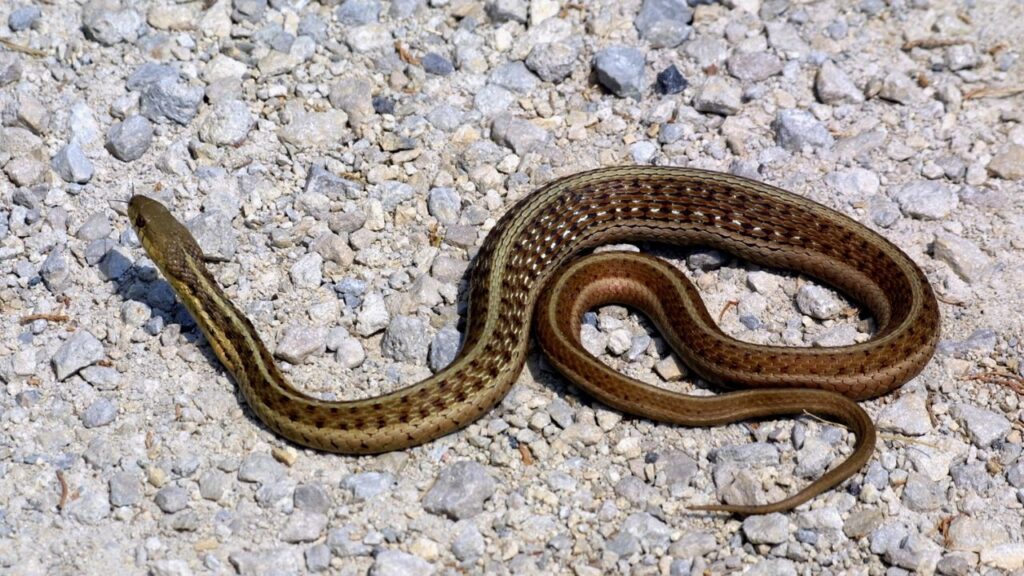
When you think of snakes, you probably imagine them basking lazily in the scorching sun, soaking up rays like tiny, scaly sunbathers. But not all snakes are sun-worshippers. Meet the Common Garter Snake (Thamnophis sirtalis), a true North American cold-weather warrior.
These little serpents are surprisingly adaptable. From the sunny streets of the southern U.S. to the chillier reaches of Canada, garter snakes know how to pace themselves.
In warmer climates, they keep busy year-round—basically your “overachiever” neighbor who never takes a day off. But up north, they’ve got a different game plan.
Wikipedia noted when winter comes, garter snakes gather together in cozy communal dens, huddling like a scaly version of a winter sweater to survive the cold months. And yes, sometimes these gatherings are massive—think snake slumber party on a truly epic scale.
Even in the dead of winter, these snakes aren’t completely couch potatoes. On warm winter afternoons, some adventurous garter snakes will poke their heads out of their hibernation dens to soak up a little sun—basically a “just five more minutes of sun” attitude. In summer, they’re diurnal and thrive on mornings and late afternoons, hunting and exploring their surroundings.
So next time you picture a snake shivering in the snow, think of the garter snake: small, resilient, and totally unbothered by a little frost. Who knew cold-weather reptiles could be this clever and cozy?
2. European Adder
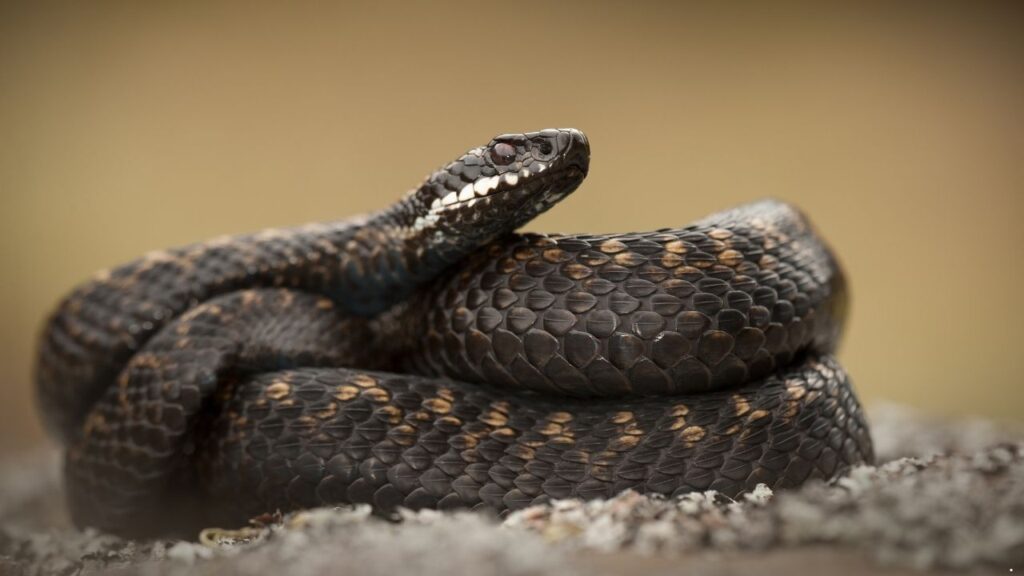
If you thought snakes were sun-loving creatures who couldn’t handle a nip in the air, meet the European Adder (Vipera berus), the ultimate frost fighter of the reptile world. These snakes are true northern warriors—they’ve been spotted in places so cold that no other snakes dare to slither, including territories north of the Arctic Circle.
That’s right, these snakes are basically the polar bears of the serpent world… minus the cuddly fluff. So, how do these chilly adventurers survive in temperatures that would send most reptiles running for the tropics? Two words: hibernation and group energy conservation.
During winter, European adders perform an impressive feat of energy economy. They slow down their metabolism like a smartphone on low battery—heart rate drops, breathing slows, and digestion basically hits the snooze button.
Then, they burrow underground, aiming to slip below the frost line, where the temperature stays just above freezing. Mammal burrows and crayfish holes become their luxury winter condos, scientifically known as hibernacula.
But it gets even cozier. These snakes are social sleepers! They cram as many adder bodies into a single hibernaculum as possible, sharing warmth in a reptilian version of a group blanket. Some dens have been known to host over 100 snakes—a true slithering party that makes your cramped winter cabin seem spacious in comparison.
So next time you picture a snake shivering in the cold, remember the European adder: small, tough, and with a built-in winter survival strategy that would make even the most seasoned camper jealous.
3. Northern Water Snake
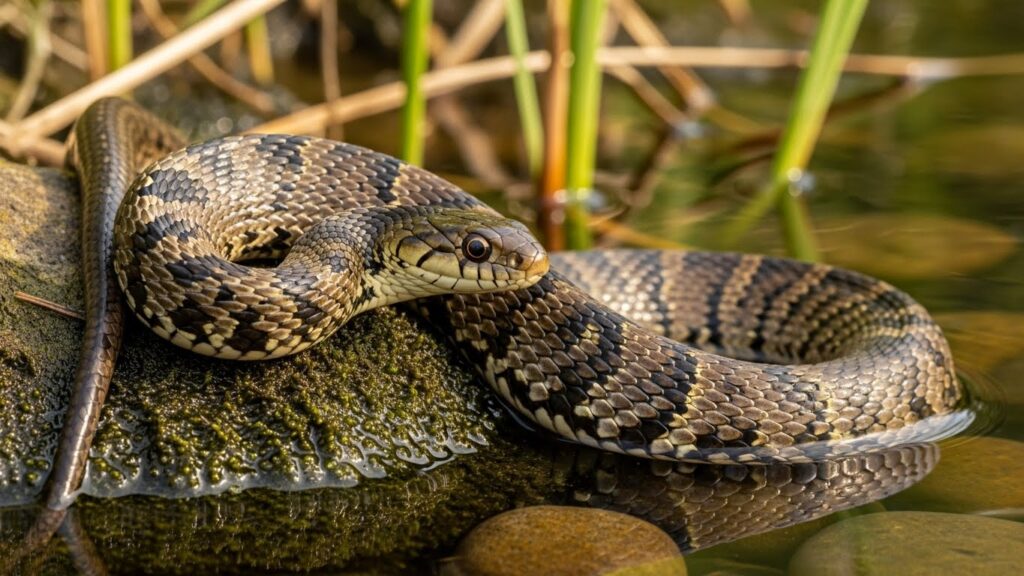
If you think water and cold don’t mix, the Northern Water Snake (Nerodia sipedon) is here to prove you wrong. Native to the eastern and central regions of North America, these snakes are the aquatic cousins of garter snakes, thriving along rivers, lakes, and wetlands.
Think of them as the “lifeguards” of freshwater habitats… just with scales and a slightly bitey attitude. According to A-Z Animals, during the winter, northern water snakes slip into hibernation, retreating to safe spots to snooze through the cold months.
But come spring and summer, they transform into sun-chasing thrill-seekers, often spotted basking on rocks, tree stumps, or brush. Whether it’s day or night, these snakes are on the move, showing off their semi-aquatic skills and keeping pesky pests like frogs and rodents in check—a natural form of “eco-friendly pest control.”
Don’t worry, though—these snakes aren’t looking for a fight. They prefer to mind their own business, though they won’t hesitate to defend themselves if provoked. Think of them as polite neighbors who give a firm warning nip if you get too close.
With their adaptable nature and fearless approach to cold climates, northern water snakes are yet another example of how clever and resilient snakes can be. They prove that you don’t need a tropical paradise to live your best scaly life.
4. Siberian Pit Viper
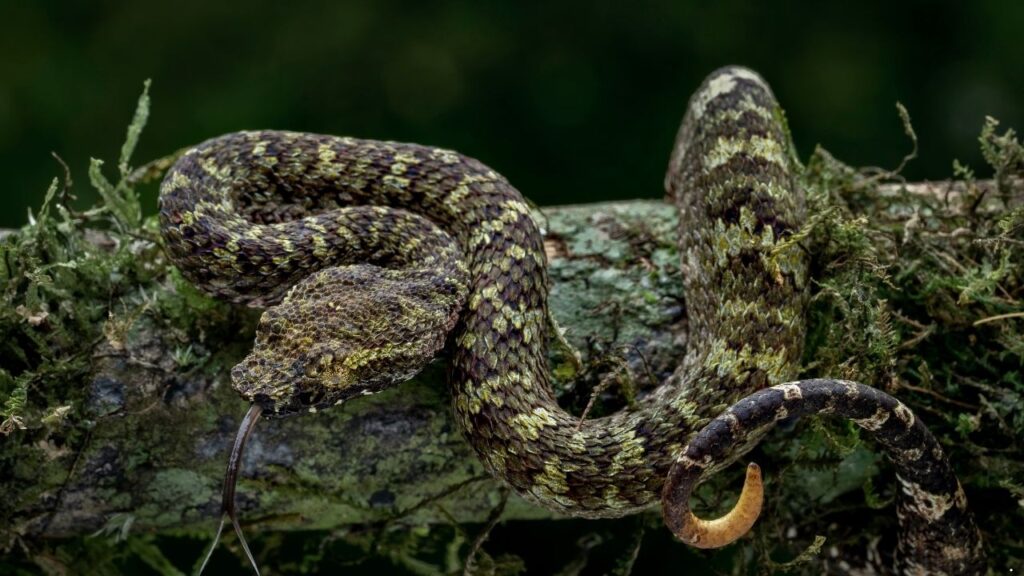
If you thought snakes were tropical sun-seekers, meet the Siberian Pit Viper (Gloydius halys), a cold-climate predator that laughs in the face of frost. As its name suggests, this viper calls Siberia home—a place famous for brutally cold winters, not exactly a snake’s dream vacation spot.
Yet somehow, this snake thrives where many others would simply shiver and call it quits. Like other cold-loving snakes, the Siberian Pit Viper relies on clever survival tactics. During the winter, it slips into hibernation, burrowing deep into the ground to escape freezing temperatures.
These vipers often find refuge in rodent burrows or natural crevices, essentially turning someone else’s home into their personal winter hideout. Despite its icy environment, the Siberian Pit Viper is a fearsome hunter when active.
It preys on small mammals, birds, and amphibians, using its heat-sensing pits to locate warm-blooded meals—even under snow or in dim light. And yes, it’s venomous, so if you ever meet one, it’s best to admire from a respectful distance.
In short, the Siberian Pit Viper is like the ultimate survivalist: cold-resistant, clever, and quietly deadly. It’s proof that with the right strategy, even a snake can make Siberia feel like home—well, as homey as Siberia gets.
5. Bullsnake
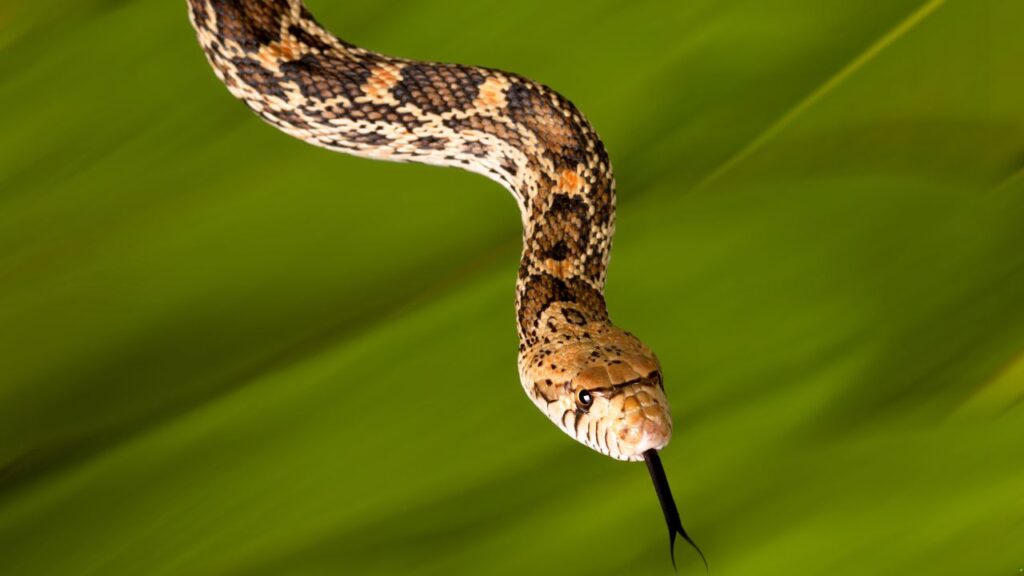
Meet the Bullsnake (Pituophis catenifer), a large, nonvenomous snake that’s as bold as it is adaptable. Stretching across western North America—from British Columbia down to northern Mexico and east to Indiana—these snakes are true survivors of both heat and chill.
Depending on where you are, locals might call them bullsnakes or gopher snakes, but either way, they’re impressive creatures. Bullsnakes are mainly fossorial, meaning they love to dig and burrow—basically the ultimate underground enthusiasts.
But don’t think they’re shy homebodies. They’ll cross open fields, climb trees, and hunt a variety of prey, including rodents, birds, and lizards. And if you get too close? They put on a dramatic show: hissing loudly, thrashing about, and vibrating their tails. They even occasionally bite, which has earned them the unfortunate nickname of “rattlesnake impostor.”
When it comes to reproduction, bullsnakes are resourceful. As per Britannica, females lay their eggs in burrows they dig themselves—or in abandoned mammal homes—letting their next generation start life in cozy, protected digs.
Whether it’s hunting, burrowing, or fending off would-be predators with theatrical flair, the bullsnake proves that surviving in variable climates—from cold northern territories to warmer southern regions—is all about versatility and attitude. It’s like the all-terrain vehicle of the snake world, with a flair for drama.
6. Western Massasauga
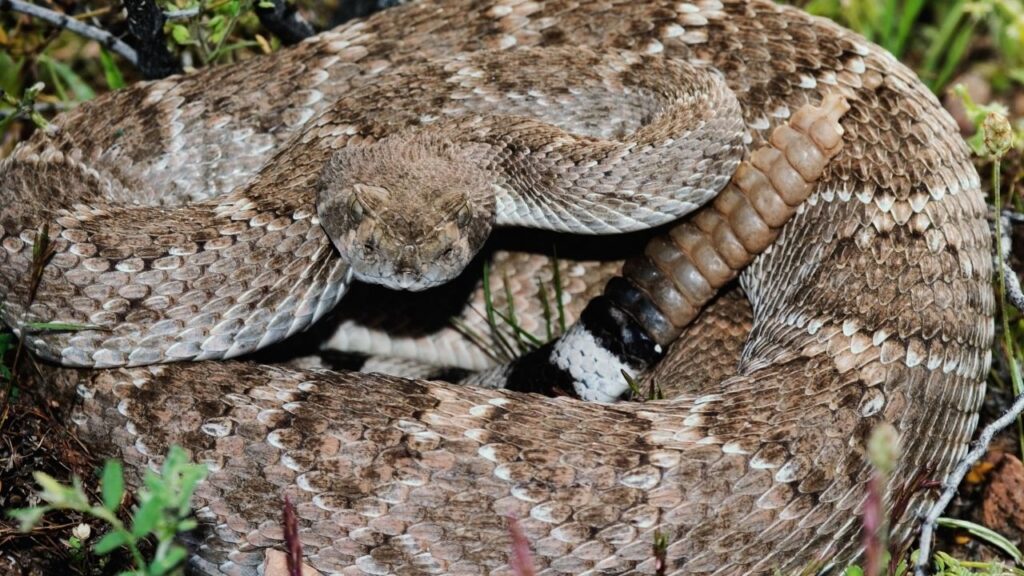
Say hello to the Western Massasauga (Sistrurus tergeminus), a small but mighty rattlesnake that knows how to handle cold climates without breaking a sweat.
Found in open prairies, grasslands, and lightly wooded areas of western North America, this viper is a master of adaptation, proving that even rattlesnakes can thrive in regions with frosty winters. During the cold months, the Western Massasauga goes into hibernation, retreating underground into burrows or crevices where temperatures stay safely above freezing.
Think of it as a built-in winter cabin—no rent required, just enough room to curl up and conserve energy. When it’s active, this viper is a patient and efficient hunter, preying on small mammals, amphibians, and insects.
And yes, like most rattlesnakes, it comes equipped with venom and a signature rattle, which it uses to warn would-be threats: a polite “stay back” with a bit of musical flair. Despite its small size, the Western Massasauga is a survivor in tough environments, proving that you don’t need to be enormous or tropical to make it through harsh winters.
With clever hibernation tactics and a cautious, calculated lifestyle, this little rattler shows that even in cold weather, survival is all about strategy—and a little bit of attitude.
7. Western Fox Snake
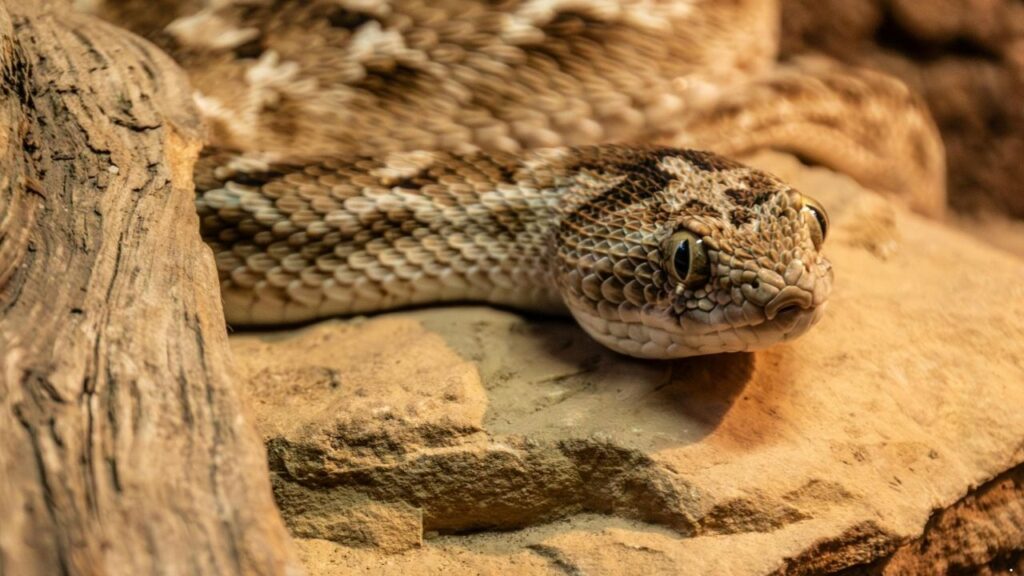
Meet the Western Fox Snake (Pantherophis vulpinus), a clever and cold-tolerant snake native to the Midwestern and parts of western North America.
These snakes are the ultimate opportunists, thriving in prairies, farmlands, and open woodlands, proving that even in chilly climates, a little ingenuity goes a long way.
Like many cold-weather snakes, the Western Fox Snake hunkers down for the winter in hibernation, finding snug burrows or other hidden spots where the frost can’t reach them. It’s basically the reptile equivalent of “Netflix and chill” under a blanket of soil.
When the weather warms, these snakes come alive, hunting rodents, birds, and eggs with impressive precision. They’re nonvenomous but are far from defenseless. When threatened, they’ll rattle their tails in dry grass to mimic rattlesnakes, hiss loudly, and put on a convincing scare show—basically playing the part of a “look out, I’m dangerous!” actor without the actual venom.
Adaptable, smart, and surprisingly resilient, the Western Fox Snake is a true testament to how snakes can thrive in colder climates while still living life on their own terms. They’re like the crafty pranksters of the snake world: always alert, always resourceful, and never letting the cold keep them down.
Conclusion
Snakes that can live in very cold conditions show remarkable resilience despite being cold blooded animals whose body temperature depends on their surroundings. During cold temperatures and the cold winter months, most snakes, including rat snakes and venomous snakes like the common European adder, adjust how and where snakes live to remain able to survive. As fall arrives and winter months begin, many snakes seek shelter in rock crevices or underground ranges, entering a state similar to hibernate or deep sleep, where they no longer eat, drink, or search for food.
This seasonal slowdown helps them conserve energy rather than hunt or kill, reducing the risk that they might die in harsh conditions. While some pets struggle in such climates, wild snakes have evolved strategies shaped by long-term experience, though climate change is altering these cycles and the environments they rely on. Overall, these adaptations explain how snakes endure freezing seasons and continue to persist across cold regions.
