




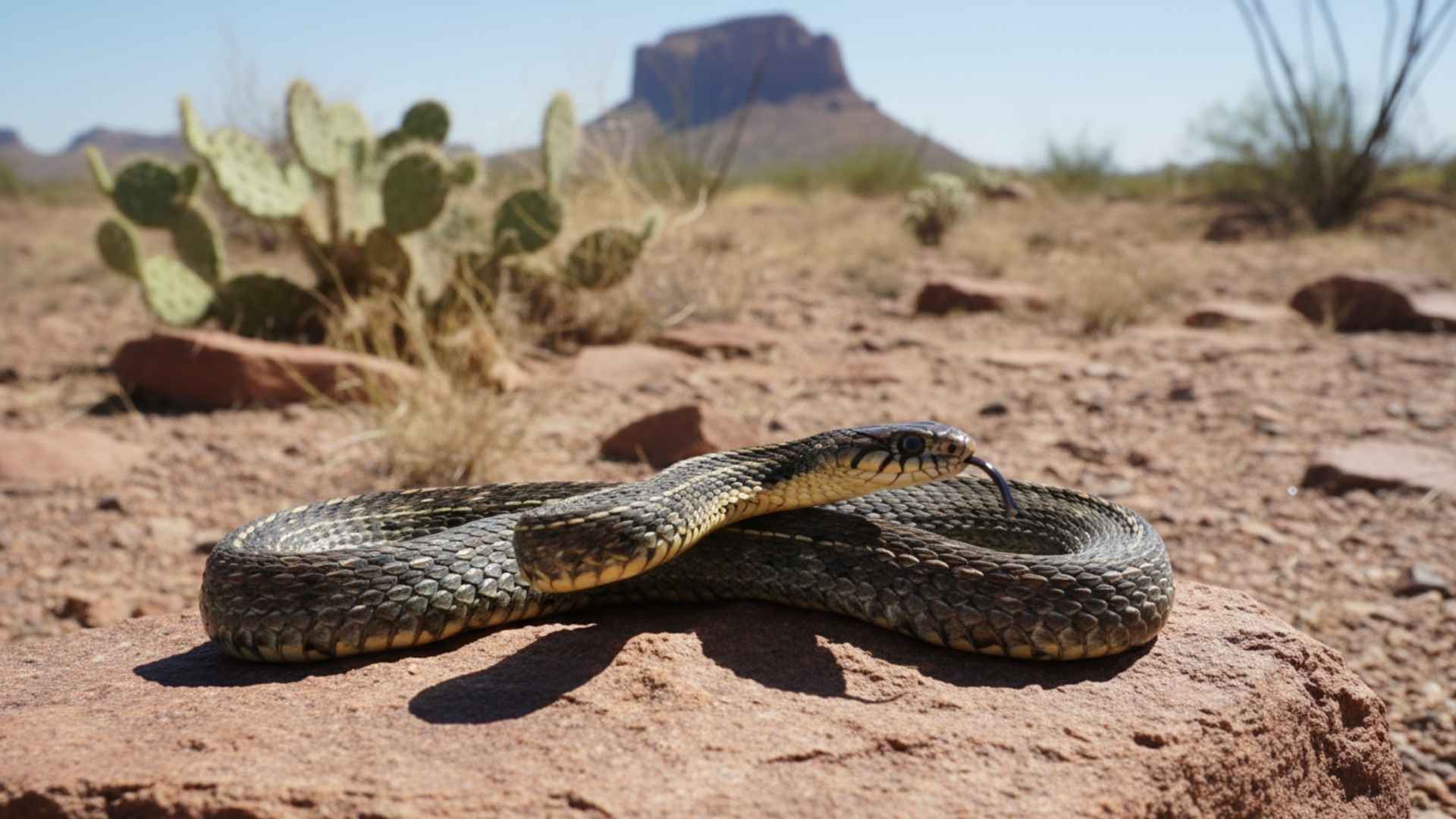
In a world that’s constantly shifting—whether due to climate change, urban expansion, or natural disasters—some snakes have become true masters of adaptation. These resilient reptiles thrive where others struggle, adjusting their behavior, diet, and habitats to survive in rapidly changing environments.
Imagine a snake that can move from forests to grasslands, wetlands to farmlands, all while evading predators and finding food. Their secret lies in flexibility: specialized hunting strategies, versatile diets, and even tolerance for temperature fluctuations.
Studying these adaptive snakes offers insights not only into survival but also into how ecosystems respond to environmental stressors. From urban backyards to shifting riverbanks, these snakes embody resilience, turning challenges into opportunities.
For wildlife enthusiasts, researchers, or anyone curious about nature’s adaptability, exploring these snakes reveals lessons about evolution, ingenuity, and the delicate balance of life in a changing world.
Quick Insight: Other species like garter snakes and rat snakes, thrive in diverse habitats—from urban areas to forests—by adjusting their diet, behavior, and activity patterns.
Snakes That Can Adapt to Rapidly Changing Environments
1. Common Garter Snake
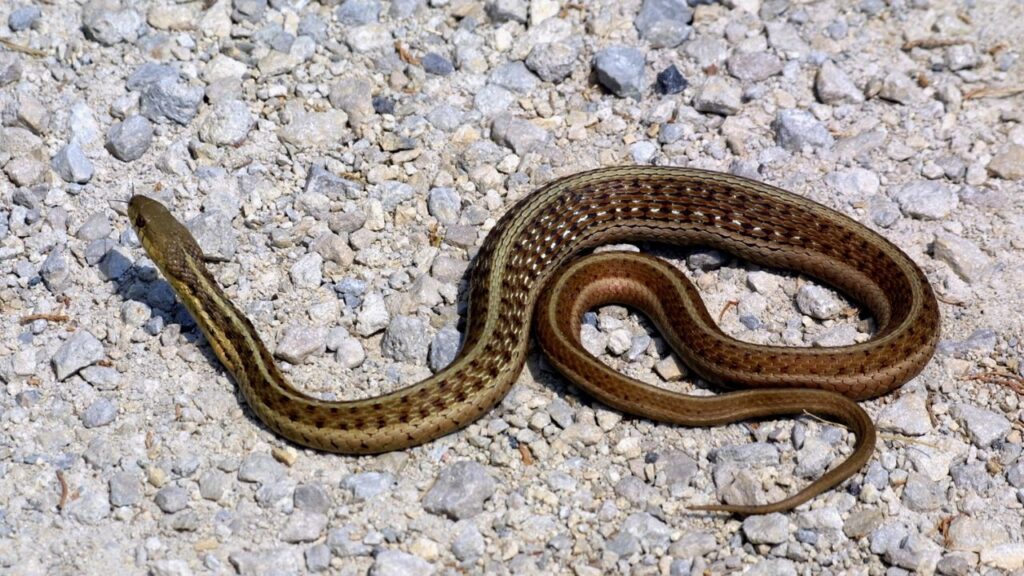
Meet the common garter snake, North America’s sneaky little Houdini of the snake world. These small to medium-sized serpents, officially part of the genus Thamnophis, have mastered the art of survival and adaptability like pros.
Originally native from central Canada all the way down to Costa Rica, garter snakes have proven they’re not picky. In fact, they’ve even made themselves at home in places you wouldn’t expect, like Newfoundland, where they aren’t exactly locals.
How did they get there? Nobody knows for sure. Maybe an adventurous hay shipment, an overenthusiastic pet escapee, or sheer luck—whatever the case, these snakes are making themselves comfortable and slowly spreading across the island. Talk about moving into a new neighborhood like it’s no big deal!
Garter snakes are true habitat chameleons. Wikipedia noted they love forests, woodlands, fields, and lawns—basically any place with a little greenery. But here’s the catch: they never stray far from water. Why? Because their diet is a little amphibian-heavy.
Frogs, toads, and the occasional salamander are their gourmet favorites, making wetlands, streams, and ponds prime real estate. So if you’ve got a small pond with tall weeds, congratulations—you’re basically running a snake five-star resort.
What makes these snakes truly remarkable is how they adapt to rapidly changing environments. Climate shifts? Human development? New predators or neighbors? No problem. The garter snake adjusts, finds new hiding spots, changes up its hunting strategy, and keeps on slithering.
So next time you spot a garter snake gliding gracefully by a wetland or a garden pond, tip your imaginary hat. You’re in the presence of a reptile that’s not just surviving—it’s thriving, adapting, and doing it all with a flair that makes even the trickiest environmental changes look easy.
2. Eastern Rat Snake
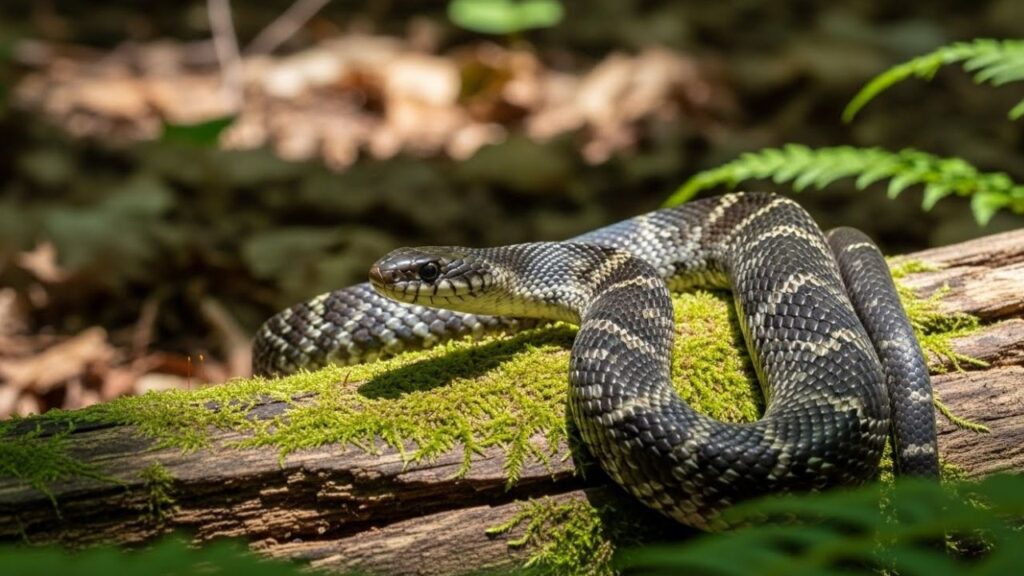
Native to the eastern United States, Eastern Rat Snakes are masters of both rural and suburban life. They’re just as comfortable slithering through forests and farmlands as they are exploring your attic or barn.
That’s right—if you have a storage shed or a barn full of mice, congratulations: you’ve just opened a five-star all-you-can-eat buffet for this snake. And don’t worry—they’re the kind of guests that eat the mice quietly and disappear before breakfast.
Rat snakes are excellent climbers, which makes them pros at navigating trees, fences, and even houses. This arboreal skill isn’t just for fun—it helps them hunt birds and bird eggs, avoid predators, and find cozy hiding spots in all sorts of environments.
One of their most impressive traits is adaptability. They handle habitat changes like a pro. Urban development? No problem. Farm expansion? Bring it on. Seasonal temperature swings? They’ve got it covered.
They can change their diet, alter their activity patterns, and even adjust where they make their winter hideouts (hibernacula), showing remarkable resilience in rapidly shifting ecosystems.
And let’s not forget their personality: these snakes are mostly non-aggressive and curious rather than combative. If you meet one in the wild, it’s more likely to freeze or quietly slither away than to strike.
So, in a way, they’re like the polite, unassuming neighbors who keep everything running smoothly behind the scenes—eating pests, controlling rodent populations, and keeping ecosystems balanced. In short, the Eastern Rat Snake is an adaptable, clever, and resourceful reptile that proves survival isn’t just about strength—it’s about brains, flexibility, and knowing when to keep a low profile.
3. Brown Tree Snake
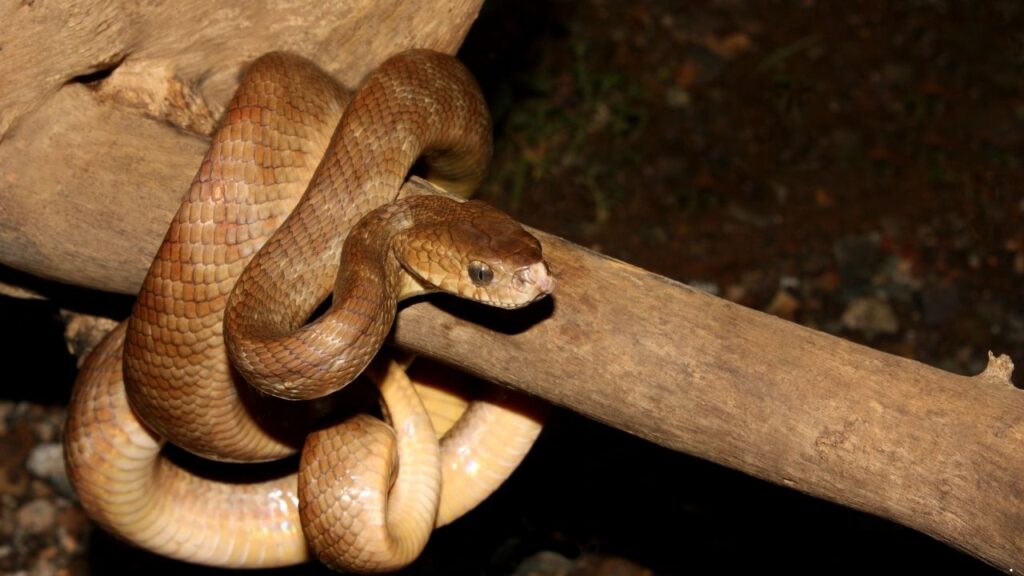
Meet the brown tree snake—or as some like to call it, the brown cat snake, thanks to its striking vertical, cat-like pupils.
With a large head perched on a slender body, this snake looks like it walked straight out of a jungle-themed comic book. Native to Australia, Indonesia, and Papua New Guinea, these snakes are the nighttime ninjas of the reptile world, prowling the trees under the cover of darkness in search of their next meal.
Brown tree snakes are mysterious little creatures. Scientists are still scratching their heads over some of their behavior. Do they live in groups or prefer a solitary life? It seems that the males are pretty much lone wolves—er, lone snakes—spending most of their lives going solo.
Now, here’s where it gets interesting: brown tree snakes have quite the reputation as aggressive invaders. When cornered or threatened, they don’t just strike once—they go for multiple strikes, showing a tenacity that would make even the bravest predator think twice.
Despite their reputation, these snakes are remarkable examples of adaptability. They’ve thrived in diverse environments, from dense forests to urban areas, and have even become infamous in places like Guam, where their invasive prowess caused significant ecological impacts.
In short, the brown tree snake is a nocturnal, clever, and slightly mischievous survivor. Vertical pupils, quick strikes, and an adventurous spirit make this snake a fascinating—and formidable—example of adaptability in the reptile world.
4. Checkered Keelback
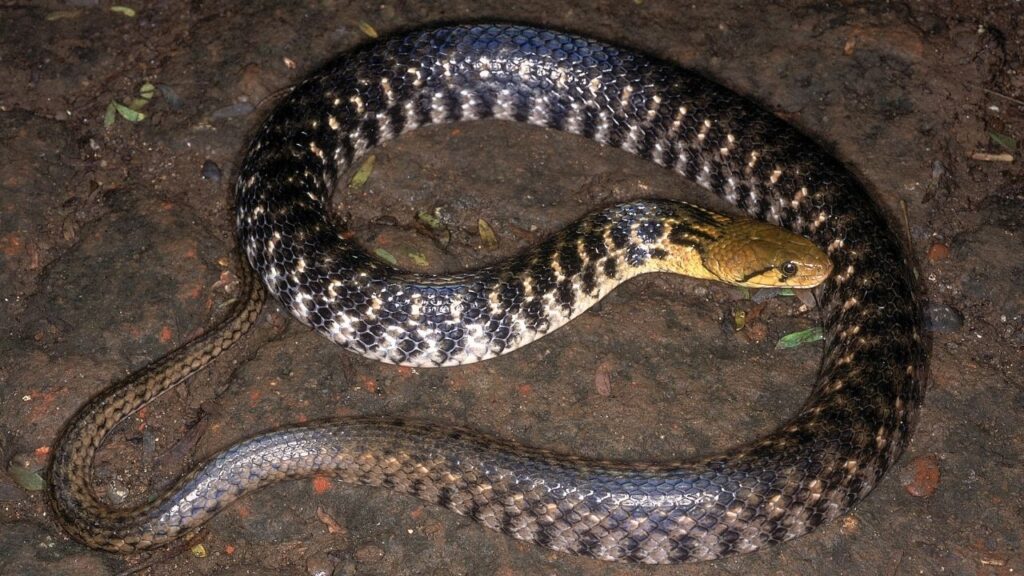
Say hello to the Checkered Keelback (Xenochrophis piscator), a snake that proves adaptability is an art form. Native to South and Southeast Asia, this snake isn’t just another face in the crowd—it’s a water-loving, fish-chasing, environment-mastering marvel.
The Checkered Keelback gets its name from the distinctive checkerboard pattern on its back, which makes it look like it’s wearing a designer snake sweater. But don’t be fooled by the fancy outfit: this snake is a skilled hunter and a clever survivor.
Unlike many snakes that prefer dry land, the Checkered Keelback thrives near ponds, rivers, and wetlands, where it hunts frogs, fish, and other small aquatic creatures with stealth and precision. Basically, it’s the James Bond of watery snake life.
These snakes are highly adaptable, able to survive in natural wetlands as well as human-modified habitats like rice paddies or canals. They’re comfortable slithering through reeds, swimming with ease, and slipping away when danger approaches.
Interestingly, Checkered Keelbacks are non-venomous to humans, though they can give a defensive nip if cornered. Their real superpower is their ability to sense their surroundings, adjust their hunting strategies, and stay one step ahead of both predators and environmental changes.
With its distinctive checkered pattern and clever survival skills, it’s yet another shining example of how snakes can master even rapidly changing environments—sometimes with more style than we humans can manage.
5. Corn Snake
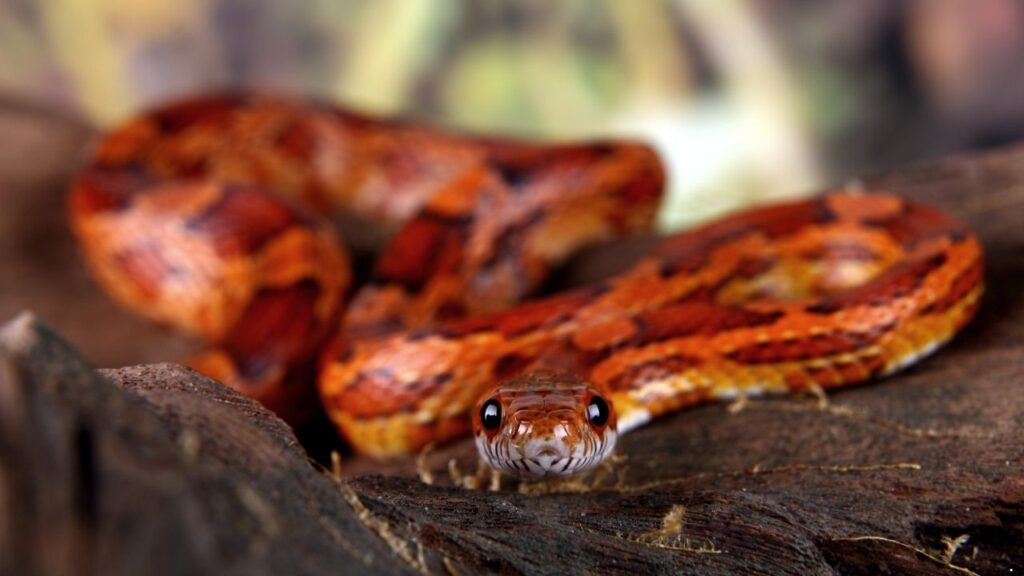
Meet the Corn Snake (Pantherophis guttatus), one of the most charming and adaptable snakes in North America. Long, slender, and sometimes exceeding 6 feet, these snakes are like the acrobats of the snake world—graceful climbers, expert hunters, and surprisingly friendly, at least by snake standards.
Corn snakes belong to the large Colubridae family, sharing distant family ties with king snakes and other constrictors. They’re famous for their bright, eye-catching colors and calm temperament, which has earned them a starring role in the pet industry.
Native primarily to Florida but ranging across the southwestern U.S. to eastern Texas, Corn Snakes are excellent at adapting to both natural and human-altered environments. People often mistake them for venomous copperheads, but their defense is much less dramatic.
If threatened, they may release a foul-smelling musk or give a gentle nip with their tiny teeth—basically, a polite warning rather than a serious threat.
According to the National Zoo, diurnal by nature, Corn Snakes spend their days actively hunting small mammals, and they’re not picky about the terrain. They’ll chase prey up trees, under houses, and even into attics, showing impressive versatility in finding food.
In short, the Corn Snake is a model of adaptability. From bright forests to suburban backyards, these snakes find ways to thrive, hunt, and survive in changing environments—all while looking like they stepped out of a reptile fashion magazine.
6. Common Kingsnake
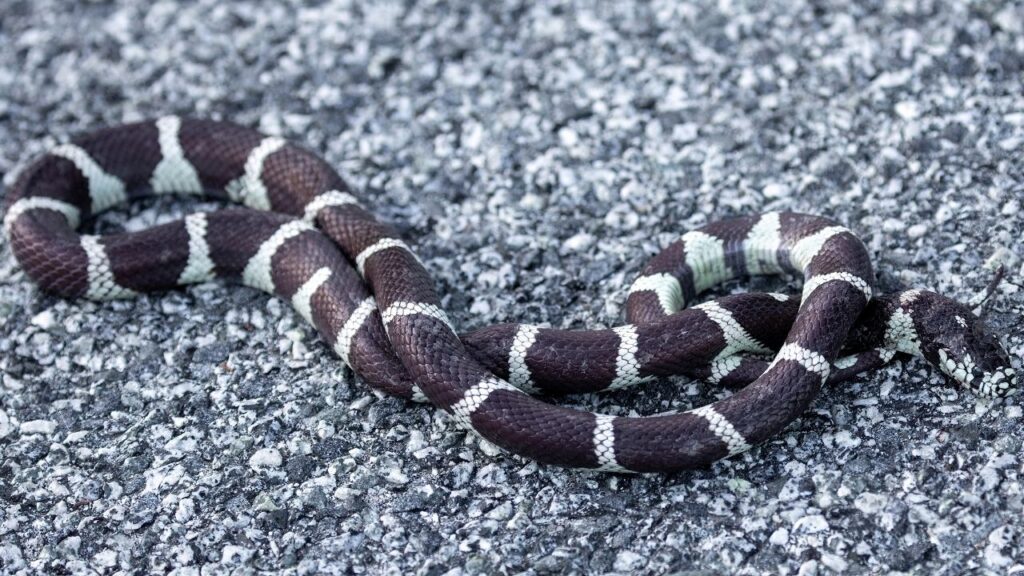
Enter the Common Kingsnake (Lampropeltis getula), a snake with confidence bigger than its size. Native to North America, these snakes are famous for their fearless attitude, which includes a very bold habit: they eat other snakes—even venomous ones like rattlesnakes.
Common Kingsnakes are long, slender, and beautifully patterned, often sporting striking bands of black, white, or brown. But their beauty isn’t just for show—it’s part of their survival strategy. Their patterns can confuse predators, giving them a split-second advantage to escape or strike back.
Highly adaptable, Kingsnakes thrive in a variety of habitats: forests, grasslands, deserts, and even suburban backyards. They’re opportunistic hunters, feeding on rodents, birds, eggs, and yes—other snakes.
When threatened, they’re not shy about defending themselves. While they’re non-venomous, they can constrict prey (or give an intimidating coil-and-bite warning) and even release a foul-smelling musk if necessary.
In short, the Common Kingsnake is the fearless, adaptable all-rounder of the snake world. Whether it’s hunting a venomous rival, navigating a suburban backyard, or slithering through forests and fields, this snake shows that with courage, cleverness, and a little flexibility, you can thrive in almost any environment.
7. Grass Snake
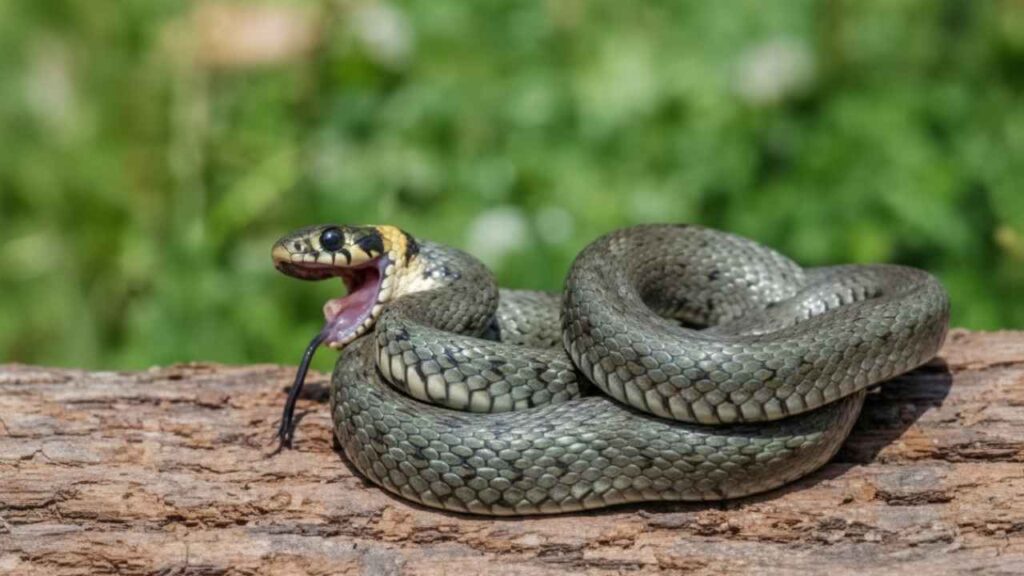
Meet the Grass Snake (Natrix natrix), Europe’s answer to the adaptable, water-loving snake. With its sleek, greenish body and distinctive yellow or white collar behind the head, the Grass Snake looks like it’s ready for a garden party—but don’t let its elegant appearance fool you.
Native across Europe and parts of Asia, Grass Snakes are often found near water sources—ponds, rivers, marshes, or even garden ponds—because their favorite meals are amphibians, especially frogs.
They’re excellent swimmers and can hunt both in water and on land, making them versatile predators in a rapidly changing environment. Grass Snakes are non-venomous and generally shy, preferring to flee when threatened.
However, they have some clever tricks up their sleeves: they can play dead, excrete a foul-smelling substance, or even hiss loudly to scare off predators. Imagine a snake going full drama queen to get out of trouble—it works surprisingly well.
Their adaptability isn’t just about survival tactics. Grass Snakes can thrive in wild habitats like meadows and wetlands, as well as human-modified areas such as gardens and farms. They’re comfortable slithering under logs, hiding in tall grass, and even coexisting near human dwellings—as long as there’s water and food nearby.
With swimming skills, clever defense strategies, and an ability to thrive in both wild and human-altered environments, it’s a perfect example of how snakes can adapt to changing surroundings while keeping a touch of elegance—and a hint of drama.
Conclusion
Some snake species, including Milk snakes, Eastern diamondback rattlesnakes, Timber rattlesnakes, and Boa constrictors, demonstrate remarkable ability to adapt to rapidly changing environments. These active hunters and ambush predators respond to environmental conditions, human activities, and population declines with rapid evolutionary change, ensuring their survival.
Research and museum collections show that almost all snake species can undergo evolutionary change over time, adjusting venom, hunting strategies, and habitat use. Such adaptations highlight the resilience of snakes in the natural world, allowing individual snakes and entire populations to thrive despite threats from invasive species, habitat loss, and other pressures, reinforcing the importance of ongoing conservation efforts.
