




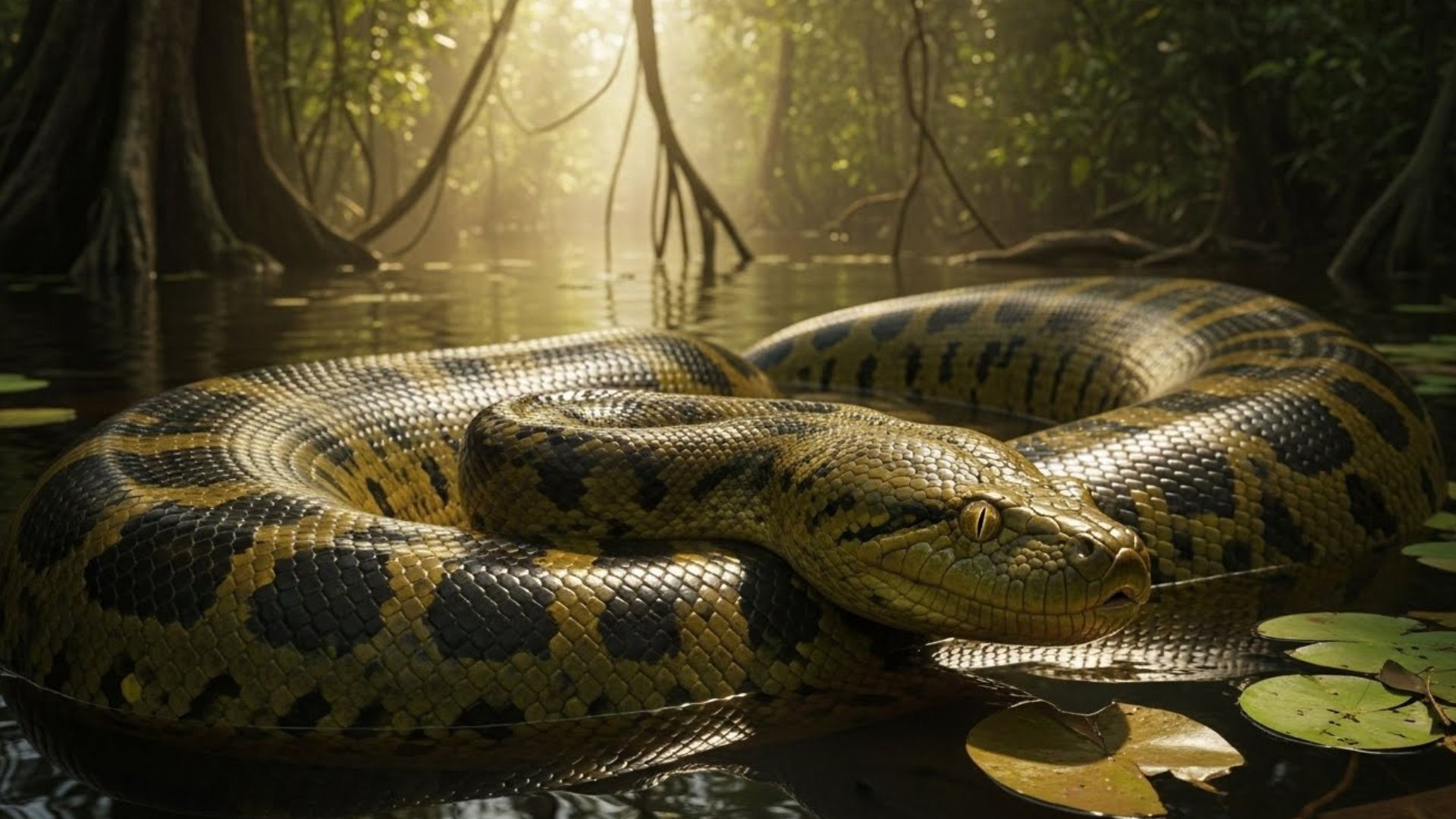
While many animals live fast and short lives, some snakes take a much slower, enduring approach to survival. Certain species are known for their incredibly long lifespans, with some living for decades under the right conditions.
Their longevity is a result of slow metabolism, efficient energy use, and resilient biology that allows them to adapt over time. Long-living snakes often grow gradually, reproduce strategically, and conserve energy whenever possible.
This patient’s lifestyle helps them withstand periods of food scarcity, environmental change, and natural threats. In captivity, where dangers are minimized, some snakes have been recorded living well beyond their expected age, astonishing researchers and reptile enthusiasts alike.
Here, we’ll explore snakes known for their impressive lifespans and uncover what allows them to thrive for so many years. Their stories remind us that in nature, survival isn’t always about speed—it’s about endurance, adaptability, and time.
Fun Fact: Some snake species, including ball pythons and boa constrictors, can live 20–40 years or more in captivity.
Snakes Known for Their Incredibly Long Lifespan
1. Boa Constrictor
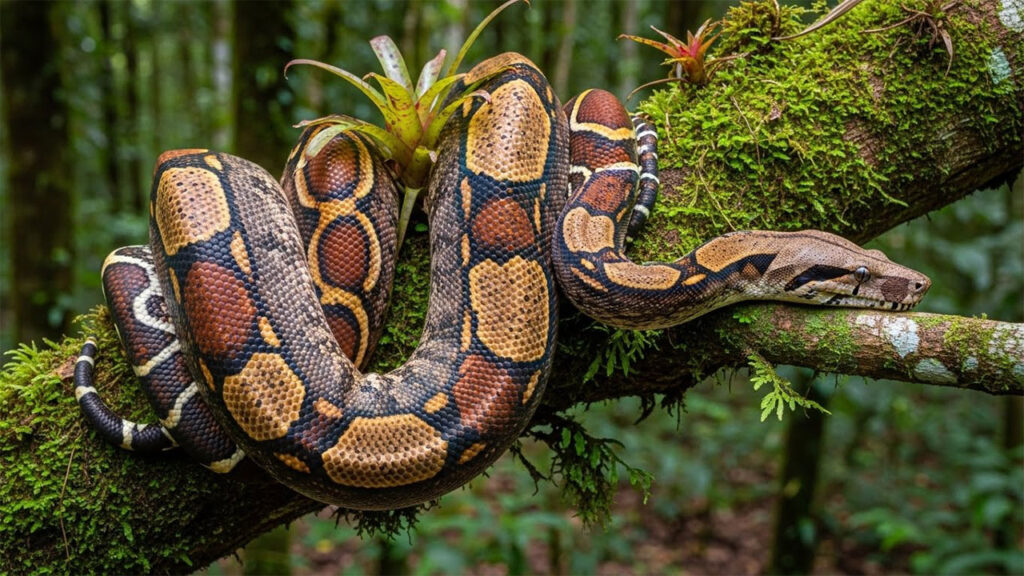
Lifespan: 20 to 30 years
The boa constrictor is basically the long-living legend of the snake world. With an average lifespan of 20 to 30 years—and a few overachievers casually passing the 40-year mark—this snake clearly believes in taking life slow and steady, Wikipedia says.
Known scientifically (and conveniently) as Boa constrictor, this non-venomous, heavy-bodied, longest snake is famous not just for its strength, but for its impressive commitment to sticking around. Boa constrictors are natural introverts.
They prefer living solo and only seek out other snakes when romance is involved. No unnecessary socializing, no awkward small talk—just peace and quiet. They’re mostly nocturnal, enjoying the nightlife, but if the evenings get a bit chilly, they’re not above basking in the sun like they’re on a tropical getaway.
Younger boas are more adventurous and semi-arboreal, climbing trees and shrubs like energetic kids. As they grow older and heavier, though, they trade the climbing life for a more relaxed, ground-based routine. Why climb when you’ve already made it?
In the wild, boa constrictors are still exported from South America, but many are now bred in captivity, where they truly thrive. With steady meals, proper care, and zero predators trying to make them lunch, captive boas often live longer and healthier lives.
All in all, the boa constrictor is proof that you don’t need venom or speed to be impressive. Just stay calm, eat well, avoid drama, and give gravity the respect it deserves.
2. Reticulated Python
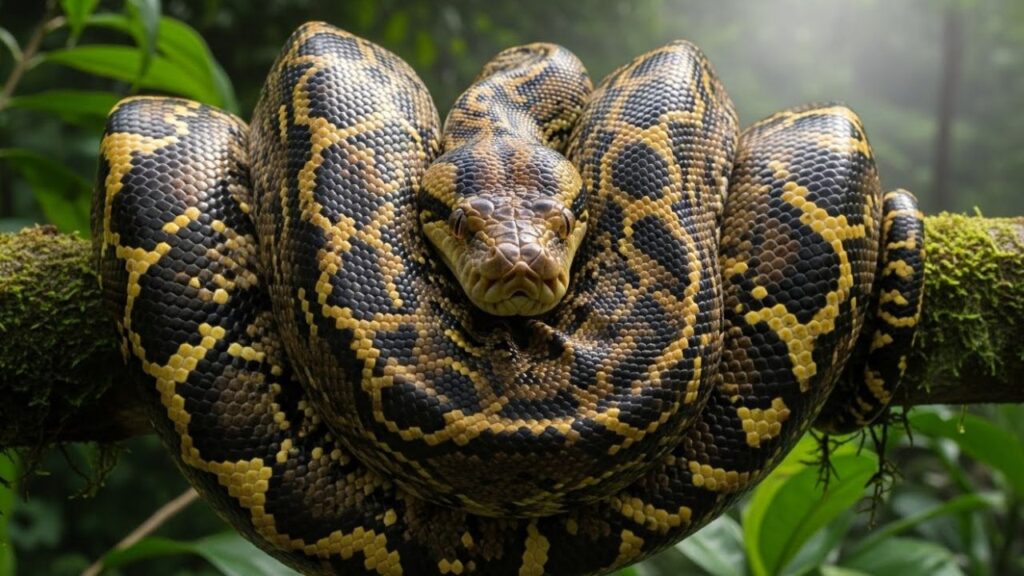
Lifespan: 20 to 30 years (sometimes longer in captivity)
The reticulated python is not just a snake—it’s the snake. Known as the largest venomous snake in the world, this massive reptile looks like it was designed to impress and intimidate at the same time.
Scientifically called Malayopython reticulatus, it pairs its jaw-dropping length with a surprisingly decent lifespan, and occasionally longer when cared for in captivity. Reticulated pythons are powerful, intelligent, and curious—basically the overachievers of the snake world.
They’re excellent swimmers and climbers, moving through forests, rivers, and wetlands like they own the place. Despite their intimidating size, they’re not constantly on the hunt for chaos. Much like the boa constrictor, they prefer a calm, calculated lifestyle: wait patiently, strike efficiently, then take a very long nap.
These snakes are mostly solitary and don’t go looking for company unless mating is involved. Social gatherings? Not their thing. They’re also highly alert and aware of their surroundings, which helps them survive longer in the wild.
In captivity, where food is reliable and danger is nonexistent, reticulated pythons often age gracefully—growing longer, heavier, and even more confident over time. What really sets the reticulated python apart is its presence.
It doesn’t rush, it doesn’t panic, and it certainly doesn’t need venom to prove a point. With patience, strength, and a lifespan that rivals many household pets, this snake lives life on its own terms—long, slow, and stretched out to the maximum.
3. Burmese Python
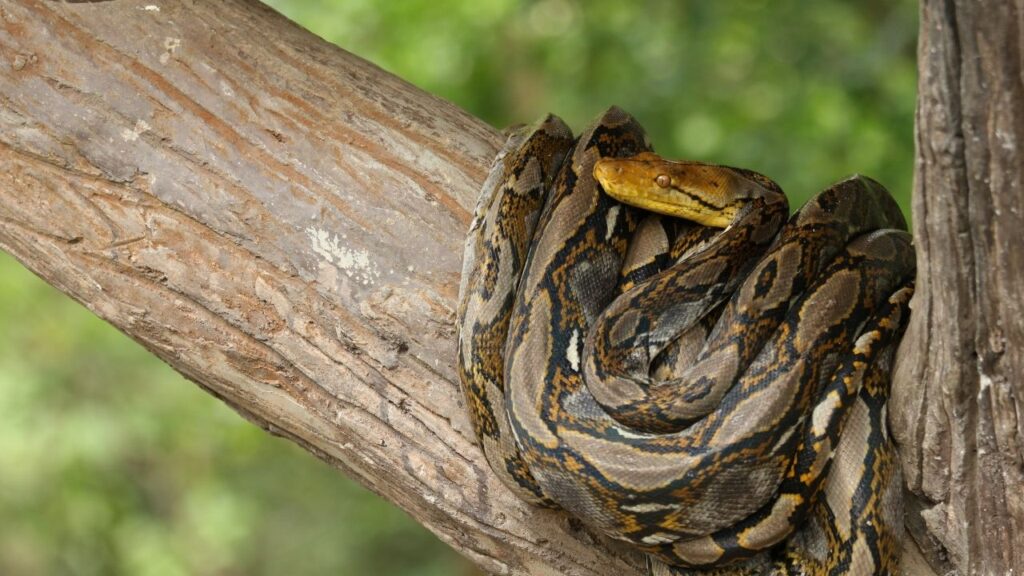
Lifespan: 20 to 25 years (sometimes longer in captivity)
The Burmese python is the gentle giant that never seems to be in a hurry. Scientifically known as Python bivittatus, this massive, non-venomous snake is famous for its calm demeanor, impressive size, and a lifespan that can easily stretch 20 to 25 years, with well-cared-for individuals living even longer.
Despite their intimidating length and thick, muscular build, Burmese pythons are surprisingly laid-back. They spend most of their time resting, soaking in water, or casually reminding everyone around them that they are, in fact, enormous.
They’re excellent swimmers and often hang out near rivers and wetlands, proving that even giant snakes enjoy a good swim day. Burmese pythons are mostly solitary and perfectly happy that way. They’re not interested in drama or unnecessary movement—energy is precious when you plan on living for decades.
In the wild, they rely on stealth and strength rather than speed, striking only when the moment is just right. After a meal, they may disappear for days or weeks, digesting like true professionals.
In captivity, Burmese pythons often thrive thanks to regular meals, controlled environments, and freedom from predators. This stress-free lifestyle allows them to live longer, healthier lives—and occasionally become the most relaxed resident in the room.
With their calm attitude, impressive longevity, and unmistakable presence, Burmese pythons prove that sometimes the secret to a long life is simply staying cool, staying full, and minding your own business.
4. Indian Python
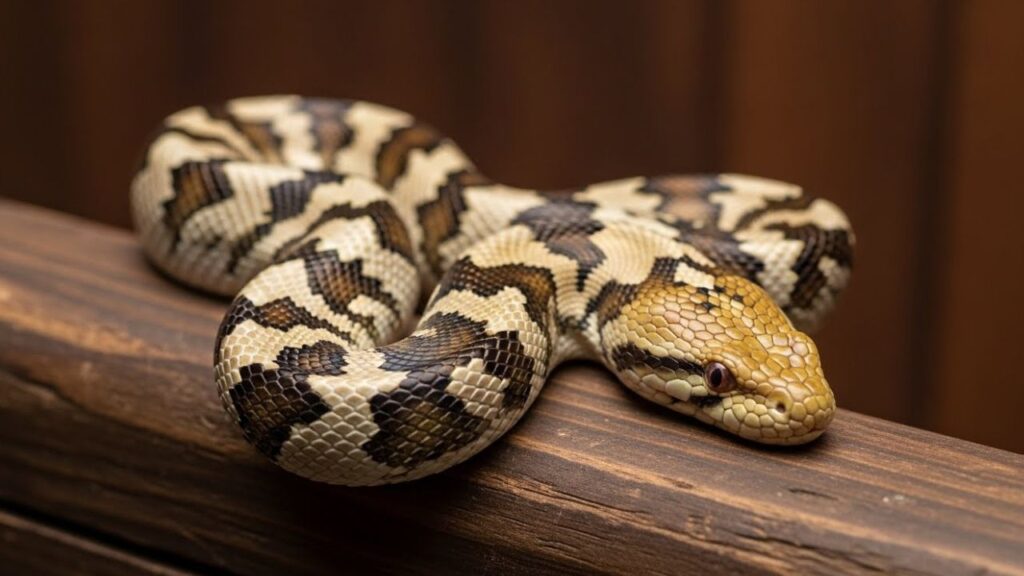
Lifespan: Up to 30 years
The Indian python is living proof that you don’t have to rush through life to make a big impact. Slow-moving, relatively docile, and absolutely massive, this gentle giant can live up to 30 years, making it one of the true long-term residents of the snake world.
Native to the Indian subcontinent and nearby regions, Indian pythons prefer a calm, low-energy lifestyle—and honestly, they’ve perfected it. Despite being one of the largest snakes on Earth, capable of growing up to 21 feet long and weighing around 200 pounds, Indian pythons start life as tiny noodles measuring just 18–24 inches at hatching.
Like other pythons, Indian pythons are equipped with heat-sensing pits along their lips, helping them detect warm-blooded prey even in low light. Their large, chunky heads house sharp, rear-pointing teeth, medium to large eyes, and small, granular scales.
Most also sport a distinctive stripe running from near the nose, through the eye, and toward the back of the head—nature’s version of a racing stripe, even if they rarely race.
These snakes are… let’s say economical with their energy. Often labeled as “lazy snakes,” Indian pythons are mostly nocturnal but will move around whenever food shows up or curiosity strikes.
Younger snakes are more adventurous, climbing trees for food or shelter, while older, heavier individuals prefer staying grounded—though they might casually drape themselves over branches like a living hammock.
Indian pythons are surprisingly comfortable in water and can remain fully submerged for several minutes when needed. They take shelter in abandoned burrows, hollow trees, dense reeds, and mangrove thickets—basically anywhere quiet, cozy, and low-effort.
During colder months, they enter brumation, slowing down even more (yes, that’s possible). Once temperatures rise, they become active again—slowly, of course.
Timid, non-aggressive, and impressively long-lived, the Indian python shows us that sometimes the secret to longevity is simple: stay calm, move slowly, nap often, and never waste energy unless food is involved.
5. Bullsnake
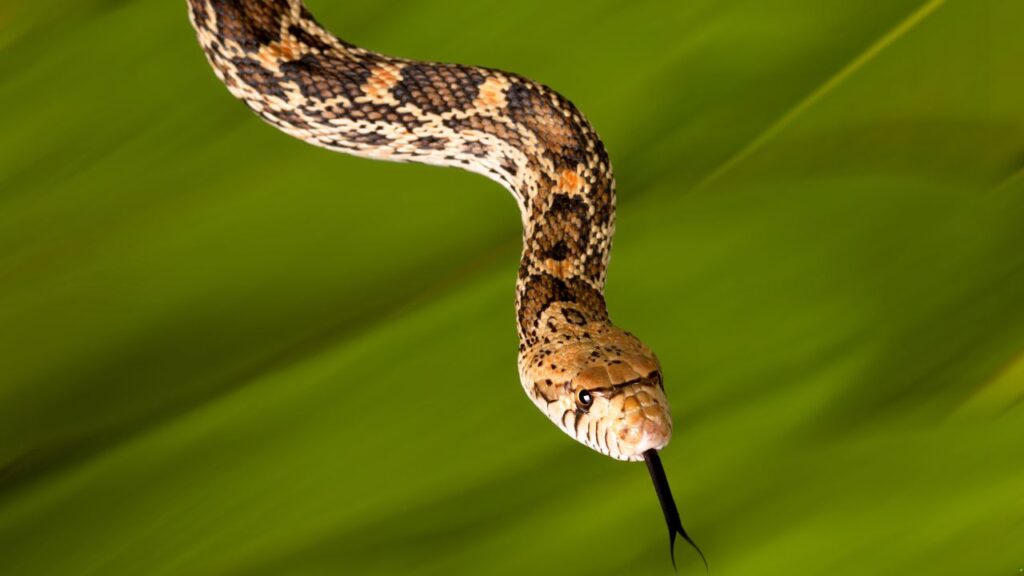
Lifespan: 12 to 25 years
The bullsnake may not be the biggest snake on the list, but don’t let that fool you—this tough, long-living reptile has serious staying power. A subspecies of the gopher snake (Pituophis catenifer sayi), bullsnakes are native to North America and are known for their impressive longevity.
Bullsnakes have big personalities packed into long, muscular bodies. They’re famous for their dramatic defense displays—hissing loudly, flattening their heads, vibrating their tails, and basically putting on a full Broadway performance to scare off predators.
Despite all that noise, they’re non-venomous and generally harmless, just very committed to being misunderstood. These snakes are active, curious, and surprisingly intelligent. They spend much of their time roaming open grasslands, fields, and prairies, where they help control rodent populations like true ecosystem heroes.
Bullsnakes are strong burrowers and often make use of underground tunnels for shelter, proving they’re not just loud—they’re practical. When it comes to temperament, bullsnakes can be a bit spicy at first, especially when young.
With time and regular handling, though, many mellow out and become quite tolerant. Their hardy nature and adaptability play a big role in their long lifespan—they handle temperature changes well and aren’t easily stressed.
6. Ball Python
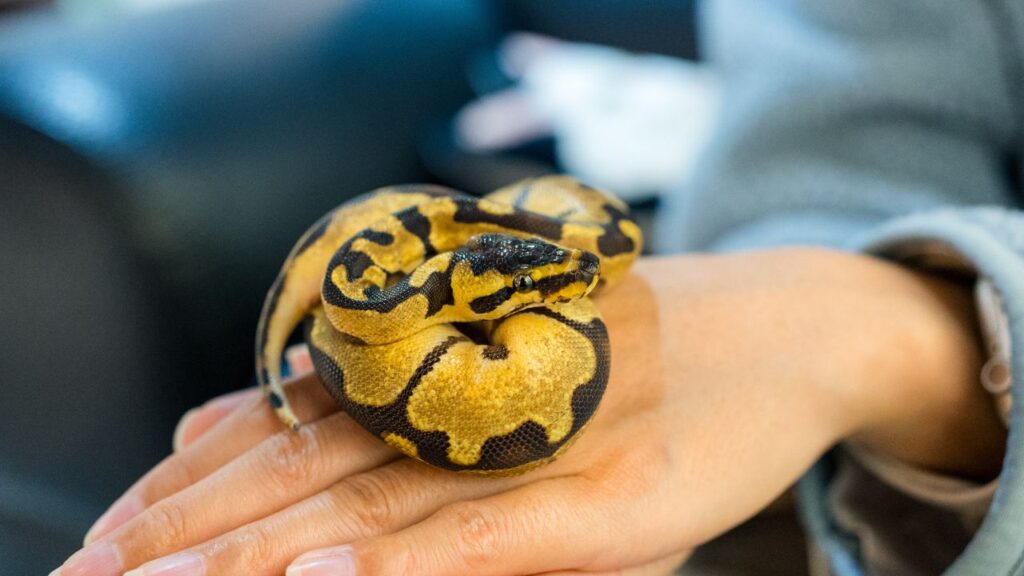
Lifespan: 20 to 30 years
The ball python is the shy sweetheart of the snake world—and also one of the longest-living. Scientifically known as Python regius, this small-to-medium-sized, non-venomous snake can live 20 to 30 years.
Not bad for a snake whose main defense strategy is curling up into a nervous little ball. Native to sub-Saharan Africa, ball pythons are famous for their calm, docile nature. When startled, they don’t strike or hiss dramatically—they simply tuck their head in and roll themselves up like a scaly cinnamon bun.
Ball pythons are mostly nocturnal and enjoy a slow, predictable lifestyle. They spend much of their time hiding in burrows, termite mounds, or snug shelters, waiting patiently for food to wander by. They’re not climbers, they’re not marathon movers, and they’re definitely not in a rush. This low-energy routine likely plays a big role in their impressive lifespan.
One reason ball pythons live so long—especially in captivity—is their manageable size, hardy nature, and relatively simple care requirements. Many owners joke that adopting a ball python is less like getting a pet and more like entering a long-term commitment… possibly longer than some marriages.
Gentle, low-drama, and built for the long haul, the ball python proves that you don’t need to be big or scary to be legendary. Sometimes, curling up, staying calm, and minding your own business is the secret to a very long, very cozy life.
7. Corn Snake
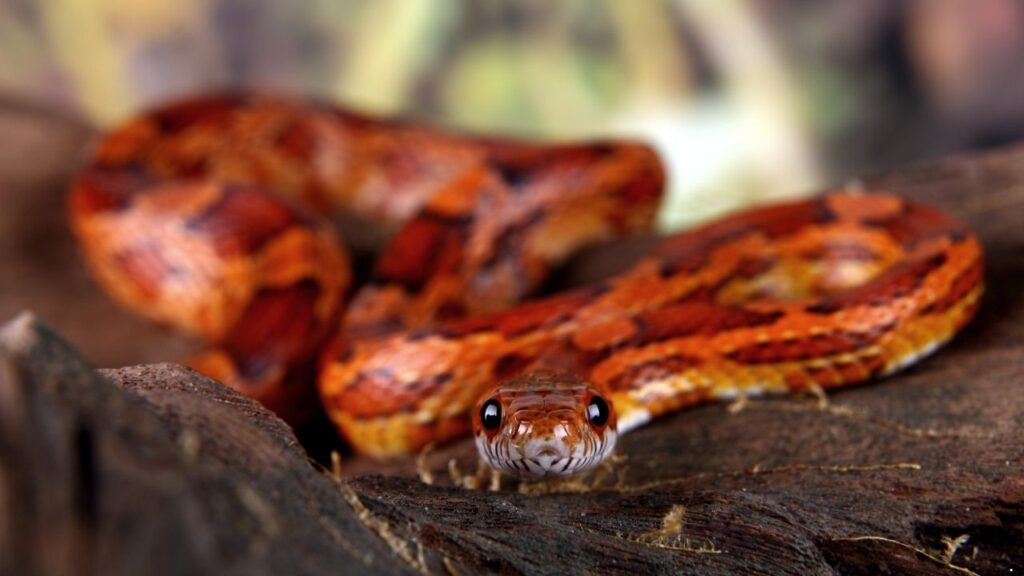
Lifespan: 6–8 years
The corn snake, also known as the red rat snake, is a colorful classic and a true survivor. With its slim body, orange to brownish-yellow coloring, and bold brownish-red blotches outlined in black, this snake looks like it dressed up just to be noticed.
If you live in the southeastern United States, there’s a good chance you’ve already crossed paths with one—probably without realizing how impressive it really is.
In the wild, corn snakes typically live 6 to 8 years, where predators, weather, and the general chaos of nature shorten their timeline. According to PetMD, many live 23 years or more, and one record-breaking corn snake casually reached 32 years and three months, which is basically ancient in snake years.
Corn snakes are calm, curious, and easygoing, making them one of the most popular pet snakes around. They’re excellent climbers, skilled hunters, and surprisingly adaptable, which helps explain both their widespread range and their long lifespan under human care.
They’re not aggressive, not venomous, and not interested in causing trouble—just living their best, low-stress life. All in all, the corn snake is proof that you don’t need to be huge or intimidating to stand out.
With good looks, a mellow attitude, and the potential to stick around for decades, this friendly noodle has earned its place among the longest-living snakes—quietly, of course.
Conclusion
Certain snake species, including the African rock python, Green anaconda, Reticulated python named Medusa, King snakes, King cobras, and Scrub python, are celebrated for their incredibly long lifespan. These large constrictors and nonvenomous snakes can live for many years, with some captive animals reaching ages previously thought impossible. From hatchlings to adult snakes, their ability to thrive across Southeast Asia, Australia, and other habitats is remarkable.
World records and entries in the Guinness Book highlight the heaviest snakes and longest snakes, demonstrating their slithering, hunting, and feeding abilities over decades. With proper captive care, attention to conservation, and consideration of climate and diet (including turtles, lizards, fish, and mammals), these giant serpents continue to astonish researchers with their history, longevity, and resilience.
