




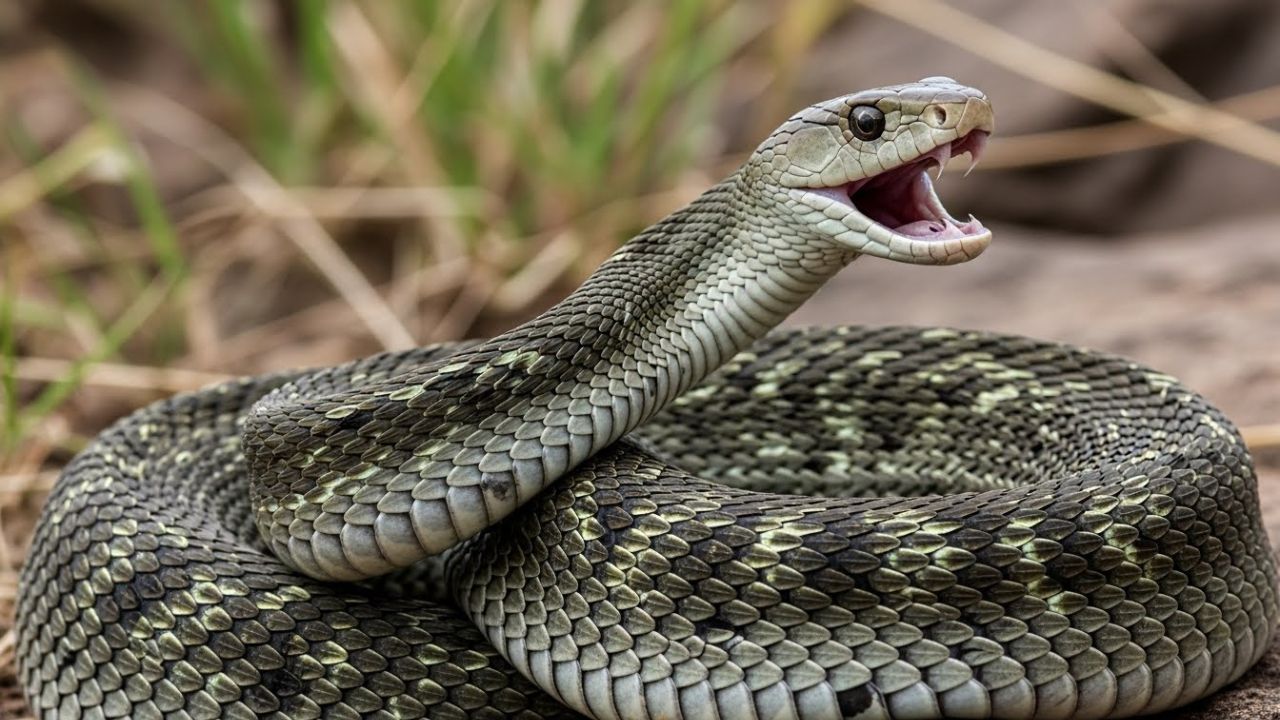
In the blink of an eye, some snakes can strike with astonishing speed—so fast that prey barely has time to react. These high-speed strikes are among the most impressive hunting adaptations in the animal kingdom, combining muscle power, precision, and perfect timing.
Snake species with fast strikes rely on rapid muscle contractions and highly developed sensory systems. Using heat-sensing pits, keen vision, or vibration detection, they calculate distance and angle before launching an explosive attack.
Whether venomous or constrictors, speed gives these snakes a major advantage, reducing the risk of injury and ensuring successful captures. This lightning-fast movement isn’t random—it’s refined through millions of years of evolution.
We’ll explore venomous snakes known for their high-speed strikes, examining how their bodies are built for rapid action and why speed plays such a crucial role in their survival. These snakes prove that in the wild, a split second can mean the difference between hunger and success.
Fact: Research shows that snakes like vipers and cobras can strike in under 0.1 seconds, faster than a human can blink—making their attack one of the quickest movements in the animal kingdom.
Snakes Known for Their High-Speed Strikes
1. Black Mamba
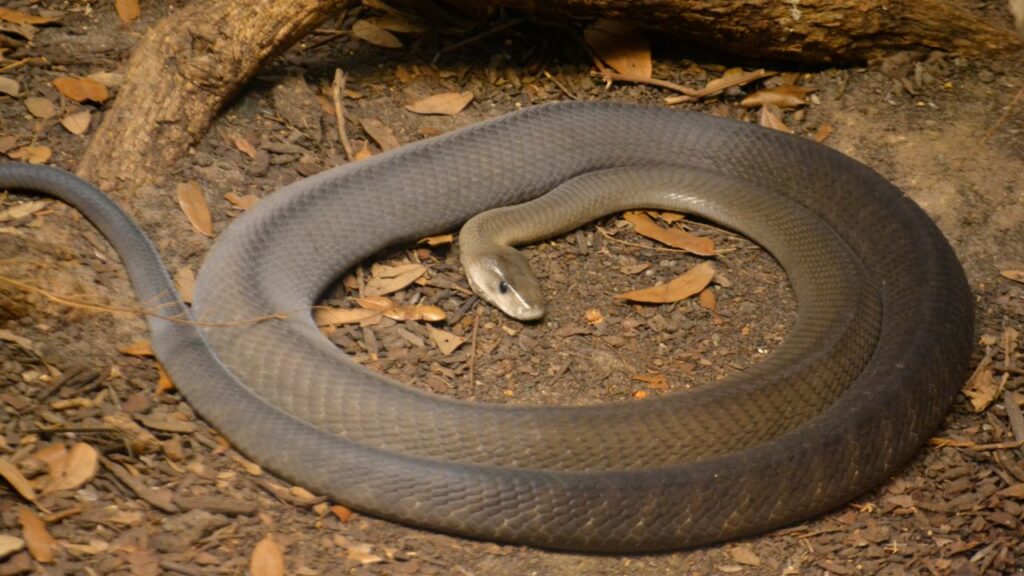
When it comes to speed, the black mamba isn’t just fast—it’s practically the Usain Bolt of the snake world. This sleek, slithery sprinter can reach up to 12 mph (19.3 km/h), which is impressive… unless you happen to be a small mammal or bird in its path, Britannica noted.
Native to eastern Africa, the black mamba isn’t just about speed; it’s also packing some serious venomous firepower.
Its neurotoxic venom works faster than a double espresso shot, and combined with its rapid strikes, it can take down prey before they even realize what hit them. Imagine trying to dodge someone who moves faster than you can blink—that’s life as a black mamba’s dinner.
Despite its fearsome reputation, there’s a certain elegance to the black mamba. Its smooth, streamlined body glides through the savannah with the grace of a dancer—and the bite of a villain in an action movie.
Pro tip: If you’re planning a safari, keep your distance. Admire from afar; selfies are overrated when it comes to these speedy snakes.
2. Death Adder
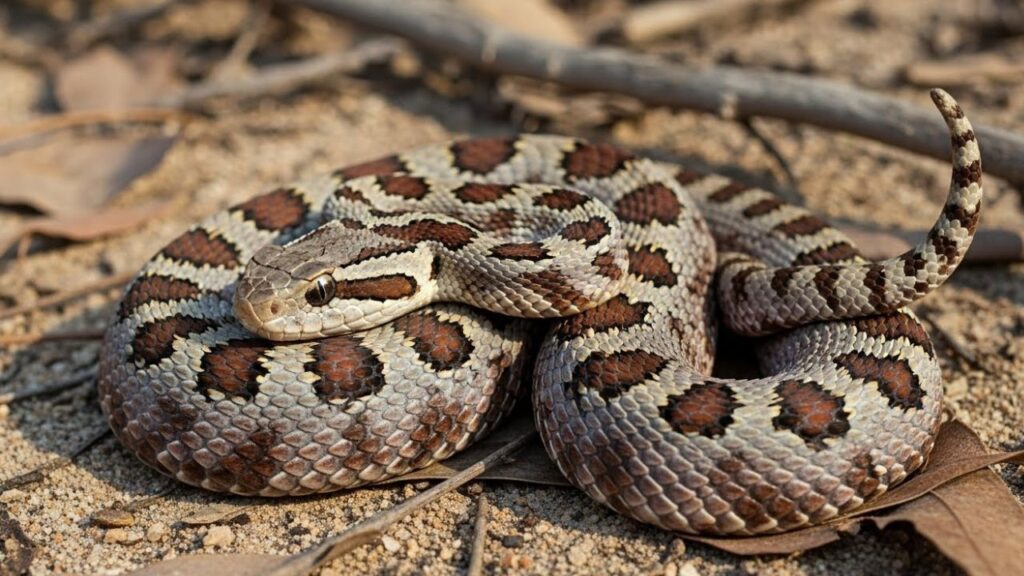
If the black mamba is all about sprinting across the savannah, the death adder is more like a master ninja, quietly waiting in the shadows. Native to Australia, this venomous pit viper isn’t winning any races in terms of slithering speed—but when it comes to striking, it’s shockingly fast.
So fast, in fact, that even other snakes might be left blinking in disbelief. The death adder’s game is ambush hunting. It’ll curl up among leaves, grass, or sand, barely moving, patiently waiting for an unwitting prey to wander close.
Then, in a blink—BAM!—its strike hits like a snake-shaped lightning bolt. Small mammals, birds, and lizards don’t stand a chance, and honestly, neither do our nerves if we stumble upon one unexpectedly.
Unlike speed demons like the black mamba, the death adder is a lesson in patience and precision. It doesn’t need to chase its meal; it just waits for the perfect moment.
And when it strikes, its venom works incredibly fast, immobilizing prey before it even realizes what’s happening. You could say the death adder is proof that sometimes the quietest, most patient hunters are the deadliest.
Bonus fun fact: Death adders are so well-camouflaged that people often step right over them without noticing. So if you ever encounter one in the wild, remember: move slowly, keep your eyes open, and maybe consider giving this “ninja” some personal space.
3. Southern Black Racer
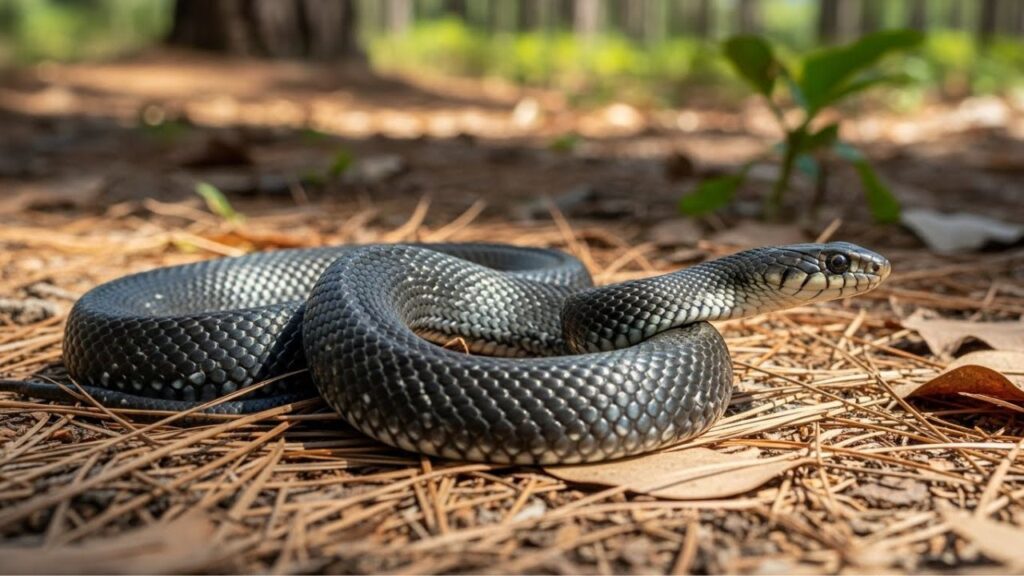
Meet the southern black racer, a sleek, shiny, and surprisingly speedy native of the southeastern United States.
Don’t let its nonvenomous nature fool you—this snake has an attitude, a mission, and legs (well, metaphorically speaking) to outrun most predators. It can dart at up to 10 mph (16.1 km/h), making it one of the fastest nonvenomous snakes around.
Wikipedia noted that the southern black racer isn’t picky about its diet. It’ll go after lizards, insects, moles, birds, eggs, small snakes, rodents, and frogs—basically anything that moves slowly enough to be a snack.
Despite its scientific name, Coluber constrictor, this racer isn’t your classic coiling constrictor. Instead of wrapping around its prey like a python on a yoga mat, it suffocates or pins its dinner to the ground, showing that sometimes style points are overrated.
When threatened, the southern black racer doesn’t stand its ground—it zips away with lightning-fast reflexes, a blur of black in the underbrush. Its sleek, glossy body isn’t just for show; it’s a built-in aerodynamic feature for escaping danger or ambushing the occasional slow-moving snack.
So next time you’re exploring the Southeastern woods, keep your eyes peeled—you might just spot a shadowy streak of black zipping past you in the blink of an eye.
4. Yellow-Bellied Sea Snake
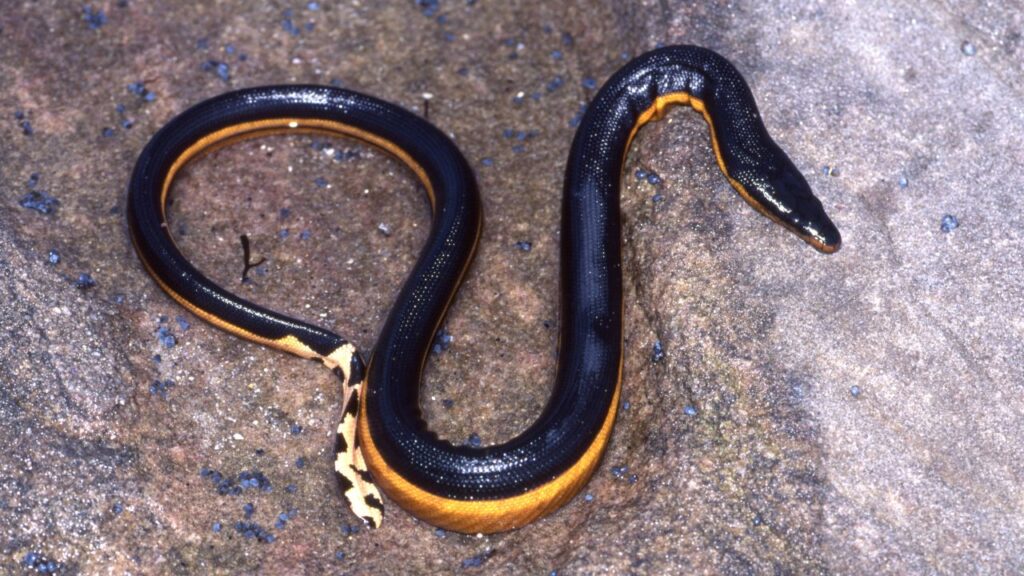
If land snakes have their speed demons, the yellow-bellied sea snake (Hydrophis platurus) rules the waves. Found in warm tropical waters across the Pacific and Indian Oceans, this fully aquatic snake isn’t just graceful—it’s a lightning-fast hunter of the sea.
With its flattened, paddle-like tail, it can glide through water like a sleek submarine, reaching surprising speeds as it hunts fish and eels. Despite its serene appearance—a bright yellow belly with a darker back—this snake is highly venomous, packing neurotoxins strong enough to immobilize its prey almost instantly.
Think of it as a stealthy underwater ninja: it may seem calm on the surface, but underneath, it’s a blur of lethal efficiency. What’s fascinating is that the yellow-bellied sea snake is constantly on the move.
Unlike many land snakes that can wait for hours in ambush, this marine marvel cruises the ocean, hunting and navigating waves with remarkable agility. Its speed and venom make it one of the deadliest but also one of the most fascinating creatures of the sea.
So, next time you’re snorkeling in the tropics, remember: the yellow-bellied sea snake may look like a harmless stripe of color, but beneath that cheerful exterior is a fast, clever predator that rules its watery world.
5. King Cobra
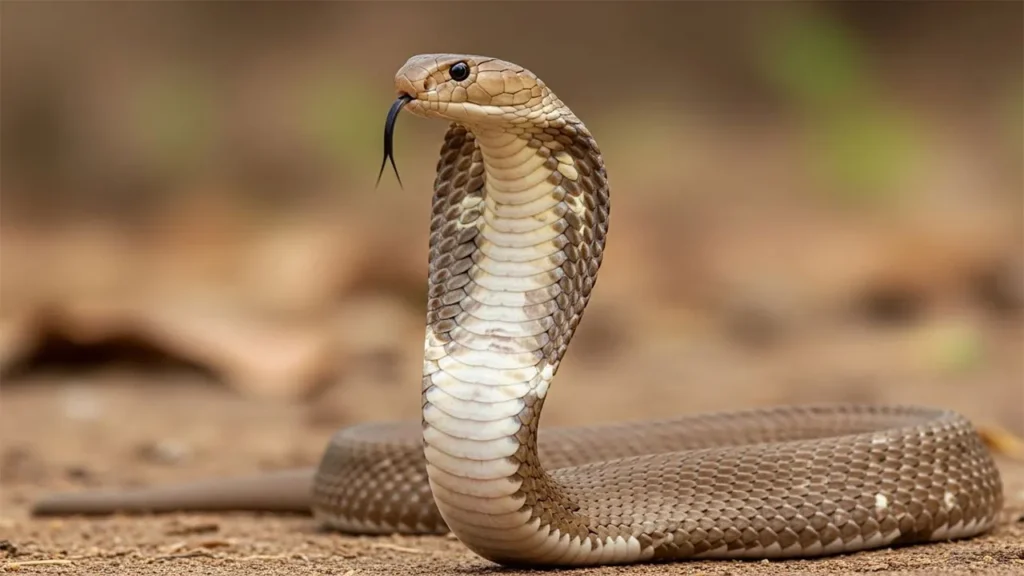
Meet the sidewinder rattlesnake (Crotalus cerastes), the true speed king of the snake world. Found in the deserts of the southwestern United States, this little viper can reach blazing speeds of up to 18 mph (29 km/h)—that’s faster than a casual jogger and almost fast enough to win a desert sprinting contest!
What makes the sidewinder truly fascinating is its unique sideways locomotion, aptly called “sidewinding.” This quirky movement allows it to glide across hot, loose sand without sinking, leaving behind a series of elegant J-shaped tracks.
Think of it as the snake world’s equivalent of ice skating or moonwalking—efficient, stylish, and highly practical for desert life. Despite its small size, the sidewinder packs a venomous punch, delivering quick snake strikes to immobilize prey like lizards, rodents, and small birds.
And thanks to its strike speed and clever movement, it can escape predators almost as fast as it hunts. So, the next time you’re exploring a sun-baked desert, keep an eye out for the sidewinder.
One moment, the sand looks still and quiet, the next—a blur of motion glides across the dunes, leaving you in awe of the snake that moves sideways but strikes straight.
6. Sidewinder Rattlesnake
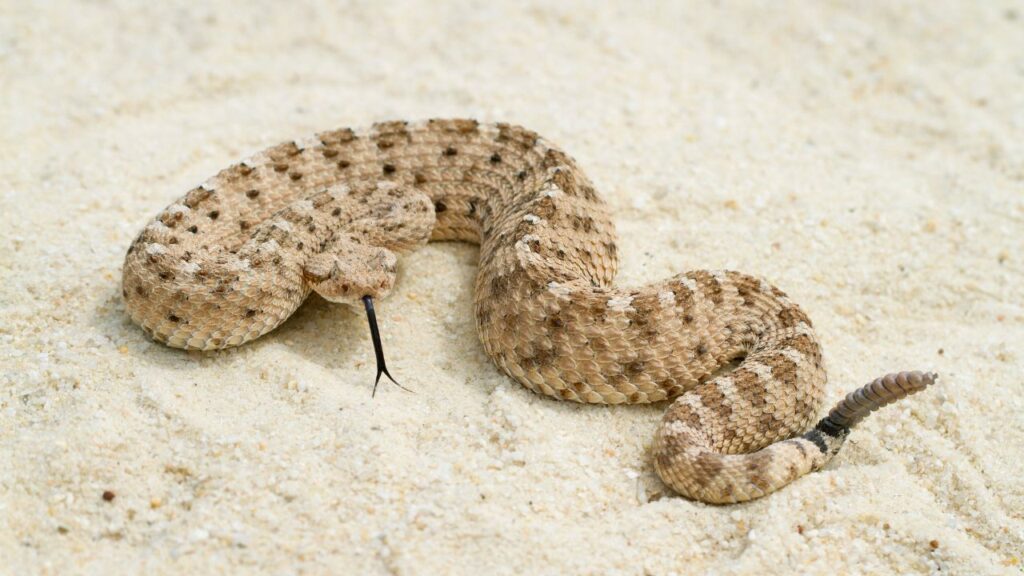
Next up is the Texas rat snake (Pantherophis obsoletus), a fast-moving, nonvenomous snake that calls the forests, grasslands, and even suburban backyards of Texas home.
While it’s not breaking land-speed records like the sidewinder, it can still reach a respectable 3 mph (4.83 km/h)—enough to impress small prey and give predators a run for their money.
What makes the Texas rat snake truly fascinating is its climbing skills. These snakes are natural acrobats, using their speed and agility to scale trees or sneak into rodent burrows in search of birds, eggs, and small mammals.
Imagine a sleek black-and-brown streak of reptilian energy darting up a tree to nab breakfast before anyone even notices. Despite their suburban presence, these snakes are shy and prefer to avoid humans.
But if you happen to spot one in action, you’ll see why they’ve earned a reputation as quick, clever, and resourceful hunters. The Texas rat snake proves that speed isn’t just about running—it’s about smart, nimble movement in a variety of environments.
7. Texas Rat Snake
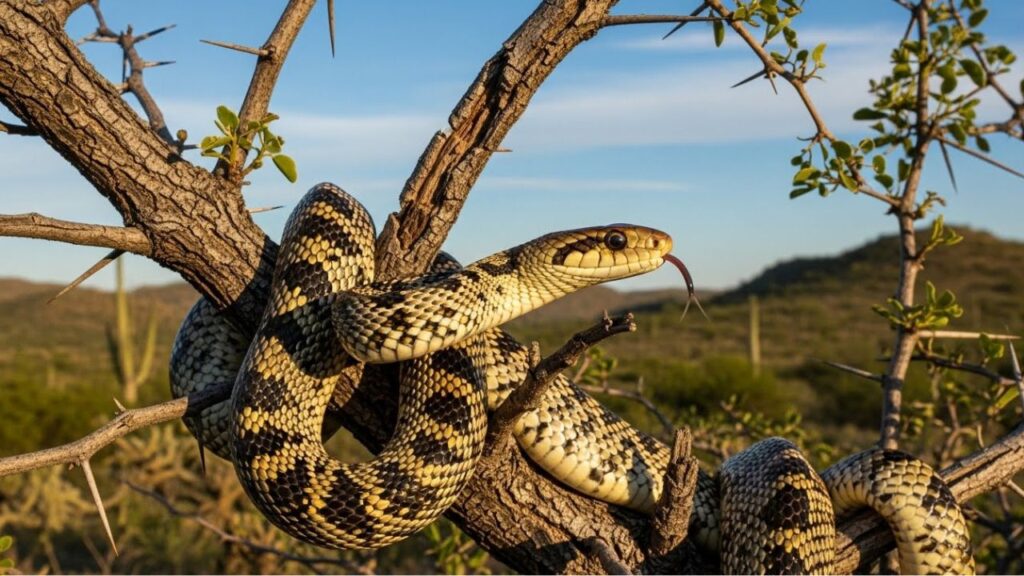
The Texas rat snake (Pantherophis obsoletus) may not be breaking land-speed records like the desert-dwelling sidewinder, but it’s still impressively quick for a nonvenomous snake.
Found in forests, grasslands, and even suburban neighborhoods across Texas, it can reach speeds of up to 3 mph (4.83 km/h)—enough to make a squirrel or a bird rethink its breakfast plans.
What really sets the Texas rat snake apart is its climbing prowess. These snakes are masterful acrobats, using their agility and speed to slither into rodent burrows or scale trees, often catching birds, eggs, or small mammals before anyone notices.
It’s like having a furry little ninja on your backyard tree, only scaled and much more patient. Despite living close to human activity, Texas rat snakes are generally shy and avoid confrontation. They rely on their quick reflexes, clever movements, and camouflage to navigate their environment safely.
Adaptable, nimble, and resourceful, these snakes are a perfect example of how speed doesn’t always mean sprinting—it’s about being smart, precise, and ready to strike at the right moment.
Conclusion
Some snake species, such as the horned rattlesnake, common death adder, and flying snake, are recognized among the world’s fastest snakes for their high-speed strikes. These venomous snakes and ambush predators rely on keen eyesight, a keen sense of their surroundings, and precise ambush tactics to kill prey efficiently.
Found across regions like Southeast Asia and sub-Saharan Africa, these formidable predators demonstrate remarkable ground speed and semi-aquatic abilities. Across most snakes, these rapid strike adaptations enhance both hunting success and evading predators, making them some of the most dangerous snakes in the world.
