




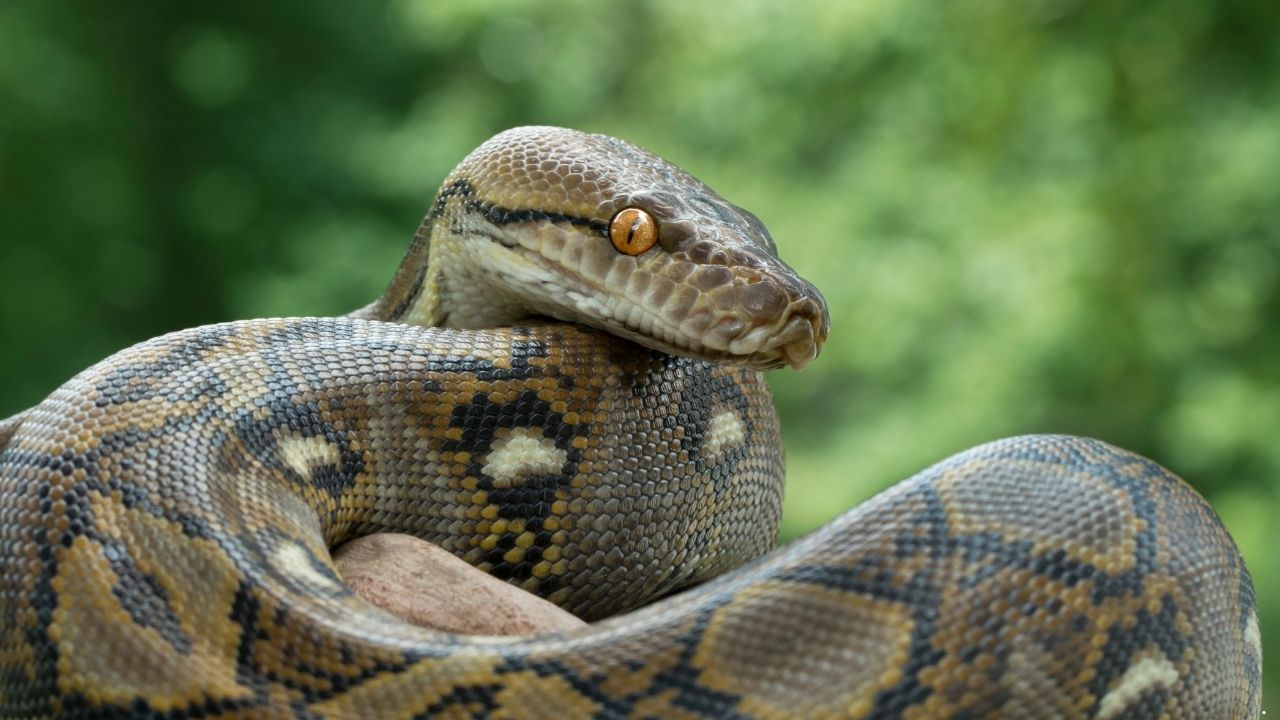
Snakes are often underestimated when it comes to intelligence, but some species demonstrate remarkable cognitive abilities. From learning hunting patterns to remembering environments and responding to changing conditions, these snakes prove that intelligence isn’t limited to mammals or birds.
Highly intelligent snakes show adaptability. They can modify hunting techniques, recognize familiar territories, and even respond differently to repeated stimuli. Some species learn from past experiences, improving their survival strategies over time.
This level of awareness helps them avoid threats, locate prey more efficiently, and thrive in complex environments. Intelligence in snakes may not look like obedience or tricks, but it plays a critical role in survival.
Today, we’ll explore snakes known for their high intelligence, highlighting the behaviors and adaptations that reveal their mental capabilities. These reptiles remind us that intelligence comes in many forms—and sometimes, it moves silently through the grass.
Snakes Known for Their High Intelligence
1. King Cobra
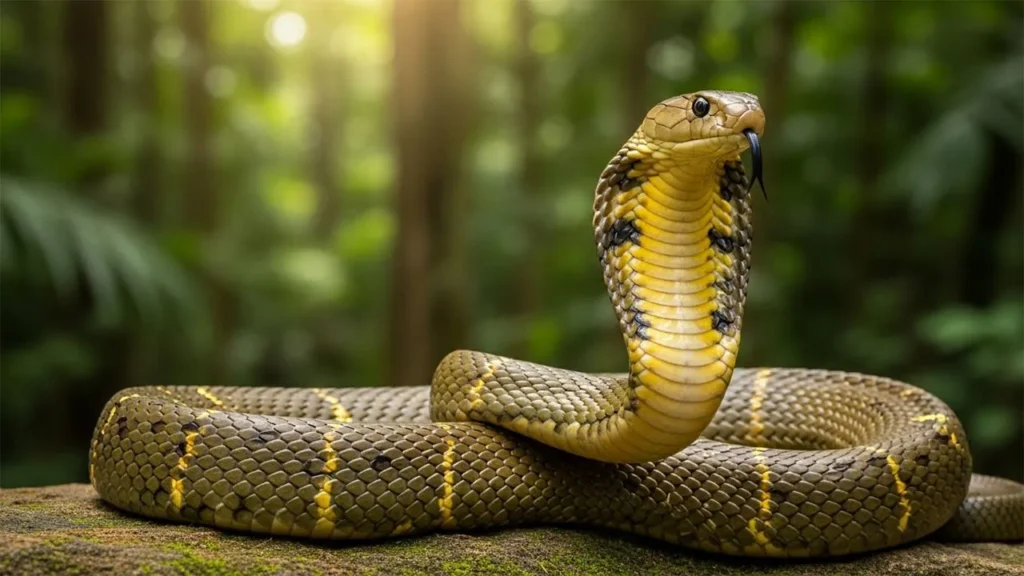
When it comes to snakes, intelligence isn’t exactly the first thing people think of—but enter the king cobra, and you might just rethink that. These slithering royals aren’t just large (really, really large—they’re the world’s largest venomous snakes); they’re also surprisingly sharp.
Found prowling the forests of India, Southeast Asia, the Philippines, and Indonesia, king cobras are skilled hunters. But here’s the twist: they’re picky eaters.
While most snakes will chow down on just about anything, king cobras are exclusive snake connoisseurs—they eat other snakes. Yep, they’re the ultimate “snake-eat-snake” scenario. Whether it’s day or night, in forests, fields, or even creeping near villages, these predators are on the hunt.
And don’t think their brains aren’t as powerful as their venom. While king cobras are aggressive toward strangers, they can recognize their keepers in captivity and even anticipate feeding time.
Of course, humans are the king cobra’s biggest threat. People hunt them for food, medicine, and leather, which is tragic because these snakes are more brains than brawn… okay, maybe a terrifying combo of both, but still, brains count for something, right?
And speaking of brawn, let’s not forget the venom. King cobra venom is so potent that, as Britannica chillingly notes, it has the power to kill an elephant within just three hours from a single bite to the toe or trunk.
So, next time you think of snakes as sneaky and simple, remember the king cobra: a scaly genius, a skilled hunter, and a venomous celebrity of the reptile world. Bonus: it’s one snake that definitely doesn’t need a coffee to wake up in the morning—it’s always alert, calculating, and ready to rule its kingdom.
2. Eastern Indigo Snake
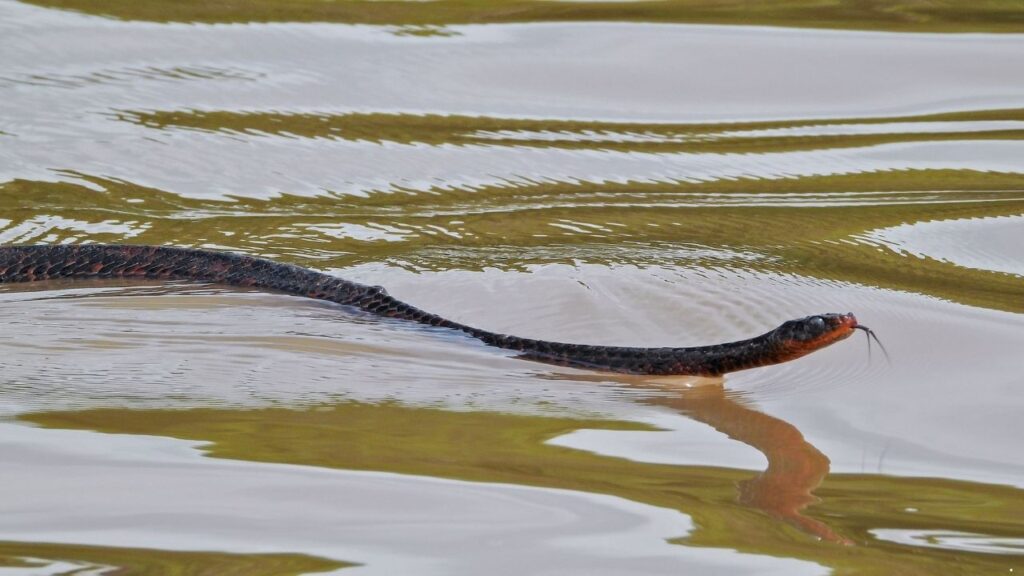
Meet the Eastern Indigo Snake, the longest native snake in the United States and basically the James Bond of the reptile world—smooth, sleek, and unexpectedly smart. Named for its glossy, deep blue-black scales that practically shimmer in the sunlight, this snake is more “elegant diplomat” than “slithering menace.”
Unlike the king cobra, the Eastern Indigo Snake isn’t a drama queen about venom. In fact, it’s nonvenomous and surprisingly friendly. These snakes are known for their curiosity and intelligence.
They’ll investigate their surroundings, figure out ways around obstacles, and even interact with other animals cautiously but confidently. Some herpetologists call them the “problem-solvers” of the snake kingdom.
Eastern Indigo Snakes are fearless hunters. They prey on a variety of creatures: small mammals, birds, frogs, and even other snakes—including venomous ones. Yes, this clever snake has a knack for taking on risky meals and somehow coming out on top.
Native to the southeastern United States, from Florida to southern Georgia, these snakes prefer dry pine forests, flatwoods, and scrublands. They’re seasonal wanderers, traveling hundreds of feet (for a snake) in search of food or mates, proving that they aren’t just smart—they’re adventurous too.
The icing on the cake? Eastern Indigo Snakes are protected under the Endangered Species Act, which means humans are finally giving them the respect they deserve. After all, a gentle, intelligent giant deserves admiration, not fear.
So next time you picture a snake, think of the Eastern Indigo: sleek, smart, and surprisingly sociable, a calm strategist in a world full of hissy dramatics. It’s basically the “cool older sibling” of snakes everywhere.
3. Black Racer
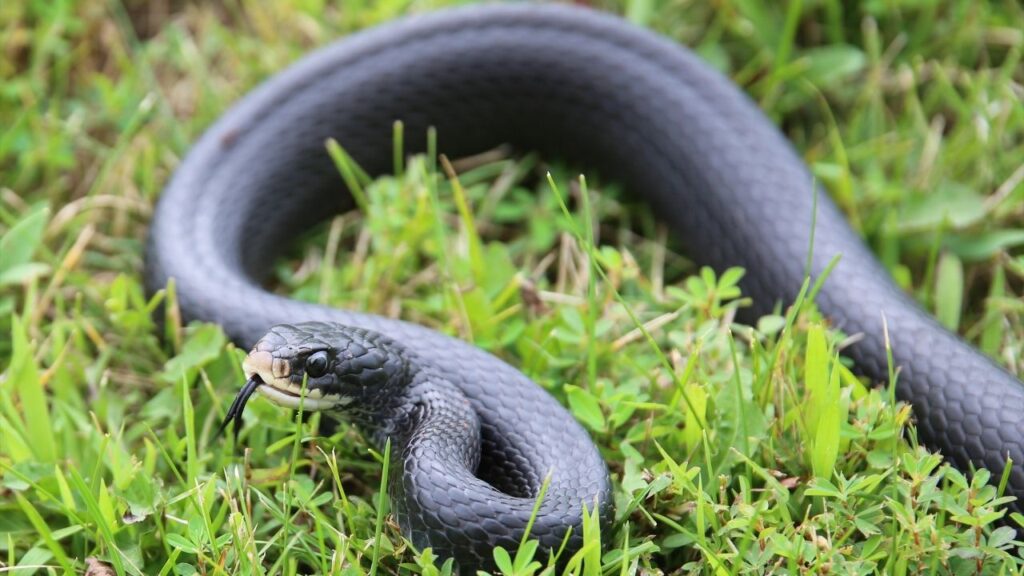
Meet the southern black racer, the Usain Bolt of the snake world. Found in the United States and Mexico, this nonvenomous marvel isn’t going to bite you—but don’t blink, or you might miss it!
True to its name, the black racer is lightning-fast, using its speed to escape predators, humans, and basically anything that looks like trouble. Despite being a constrictor, this snake doesn’t strangle its meals like a boa or python.
Instead, it relies on agility and clever hunting skills to catch its dinner, which includes rodents, birds, lizards, and bird eggs. Bonus: it sometimes lifts its head and neck a few inches off the ground to scout the neighborhood, basically giving it the equivalent of a snake drone for surveillance. Talk about brains and brawn.
Black racers are daytime hunters, darting around in forests, fields, and even suburban backyards. They’re plentiful in states like Florida and Louisiana, and farmers actually love them—they’re natural pest control, keeping rodent populations in check. In short, these snakes are the unsung heroes of the agricultural world.
But life isn’t all smooth slithering. Even with their incredible speed, cars are faster, and many black racers end up as unfortunate casualties on roads. So, if you see one in your yard or crossing a street, consider yourself lucky—and maybe slow down a bit.
In the social scene, black racers are surprisingly communal in winter, huddling with other snake species in dens to stay warm. So, despite their fierce speed, they’ve got a soft side too—team players when it counts.
4. Reticulated Python
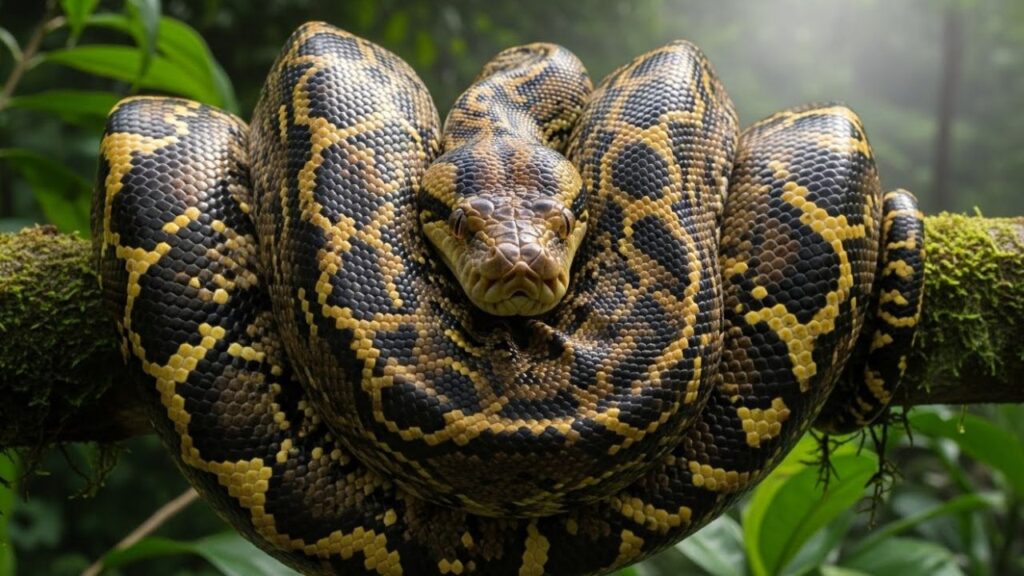
If snakes had a brainy giant category, the Reticulated Python would easily take the crown. Native to Southeast Asia, this snake isn’t just impressive in size—it’s a strategic mastermind when it comes to hunting.
Known as the world’s longest snake, some individuals can stretch over 20 feet. That’s longer than a small car! Unlike the venomous King Cobra, the reticulated python is a constrictor. It doesn’t rely on toxins to take down prey; instead, it carefully and patiently coils around its meal until the victim succumbs.
But don’t mistake this patience for laziness—these snakes are excellent planners, capable of calculating the best strike and timing to catch fast or evasive prey. Precision and patience, snakes-style.
Reticulated pythons are opportunistic hunters. They eat mammals, birds, and even reptiles, depending on what’s available. Their intelligence shows in how they assess their environment, often using subtle body movements and careful positioning to ambush prey.
Despite their intimidating size, reticulated pythons can recognize humans in captivity and may even respond to feeding routines. Just like the King Cobra, they show that intelligence and memory aren’t limited to mammals.
These snakes are the perfect example of brains and brawn. They can take down sizable prey but do so with remarkable skill and strategy. If the snake world had a “tactical operations team,” the reticulated python would be the general calling all the shots.
So, while their sheer size might make them famous, it’s their problem-solving skills, hunting strategy, and adaptability that really earn them a spot among the smartest snakes on the planet.
5. Common Garter Snake
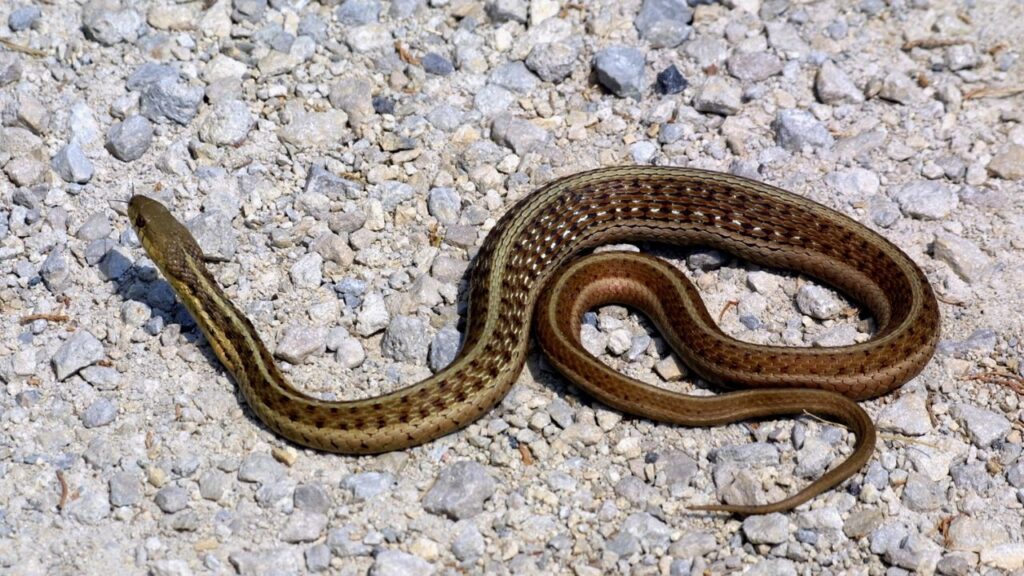
Don’t let its modest size fool you—the Common Garter Snake is proof that intelligence doesn’t have to come in giant, intimidating packages. Found throughout North America, these snakes are adaptable, observant, and surprisingly cunning in their daily lives.
Common garter snakes are diurnal hunters, meaning they’re out and about during the day, actively seeking worms, amphibians, small fish, and insects.
Their intelligence shines in their versatility—they can thrive in gardens, forests, wetlands, and even suburban neighborhoods, skillfully avoiding predators while finding food wherever it’s available. One of the most clever things about garter snakes is their ability to sense chemicals in the environment.
Using their tongues to “taste” the air, they track prey, detect danger, and even navigate tricky terrain. Basically, it’s like having a built-in GPS and radar system—tiny but highly effective.
While not aggressive to humans, these snakes are quick thinkers when threatened. They might release a stinky musk, flatten their bodies, or flee with impressive speed. All in all, they’re masters of survival strategy without the need for venom or brute strength.
Despite being small and common, garter snakes play a big role in controlling pests and keeping ecosystems balanced. They’re nature’s little problem-solvers, quietly working behind the scenes while avoiding attention.
So, whether you spot one in your garden or near a pond, give a nod to the Common Garter Snake: small, smart, and surprisingly resourceful—a true testament to brains over brawn.
6. Indian Cobra
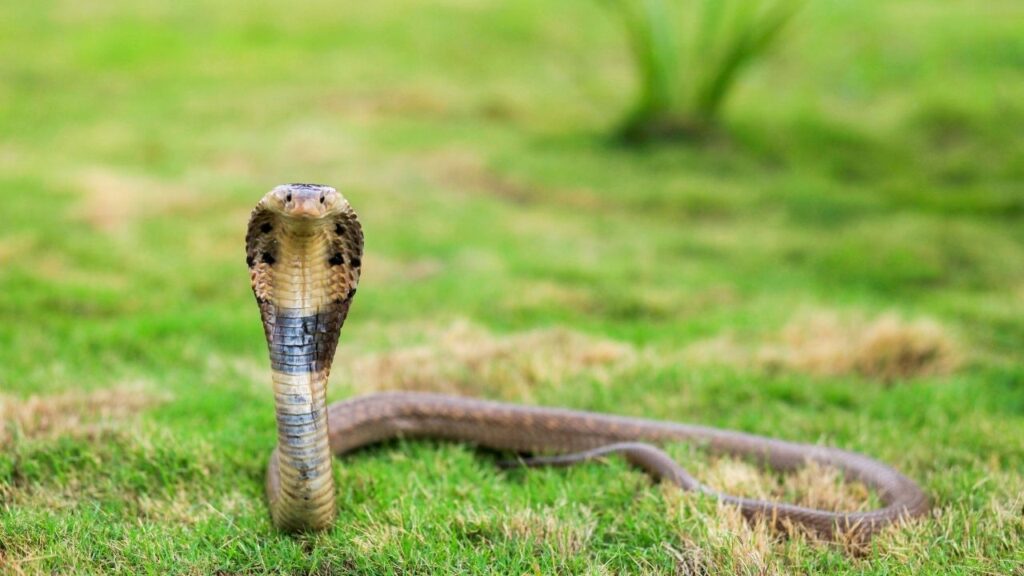
When you think of iconic snakes, the Indian Cobra probably slithers straight to mind. Known for its famed hood and mesmerizing “spectacle” markings, this snake is not just a show-off—it’s clever, adaptable, and surprisingly perceptive.
Native to India, Pakistan, Sri Lanka, and surrounding regions, the Indian cobra is venomous, but it uses its bite strategically, hunting for rodents, frogs, birds, and other small animals with precision.
What makes it truly impressive isn’t just its venom—it’s its ability to assess threats and respond intelligently, whether that means standing its ground, spreading its hood, or making a calculated retreat.
Indian cobras are highly adaptable, thriving in forests, grasslands, agricultural fields, and even urban areas. They’ve learned to coexist near humans, often sneaking into villages and farms in search of food while avoiding unnecessary danger.
In captivity, Indian cobras have demonstrated a remarkable ability to recognize their keepers and anticipate feeding times, much like the king cobra. They’re observant, quick learners, and show a level of intelligence that many people don’t expect from snakes.
Culturally, the Indian cobra is almost legendary. From snake charmers to sacred symbolism in temples, this snake has earned respect—and a little mystique—for its striking presence and clever behavior.
7. Common Kingsnake
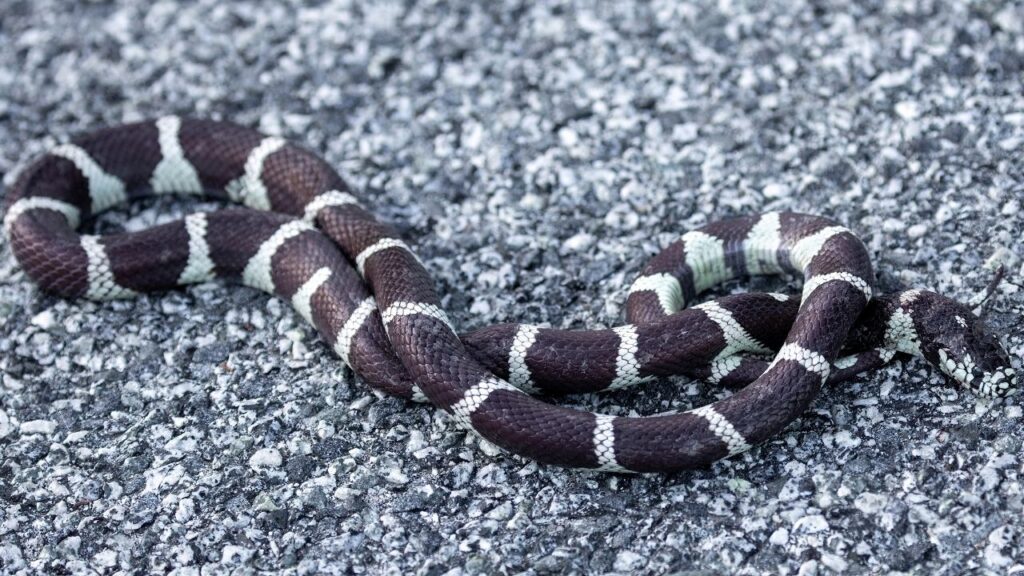
Meet the Common Kingsnake, a true brainy beauty of the Americas. Found throughout the United States and northern Mexico, this nonvenomous snake may look unassuming at first, but don’t be fooled—it’s a strategic mastermind with a taste for adventure.
Why “king”? Because this snake literally rules the reptile world in one way: it eats other snakes—even venomous ones!
Rattlesnakes, copperheads, and other potentially dangerous snakes are no match for the clever kingsnake, which uses its intelligence and immunity to venom to dominate its snakey neighbors. Think of it as the ultimate tactician—brains, guts, and a very refined palate.
Common kingsnakes are opportunistic hunters. They feed on rodents, birds, eggs, lizards, and other snakes, adapting their strategy to whatever prey is around. Their intelligence shows in the way they explore their environment, solve problems to access hidden meals, and avoid predators—truly a survival expert.
They’re also remarkably adaptable, thriving in forests, deserts, wetlands, and suburban backyards. In short, if there’s a clever, resourceful snake that can coexist with humans without causing trouble, it’s the kingsnake.
Despite their prowess, kingsnakes are generally non-aggressive toward humans, preferring to escape or use clever tactics rather than confrontation. Yet in the snake world, they’re practically royalty: respected, feared by rivals, and admired for their brains and boldness.
The Common Kingsnake proves that intelligence in snakes isn’t about size or venom—it’s about strategy, adaptability, and a dash of audacity. If the snake kingdom had a chess championship, this one would be the reigning grandmaster.
Conclusion
Among snake species, certain intelligent species like Corn snakes, Burmese pythons, and Ophiophagus hannah stand out for their remarkable problem-solving abilities and adaptability in the wild and captivity. Unlike most other snakes, these species demonstrate behaviors such as attacking strategically, navigating trees, and remembering locations of nests or food.
While some venomous species also show intelligence, these snakes often respond to enclosure enrichment, pets, or environmental factors, suggesting a higher level of learning. Anecdotal evidence highlights that providing more food or stimulating challenges further engages their cognitive skills, making them deadly yet fascinating watch-worthy creatures in the reptile world.
