




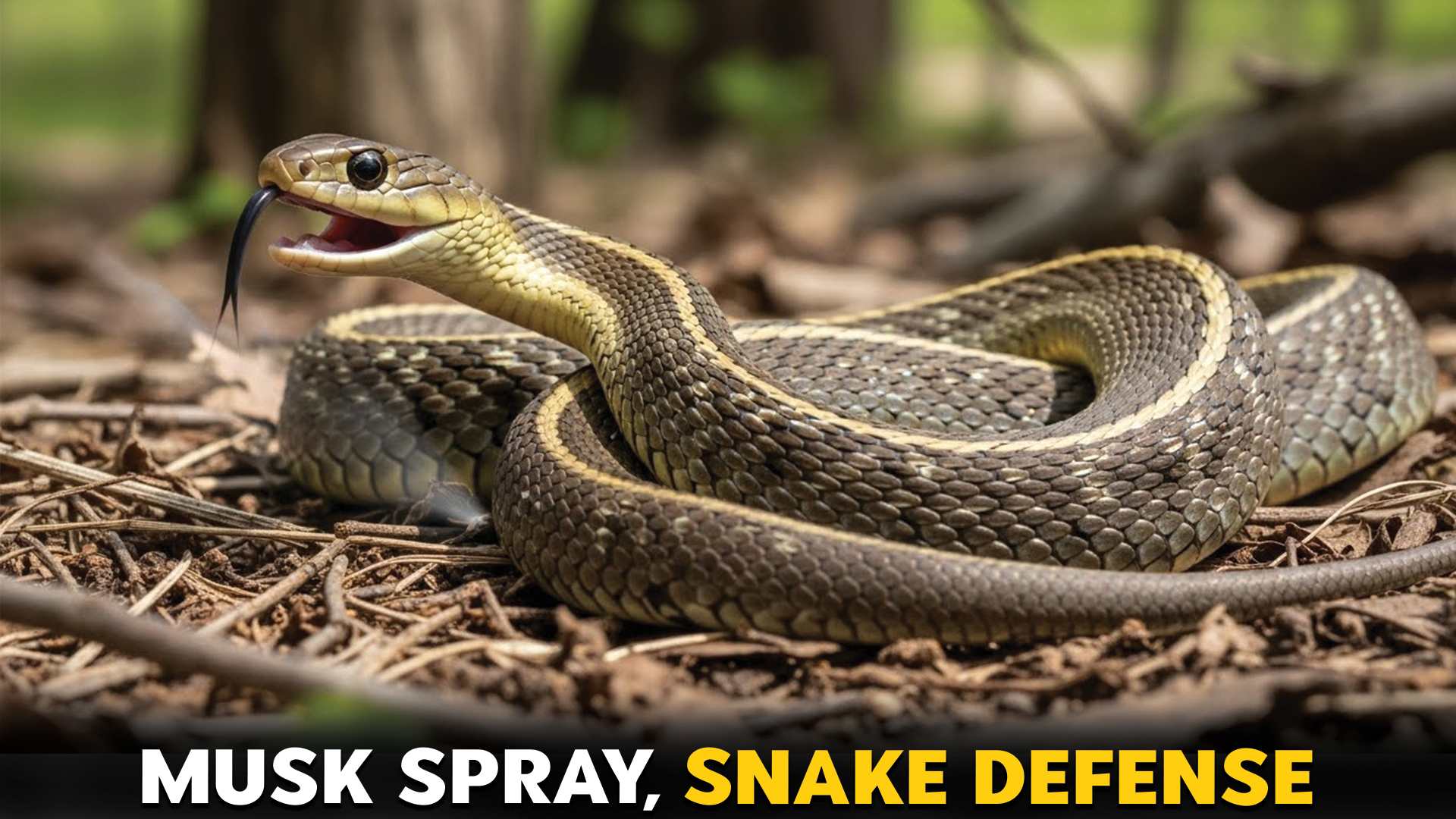
Some snakes might look harmless until you get too close—and then, suddenly, they unleash a stinky secret weapon. Many species use a defensive musk spray as a first line of protection against predators. Rather than biting, these snakes rely on pungent secretions that startle, disgust, or even temporarily deter attackers.
This strategy is simple yet highly effective. The scent is produced near the base of the tail and released when the snake feels threatened.
It’s nature’s way of saying, “Back off!” without engaging in dangerous physical combat. For the snake, it’s low-risk, energy-efficient, and often enough to discourage predators. These smelly defenses also reveal how creative evolution can be. Instead of relying on speed, fangs, or camouflage alone, some snakes have developed chemical warfare—literally!
We’ll explore snakes known for their defensive musk spray, showing which species use this tactic, how it works, and why it’s such a clever survival tool in the wild.
Fun Fact: Many snakes, such as garter snakes and hognose snakes, release a foul-smelling musk when threatened. The stinky secretion deters predators and gives the snake a chance to escape.
Snakes Known for Their Defensive Musk Spray
1. Common Garter Snake
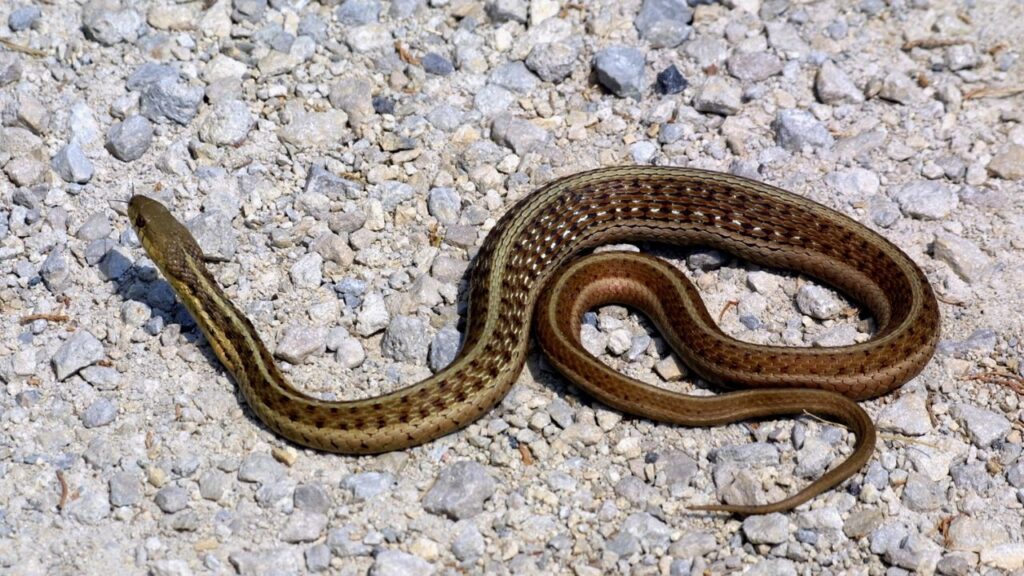
Small but mighty, the common garter snake is like the pint-sized ninja of the snake world. Found slinking through gardens, wetlands, and grassy meadows across North America, this little snake knows how to survive against bigger, hungrier predators.
When threatened, it relies on more than just speed. Its signature move? A musk spray from its cloacal glands that smells bad enough to make raccoons, birds, or even curious humans think twice before a closer inspection.
But that’s only part of the story. Wikipedia noted the common garter snake is also a venomous (sort of!) predator, producing mild venom that helps subdue tiny prey like frogs, worms, and rodents.
Its venom isn’t dangerous to humans, but it’s enough to make a worm think twice. Even better, garter snakes are immune to the toxins of many of their prey, like poisonous frogs. In other words, they eat what other predators wouldn’t dare touch—and shrug it off like it’s just lunch.
Some garter snakes even play dead while releasing their musk. Picture a tiny striped snake dramatically flopping over while spraying a pungent “stay away!” cloud—like a tiny, smelly soap opera.
Fun Fact: When threatened in water, garter snakes can release musk and escape swimming, making them nearly untouchable. It’s a classic combination of stink, stunt, and speed—nature’s triple threat.
2. Bullsnake
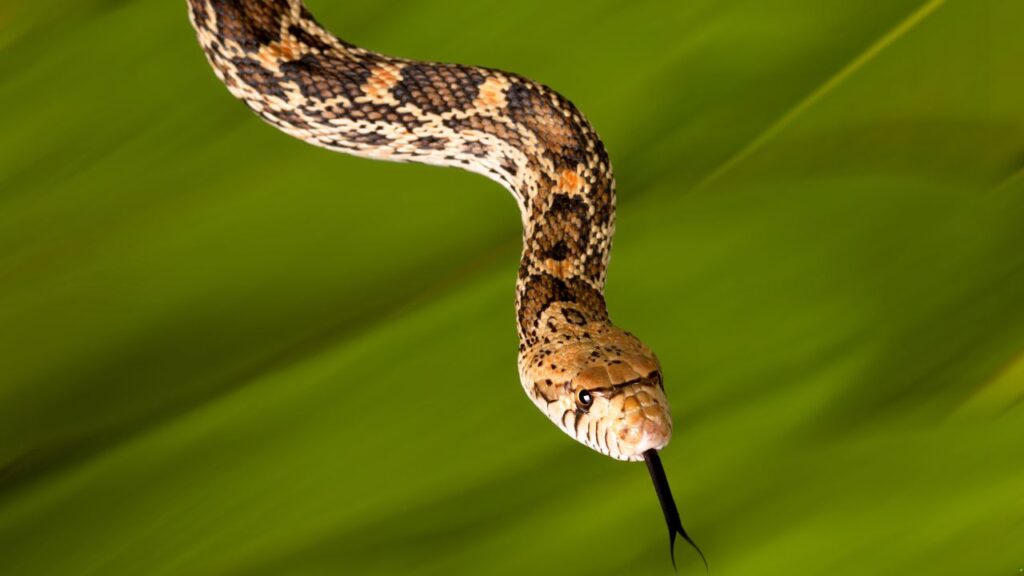
The bullsnake is the prairie’s own theatrical giant. Growing up to 8 feet, it’s one of North America’s largest nonvenomous snakes, and it knows it. When danger appears, the bullsnake doesn’t just hiss—it puts on a full dramatic performance.
First, it hisses as loud as a steam engine (yes, louder than many people expect), making any predator—or unsuspecting hiker—pause in panic. Then it flattens its head and puffs up, mimicking the iconic rattlesnake look.
Bullsnakes are bluffers by nature. They rarely bite humans unless cornered, preferring to scare with size, sound, and scent. Their mimicry of rattlesnakes is so convincing that many predators give up entirely, leaving the bullsnake to slither away victorious. Even the tail-rattling trick—dragging against leaves to simulate a rattle—is pure genius.
They sometimes combine mimicry, hiss, and musk simultaneously, creating a multi-sensory “leave me alone” experience. Basically, if bullsnakes had a motto, it would be: “Why fight when you can freak everyone out instead?”
Fun Fact: Bullsnakes are excellent hunters of rodents, making them valuable allies for farmers. But despite their helpful nature, they’ve mastered the art of dramatic escape: hiss, puff, spray, vanish—leaving everything confused and slightly traumatized.
3. Timber Rattlesnake
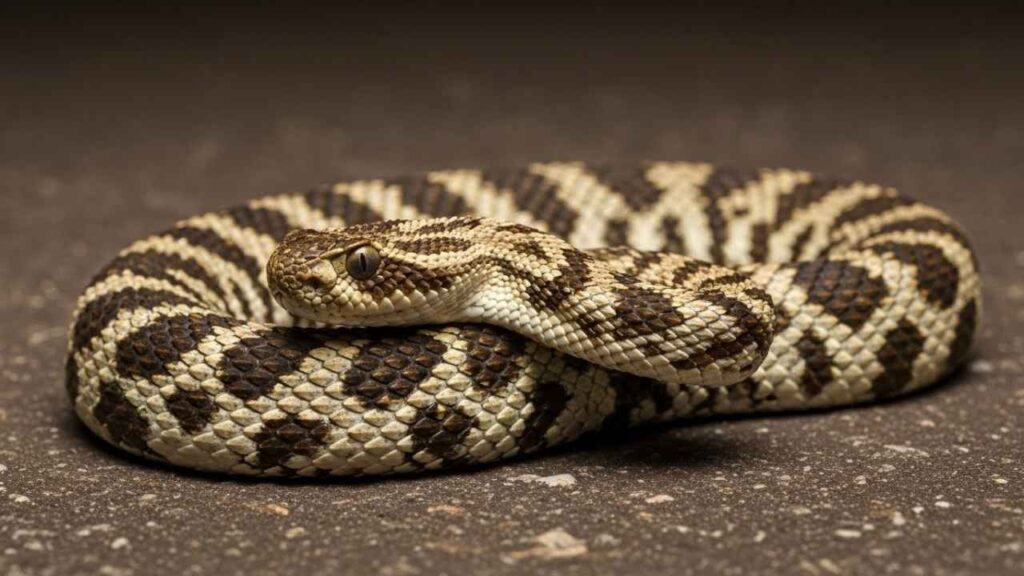
The timber rattlesnake is like the grandmaster of “don’t mess with me” vibes in the eastern U.S. forests. With its thick body, striking pattern, and iconic rattling tail, it’s a snake that demands respect. And yes, it’s venomous—so predators think twice before even considering a snack.
But even the mighty rattler has a secret trick in its defensive arsenal: musk spray. When threatened, it releases a pungent, smelly secretion from its cloacal glands.
Pair that with its loud, vibrating rattle, and the timber rattlesnake creates a multi-sensory “back off” warning system. It’s like a snake-version of an airhorn plus skunk perfume combo.
Timber rattlesnakes can remain remarkably calm if left alone, but they won’t hesitate to hiss, rattle, or spray musk if they feel cornered.
Unlike some snakes that rely mostly on fleeing, timber rattlers are patient and strategic. They often stay put and warn intruders with a dramatic rattle and stinky spray rather than attacking immediately.
Their camouflage is almost chef-level masterclass—they blend perfectly with leaf litter, making surprise encounters rare but memorable.
Fun Fact: The timber rattlesnake’s musk isn’t just for predators—it’s also a way to mark territory and communicate stress. So the next time you smell something awful on a forest hike… it might just be the snake saying, “This is my spot, buddy!”
4. Eastern Coral Snake

The Eastern Coral Snake may look like it just stepped out of a fashion show with its bold red, yellow, and black bands, but don’t be fooled by its style—this snake is armed and dangerous. While it’s venomous enough to take down small prey, humans are rarely at risk because coral snakes are shy and secretive.
Still, when threatened, the Eastern Coral Snake has a sneaky little trick: it can release a foul-smelling musk from its cloacal glands, giving predators a literal reason to think twice before getting close.
Pair that with its tendency to slither quickly into leaf litter or under logs, and you’ve got a snake that’s basically a stealthy escape artist with a stinky sidekick.
Coral snakes are mostly timid and avoid confrontation, but if trapped, they’ll hiss softly, coil, and release musk—enough to make even a hungry predator rethink dinner plans.
Unlike larger snakes, coral snakes rely more on invisibility and stink than brute intimidation. Think of them as the “ninja skunk” of the snake world. They are secretive hunters, preying on smaller snakes, lizards, and amphibians. Their venom is highly potent for their size, but their first choice is always a quiet getaway.
Fun Fact: Because of their striking colors, coral snakes often get misidentified as harmless milk snakes or kingsnakes. But the real trick is that their musk adds a bonus layer of defense: “Look at me, but don’t touch… and by the way, I smell bad!”
5. Western Hognose Snake
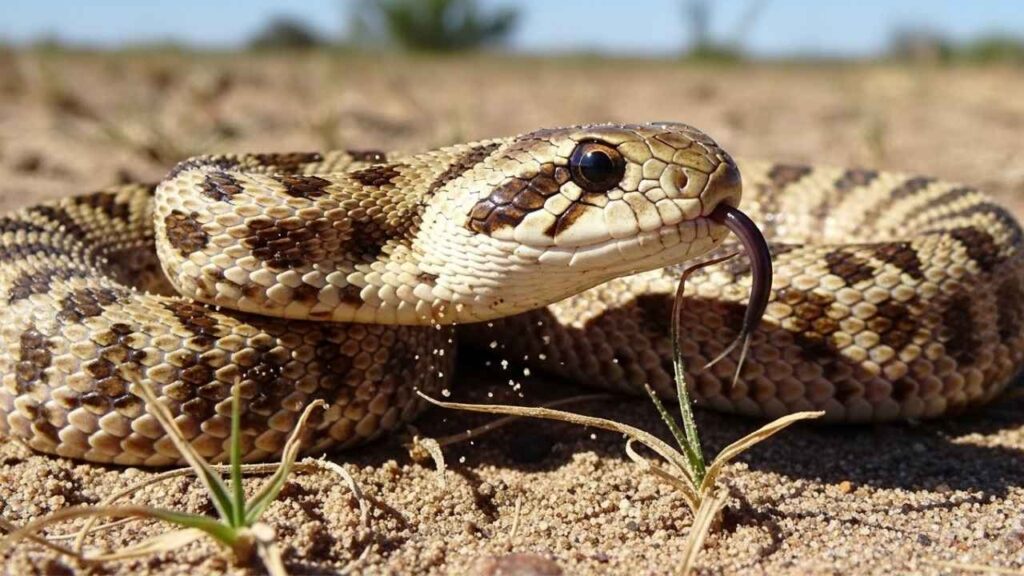
The Western Hognose Snake is basically the comedic genius of the snake world. With its upturned snout that looks like it’s perpetually sniffing the latest gossip, this little snake is all about drama and flair over fighting. And yes—it too has a stinky little trick up its sleeve: a musk spray from its cloacal glands that can make predators think twice.
Western Hognose Snakes are more about look, act, bluff, and stink than bite. Most bites occur only if you really, really annoy them. They are burrowing enthusiasts, often disappearing into loose soil or sand, making their escape as smooth as their theatrics.
When threatened, the Western Hognose doesn’t just rely on stink. It’s a master of theatrical bluffing. It flattens its neck like a tiny cobra, hisses like it’s auditioning for a snake opera, and might even play dead, rolling onto its back and letting its tongue lollygag in the air.
If that doesn’t work, the musk spray steps in as a final “leave me alone” defense. It’s like the snake’s version of an unignorable stinky smoke bomb.
Their diet is specialized—they often hunt amphibians, especially toads, and can even tolerate some toxins from their squishy prey.
Fun Fact: Western Hognose Snakes are nature’s little actors. They can fake death so convincingly that predators might even lose interest, and then, just for flair, release their stinky musk as a parting gift.
6. Northern Copperhead
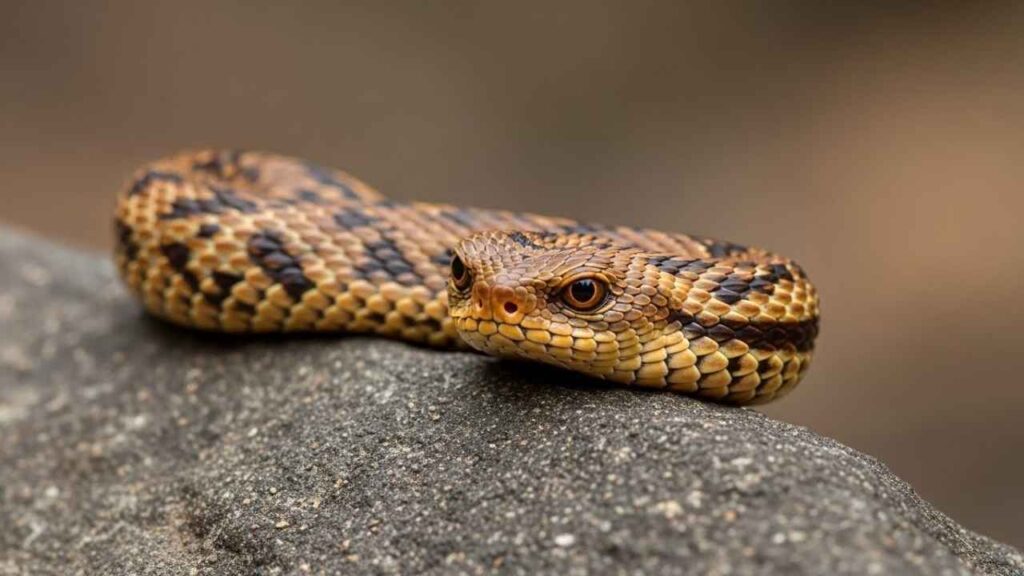
The Northern Copperhead is the master of subtlety in the snake world. With its gorgeous, coppery, hourglass-patterned body, it blends perfectly into fallen leaves and forest floors—like a stealthy ninja wearing camouflage.
But don’t be fooled by its serene appearance: if it feels threatened, the copperhead has a suite of defensive tools—and yes, musk spray is part of its repertoire, according to the National Zoo.
Unlike some more dramatic snakes, copperheads are calm and calculated. They aren’t looking for a fight—they’d rather warn you first. If a predator—or curious human—gets too close, the Northern Copperhead will:
Freeze to blend into its surroundings, playing the ultimate hide-and-seek.
Vibrate its tail against leaves, mimicking a rattlesnake’s warning signal.
Release a pungent musk as a last line of defense. This smell isn’t subtle; it’s a clear “stay away” signal for anyone thinking about making dinner plans.
Think of the Northern Copperhead as the calm, slightly grumpy librarian of the forest. It’s quietly warning you with musk and tail vibrations: “Shhh… I’m warning you. Don’t touch me… seriously, don’t.”
Fun Fact: Copperheads are responsible for the most venomous snake bites in the U.S., but most bites happen because humans accidentally step on them. The snake would much rather stink and slither away than bite—a true example of “defense, not offense.”
7. Banded Krait
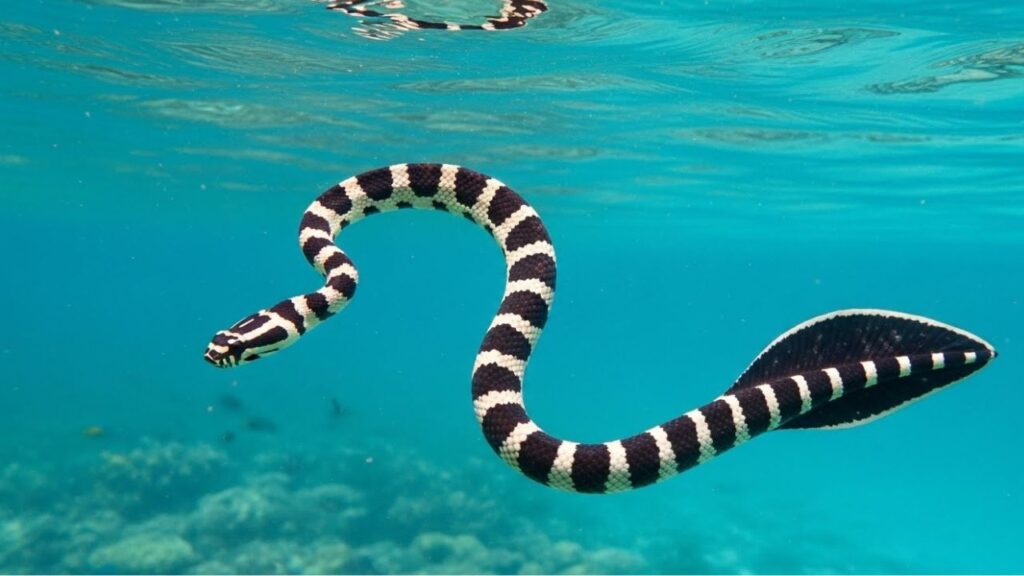
The Banded Krait is the elegant ninja of the Asian snake world. Its glossy black and yellow bands make it look like it’s ready for a runway—or maybe a secret snake mission—but appearances can be deceiving. Highly venomous yet surprisingly calm, the Banded Krait is not a fighter by nature.
Instead, it relies on stealth, caution, and a potent stinky backup plan when predators get too curious. When threatened, the Banded Krait has a suite of subtle defensive moves:
It can release a potent, foul-smelling musk from its cloacal glands, giving predators an olfactory reminder that messing with it is a bad idea. It may flatten its body slightly to look bigger and more intimidating, a tactic that works especially well on would-be predators that rely on size as a threat cue.
Its calm, deliberate movements convey a clear message: “I’m dangerous, but I’m not looking for trouble—just don’t push your luck.” Banded Kraits are mostly nocturnal, slithering through rice paddies, wetlands, and forest edges across Southeast Asia.
They primarily feed on other snakes, small reptiles, and occasionally amphibians. Their nighttime lifestyle helps them avoid many predators, but when they do feel threatened, that stinky musk is an extra safety net.
Fun Fact: Unlike some snakes that strike immediately, Banded Kraits are masters of patience. They prefer a slow, calculated retreat, relying on camouflage, stealth, and stink rather than aggression.
Conclusion
Some snakes known for their defensive musk spray release a strong snake musk from the mouth or cloaca when threatened, often during feeding, handling, or contact with humans. This means the snake can cause a pain-like irritation to the eye or skin and may carry disease-causing bacteria if not properly washed off. A variety of types of snakes use musk as control over their home territory, marking their point or warning intruders.
While most snakes will hold their position rather than strike, the market of handled snakes shows that even a lot of long or open snakes can be safely managed with care. The defensive spray serves as a non-lethal strategy to protect the snake from danger during the day and minimize risk to hands or other contact.
