




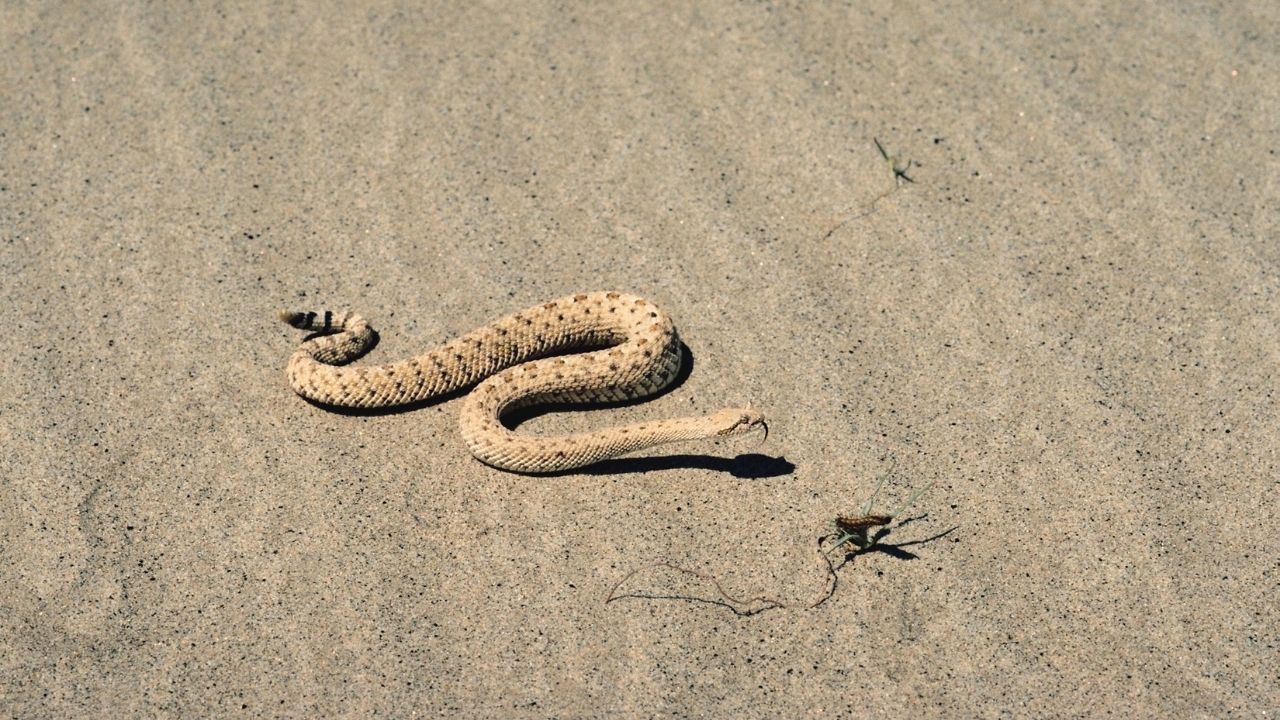
In the wild, speed can mean the difference between a successful hunt and an empty belly—or between life and death. While snakes are often imagined as slow, slithering creatures, some species are shockingly fast.
These high-speed serpents are built for rapid movement, explosive strikes, and swift escapes that leave predators and prey stunned. Fast snakes use their speed in different ways. Some rely on quick bursts to ambush prey, while others use sustained speed to flee danger across open terrain.
Their streamlined bodies, powerful muscles, and specialized movement techniques allow them to glide over sand, grass, or forest floors with astonishing efficiency. In dry deserts or wide-open plains, speed becomes their greatest weapon.
Exploring these rapid reptiles reveals a thrilling side of snake behavior many people never expect. Far from being lazy or sluggish, these snakes embody precision, agility, and raw athleticism. Get ready to meet the speedsters of the snake world—creatures that prove not all serpents take life one slow slither at a time.
Fact: The black mamba is one of the fastest snakes in the world, capable of slithering at speeds up to 16 mph over short distances. That speed helps it escape threats rather than chase prey—speed is a survival tool, not just a weapon.
7 Snakes Known for Their Amazing Speed
1. Black Mamba
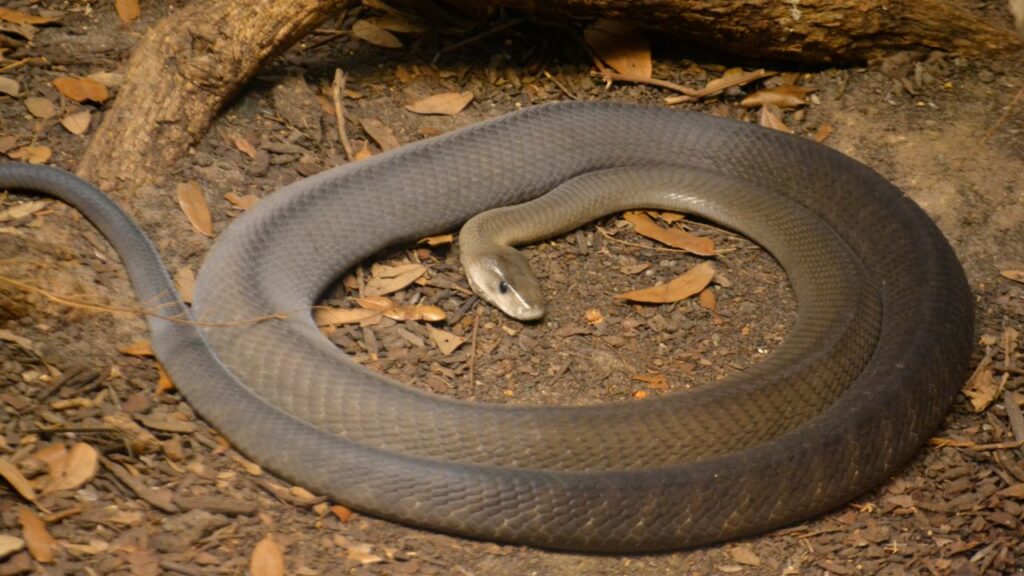
Average Speed: 16 mph
Clocking bursts of up to 16 mph, this legendary serpent isn’t just fast—it’s “blink and you’ll miss it” fast. To put that into perspective, imagine a 14-foot-long noodle of pure muscle suddenly deciding it has somewhere very important to be… and that somewhere is right past you. Terrifying? Yes. Impressive? Absolutely.
Despite what horror movies might suggest, black mambas aren’t roaming around looking for trouble like grumpy villains. They’re actually diurnal (daytime hunters) that prefer efficiency over drama.
When motivated—usually by food or a desire to avoid something bigger and louder—they move in short, explosive sprints, gliding over the ground with a smooth dipping motion that almost looks like they’re floating. Black mambas are incredibly adaptable. You’ll find them:
Slithering across savannahs
Cruising through woodlands
Navigating rocky slopes
Occasionally climbing into trees, because apparently the ground isn’t exciting enough
Wikipedia noted, they’re both terrestrial and arboreal, meaning they’re just as comfortable on the ground as they are above it. Basically, if you thought climbing a tree would save you—think again.
Their speed makes them devastating hunters. Squirrels, mice, and birds don’t get much of a warning. One moment they’re minding their own business, the next—lights out. Sneak, sprint, strike. It’s a masterclass in predator efficiency.
The black mamba’s venom is not here to play games. Just two drops can be lethal to a human. Combine that with lightning-fast movement and you’ve got a snake that doesn’t need many natural predators—because most animals have wisely chosen not to mess around and find out.
Despite their fearsome reputation, black mambas aren’t aggressive by default. They’re more like introverts with boundaries: give them space, and they’re perfectly happy to zoom away at record speed rather than pick a fight.
2. Yellow-Bellied Sea Snake
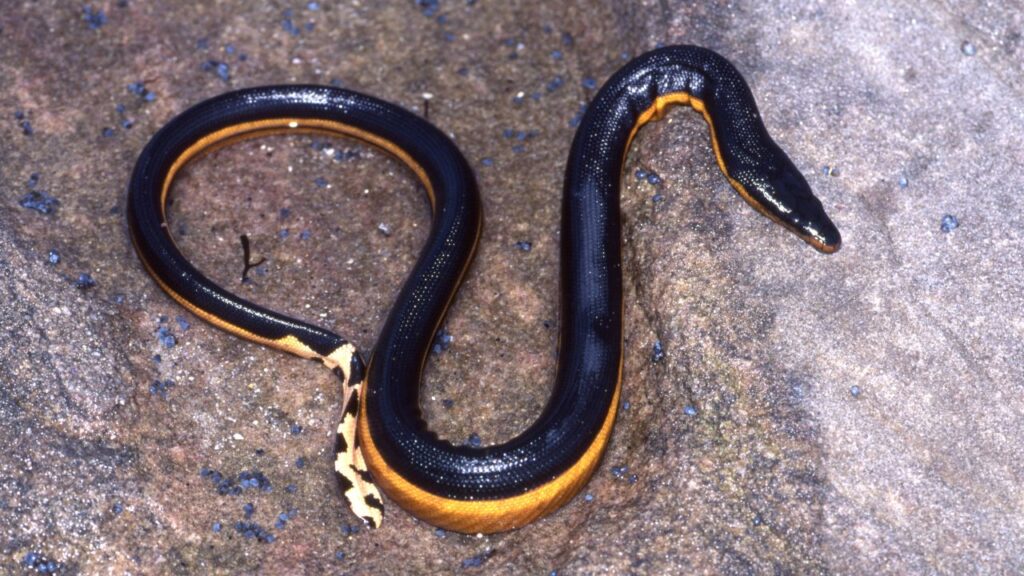
Average Speed: 2.5 mph – (19 kph)
This sleek, black-and-yellow marvel has fully committed to aquatic life—born in the water, lives in the water, and never bothers with land at all. No awkward beach exits. No sunbathing on rocks. Just endless open ocean and an all-you-can-eat fish buffet.
While it may not clock land-snake sprint speeds like the black mamba, the yellow-bellied sea snake is surprisingly fast and agile in water, gliding effortlessly with a flattened, paddle-like tail that works like a built-in propeller. Think less “slither” and more “underwater ribbon missile.”
Its bold yellow belly and dark back make it highly visible against the ocean’s surface. In the wild, that kind of coloring usually screams “eat me!”—but not here. The yellow-bellied sea snake has no known natural predators, which means it can afford to look flashy. This snake doesn’t hide; it struts.
And it struts across an enormous range. In fact, it holds the record for the widest distribution of any snake species, cruising comfortably through both the Indian and Pacific Oceans.
Despite its massive range, humans almost never run into one. Why? Because it prefers deeper waters, far from shore and even farther from curious swimmers. This is excellent news for us, since sea snake venom is extremely potent—among the strongest in the snake world.
Luckily, the yellow-bellied sea snake is calm, non-aggressive, and has absolutely no interest in people. We’re not fish, and frankly, we look like too much effort. One of its coolest adaptations? It can filter fresh water from seawater, allowing it to stay hydrated without ever needing land.
Fast, venomous, fearless, and perfectly adapted to life at sea, the yellow-bellied sea snake is proof that speed isn’t just about miles per hour—it’s about mastery of your environment. It doesn’t rush. It cruises. And it does so with the confidence of a creature that knows it owns the ocean.
3. King Cobra
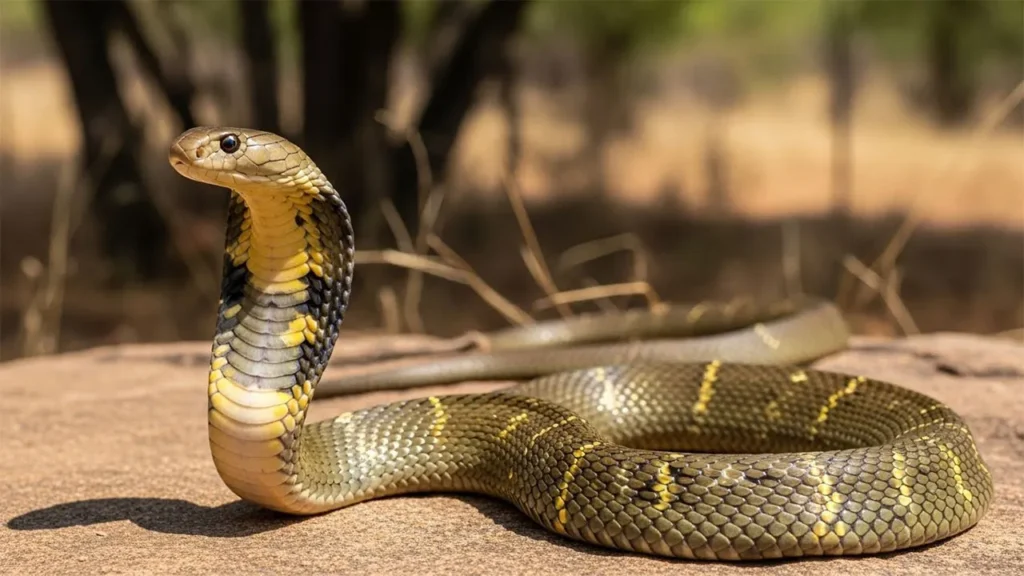
Average Speed: 12 mph – (19 kph)
Reaching jaw-dropping lengths of up to 18 feet and moving at speeds of 12 mph (19 kph), the king cobra is the longest venomous snake on Earth and one of the most intimidating reptiles alive. That’s not just fast for a snake—that’s “why is the forest suddenly chasing me?” fast.
Unlike most serpents that hunt rodents or birds, king cobras specialize in something far more metal: other snakes. Including other cobras. Yes, cannibalism is officially on the menu.
Their venom is a custom cocktail of powerful toxins, and they don’t hold back. A single bite can deliver nearly a quarter ounce of venom through needle-sharp fangs—enough to overwhelm even large animals. Few creatures on Earth can shrug that off, which is why the king cobra enjoys life with very few natural enemies.
This feisty mammal is usually about three feet long, meaning it’s essentially facing down a venomous subway train with teeth. The mongoose isn’t immune to cobra venom, but it does have partial resistance, giving it a fighting chance. Combine that with lightning-fast reflexes and a complete lack of fear, and you get one of nature’s most intense showdowns.
According to Britannica, king cobras are active hunters, prowling forests, fields, and even villages day and night. They don’t wait for prey to come to them—they go looking. Calm, alert, and constantly moving, they’re more like tactical hunters than ambush predators.
The most significant predators of king cobras are humans, who hunt them for food, traditional medicine, and leather. For a creature that dominates nearly every natural rival, it’s a sobering reminder that even apex predators aren’t safe from us.
4. Sidewinder Rattlesnake
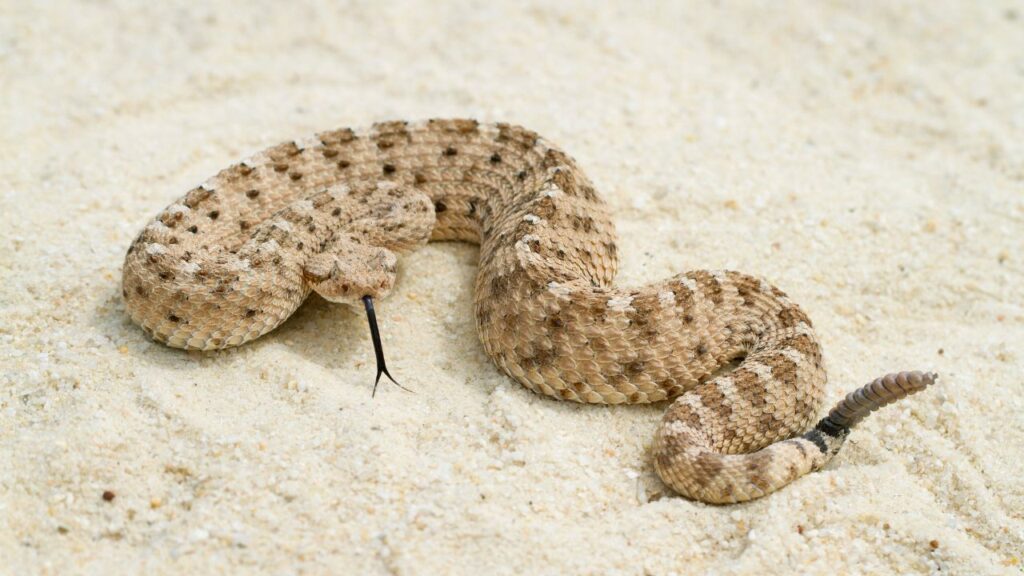
Average Speed: 18 mph (29 kph)
With a jaw-dropping top speed of 18 mph (29 kph), the sidewinder earns the title of fastest snake on land. And it doesn’t achieve that speed by slithering like everyone else. Oh no—this snake rewrote the instruction manual.
The sidewinder’s signature sideways motion looks strange, almost glitchy, like the snake is buffering in real life. For years, scientists couldn’t fully explain how it worked—until they built a robot snake to figure it out.
Most snakes rely on their scales to grip the ground, kind of like tire treads. But in the Sonoran and Mojave Deserts, gripping loose sand would just turn every sprint into a slow-motion faceplant.
Rather than pushing downward into the sand, sidewinders adjust their body angle, pressing more surface area gently against the ground. This spreads their weight, stabilizes them on steep dunes, and keeps them from sinking.
Sidewinders are ambush predators, burying themselves in the sand with only their eyes and rattle exposed. When an unlucky rodent wanders by, the snake explodes out of the sand like a desert jump scare—fast, precise, and over in seconds.
5. Eastern Brown Snake
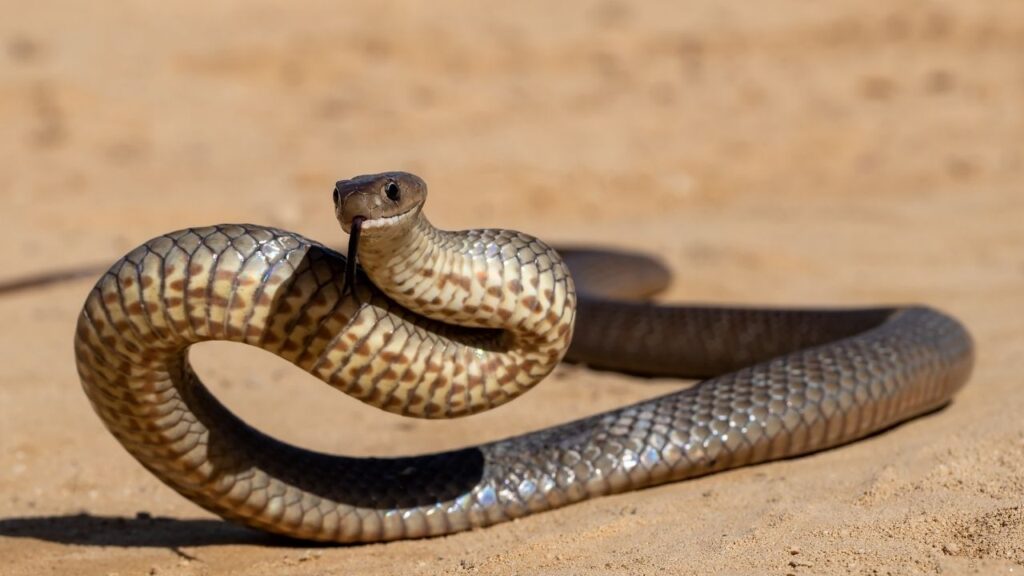
Average Speed: 12 mph – (19 kph)
Australia already has a reputation for animals that seem a little too good at survival, and the Eastern Brown Snake proudly carries that tradition forward—fast, smart, and extremely venomous, all wrapped in a deceptively slim package.
With top speeds of 12 mph (19 kph), this snake isn’t just quick—it’s blink-and-it’s-gone quick. And when it decides to strike, it does so with such explosive speed that the warning often arrives after the fact. Native to Eastern and Central Australia, the Eastern Brown Snake is remarkably adaptable. You’ll find it in:
Forests and woodlands
Open grasslands
Farmland
Even urban areas (because of course)
Why cities? Rodents. And where rodents go, this snake follows—acting as an efficient (if slightly terrifying) form of pest control.
Physically, it’s built for speed: a slender body, smooth scales, and lengths of up to 7 feet. Its coloring ranges from pale tan to nearly black, often with darker shading around the head and neck—nature’s version of a racing stripe.
According to A-Z Animals, Eastern Browns have excellent eyesight and often raise their heads to scan their surroundings like tiny periscopes with bad intentions. Add in the Jacobsen’s organ, which lets them “taste” the air by flicking their tongues, and you get a snake that knows exactly what’s nearby—and how fast it needs to move to catch it.
Their speed isn’t just for show. Unlike many ambush predators, Eastern Brown Snakes will actively chase down prey, including small mammals, birds, and reptiles. The Eastern Brown Snake is one of the most venomous snakes in the world. Its bite delivers a powerful mix of neurotoxins and coagulants, capable of causing rapid and severe symptoms in humans.
The good news? They’re generally shy and prefer to flee. The bad news? If cornered or threatened, they can become highly defensive, which—given their speed and venom—makes them one of Australia’s most dangerous snakes.
6. Eastern Coachwhip
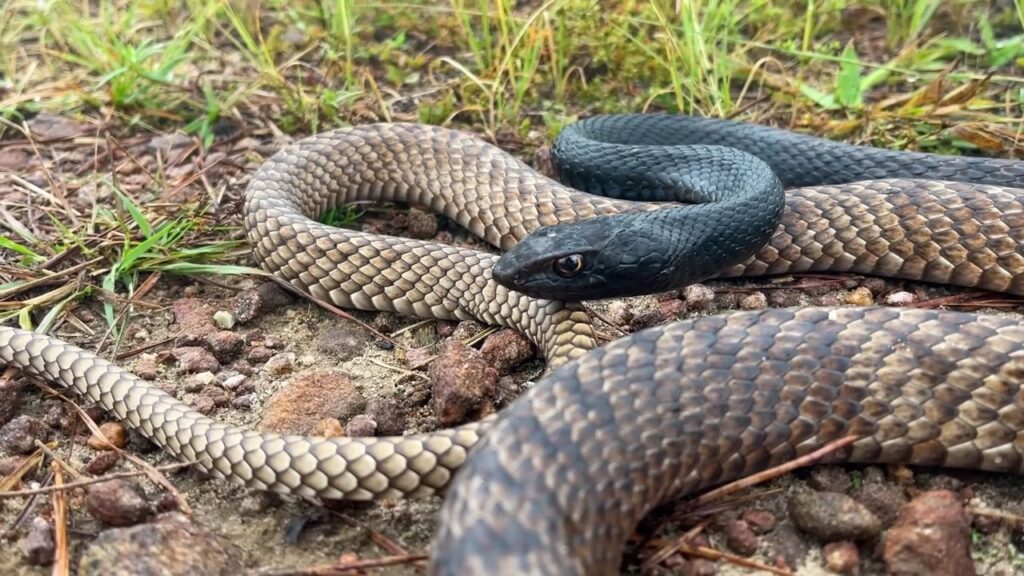
Average Speed: 4 mph – (6 kph)
Not every fast snake needs venom to be impressive. Enter the Eastern Coachwhip—long, lean, and built like it skips leg day because it doesn’t have legs.
Reaching speeds of around 4 mph (6 kph), the coachwhip may not top the snake-speed leaderboard, but don’t let the numbers fool you. In the wild, that pace—combined with sharp eyesight and relentless energy—makes it one of the most active and athletic snakes in North America.
Coachwhips thrive in open habitats where speed actually matters:
Deserts
Grasslands
Scrublands
Found across the southern United States, Mexico, and Central America, these snakes prefer wide-open spaces where they can see trouble coming—or lunch trying to escape.
They can grow up to 8 feet long, and their appearance is unmistakable. With a dark head and a tan-to-reddish body that looks braided, they resemble—you guessed it—a coiled leather whip. Stylish and aerodynamic.
Unlike ambush-loving snakes, coachwhips are active hunters. They don’t wait. They spot prey with excellent eyesight, lock on, and give chase. Lizards, birds, small mammals, insects—if it moves and fits in their mouth, it’s probably on the menu.
Coachwhips are non-venomous, but that doesn’t mean they’re pushovers. If threatened, they can become highly defensive and may strike repeatedly. It’s less “deadly assassin” and more “angry jump rope with opinions.”
7. Boomslang
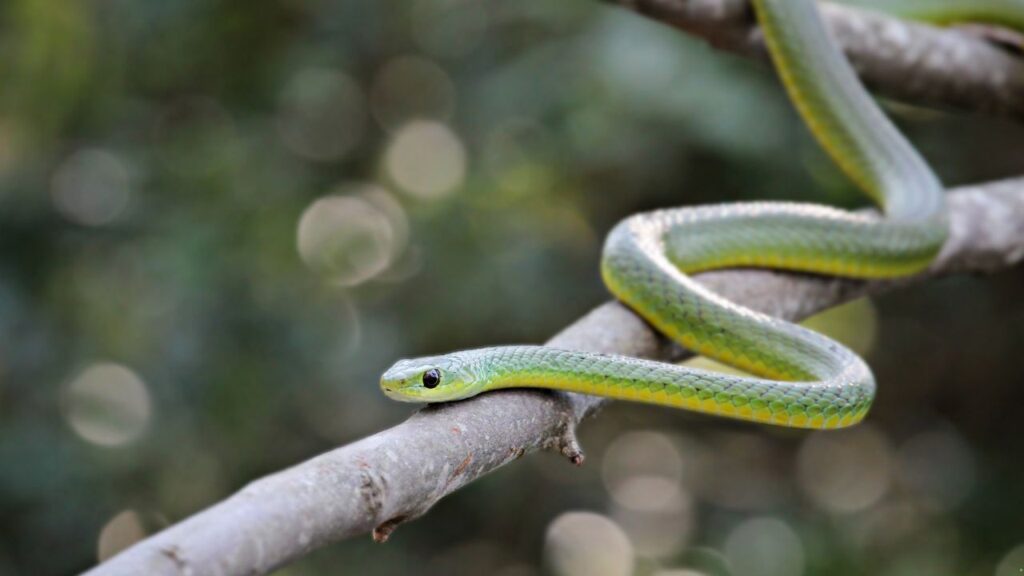
Average Speed: 4 mph – (6 kph)
Native to Sub-Saharan Africa, the boomslang is a sleek, tree-loving speedster that thrives in woodlands, savannas, and forests. It’s built for life above the ground, with a slender body, an elongated head, and those famously huge eyes that make it look permanently surprised by how close you are.
Boomslangs can grow up to 6 feet long, and their coloration is striking. Males are often a vibrant leaf-green, while females tend to be brown or olive, helping them blend seamlessly into branches and foliage. It’s camouflage with style.
Moving at speeds of up to 4 mph (6 kph), the boomslang may not break land-speed records, but in the trees, that agility is everything. Branches, vines, and leaves become highways as this snake glides through the canopy like it owns the place.
Unlike many snakes that rely heavily on scent, boomslangs are visual hunters. Their excellent eyesight allows them to precisely track prey in three-dimensional space—no small feat when everything is moving and swaying.
Their menu includes:
Birds (and their eggs)
Lizards
Small mammals
Here’s the twist: behind that calm, elegant movement lies extremely potent venom. Boomslang venom is hemotoxic, meaning it interferes with blood clotting and can cause internal bleeding. It works slowly, which historically made it easy to underestimate—never a great idea.
The good news? Boomslangs are shy, non-aggressive, and prefer avoidance over confrontation. Most bites happen when people try to handle or provoke them (a universally bad life choice). With prompt medical treatment, fatalities are rare.
Conclusion
Snakes, known for their amazing speed, rely on specialized locomotion to escape predators, evading predators while also launching rapid attack moves to kill prey. Species like Texas rat snakes and the southern black racer (Coluber constrictor priapus), often called the world’s fastest snake, dominate the southeastern United States, racing across open ground, suburban areas, and even climbing with ease as excellent climbers. In the southwestern United States, the sidewinder snake and horned rattlesnake use high ground speed and unique movement to cross hot terrain efficiently.
In Southeast Asia, the flying snake adds speed through gliding, while ambush specialists like the common death adder, though highly venomous, depend on fast strikes, explosive strike speed, and precise ambush tactics. Whether semi aquatic or terrestrial, these snakes are formidable predators with a keen sense and keen eyesight, using speed to overwhelm small animals and survive in competitive environments.
