




Small horses are often underestimated because of their size, yet their presence, personality, and energy defy expectations.
Compact bodies move with surprising agility, intelligence, and strength, challenging assumptions about what small stature can achieve. Observing them reveals a balance between delicacy and power, making them captivating to watch and engage with.
People are drawn to their spirited nature, expressive eyes, and playful movements, all contained within a frame that invites close interaction. Their size enhances approachability without diminishing charm or capability, offering companionship, performance, and joy that can rival larger horses.
In this guide, readers will explore the smallest horse breeds, discovering traits that define their unique movements and behavior.
Key Takeaways
Size alone never explains a horse, especially when some of the smallest breeds were shaped by labor, isolation, and survival rather than appearance.
Miniature Horses and Falabella may stand low to the ground, yet their longevity, structure, and working roles tell a much bigger story.
Breeds like the Shetland Pony and Icelandic Horse show how compact frames can hold endurance, balance, and centuries of careful adaptation.
Each breed adds another layer, slowly reshaping how small horses are understood by the end.
Smallest Horse Breeds
1. Miniature Horse
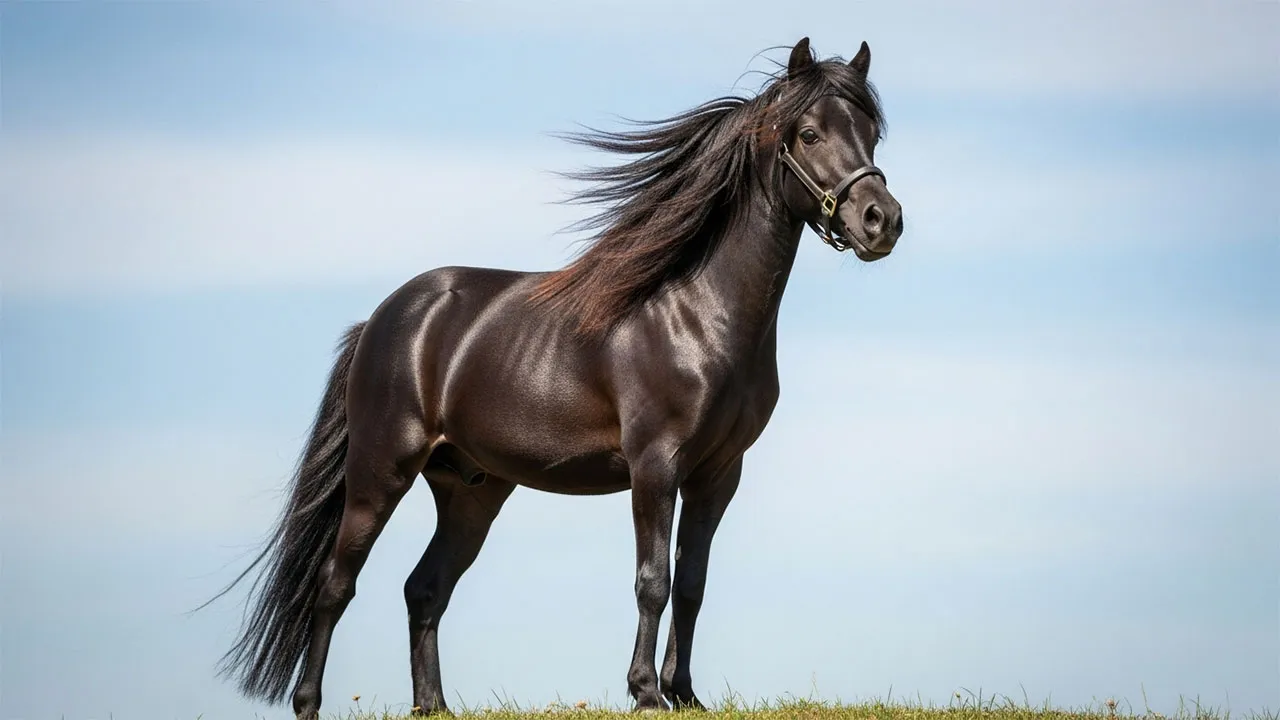
Compact proportions give the miniature horse a distinct charm that immediately draws attention. Its small frame still reflects true horse behavior, from social bonding to daily care needs. That balance places it firmly among the smallest horse breeds worth understanding before commitment.
More Than Just a Companion Animal
Miniature horses often fill roles that go beyond companionship, shaped by their calm and people-focused nature. Their long lifespan compared to standard horses also factors into long-term planning.
A closer look makes things clearer:
Therapy work
Guide assistance
Light driving
Daily Care Still Follows Horse Rules
Despite the reduced size, their routines mirror those of full-sized horses in feeding, hoof care, and health checks. Social interaction plays a key role in keeping them settled and responsive. Treating them like toys instead of livestock often leads to problems.
2. Falabella
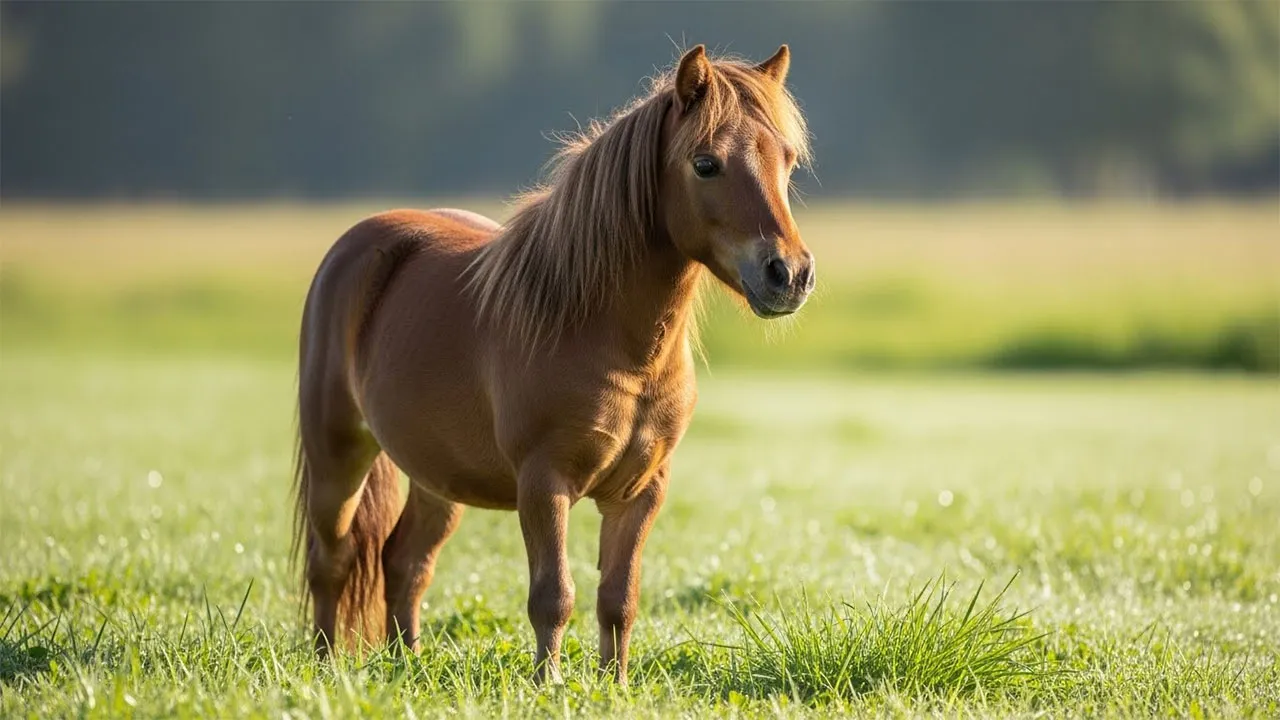
Elegance defines the Falabella horse long before size enters the picture. Their proportions mirror full-sized horses, giving them a refined outline rather than a toy-like appearance. This balance places them among the smallest horse breeds without losing equine presence.
Built Small With Lasting Resilience
Selective development over generations resulted in a horse that stays under 32 inches while keeping a strong bone structure. Their ability to reach nearly four decades speaks to notable physical durability. Size alone does not explain their long-term sturdiness.
That contrast becomes clearer in everyday traits.
Horse-like body structure
Consistent skeletal balance
Remarkable longevity
More Than a Miniature Look
Falabella blends pony-like charm with true horse movement, which sets them apart from other small equines, as per FEI. Their calm disposition allows them to adapt well to close human interaction without stress. This composure supports their frequent role in therapeutic settings.
3. Shetland Pony
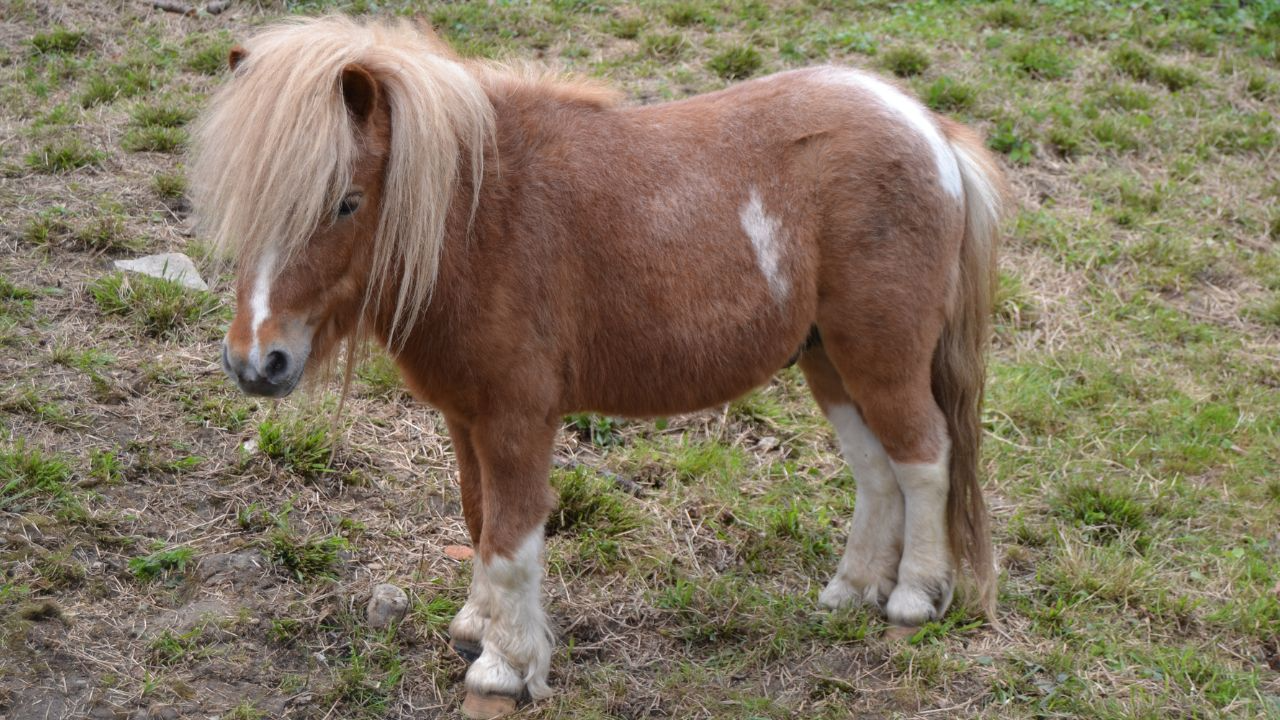
Sturdy bones and dense muscle define the Shetland Pony, giving it strength far beyond its small frame. This natural toughness developed over centuries, shaping a pony that handles challenging conditions with ease. Its compact build places it firmly among the smallest horse breeds still active today.
Adaptability in Daily Life
Ease of keeping plays a major role in why this pony remains widely chosen across generations. It adjusts well to routine care without demanding complex management.
Key points worth noting:
Low maintenance needs
Strong natural resilience
Versatile activity range
A Natural Fit for Young Riders
A calm and friendly disposition allows the Shetland Pony to form steady bonds with children seeking an equine companion. Its gentle behavior supports safe interaction during learning stages. This balance of patience and reliability adds to its lasting appeal.
4. Noma
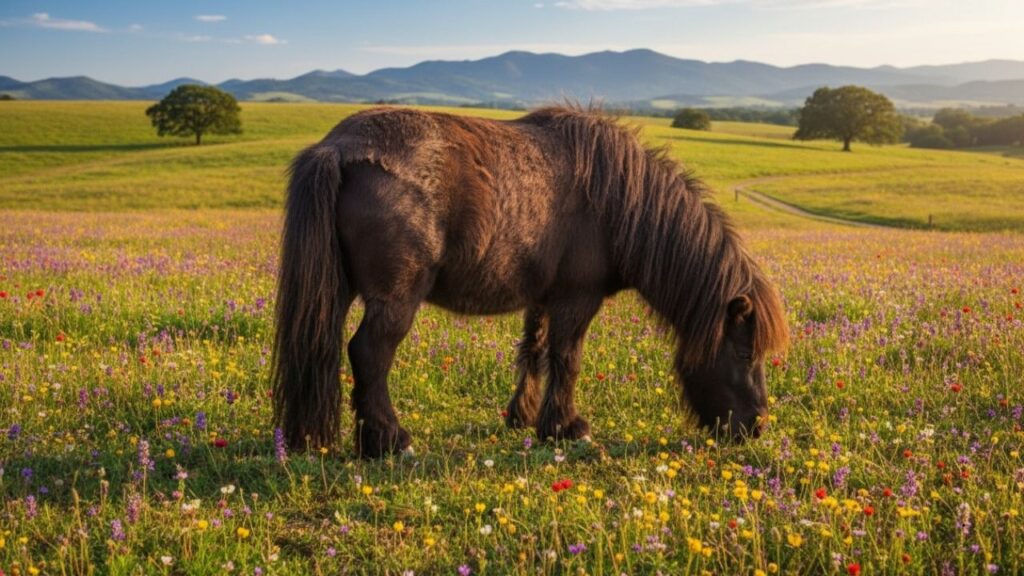
Gentle behavior defines the Noma horse, giving it an easy presence despite its working past. That calm nature pairs with a sturdy body built to handle daily tasks without strain. Its small stature places it among the tiniest horse breeds still recognized today.
Small Size With Real Substance
Measured at roughly 40 inches, this horse proves that compact does not mean fragile. It handled practical work for years and adapted well to different demands.
Here is what stands out on a practical level:
Strong legs
Balanced movement
Efficient build
Rarity That Shapes Its Story
Only a limited number remain, placing the Noma in a critically endangered position. Conservation programs now focus on maintaining healthy bloodlines and responsible breeding. Each surviving horse plays a role in keeping the breed visible.
5. Yonaguni
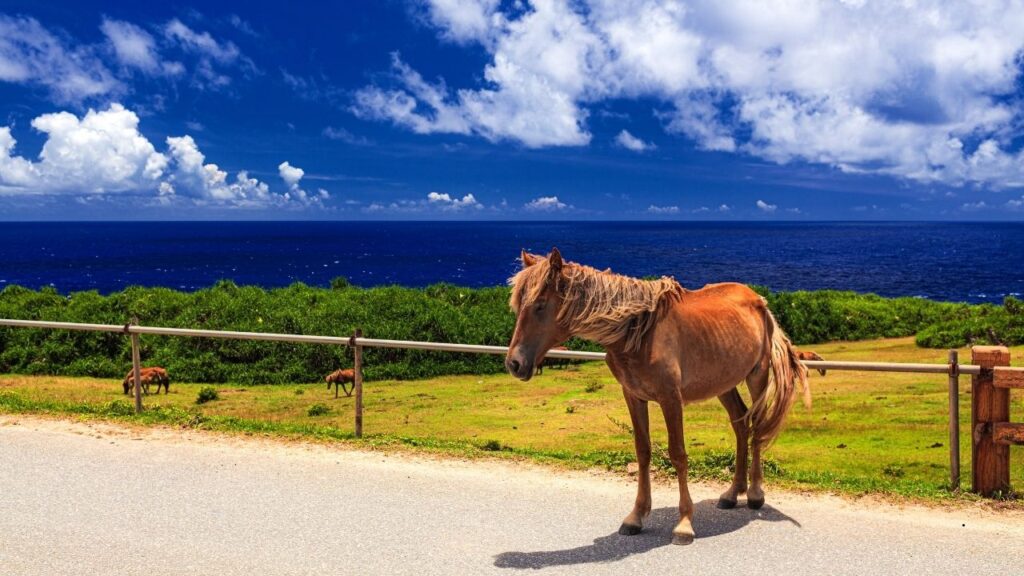
Hard, vertically long hooves give the Yonaguni an edge on uneven ground and rocky paths. Its compact frame supports strength that feels far greater than its size suggests. That balance places it firmly among the smallest horse breeds with real endurance.
Traits Shaped by Isolation
A thick neck, straight shoulders, and a long back create a sturdy working outline. The body structure favors balance rather than speed, helping conserve energy over long periods.
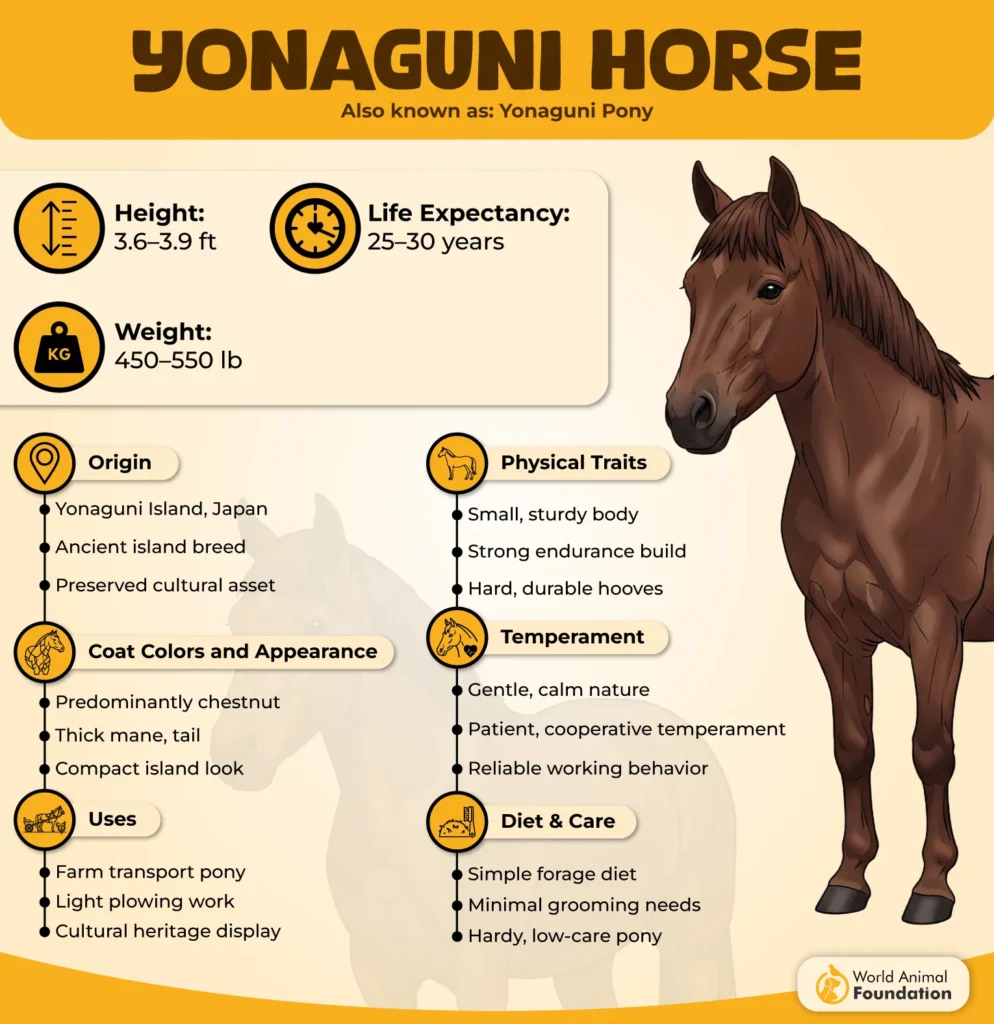
This is where the details matter:
Extremely hard hooves
Short, thick neck
Level croup with high tail set
Rare Numbers, Strong Genetics
By the mid-1990s, records showed only around seventy-five Yonaguni ponies remaining on local ranches, as mentioned in Okstate. Genetic studies later pointed to links with the Cheju breed, suggesting an ancient bloodline. A limited population adds urgency to its recognition and preservation.
6. Welsh Pony
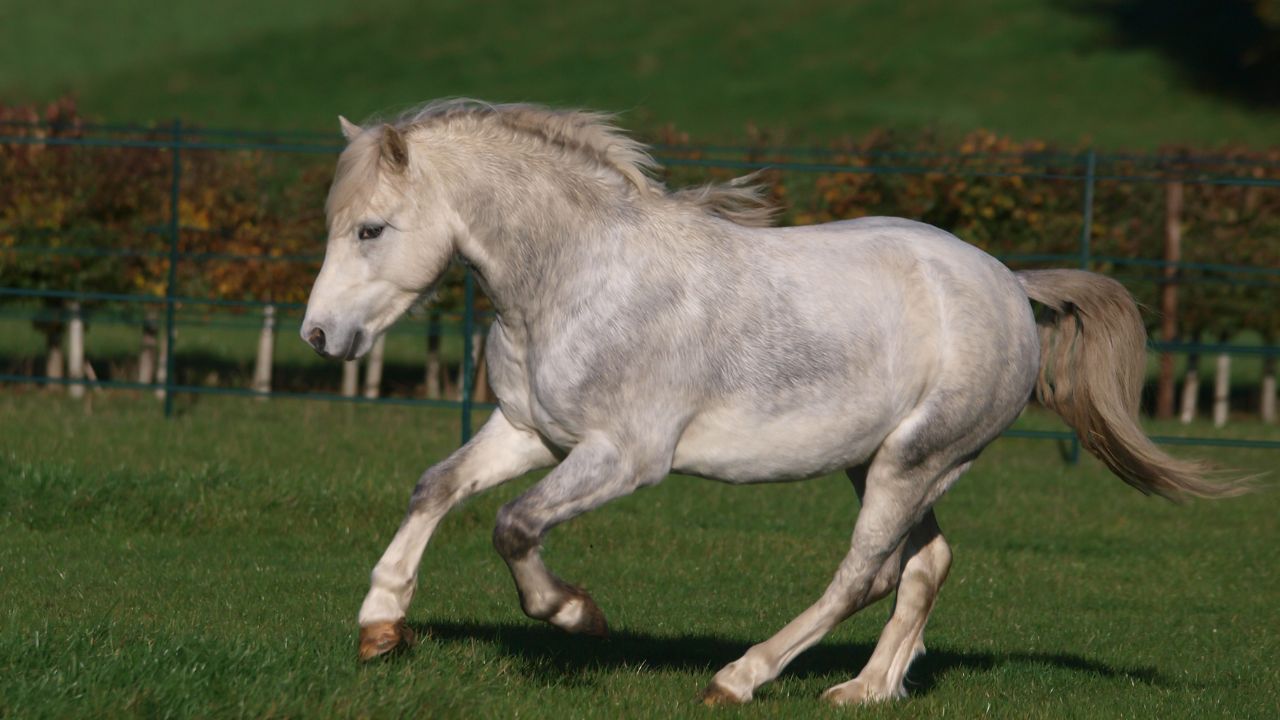
Short-backed and powerfully built, the Welsh Pony shows how a small frame can stay athletic and quick, as WebMD stated. Strong quarters and straight forelegs support clean jumps and balanced movement. This physical setup places the breed firmly among the smallest yet most capable ponies.
Shaped by Tough Terrain
Life on rough limestone ground played a role in forming dense hooves and solid bone. Those conditions favored ponies that could stay sure-footed while moving fast across uneven land.
That background still shows in everyday traits.
Dense hooves
Solid bone
Sure footing
Endurance in a Small Package
Fast reactions and confident footing helped this pony handle unpredictable weather and open landscapes. Its size never limited its ability to keep pace or stay alert. These qualities explain why it fits naturally into discussions about small but capable horse breeds.
7. Guoxia
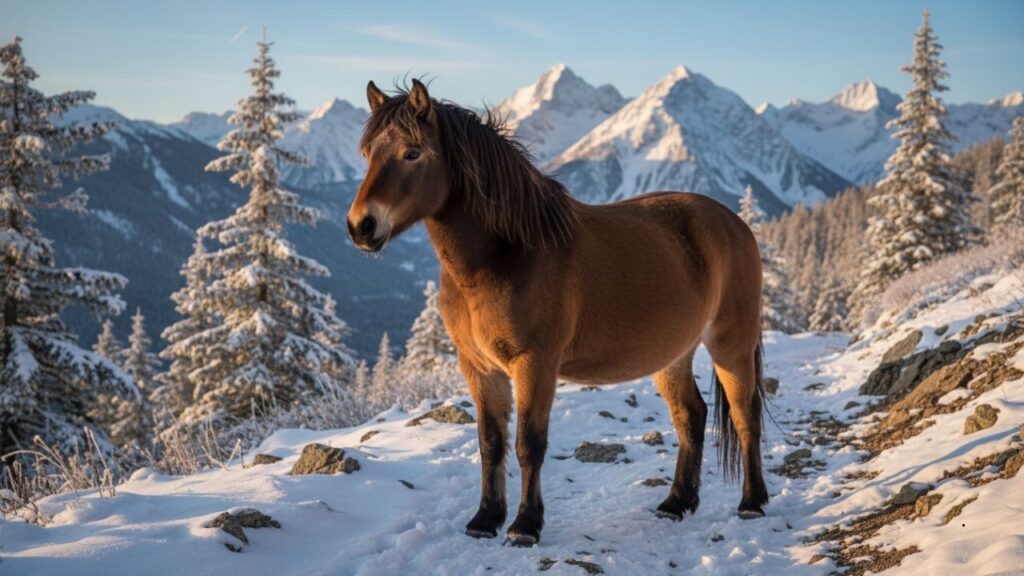
Gentle behavior paired with quiet strength defines the Guoxia at first glance. This horse developed a compact frame that moves easily through tight spaces. Its naturally small stature places it among the smallest horse breeds still recognized today.
Practical Size With Purpose
Daily work shaped this horse into a dependable presence rather than a show animal. Tasks once centered around careful movement beneath low branches and narrow rows. That history explains how such a small horse handled steady labor without strain.
That background shows up clearly in a few details:
Easy movement in confined areas
Strength suited for light driving
Calm response to handling
Rarity That Draws Attention
Very few Guoxias remain today, which adds urgency to conservation efforts. Breed preservation focuses on maintaining physical soundness rather than altering size. Their scarcity places them in a unique position among miniature and small horse breeds.
8. Icelandic Horse
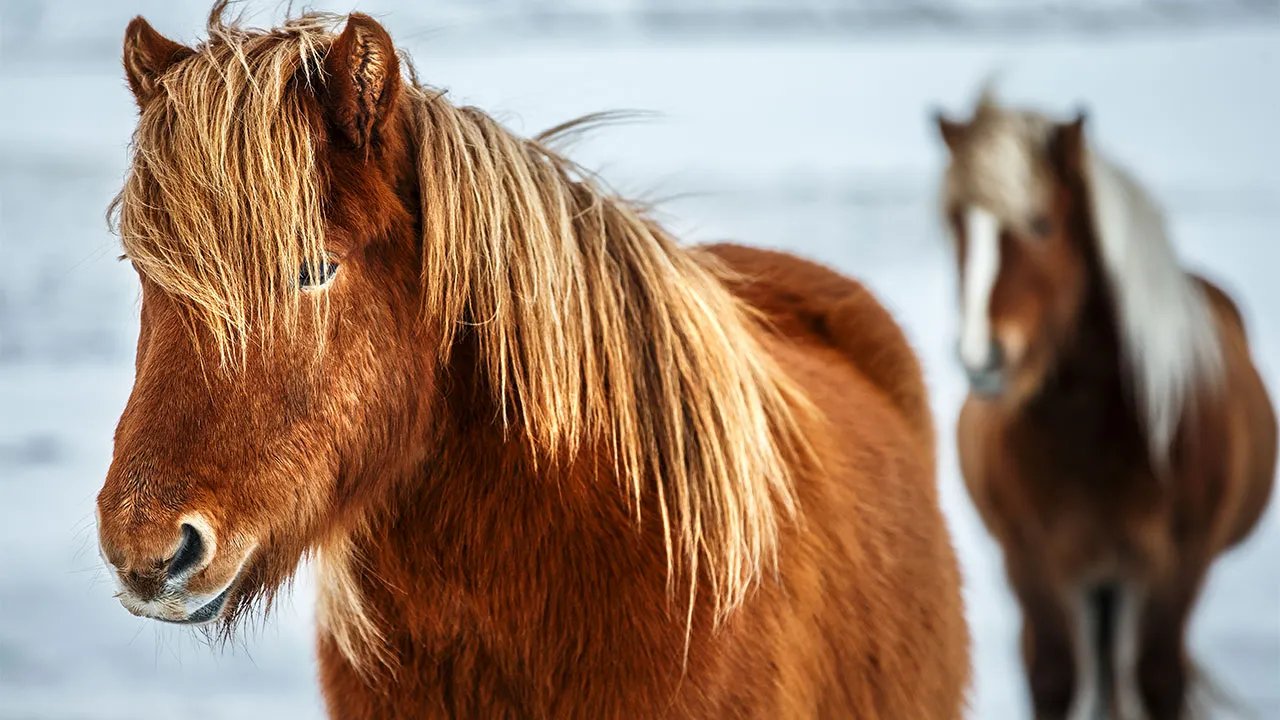
What draws attention first is the smooth movement that feels effortless even over long distances. The tölt and flying pace allow this small horse to stay balanced and comfortable without the bounce seen in other breeds. That efficiency is one reason it fits naturally among the smallest yet most capable horses.
Compact Build With Lasting Strength
A sturdy frame supports endurance that often surprises people seeing the breed for the first time. Their dense double coat protects them from harsh weather while helping conserve energy. Longevity is another standout, with individuals often remaining active for decades.
That resilience shows up in simple, practical ways:
Distinct five-gait ability
Strong resistance to cold
Remarkable lifespan
Size Without Fragility
Despite standing shorter than many riding horses, they handle demanding terrain with steady confidence. Their weight distribution keeps them sure-footed on uneven ground. This balance allows smaller riders to feel secure without relying on speed or force.
9. Fjord Horse
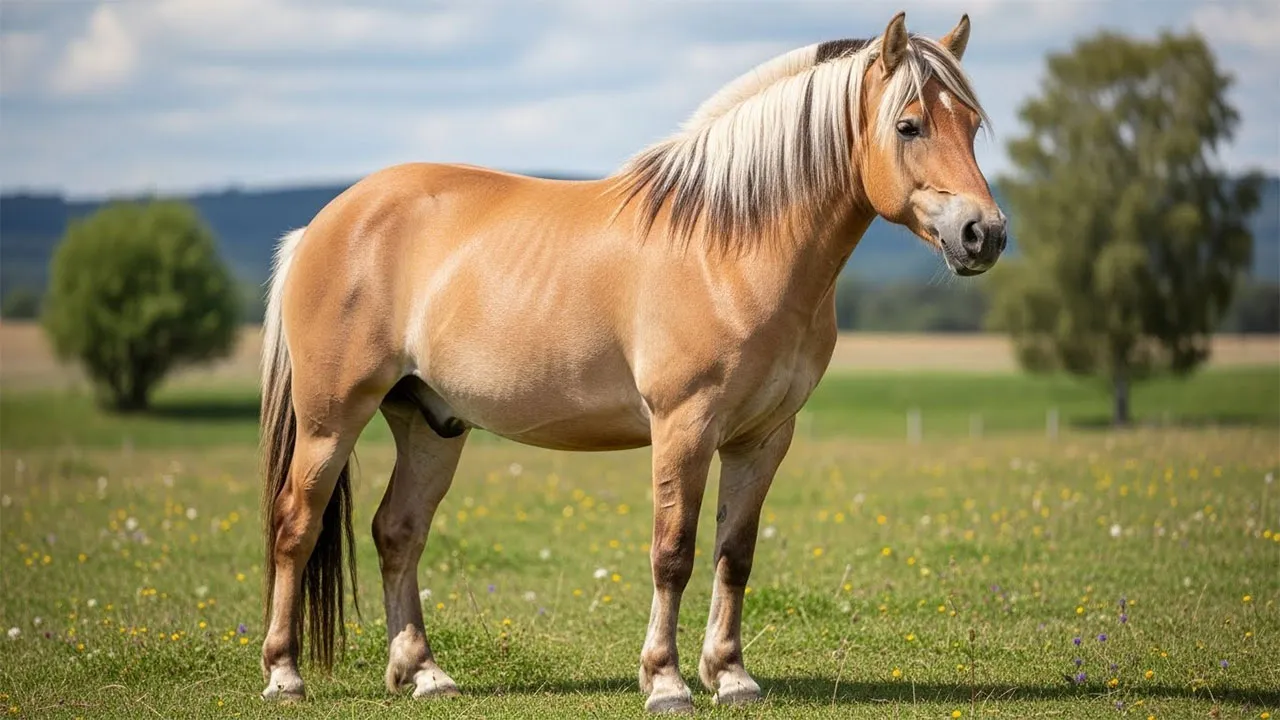
Sturdy proportions give the Fjord Horse a powerful presence despite its smaller size. A short back and strong legs allow it to handle tasks usually associated with larger horses. This balance of compactness and strength places it firmly among the smallest working-capable breeds.
Built to Do More Than One Job
Versatility defines how this horse fits into daily work and calm settings alike. Its steady nature supports riding, driving, and therapeutic roles without strain.
A few details help explain this flexibility:
Strong bone structure
Steady movement
Calm responses
Appearance With Purpose
The distinctive dun coloring and upright mane are not just visual markers but part of the breed’s long-established identity. These features help the Fjord stand out instantly among small horse breeds. The look matches a build shaped for reliability rather than speed.
Conclusion
The smallest horse breeds show that size is not a limitation. Tiny equines display strength, endurance, and adaptability in ways larger horses sometimes cannot. Each pony breed combines a compact body with a muscular body suited for daily tasks or riding. Unique traits define their usefulness, whether in therapy, light driving, or work across uneven outdoor space.
Their presence reminds us that practical design matters more than appearance alone. Preservation ensures these small horses continue to contribute meaningfully. Understanding their balance of strength, agility, and temperament highlights why these breeds remain special in equine communities today.
