




In isolated areas, certain horses continue because someone chose not to stop breeding them. These decisions are often personal rather than commercial.
Rare horse breeds survive through commitment passed between generations, not through widespread demand. Their decline began when efficiency replaced tradition and standardized breeding replaced regional adaptation.
What endured were horses deeply shaped by specific conditions and expectations. Their rarity today reflects continuity rather than neglect. These horses were never designed for expansion. They were designed for a purpose. Knowing them requires attention to history rather than trends.
At the end of this article, you will encounter the background, defining features, and historical paths that explain how these rare horse breeds have persisted into the present.
Key Takeaways
One horse on this list has a coat that shines like polished metal, a natural effect caused by the structure of its hair rather than grooming or color alone.
That same sense of rarity continues with breeds like the Marwari, whose inward-turning ears are not just striking to see but tied to heightened awareness and bonding.
Others, such as the Cleveland Bay and Sorraia, built reputations on endurance and reliability long before modern breeding reshaped most horses.
As you move through these breeds, each reveals how history, function, and survival quietly shaped horses that remain uncommon today.
Rare Horse Breeds You Probably Didn’t Know About
1. Akhal-Teke
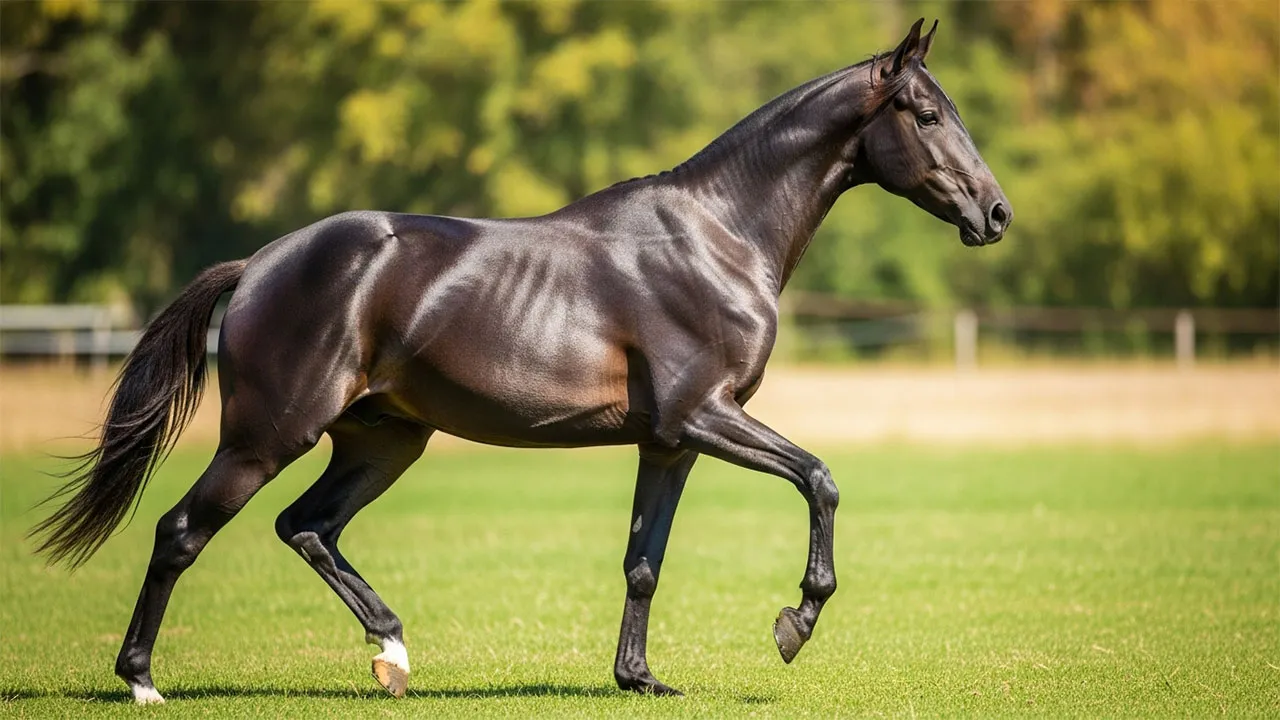
Few horses draw attention the way the Akhal-Teke does, thanks to a coat that reflects light with a metallic shine. This sheen appears across several colors, creating a striking visual rarely seen in other breeds. That distinct look alone has placed it among the most unusual horses in the world.
Built for Distance and Demanding Terrain
Speed and endurance shaped this horse into a reliable performer across long stretches of harsh land. Intelligence plays a key role in how it responds under pressure, especially in situations requiring quick judgment.
Here is what defines its functional edge:
Exceptional endurance
Fast acceleration
Sharp awareness
More Than Appearance Alone
That shimmering coat earned the Akhal-Teke the nickname “golden horse,” a label tied directly to its natural hair structure, as per the Livestock Conservancy. The shine is not cosmetic but the result of unusually thin hair shafts that reflect light. This physical trait adds to its rarity rather than replacing its working ability.
2. Caspian Horse
Small stature does not limit what the Caspian horse can handle in demanding settings. A sturdy frame and athletic movement give it confidence in tight spaces and uneven ground. That balance places it quietly among rare breeds with surprising resilience.
Built to Work Without Fuss
Daily performance stays consistent thanks to physical traits shaped for efficiency rather than show. Strong hooves reduce dependency on frequent shoeing, while natural agility supports controlled movement.
A closer look reveals what supports that reliability:
Dense, durable hooves
Quick directional response
Light, efficient stride
Agility That Changes Expectations
Speed plays a bigger role here than appearance suggests, especially during single driving competitions, as Rumsar Ranch explains. Smooth acceleration and tight turns allow it to handle carts with precision. This mix of responsiveness and stamina keeps it competitive in controlled events.
3. Marwari
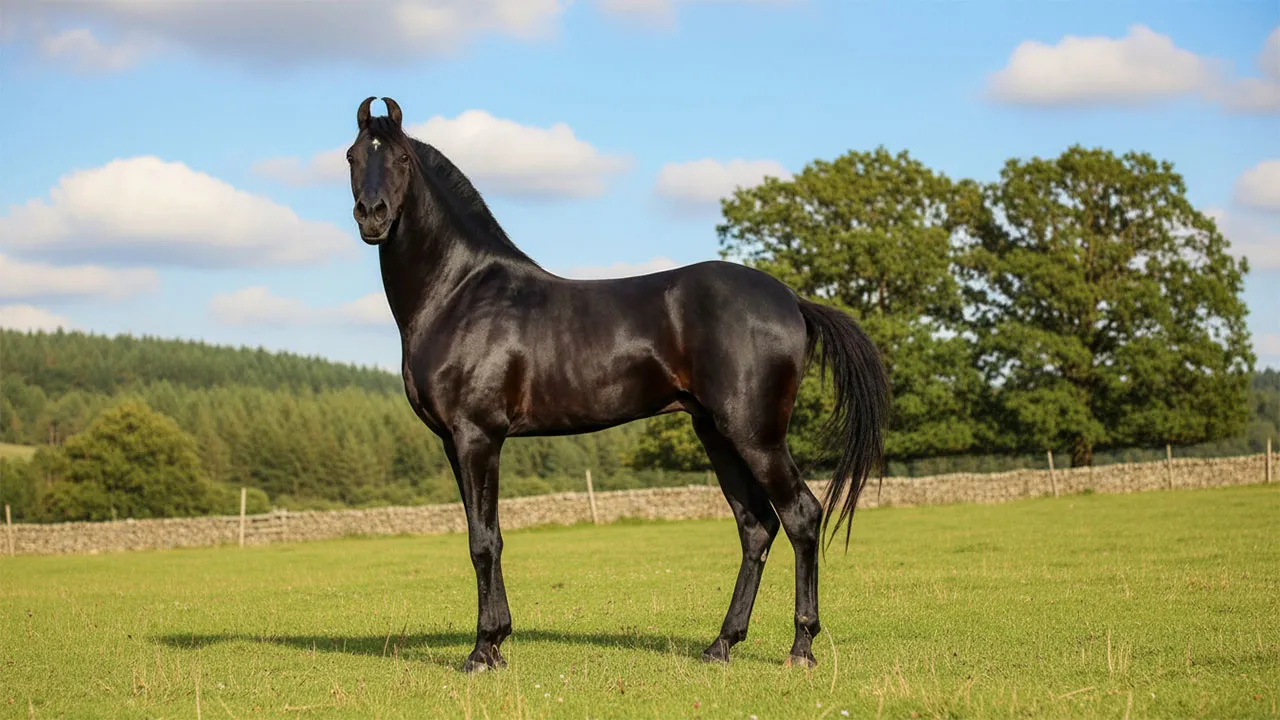
Graceful movement sets the Marwari apart the moment it steps forward. The breed’s alert posture and controlled stride reflect a horse shaped for discipline and purpose. Its rarity today adds to the intrigue, especially for readers exploring horses beyond familiar bloodlines.
Details That Define Its Rarity
The most striking feature appears at the head, where the inward-curving ears almost meet at the tips. These ears can rotate close to 180 degrees, sharpening awareness and expression, as FEI stated. That visual signature often leaves a lasting impression.
This detail alone opens the door to more:
Inward-turning ears
Strong rider bonding
Ceremonial use
Endurance With Cultural Weight
Marwaris developed stamina and bravery that suited long rides and demanding conditions. Their steady endurance helped them remain reliable across varied terrain and extended duties. This balance of spirit and control keeps them relevant in modern equestrian sports.
4. Cleveland Bay
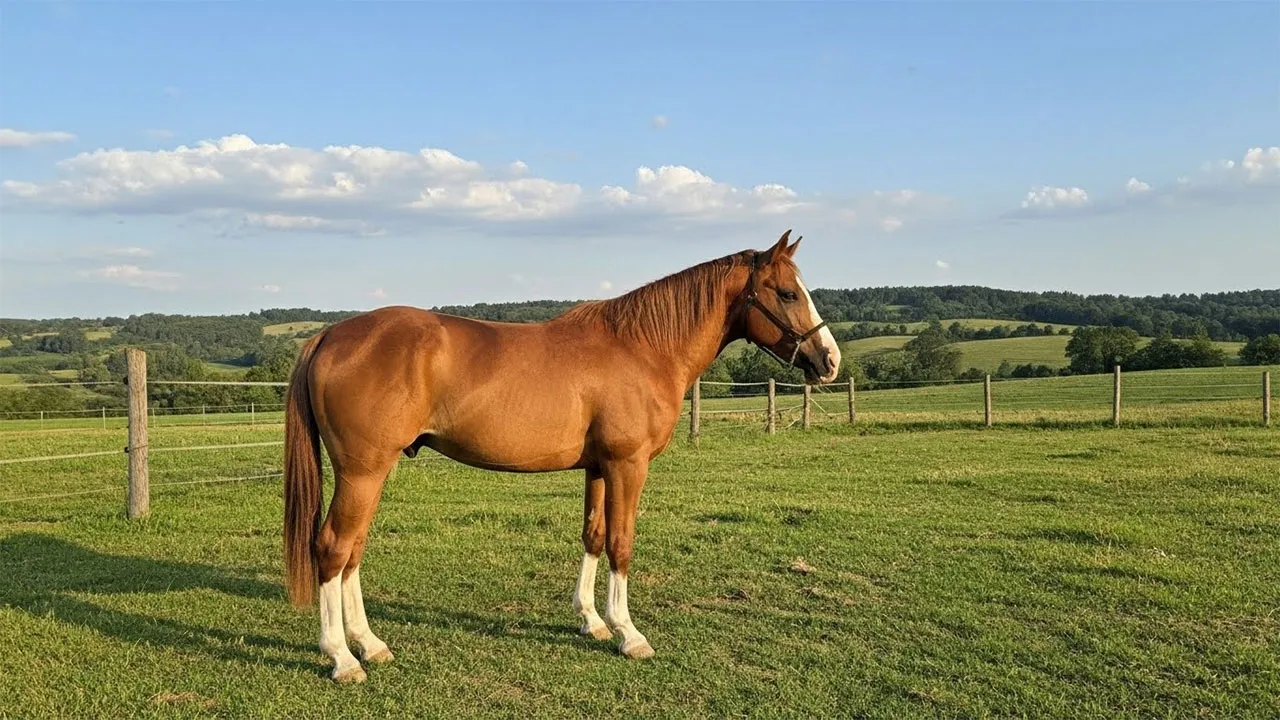
Solid movement and a balanced frame give the Cleveland Bay a presence that feels steady rather than flashy. Its bay coat stays consistent in tone, setting it apart visually without excess markings. This breed’s rarity today adds to its appeal among horse enthusiasts seeking something uncommon.
Reliability That Shaped Its Role
Strength and consistency once placed this horse in demanding roles that required trust and endurance. Its calm demeanor allows it to stay composed during structured work and public settings.
That background shows up in clear ways:
Smooth carriage movement
Steady response under pressure
Natural jumping ability
Cultural Importance Beyond Numbers
As England’s oldest established horse breed, the Cleveland Bay holds a unique place in equestrian history. Its continued presence reflects careful preservation rather than widespread popularity. That limited population is part of what keeps the breed rare.
5. Sorraia
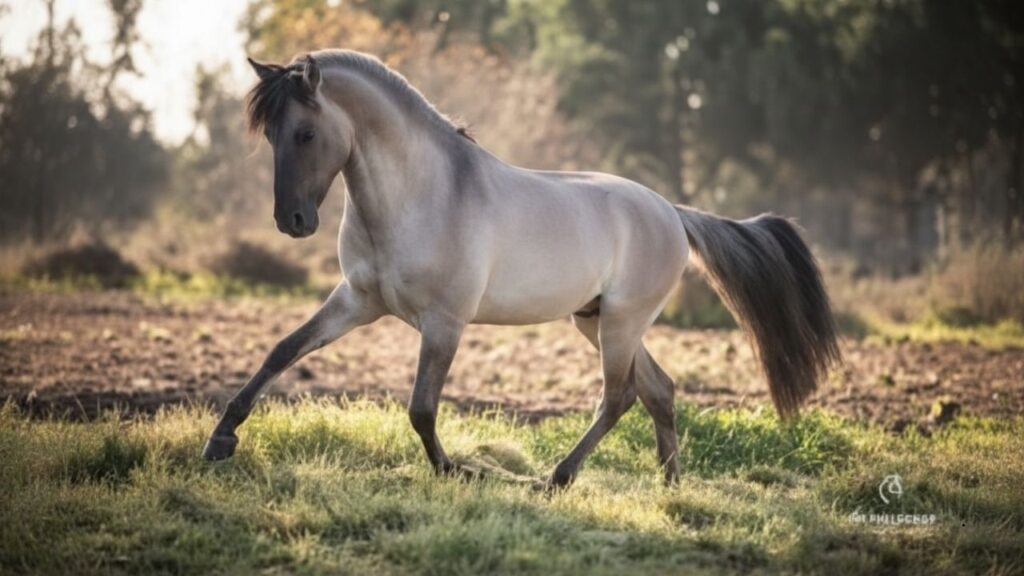
Slim legs and a refined frame give the Sorraia a striking outline that feels untouched by modern breeding trends. Its overall look reflects a horse shaped by practicality rather than refinement for sport. This physical simplicity is part of what places the Sorraia among the rarest breeds.
Built for Practical Versatility
This horse has long shown flexibility in everyday tasks, adapting easily to different forms of work. Its steady movement and balanced structure allow it to shift between roles without strain. That adaptability has quietly kept the breed relevant across generations.
The details below explain that adaptability further:
Effective in herding work
Suitable for riding
Reliable in harness
A Quiet Influence Beyond Its Numbers
Although rarely seen today, the Sorraia left a lasting mark through selective breeding connections. Its physical traits influenced the development of certain American horses, including the Mustang. That legacy exists even when the breed itself remains difficult to find.
6. Falabella
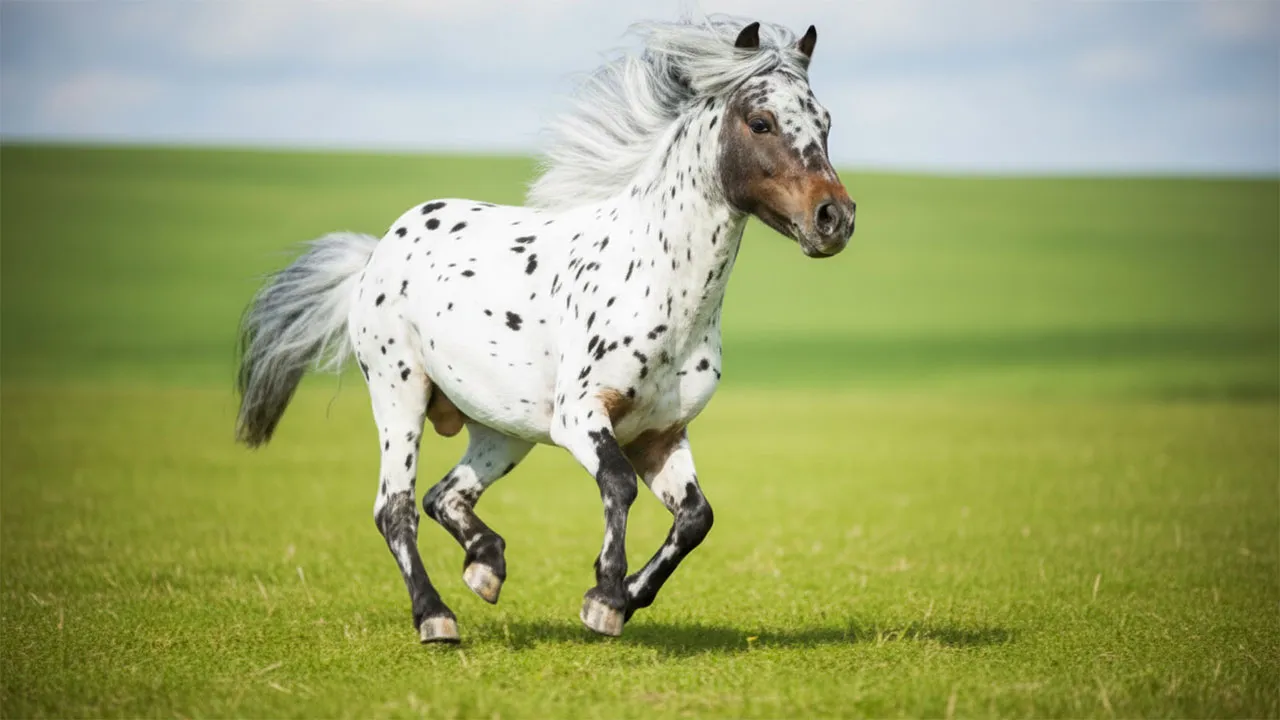
Compact proportions give the Falabella a striking presence that feels carefully balanced rather than delicate. Its short body and refined structure make movement controlled and smooth. This precision is part of what places the breed among the rarest horses that people often overlook.
Small Scale With Purpose
Gentle behavior and manageable size open doors to roles that larger horses cannot fill. Falabella often appears in settings where calm interaction matters most. Their adaptability explains their continued relevance beyond novelty.
That usefulness shows up in clear, practical ways:
Therapy and emotional support work
Guide assistance roles
Show ring participation
Distinct Appearance in Miniature Form
Color variation adds to the Falabella’s appeal, with bay and black appearing most often. Some individuals display spotted patterns that further set them apart visually. These details make each horse easy to recognize despite the breed’s small stature.
Fun fact: Falabellas are considered one of the smallest horse breeds in the world, with heights commonly ranging between 6.1 and 8.2 hands.
7. American Cream Draft
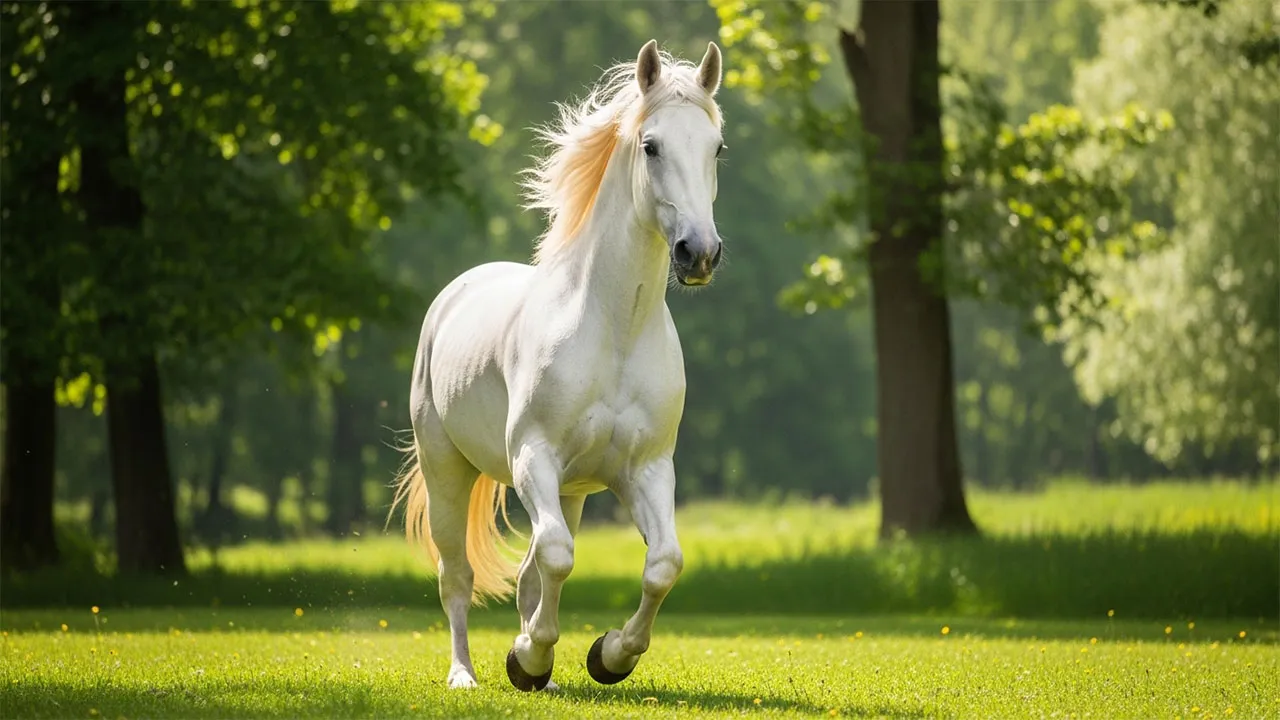
Soft cream coloring gives this horse an appearance rarely seen among large working breeds. The shade alone sets it apart, often drawing attention even in a lineup of other draft horses. That visual rarity is a major reason it earns a place on lists focused on lesser-known breeds.
Built for Steady, Everyday Work
A medium-heavy frame supports tasks that once shaped farming and transport across rural landscapes. Its calm nature helps new caretakers feel confident when working with a draft horse of this size.
Details that quietly define its appeal:
Even-tempered reactions
Reliable for routine tasks
Comfortable around humans
A Practical Role in History
This breed supported agriculture during a time when horsepower shaped productivity. Its strength allowed it to manage repetitive labor without constant redirection. That dependable presence made it valuable in settings where consistency mattered most.
Note: The American Cream Draft remains the only draft breed developed in the United States with a naturally cream-colored coat.
8. Eriskay
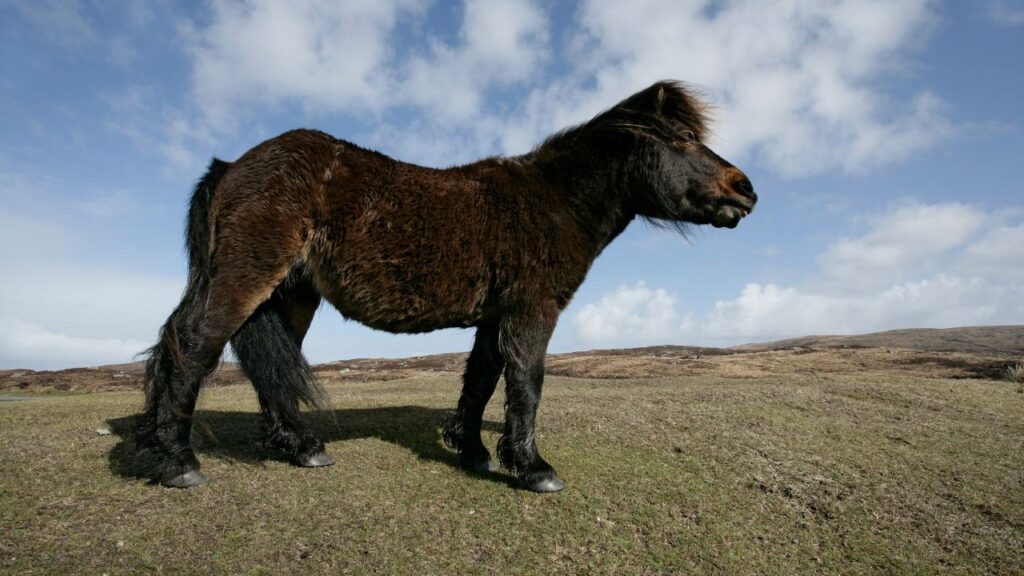
A thick, weather-resistant coat defines the Eriskay’s ability to endure rough conditions. The texture protects the body from wind and persistent rain common to isolated landscapes. This natural insulation plays a major role in why the breed has endured while others have disappeared.
Everyday Utility in a Small Frame
Daily life once depended on this pony’s reliability rather than speed or show presence. Tasks required balance, patience, and a willingness to work steadily without fuss. That quiet usefulness shaped its role over generations.
A closer look reveals what supported that role:
Dense winter coat
Sure-footed movement
Calm disposition
History Woven Into Daily Life
Eriskays were closely tied to local routines, moving supplies and assisting with light draft work. Their size made them manageable in tight spaces while remaining strong enough for steady labor. Over time, this practicality preserved the breed’s place in rare equine history.
9. Hackney
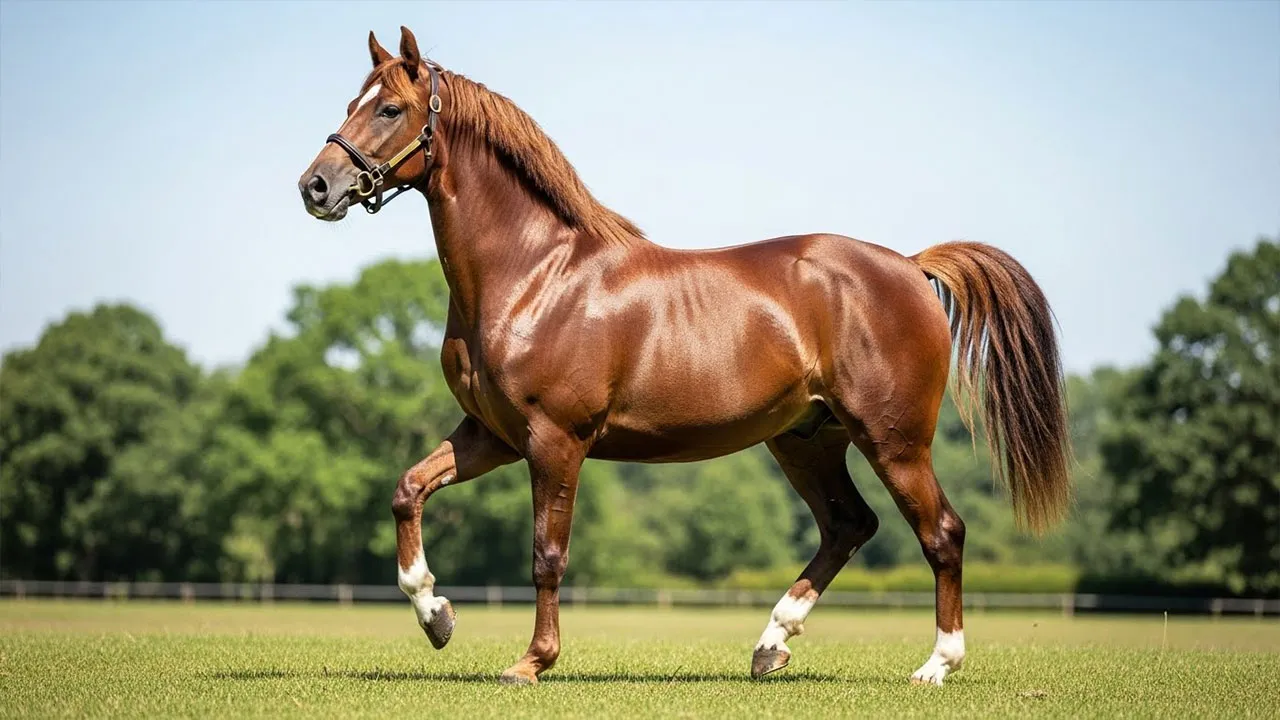
Precision defines Hackney’s movement, with an elevated trot that feels deliberate and refined. Each step lifts cleanly from the ground, creating a visual rhythm that stands apart in the horse world. This striking presence is the reason the breed often turns heads in formal driving settings.
Elegance Backed by Endurance
Beneath the expressive motion sits a horse built to sustain long, demanding work. Their willingness to learn allows them to adapt quickly to structured routines. Sensitivity plays a role here, shaping how they respond to handling and training.
A closer look reveals why this balance works:
Naturally high knee action
Strong stamina
Quick responsiveness
Poise That Requires Awareness
That sensitivity means subtle cues matter more than forceful commands. Consistency and calm handling help bring out their best performance. When guided thoughtfully, their energy stays focused rather than reactive.
10. Suffolk Punch
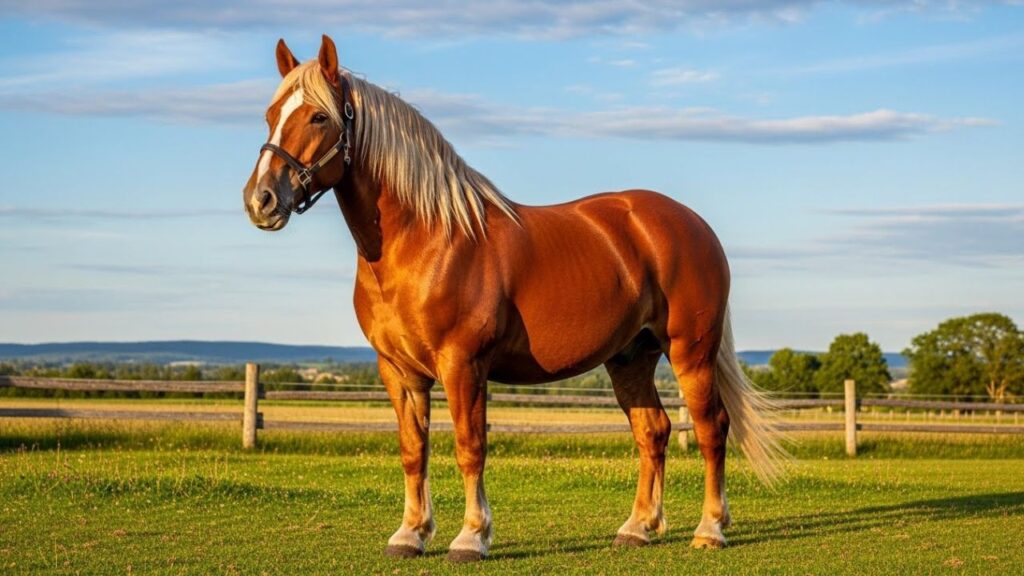
Solid muscle and a compact frame give the Suffolk Punch a presence that feels purposeful rather than flashy. Its rich chestnut coat and broad body make it instantly recognizable among rare draft horses. That physical balance explains why this breed stayed relevant for centuries of demanding work.
Built to Work Without Fuss
Efficiency defines how this horse approaches tasks, relying on steady strength instead of wasted movement. Short legs and a wide stance support endurance during long hours of pulling and driving. That quiet reliability is what still draws interest today.
That strength shows up in practical ways:
Consistent pulling power
Natural stamina
Smooth driving response
A Rare Breed Worth Noticing
Records trace the Suffolk Punch back to the 16th century, making it one of the oldest working horse lines still recognized. Its survival reflects usefulness rather than trends or show appeal. That quiet persistence keeps it relevant among rare horse breeds today.
Conclusion
These horses remain because purpose mattered more than popularity. Many trace roots among the oldest horse breeds, shaped by land, labor, and restraint. Some once served as war horses, others carried goods or people with quiet reliability. Each elegant breed holds certain characteristics that explain survival rather than fame.
Their numbers stay pretty rare, yet their stories feel complete. Seeing them as animals with memories changes how rarity is understood. Preservation depends on knowledge, not novelty. When attention shifts from trends to function, these horses regain context. They stand as proof that usefulness can outlast fashion over time today.
