





Color has a way of stopping people mid-step, and horses with colorful coat patterns do exactly that. Before movement, before muscle, before speed, the eye is drawn to color.
Swirls, splashes, contrasts, and markings turn a horse into a living canvas, carrying beauty that feels both natural and deliberate. These coats do more than decorate the body. They tell stories of heritage, expression, and individuality. A patterned coat often becomes the first thing remembered, the image that lingers long after the horse has passed.
There is emotion in that memory, a sense of wonder that feels instinctive rather than learned. Color invites connection, and connection keeps attention. Horses with vibrant patterns remind us that beauty in nature is rarely quiet. It is bold, layered, and meant to be noticed.
In this article, you will explore the most striking coat patterns, understand what makes them so captivating, and see how nature paints without restraint.
Key Takeaways
Some horse coats look painted by hand, filled with spots, splashes, and patterns that never repeat the same way twice.
Appaloosas and American Paint Horses carry markings so bold that you can recognize them from across an open field.
Akhal Tekes take it further with coats that reflect sunlight like metal, turning movement into a glow.
As the list unfolds, each breed reveals how color alone can tell a story worth following.
Horses with the Most Colorful Coat Patterns
1. Appaloosa
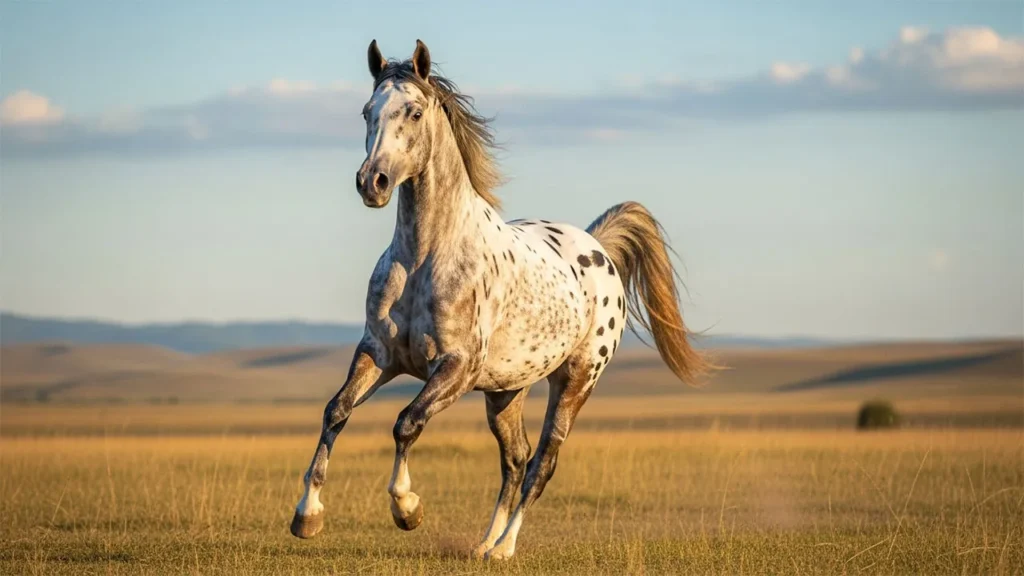
Appaloosa horses are known for their striking spotted or mottled coats that set them apart instantly. Patterns include blanket, marble, snowflake, and leopard, each combining white and dark patches in distinctive ways. The variety of base colors, from palomino to grulla, adds depth to their wild appearance.
Trail-Ready Features
Their agility and hardiness make them excellent companions for exploring open terrain. Appaloosas handle uneven ground and changing trails with ease, offering both speed and stability.
On rides, they often show:
Steady movement across varied terrain
Confident footing over rocks or slopes
Quick recovery after long stretches
Attentive and Smart
These horses are alert without being skittish, noticing subtle changes in the environment and rider cues. Their intelligence helps them adjust to new obstacles or challenging landscapes efficiently. Riders can feel secure knowing the horse is constantly evaluating the trail.
2. American Paint Horse
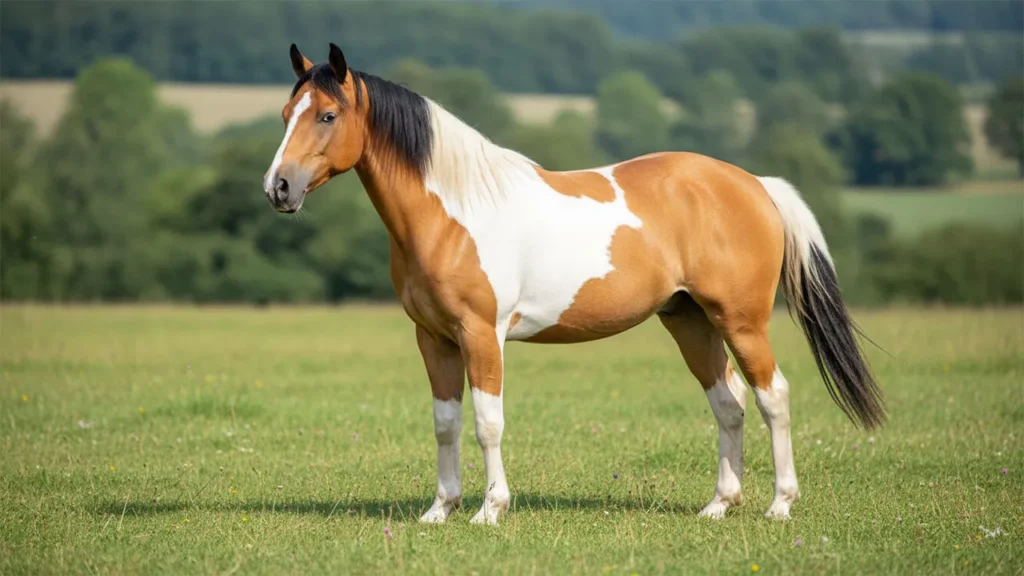
American Paint Horses stand out immediately with their striking coat patterns. Tobiano, overo, and tovero display white alongside solid colors, creating unique designs on each horse. These patterns make them instantly recognizable on the trail or in competitions.
Trail-Friendly Qualities
Their coloring complements their versatile nature and athleticism. These horses smoothly adapt to different terrains and tasks, combining appearance with practical strengths.
Key points to observe include:
Colored flanks and heads with white highlights
Bicolored manes or tails in some tobiano horses
Blue eyes occasionally appearing in tovero patterns
Smart and Calm Partners
Beyond their coat, American Paint Horses are renowned for their intelligence and steady temperament, as PetMD stated. They respond well to cues, making them accessible for a wide range of skill levels. Alertness helps them navigate unfamiliar paths while remaining calm for rider guidance.
3. Knabstrupper
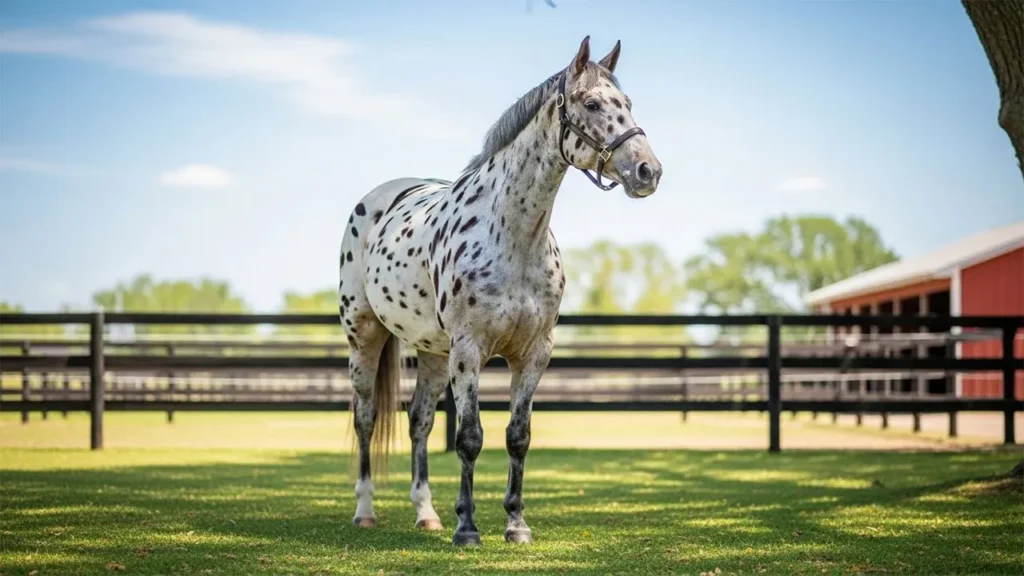
Knabstrupper horses are instantly recognizable thanks to their spotted coats, ranging from blanket to snowflake patterns. Each horse displays its own mix of spots, making it a living work of art. These striking patterns naturally draw attention in any open field or event.
Agility That Matches Appearance
Along with their bold patterns, Knabstruppers are agile and versatile, making them suited for diverse equine activities, as USDF notes. Their intelligence and trainability help them adapt quickly to different settings.
Some practical points highlight their versatility:
Quick footwork for varied terrain
Responsive to cues during complex movements
Smooth transitions across exercises
Temperament That Engages
Friendly and gentle, Knabstruppers form bonds easily and respond well to interaction. Their calm nature does not compromise alertness, allowing them to navigate new environments with ease. This balance of personality and focus makes them approachable for different types of work.
4. Gypsy Vanner
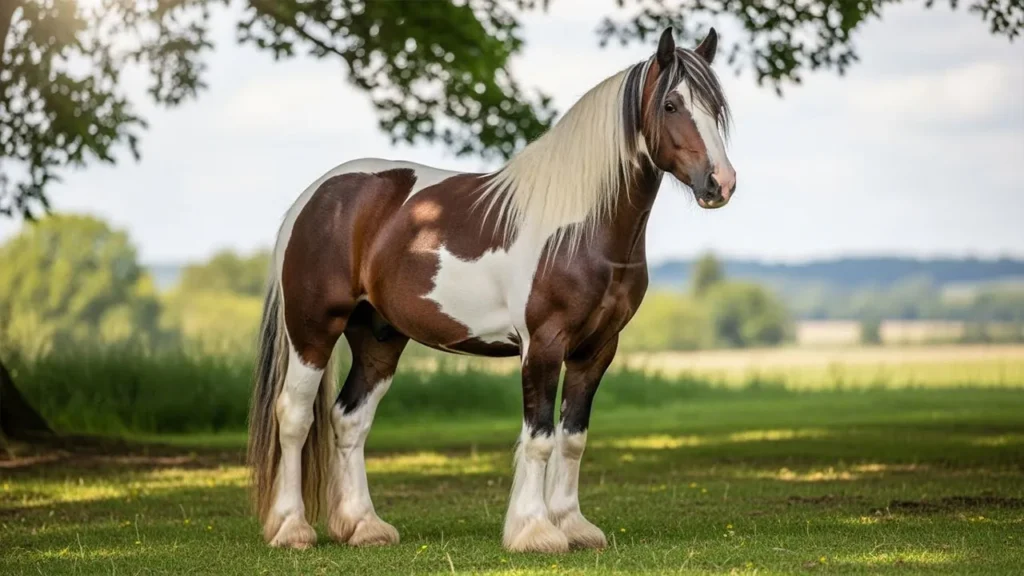
Gypsy Vanner stands out through a solid, compact build that gives the breed a grounded and balanced look. That physical presence sets the stage for what people notice next when the horse moves into view. The coat patterns feel bold rather than delicate, making each appearance instantly recognizable.
Color That Commands Attention
Gypsy Vanner coats often resemble classic pinto markings, with large patches that break up solid color in dramatic ways. These patterns are not random splashes but well-defined sections that stay visually striking from any angle.
A closer look usually reveals a few recurring coat features:
Piebald black and white patterns
Skewbald brown and white combinations
White paired with other solid shades
Small Details That Complete the Look
Heavy feathering around the legs adds contrast against bold coat markings. Facial hair often forms noticeable mustache-like whiskers that frame the muzzle. These details amplify the overall color pattern instead of competing with it.
5. Mustang
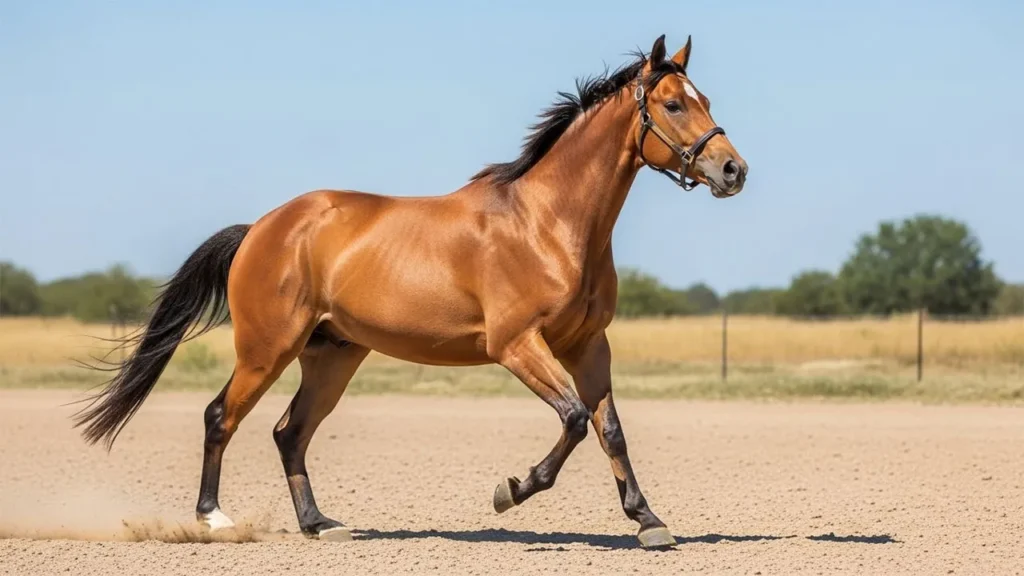
Mustang horses are known for resilience and adaptability, but their coat patterns often draw equal attention. Shades commonly seen include chestnut and bay horses, while other colors appear across different herds. This natural variation gives the breed a wide visual range that feels organic rather than refined.
Colors Shaped by the Land
Across open ranges, Mustangs display coats that reflect both genetics and environment. Alongside solid colors, patterned coats show up without predictability, making each horse visually distinct.
A few coat expressions frequently seen include:
Pinto markings
Roan blends
Palomino tones
Pattern and Practicality
Those varied coats are paired with surefooted movement and mental sharpness. The combination makes them visually striking while remaining practical for long hours in changing terrain. Color never compromises function here, which is part of the breed’s quiet appeal.
6. Akhal-Teke
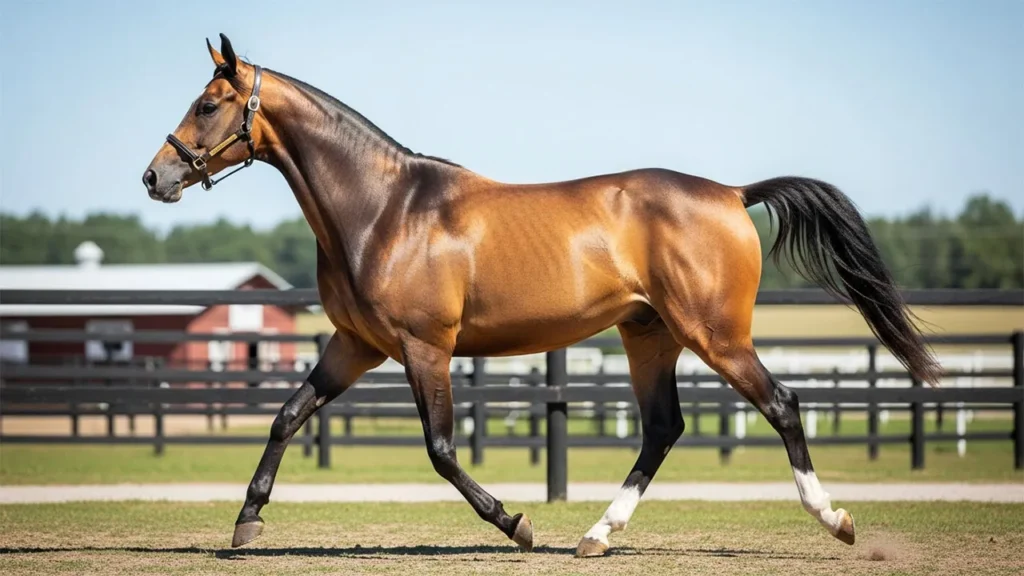
Akhal-Teke stands out for a golden coat that reacts visibly to sunlight rather than staying flat in color. The hair structure reflects light in a way that creates a metallic glow, often seen as gold, bronze, or silver tones, as per Equestroom. This visual effect is natural and widely documented, making the breed instantly recognizable.
Colors With a Signature Sheen
What draws attention is not just the shade but how it shines across the body. Palomino, buckskin, cremello, and even black coats can appear luminous instead of matte.
The effect becomes clearer once you look closer:
Metallic gold highlights
Silver-toned reflections
Bronze-like sheen in motion
Why the Shine Looks Different
This glow comes from the way each hair shaft allows light to pass through and bounce back. Rather than absorbing light, the coat reflects it, creating depth and movement even when the horse stands still. That quality places the Akhal-Teke among the most visually striking coats seen today.
7. Marwari
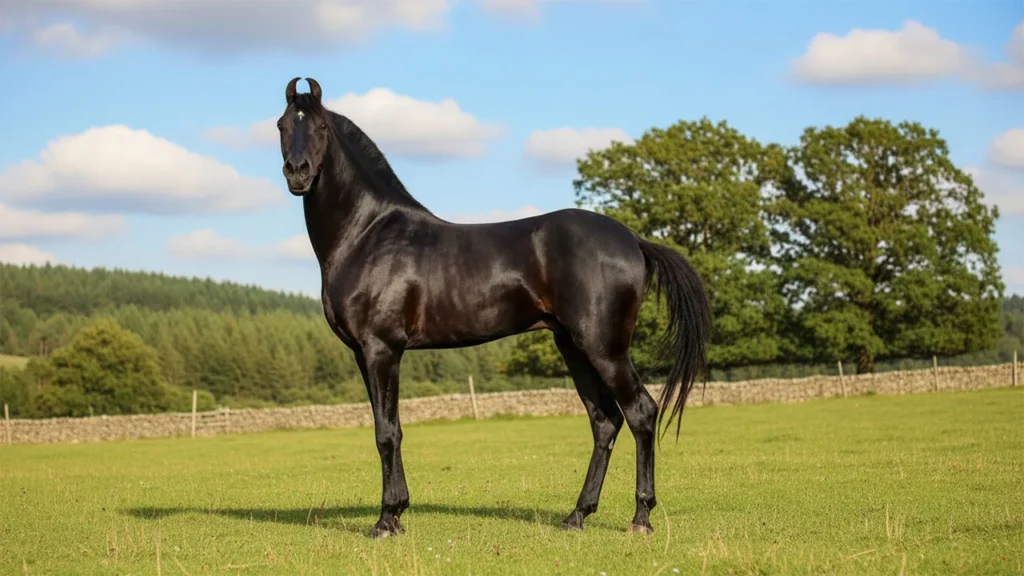
Marwari stands out first through its inward-turning ears, which frame the face and amplify its visual identity. That striking outline draws attention straight to the coat, making every color variation feel more pronounced. When seen in motion or at rest, the overall appearance feels deliberate and memorable.
Colors That Carry Meaning
Marwari coats are admired not only for variety but for the symbolism attached to them. Shades and markings often influence preference, celebration, and selection.
That connection becomes clearer when looking closely:
Grey coats are highly valued
Piebald and skewbald patterns are widely favored
White blazes with four white socks are seen as lucky
Cultural Preference Over Pure Aesthetics
Color choice in Marwari horses often goes beyond visual appeal. White coats are avoided due to breed standards, while black coats are traditionally viewed as inauspicious. These beliefs shape how certain coat patterns gain prominence and why others remain rare.
Did you know? Specific markings, such as symmetrical socks and bold facial blazes, have long been associated with good fortune in Marwari horses.
Conclusion
Color is often the first detail that stays in memory long after the horse is gone. A striking coat color can turn movement into art and stillness into presence. From light patterns to a dark coat, contrast gives each horse its own identity. The mane and tail frame that color, adding motion and depth with every step.
Across different horse colors, patterns feel expressive rather than random. Each combination reflects history, environment, and genetics working together. For a true horse enthusiast, these visual details create an instant connection. Color does not exist to impress alone. It tells a quiet story of nature choosing beauty without repetition.
