




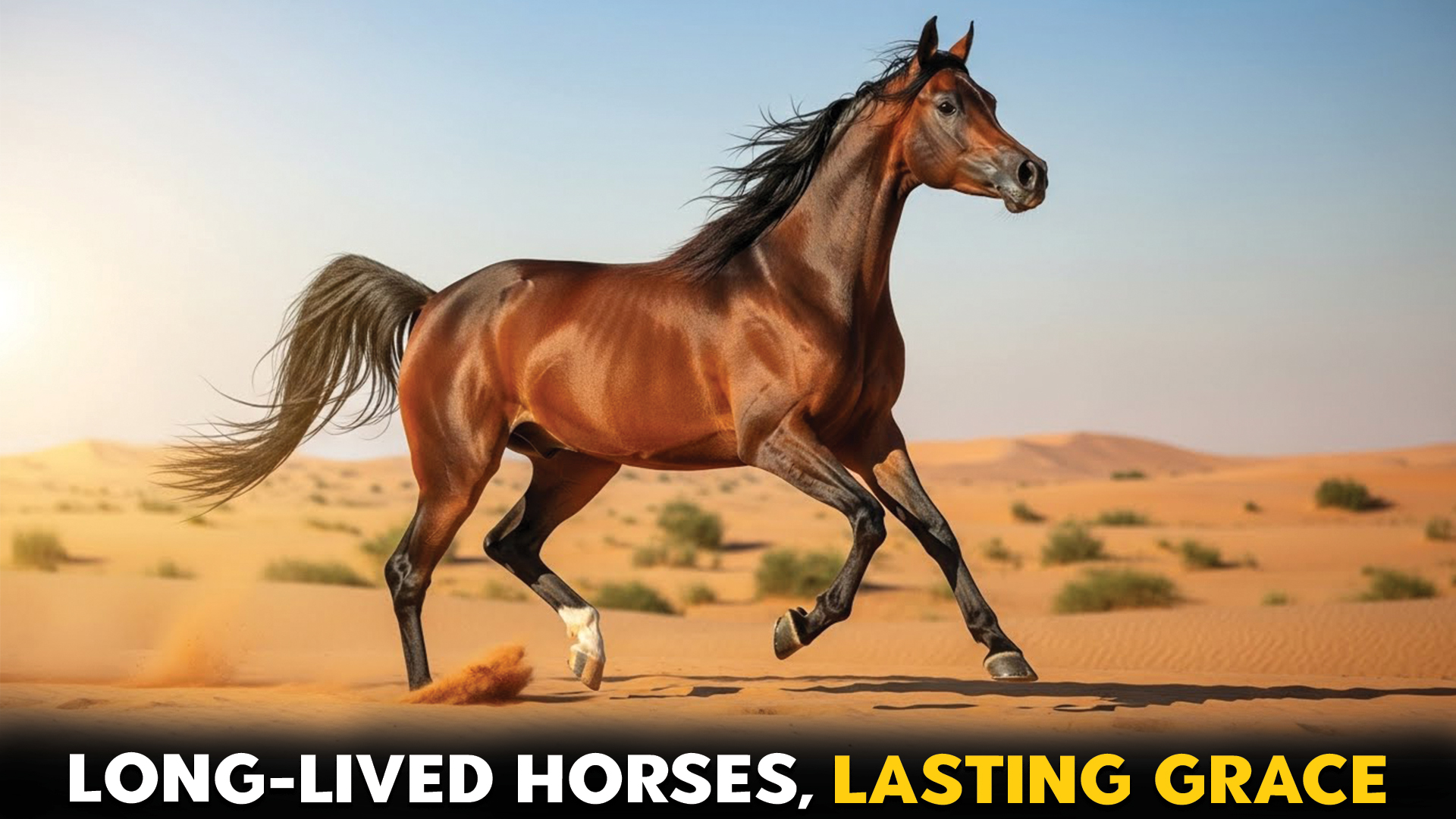
Many animals burn brightly and briefly. Horses with the longest lifespan follow a different path. Their lives stretch outward instead of fading quickly. Longevity brings depth rather than decline.
A long-lived horse experiences multiple chapters, adapting to physical change without losing presence or purpose. These horses redefine strength through survival rather than speed. Time becomes their greatest marker. Longevity also reshapes expectations around usefulness and value.
A horse that lives longer requires thoughtful transitions rather than replacement. An extended lifespan reflects resilience, adaptability, and careful stewardship. It also highlights how aging can remain stable rather than dramatic. Horses capable of long life challenge the idea that age limits relevance.
In this article, you will explore how long horses can live, what distinguishes long-lived individuals, and how longevity transforms the human horse relationship across decades.
Key Takeaways
Some horses seem to carry time within them, living decades while staying active and alert.
Arabian horses can reach up to 30 years, with stories of individuals touching 40, and their short backs and unique bone structure quietly support this longevity.
Appaloosas and Icelandic horses add durability shaped by generations of careful breeding and survival in harsh environments, blending stamina with intelligence.
Reading through all seven breeds reveals companions whose years are filled with vitality and remarkable endurance.
Horses with the Longest Lifespan
1. Arabian
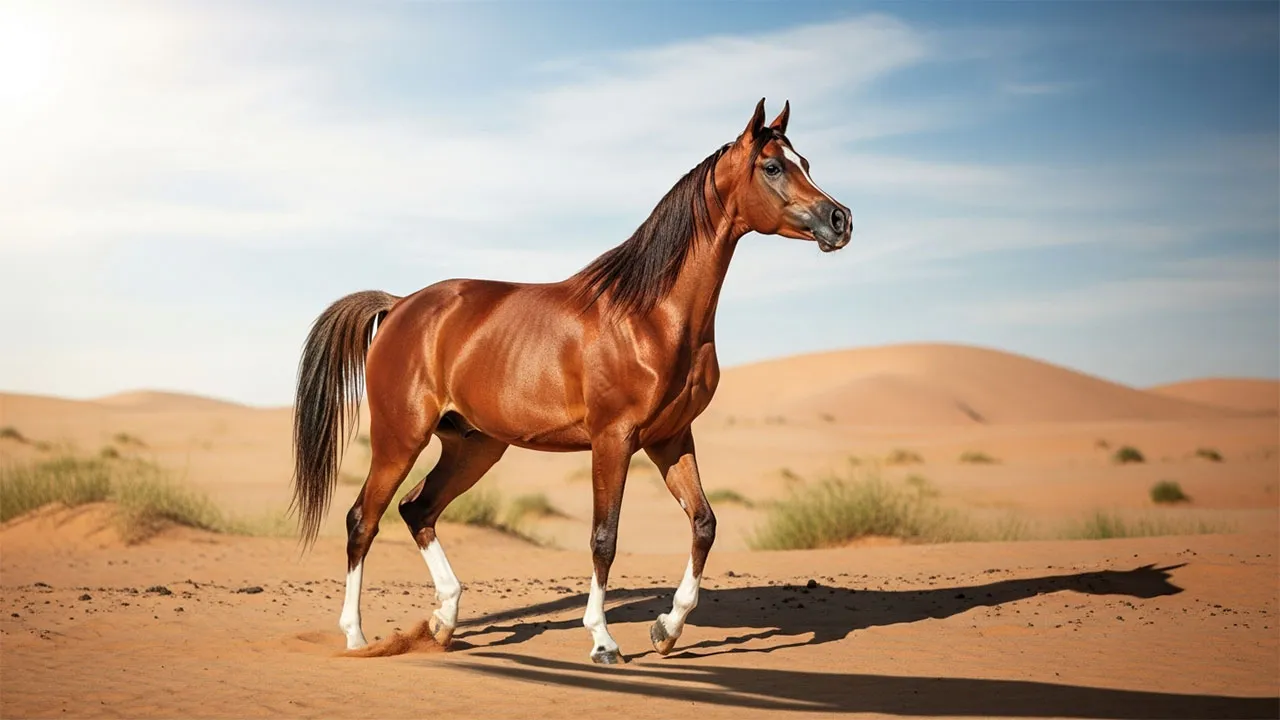
Arabian horses come from one of the oldest continuous bloodlines, traced back around 4,500 years, as per AH Times. That long history matters when lifespan is the focus, since consistency across centuries often reflects durability. Nowadays, this breed appears worldwide and remains among the ten most popular horses.
Built for Staying Power
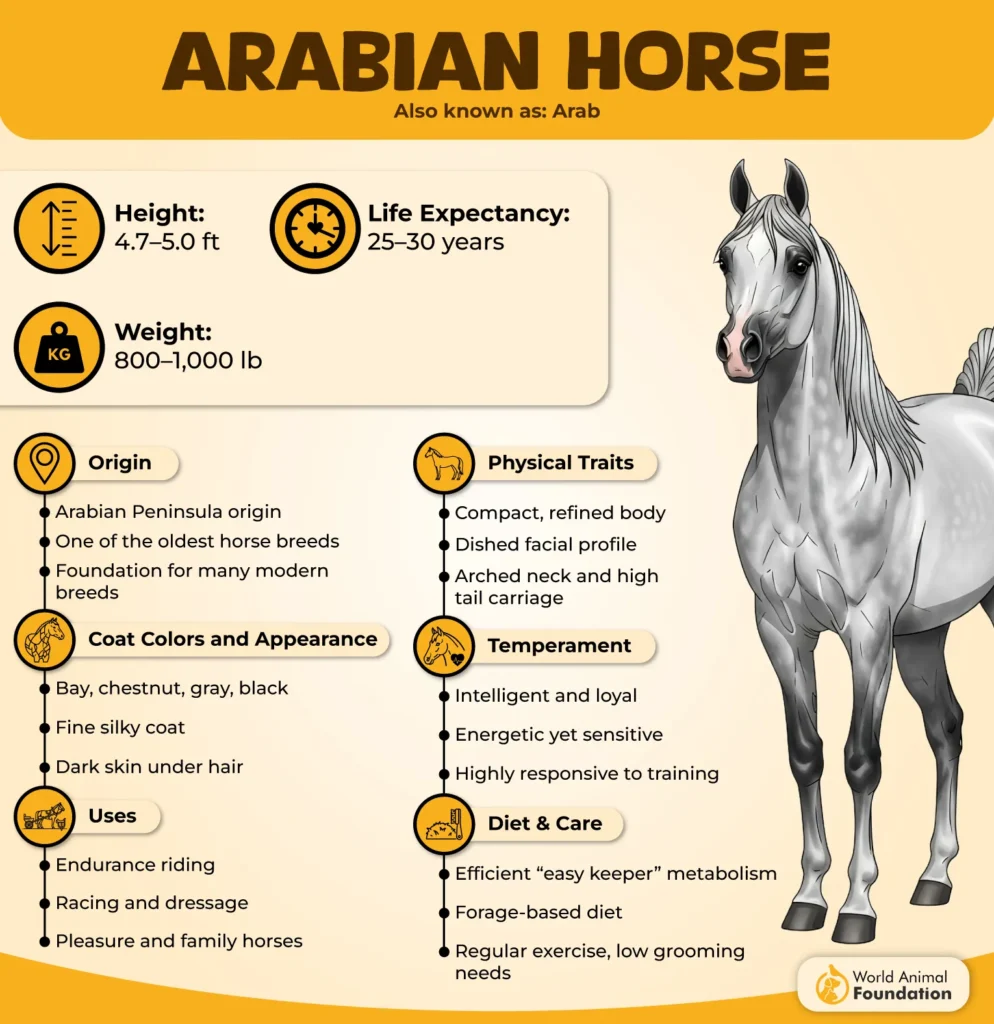
Arabian horses usually reach 25 to 30 years, with verified cases extending into the 40s. Certain physical details quietly support that longevity.
A closer look explains why:
Short back linked to reduced strain
Variations in rib count
Differences in lumbar structure
Mind That Ages Well
Arabian horses are quick learners with a naturally engaged mindset. That mental sharpness helps them adjust as routines shift over time, rather than breaking down under change. High spirit paired with willingness often supports long-term soundness rather than early burnout.
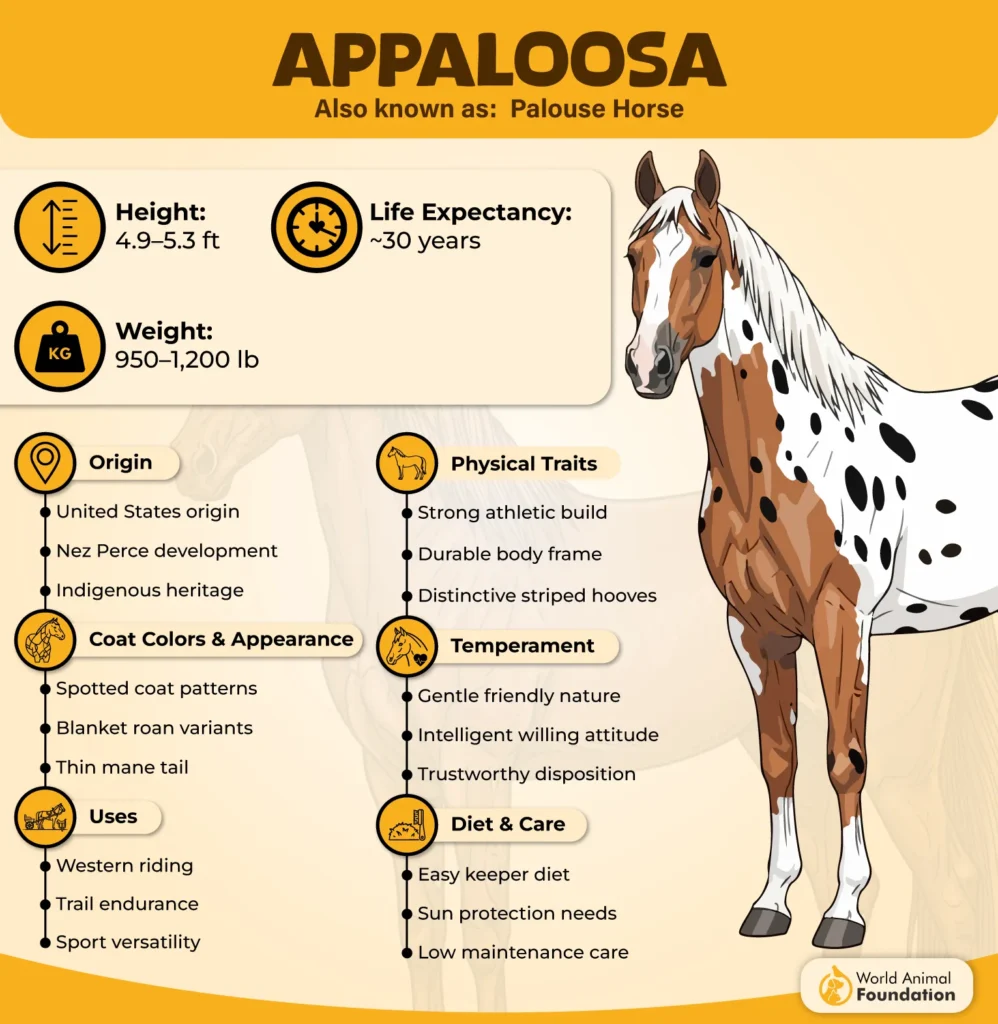
2. Appaloosa
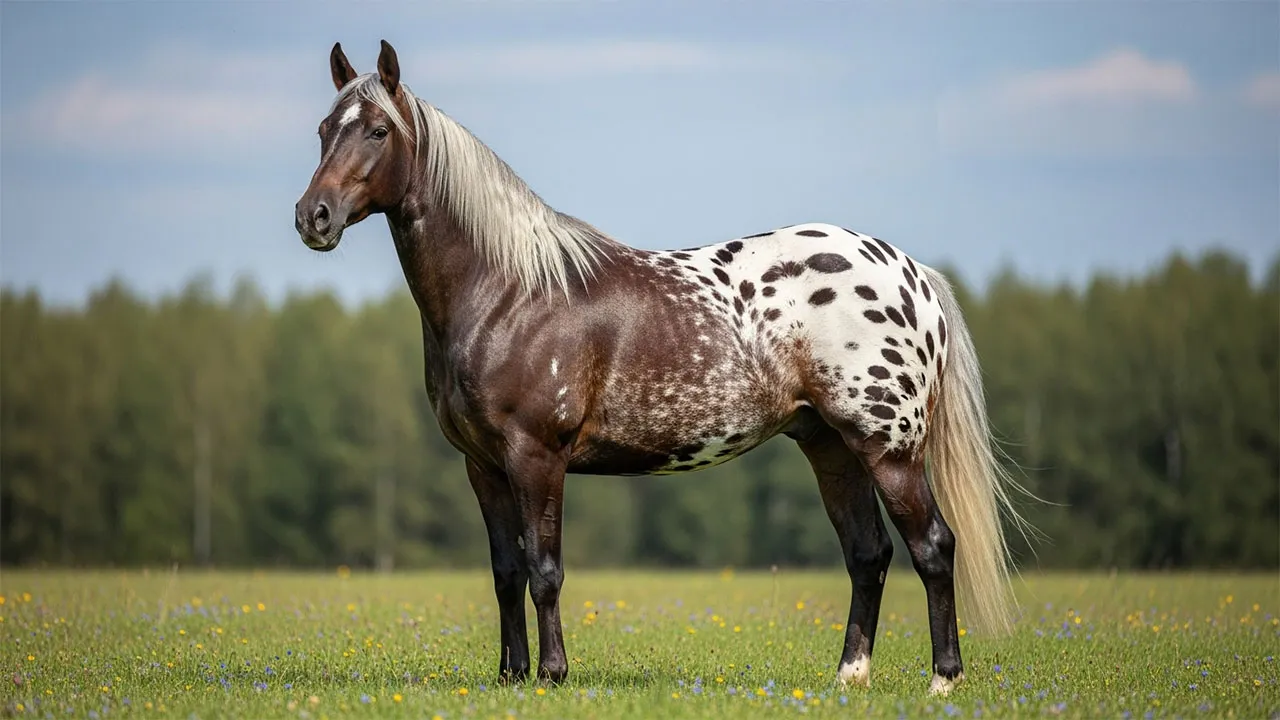
Appaloosa horses are known for steady health and long working lives, often reaching around 30 years. That durability is closely tied to generations of careful selection rather than chance. A body that holds up well over time keeps them active and reliable well into later years.
Bred With Purpose
Appaloosa horses developed under strict breeding standards that favored soundness and resilience. Those choices still show today in how well this breed ages across different uses.
These details help explain that staying power:
Selective bloodlines
Strong overall constitution
Efficient use of energy
A Name With History
Appaloosa horses were once known as Palouse Horses before the name evolved into its modern form, as the Appaloosa Museum stated. The shift followed common usage rather than a sudden rebranding. That continuity mirrors how the breed itself has remained recognizable and enduring over time
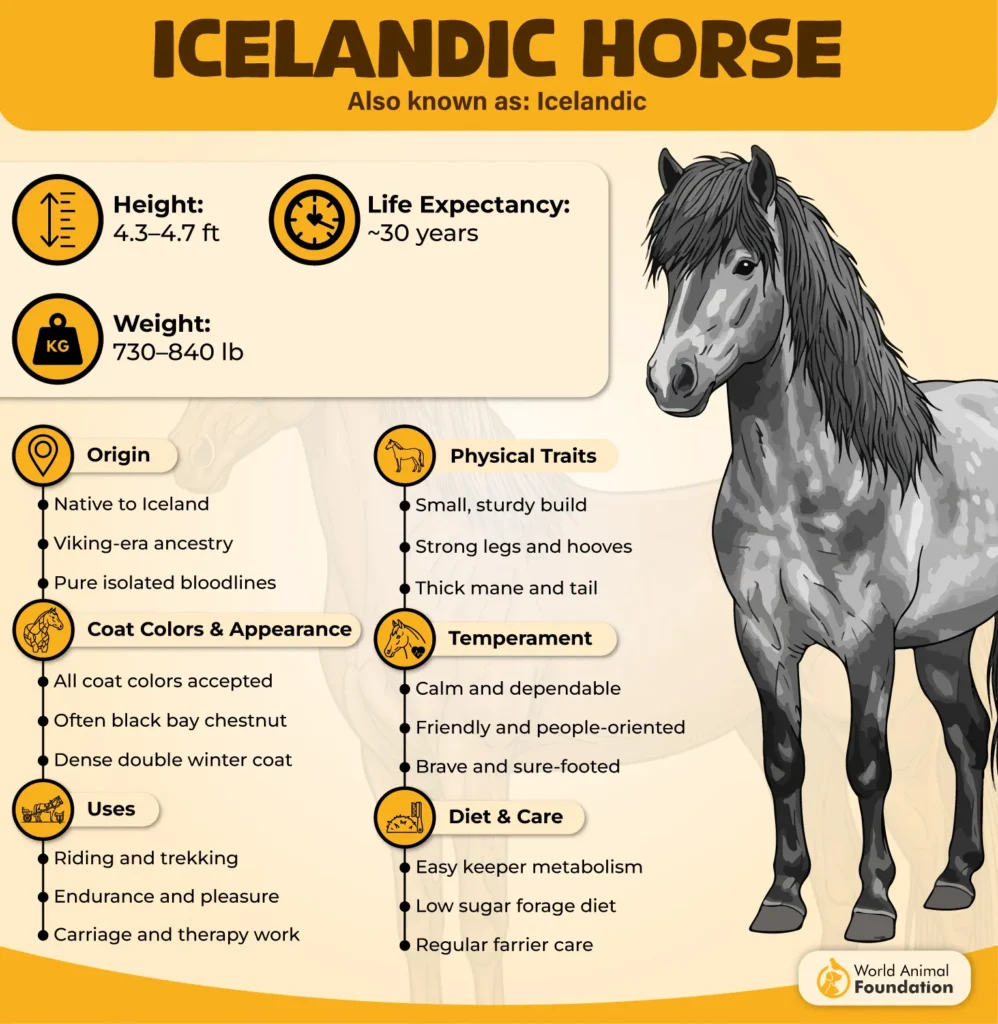
3. Icelandic Horse

The Icelandic Horse developed durability through daily survival rather than selective breeding. Living on a volcanic island with limited resources shaped bodies that age slowly and stay functional longer. That pressure helps explain why lifespans often reach 25 to 30 years, with verified cases exceeding 40.
Centuries of Unbroken Purpose
For generations, this horse served as the primary mode of transportation before modern vehicles existed. That long working history favored soundness over speed or size.
These factors quietly supported long life expectancy:
Consistent daily use
Selection through necessity
Minimal human interference
Genetic Continuity Without Mixing
This horse remains untouched by crossbreeding due to strict isolation during major European disease outbreaks, as Iceland Shesters mentioned. This created a direct genetic line closely tied to early domesticated horses. The result is a population shaped by survival traits rather than cosmetic preference.
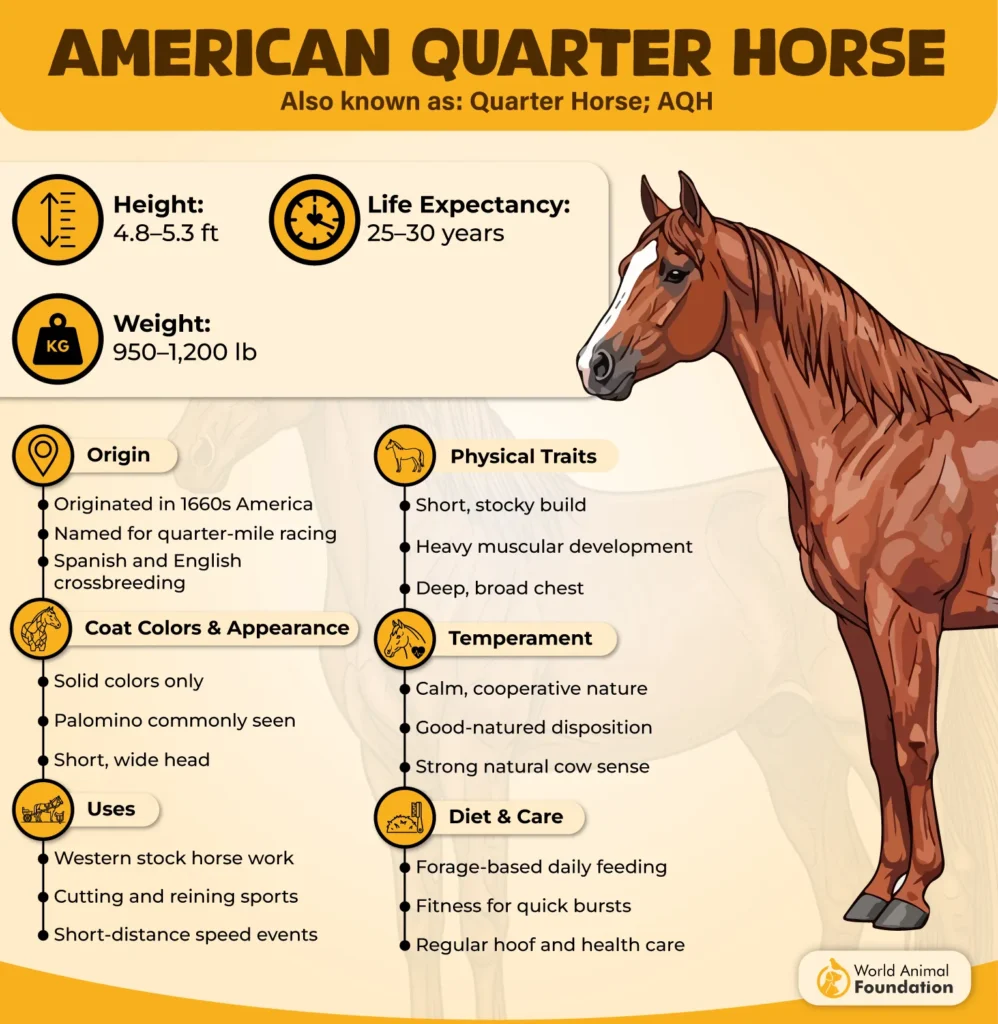
4. American Quarter Horse
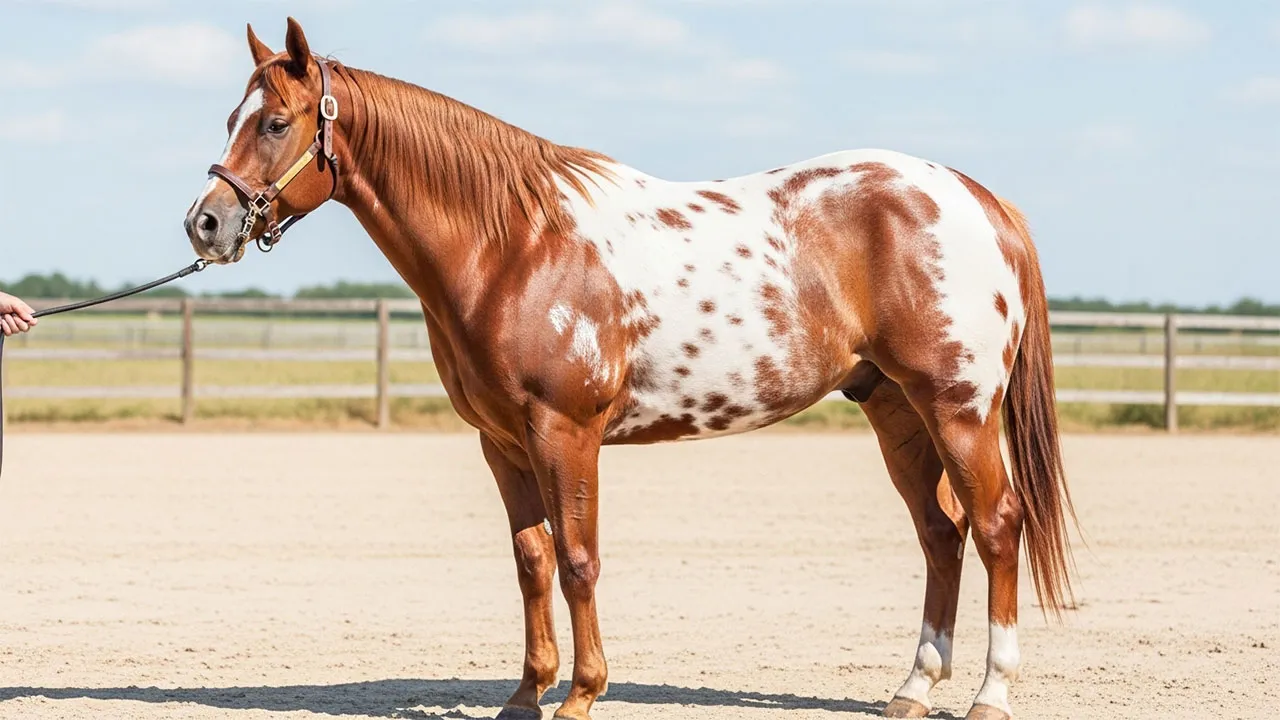
American Quarter Horses can live 25 to 35 years, with some reaching beyond that under good care. Their longevity reflects genetics, nutrition, and workload management. A well-maintained horse can remain active and responsive even into its 30s.
Agility and Speed
These horses earned their name for running a quarter mile faster than others, making them ideal for short bursts of power on trails or open spaces. Their physicality supports endurance across different activities.
These strengths show up in everyday performance:
Fast acceleration over short distances
Smooth transitions during varied work
Recovery that allows extended activity
Smart and Alert
Quarter Horses are attentive and quick to respond without being overly sensitive or anxious. This alertness helps them navigate challenges efficiently, making them practical for long-term engagement. Their energy remains manageable when the workload is consistent.
5. Haflinger
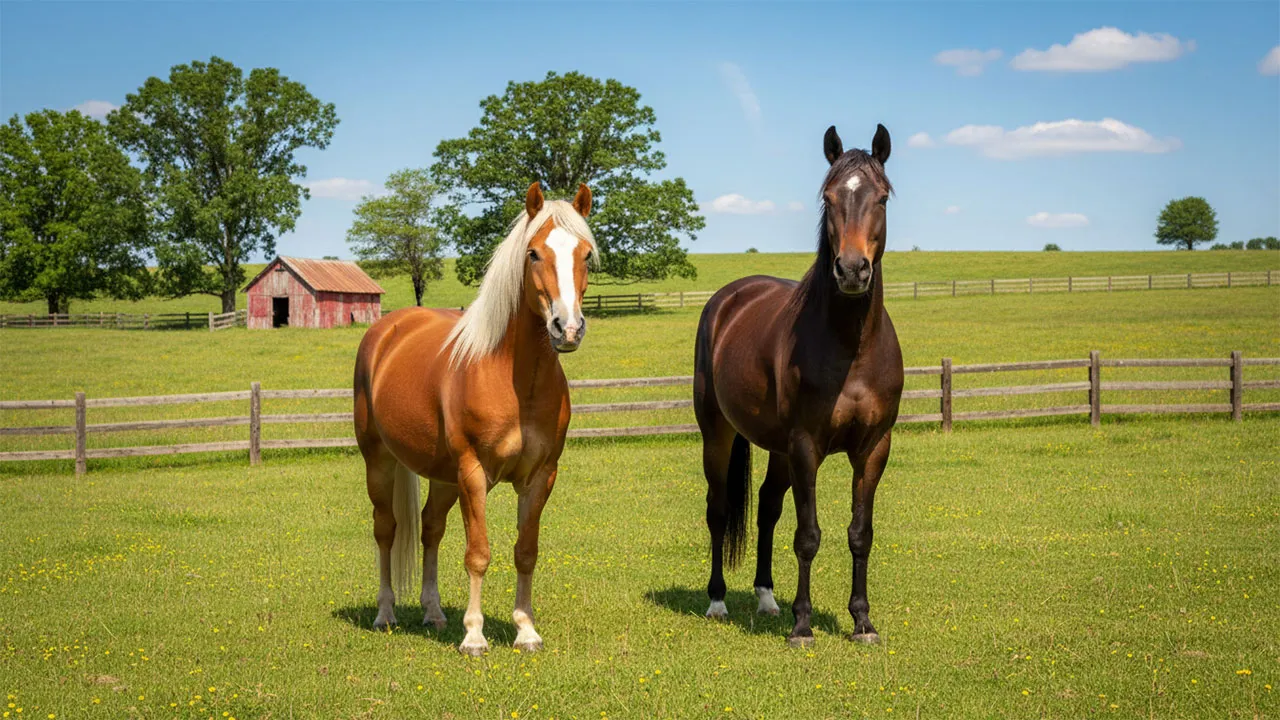
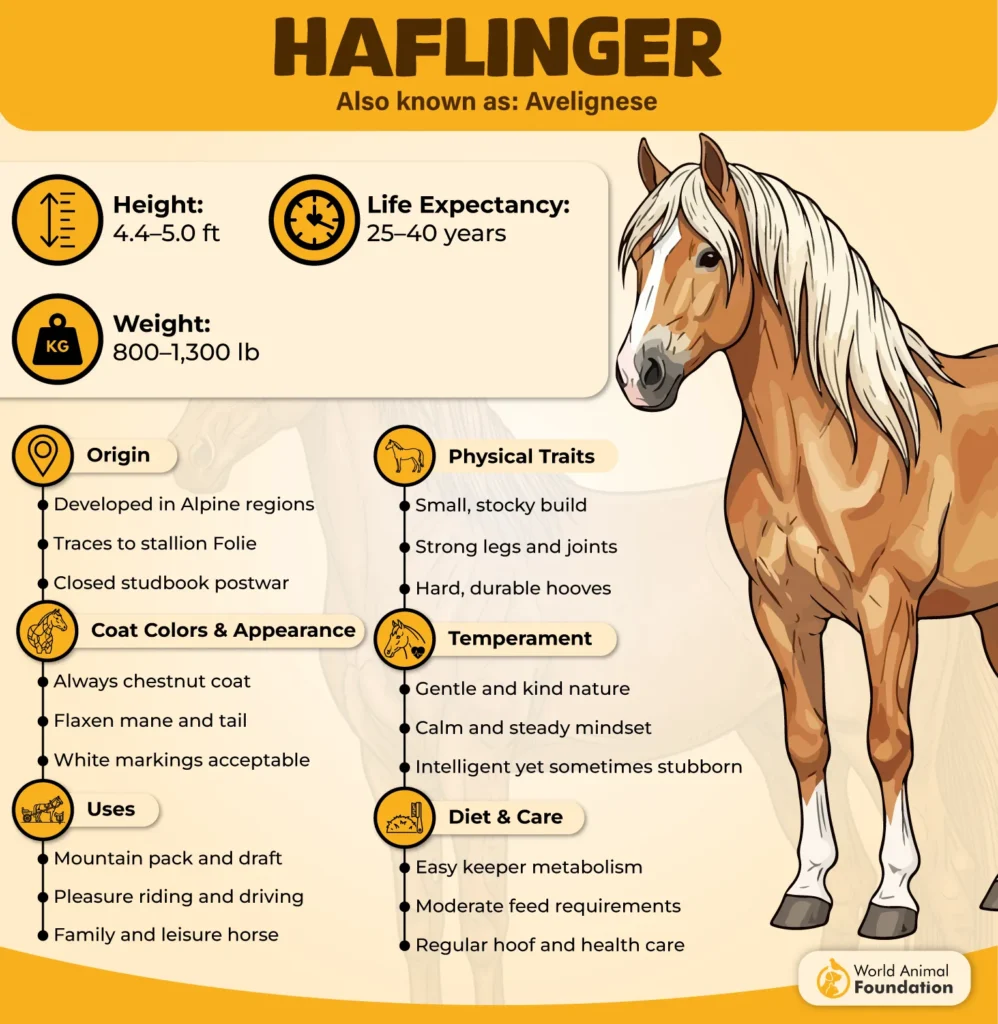
Haflingers are known for staying active and healthy well into their late 20s and sometimes early 30s. Their long lifespan makes them ideal companions for extended projects or family use. This durability ensures consistent performance over years of varied activity.
Strength Meets Versatility
Strong enough to handle demanding tasks, Haflingers are also gentle and approachable. Their cheerful personality makes interaction pleasant while still being capable in work and recreation.
Here’s how they put their strengths to work:
Handles draft work and mountain trails
Performs in dressage, driving, and jumping
Supports therapeutic and vaulting activities
Calm Yet Engaging
These horses have a quiet, approachable nature that fits well with different types of interaction. Their alertness allows them to respond without becoming tense or reactive. This balance of composure and attentiveness makes them reliable in diverse environments.
6. American Paint Horse
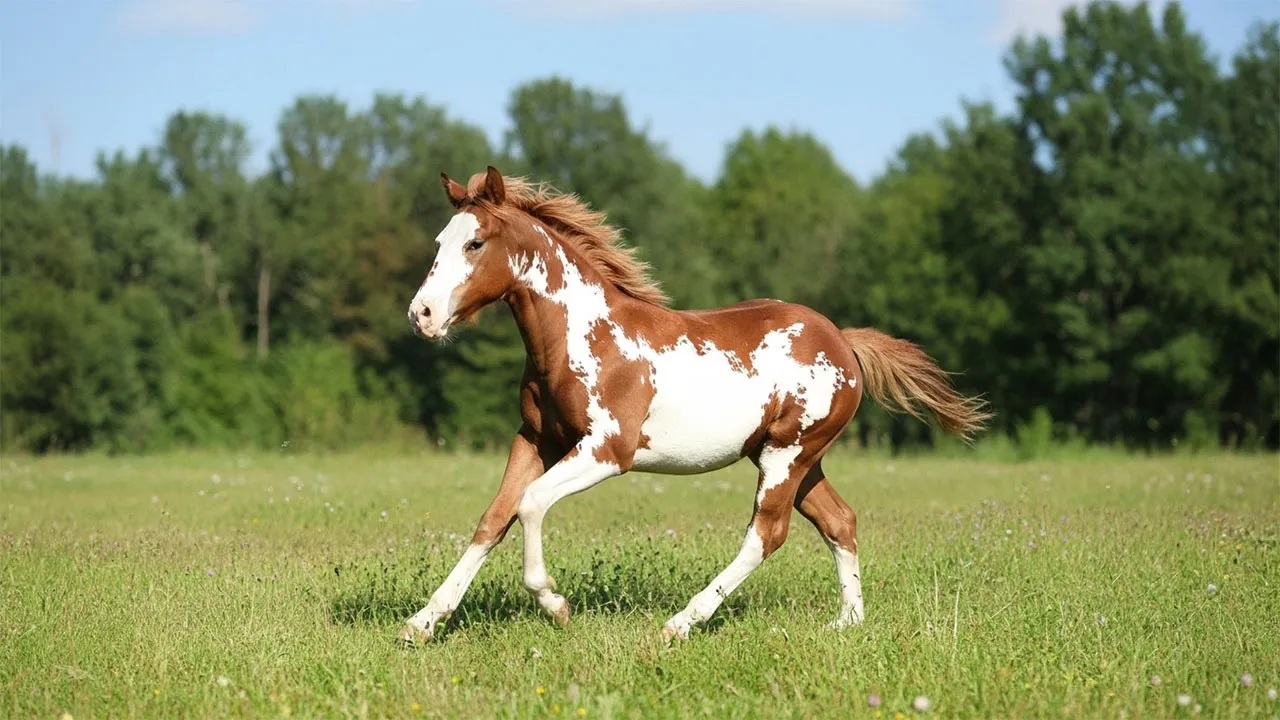
American Paint Horse often lives beyond 30 years while maintaining activity and vitality. Their endurance supports participation in a variety of equine sports without losing energy or enthusiasm. This durability makes them ideal for owners seeking a long-term companion in the saddle.
Versatility That Matches Lifespan
These horses manage multiple tasks gracefully, from barrel racing to trail challenges. Their adaptability keeps them mentally engaged and physically fit over decades.
Key qualities include
Smooth transitions between sports or activities
Reliable performance on different terrain
Consistent energy even in later years
Temperament and Alertness
Friendly and responsive, the Paint Horse pays attention to cues and changes in the environment. Alertness helps them navigate obstacles safely while staying focused on the task. Their steady temperament contributes to a long and active life.
7. American Standardbred
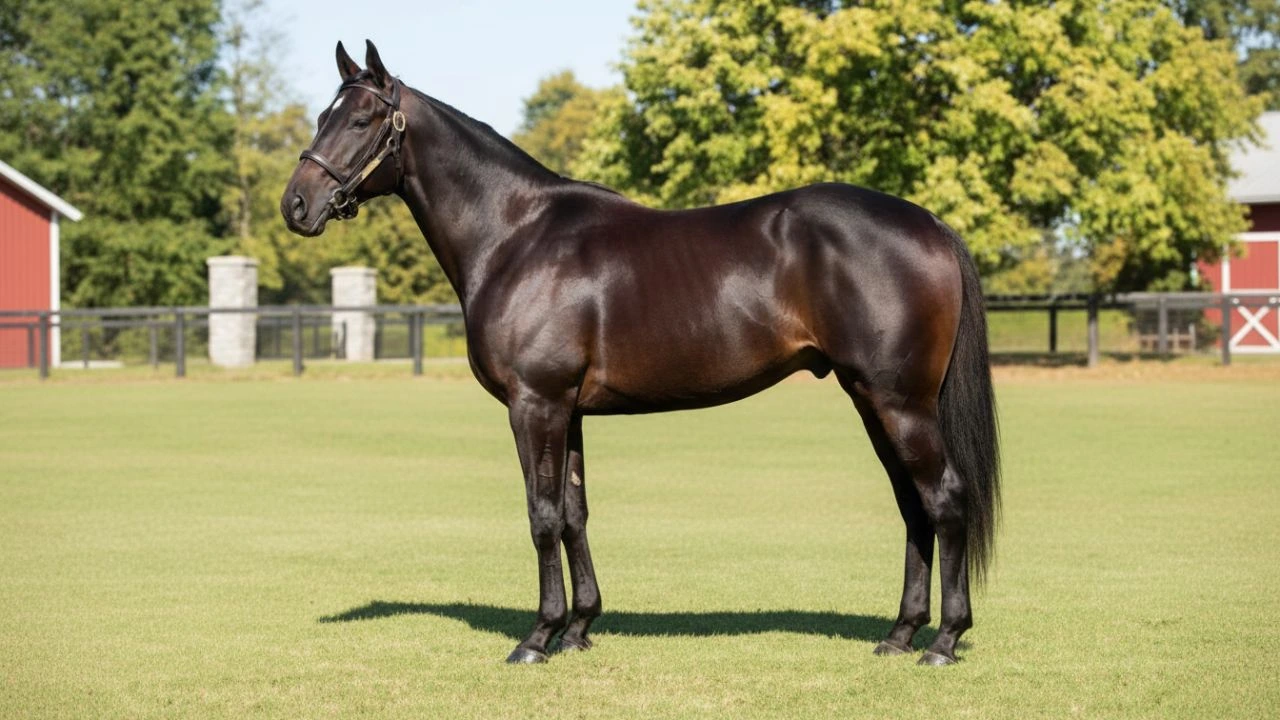
American Standardbreds can live for 30 to 35 years, making them one of the longer-living horse breeds. After their racing careers, they often transition into riding or light work without losing energy. Their endurance and adaptability make them reliable companions over decades of activity.
Smooth Gaits for Distance
The breed’s trotting and pacing abilities allow it to move efficiently over extended distances. These gaits keep the horse comfortable while maintaining speed and rhythm across varied terrain.
Here’s how their gaits benefit them:
Consistent pace over long stretches
Quick recovery after sustained effort
Energy-efficient movement for extended activity
Alertness and Composure
Standardbreds respond quickly to changes in terrain while remaining calm under pressure. This attentiveness ensures smooth navigation across uneven paths or sudden obstacles. Their balance of focus and steadiness allows them to handle varied conditions confidently.
Conclusion
Longevity in domestic horses is rarely accidental. Horses living long lives often share quiet traits that protect them over time. Horses living with balanced workloads, steady routines, and thoughtful care tend to age with stability rather than decline. While the oldest horse captures attention, the real lesson appears in everyday horses living well past the average life expectancy.
These breeds show that durability is built through structure, temperament, and adaptability. Horses living into later decades continue to learn, respond, and participate rather than fade away. This challenges how most horses are measured against speed or early performance. Compared with any other horse bred for short careers, long-lived breeds reflect patience and planning. These examples show horses living with purpose across changing stages of life.
