




History is often remembered through names and dates, but its heartbeat was once driven by four legs. Horses carried fear, courage, ambition, and survival across centuries, where human strength alone was never enough. They stood beneath armored riders, pulled nations forward through dust and blood.
These horses did not choose greatness, yet greatness followed them into battlefields, royal courts, and long roads that shaped empires. Their hooves marked turning points where wars shifted, borders changed, and leaders rose or fell.
When people remember victories, revolutions, and survival against impossible odds, a horse was often present, breathing beside history itself. Their presence was not symbolic. It was essential. Strength met endurance, speed met loyalty, and history moved forward because they carried it.
In the sections that follow, this article traces the horses whose actions quietly shaped human history and reveals the moments when their impact became impossible to ignore.
Key Takeaways
Horses have been silent witnesses and active players in history, shaping wars, empires, and triumphs with their strength and loyalty.
Bucephalus carried Alexander through campaigns with unmatched devotion, while Marengo stayed calm under Napoleon’s pressure, becoming more than a horse but a symbol of leadership.
Seabiscuit and Secretariat transformed racing into legend, showing that determination and talent can surpass expectations and records.
Sergeant Reckless proved size does not limit bravery, ferrying ammunition under fire and earning honors that cemented her place in history.
Horses That Have Played Significant Roles in History
1. Bucephalus
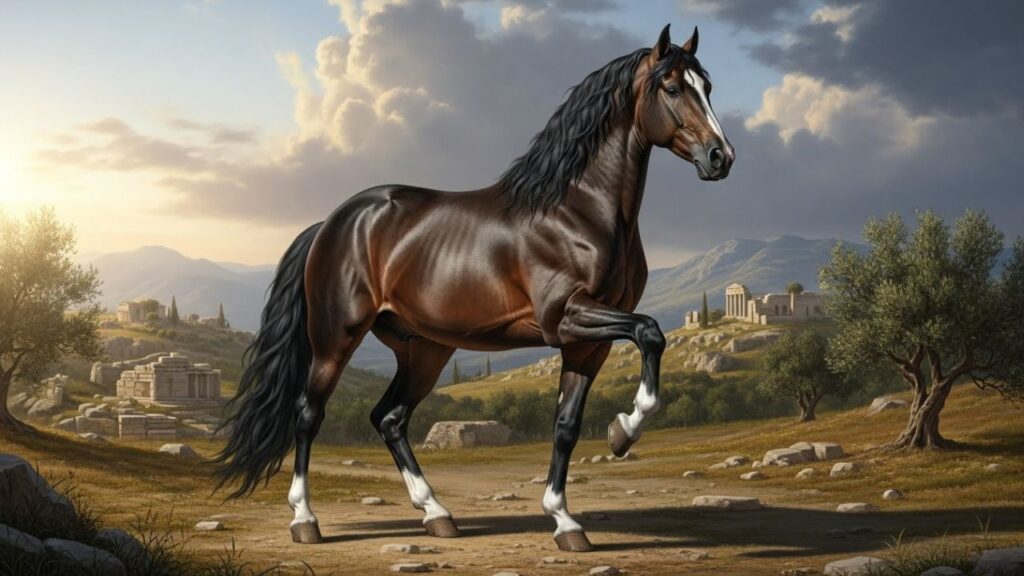
Bucephalus entered history as a powerful stallion known for intense reactions to his surroundings. Ancient accounts describe a horse that resisted approach until calm thinking replaced force. That moment set the stage for a bond tied directly to ambition and command.
The Taming Moment
Bucephalus became legendary when a young Alexander noticed fear triggered by shifting shadows, as the British Library stated. Turning the horse toward the sun settled him, revealing control through observation rather than strength. That single act revealed traits that defined his role in history.
That instinct revealed itself in these ways:
Extreme sensitivity to visual cues
Rapid response to confident handling
Strong presence in tense settings
Presence on the Battlefield
Bucephalus remained central during military campaigns, appearing repeatedly in historical records. His loss once led Alexander to threaten devastation until the horse was returned, showing unmatched value. Such devotion highlights how closely this horse was tied to leadership and morale.
Legacy Beyond the Horse
Bucephalus died in 326 B.C. after the Battle of Hydaspes, marking the end of a historic partnership. Alexander honored him by founding the city of Bucephala, a rare tribute to an animal. Historians still debate the city’s exact location today
2. Marengo
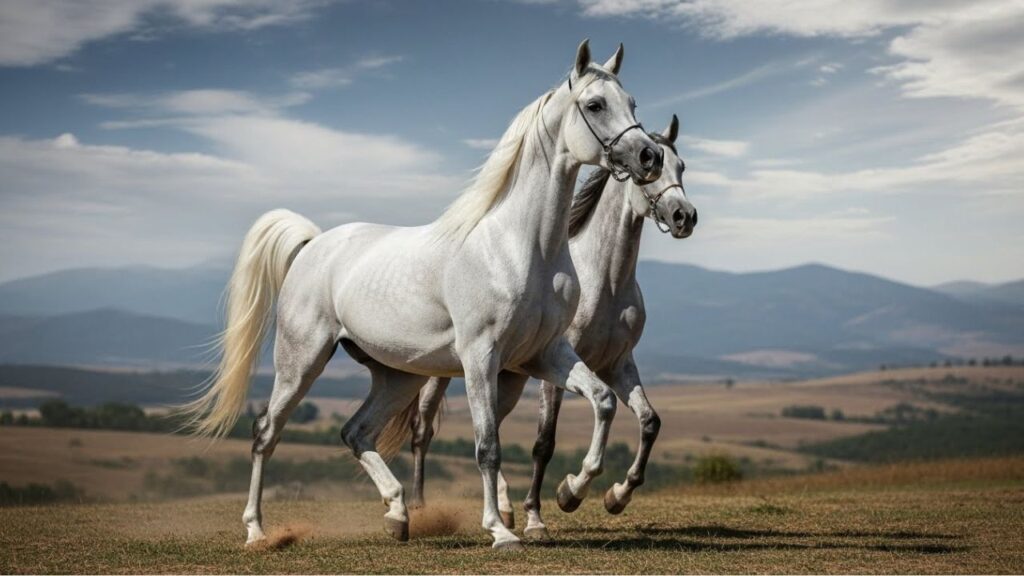
Marengo was known for his calm presence during moments that shaped European history. This gray Arabian stayed composed amid noise, movement, and pressure surrounding Napoleon Bonaparte. That steadiness placed him at the center of key military scenes remembered centuries later.
Captured Fame Beyond the War
After the battle, where Copenhagen returned home, Marengo’s story took a different path. Captured and taken to Britain, he became a living symbol of a defeated empire.
Small details help explain why historians still reference him:
Associated directly with Napoleon
Taken as a wartime prize
Displayed publicly in Britain
A Horse Surrounded by Questions
Records from Napoleon’s stables do not clearly list Marengo by name. Historian Tom Holmberg suggested Marengo may have been a nickname, possibly linked to a favored horse named Ali, as The Napoleon Series stated. This uncertainty adds intrigue rather than weakening his historical footprint.
Remembered Long After Death
Marengo died in 1831 at the age of 38, a notable lifespan for the era. His preserved skeleton remains on display at the Imperial War Museum in London. He also served as one of the models for the horse shown in a famous painting of Napoleon.
3. Comanche
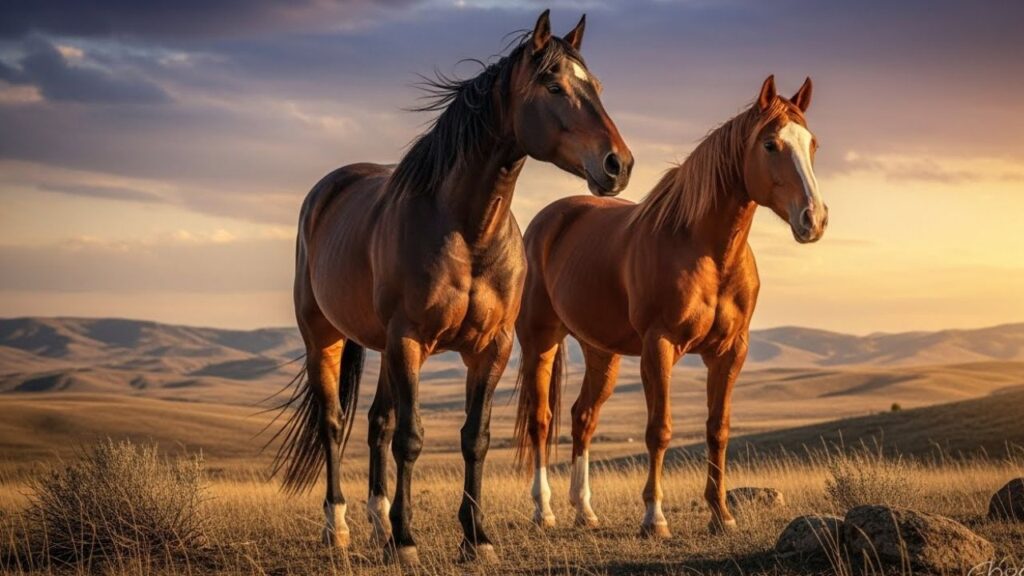
Comanche earned his reputation through repeated survival rather than a single event. During an 1868 fight, an arrow struck his rump, yet he continued moving through the engagement. That moment led to his name, drawn from a Ute term tied to relentless opposition and refusal to yield.
The Day History Took Notice
Comanche was Captain Myles Keogh’s mount during the Battle of the Little Bighorn and suffered seven bullet wounds, as per the War Horse Memorial. Found alive in a ravine two days later, his survival changed how the Army remembered the battle.
The record becomes clearer through these facts:
Seriously wounded but recovered under Army care
One of roughly 100 surviving horses, though captured counterparts were not reclaimed
Injured in about twelve engagements during his service
Protected by Order
Comanche’s recovery led to a rare retirement in 1878 under direct military command. Colonel Samuel D. Sturgis ordered that he never work again and receive comfort as a point of pride for the Seventh Cavalry. He wandered the parade grounds freely and even shared beer with soldiers at Fort Riley.
Legacy Preserved
Comanche died around age twenty-nine in 1891 and received a full military funeral, an honor granted to only two horses in the United States. His remains were preserved rather than discarded, reflecting his symbolic weight. Nowadays, he remains on display at the University of Kansas Natural History Museum
4. Copenhagen
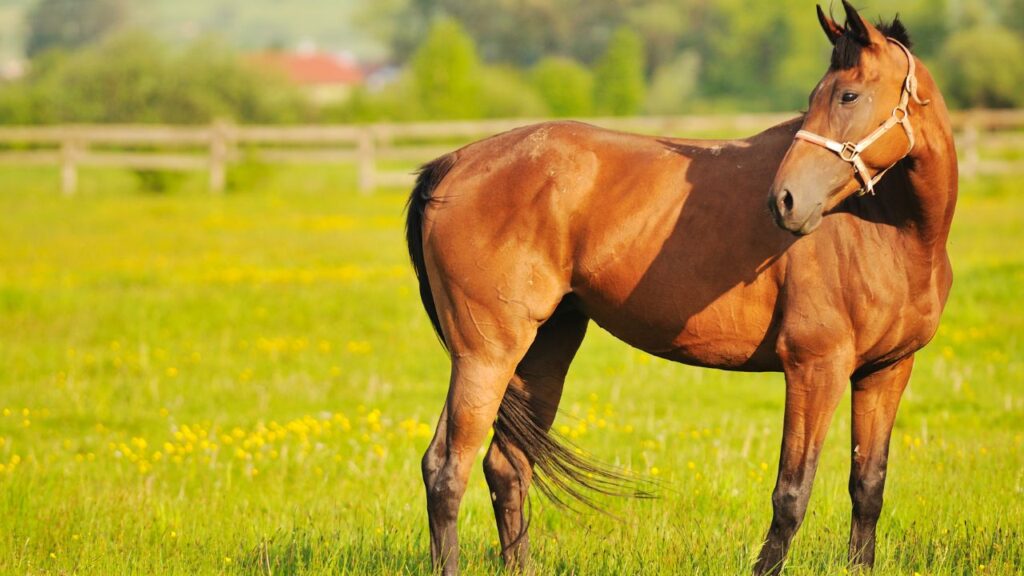
Copenhagen showed a fiery, short-tempered nature that shaped how he behaved during intense situations. That edge mattered during wartime, where noise, pressure, and exhaustion tested every horse involved. His temperament became part of the historical record rather than a footnote.
Seventeen Hours That Made History
Copenhagen’s place in history was sealed during the Battle of Waterloo, where endurance became the deciding factor.
The scale of that day becomes clearer with a few verified details:
Remained active for seventeen continuous hours
Served the Duke of Wellington during the battle
Present throughout the decisive stages of Waterloo
A Moment After the Fighting
Once the battle ended, the Duke dismounted and patted Copenhagen in gratitude. The stallion reacted instantly, nearly striking him with a powerful kick. A later account noted that Copenhagen almost achieved what the opposing army could not, before being led away for rest.
Afterlife of a War Horse
Copenhagen lived a long retirement and died at the age of twenty-eight. When he was buried, one of his hooves was taken as a souvenir, provoking the Duke’s fury until it was recovered. That same hoof was later turned into an ink stand by the Duke’s son, extending the horse’s story beyond the battlefield
5. Seabiscuit
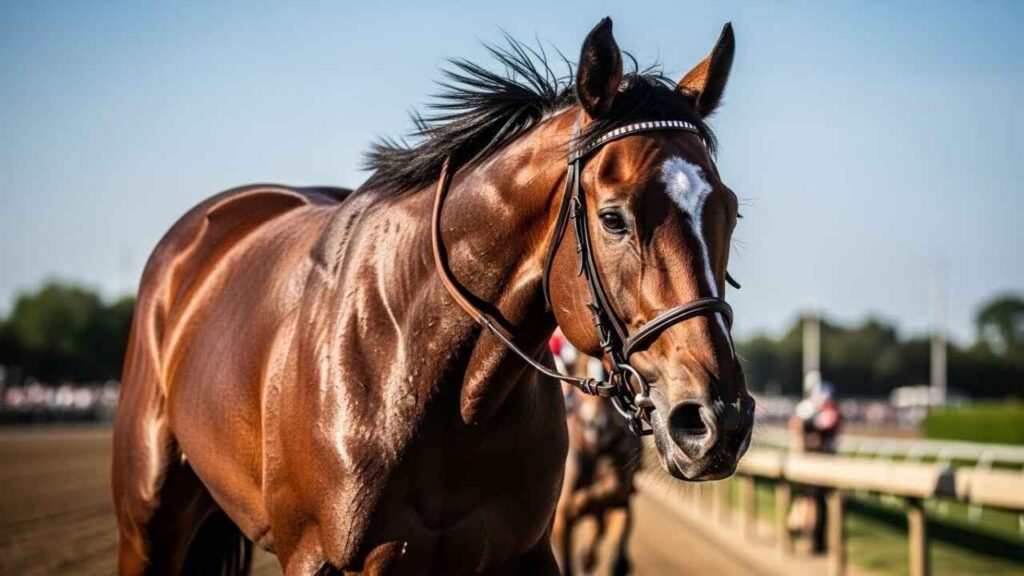
Seabiscuit started with a modest frame and a slow pace that made few believe in his potential. His short legs and relaxed attitude hid an unexpected spark that emerged under patient guidance. This quiet determination turned a seemingly ordinary horse into a national sensation.
Turning Points on the Track
Under trainer Tom Smith and jockey Red Pollard, Seabiscuit discovered his stride and raced with growing confidence. Their unorthodox methods unlocked energy and focus, helping him dominate challenging races.
The standout qualities of this horse include:
Remarkable acceleration in the final stretch
Resilience after setbacks or minor injuries
Ability to maintain composure under pressure
Spirit That Captivated Fans
The stallion’s story resonated far beyond the racetrack, showing courage through trials and injuries. His focus on the finish line inspired spectators and elevated racing excitement during tough times. Every race displayed a combination of tenacity and refined skill that was hard to ignore.
Legacy Beyond Racing
Seabiscuit became a symbol of hope and perseverance, leaving an imprint on American racing culture. Even after retiring in 1940, his story continued to inspire books and conversations about legendary horses. His life demonstrated that potential is often unlocked through faith and persistence rather than size or initial ability.
6. Secretariat
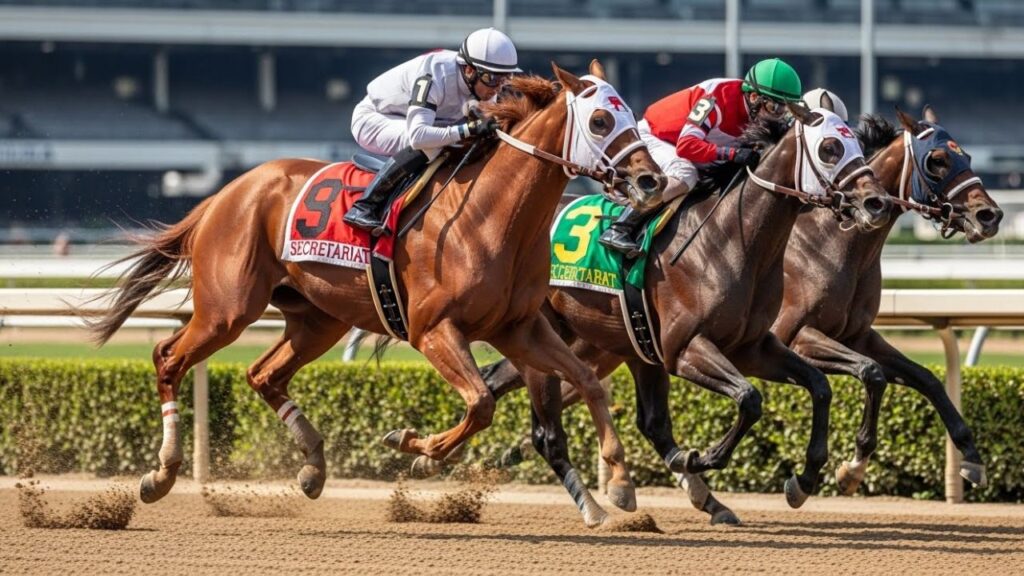
Secretariat was known for his explosive energy and nearly flawless form that set him apart on the track. His stride and balance allowed him to cover distances with extraordinary efficiency. This combination made him capable of historic performances that are still celebrated today.
Record-Breaking Strength
The horse’s speed and stamina created moments that became benchmarks in racing history. His physical gifts translated into performances that stunned spectators and experts alike, with several features making him exceptional.
Here are these:
Fastest times in all three Triple Crown races
Covered the Belmont Stakes in 2:24, a record still unbroken
Dominated competitors by wide margins
A Star Beyond the Track
Secretariat’s presence went far beyond racing circles, capturing attention in media outlets across the United States. Magazines featured him as a symbol of excitement during challenging times, offering a rare moment of joy in the public eye. His charisma made him an enduring figure in horse history.
Legacy in Performance
Recognition continued long after his racing days, with accolades that cemented his place among equine legends. The horse’s abilities were honored with induction into the Hall of Fame and listings among the greatest athletes of the century.
7. Sergeant Reckless
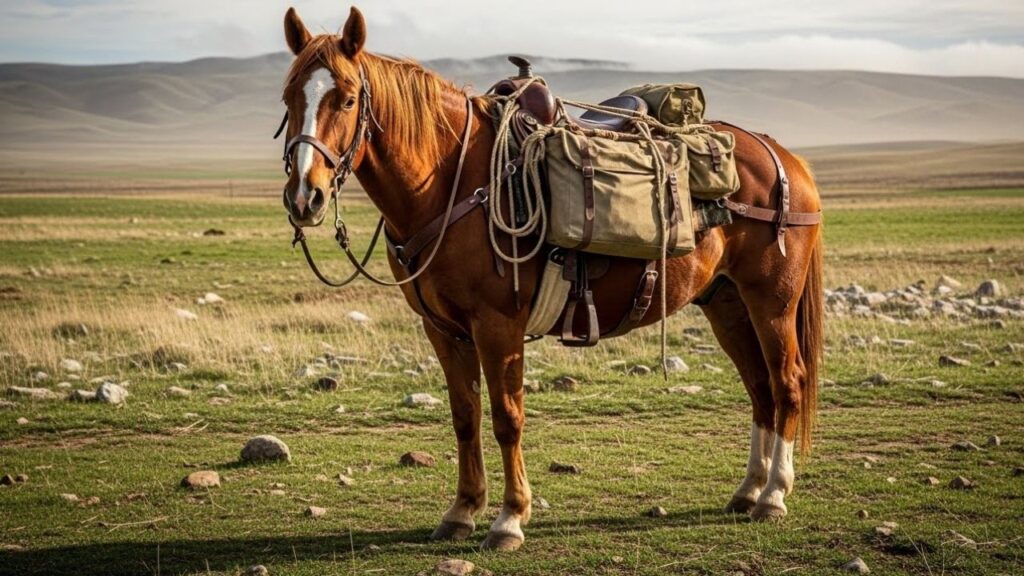
Sergeant Reckless was a small mare with an extraordinary heart, famous for her role in the Korean War. She repeatedly moved ammunition and supplies through open fire, showing courage that went far beyond what anyone expected from a horse. Her dedication made her an essential presence on the battlefield.
Endurance and Precision
Her energy and stamina allowed her to keep going under extreme conditions without hesitation. During a single five-day battle, she made dozens of solo trips carrying heavy rounds up steep hills and across open rice paddies.
These highlight her tireless efforts:
Transported over nine thousand pounds of ammunition
Covered more than thirty-five miles under fire
Assisted in bringing wounded soldiers to safety
Keen Awareness
Sergeant Reckless displayed sharp instincts that kept her effective in unpredictable environments. She learned routes quickly, avoided hazards, and responded reliably to commands without hesitation. Her alertness made her an invaluable partner in the chaos of combat, keeping missions on track.
Quirks and Recognition
Her quirky appetite became part of her legend, often sampling the meals of the Marines around her. Reckless was recognized formally for her service, receiving two Purple Hearts and multiple other military honors. The mare’s story blends courage with personality in a way that few historical horses have matched.
Conclusion
The stories of these horses remind us that history did not move by human effort alone. These were not symbols placed into stories later. They were present in real moments that changed direction and outcome throughout history. Some became the most famous horses remembered by name, while other horses carried equal weight without recognition.
What links them is purpose, awareness, and trust earned under pressure. Many still debate which was the smartest horse among them. Their preserved stories, including remains held in a national museum, keep famous equines alive in memory. Their impact remains quiet, permanent, and undeniable.
