




War has never been fought by humans alone. Long before engines roared and steel machines ruled the battlefield, horses carried the weight of war on their backs. They charged into chaos without understanding flags or borders, guided only by training, trust, and human hands on the reins.
These horses marched through mud, thundered across open fields, and stood steady amid noise, smoke, and fear. They felt the tremor of battle beneath their hooves and still moved forward. Their role was not optional.
Their presence changed outcomes, shaped strategies, and defined entire eras of warfare. Strength, endurance, and obedience were demanded from them every single day. Courage was expected, not praised. History remembers generals and victories, but the horses that carried warfare forward often remain unnamed.
This article brings them back into focus. Here, you will explore horses that were used in warfare, how their roles evolved, and why their legacy still echoes through military history.
Key Takeaways
Battlefields have seen extraordinary mounts whose intelligence and courage shaped key victories.
Bucephalus carried Alexander with unmatched awareness and composure, while Marengo endured injuries and long campaigns with resilience few could match.
Sergeant Reckless and Chetak showed remarkable bravery under fire, completing impossible feats that saved lives and turned battles around.
By the end, you’ll see which horses became legends not just for their power, but for their sharp instincts and unwavering spirit.
Horses That Have Been Used in Warfare
1. Bucephalus
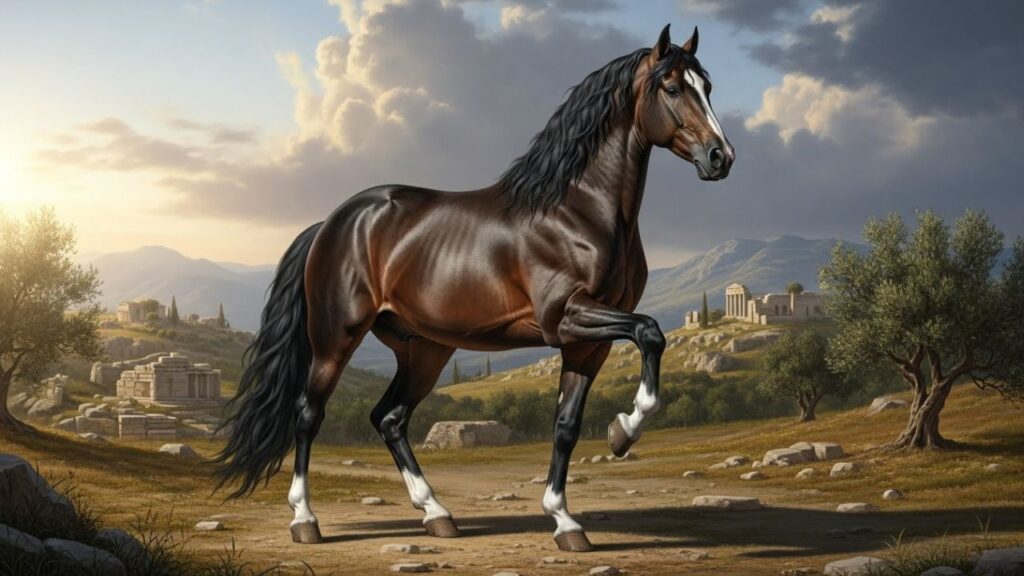
Bucephalus was known for a striking intelligence and sharp awareness that set him apart on the battlefield. His reactions were precise, reading subtle shifts in the environment and responding quickly to Alexander’s commands. That mental edge turned dangerous terrain into manageable routes for riders.
Strength in Action
His power and composure allowed him to excel in high-pressure campaigns, keeping pace even against challenging opponents. This horse showed a mix of courage and agility that few mounts could match.
Notable qualities that defined him on the battlefield:
Steady under fire
Quick to respond to cues
Able to handle large formations
Legendary Legacy
His presence in key victories showcased both endurance and reliability in extreme situations. The city of Bucephala was named in his honor after he died in 326 BCE, reflecting the impact of his service, as mentioned in the Army Institute of Military History. Historical records highlight how a horse’s temperament and courage can define the course of warfare.
2. Marengo
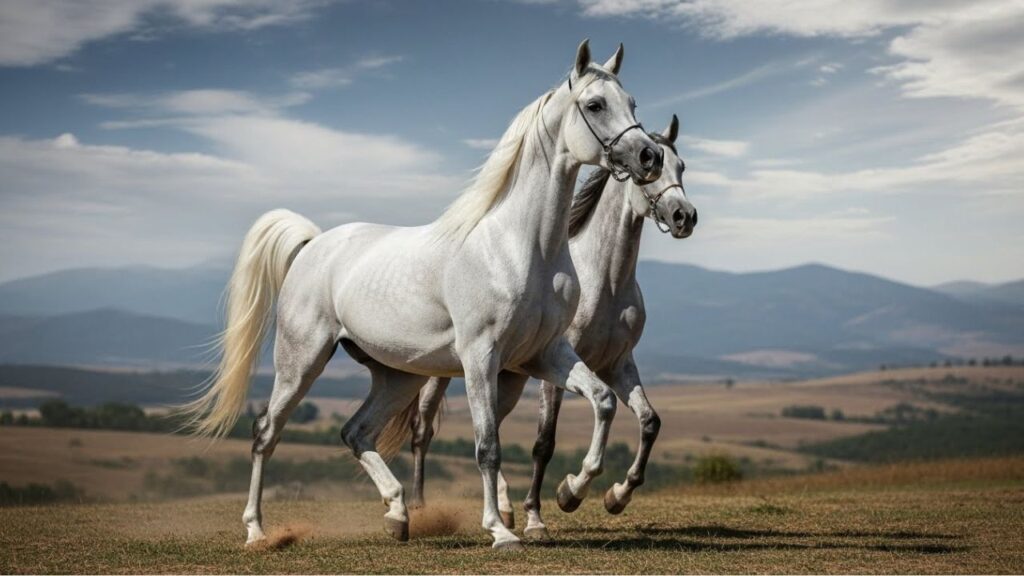
Marengo was celebrated for carrying Napoleon through some of his most challenging campaigns. Despite being just 14.1 hands high, this Arabian stallion showed remarkable endurance and resilience. Riders and soldiers alike relied on his steady pace across long, unpredictable battlefields.
Courage and Battle Prowess
This horse proved himself repeatedly in warfare, recovering from eight wounds while still performing under pressure, as per the National Army Museum. His agility and stamina made him invaluable in critical battles, and his compact size allowed for swift maneuvers.
Some notable abilities include:
Maintaining balance on rough terrain
Quick recovery after exertion
Exceptional stamina during long campaigns
Legendary Service Across Campaigns
Marengo accompanied Napoleon at Austerlitz and Waterloo, surviving intense combat situations. His alertness and responsiveness made him a dependable partner on the front lines. Every movement reflected training, courage, and the instincts of a horse seasoned by battle.
3. Copenhagen
Copenhagen was known for calm focus, even in the chaos of war. His presence alongside Wellington gave soldiers confidence, as he stayed steady through intense maneuvers. On the field, he responded smoothly to commands, making each movement count during critical moments.
Strength and Poise on the Battlefield
The horse combined stamina with a disciplined gait, which allowed him to endure long hours of action without tiring. These qualities made him both reliable and responsive when the situation demanded.
His strengths become evident in these practical ways:
Steady pace under pressure
Quick adjustments to sudden commands
Confidence in noisy and crowded conditions
Connection With Riders
As per the War Horse Memorial, Copenhagen formed a strong bond with Wellington, demonstrating loyalty and awareness that helped guide troops. His reactions were measured, allowing coordination across units in dynamic environments.
4. Sergeant Reckless
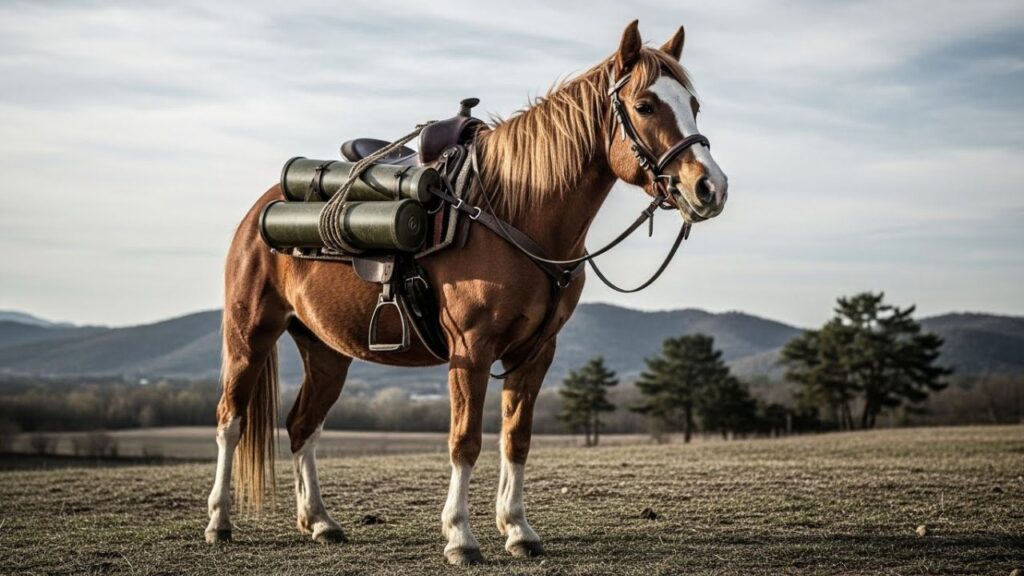
Sergeant Reckless gained a reputation for remarkable bravery during the Korean War. She navigated chaotic battle zones to move supplies and transport wounded soldiers. Injuries didn’t slow her down, showing an instinct for resilience and reliability under pressure.
Remarkable Feats on the Battlefield
Her intelligence and calmness under fire made her a critical part of her unit’s operations. Reckless could follow complex tasks without hesitation, demonstrating focus and determination.
Some traits that defined her service include:
Completing 51 solo trips in one day during Outpost Vegas
Learning to handle both people and loads efficiently
Adjusting to unpredictable wartime conditions
A Veteran’s Recognition
Her loyalty and service were formally honored when she was promoted to sergeant in 1954. She adapted to her role seamlessly, performing consistently throughout active duty. Reckless left a legacy that highlights both intelligence and courage in a horse
5. Comanche
Comanche stood out for his ability to survive extreme conditions and severe injuries. After sustaining seven serious wounds at the Battle of the Little Bighorn, he was found alive two days later, demonstrating extraordinary endurance. His presence became a living symbol of fortitude within the cavalry.
Endurance and Presence
His ability to endure hardships translated into calm and reliable behavior during ceremonial duties. Comanche’s strength and composure were noted during long marches and formal parades, highlighting traits valued in a military mount.
Some other remarkable characteristics include:
Stood firm despite multiple injuries
Maintained composure under stressful conditions
Recognized for steady and consistent performance
Historical Legacy
Comanche’s story remains preserved as a reminder of courage and loyalty in military history. His remains are now displayed at the University of Kansas Natural History Museum, providing insight into his life and the era he represents.
6. Traveller
Traveller carried soldiers across battlefields with calm precision, moving through smoke, noise, and confusion without hesitation. His smooth gait allowed Robert E. Lee to remain balanced even under direct fire. That composure turned every ride into a combination of reliability and endurance.
Endurance That Supports Every Mile
The horse’s stamina was legendary, keeping pace through extended campaigns and countless engagements. His tireless energy meant long days in the saddle rarely slowed progress.
On challenging terrain, these features became practical advantages:
Consistent pace across rough ground
Ability to maintain energy under stress
Agile footing even in dense or uneven areas
Recognized and Respected
Traveller’s presence on the battlefield was so distinctive that Union soldiers were instructed not to shoot him. This recognition highlights the horse’s calm demeanor and visibility, even in chaotic moments. Being known and respected in the midst of conflict shows how exceptional he was.
7. Chetak
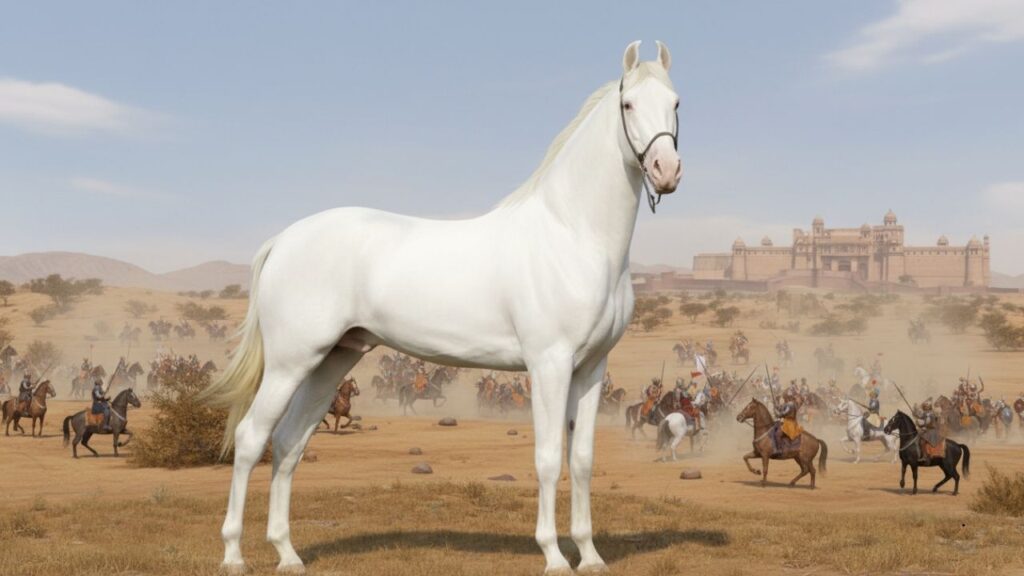
Chetak was the mount of Maharana Pratap and became legendary for his courage at the Battle of Haldighati in 1576. During intense combat against Akbar’s forces, he sustained a serious injury when struck by an elephant’s tusk. Despite the wound, he continued to support his master throughout the fight.
Strength in Adversity
Even while injured, Chetak pushed forward with determination, showing remarkable power and stamina. His actions saved Maharana Pratap when surrounded, highlighting how a horse’s endurance can change the course of events.
Essential qualities of Chetak include:
Exceptional stamina under extreme stress
Ability to navigate treacherous terrain
Courage to maintain focus despite injury
Heroic Action
At a critical moment, Chetak gathered his remaining strength and leapt over a stream exceeding 25 feet to safety. This daring jump carried both horse and rider beyond immediate danger. His quick thinking and determination made him an extraordinary example of bravery.
8. Kasztanka
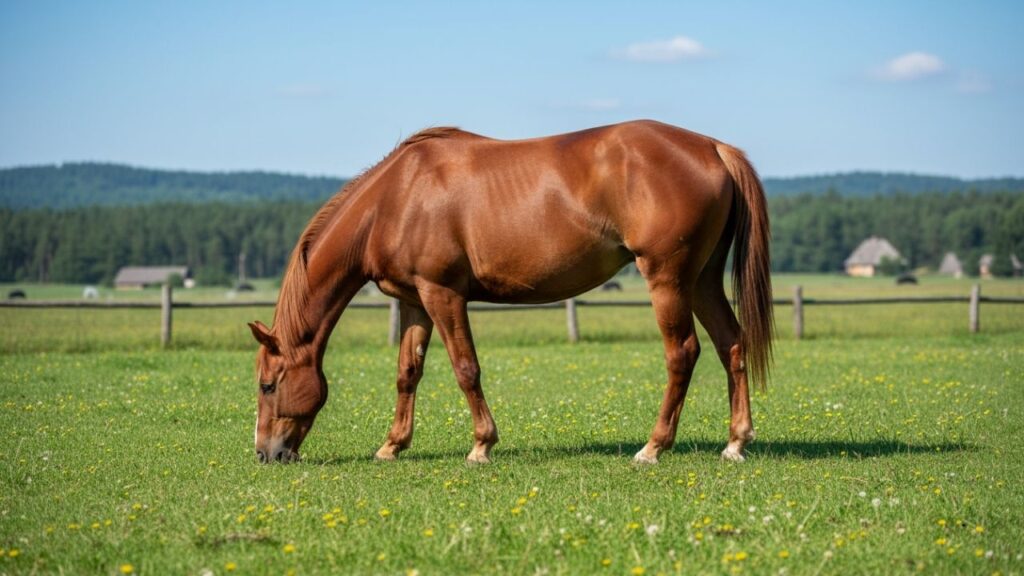
Kasztanka is remembered for her calm presence during some of the most intense battles of Poland’s fight for independence. She carried Marshal Piłsudski through artillery and gunfire without showing distress. This steadiness made her a symbol of courage on the battlefield.
Battlefield Skills in Action
Her endurance and composure were critical in long campaigns, especially during the Battle of Warsaw in 1920. Onlookers noticed how she maintained pace while navigating chaotic conditions, helping troops move efficiently.
This warhorse has these battlefield qualities:
Calm demeanor under artillery
Reliable movement across varied terrain
Quick adjustment to sudden situations
Lasting Legacy
After she died in 1927, Kasztanka’s preserved hide was displayed in a military museum, honoring her role in Poland’s independence. Her story remained a patriotic emblem up to World War II. Kasztanka’s name continues to be associated with bravery and dedication on historic battlefields.
9. Cincinnati
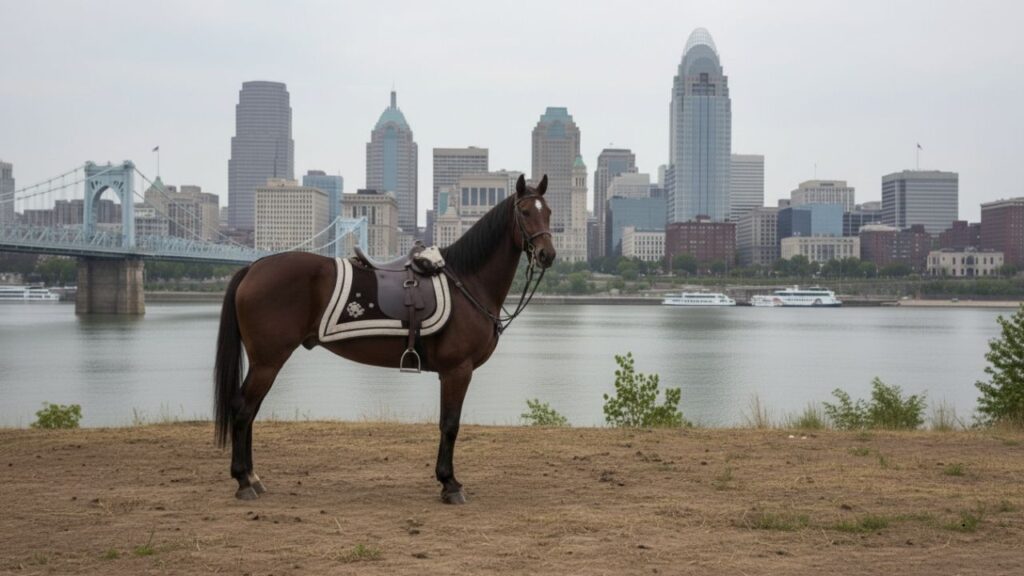
Cincinnati stood out for his calm presence during the chaos of battle. His smooth gait helped Grant navigate long campaigns without tiring, offering reliability when the stakes were highest. Riders could focus on strategy instead of managing an unpredictable mount.
Strength That Carried Through
The horse combined power with endurance, making extended rides across challenging terrain manageable. His resilience in the field was evident in every march and maneuver.
Trail and combat readiness were built into his daily performance:
Maintained composure amid gunfire and noise
Moved steadily through rough and uneven ground
Recovered quickly after extended exertion
Trust Between Rider and Horse
Grant valued Cincinnati’s temperament and refused offers as high as $10,000 for him, showing the deep confidence between horse and rider. The horse responded intuitively to cues, which made complex movements in battle fluid and controlled. Visitors, including President Lincoln, admired the horse’s poise and ease in motion.
Conclusion
The history of warfare is incomplete without acknowledging the silent strength of riding horses that carried strategy into motion. Across centuries, horses and mules moved armies, protected leaders, and endured conditions no animal should have faced. Many horses entered battle without choice, yet their loyalty shaped outcomes and preserved lives.
They were not symbols at the time. They were necessities. Training, trust, and instinct bound them to humans in moments of fear and resolve. While the names of generals fill history books, these animals remain part of the foundation of military success. Their courage reminds us that warfare has always relied on shared sacrifice.
