




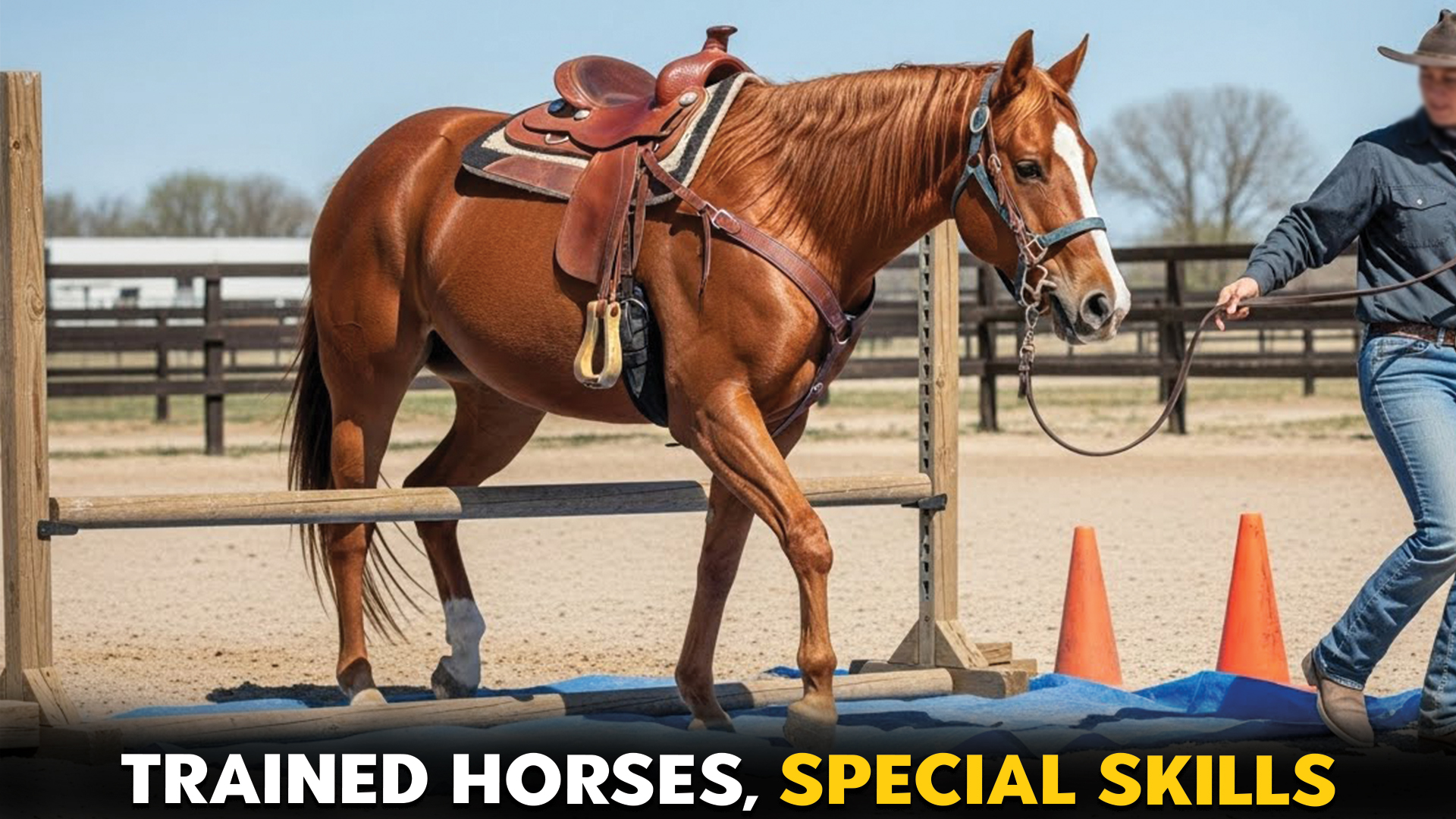
Horses are known for power and speed, yet special training teaches restraint, patience, and precision. Instead of reacting instinctively, these horses learn to pause, observe, and respond with control.
Training for specific purposes reshapes natural energy into focused action. Every exercise reinforces balance between strength and calmness. The goal is not dominance but cooperation. Over time, the horse understands boundaries, timing, and responsibility.
This kind of preparation allows the animal to work in environments that require reliability rather than force. It demands repetition, consistency, and careful guidance. The training process respects the horse’s intelligence while refining its responses.
This article explores how horses are trained for special purposes, why this training matters, and the roles that depend on their discipline and control.
Key Takeaways
Some horses move with such purpose and awareness that every ride feels intentional and precise.
Thoroughbreds race across open trails with agility, while Arabian horses maintain stamina and precision over long distances.
Clydesdales, Belgian Drafts, and Percherons balance power with calmness, making controlled movements look effortless.
By the end, you’ll see which seven breeds turn training, trail work, and performance into seamless mastery.
Horses That Have Been Trained for Special Purposes
1. Thoroughbred
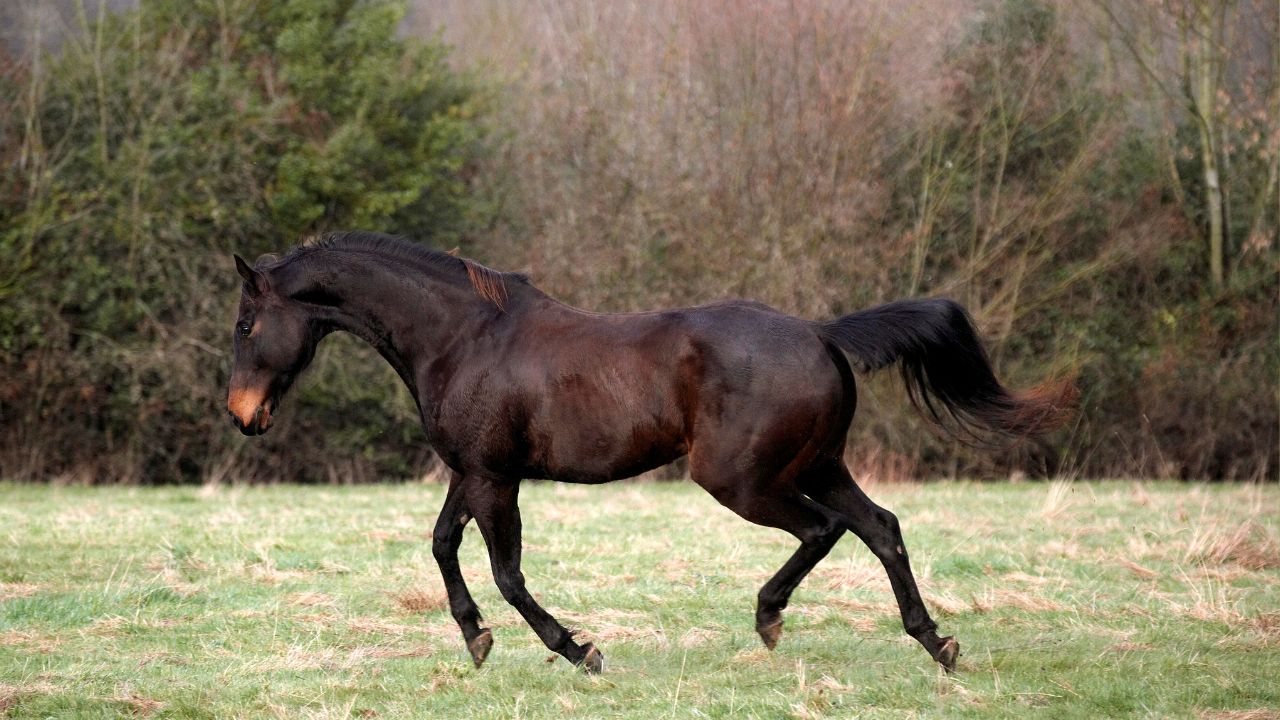
Thoroughbreds are known for their lively personality, which comes through on rides that demand focus and stamina. They respond quickly to rider cues and adapt well to structured tasks in the wild. That energy makes them excellent partners for riders who enjoy active and engaging trails.
Speed Meets Precision
These horses combine agility with power, making them natural athletes for various outdoor challenges. They excel in situations that need quick adjustments and sustained motion, which adds confidence for adventurous riders.
Key abilities that shine include
Fast acceleration over open terrain
Smooth turns on narrow paths
Endurance for extended rides
Alert and Trainable
Intelligence helps Thoroughbreds stay aware of their surroundings while remaining responsive to commands. They often notice subtle changes in footing or obstacles, which allows riders to navigate safely through diverse landscapes. This sharpness contributes to their suitability for specialized riding roles.
2. American Quarter Horse
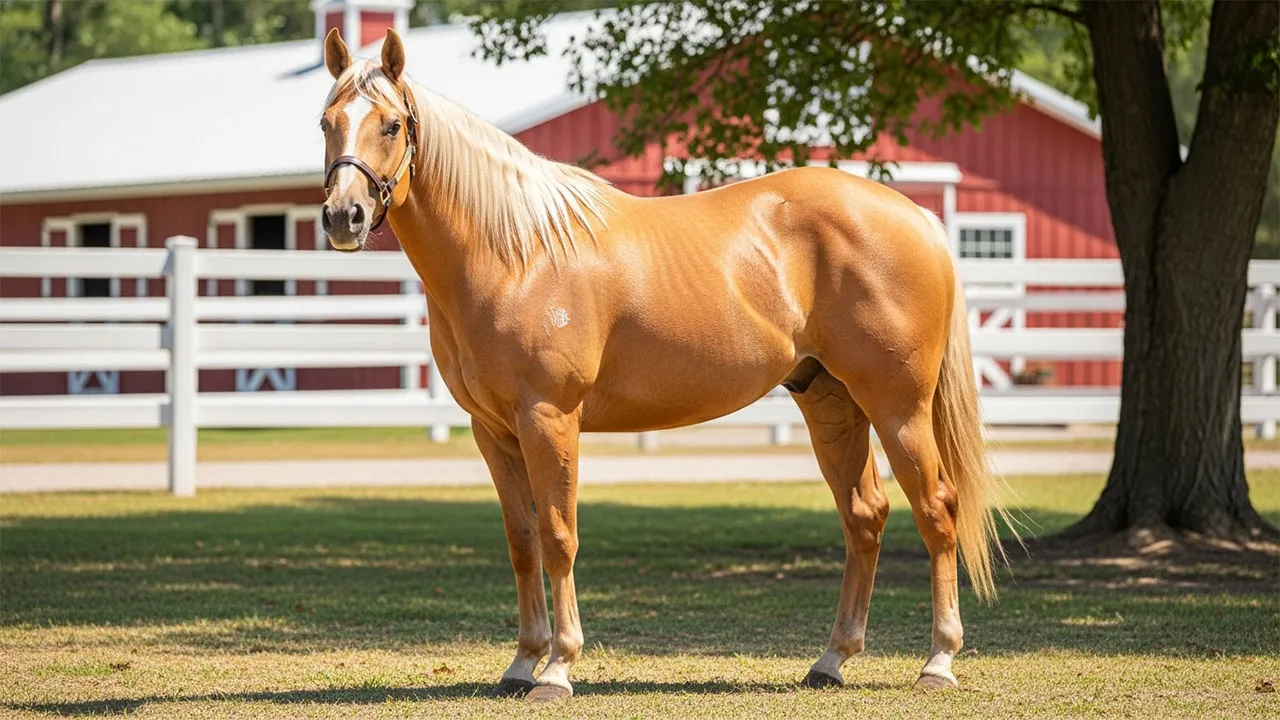
American Quarter Horses are highly trainable, able to master diverse disciplines with focus and cooperation. Their intelligence makes them fast to pick up complex exercises, and they respond well to structured guidance. This ability is ideal for tasks that demand precision and reliability.
Precision in Training
These horses excel when learning specific movements or skills required for performance or work. Positive reinforcement and natural horsemanship techniques often yield the best results, keeping them engaged and responsive. Trail-ready qualities include
Smooth execution of complex cues
Calm adjustment to unfamiliar objects
Quick reflexes for sudden changes
Confident Partners
Consistency and gentle guidance strengthen the partnership between horse and rider. Early desensitization to varied stimuli prevents spooking and builds trust, as Britannica notes. These traits allow them to perform specialized tasks efficiently while staying responsive and composed.
3. Arabian
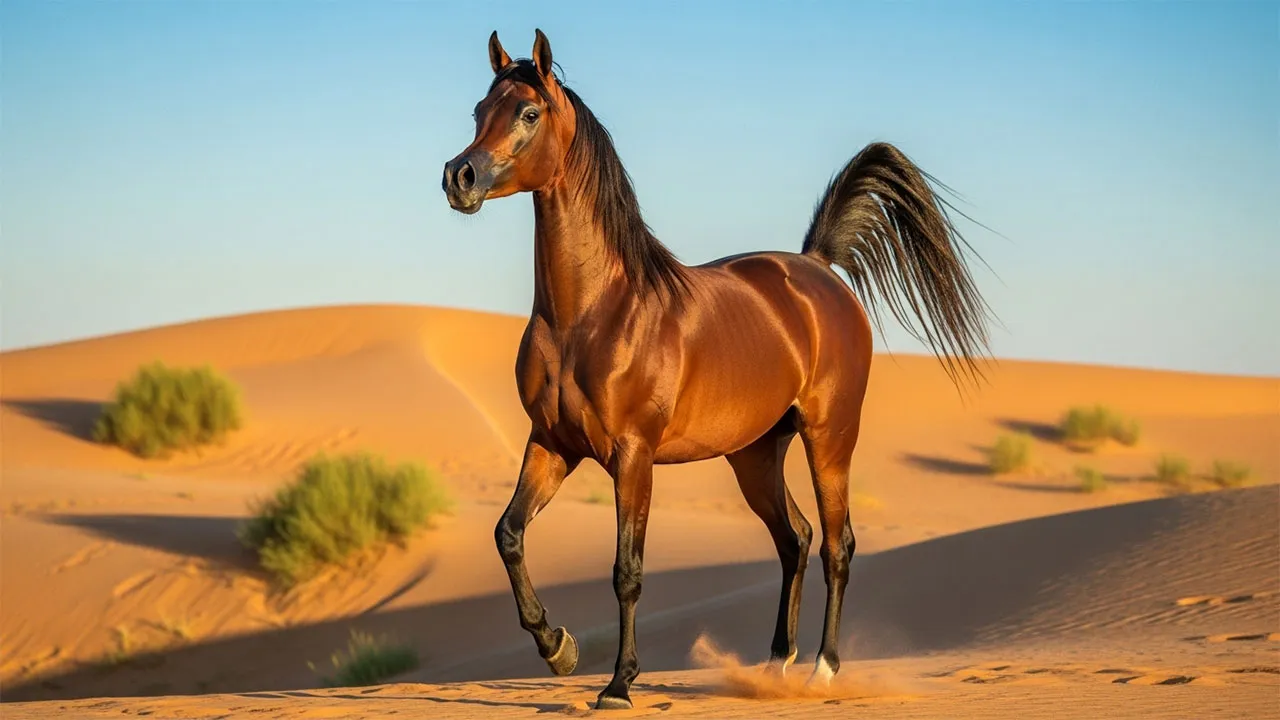
Arabian horses impress with intelligence and sensitivity, making them excellent for specialized riding purposes. Their alertness allows riders to navigate challenging courses with confidence. Precision and adaptability shine when they are trained for endurance, show, or competitive events.
Strengths on the Trail
They excel at long-distance work while remaining responsive and focused, as per US Equestrian. Their stamina and balanced movement make them dependable for extended sessions in open spaces.
Riders quickly notice these practical advantages:
Consistent pace over long stretches
Quick recovery between demanding exercises
Stable footing on varied surfaces
Versatile in Competition
Arabians transition smoothly between disciplines, from endurance to open show events. This flexibility allows them to adapt to training and performance demands efficiently. Their intelligence and responsiveness contribute to success across multiple equestrian activities.
4. Clydesdale
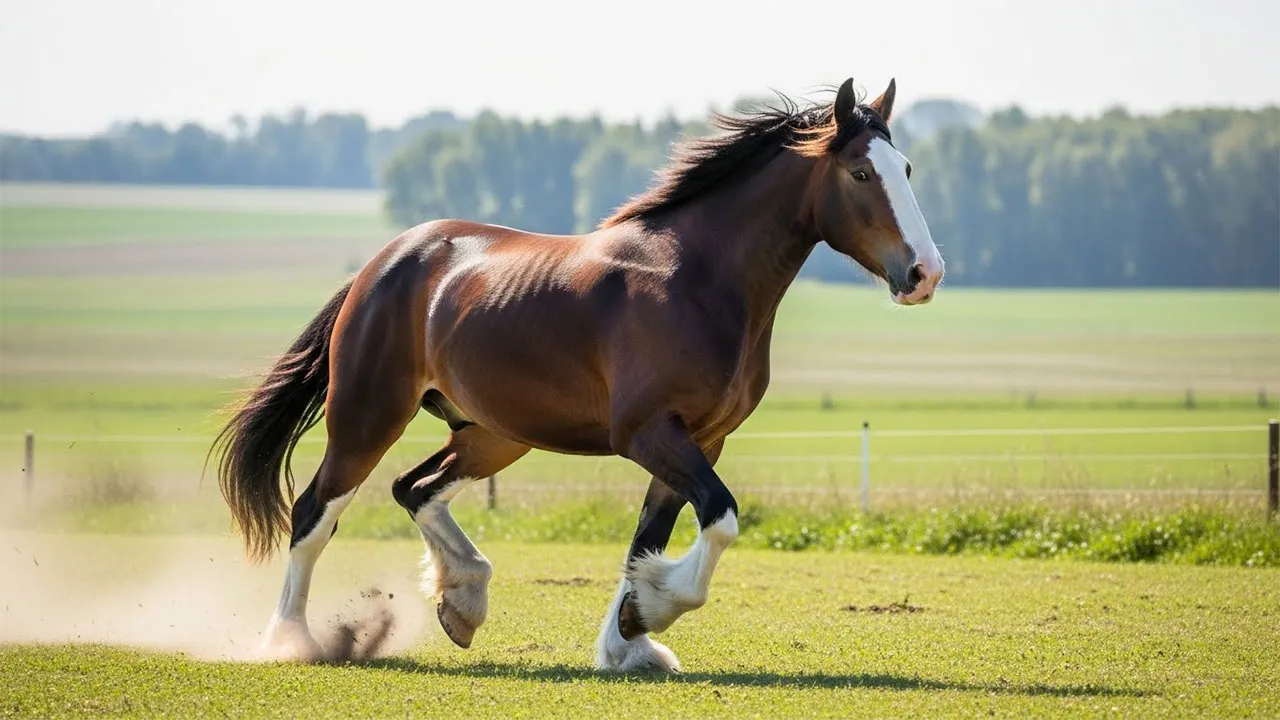
Clydesdales impress with their towering frame and trademark feathered legs, yet their calm nature makes them manageable for trained riders. Their high-stepping gait gives rides a rhythmic flow, turning long sessions into controlled and engaging experiences.
Power That Serves a Purpose
These horses combine strength with trainability, which suits tasks that require precision and endurance. Their balance and coordination allow smooth navigation across demanding paths and controlled environments.
You see their strength in action here:
Steady pace over uneven terrain
Responsive to structured guidance
Durable and adaptable to cold or rough conditions
Trail Confidence Built In
Clydesdales remain composed on varied terrain, providing stability for riders venturing across wild or unpredictable trails. Their feathered legs protect against debris, and their grounded posture keeps footing secure, as PetMD stated. Even when paths shift unexpectedly, they maintain forward momentum without losing focus.
5. Belgian Draft Horse
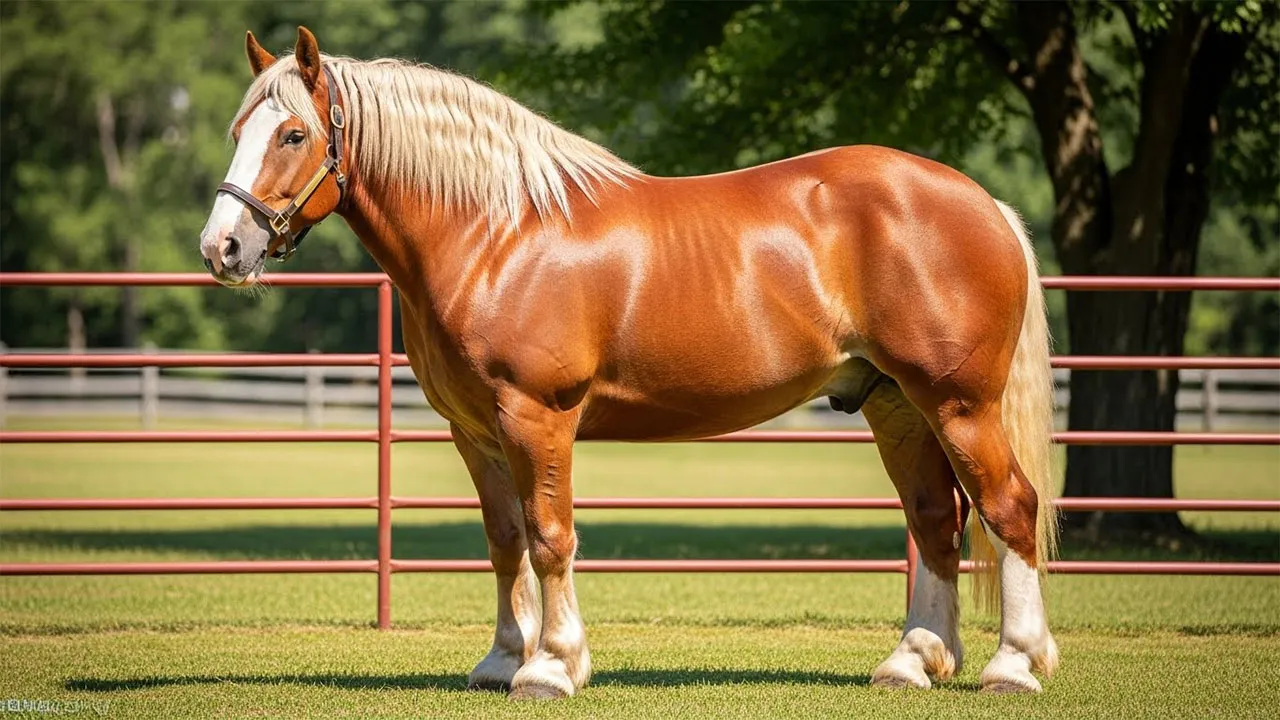
Belgian Draft Horses are known for their immense strength and calm presence, making them ideal for heavy work and structured training. Their movements are deliberate and steady, which is useful when performing tasks that require precision.
Traits That Make Training Effective
These horses combine size with remarkable composure, which supports specialized training and long-term tasks. Their willingness to follow cues pairs well with consistent work schedules.
These traits make them excel at tasks like:
Strong, steady gait for pulling or work
High tolerance for repetitive tasks
Calm focus even under pressure
Adaptable Yet Focused
Belgian Drafts can transition between tasks without losing concentration, which helps in environments that demand reliability. Their mental clarity allows them to remain attentive for hours of activity. This makes them well-suited for roles where both strength and patience are essential.
6. Percheron
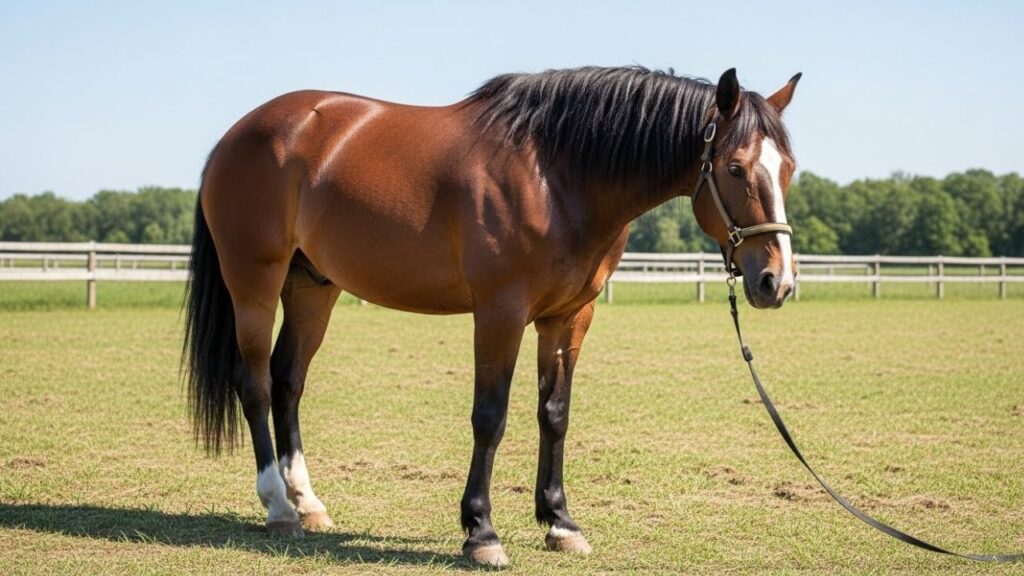
Percheron horses bring calm strength to any activity that requires focus and training. Their natural steadiness allows humans to work with them in riding skills development or dressage routines. They move with surprising agility for such large and powerful animals, making complex maneuvers feel smooth.
Versatility Through Training
When properly trained, Percherons adapt to different disciplines and tasks with ease. Their responsiveness helps maintain control and precision over long sessions.
These qualities enhance performance in varied environments:
Smooth transitions between gaits
Endurance during sustained work
Balanced movement under pressure
Performance Beyond Draft Work
Muscle tone develops naturally as Percherons engage in pulling, riding, or cross-training exercises. Crosses with lighter breeds create sport-type horses that excel in endurance and trail tasks. Their combination of strength, calmness, and adaptability makes them valuable companions for an active life.
7. Lipizzaner
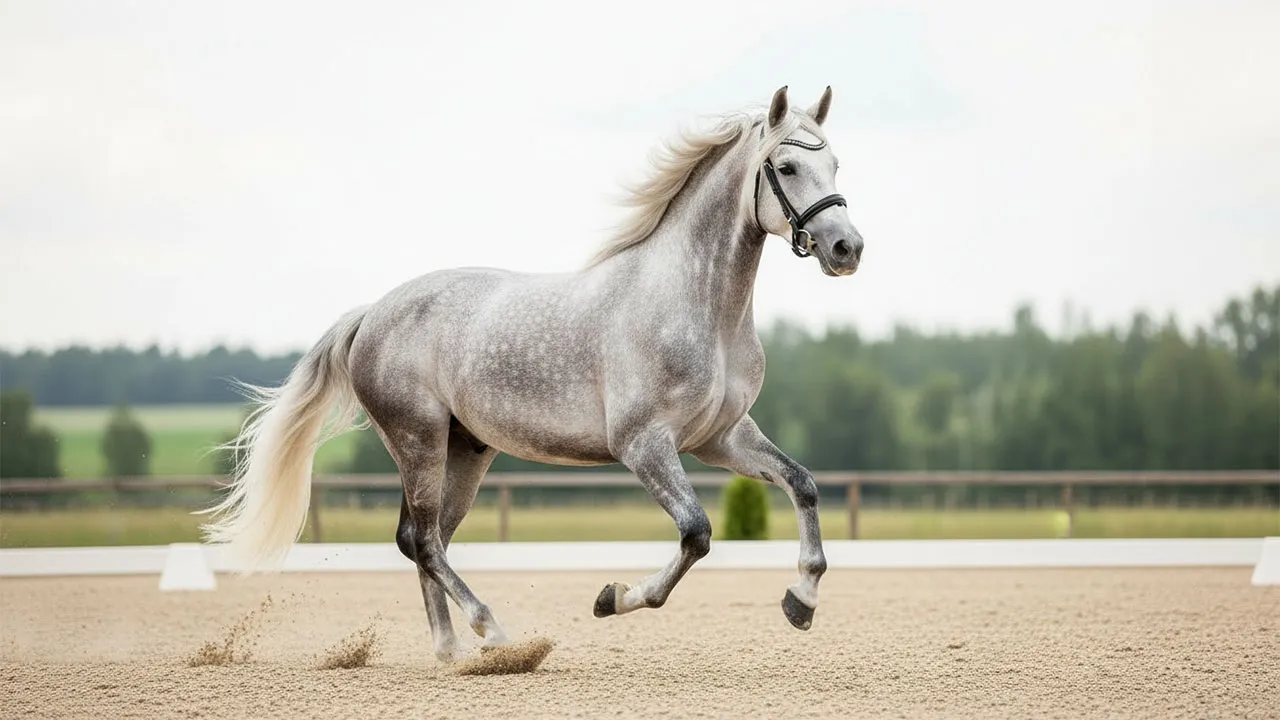
Lipizzaner horses are admired for their remarkable control and elegance under saddle. Their natural agility makes them exceptional for trail rides and specialized training. Every movement reflects years of selective breeding focused on balance, strength, and responsiveness.
Skills That Impress
The breed excels in classical dressage, showing off lifts, turns, and collected steps with clarity. Their discipline translates well to therapies and riding programs that require patience and focus.
A few features that illustrate their capability:
Controlled, fluid movement in all gaits
Quick adaptation to subtle rider cues
Calm response in structured and open environments
Longevity of Performance
Lipizzaners can sustain athletic careers for decades with proper care. Their mental sharpness complements physical strength, allowing them to learn advanced maneuvers without stress. This combination keeps them engaged in training while maintaining reliability for longer rides.
Conclusion
Specialized training reveals how a perfect horse is shaped by patience rather than force. Each role depends on matching discipline to individual needs, whether guiding a therapy horse or supporting therapeutic riding programs. Through careful preparation, movement aligns with the rider’s body, building trust and confidence over time.
Strong muscle tone supports balance, while calm awareness protects mental health during demanding tasks. There is no single perfect horse for every role, only the right partnership for the moment. These horses show that purpose-driven training transforms ability into responsibility, creating reliable companions that work with humans through skill, restraint, and quiet understanding.
