




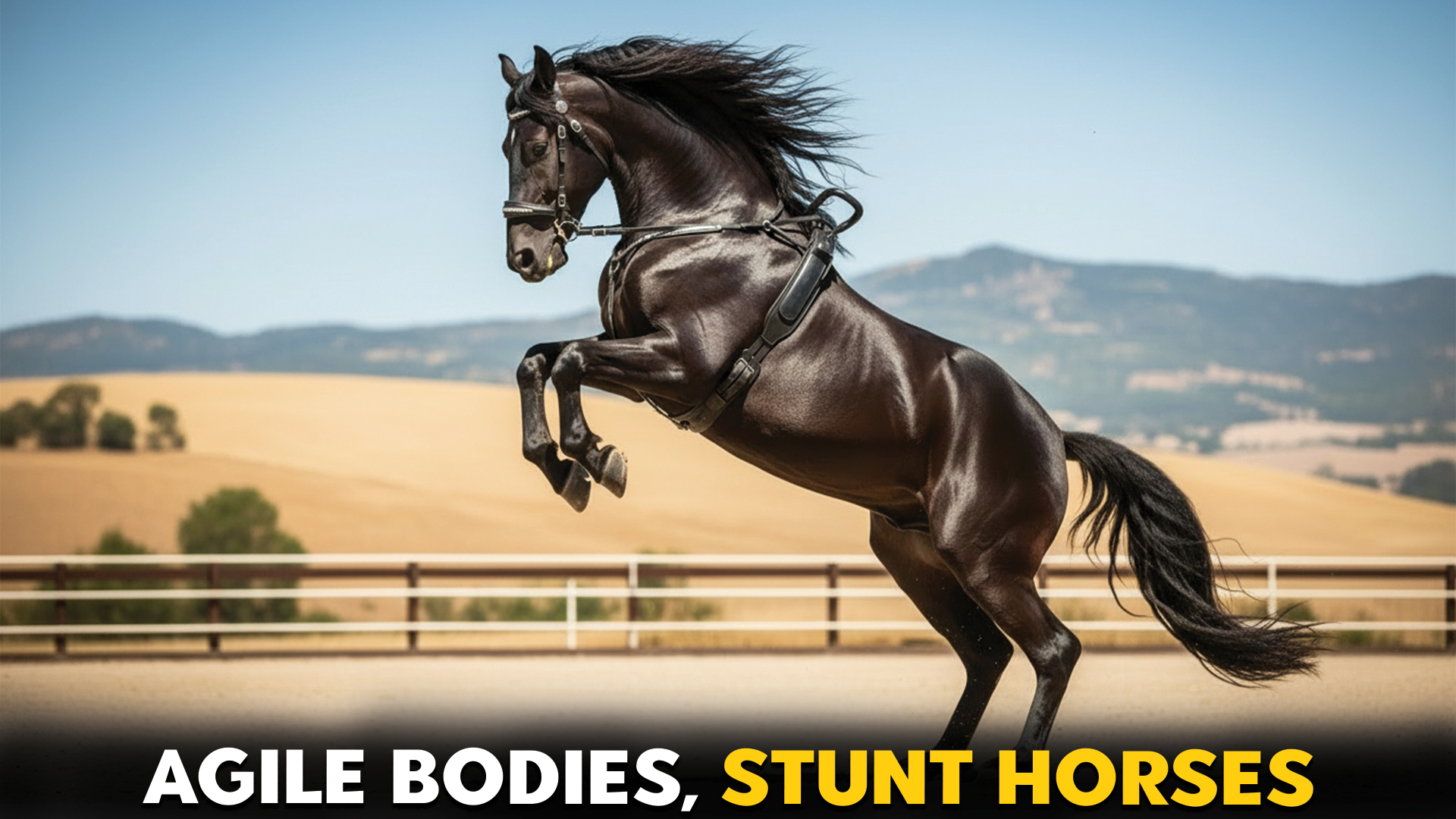
At first glance, a stunt performance looks wild and unpredictable. In reality, it is one of the most controlled forms of equine movement.
Horses trained for stunts perform jumps, spins, rears, and collapses with careful precision. Nothing is rushed. Nothing is improvised. Each movement is executed within strict physical limits. Power is restrained, not unleashed. Speed is measured, not recklessly.
These horses train to remain calm while performing high-impact actions under intense stimulation. Their strength supports balance rather than force. Their focus allows repeatable accuracy. This balance between intensity and control defines stunt performance. It separates spectacle from skill.
This article examines how stunt horses achieve this balance, how training minimizes risk, and what makes these performances both visually striking and technically demanding.
Key Takeaways
Horses can dazzle with skill, turning leaps, spins, and precise steps into performances that leave audiences breathless.
Andalusians command attention with flowing manes and elevated movements, while Arabians combine elegance with quick, controlled reactions.
Friesians, Quarter Horses, and Appaloosas balance power with precision, adapting seamlessly to fast spins, tight turns, and complex patterns.
By the end, you’ll see which seven breeds have the strength, balance, and training that let them shine in stunt performances.
Horses That Can Perform Incredible Stunts
1. Andalusian
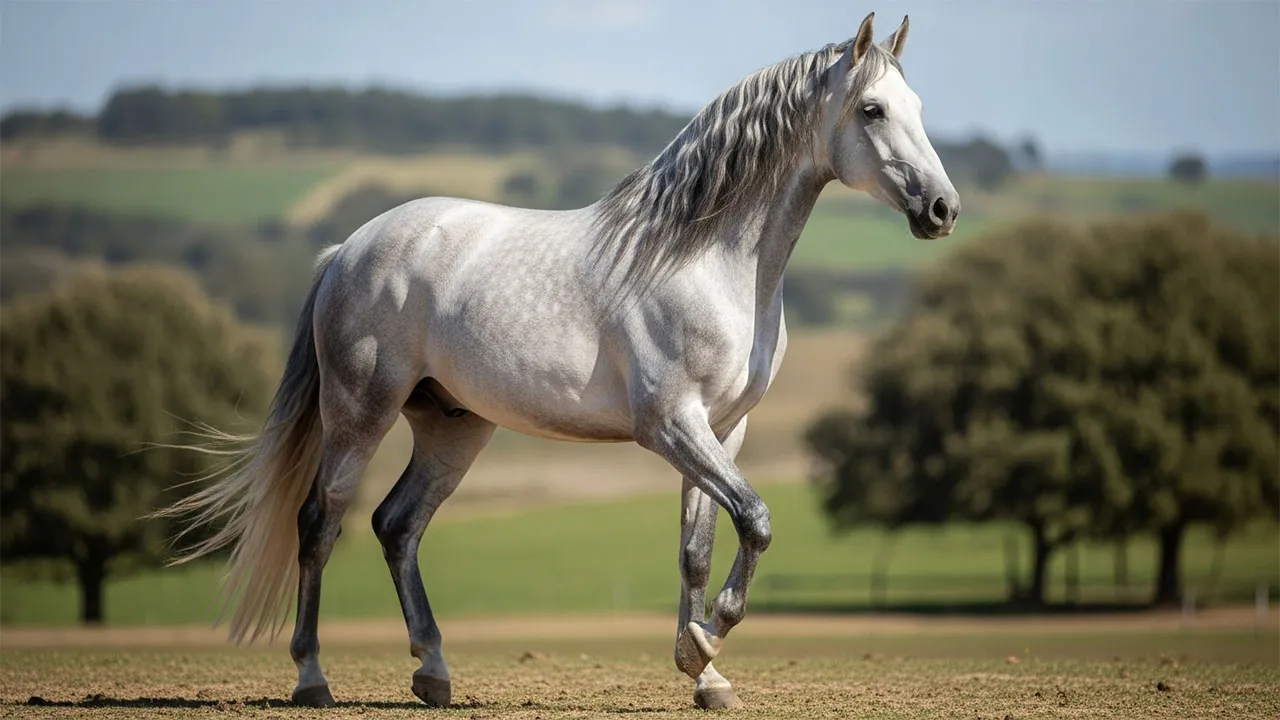
Andalusian horses are renowned for their precise body control, which makes their movements appear clean and intentional. That control allows tight turns, elevated steps, and quick transitions without losing balance. In stunt-focused settings, this clarity of movement keeps performances sharp and readable.
Built for Show Commands
Compact strength and natural collection help this breed respond well to detailed cues. Their training history in high-level arenas translates easily to controlled stunt work.
That readiness shows up clearly in action:
Elevated leg action
Fast response to cues
Strong balance in place
Presence That Draws Attention
Andalusian horses bring a commanding look that naturally suits performance environments. Flowing manes and expressive movement amplify every maneuver effortlessly, as per The Spruce Pets. This visual strength is why they appear so often in parades and formal demonstrations.
2. Arabian
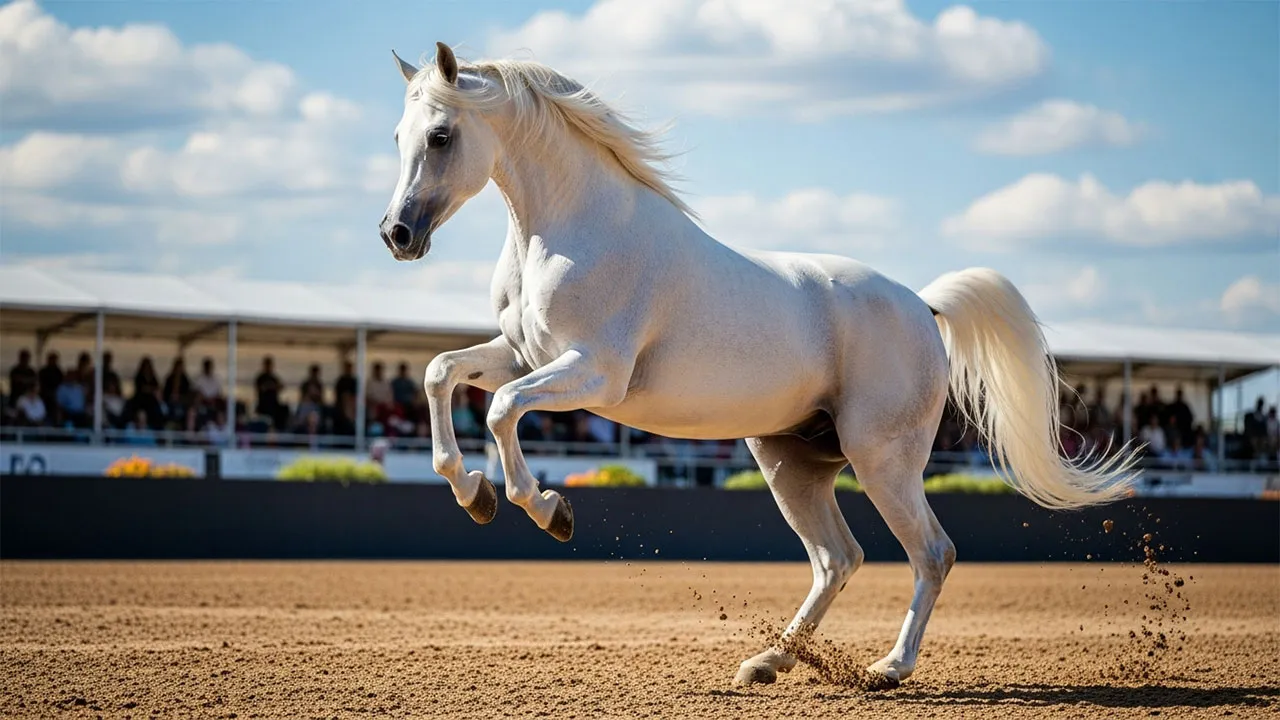
Arabian horses bring a polished look that naturally elevates stunt performances. Their elegant movement pairs well with controlled maneuvers that demand precision rather than brute force. This visual sharpness helps tricks appear smoother and more intentional during live demonstrations.
Strength Behind the Style
Arabian horses may be smaller-framed, yet their strength and balance support demanding stunt routines. Historic use in transport, mounted combat, and load pulling shaped a body built for coordination, as stated in MOHA.
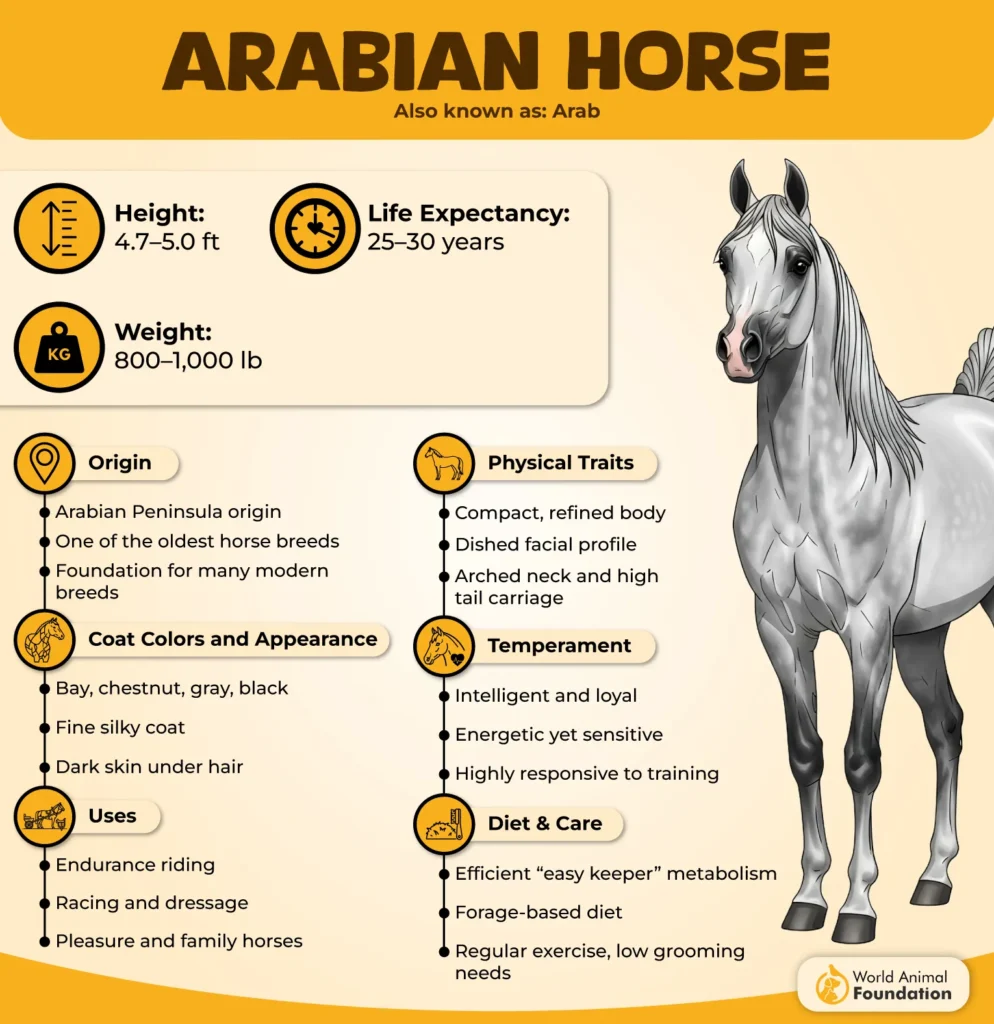
That background shows clearly once movement becomes technical:
Strong balance at slow speeds
Reliable power during lifts and turns
Quick adjustment mid motion
Stamina That Fuels Training
Arabian horses handle long training sessions with consistency, thanks to endurance shaped by extended travel in difficult conditions. Repetition matters in stunt work, and fatigue often breaks form before skill does. This stamina allows sequences to be practiced repeatedly without loss of control.
3. Friesian
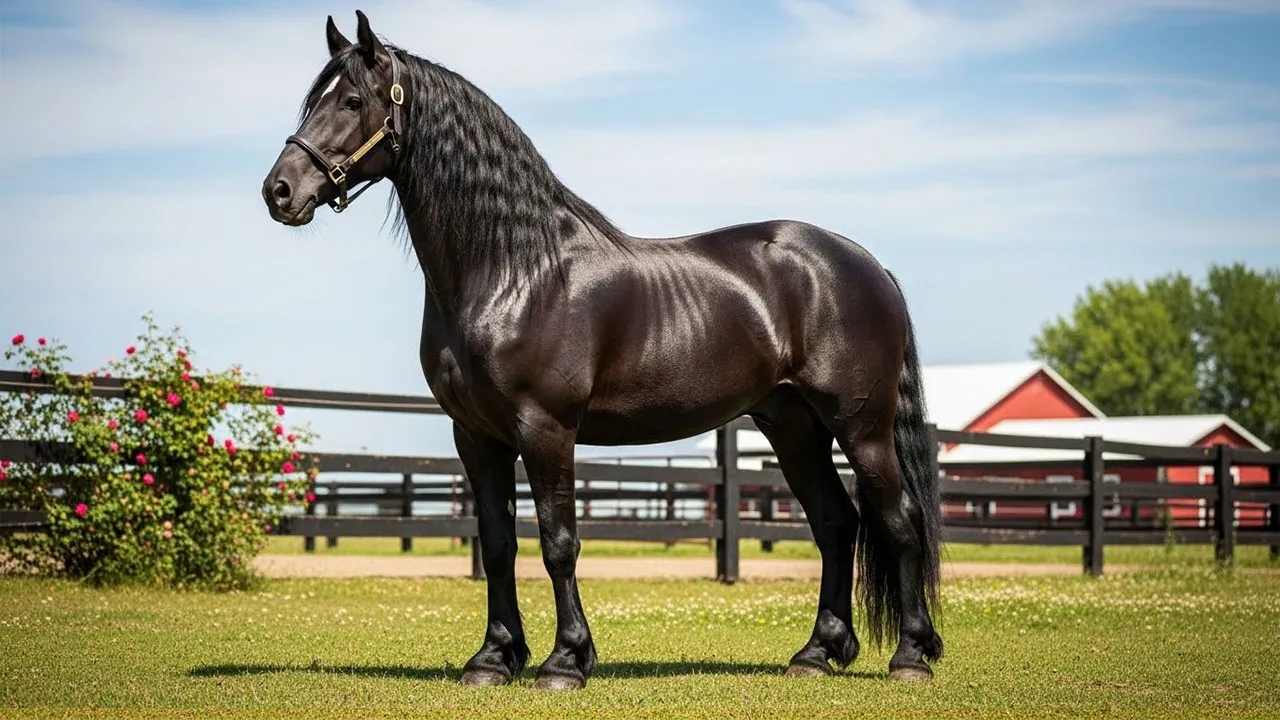
Friesian presence stands out through elevated steps and smooth transitions that read clearly from a distance. That expressive motion makes complex maneuvers easy to follow during choreographed routines and stunt work. Every stride feels deliberate, which helps timing to land exactly where it should.
Strength Meets Control
Power sits beneath the elegance, allowing demanding movements to stay steady and balanced. When precision matters, that control becomes the difference between a clean stunt and a rushed one.
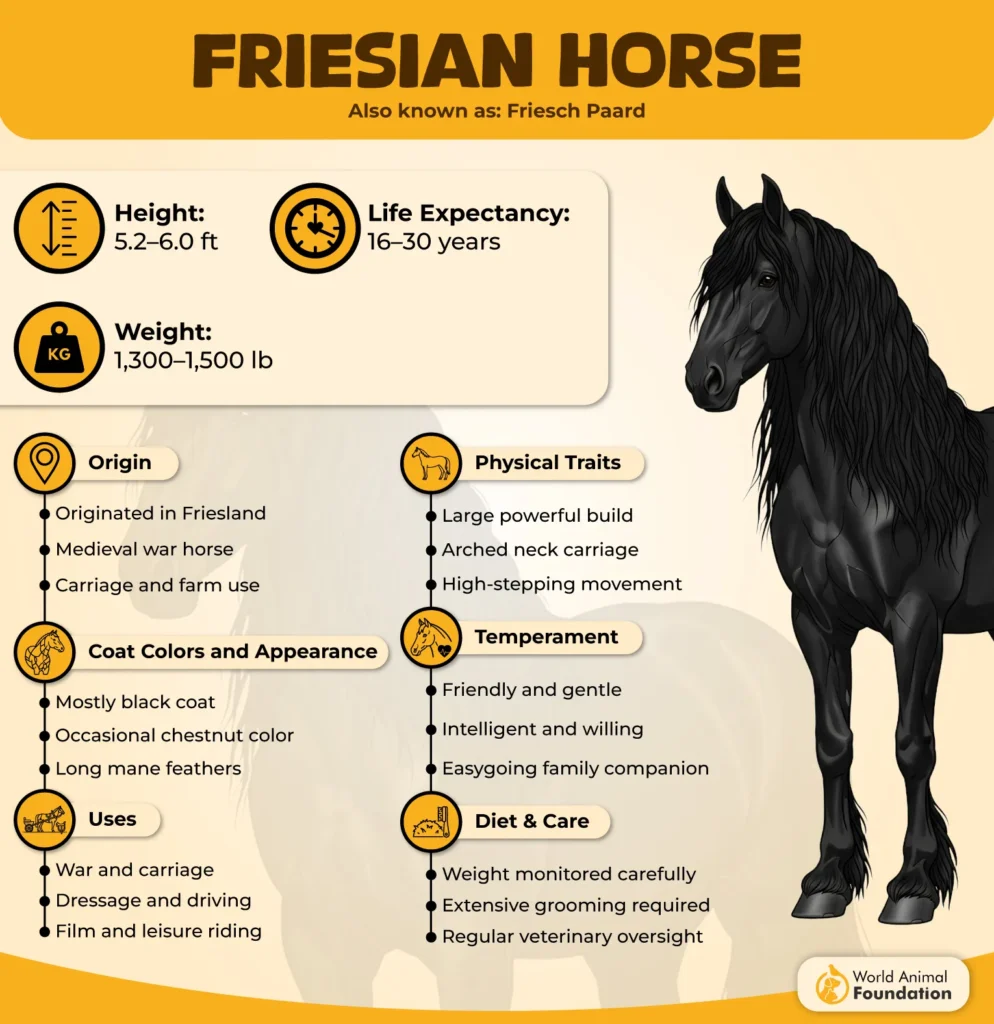
A closer look explains why this breed adapts so well:
Elevated knee action
Strong hind engagement
Natural balance in motion
A Calm Mind on Busy Sets
Friesians are known for staying composed even when environments grow loud or crowded, as mentioned in Stanthornfarm. That steadiness supports stunt training where cues change quickly, and distractions are common. Their willingness to cooperate keeps routines consistent without constant correction.
4. American Quarter Horse
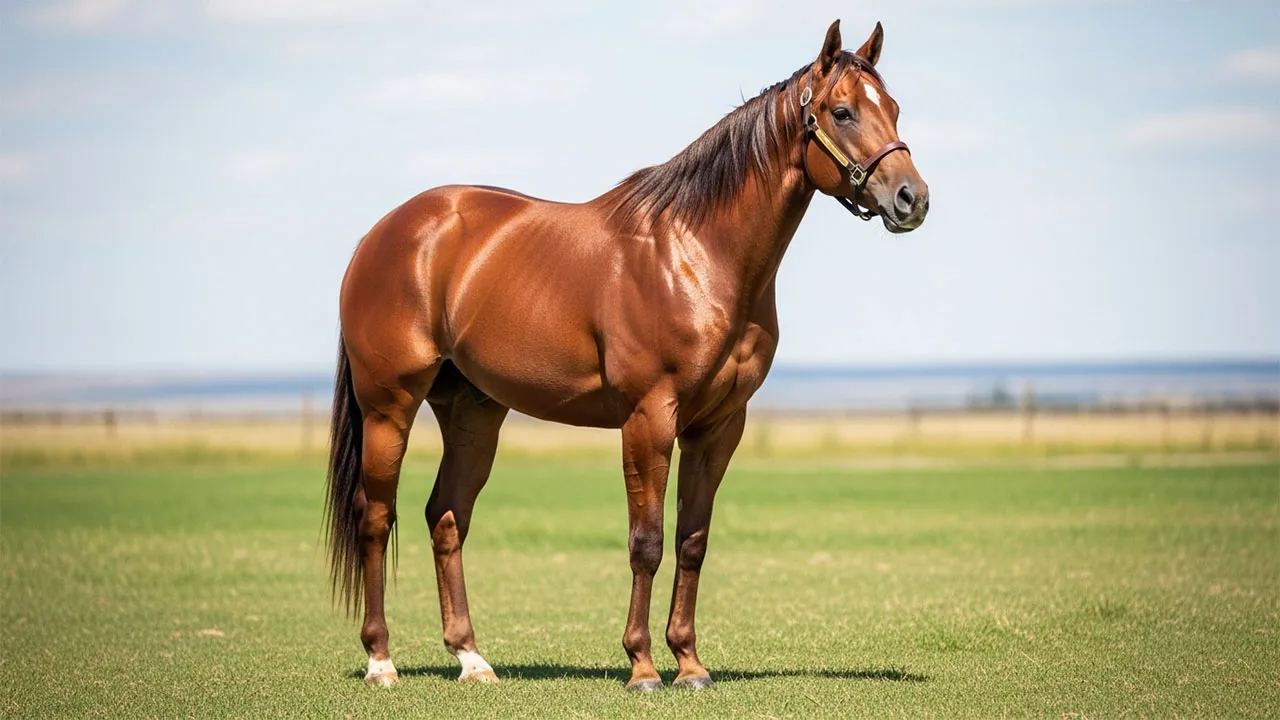
American Quarter Horse starts with explosive strength that stays manageable during fast sequences. Sudden turns, stops, and launches feel deliberate rather than chaotic. That control is what allows stunt work to look sharp instead of risky.
Athletic Range in Action
This breed moves easily between speed-based and precision-driven tasks without losing balance. Training benefits from how quickly patterns are understood and repeated cleanly.
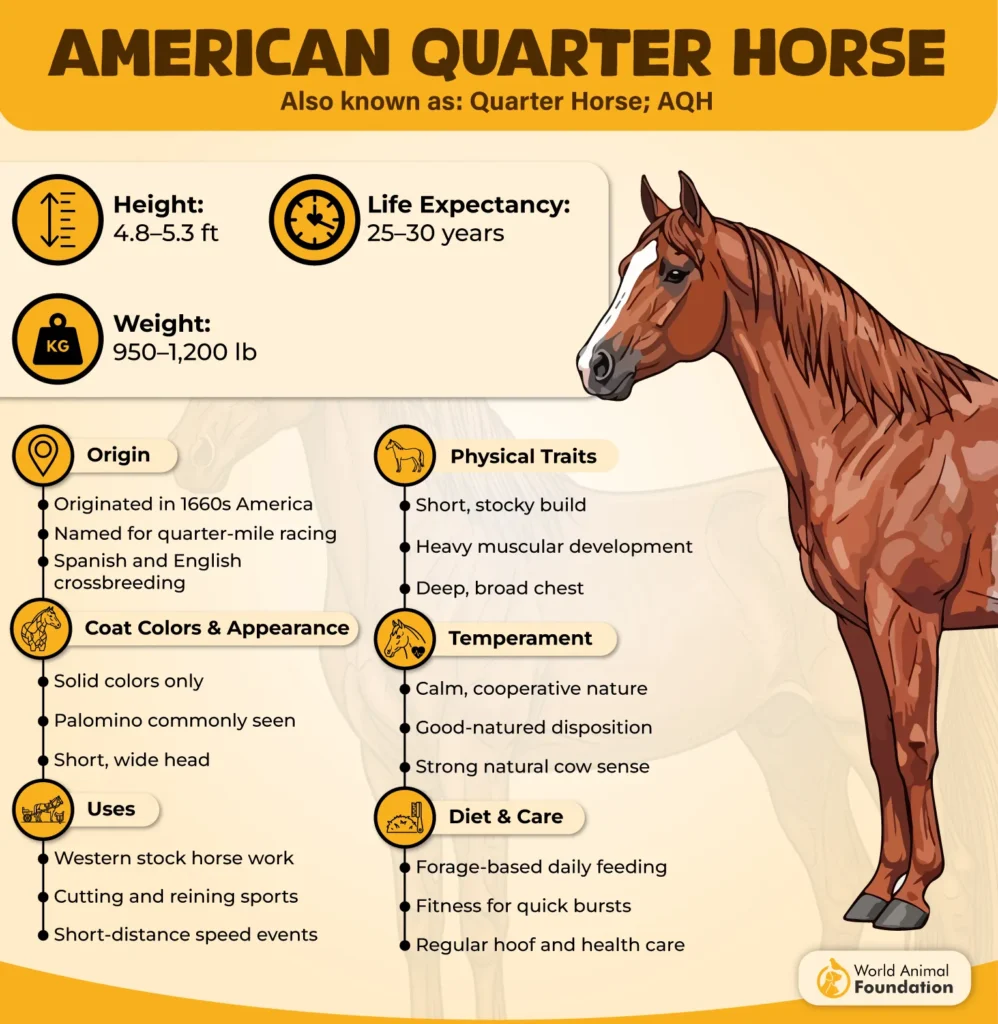
The versatility shows up clearly in performance settings:
Tight spins with stable footing
Fast bursts without loss of control
Smooth transitions between tasks
Trusted in Performance Arenas
Quarter Horses appear regularly in barrel racing, reining, roping, driving, and even show jumping and hunting environments. Sure-footed movement helps reduce mistakes when timing is critical. That reliability matters when stunts demand accuracy at speed.
5. Appaloosa
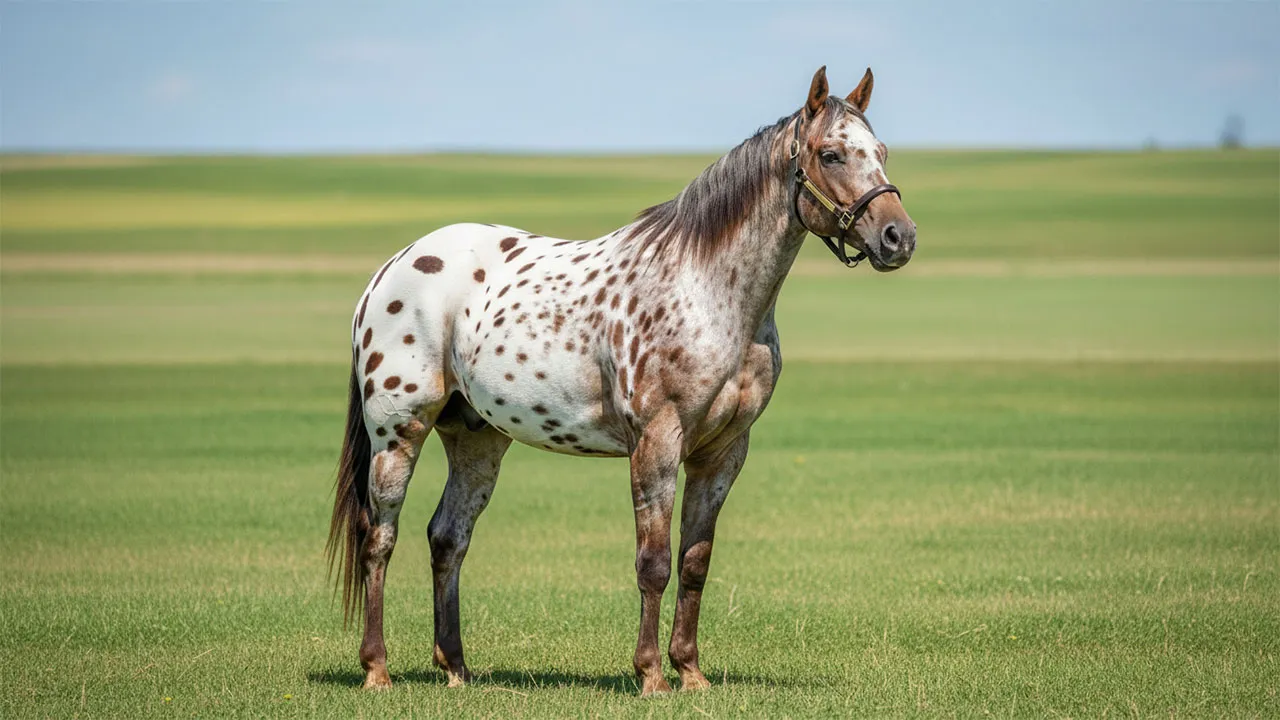
Appaloosa horses are known for steady minds and a willingness to learn complex patterns. That reliability matters when timing, balance, and coordination drive stunt-based performances. Clean foot placement and body control help movements look intentional rather than forced.
Adaptability in Motion
Appaloosa adjusts smoothly when routines demand quick changes in speed or direction. This flexibility allows performers to shape routines across different disciplines without starting from scratch.
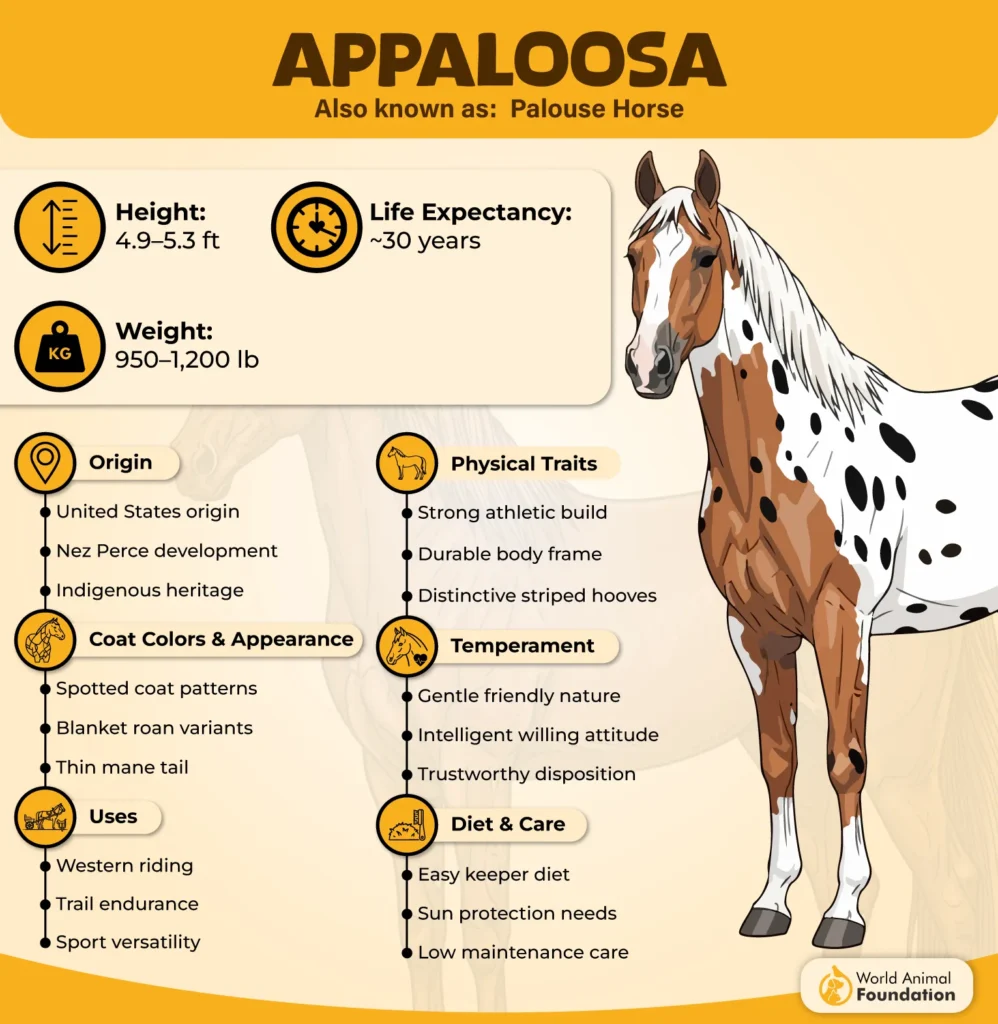
A horse’s strengths become clear in action:
Quick pattern recognition
Smooth directional changes
Consistent response to cues
Proven Across Performance Styles
Appaloosa appears across Western and English arenas with equal confidence. Barrel racing, reining, roping, endurance events, racing, and show jumping all demand different skill sets. That range allows stunt routines to borrow elements from multiple disciplines without strain
6. Hanoverian
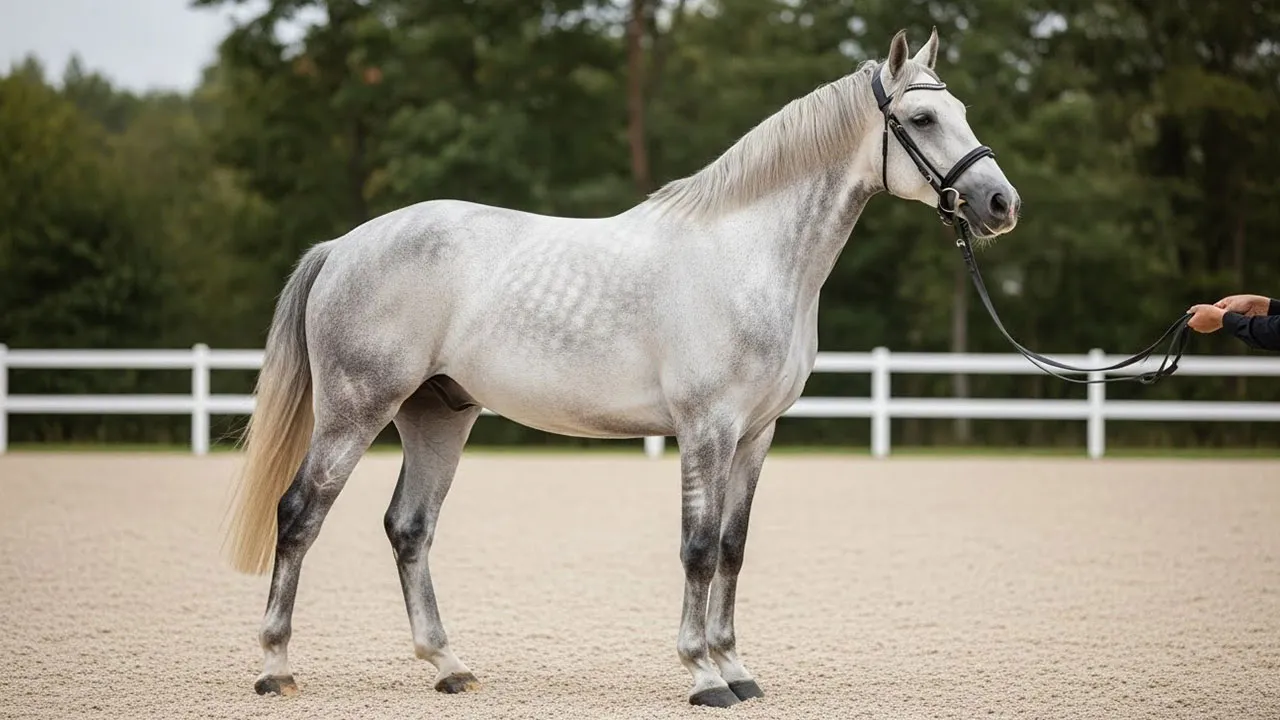
Hanoverian horses have controlled power, which is exactly what complex stunts demand. Their athletic build allows precise takeoffs, clean landings, and smooth transitions during advanced movements. This balance makes high-level stunt work look deliberate rather than forced.
Built for Technical Precision
In performance settings, this breed shows consistency that supports demanding routines. Their stamina allows repeated practice without loss of form, which matters when timing must stay exact.
A few performance-focused qualities explain why
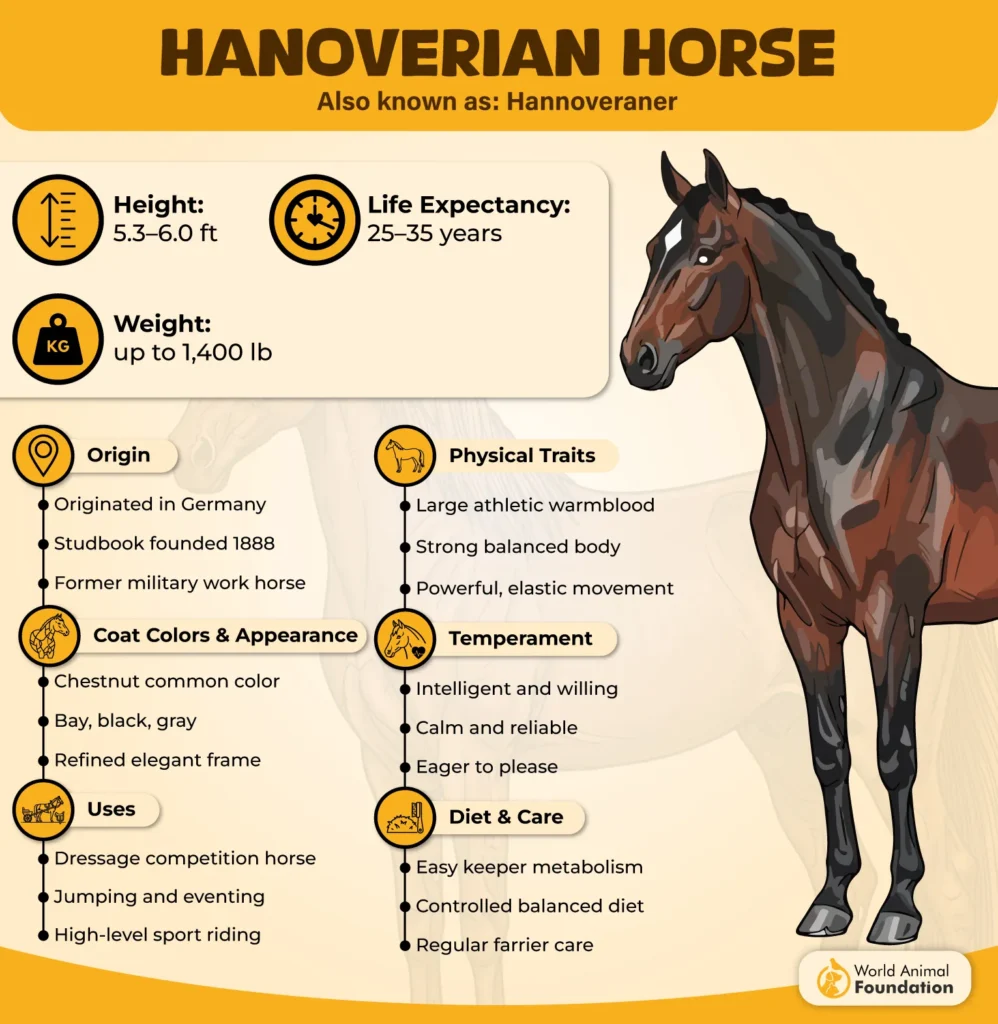
Strong suspension in movement
Reliable rhythm under pressure
Consistent energy through sequences
Dominance in Disciplined Arenas
Hanoverians have long been associated with elite dressage, where precision and control are non-negotiable. That same discipline translates well into stunt-based performances requiring tight patterns and elevated maneuvers. Their responsiveness supports advanced cues without hesitation.
7. Thoroughbred
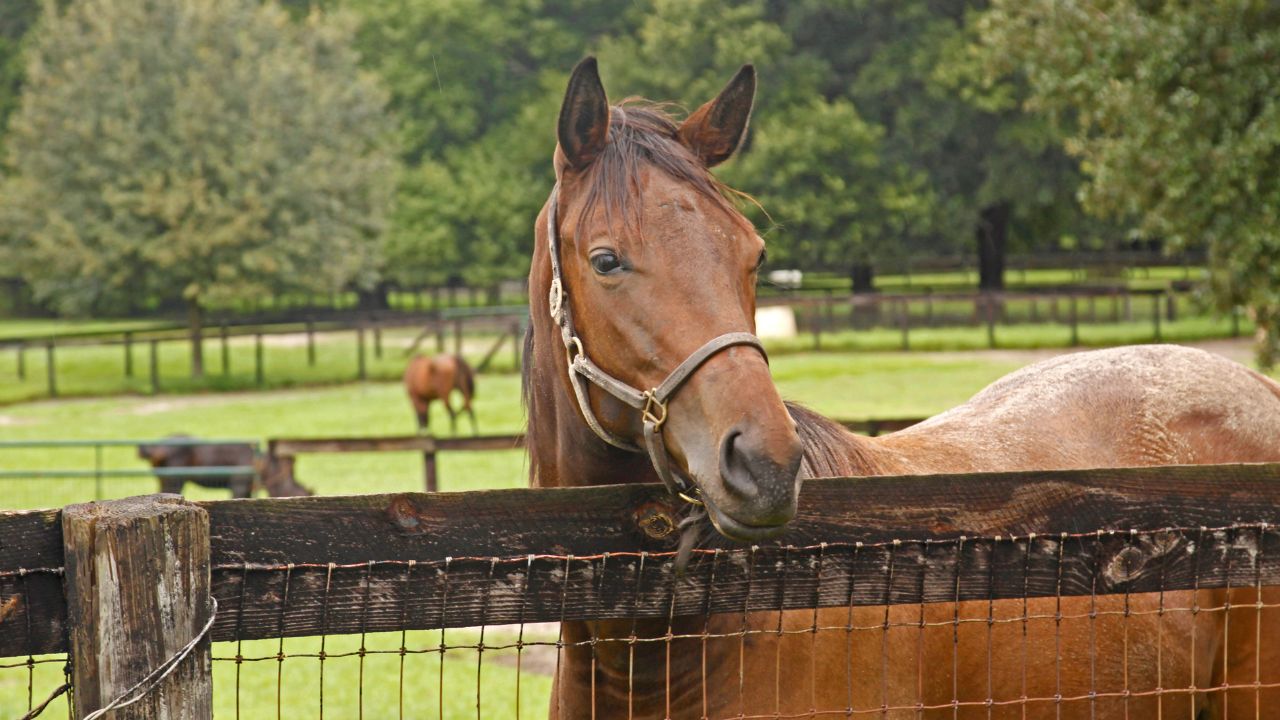
Thoroughbred horses are built with a lean frame and strong hindquarters that naturally support powerful movement. That structure allows clean takeoffs, sharp turns, and controlled landings during stunt-based work. Precision matters here, and this breed is physically equipped for it.
Speed Meets Technique
Quick acceleration pairs well with a body that responds instantly to cues during complex maneuvers. Training sessions often show how easily new movements are picked up and refined.
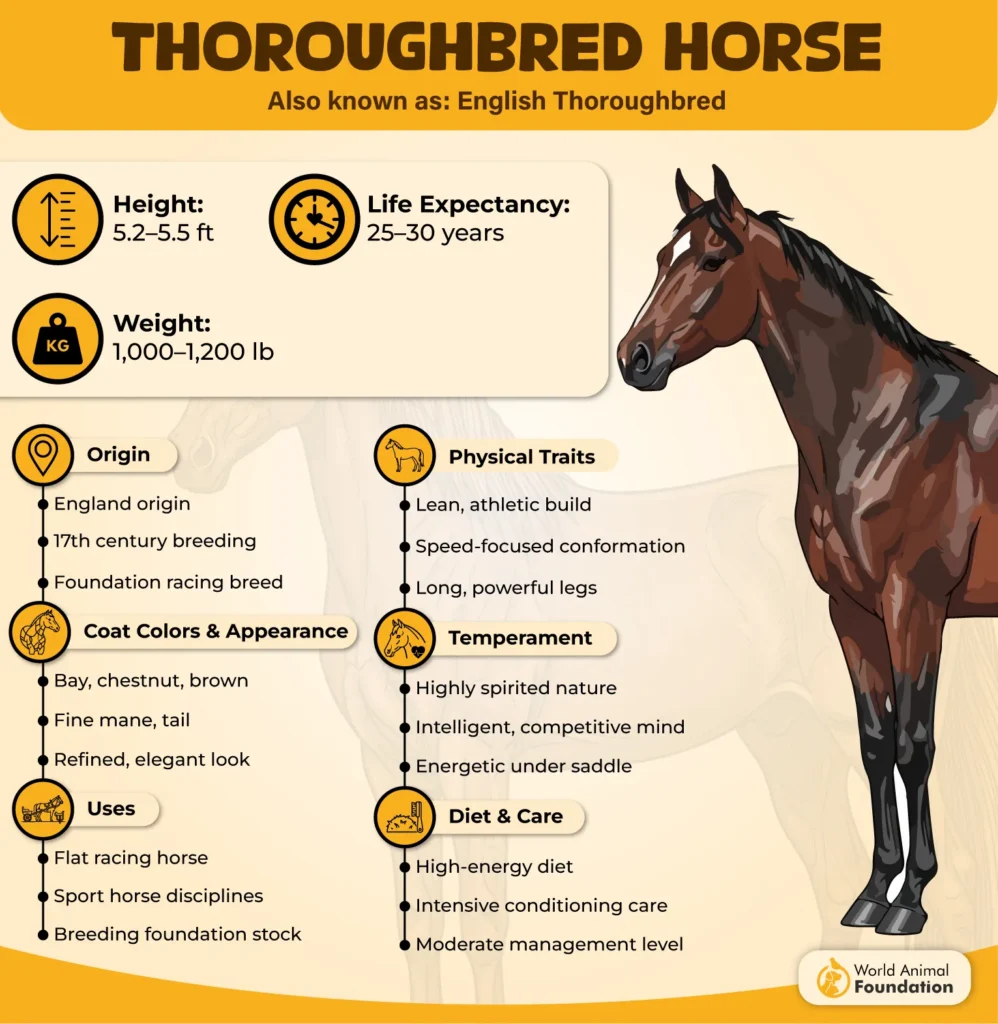
That combination becomes clearer through actions like:
Fast transitions between gaits
Strong push from the hind end
Smooth balance during the collected work
Discipline Beyond the Track
Experience in structured training translates well into stunt-focused disciplines such as dressage-inspired routines. Strength and stamina allow repeated practice without early fatigue. This consistency helps maintain form during demanding sequences that require timing and control.
Conclusion
Stunt horses are not created by force or chance. Their skill is built through positive reinforcement that shapes trust and consistency over time. Each treat marks correct effort and keeps learning calm. Riders rely on clear cues and repetition, not pressure, to prepare horses for demanding scenes. Across the world, these performances reflect discipline rather than danger.
The world sees spectacle, but training stays quiet and controlled. Riders guide movement with precision while horses respond with confidence. In the world of live shows and film scenes, safety depends on patience. Treat by treat, trust grows. The beauty of stunt work lies in restraint, not risk. Around the world, this balance defines true equine performance.
