




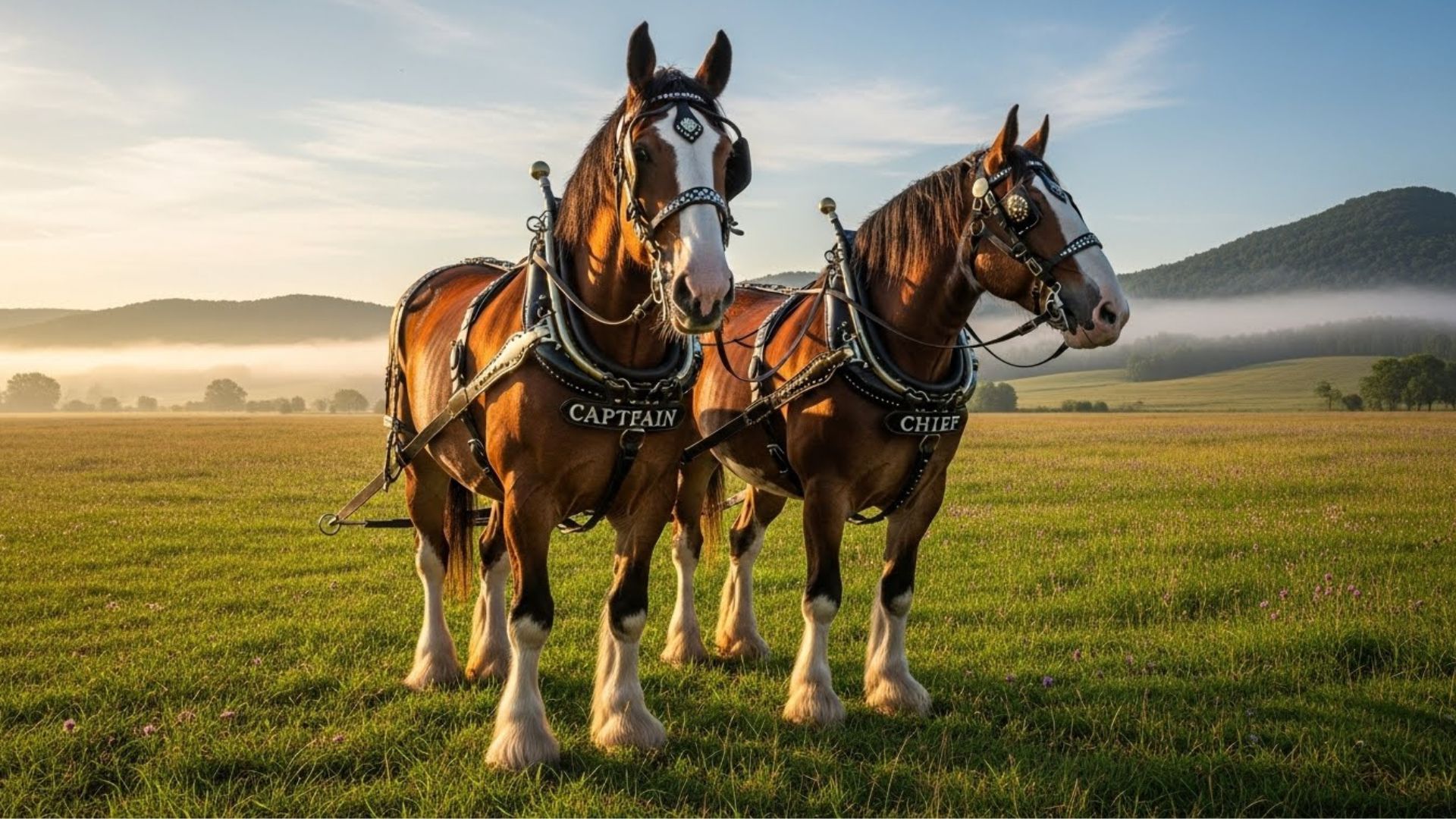
Some partnerships do not rely on words. They rely on rhythm, trust, and the quiet understanding built through shared movement.
Horses, known for teamwork skills, embody this kind of connection. They move not as individuals, but as part of a coordinated whole. They read cues, adjust pace, and respond to subtle signals with intention. In group tasks, their awareness extends beyond themselves. They sense space, timing, and responsibility.
Teamwork in horses is not forced. It is practiced, repeated, and strengthened over time. It shows in how they wait, how they align, and how they support collective effort. This ability to work together has shaped farming, transport, sport, and human partnership for centuries.
In this article, you will explore how teamwork shapes behavior, communication, and performance, and why these horses stand apart when collaboration matters most.
Key Takeaways
Horses that excel at teamwork can turn any group ride into a seamless performance.
Clydesdales and Percherons show calm focus and steady pacing, making even complex group tasks look effortless.
Friesians and Appaloosas bring rhythm and responsiveness, helping riders stay coordinated across trails or arenas.
By the end, you’ll meet all seven breeds that make cooperation look effortless, and learn which one stands out for ultimate teamwork.
Horses That Are Known for Their Teamwork Skills
1. Clydesdale
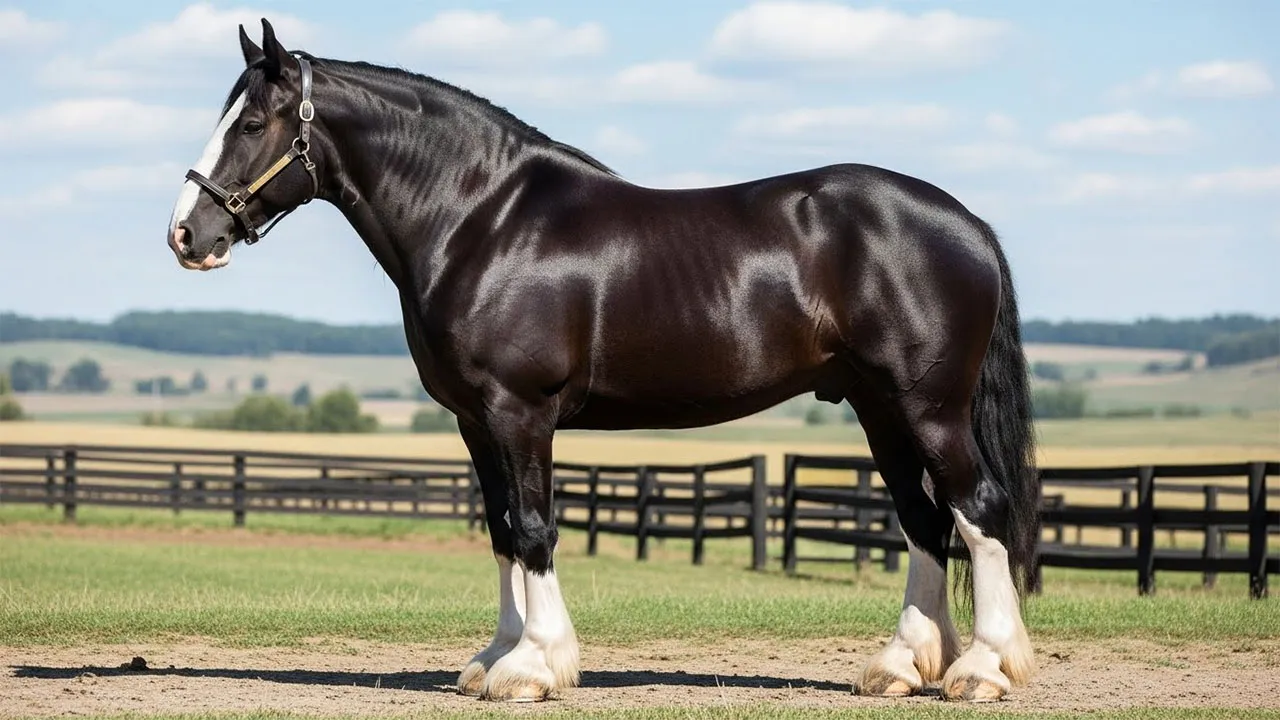
Clydesdale horses are known for working smoothly alongside people and other horses without friction. Their steady nature supports coordinated tasks where timing and trust matter. In group settings, this reliability turns size into an advantage rather than a complication.
Built for Shared Effort
This breed has long been valued in situations where cooperation is essential rather than optional. Whether moving in formation or responding to multiple handlers, their willingness shows through.
That teamwork becomes clearer when you look closer:
Calm responses under direction
Consistent pace in group work
Strong focus during coordinated tasks
Trusted in Formal Group Roles
Clydesdales have earned respect in highly structured settings that depend on flawless cooperation. Their use as drum horses with the Household Cavalry highlights trust, patience, and precision under pressure, as per The Livestock Conservancy. These roles require horses that respond cleanly to cues while staying composed in the presence of noise and movement
2. Percheron
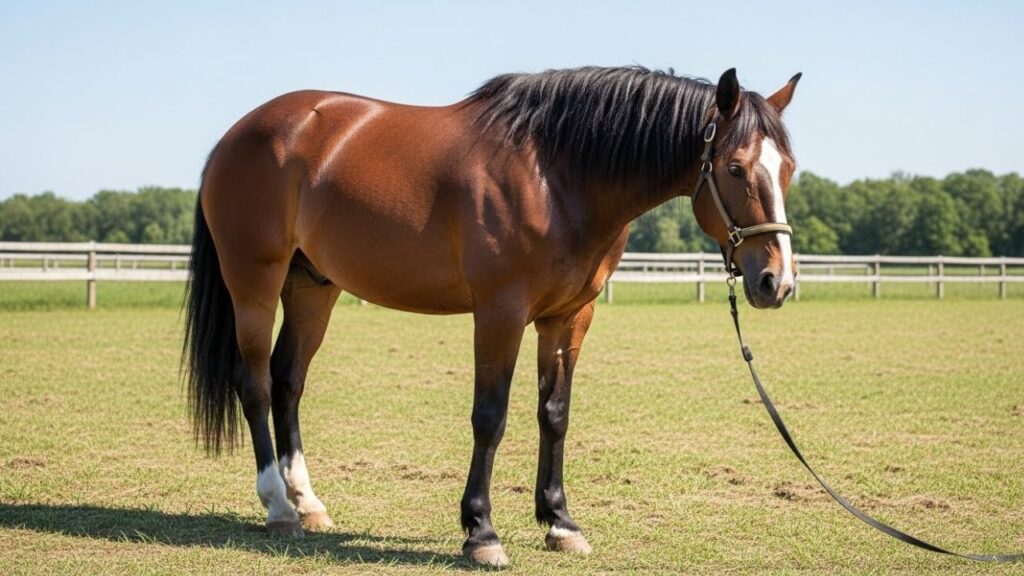
Percheron shows its teamwork strengths through steady cooperation rather than speed or flash. This horse is known for staying in sync with handlers, riders, and other horses during shared tasks. That reliability makes group work feel organized instead of forced.
Strength That Responds to Direction
Percheron performs best when cues are clear and consistent, which is why it fits structured team settings so well. Whether working in pairs or larger groups, responses stay measured and predictable.
Team settings highlight this clearly:
Smooth response to shared cues
Consistent pace beside other horses
Calm focus during complex tasks
Trusted in Public and Working Roles
Percheron is frequently selected for jobs where cooperation matters more than speed. As per PetMD, mounted police units, carriage teams, and farm work all rely on this breed’s ability to remain steady in coordinated environments. Staying composed around noise, movement, and crowds supports reliable teamwork.
3. Belgian Draft
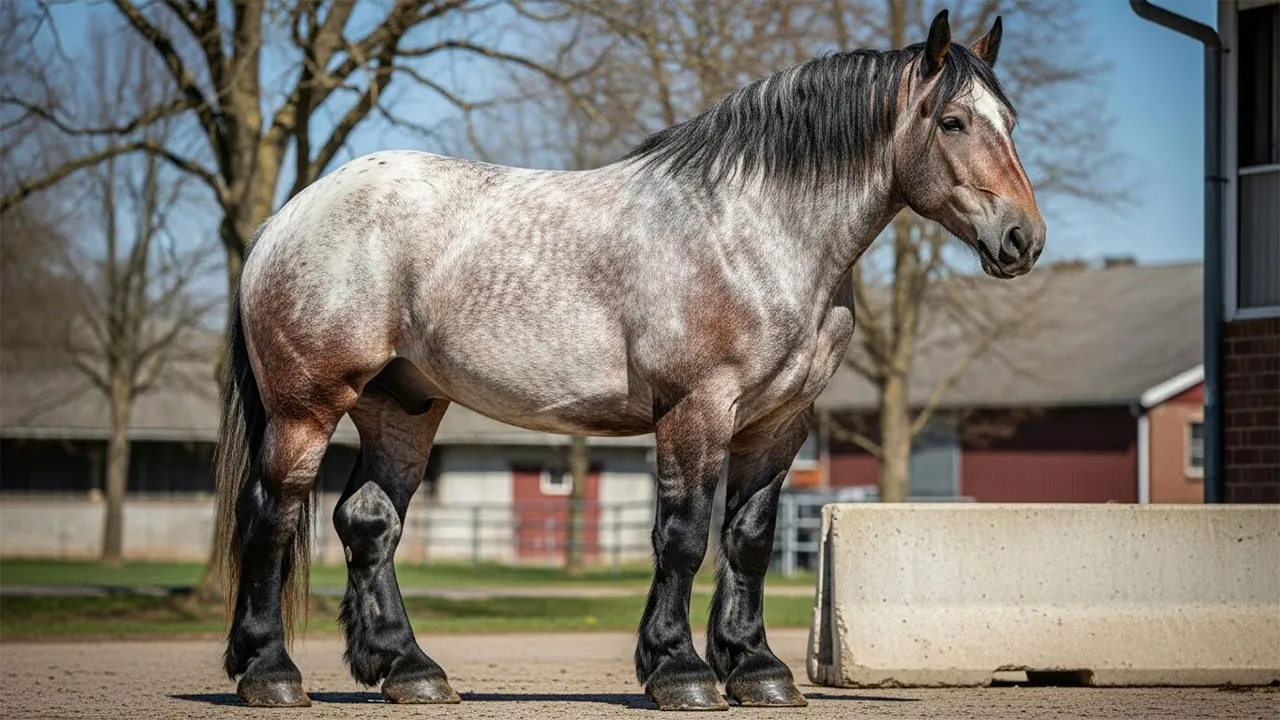
Belgian Draft horses are known for staying composed when tasks depend on more than one horse moving together. This steadiness supports teamwork where timing and cooperation matter more than speed. Group-driven work benefits from their predictable responses and calm presence.
Strength Shaped by Cooperation
Over time, this breed shifted into roles where collaboration was essential rather than optional. Belgian Draft horses learned to match rhythm and effort in shared labor, which still shows today.
That teamwork still shows here:
Even pace in paired pulling
Strong response to unified cues
Consistent effort without rushing
From Battlefield to Field Work
As their role changed from war use to agricultural labor, cooperation became central to their daily work. Belgian Draft horses adapted to structured routines that required trust between horses and handlers. Mechanization reduced their numbers, but not their usefulness in coordinated roles.
4. American Quarter Horse
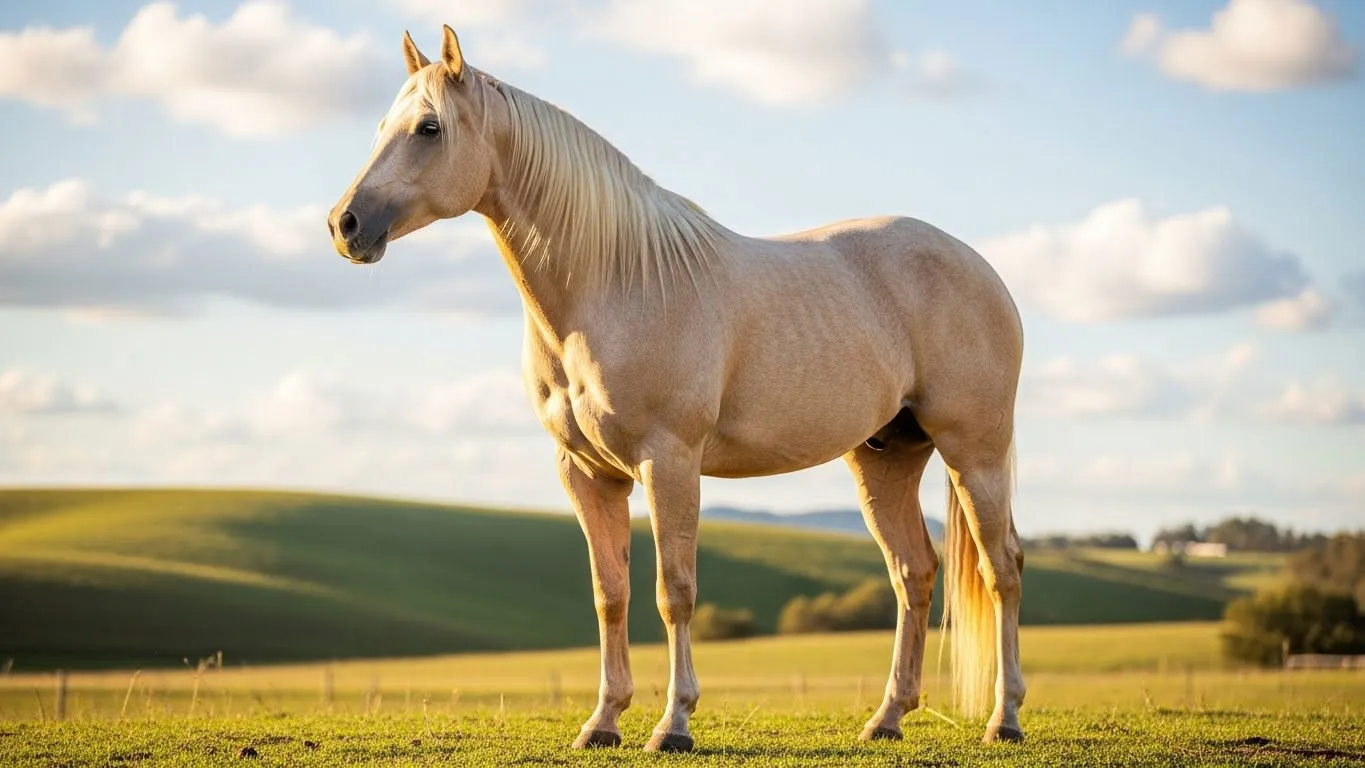
American Quarter Horse shows consistency that makes teamwork feel natural rather than forced. This breed responds quickly to rider cues, which helps when timing and coordination matter. In partner-based tasks, that responsiveness keeps everyone moving together.
Versatility That Supports Cooperation
American Quarter Horse adapts easily when working alongside people or other horses across different roles. From ranch tasks to organized arenas, it adjusts without losing focus.
That flexibility shows up clearly in how it approaches shared effort:
Fast acceleration over short distances
focus during repeated tasks
Smooth transitions between disciplines
Presence Beyond Competition
American Quarter Horse also appears in structured therapy programs where cooperation is essential. Its steady responses help build trust during guided sessions that require patience and predictability. That same quality supports clear communication between horse and handler in shared spaces
5. Morgan Horse
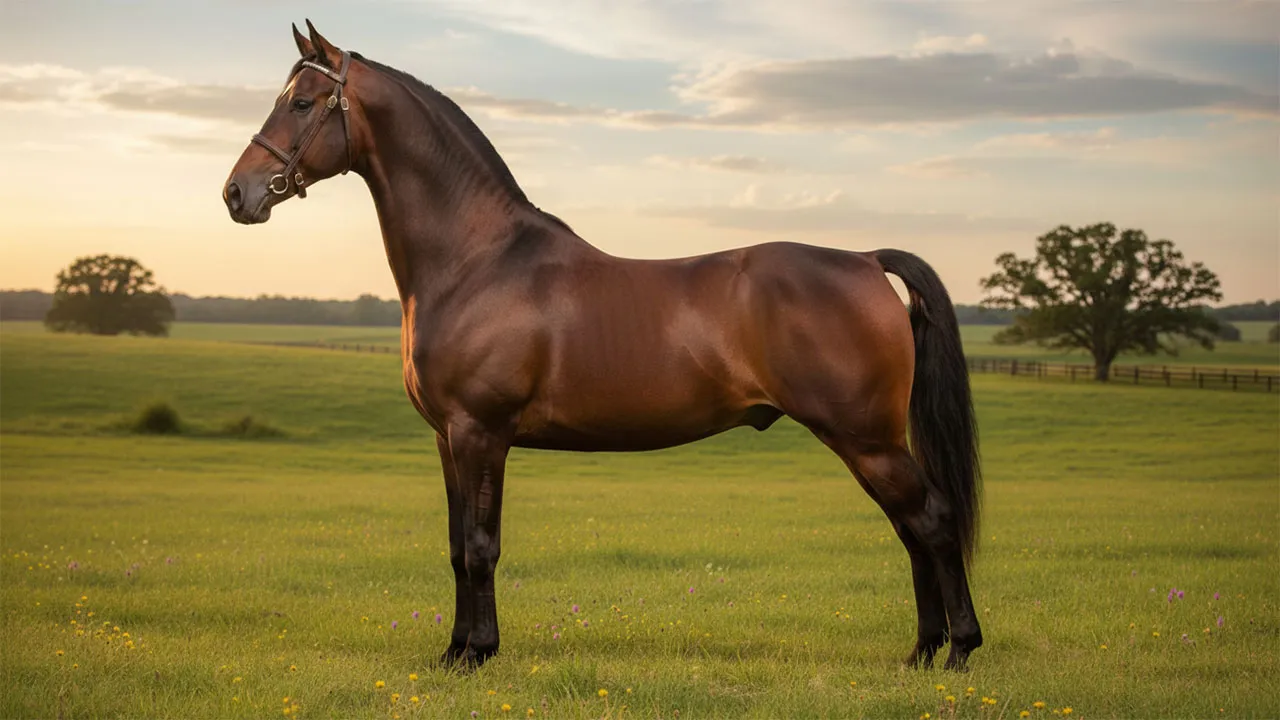
Morgan horses are known for their eagerness to work with humans and respond quickly to guidance. This attentiveness allows them to perform smoothly in paired or group riding activities. Their natural willingness makes coordination with other horses and riders feel effortless.
Practical Teamwork Qualities
Their versatility means they adapt well to different tasks, from trail riding to dressage or therapeutic work. These qualities shine in team-oriented scenarios, where adaptability and reliability matter most.
A few examples of what they bring to teamwork include
Reads rider cues accurately
Adjusts pace alongside other horses
Maintains focus in dynamic environments
Attentive and Engaged
Morgan horses are alert without being high-strung, noticing changes in terrain or group movement while staying responsive. This awareness helps maintain cohesion during rides that involve multiple horses or shifting conditions. Their attentiveness ensures the smooth execution of team tasks.
6. Appaloosa
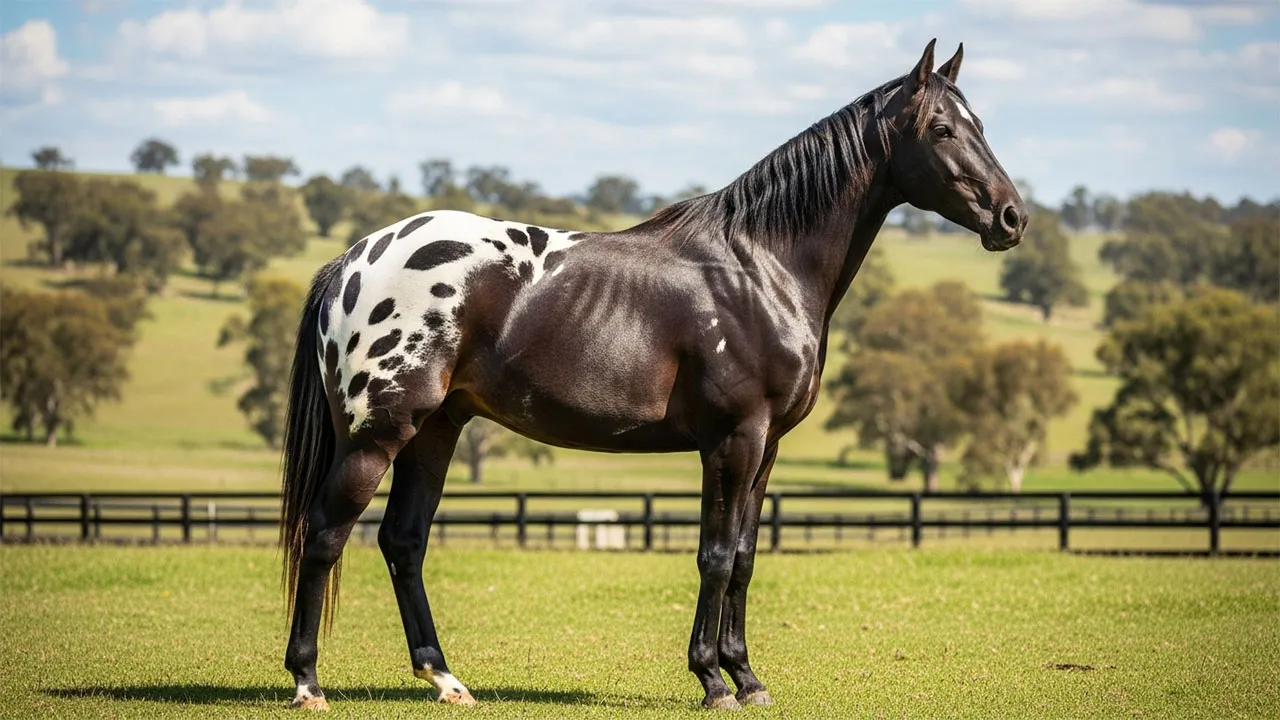
Appaloosa horses are instantly recognized for their striking coat patterns, but their appeal goes beyond looks. They are loyal and intelligent, making them highly responsive during rides. Their sociable nature helps riders coordinate effectively in group settings.
Cooperative and Versatile
This breed adapts quickly to different riding tasks, from Western events to endurance rides. Their combination of smarts and calmness makes teamwork smoother on trails and open terrain.
Some traits that enhance their team skills include
Learns commands quickly
Stays composed with other horses
Adjusts easily to rider cues
Calm and Engaging
Appaloosas enjoy interaction with people and are naturally approachable, which encourages consistent communication, as WebMD notes. Their alertness supports riders in noticing trail changes without adding tension. This attentiveness helps the team stay coordinated across varying terrain.
7. Friesian
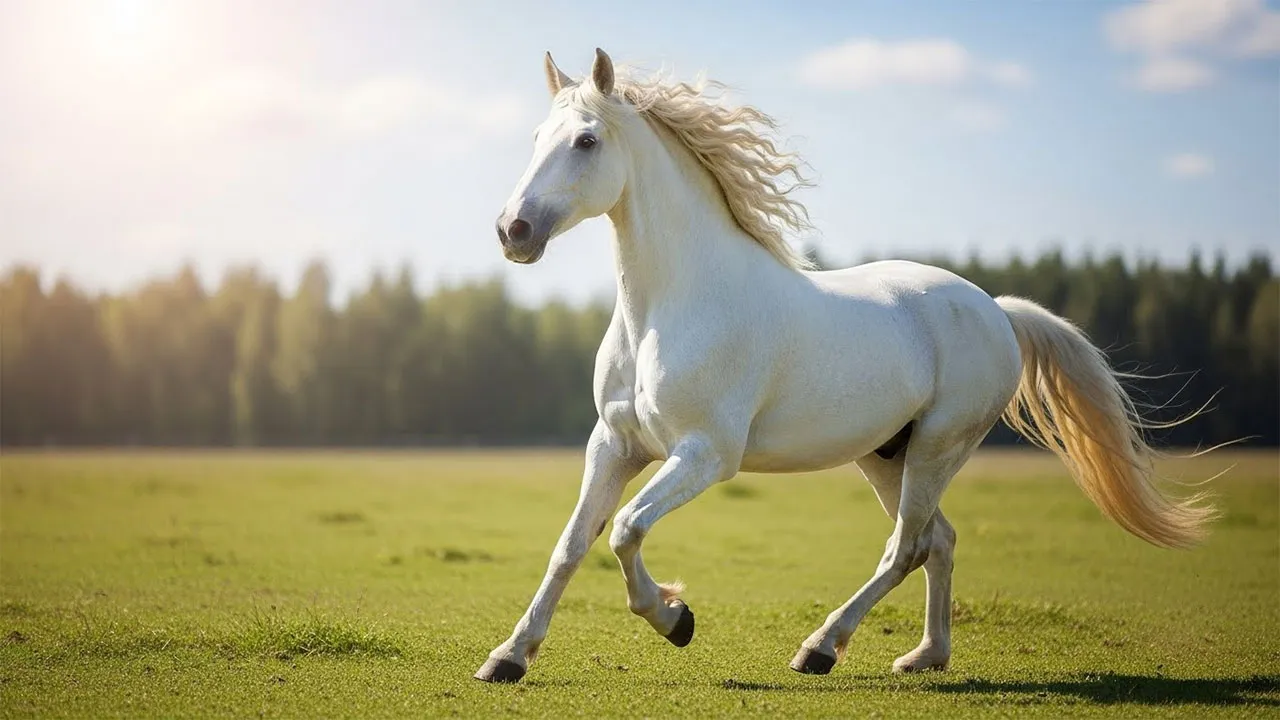
Friesian horses are strong and energetic, moving with a high-stepping trot that naturally supports coordinated riding. Their build and rhythm make them suited for tasks that require smooth teamwork. In open trails or structured rides, their presence keeps the group moving together effortlessly.
Team Skills in Action
Precision and responsiveness set Friesians apart when working alongside other horses or riders. Their focus allows them to match pace and direction without hesitation.
Some ways this shows up include:
Steady pace that complements partners
Adjusting steps to stay synchronized
Following cues cleanly in group exercises
Flexibility in Multiple Roles
Friesians handle different riding situations with ease, from family trail rides to formal equestrian events. Their versatility makes them dependable partners, able to respond to shifting demands on the trail or in the ring. Awareness of surroundings ensures smooth coordination with both riders and other horses.
Conclusion
Teamwork in horses is built through trust, awareness, and consistency rather than force. Each breed highlighted here shows how cooperation turns effort into harmony. A steady temperament keeps movement predictable, while a gentle nature allows clear communication in shared tasks.
Their muscular build supports balance and strength without overpowering partners. When a horse understands its role as a team member, work becomes fluid and efficient. Among animals, this level of cooperation stands out as both practical and meaningful. These animals remind us that true teamwork is not loud or rushed. It is calm, deliberate, and quietly reliable.
