




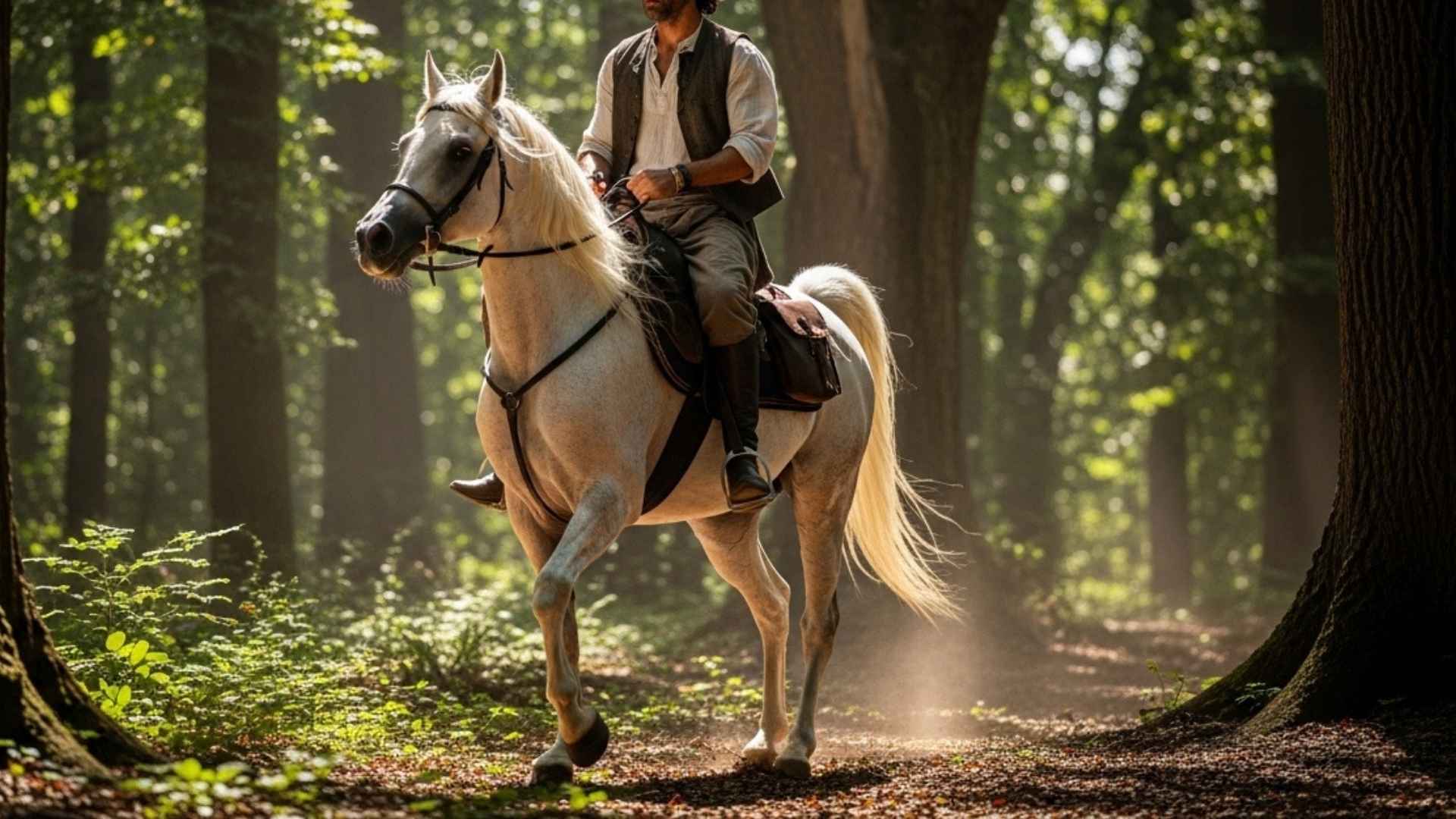
Riding in the wild is not about speed or spectacle. It is about the trust built between a rider and a horse when the trail disappears, and the land decides the rules.
Wild terrain tests patience, balance, and instinct in ways no arena ever can. A horse meant for open landscapes moves with awareness, reads the ground before it steps, and stays calm when the world grows unpredictable. These horses carry more than their weight. They carry responsibility.
Every uneven path, sudden sound, and long stretch of silence asks the same question: Can this horse think, endure, and stay steady without guidance? Horses that thrive in wild riding do not rely on constant correction. They respond to terrain, weather, and distance with quiet confidence.
This article explores what truly makes a horse dependable beyond marked trails, revealing the traits that matter when nature leads the ride and preparation becomes everything.
Key Takeaways
Trails that twist, rocks that shift, and sudden sounds demand more than speed—they demand trust between horse and rider.
Arabians cover long distances with steady stamina while Mustangs read the land like seasoned guides, making each trail feel manageable.
Icelandic Horses and Paso Finos bring smooth, reliable movement that keeps riders confident even on rocky terrain
By the end, you’ll see which horses combine endurance, awareness, and calm to turn any wild ride into a true adventure.
Horses That Are Great for Riding in the Wild
1. Arabian
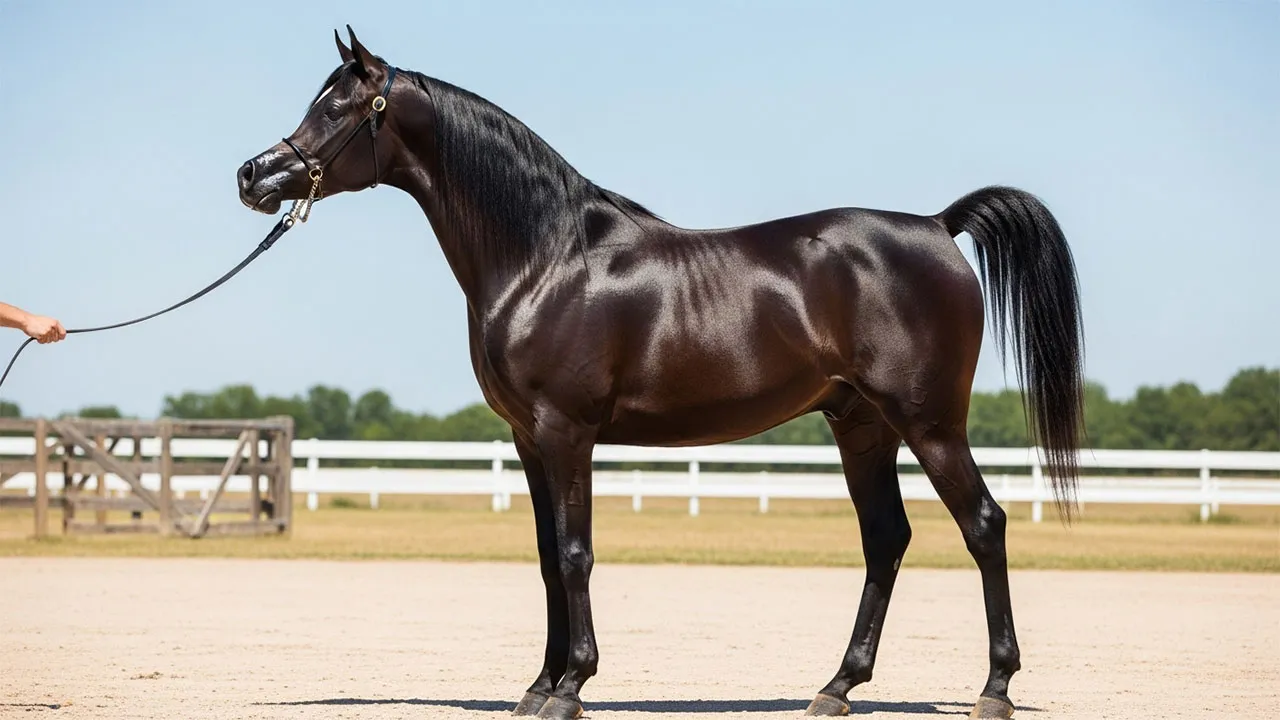
Staying steady over long distances is where the Arabian horses show real value in wild riding. This horse handles extended routes with consistency, allowing riders to focus on terrain rather than fatigue, as per Arabian Horse Times. When days stretch into miles of open land, that stamina becomes practical, not theoretical.
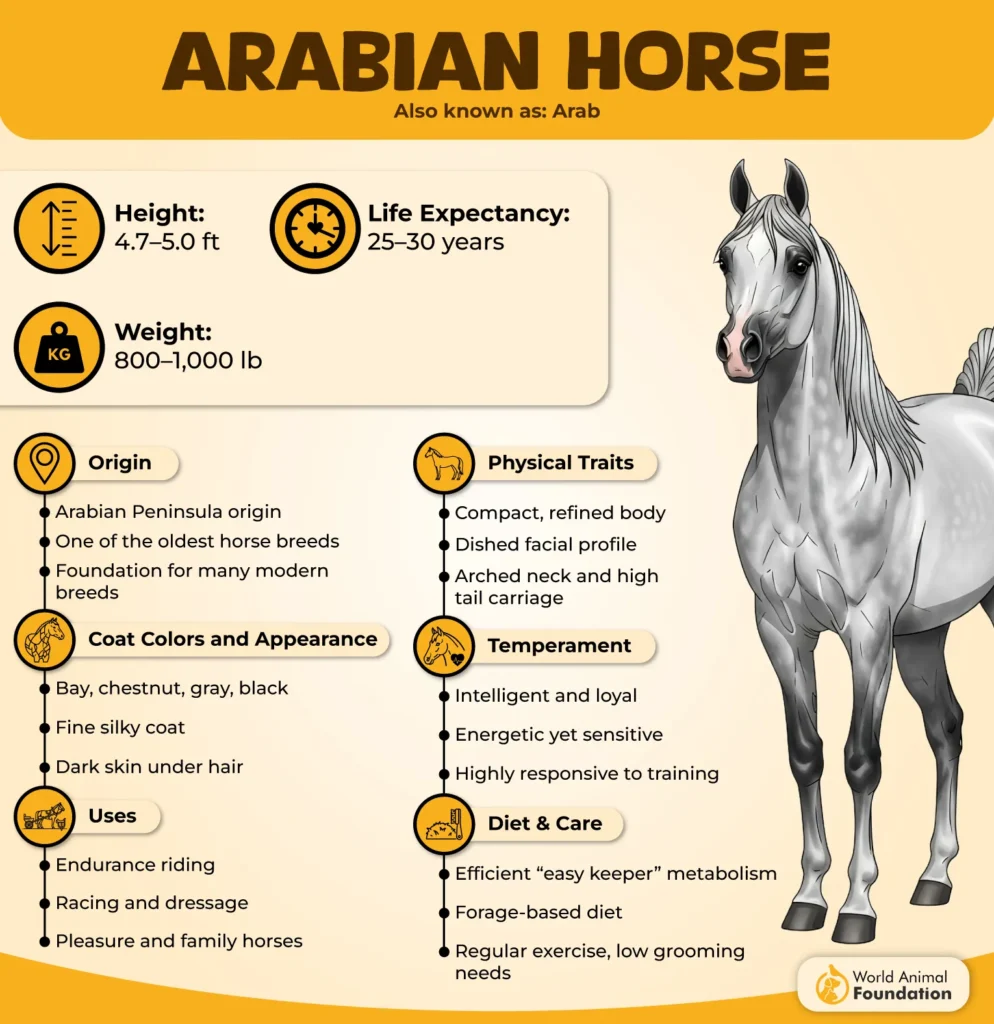
Speed With Purpose
Quick responses and natural balance help this breed move efficiently through changing landscapes. Riders who enjoy covering serious ground often notice how smoothly pace and control come together.
A few trail-relevant qualities stand out in motion
Sustained speed over distance
Strong recovery after long rides
Balanced movement on uneven paths
Alert Without Being Unsettled
Awareness is a defining feature, especially in unfamiliar environments. Arabians notice shifts in terrain, wildlife movement, and rider cues without constant tension. This alertness supports confident navigation through open trails, rocky paths, and wide desert-style routes.
2. Mustang
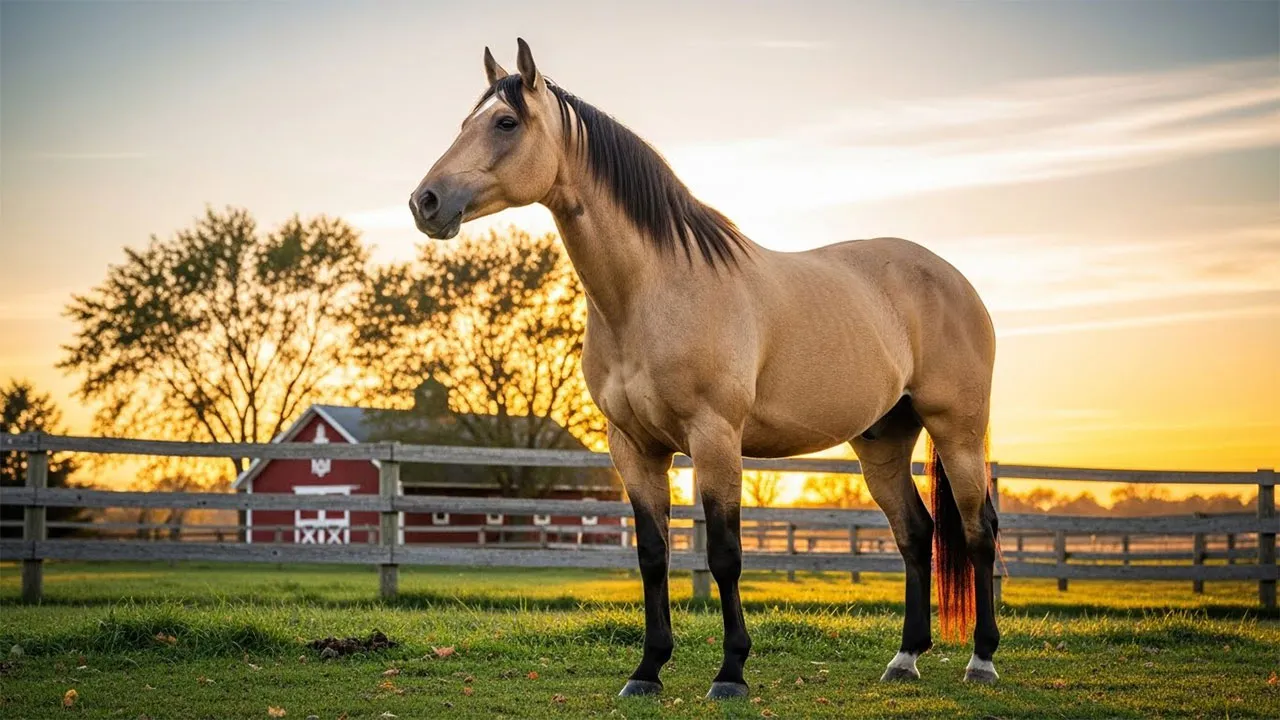
Daily survival shaped the Mustang horse that reads the land with precision and patience. Uneven ground, shifting footing, and long distances are familiar territory rather than a test. This background translates well to wild riding, where conditions rarely stay predictable.
Trail Readiness in Practice
Strength and stamina show up naturally once the ride stretches beyond marked paths. A Mustang stays focused on the route while conserving energy over long hours.
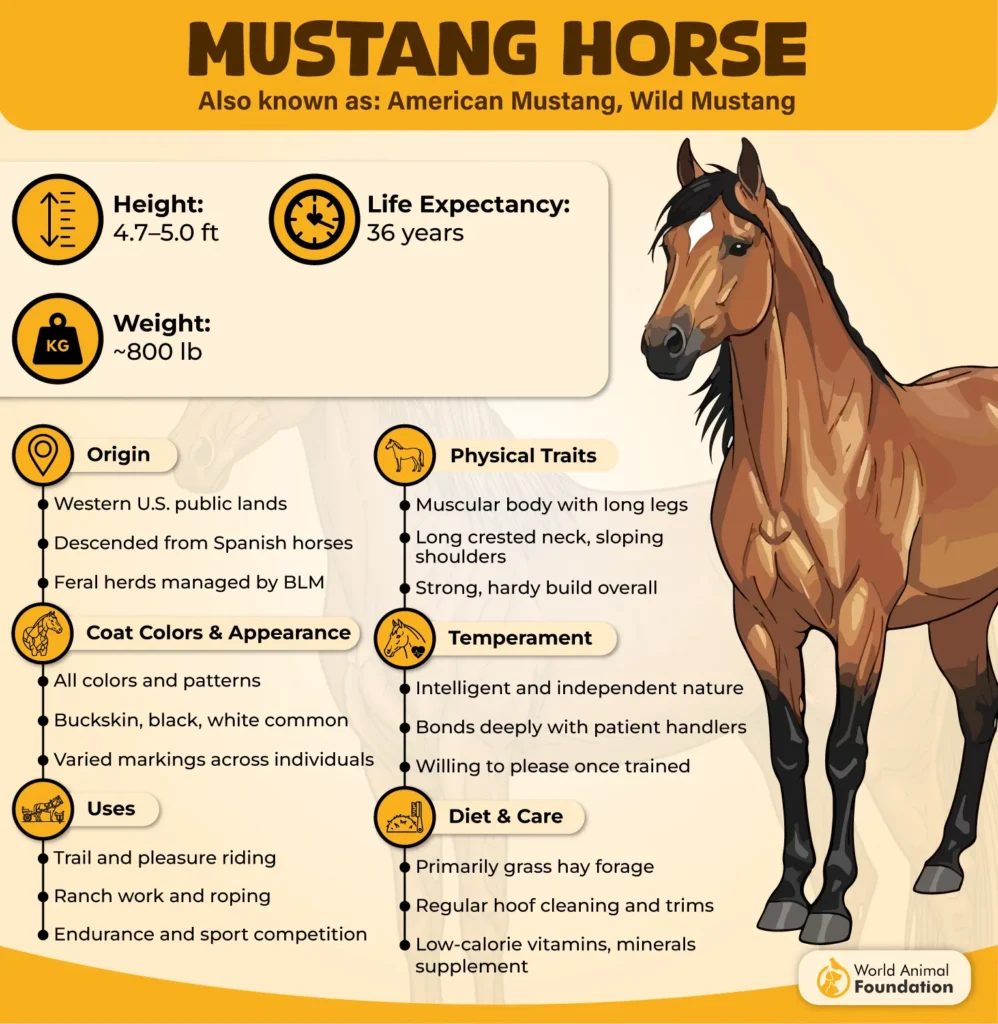
That mindset becomes clearer through a few trail-centered abilities:
Reliable footing on rough terrain
Endurance over extended distances
Strong self-preservation instincts
Training Reality Check
Feral beginnings mean trust and training take time and skill. These horses respond best to experienced handling and structured preparation before serious wild rides, as PetMD noted. Once properly trained, they perform confidently across long trails and demanding routes
3. Icelandic Horse
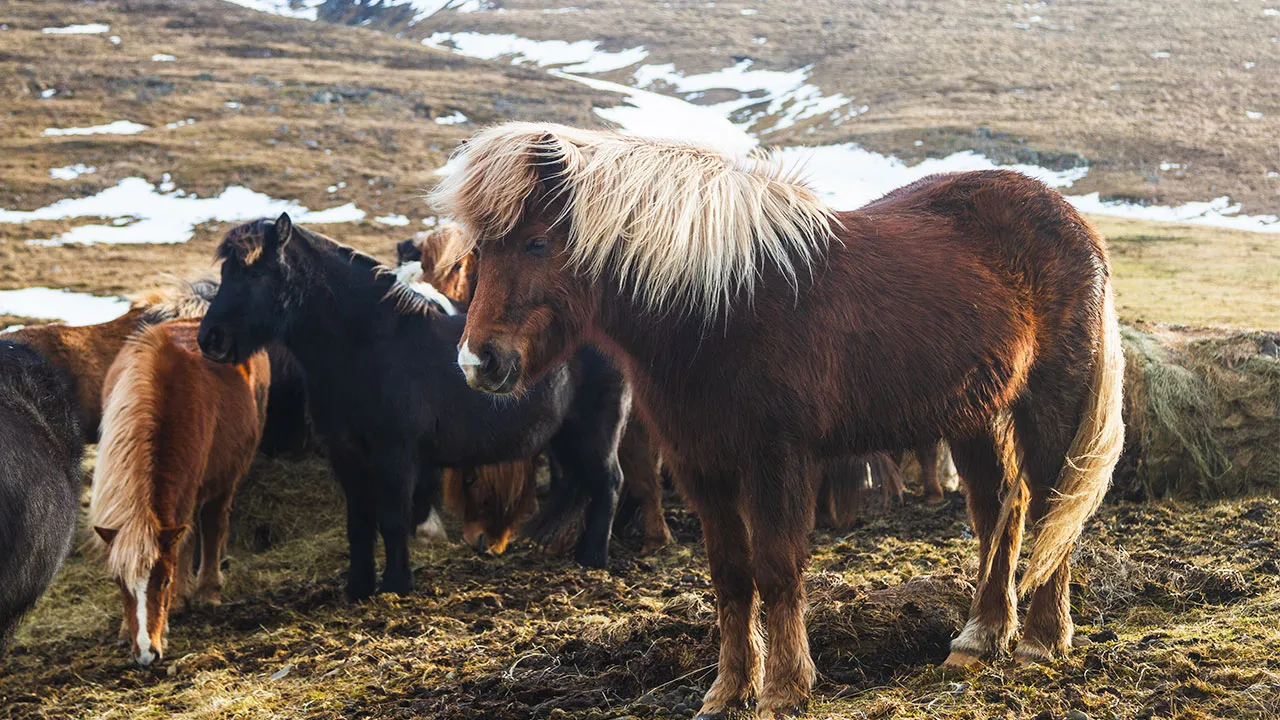
Strong balance shows up the moment the terrain turns uneven or unpredictable. The Icelandic horse stays composed on rocky tracks, river crossings, and narrow trails where steady footing matters more than size. Wild rides benefit from that natural stability when conditions shift without warning.
Five Gaits, One Clear Advantage
Movement variety sets this breed apart on long outdoor routes. The smooth tolt allows riders to travel far with less strain, while extra energy supports extended exploration.
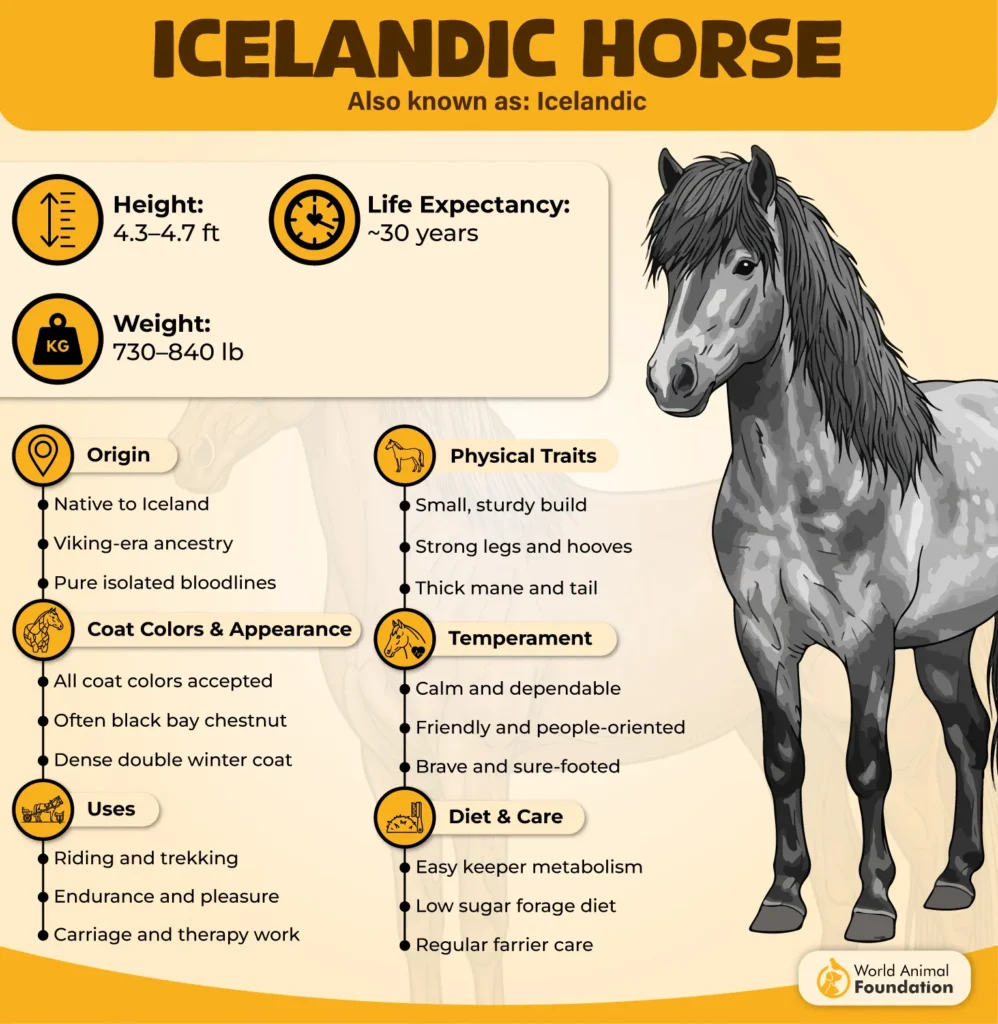
It helps to see how this plays out on the trail:
Comfortable tolt for distance
Fast flying pace when needed
Reliable rhythm over mixed ground
A Rare Riding Reality
Isolation has kept this breed unchanged by outside bloodlines, preserving its distinctive movement and resilience. Once an Icelandic horse leaves the country, return is permanently restricted due to strict national regulations. This makes every trail ride feel tied to a closed chapter of living history
4. Appaloosa
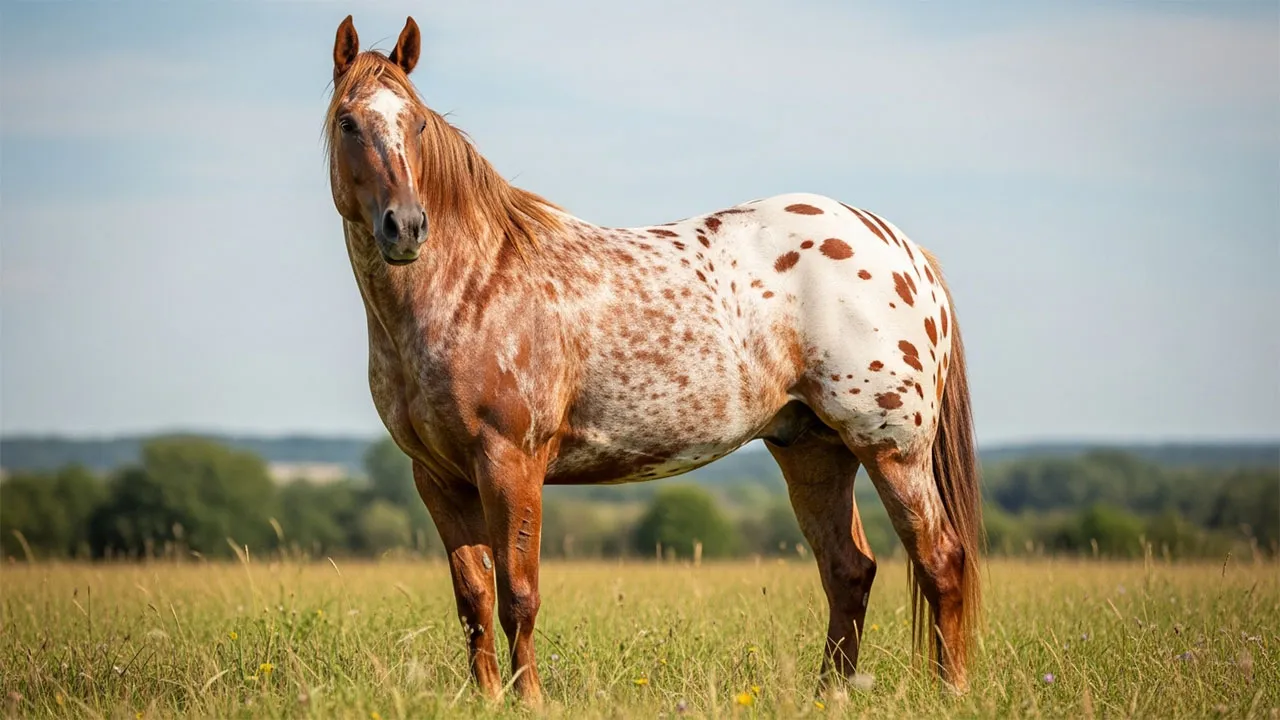
Appaloosa horses are known for a level-headed approach that suits open trails and changing terrain, as mentioned in OKSTATE. That steady mindset helps riders stay relaxed when paths turn narrow or unfamiliar. In wild riding, calm reactions often matter more than speed or flash.
Calm Reactions in Real Situations
On trails where surprises are part of the ride, this breed stays composed and focused. That reliability shows up clearly once the environment starts shifting.
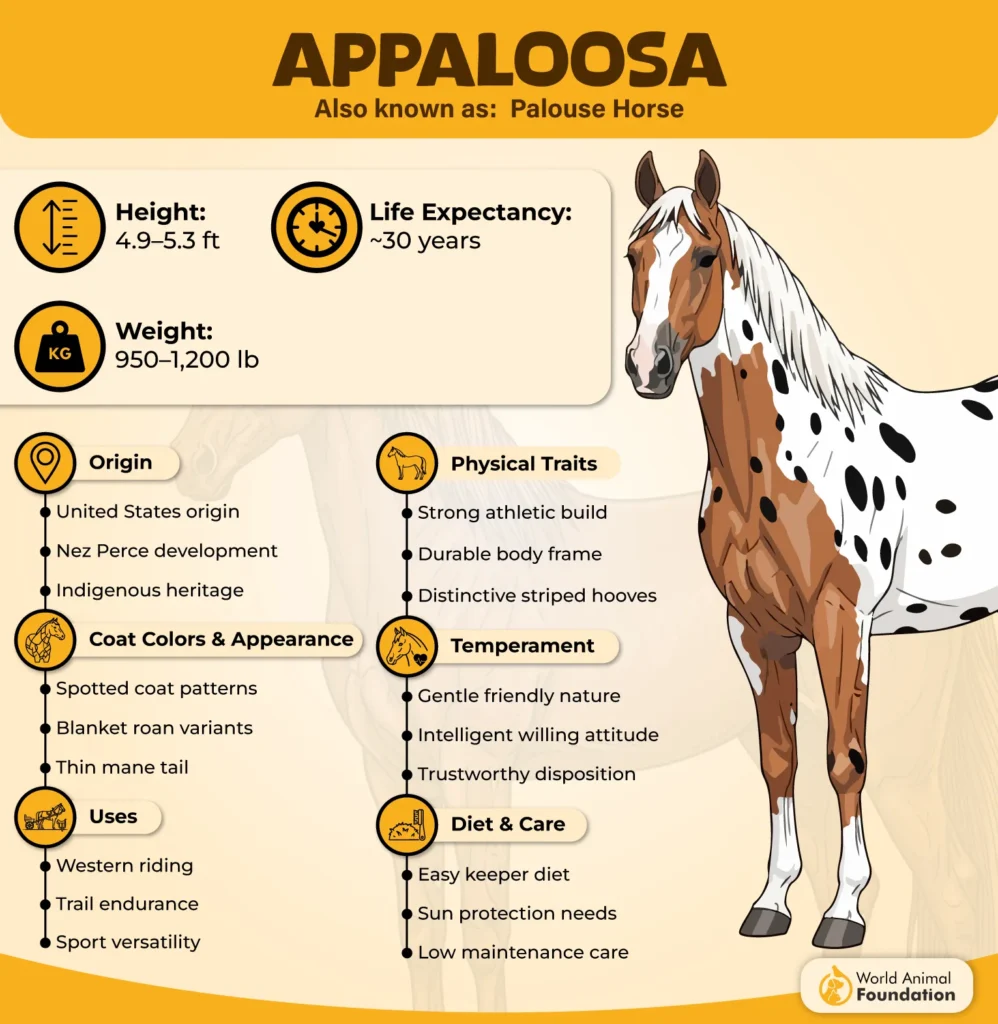
What supports that calm response becomes clear quickly:
Low spook response
Consistent pace over hours
Comfortable with trail traffic
A Friendly Match for New Riders
Approachability plays a big role when riding far from controlled arenas. Appaloosas are widely regarded as beginner-friendly because they stay composed around wildlife, debris, and sudden movement. That steadiness builds confidence for riders still learning how to read the trail ahead
5. Quarter Horse
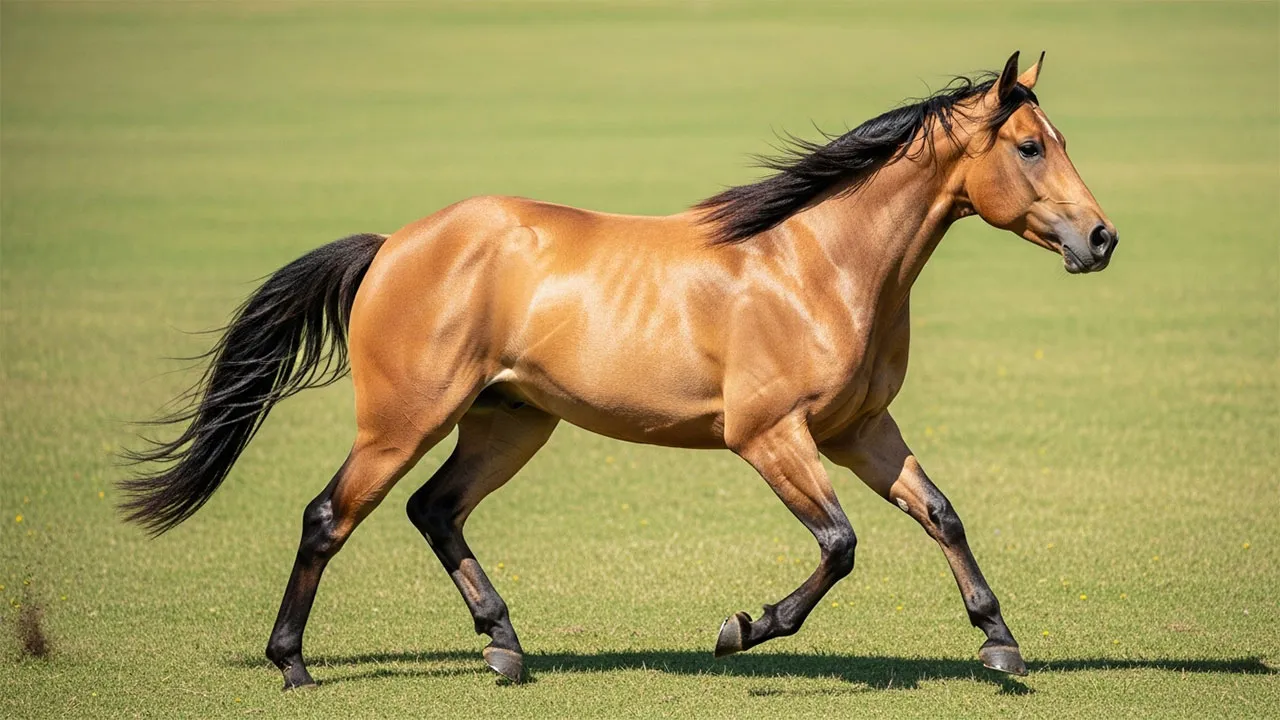
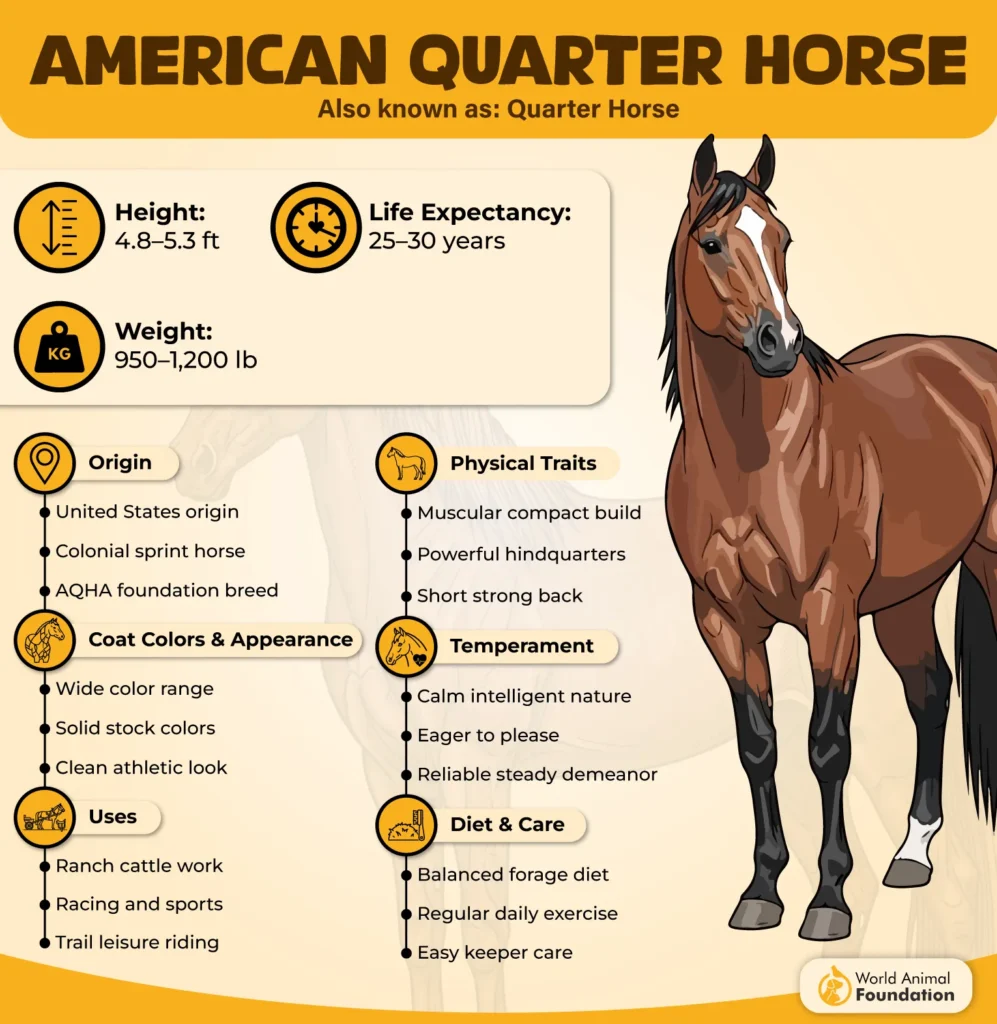
Quarter Horse reliability shows up quickly once the trail turns uneven. A low center of balance helps this breed stay steady through loose gravel, narrow paths, and rolling ground. Riders often value how calmly it handles long hours away from familiar footing.
Built for Real Terrain
Quarter Horse strength and athletic build support controlled movement rather than wasted energy on the trail. That physical confidence translates into smoother rides across changing landscapes.
It becomes clear on the path through a few practical advantages:
Strong balance on rough ground
Consistent pace control
Solid stops and turns
A Mind That Stays Steady
Quarter Horse intelligence plays a major role when riding in the wild. Clear thinking helps this breed stay focused instead of reactive when terrain or surroundings shift suddenly. That steady mindset supports both quiet exploration and longer trail days.
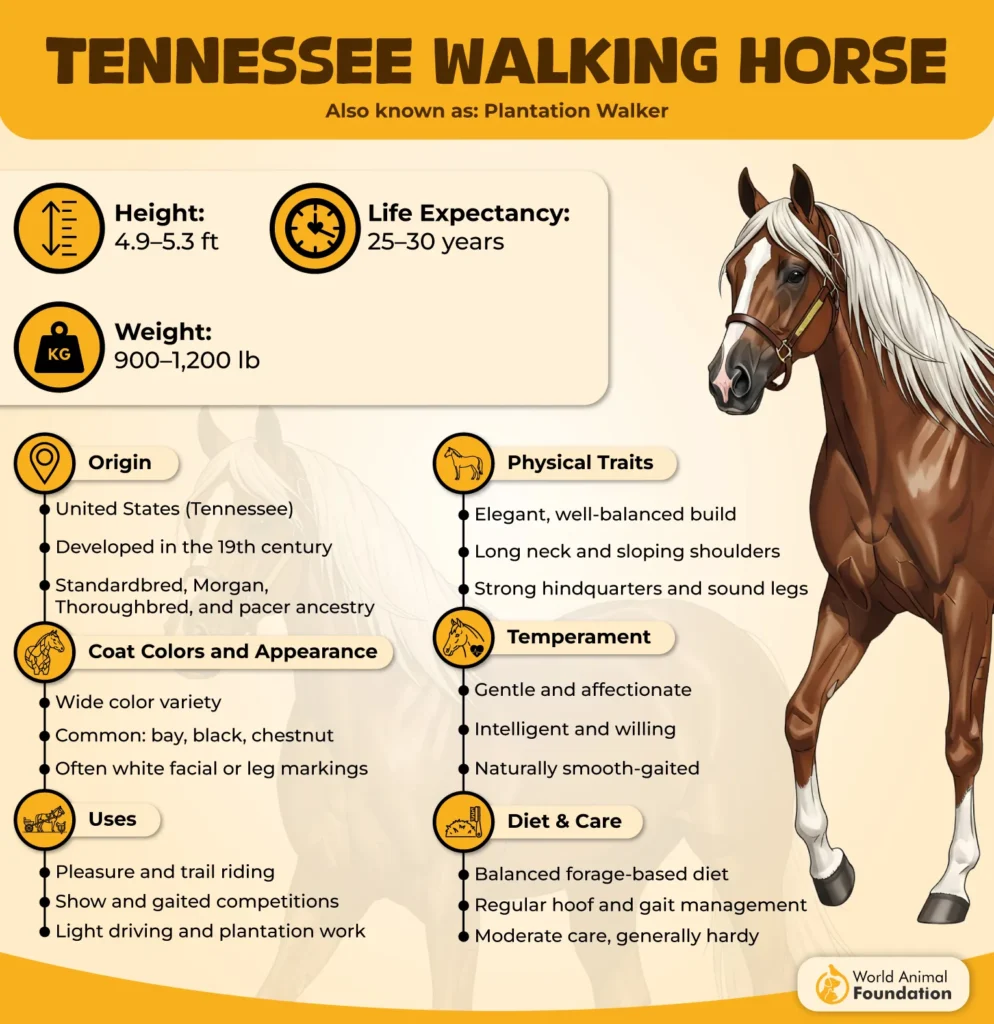
6. Tennessee Walking Horse
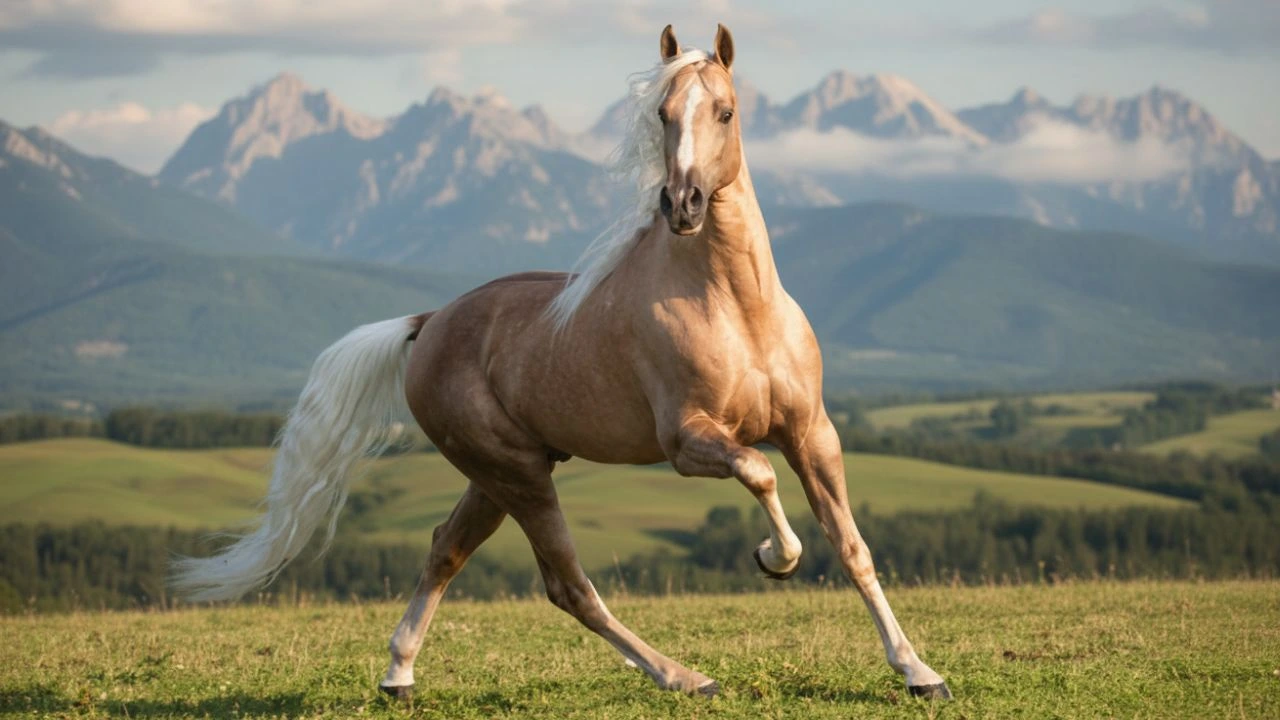
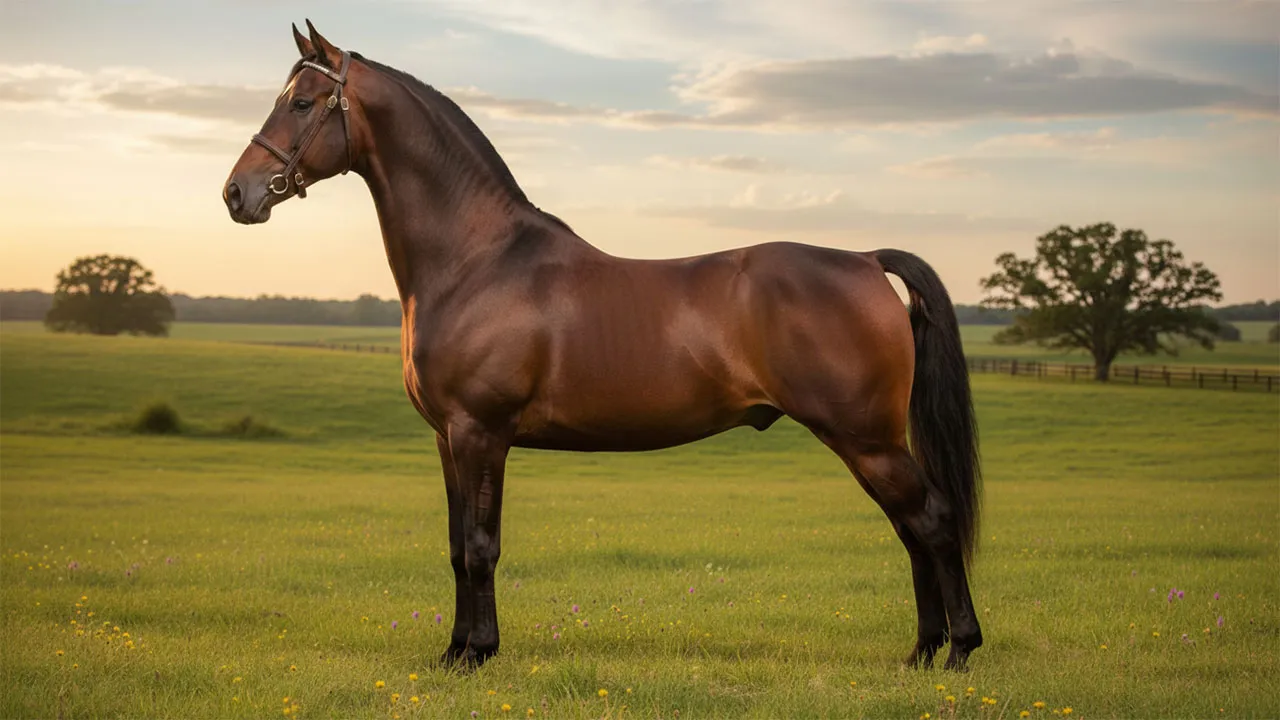
Tennessee Walking Horses glide across uneven terrain with a rhythm that keeps riders steady and comfortable. Their natural gait makes long rides feel less tiring, turning challenging trails into manageable journeys.
Efficiency in Every Step
The breed combines strength with a refined build, allowing long hours without strain. Their movement is purposeful, helping riders maintain speed and balance.
These aspects stand out on extended rides:
Seamless running walk for smooth travel
Long, slender neck aids in flexible movement
Strong legs support a steady pace over rough paths
Alertness Without Tension
Eyes and ears track surroundings attentively, giving riders subtle cues about changes ahead. They notice shifts in footing, obstacles, or wildlife, helping maintain confidence. This awareness ensures a calm yet responsive experience through forests, hills, and open fields.
7. Morgan
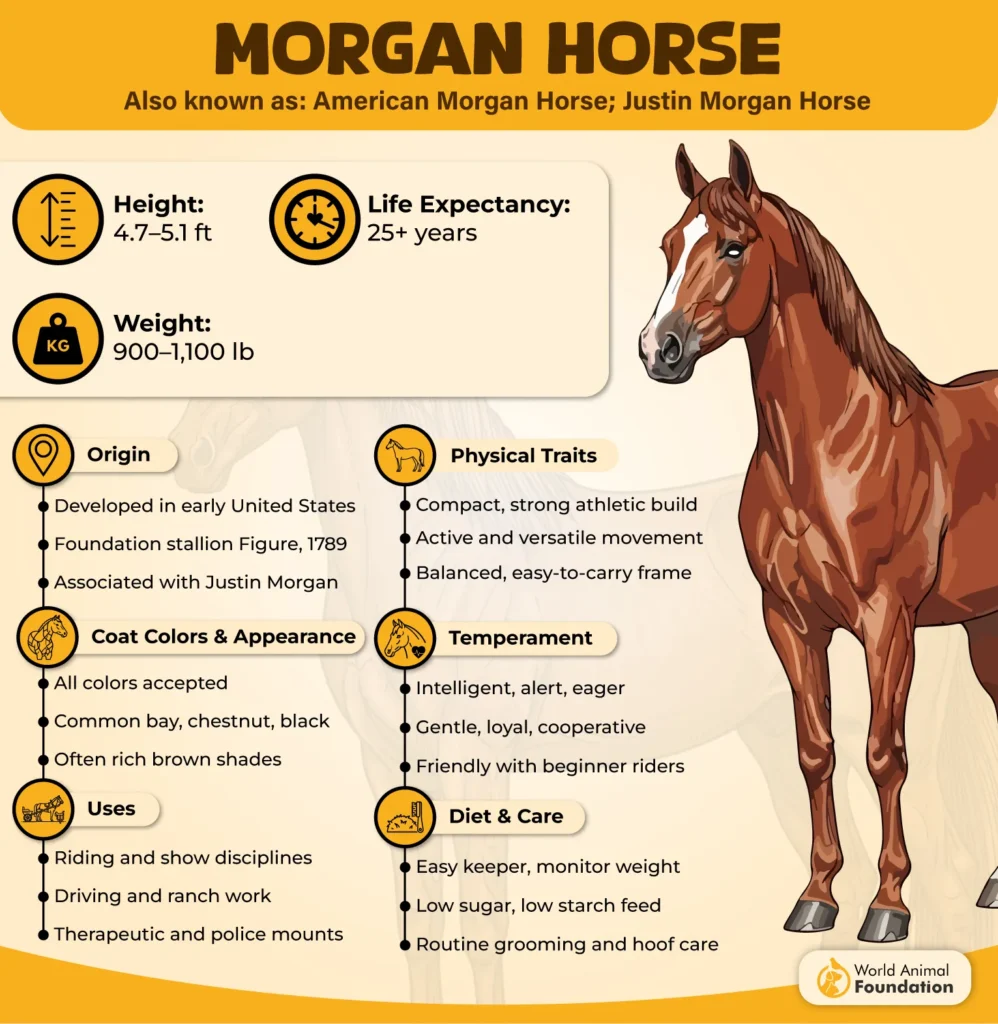
Morgan horses are deeply muscled and well-proportioned, designed to handle long days over challenging terrain. Their strength and sure-footedness make them dependable partners on rocky trails or uneven paths.
Versatility That Stands Out
This breed shines when switching between trail riding and competitive disciplines, making them ideal for riders who enjoy variety.
On demanding routes, a few traits become especially helpful
Strong hooves for rocky or rough ground
Endurance for long-distance rides, including 100-mile events
Adaptable to English and Western disciplines
Rider-Friendly Temperament
Laid-back personalities make them approachable for beginners, while their power and stamina satisfy experienced riders. They maintain consistent energy without feeling unpredictable. This balance allows riders to explore wild trails confidently and comfortably.
8. Paso Fino
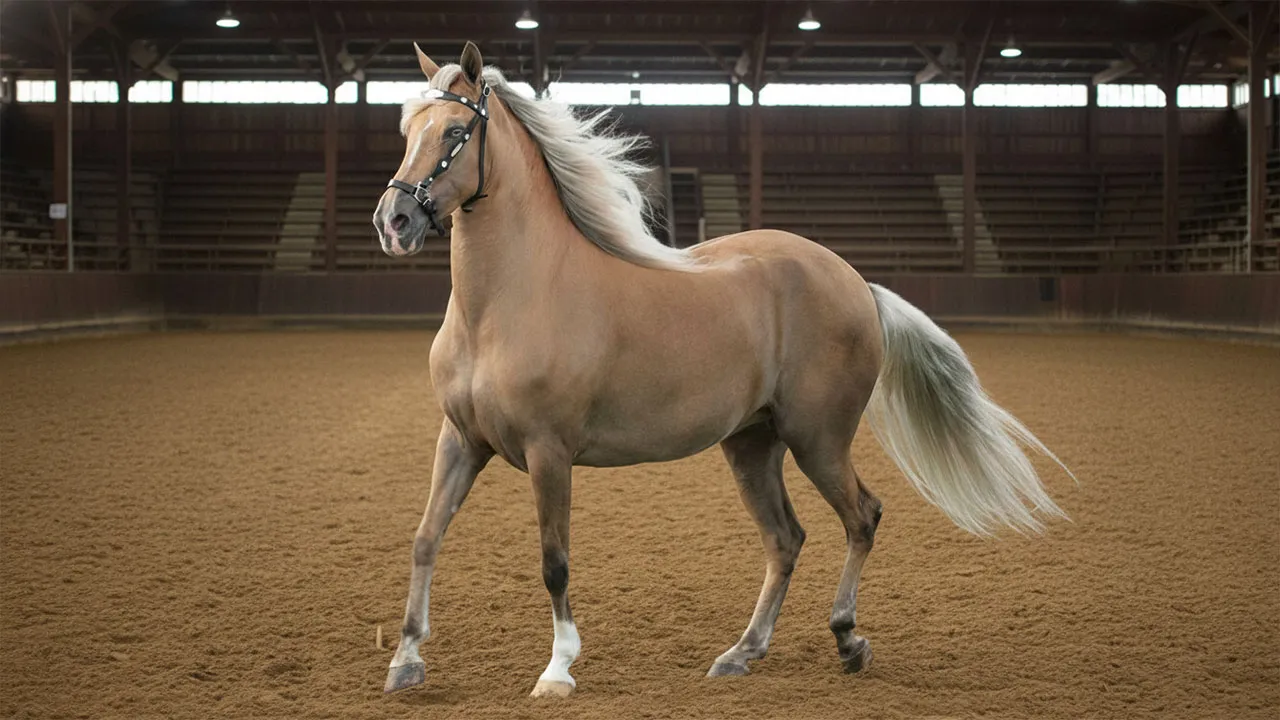
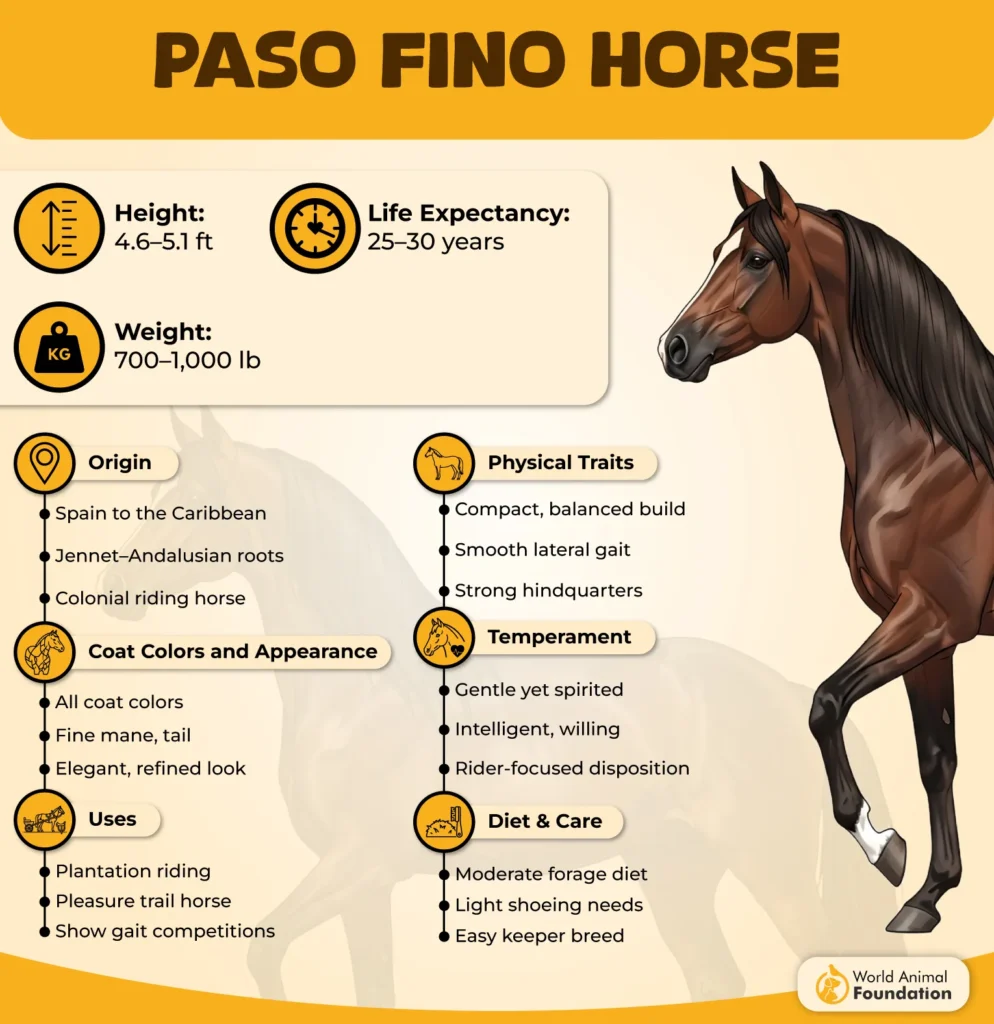
Paso Fino moves with a naturally smooth, four-beat gait that feels almost like floating along the trail. Riders often remark on how little bounce or jolt they feel, even on rough terrain. This makes them one of the best horse breeds for long, comfortable rides across varied landscapes.
Balanced and Hardy
Their smaller size doesn’t limit endurance or capability, and their hardy hooves handle rugged ground with ease. Trail riding horses benefit from their steady pace and reliable footwork.
These actions show why they stand out:
Smooth lateral gait for comfort
Strong stamina for long rides
Thick mane and tail for protection
Calm Yet Alert
Paso Finos are generally gentle and attentive, noticing subtle changes in trail conditions. This awareness helps riders navigate natural obstacles confidently while keeping the experience relaxed. Their alertness pairs naturally with their even pace, enhancing rider control without tension.
9. Rocky Mountain Horse
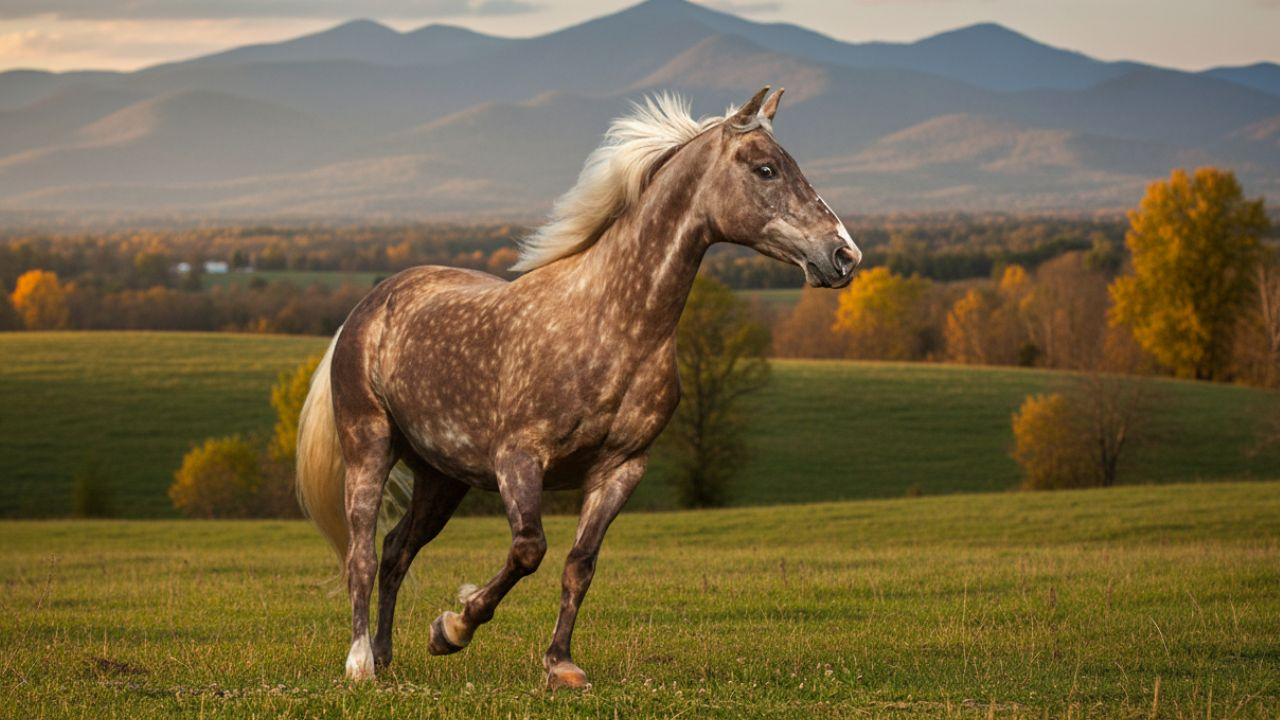
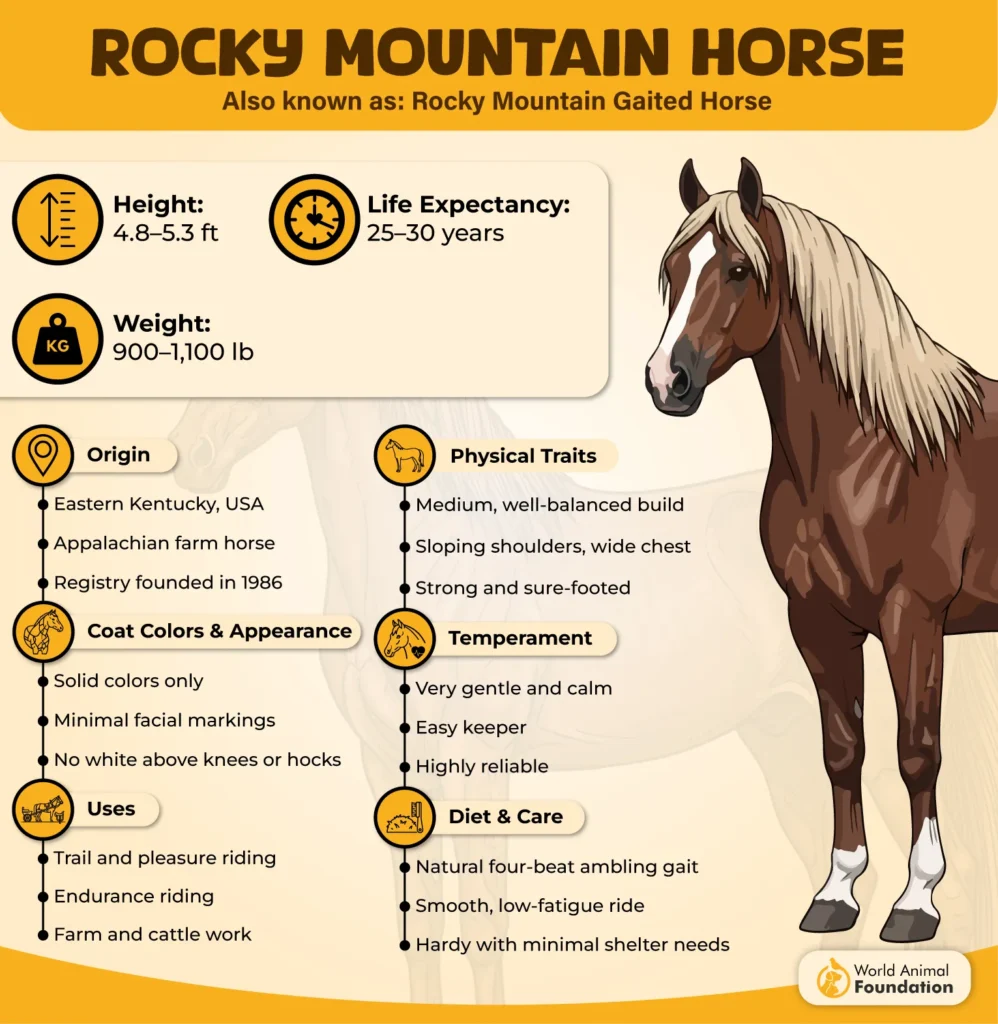
Rocky Mountain Horses are recognized for their naturally smooth gait, making long rides over rugged terrain easier on both horse and rider. Their steady pace helps maintain energy on extended trails. The combination of stamina and calm movement makes them sought-after gaited horses in the wild.
Strength and Stamina in Action
Their strength and gentle nature come together to handle diverse trail conditions with confidence. Riders quickly notice the balance of power and composure when navigating hills or forest paths.
These qualities enhance their trail performance:
Evenly stride over uneven ground
Strong endurance for long rides
Sure-footedness on rocky or slippery trails
Eye-Catching Presence on the Trail
Their chocolate-colored coat, paired with a flaxen mane and tail, turns heads on any ride. Beyond looks, the breed’s easygoing nature and adaptability keep them focused and willing over varied terrain. The horse world values this combination of calmness, stamina, and a gentle ride.
Conclusion
Riding beyond marked paths reveals what truly matters in a dependable partner. Wild horses inspire the idea, but training and temperament make the difference. Great trail horses combine stamina, awareness, and a calm demeanor when conditions shift. They think through obstacles instead of reacting blindly.
A bumpy ride becomes manageable when balance and judgment work together. Compared with other horses, these mounts stay steady without constant direction. Long distances, rough ground, and silence test more than muscles. They test trust. In the wild, confidence grows quietly with every mile, turning uncertainty into rhythm and challenge into progress over time.
