




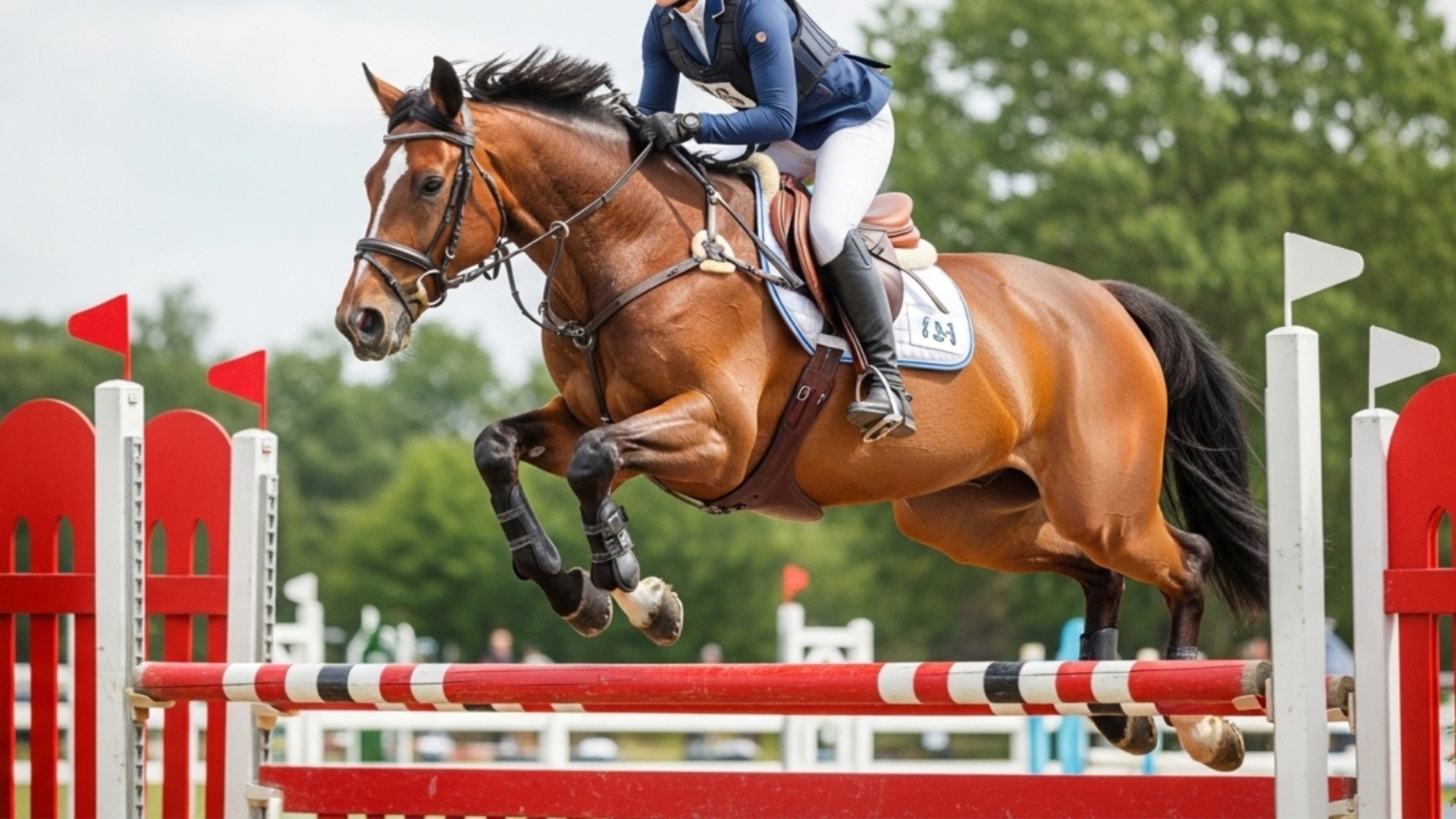
Horse jumping looks explosive, yet the best performances feel controlled. Horses that are great for jumping have balance, power, with precision in every phase of movement. They approach calmly, lift decisively, and land without disruption.
Strength alone does not produce that result. Control, coordination, and awareness shape successful jumping just as much. These horses manage energy efficiently rather than wasting it. Their movements remain economical even under demanding courses.
The contrast between effort and ease defines their skill. While jumping challenges the body, it also tests composure. The strongest jumpers remain mentally settled while navigating technical questions and repeated obstacles. Their consistency comes from discipline rather than force.
In this article, we will explore how structure supports strength, how balance improves safety, and why refined movement often outperforms raw power in the world of jumping.
Key Takeaways
Great jumping rarely feels rushed, even when the effort behind it is immense.
Breeds like the Thoroughbred and Irish Sport Horse show how stride control and mental steadiness shape clean takeoffs and safe landings.
Dutch Warmbloods and Hanoverians prove that refined movement often outperforms raw force when courses become technical.
As the list unfolds, the focus shifts from height alone to what truly keeps horses consistent over repeated jumps.
Horses That Are Great for Jumping
1. Thoroughbred
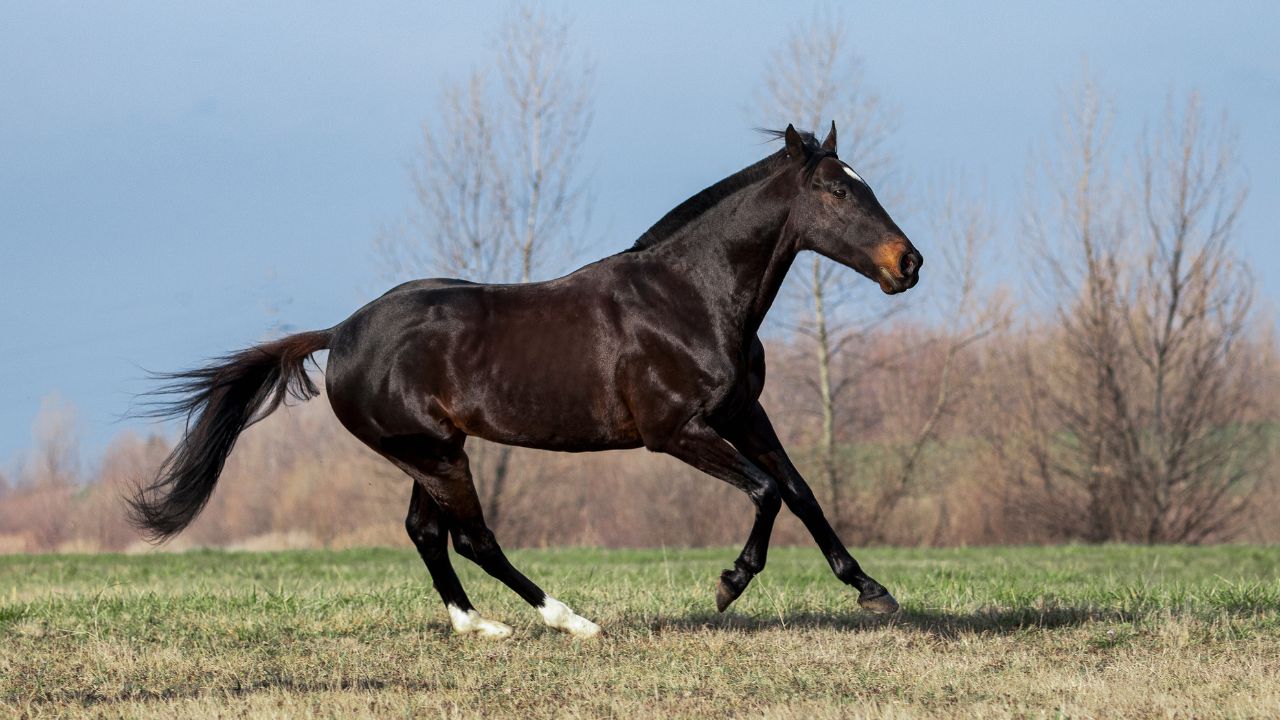
Stride length plays a major role in how a horse clears fences, and this is where Thoroughbreds excel. Their naturally long strides allow them to meet jumps with fewer adjustments, as Britannica notes. This efficiency supports smoother takeoffs and cleaner landings across varied courses.
Learning Speed That Transfers to Jumping
Quick understanding helps these horses adapt from racing environments to technical jumping work. Their exposure to loud crowds builds focus rather than distraction. This background shapes a horse that responds confidently in competitive arenas.
A closer look explains their jumping success:
Fast response to cues
Consistent rhythm
Crowd tolerance
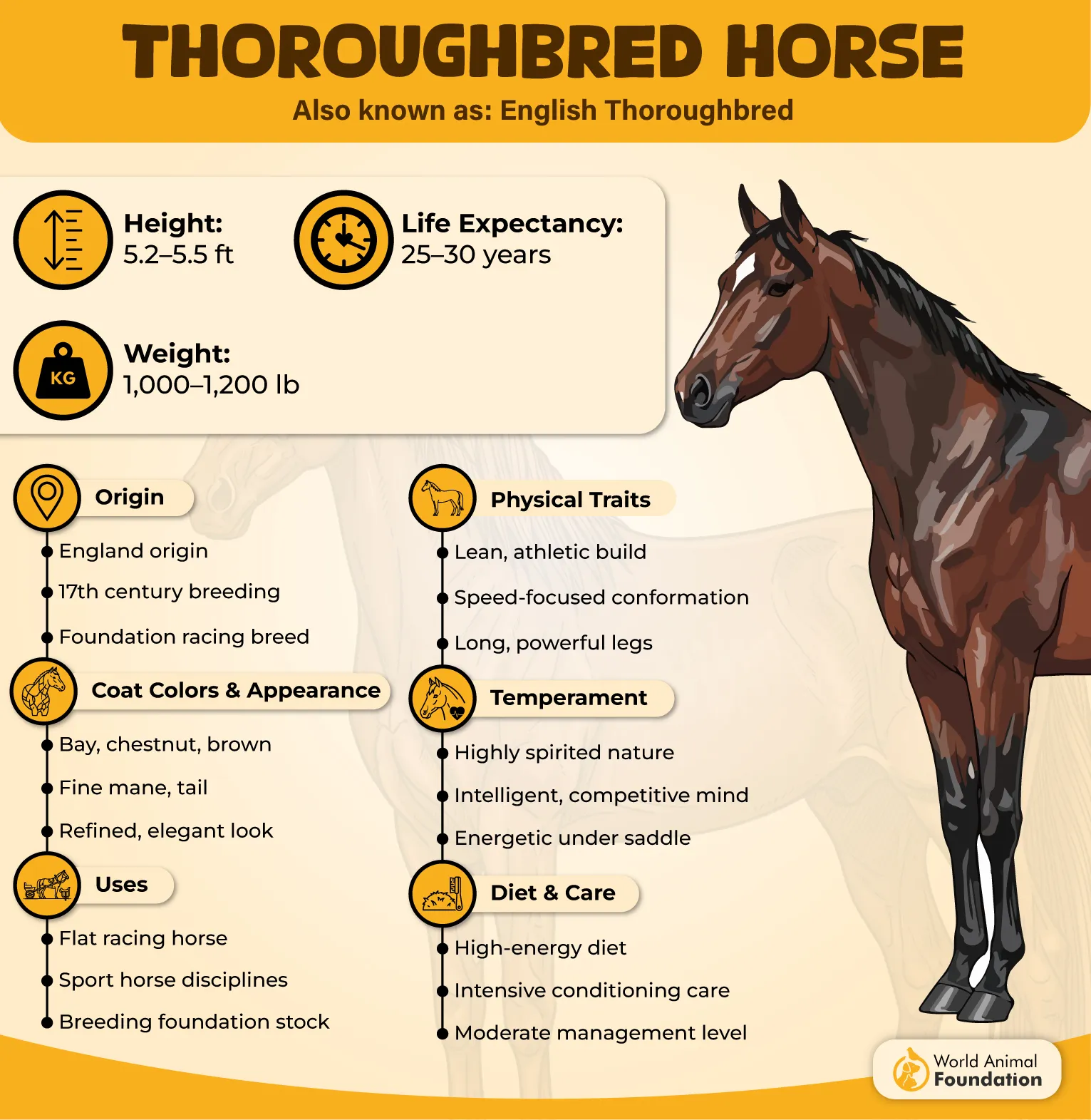
Proven Success in Jump Racing
Thoroughbreds have a long presence in jump racing events such as the Grand National and Cheltenham Gold Cup. These races demand stamina, accuracy, and confidence over repeated obstacles. Performance in such settings reflects real-world jumping reliability.
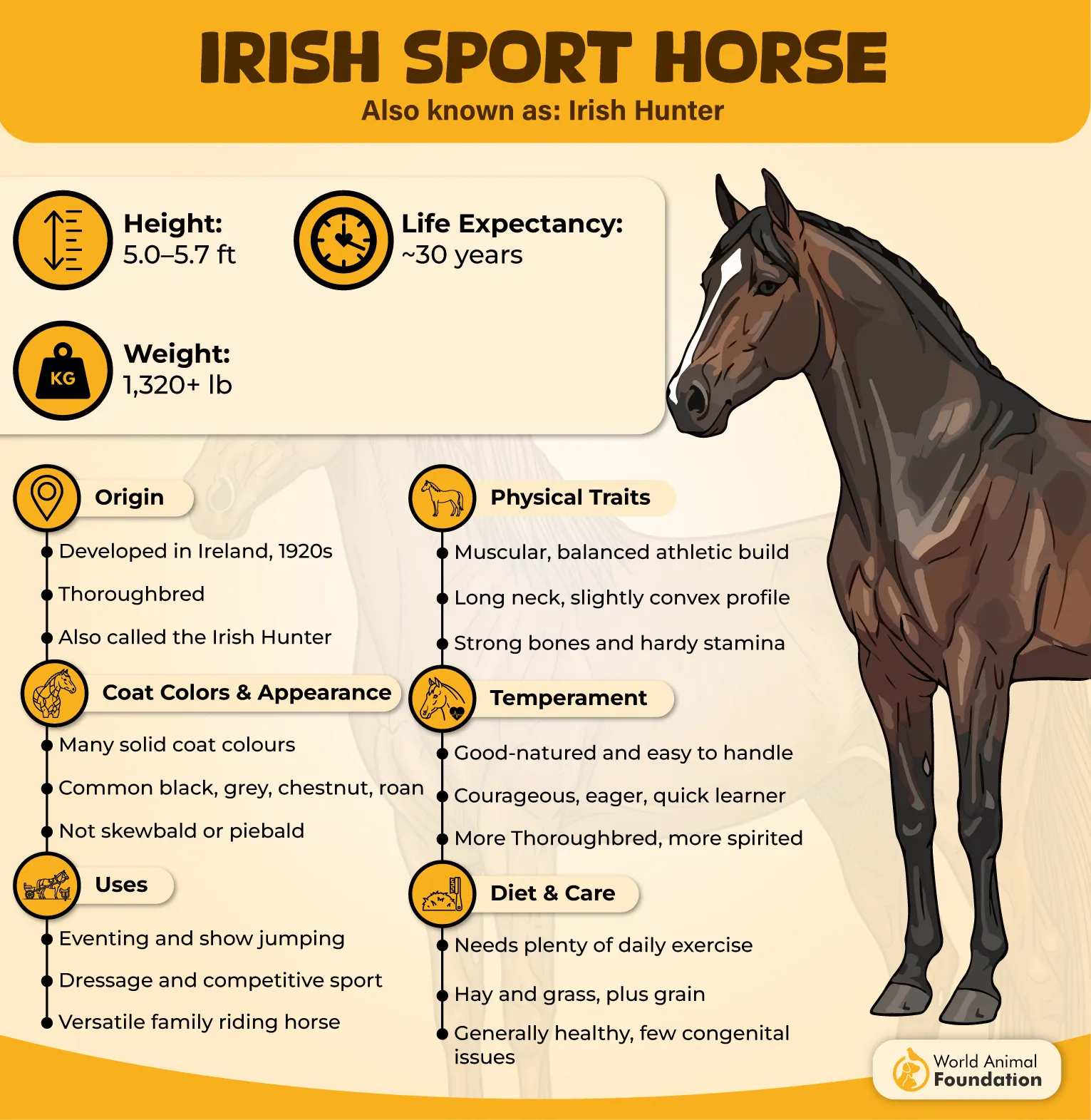
2. Irish Sport Horse
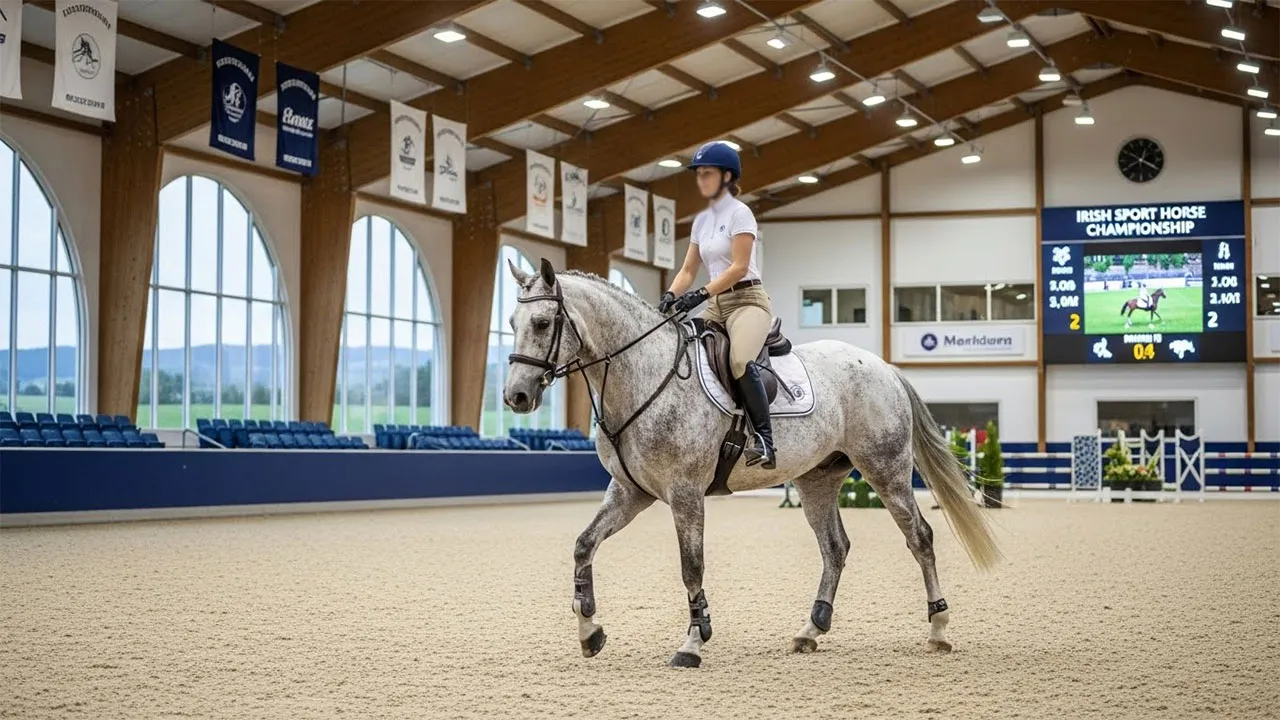
Fluid movement sets the Irish Sport Horse apart the moment it approaches a fence. Their athletic build supports clean takeoffs without wasted effort or hesitation. This balance allows jumpers to stay controlled even through demanding courses.
Built for Consistent Performance
Strong hindlimbs and extended gallops give them the push needed for quick elevation. Their calm mindset helps them absorb training cues without resistance, as per FEI. That blend creates a jumper that feels steady under pressure.
Some details sharpen that advantage further.
Powerful hind engagement
Smooth stride rhythm
Efficient takeoff timing
Learning Speed That Shows in the Air
Quick understanding allows these horses to adjust lines and distances with minimal repetition. Their willingness to respond keeps rounds flowing instead of being forced. This adaptability becomes clear when courses demand precision over raw speed.
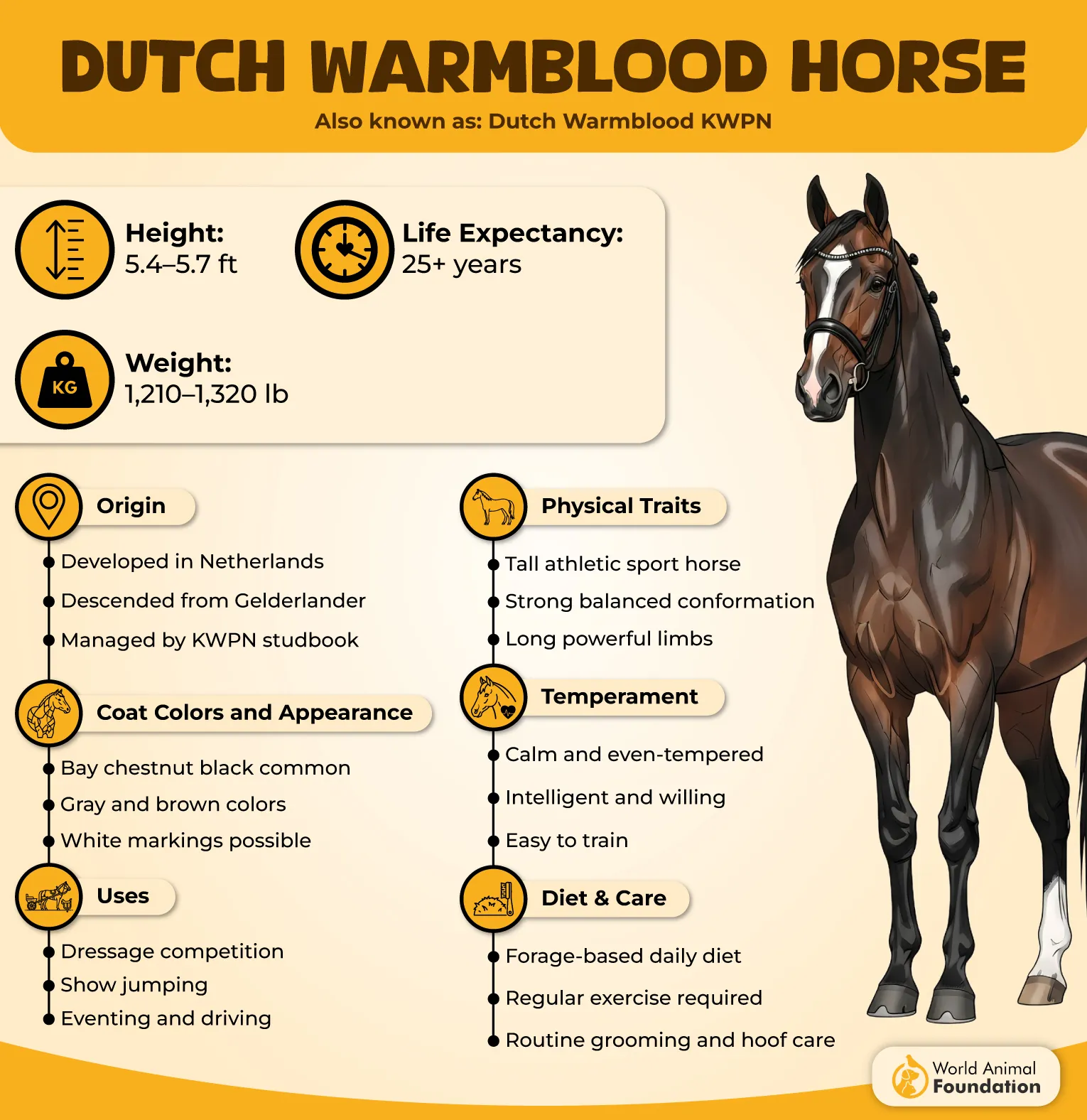
3. Dutch Warmblood
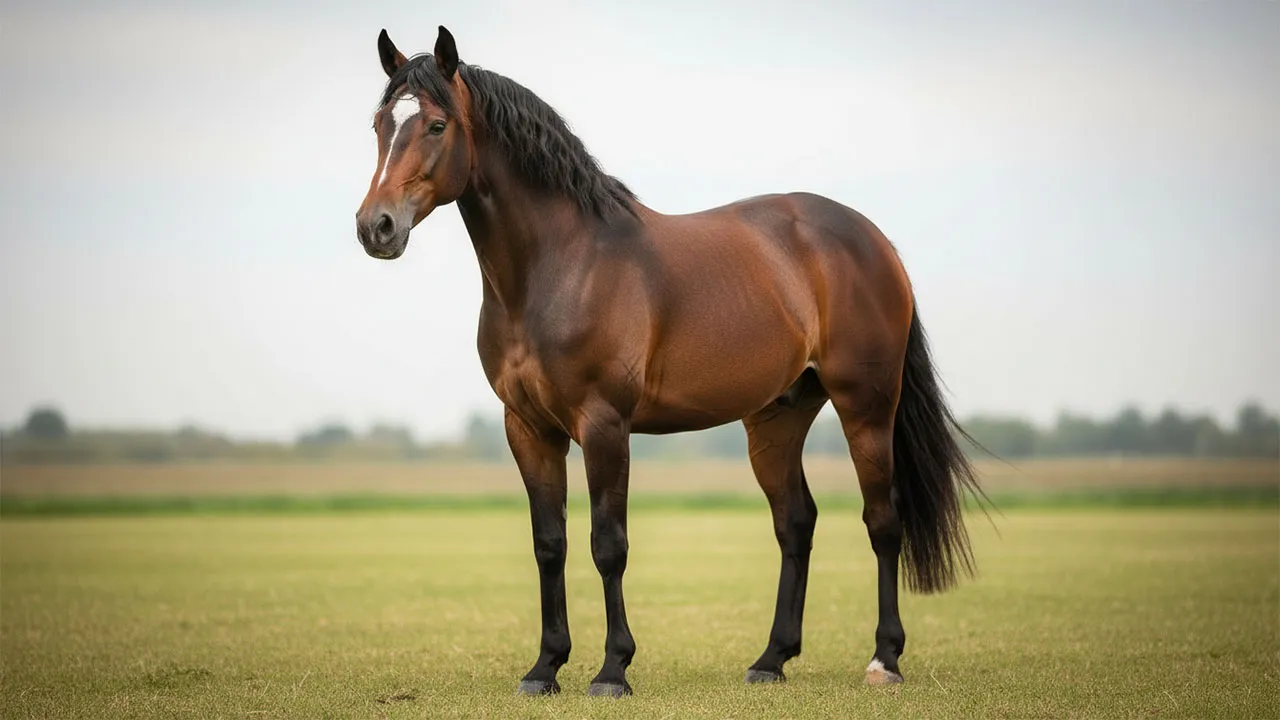
Smooth movement and natural coordination shape how a Dutch Warmblood approaches a jump. Their athletic frame allows them to lift cleanly and land with control, which matters in technical courses. This balance explains why they dominate elite show jumping arenas.
Built for Precision at Height
Strong muscles, long necks, and broad chests support consistent power during takeoff, as PetMD stated. Their calm and cooperative nature helps riders maintain rhythm across complex lines. These qualities translate into reliable performances at the highest level.
That edge becomes clearer in competition details:
Ranked first in show jumping
Regular Olympic presence
High market value
A Regular Name on the Scoreboard
Olympic competitions and international show circuits repeatedly feature this breed at the top. Their ability to handle pressure while staying responsive makes them a favorite in demanding formats. Riders often rely on their steadiness when margins are tight.
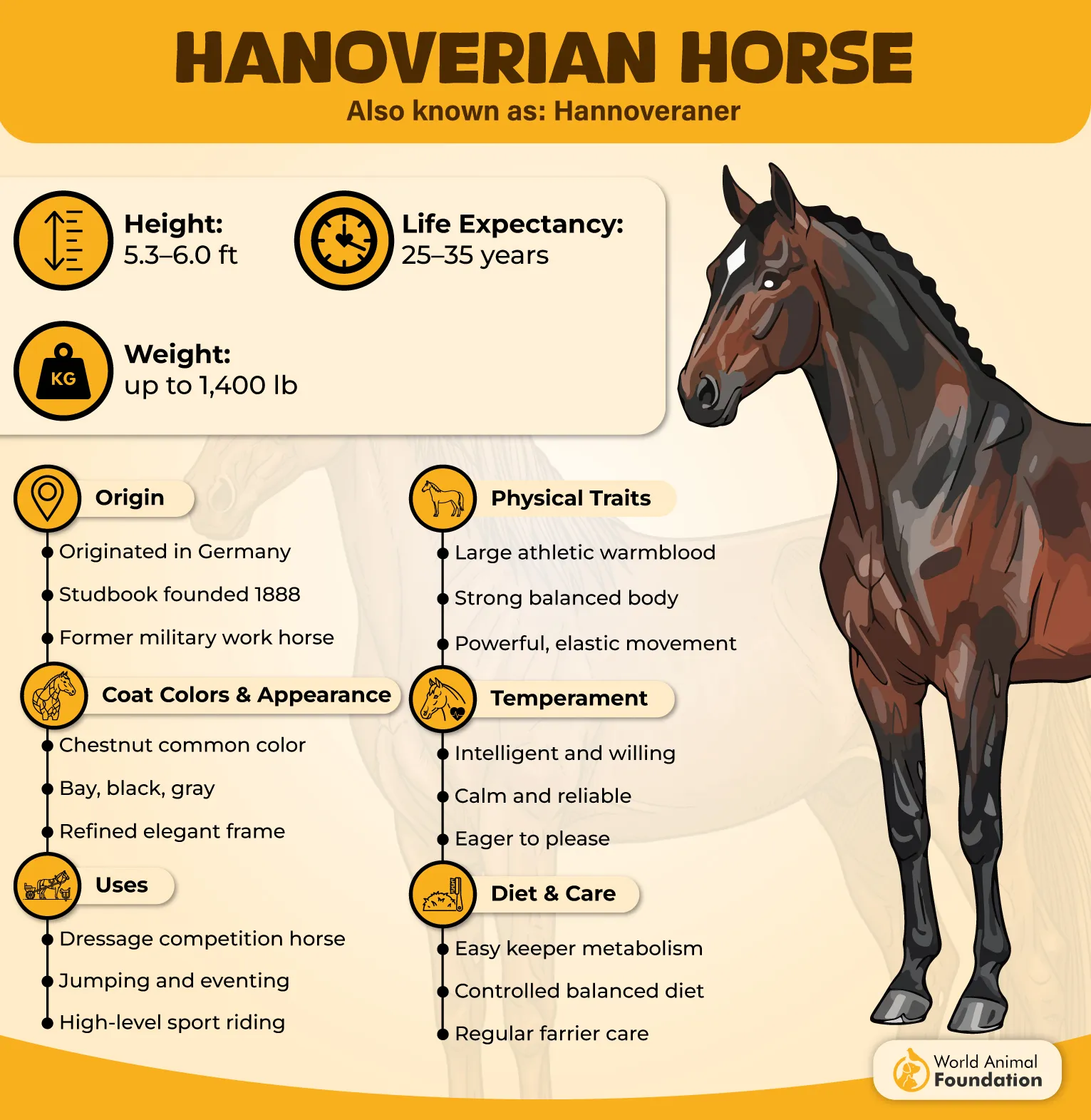
4. Hanoverian
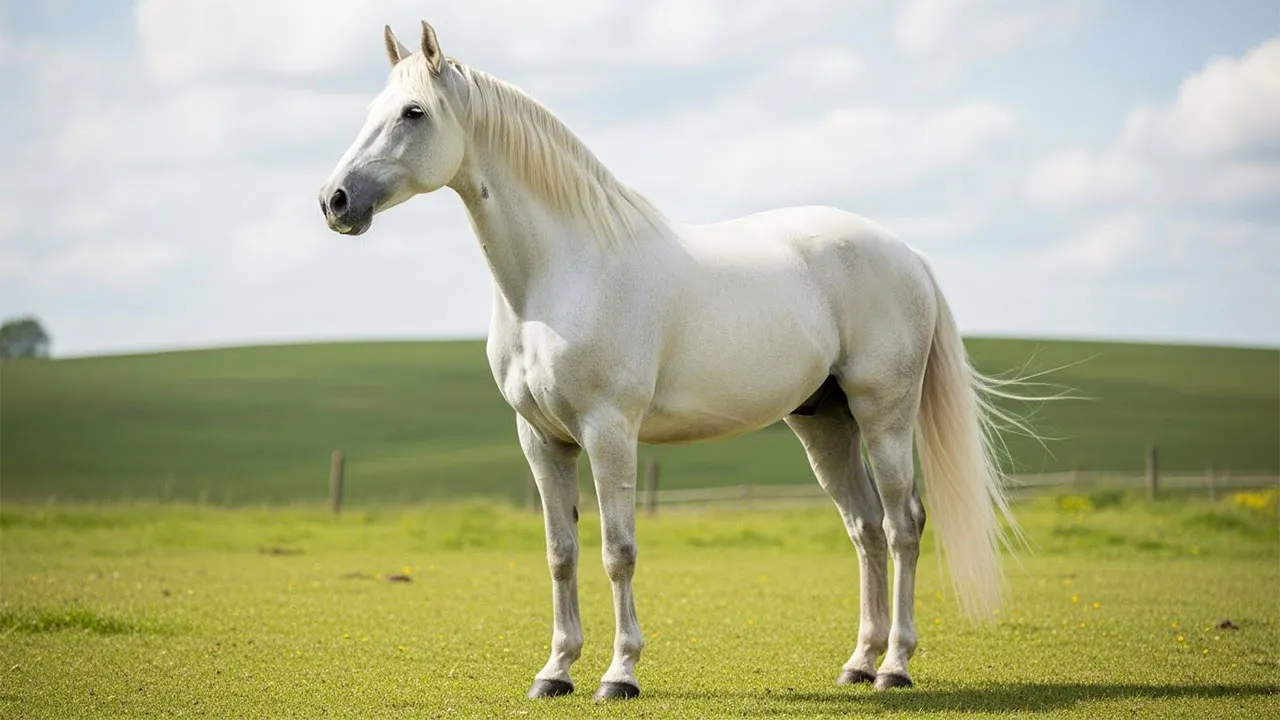
Powerful muscle structure gives Hanoverians the push needed for demanding jump courses. Their movement stays fluid even at height, allowing smooth takeoff and controlled landings. This balance places them firmly among elite jumping horses.
Built for Competitive Arenas
A calm yet competitive mindset allows these horses to stay focused under pressure. Learning ability plays a key role in mastering complex jump patterns. That mental steadiness changes how they perform at top levels.
This edge becomes clearer when details are broken down:
Frequent presence in Olympic jumping events
Multiple Olympic gold medal performances
Premium pricing in competitive markets
Consistency at the Highest Level
Hanoverians appear repeatedly in international show jumping because reliability matters at that scale. Riders depend on their steady rhythm when courses demand accuracy over speed. That trust is earned through repeat performance, not reputation.
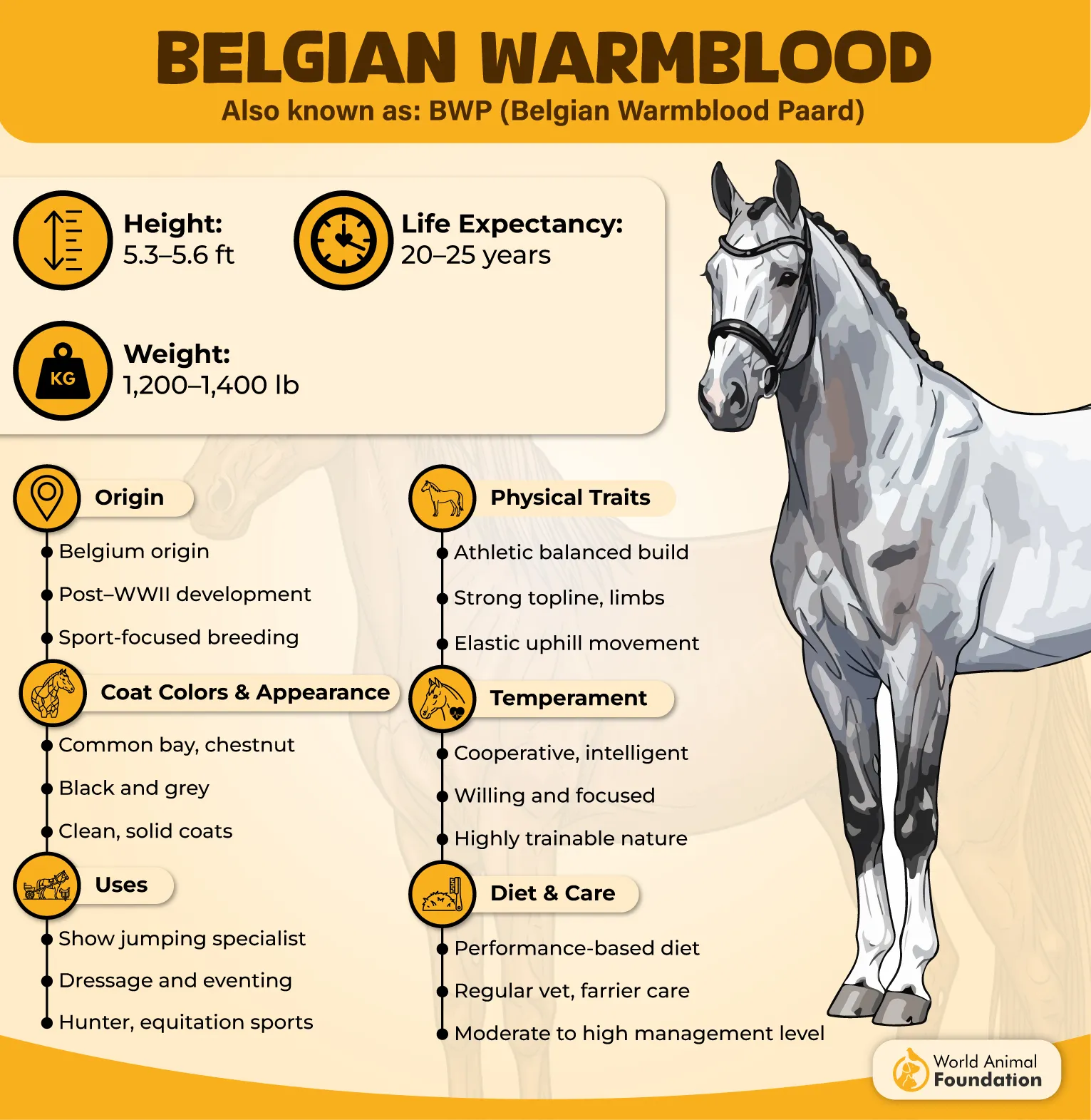
5. Belgian Warmblood
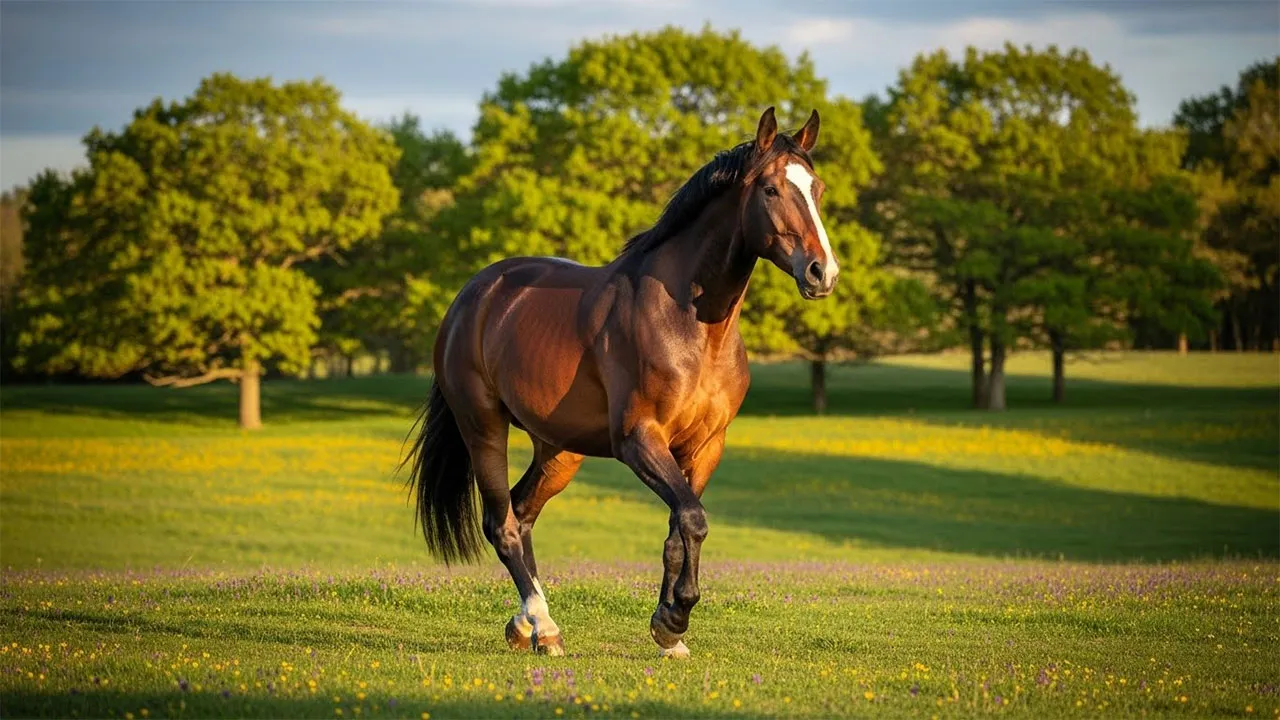
Balance and composure shape how this horse approaches a course from the first stride. A steady mindset allows a smooth rhythm between fences, helping riders maintain flow without constant correction. That calm presence becomes especially valuable when courses demand precision over power.
Built for the Jumping Arena
Strength shows through every takeoff, supported by a frame designed to push upward and forward with ease. Their ability to clear jumps beyond six feet places them firmly in elite competition spaces.
That advantage shows up in clear, practical ways:
Strong push from the hindquarters
Quick recovery after landing
Consistent pace between fences
Smart Choices Over High Fences
Intelligence plays a major role in how this horse reads distances aits nd adjusts its stride before a jump. Clean technique and careful footwork reduce unnecessary strain during repeated rounds. This awareness helps riders tackle technical combinations with confidence rather than hesitation.
6. Holsteiner
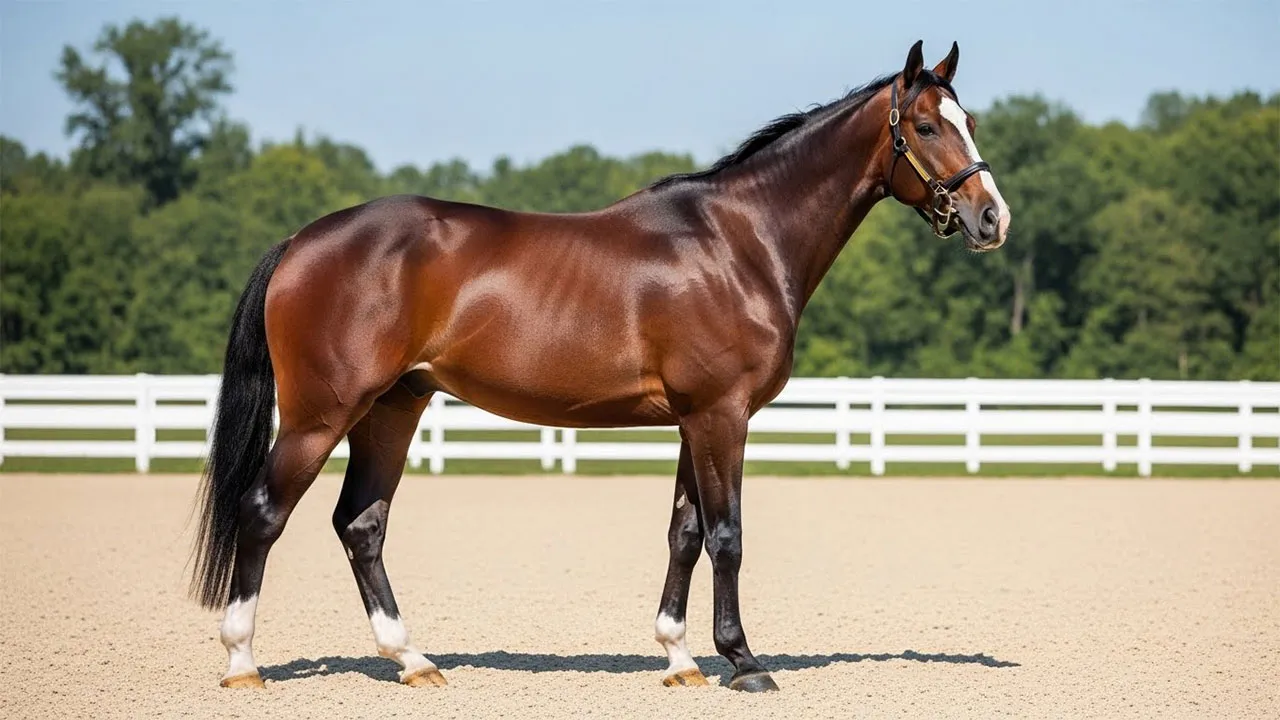
Power shows first in how a Holsteiner approaches a fence with balance and control. Their frame supports explosive takeoff while staying smooth through the air. This natural coordination places them firmly among horses favored for demanding jumping courses.
Athletic Precision in the Arena
Speed and strength work together when this horse meets technical lines and tight turns. Calm focus helps them stay responsive even on complex courses. That combination explains their consistent presence in top-level show jumping.
A quick look at what supports their jumping success:
Strong hindquarter push
Clean bascule over fences
Reliable rhythm between jumps
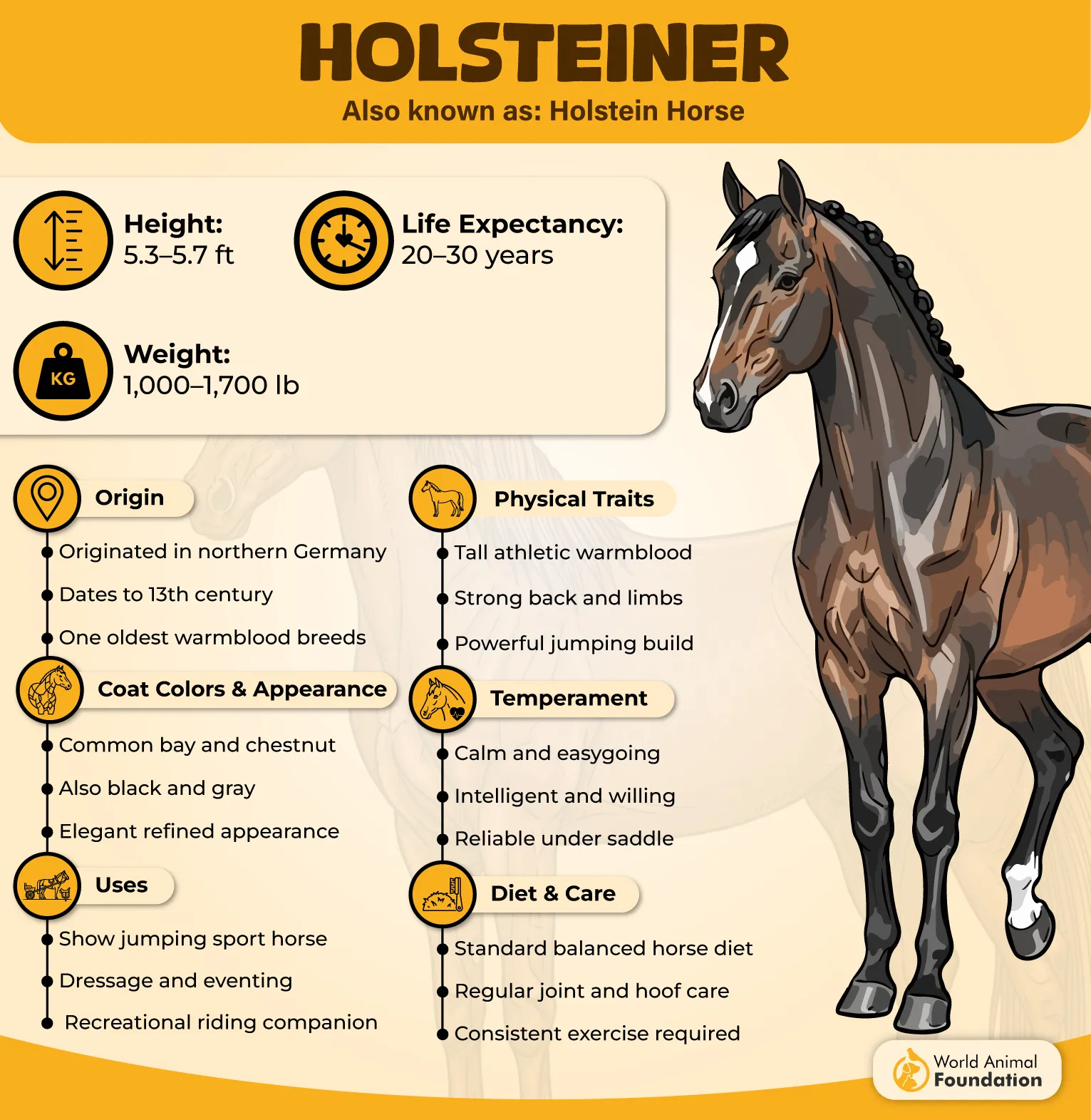
Smooth Movement Under Pressure
Transitions feel fluid, allowing riders to set lines without constant correction. Their agility helps them clear height while maintaining form across long courses. This efficiency reduces wasted effort during competitive rounds.
7. Selle Français
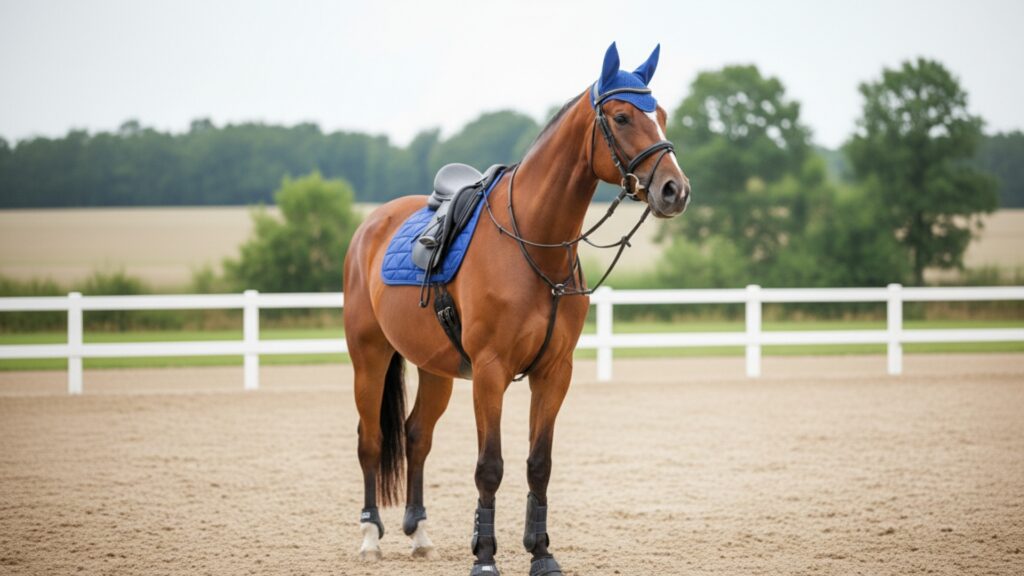
Fluid movement sets the Selle Français horse apart the moment it enters a jumping course. Its powerful frame supports controlled speed, allowing quick adjustments between fences. This balance of strength and timing plays a major role in consistent performance over tall obstacles.
Built for Competitive Jumping
Agility shows through fast footwork and smooth coordination during complex lines. Confidence at takeoff helps this horse approach high rails without hesitation. Riders often rely on its steady rhythm to maintain momentum throughout demanding rounds.
Here is what strengthens its jumping ability:
Clean bascule over fences
Fast recovery after landing
Natural course awareness
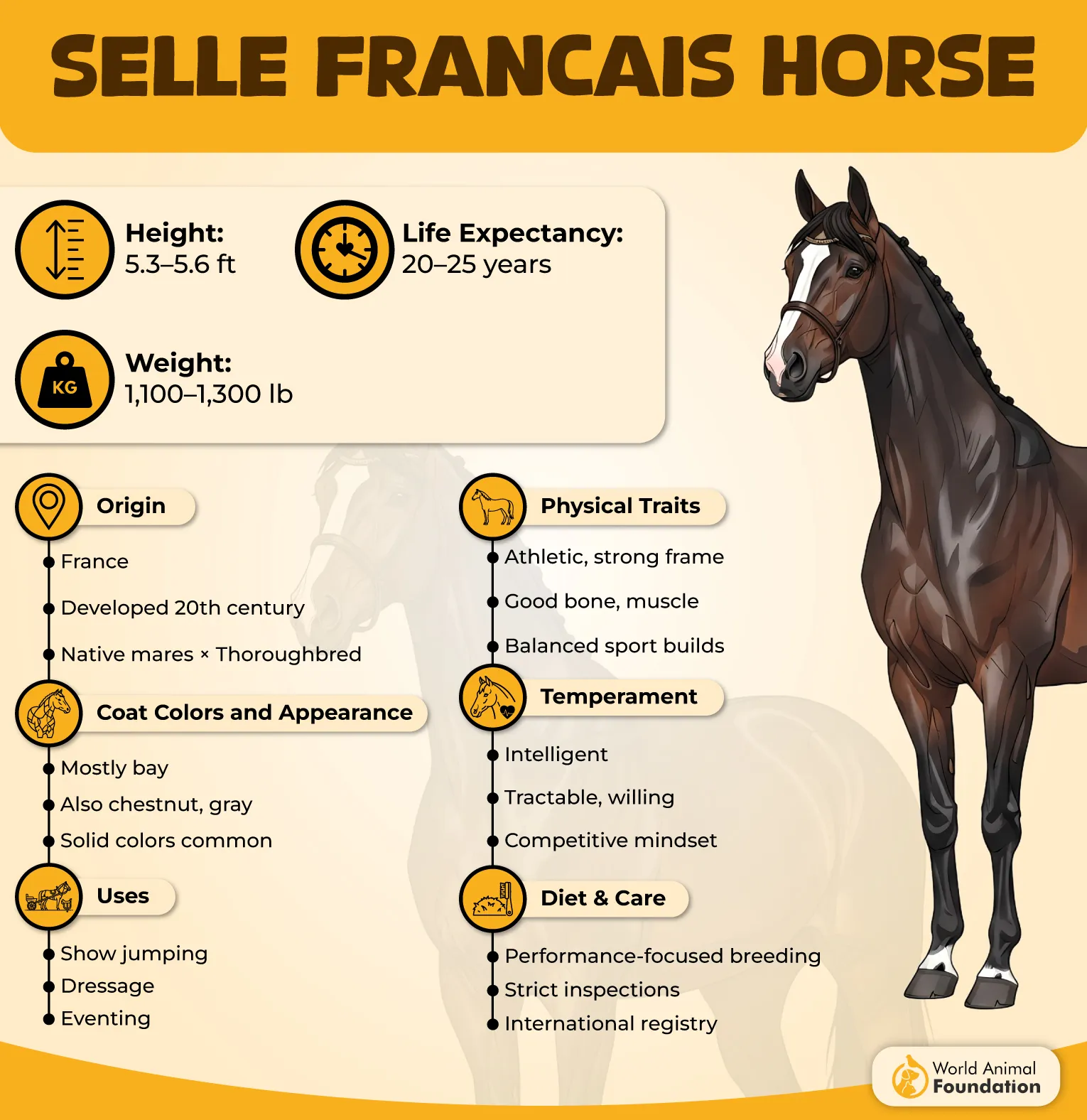
Confidence at the Fence
Bravery influences how this horse reads distances and commits to jumps. It approaches technical elements with focus rather than hesitation. That mental clarity helps reduce errors when courses become tighter and more vertical.
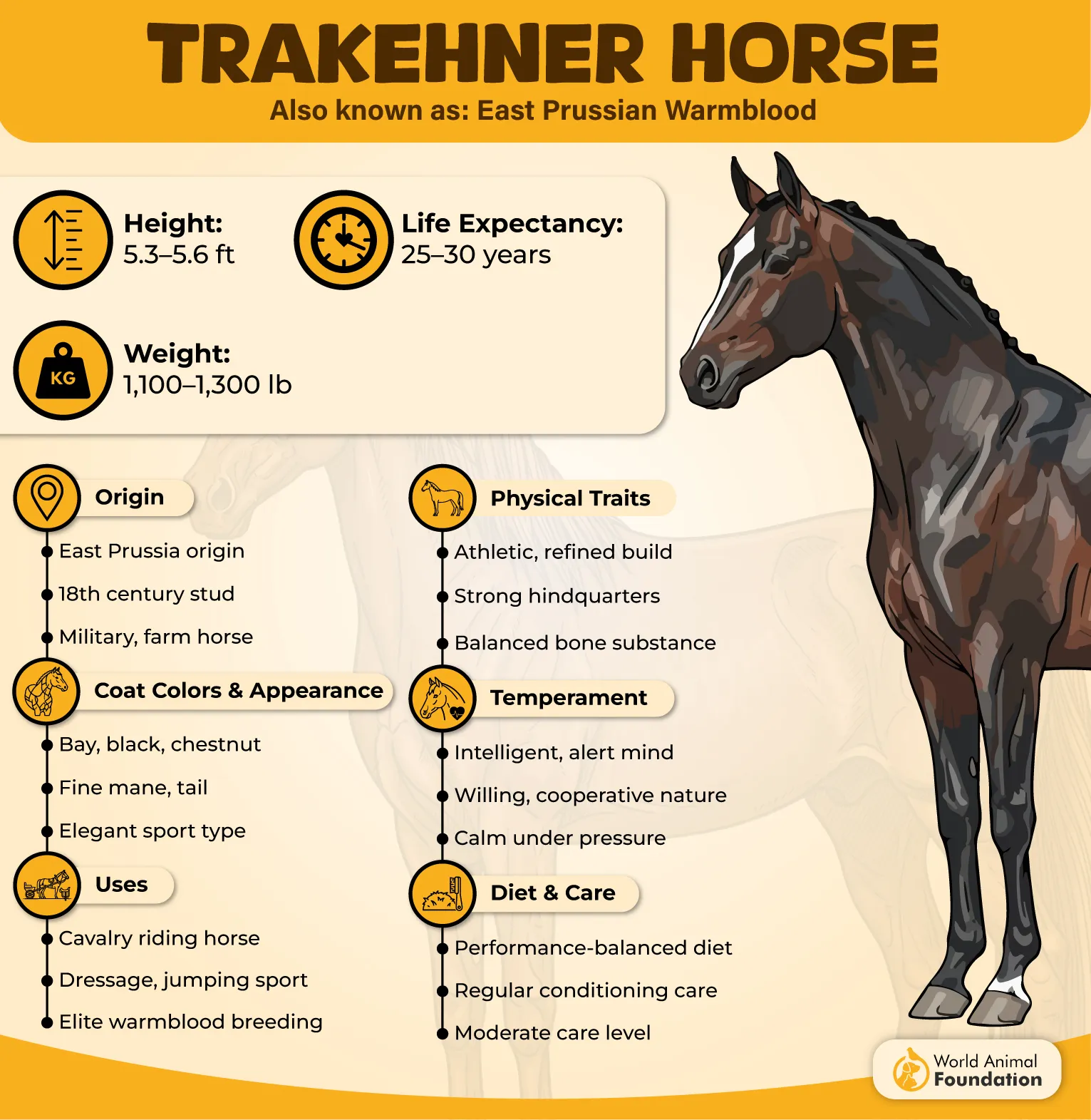
8. Trakehner
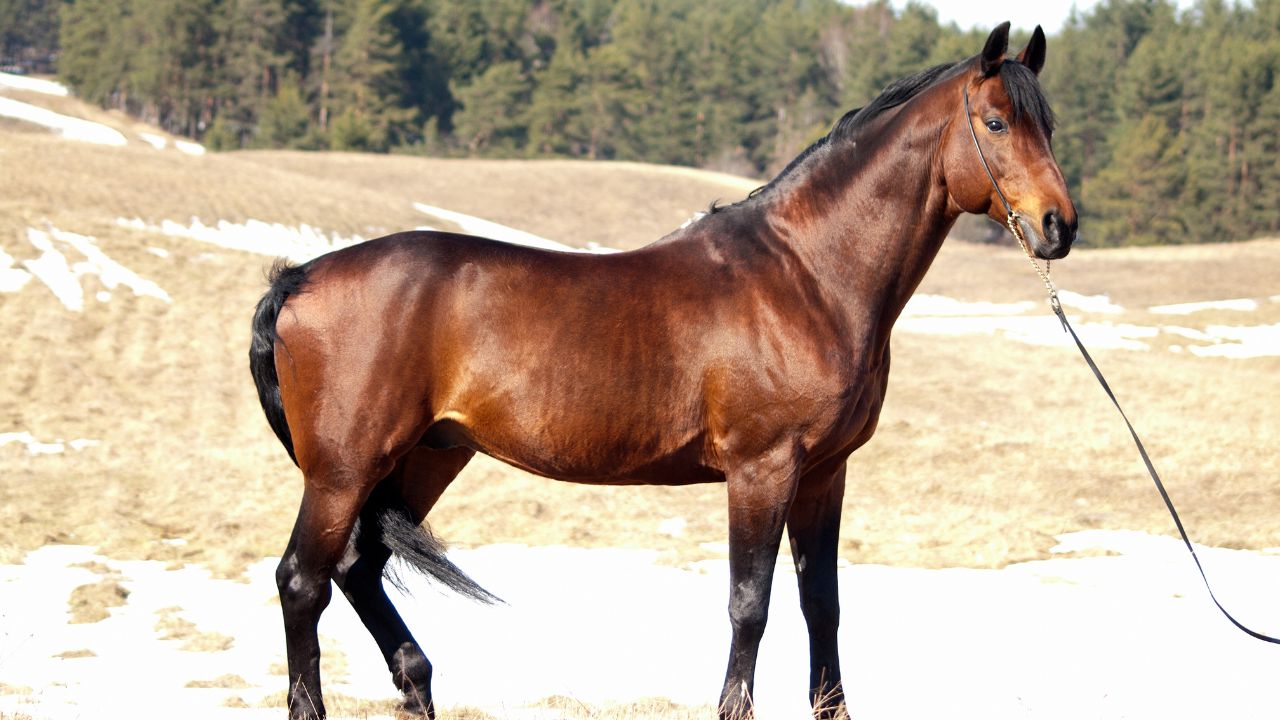
Graceful movement plays a major role in how Trakehners approach jumping courses. Their natural rhythm allows them to meet fences with smooth timing rather than forced effort. This balance supports clean takeoffs and controlled landings across varied jump setups.
Precision Over the Rails
Agility and quick thinking help this horse adjust its stride length just before a fence. Jumps reaching around five feet are well within reach when momentum and focus align. That adaptability keeps performance steady even as course demands shift.
That adaptability shows up in small but telling ways:
Fast mid-course decisions
Efficient bascule
Consistent form
Endurance That Sustains Performance
Eventing places repeated physical demands on a jumping horse, and Trakehners handle this variety with ease. Their stamina allows them to maintain energy through multiple phases without losing sharpness. This endurance keeps their jumping effort reliable rather than rushed.
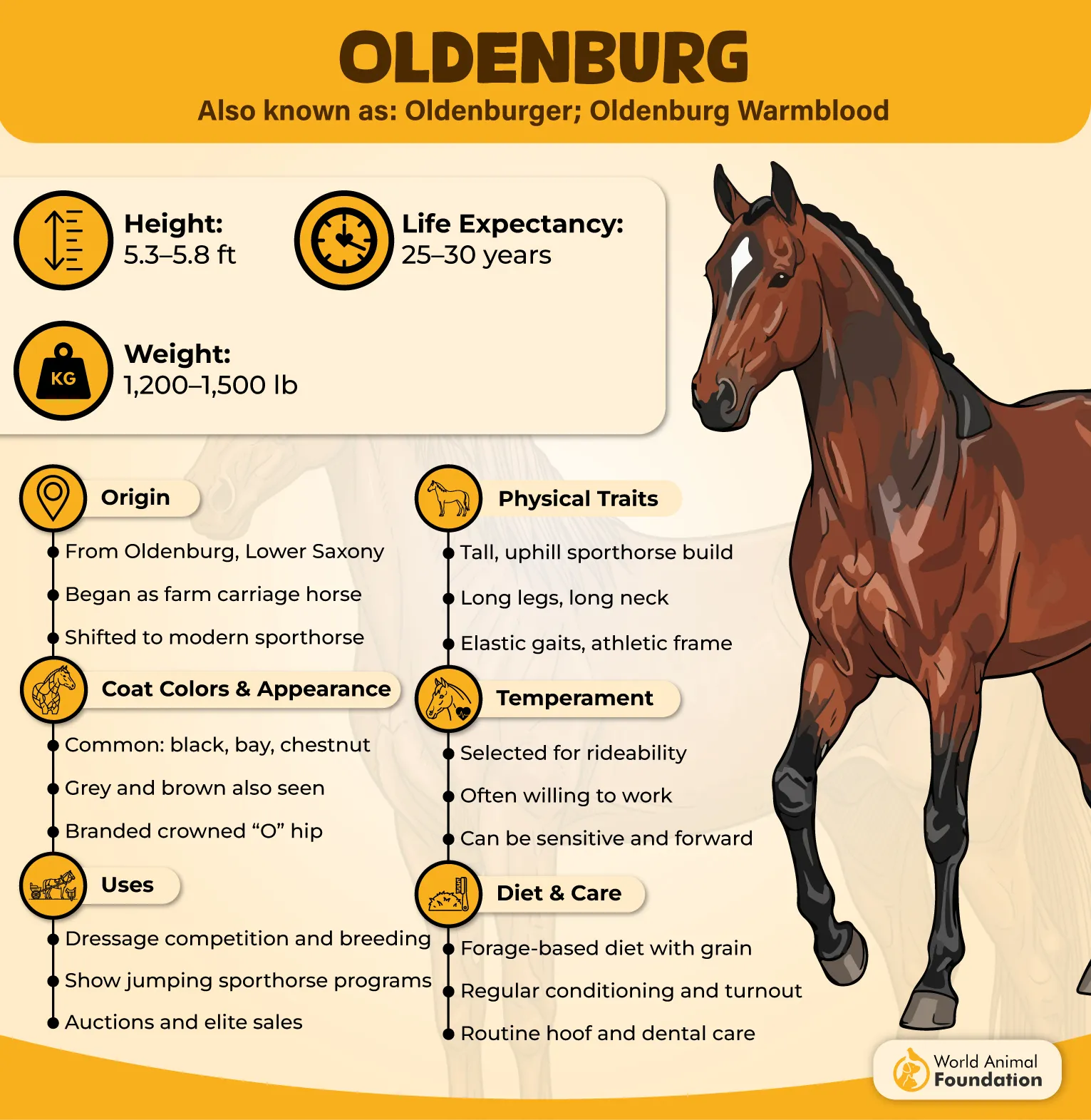
9. Oldenburg
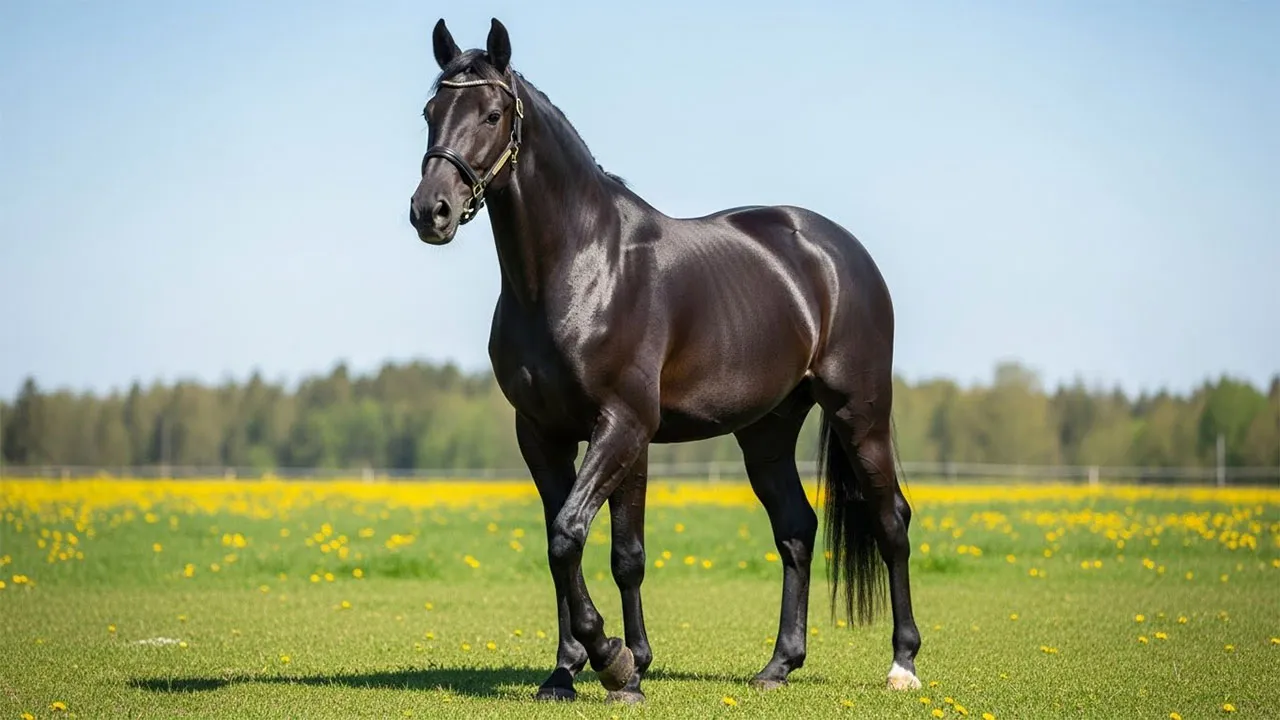
Elastic movement and clean form give the Trakehner a noticeable edge when approaching fences. Each stride feels calculated, allowing the horse to meet takeoff points with balance and rhythm. This precision helps riders stay composed on technical jumping courses.
Built to Handle Competitive Courses
Strength blends smoothly with agility, helping this horse manage demanding lines without losing momentum. The frame supports upward power while maintaining lightness through combinations. That balance becomes evident once the course starts tightening.
A closer look explains why jumpers rely on it:
Consistent takeoff rhythm
Efficient bascule over fences
Reliable pace between jumps
Speed That Keeps Courses Fluid
Quick ground coverage allows the Trakehner to recover fast after landing and set up cleanly for the next obstacle. This forward motion reduces rushed adjustments and keeps rounds flowing. This breed easily stays in sync during complex patterns.
Conclusion
Jumping success is rarely accidental. The best jumping horse breeds rise through consistency, balance, and careful development. Across show jumping competitions, the best horse breeds show how strength and timing work together. These horse breeds do not rush fences or waste motion. In the jumping world, these horse breeds stay composed when courses tighten.
Riders trust some horse breeds because jumping competitions reward precision over force. A well-trained jumping horse reflects years of correct handling. While many enter the jumping world, the best horse breeds continue to lead jumping competitions through discipline, awareness, and repeatable performance.
