




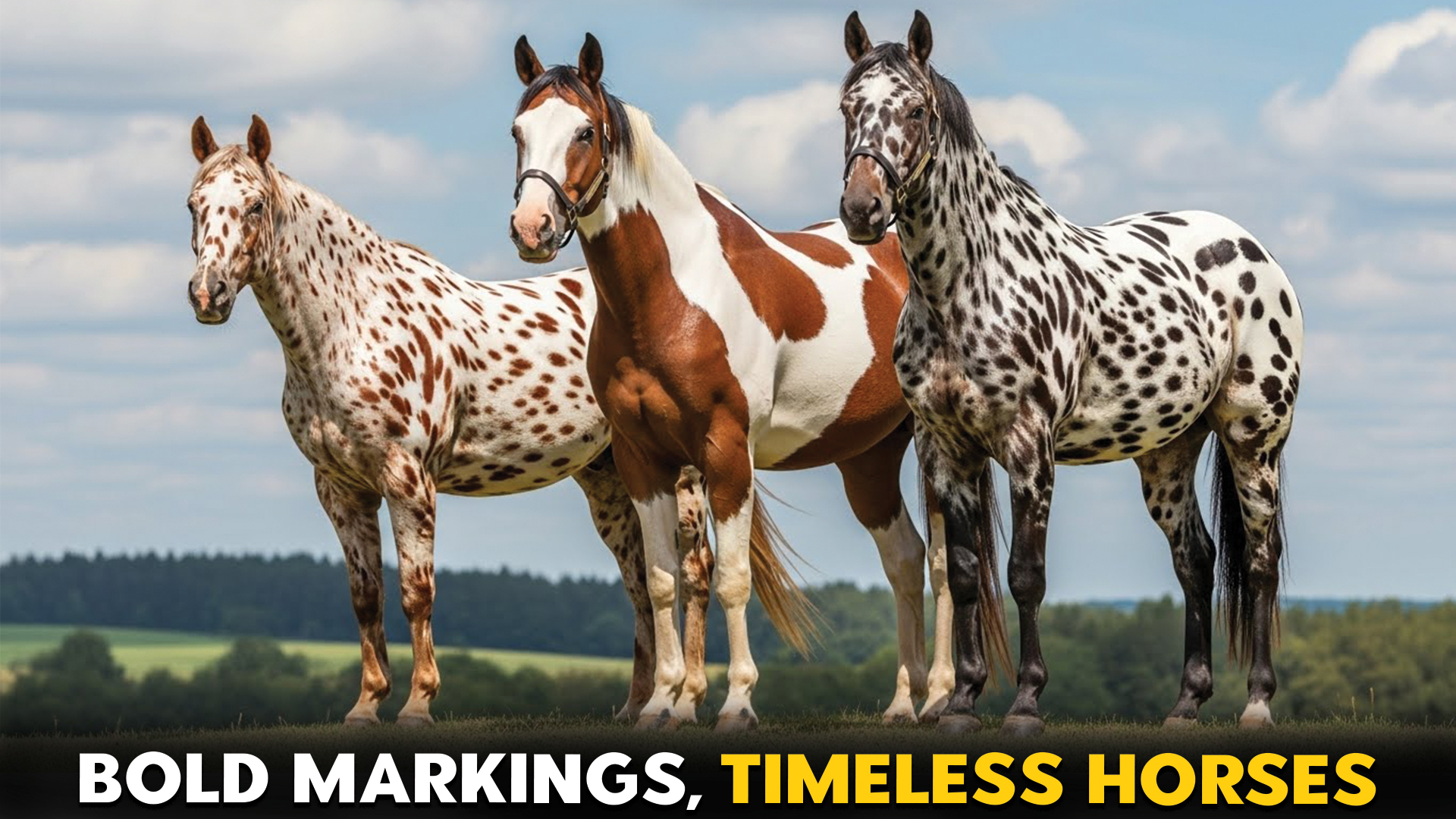
Some horses are remembered not for where they ran or how fast they moved, but for how they looked when they stood still. Unique markings have a way of settling into memory, fixing a horse’s image long after the moment has passed.
A bold face pattern, an unexpected contrast, or a striking balance of color can feel deeply personal to the observer. These markings create recognition before connection and familiarity before story. Humans have always responded to visual distinction, especially when it appears natural and unrepeatable.
Horses, famous for their unique markings, often become symbols, not just animals, because their appearance feels intentional and expressive. The eye follows shape and contrast instinctively, and the mind assigns meaning without effort. These coats become visual signatures that separate one horse from countless others.
At the end of this article, you will explore how these markings form, why they capture attention, and what makes them unforgettable across time and culture.
Key Takeaways
A single glance can be enough for a horse to become unforgettable when color and pattern align in just the right way.
The Appaloosa and Knabstrupper turn genetics into visual identity, while Paint Horses and Gypsy Vanners use contrast and flow to command attention without movement.
From the Icelandic Horse’s ancient dorsal stripe to the Falabella’s pintaloosa patterns, each marking feels intentional and impossible to repeat.
As these horses unfold, their coats begin to read like signatures, shaping how we recognize them long before we know their stories.
Horses That Are Famous for Their Unique Markings
1. Appaloosa
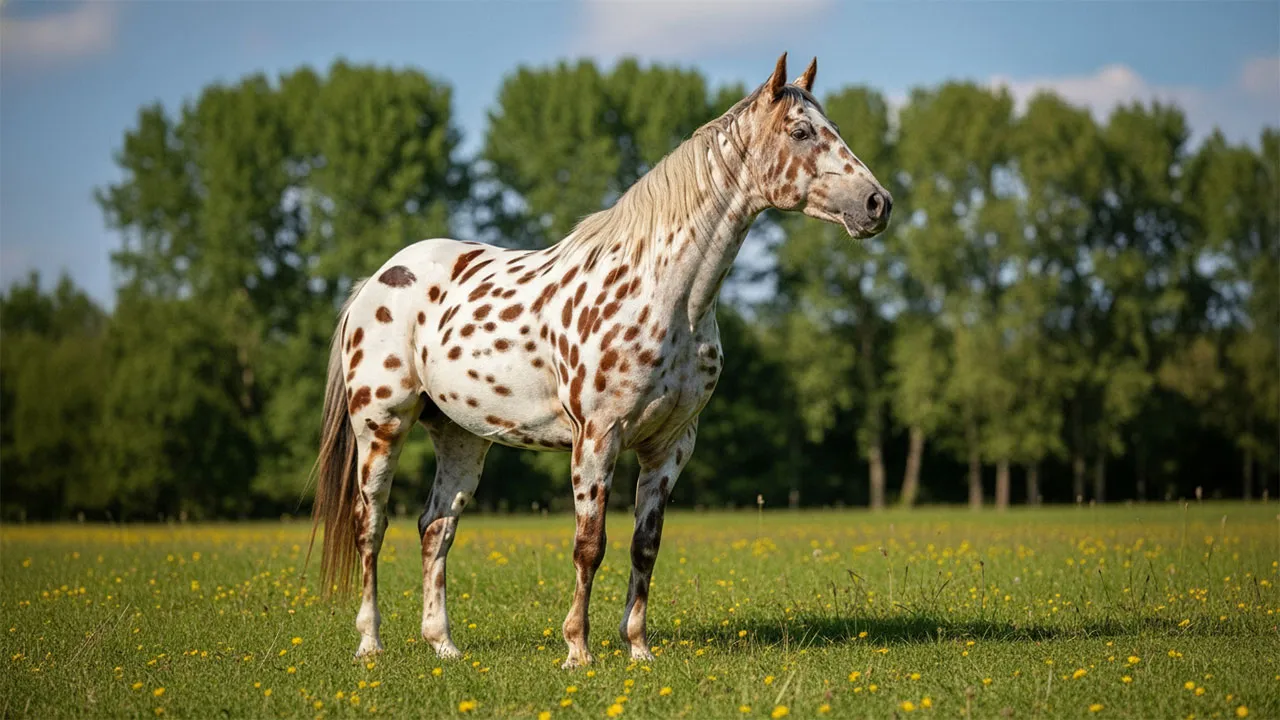
Spotted coats immediately draw attention, yet no two Appaloosas ever look the same. Their markings stem from leopard complex genetics that influence how spots appear and spread. This natural variation places them among horses celebrated for visual individuality.
A Coat That Tells a Genetic Story
Each pattern follows a recognizable structure rather than a random design, making these markings easy to identify. Blankets, leopards, and scattered spots form through inherited traits. The result is a coat that functions like a fingerprint.
This visual language shows itself through clear markers:
Blanket patterns
Leopard spotting
Mottled skin
More Than Visual Appeal
Beyond appearance, versatility adds to their lasting recognition in the equestrian world. These horses adapt smoothly across riding disciplines, balancing stamina with responsiveness, as PetMD notes. Their agility supports long hours of work without visual uniformity ever becoming dull.
2. Paint Horse
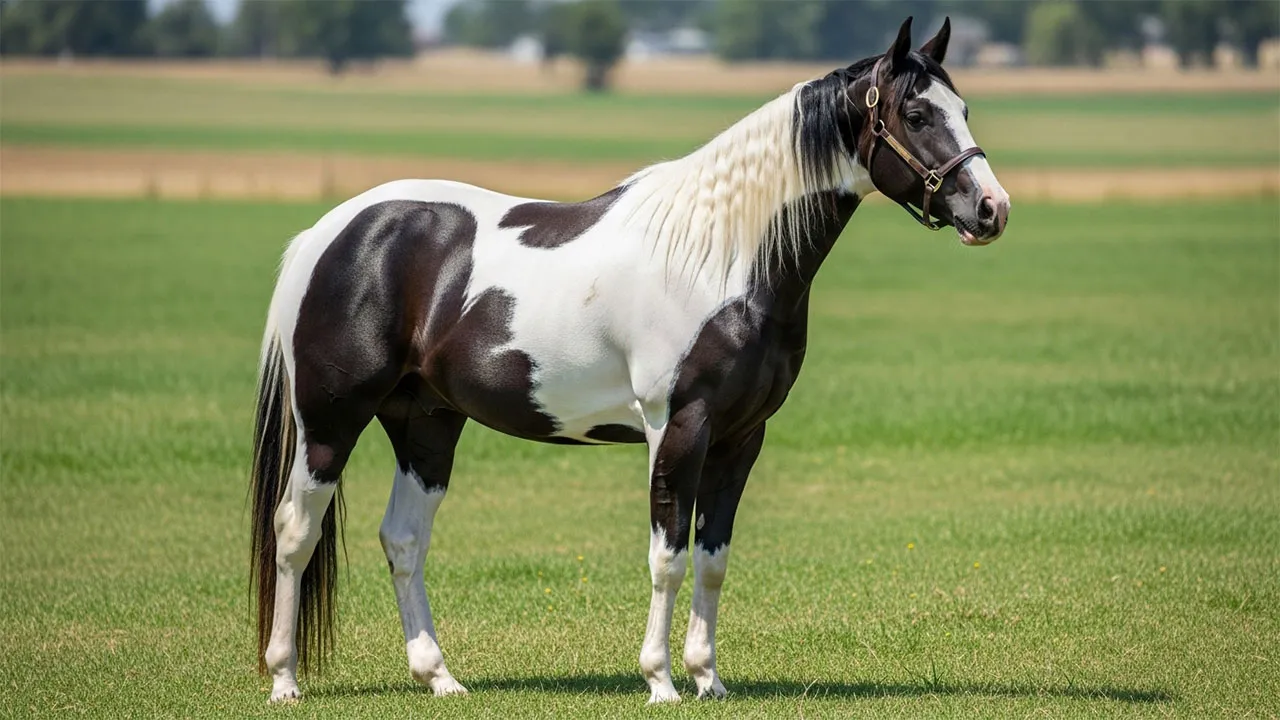
Movement draws the eye first, but the coat seals the impression with bold contrast and flow. Large patches of white and color are spread across the body in patterns that never repeat. This visual impact places the Paint Horse firmly among horses celebrated for rare markings.
Patterns Shaped by Genetics
Overo and tobiano markings form through inherited Pinto genetics rather than chance. Each pattern follows specific genetic rules, creating consistent placement with endless variation. These coats remain one of the clearest identifiers within the breed.
That complexity shows up in distinct ways:
Clear-edged color separation
Asymmetrical white placement
Pattern consistency across generations
Expression Beyond Color
Color placement enhances expression, making facial markings especially noticeable during movement. Shifts in light emphasize contrasts across the shoulders and hindquarters. This visual rhythm adds depth that photographs rarely capture fully.
3. Knabstrupper
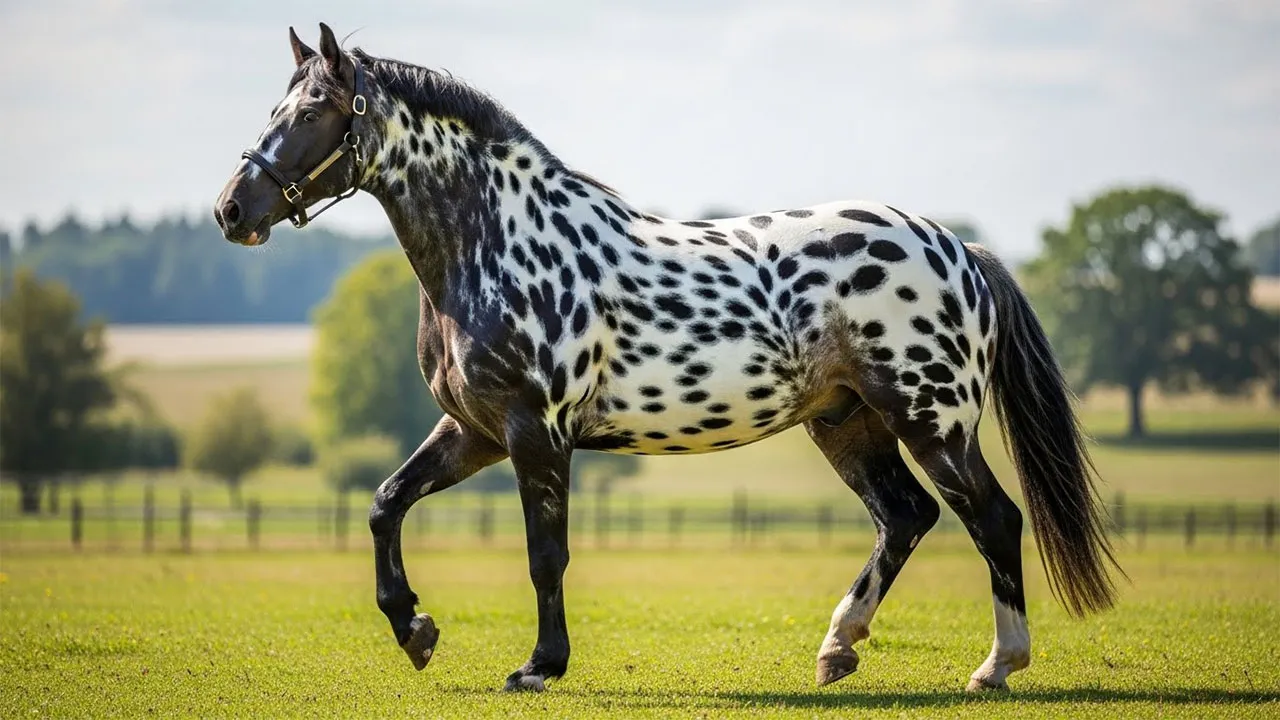
Artistic appeal sets the Knabstrupper apart long before movement enters the picture. Their spotted coats resemble living patterns rather than uniform markings, as per USDF. Each horse displays a distinct arrangement that makes identification effortless even at a distance.
Markings With Meaning
These coats are not random decorations but reflections of genetic variation linked to overall vitality. Spot patterns range from bold leopard layouts to softer blanket effects. The visual depth adds character without affecting athletic balance.
Here is what often shapes those markings:
Leopard spotting patterns
Variable contrast density
Individualized coat layouts
Elegance Beyond the Surface
Historical records associate these horses with refined presentation and ceremonial value. Their presence in classical riding disciplines strengthened their reputation for grace under control. The blend of visual drama and precision movement keeps them noticeable in competitive arenas.
4. Gypsy Vanner
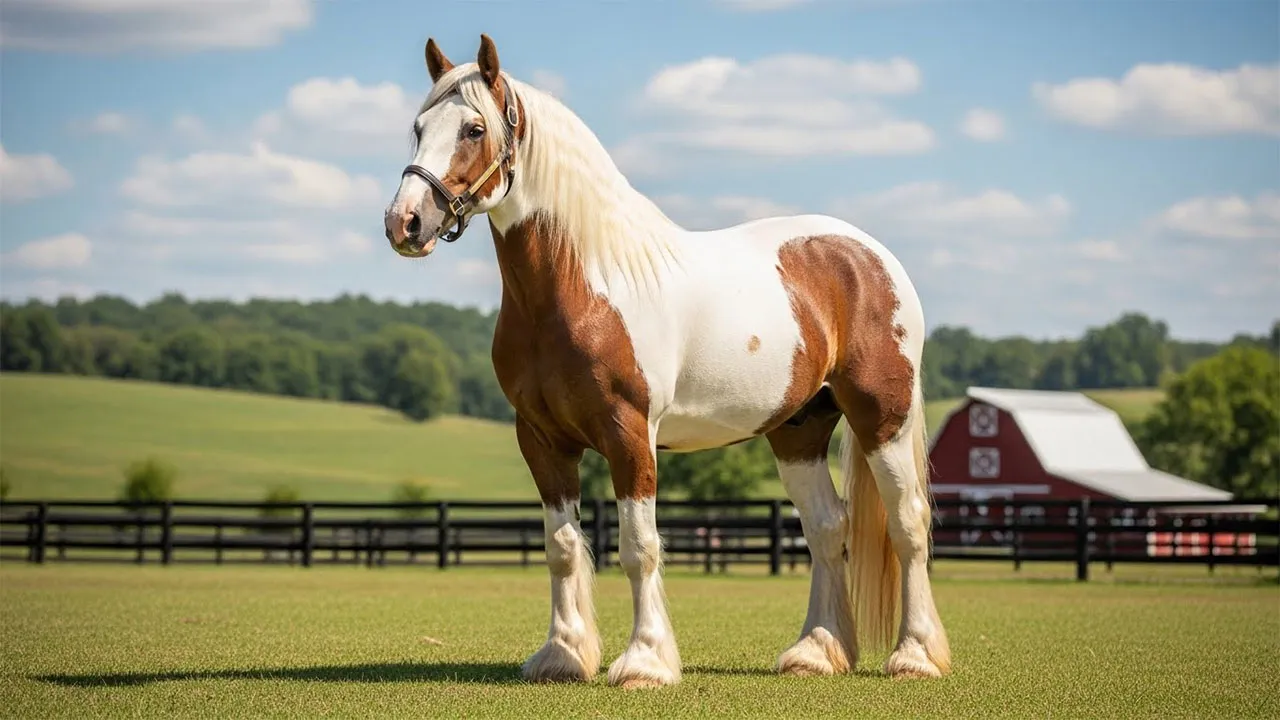
Flowing feathering along the legs instantly draws attention before the coat even comes into focus. Thick mane and tail frame a body built to move steadily rather than flashily, as stated in Gypsy Vanner Horse Society. Within horse breeds, this presence turns simple motion into something visually striking.
Patterns That Refuse to Repeat
Piebald and skewbald coats create bold divisions of color that feel deliberate rather than random. No two patterns align the same way, giving each horse a look that cannot be replicated. That individuality explains why this horse appears unforgettable in crowded arenas.
The details sharpen the picture further:
Clean black and white splits
Brown and white variations
Natural contrast lines
Strength Beneath the Style
Feathered legs are not just decorative, and they protect legs during steady pulling work. A solid frame supports both movement and visual symmetry. That combination keeps the breed visually memorable without relying on exaggeration.
5. Icelandic Horse
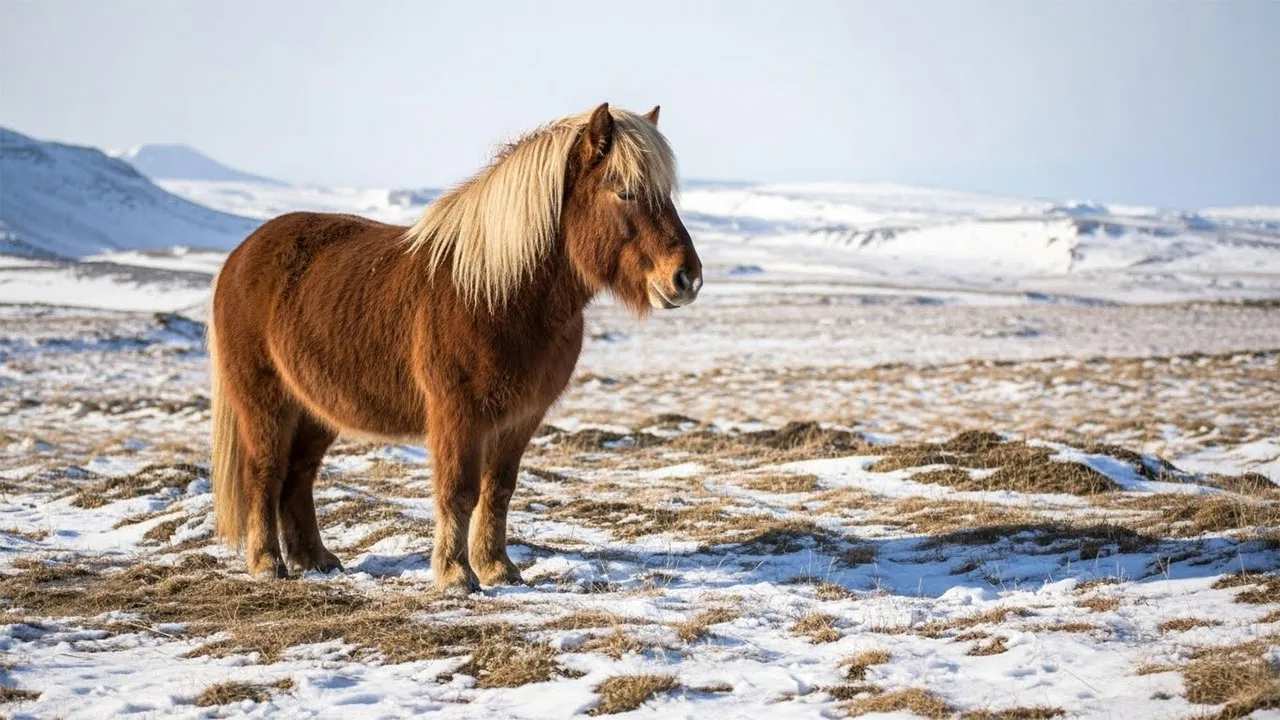
Smooth, balanced motion often draws attention before markings ever come into view. This breed’s ability to shift through five distinct gaits creates a fluid rhythm rarely seen elsewhere in the horse world. That controlled movement sets the stage for the visual details that follow.
Markings With Ancient Roots
Visual identity plays a major role in how this horse is recognized today. The dorsal stripe, running cleanly along the spine, reflects genetic links to early horse types. That stripe often appears darker and more defined against the horse’s coat.
Small details make the pattern easier to recognize:
Dark line along the back
Clear contrast in color
Consistent placement
Adaptation Written in Color
These markings are more than surface detail and reflect long adaptation to harsh terrain. The stripe often appears alongside earthy tones that blend naturally with rugged landscapes. Such visual traits echo durability shaped over generations.
6. Falabella
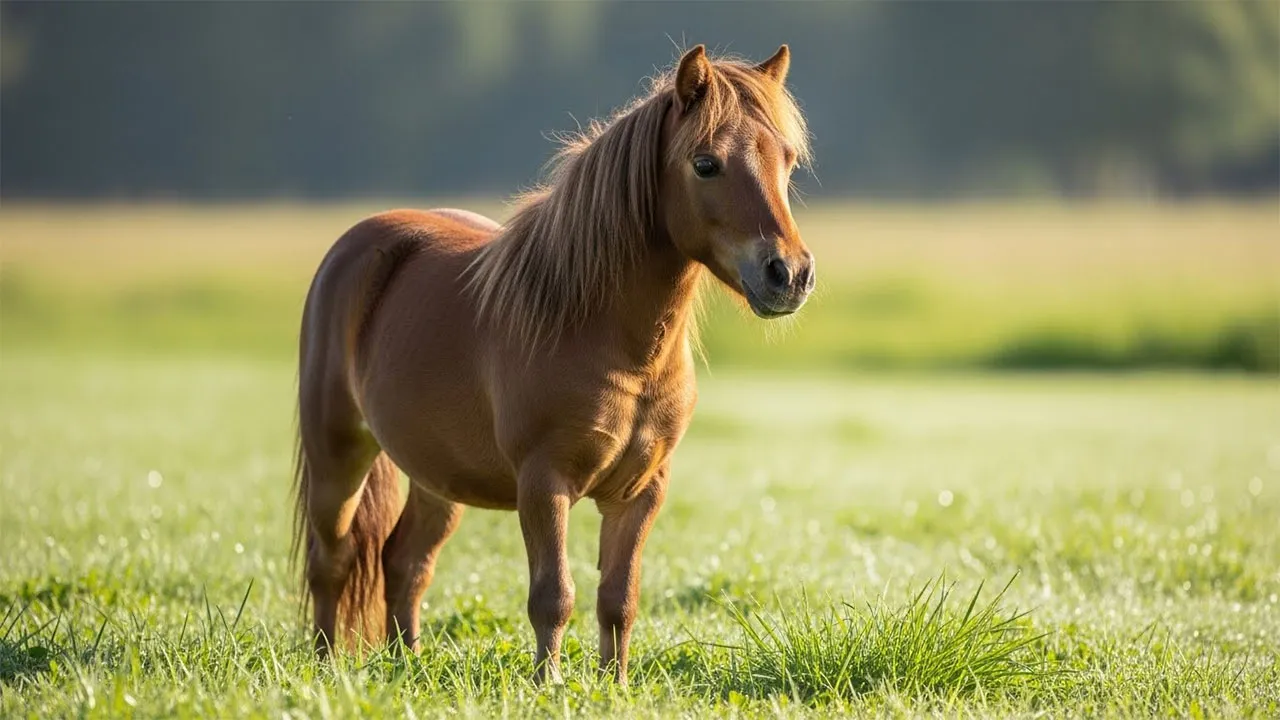
Soft movement and finely balanced proportions give the Falabella an almost sculpted presence. What draws the eye first is the eye-catching blend of patches and speckles across their coats. These markings feel deliberate rather than random, turning each horse into a living display of color.
Patterns That Never Repeat
Pintaloosa genetics shape coats that mix pinto blocks with appaloosa-style spotting. This creates surfaces that look hand-painted rather than bred.
That variety becomes easier to notice up close:
Irregular spotting across flanks
High-contrast color breaks
Freckled overlays on solid bases
Small Frame, Strong Visual Impact
Their compact size makes every marking more visible and easier to appreciate. Color placement appears sharper because nothing is lost across a large body surface. This clarity is why Falabella stands out in exhibitions centered on appearance.
7. Marwari
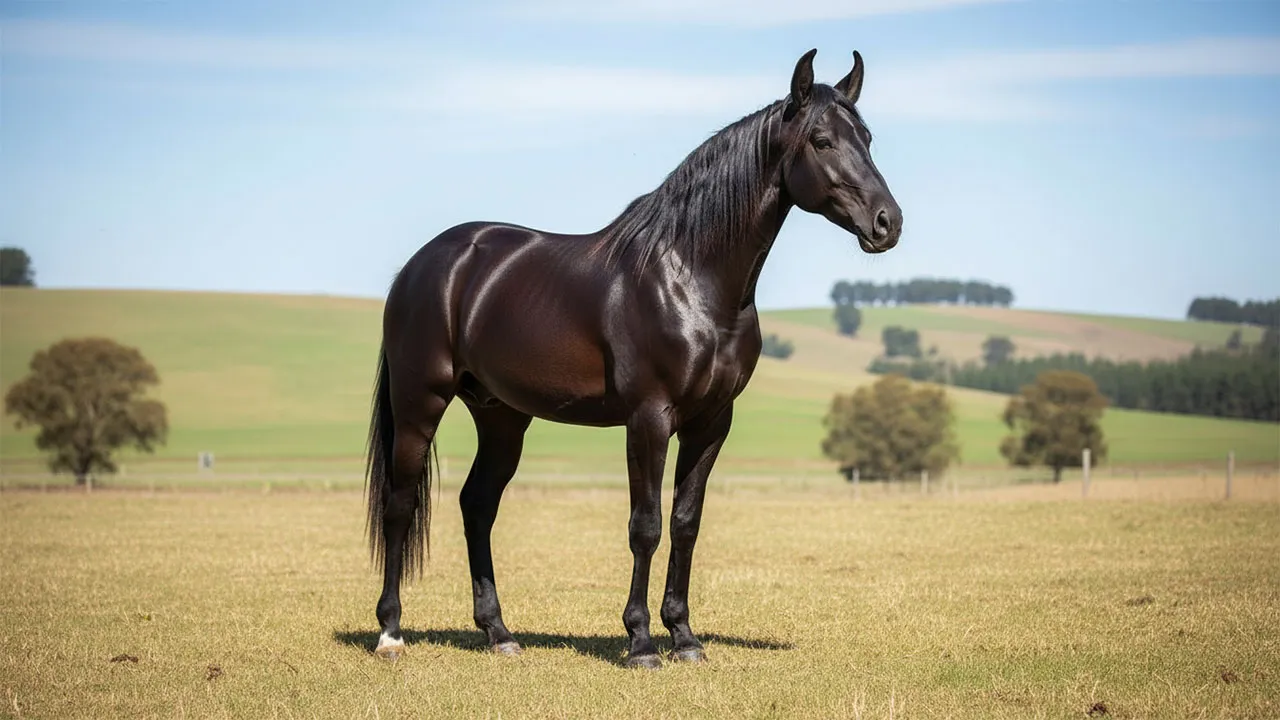
Grace often appears first through movement, and the Marwari shows it with a poised, confident step. Attention quickly shifts to the inward-curving ears that frame the head in a way few horses share. This unusual feature sets the tone for a breed celebrated for visual distinction.
Markings With Meaning
Sabino spotting adds white splashes across the coat, creating patterns that feel intentional rather than random. These markings reflect genetic variation often associated with soundness and resilience. The look feels bold, yet deeply rooted in tradition.
Details that sharpen the picture:
Curved ears that nearly meet
Sabino white patterning
Strong visual symmetry
Endurance Behind the Appearance
Agility and stamina define how the Marwari moves through long stretches of work. Their build supports sustained effort without sacrificing balance or responsiveness. This combination gives the markings even more presence when seen in motion.
Fun fact: .The inward-turning ears of the Marwari can rotate almost 180 degrees, a feature rarely seen in other horse breeds
Conclusion
Unique markings remind us that beauty often speaks before history. Some of these beautiful horses come from ancient breed lines, yet their appearance still feels fresh. Even within the same breed, no two coats ever tell the same story. Colorful coats and unique patterns draw the eye, while a dark marking can anchor the look in balance.
These details move with the body, bending at the horse’s knees and shifting with light. Such traits turn recognition into memory. They show how nature shapes identity without repetition, leaving certain horses unforgettable. Their presence lingers long after the moment quietly ends there.
