




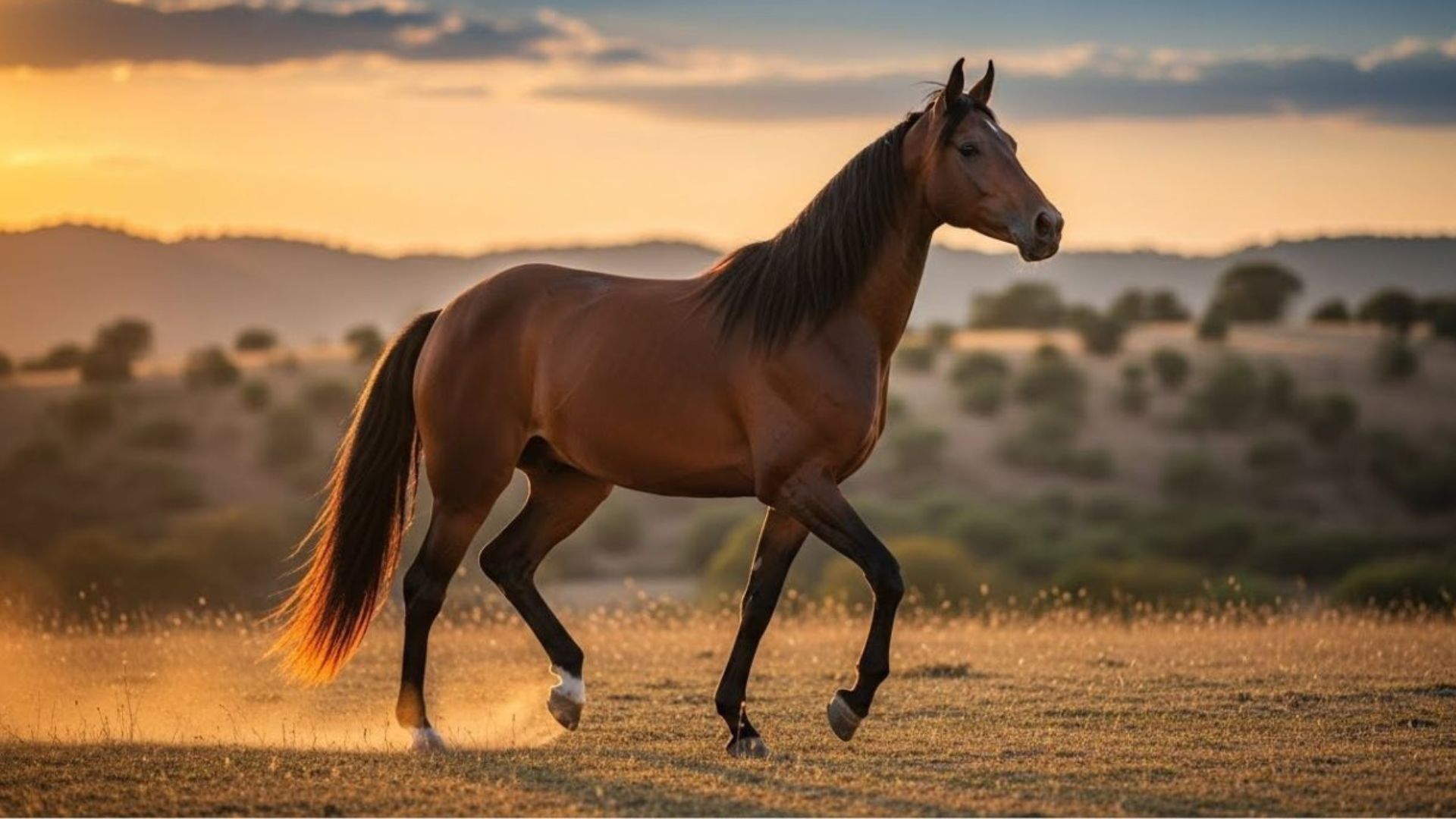
Movement is where a horse reveals its soul. Horses known for their unique gait styles express themselves through motion that feels intentional, measured, and deeply human in its effect. Their steps do not jolt or rush. They flow, carrying the rider with a rhythm that feels almost conversational.
For those who have experienced it, the sensation lingers long after the ride ends. These gait styles were shaped by real needs such as distance, comfort, and endurance, yet they carry undeniable beauty.
Each stride reflects balance, coordination, and an instinctive understanding of the body in motion. Riders often describe a sense of calm, control, and connection that standard movement cannot replicate.
What follows is a closer look at how these distinctive gaits work, where they came from, and why they continue to leave such a lasting impression.
Key Takeaways
Movement tells the real story of a horse, especially when each step flows without jolts or resistance.
The Icelandic Horse and Tennessee Walking Horse show how smooth four-beat gaits can carry riders for miles without strain.
Paso Finos and Peruvian Pasos take that smoothness further, turning every step into something deliberate and almost meditative.
By the final breed, it becomes clear why these movements stay with riders long after the ride ends.
Horses Known for Their Unique Gait Styles
1. Icelandic Horse
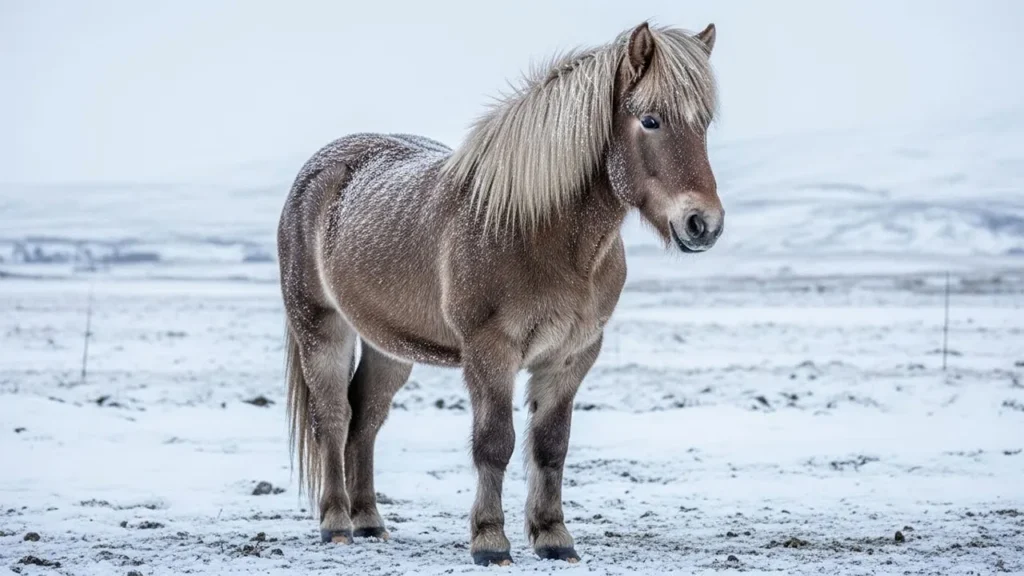
Compact size does not limit what this horse can handle across varied terrain. Its build supports balance and endurance, which play a major role in how smoothly it moves. That physical stability sets the stage for one of the most recognizable gait abilities in the horse world.
Movement That Changes the Ride
Beyond standard riding patterns, this breed offers motion that feels almost effortless in the saddle. The tölt delivers a steady four-beat rhythm that stays level even at speed, as per Horses of Iceland.
This difference becomes easier to notice in motion:
Four-beat tölt without bounce
High-speed flying pace
Clear separation between gaits
Two Gaits That Redefine Comfort
The tölt allows riders to move forward without a vertical jolt, even while holding objects steady. Flying pace shifts the experience entirely, delivering speed meant for short bursts and competition. Both gaits require natural coordination rather than mechanical training.
2. Tennessee Walking Horse
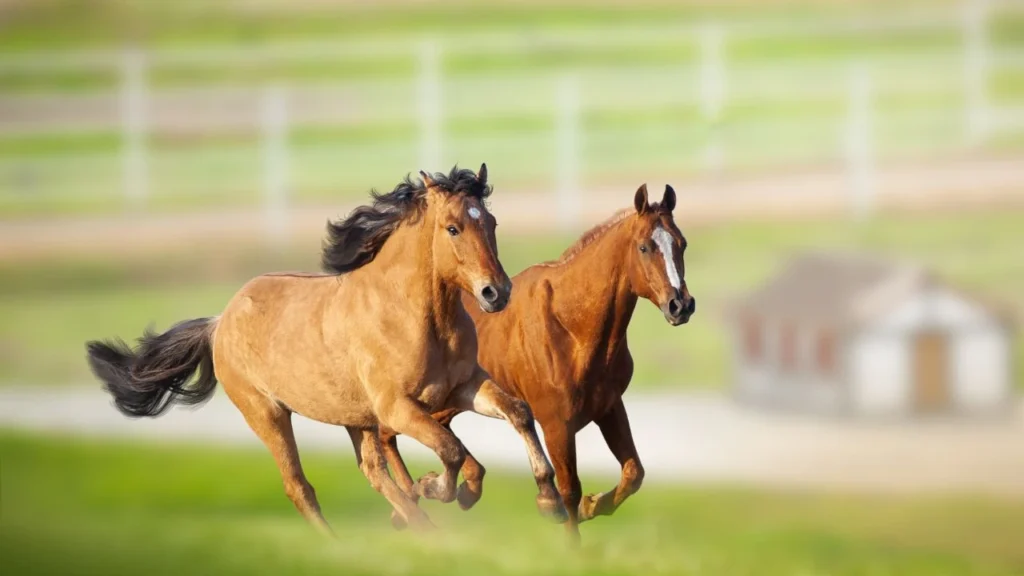
Smoothness defines this Tennessee Walking horse long before speed enters the picture. Each step flows forward with balance, allowing riders to stay relaxed over long distances. This natural ease places it among the most recognizable gaited horse breeds.
A Gait That Changes the Ride
Its signature running walk delivers forward motion without jarring the rider. The four-beat rhythm stays consistent while the head gently nods in time. That rhythm is where the difference becomes clear.
Key elements that shape this experience:
Four-beat running walk
Natural head nod
Minimal bounce
Built for Comfort on the Trail
Calm behavior pairs well with the smooth gait, making time in the saddle feel predictable and steady, as Mad Barn writes. Beginners often feel secure because the motion stays controlled at various speeds. This reliability explains their popularity among modern riding horses.
3. Paso Fino
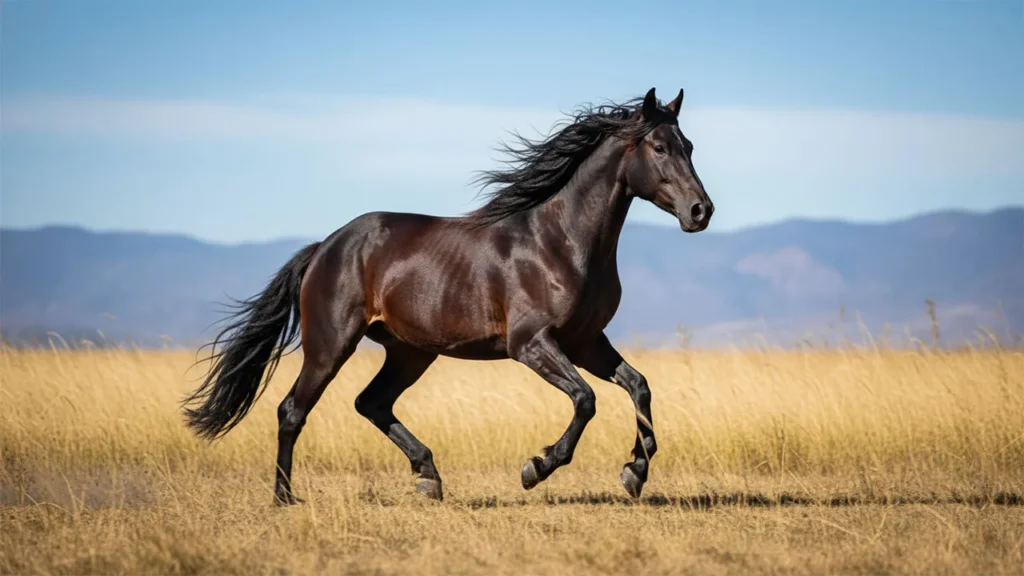
Grace defines every step of the Paso Fino, setting it apart through motion rather than size or speed. The name translates to fine step, which reflects how deliberately each hoof meets the ground. This refined movement places the breed firmly among horses celebrated for distinctive gait styles.
A Gait Built for Smooth Travel
Instead of a trot, this horse performs a four-beat lateral gait that stays level and balanced. Riders often describe the sensation as feeling as though they are floating, even at higher speeds. That feeling explains why it is usually chosen for a gentle ride.
Here is what shapes that experience:
Four-beat lateral rhythm
Minimal vertical bounce
Consistent footfall timing
Three Ways the Step Unfolds
The gait appears in three expressions that shift speed without losing smoothness. Classic Fino stays slow and precise, Paso Corto moves forward steadily, and Paso Largo lengthens the stride. All three keep the rider stable enough to balance a full glass of water.
4. American Saddlebred
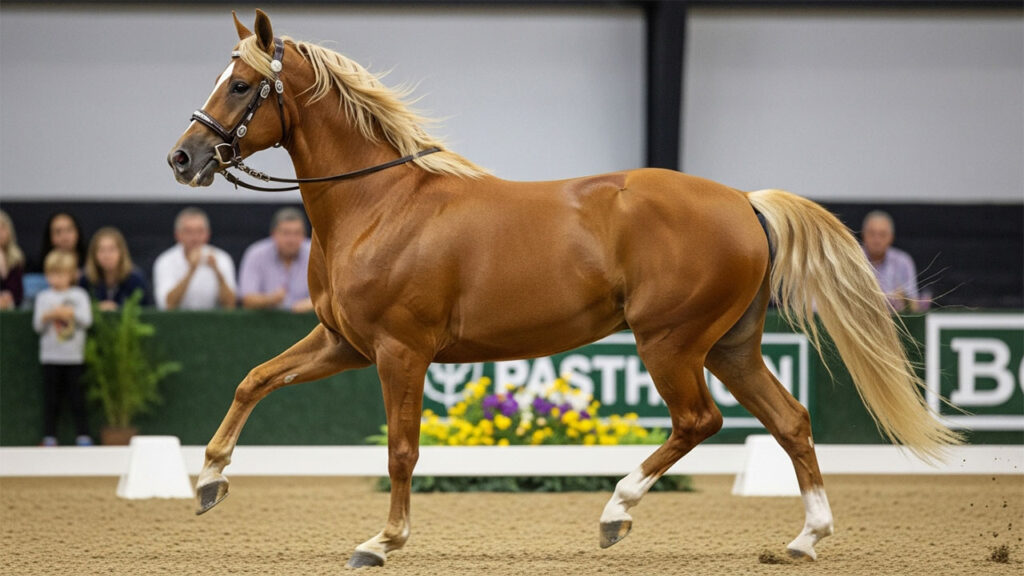
Elegance defines the American Saddlebred the moment it enters the ring. A naturally high head carriage and animated movement give it a striking silhouette. This visual drama directly ties into why its gait patterns draw such lasting attention.
Motion Designed to Impress
Some Saddlebreds perform beyond standard movement, adding flair through advanced gait ability. Five gaited individuals execute extra steps that remain smooth even at speed, as Britannica mentioned. These movements are deliberate, rhythmic, and visually distinct.
This is where movement turns into artistry.
Slow gait precision
Effortless rack
Consistent rhythm
Built for Show and Spectacle
The breed’s expressive movement has made it a staple in parades and competitive arenas. Each step emphasizes lift, balance, and timing rather than raw speed. That emphasis places gait quality at the center of its appeal.
Note: The American Saddlebred is often called the “peacock of the show ring” due to its dramatic posture and animated movement.
5. Peruvian Paso
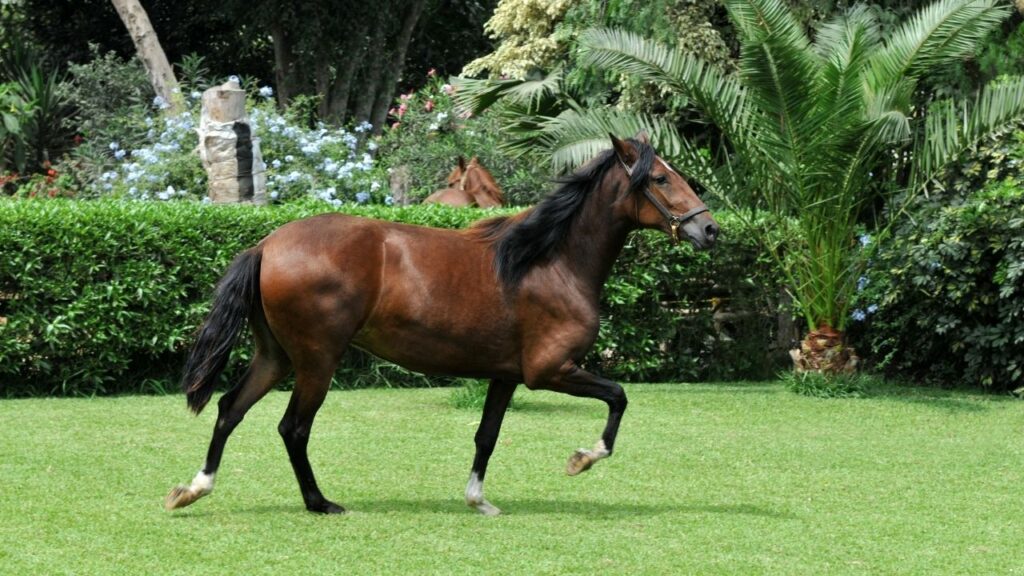
Elegance shows up the moment this horse begins to move, with steps that feel fluid and uninterrupted. The ride stays remarkably steady, allowing the body to remain relaxed over long distances. This smoothness defines why the breed stands apart in discussions about specialized gaited horses.
A Gait Designed for Comfort
Its signature four-beat rhythm keeps motion even and balanced at all times. Riders often describe the sensation as gliding rather than bouncing. Another gait adds speed while preserving that same controlled feel.
That smoothness shows up in small details:
Even footfall timing
Minimal vertical movement
Consistent forward flow
The Art of Natural Style
A graceful outward swing of the front legs gives each step a polished look without training aids. This movement, called termino, appears naturally and stays rhythmical at any pace. The result is a visual signature that feels expressive rather than forced.
6. Missouri Fox Trotter
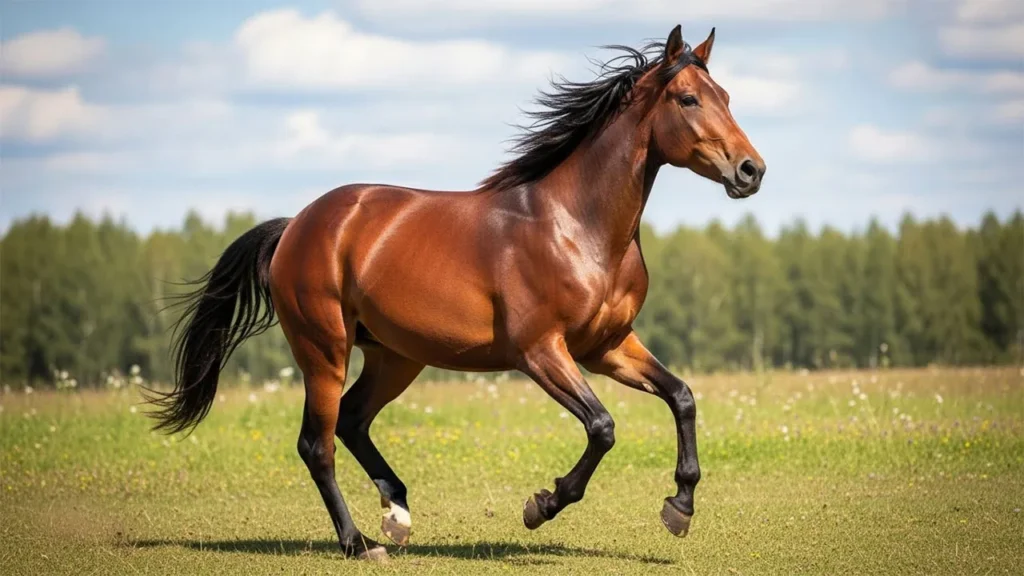
Built for rugged trails, the Missouri Fox Trotter glides with a four-beat diagonal movement that keeps the ride steady on uneven ground.
Its front legs extend gracefully while the hind legs shuffle beneath, maintaining balance and rhythm. This natural gait ensures calmness and consistency during long hours in the saddle.
Designed for Endurance and Reliability
These horses are admired for their stamina and sure-footedness, able to handle challenging terrain without losing composure.
That strength shows up clearly in everyday performance:
Comfortable, rhythmic gait for long rides
Steady footing on rough trails
Easygoing temperament for demanding tasks
Calm and Steady on the Trail
The Fox Trotter’s smooth step reduces fatigue for anyone traveling over hills or rocky paths. Its consistent pacing allows for extended work without strain. The horse naturally adapts to shifts in terrain, showing a quiet focus and poise.
7. Kentucky Mountain Saddle Horse
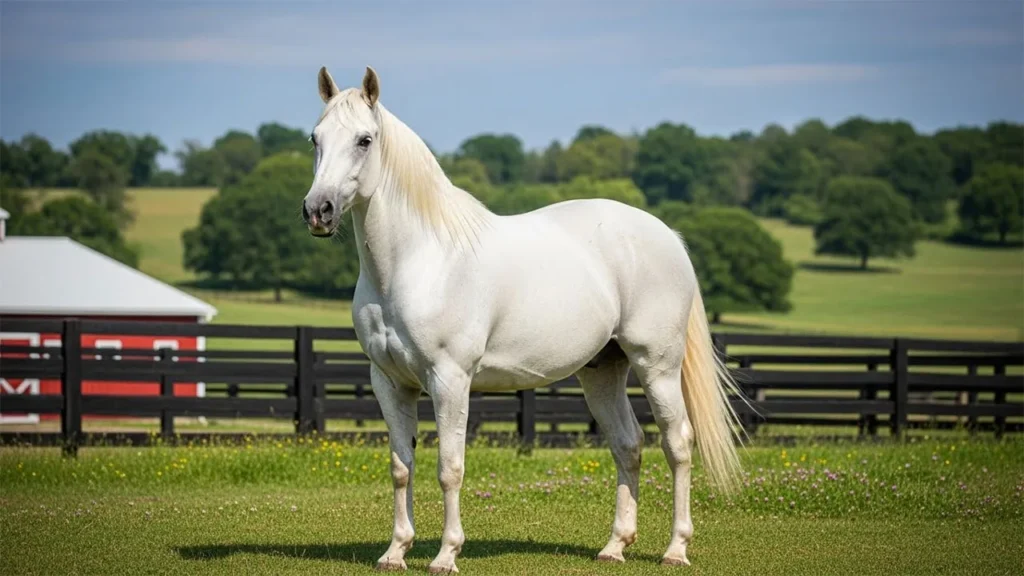
Gentle movement defines this Kentucky Mountain Saddle horse long before speed ever enters the picture. Its smooth rhythm keeps the rider steady across uneven ground and long stretches of trail. This calm consistency sets the tone for a ride that feels controlled from start to finish.
A Gait That Changes the Ride
The four-beat amble, often called the single-foot, keeps motion fluid and balanced. Riders notice less bounce, less strain, and more comfort across miles of terrain.
That comfort shows up in simple ways:
Minimal jarring through the saddle
Stable footing on steep paths
Even rhythm at varied speeds
Built for Real Trails
Sure-footed steps allow this horse to move confidently over rocky ground and narrow paths. Strength supports the body without making the ride feel heavy or rigid. Golden coats and soft expressions add to the calm presence felt on the trail.
8. American Standardbred
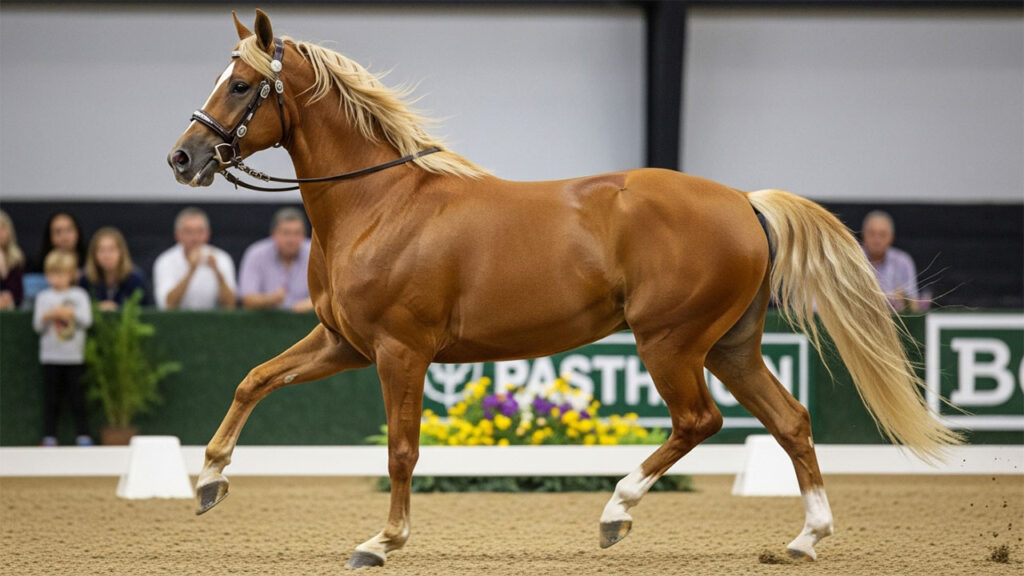
Built for consistency, this American Standardbred horse moves with a rhythm that stays even under pressure. The body stays balanced while the legs work in clear coordination. That natural efficiency leads directly to its reputation for distinctive gait patterns.
Gaits That Define Performance
Two separate movement styles shape how this horse travels across the track or trail. One focuses on diagonal precision, while the other favors lateral timing. That difference changes both speed and feel under saddle.
A closer look makes the contrast clearer:
Pacers move the same-side legs together
Trotters stay diagonal
Pacing allows faster racing times
Harness Roots With Riding Range
Although harness racing made the breed famous, adaptability opened doors beyond the track. Riders often notice how smooth the motion feels compared to standard canter-heavy breeds. That comfort comes directly from how the feet strike the ground.
9. Marwari Horse
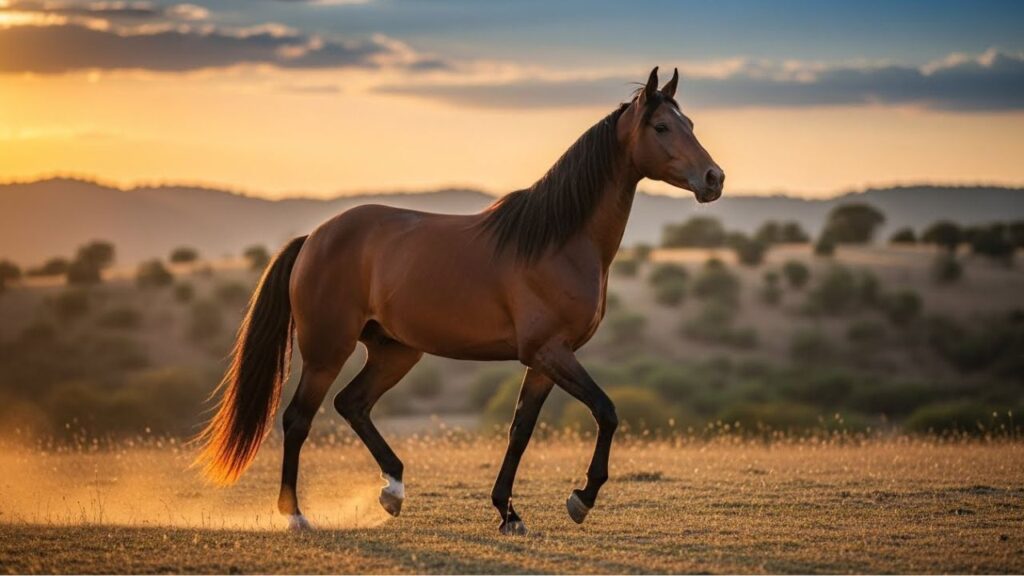
Grace shows first in the way this horse moves, with steps that feel smooth rather than forceful. The inward-curving ears draw attention, but it is the rhythm beneath the saddle that leaves the strongest impression. Movement stays fluid even over long distances, shaping its reputation among gaited horses.
A Gait That Sets the Tone
The Marwari uses an ambling motion that feels closer to gliding than trotting. This natural gait reduces bounce, offering comfort without sacrificing forward energy. It often appears effortless, even during extended performances.
That motion reveals itself through a few clear elements:
Revaal gait pattern
Even footfall rhythm
Reduced vertical movement
Built for Precision Displays
These horses adapt well to structured environments where balance and timing matter. Their gait translates smoothly into dressage movements and controlled exhibition work. Polo fields also highlight how easily they maintain speed without losing composure.
10. Morgan Horse
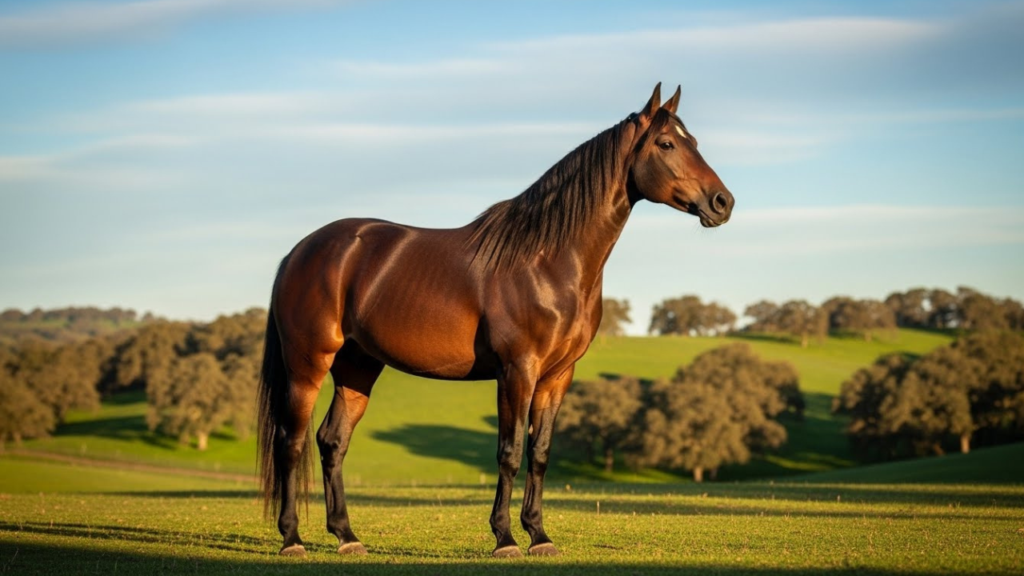
Compact strength defines the Morgan, giving it a balanced frame that moves with confidence and control. This physical harmony allows some individuals to shift into smoother, ground-covering steps. That ability places the breed naturally within conversations about distinctive gait styles.
Where Gait Appears Naturally
Although commonly classified as non-gaited, certain Morgans display an inherited ambling motion. Genetic reviews show influence from Saddlebred, Standardbred, and Thoroughbred lines. Scientific testing confirms that gait expression appears more often than expected.
This detail helps explain what sets some apart:
Natural ambling steps
Documented DNA markers
Roughly one-fifth show gait traits
A Historic Breed With Modern Relevance
Recognition as America’s first official horse breed traces back to a single foundation stallion named Figure. That concentrated origin contributes to consistency in structure and movement. Within that legacy, gait expression remains a notable and studied characteristic.
Conclusion
Movement defines the connection between horse and rider. Across history, naturally gaited breeds evolved to carry people farther with less strain. These horses show how naturally gaited breeds turn motion into comfort rather than speed. Their distinct gaits create a rhythm that settles the body and mind.
Riders often choose naturally gaited breeds for pleasure riding because long hours feel lighter and calmer. Pleasure riding becomes about awareness instead of endurance. Even today, naturally gaited breeds remain valued where balance matters most. Through careful steps and steady flow, naturally gaited breeds prove that movement itself shapes trust, ease, and lasting connection deeply.
