




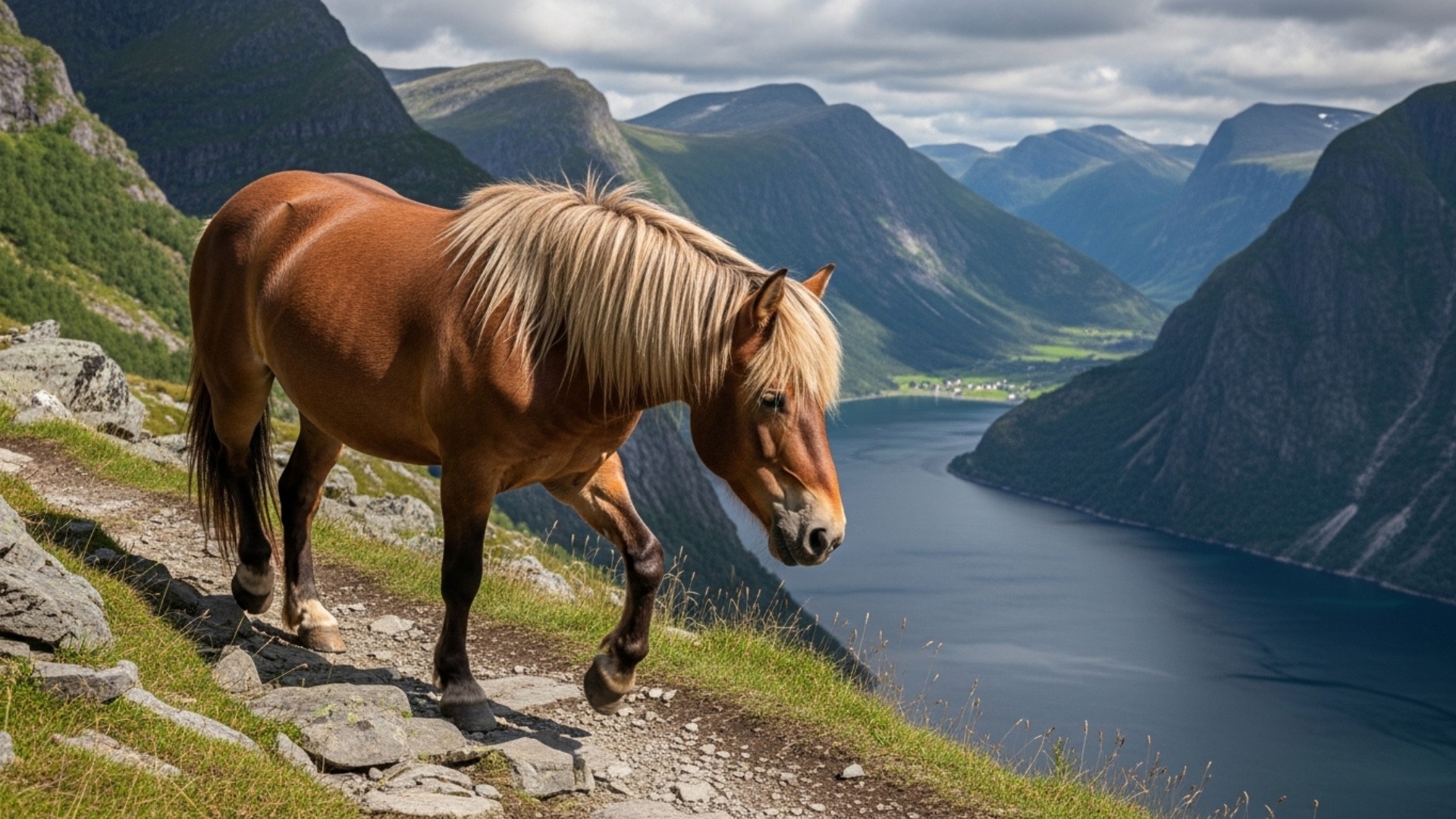
At first glance, mountain terrain looks harsh, unpredictable, and unforgiving. Yet horses known for sure-footed travel move through these landscapes with a kind of ease that surprises even experienced riders.
The rocks, slopes, and sudden changes in level seem to demand hesitation, but these horses maintain steady focus. Their steps remain slow, careful, and evenly balanced. They do not rush their way across uneven ground.
They examine the surface beneath them through instinct shaped by years of natural adaptation. A shift in slope becomes a cue. A loose stone becomes information. Their confidence stands in clear contrast to the challenges of the environment. This ability to understand the land makes them trusted partners in places where certainty is rare.
As you continue reading, you will see how these traits define the horses that handle mountain travel with such natural assurance.
Key Takeaways
Mountain trails can be unforgiving, yet some horse breeds move with steady confidence even on the trickiest paths.
Haflingers and Bosnian Mountain Horses combine strength and balance, navigating rocky slopes and sharp inclines with surprising ease.
Norwegian Fjords and Pottoks bring calm focus and agility, making climbs, descents, and narrow tracks feel smooth and controlled.
Stay with us till the end to meet all seven breeds that turn rugged mountain travel into a journey of skill and grace.
Horse Breeds Known for Their Sure-Footed Mountain Travel
1. Haflinger
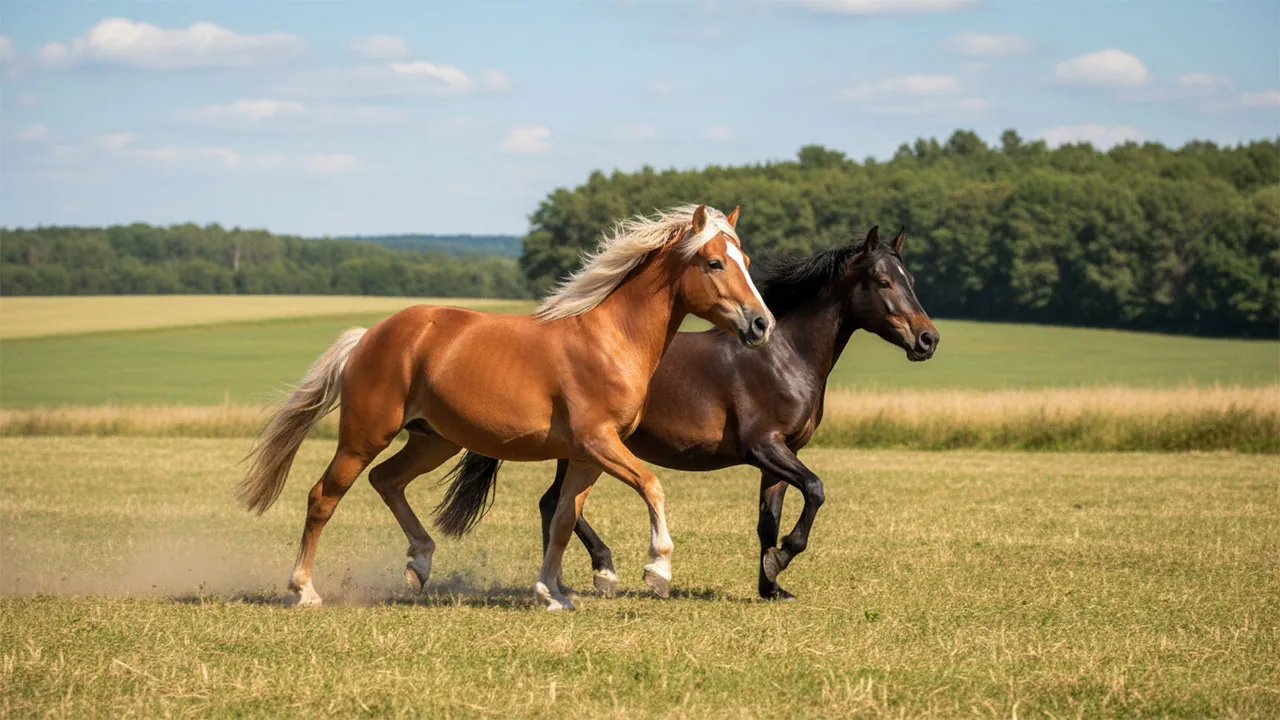
Haflinger starts with a hardy, compact frame that suits mountain travel where balance matters more than size. That strength helps maintain steady movement on narrow paths and sharp inclines. In elevated terrain, this physical makeup supports controlled footing rather than rushed steps.
Athletic Range That Fits the Mountains
Haflinger handles more than one type of work, which translates well to unpredictable mountain routes. Athletic ability supports smooth transitions between climbs, flat stretches, and descents.
A closer look at what helps on mountain paths:
Steady movement on rocky ground
Strength on long uphill sections
Control during downhill travel

Calm Interaction on Challenging Routes
Friendly behavior toward people helps maintain focus during long hours in rugged areas, as PetMD notes. Haflinger tends to stay cooperative when trails narrow or footing changes suddenly. That calm interaction supports safer navigation across uneven and exposed terrain.
2. Bosnian Mountain Horse
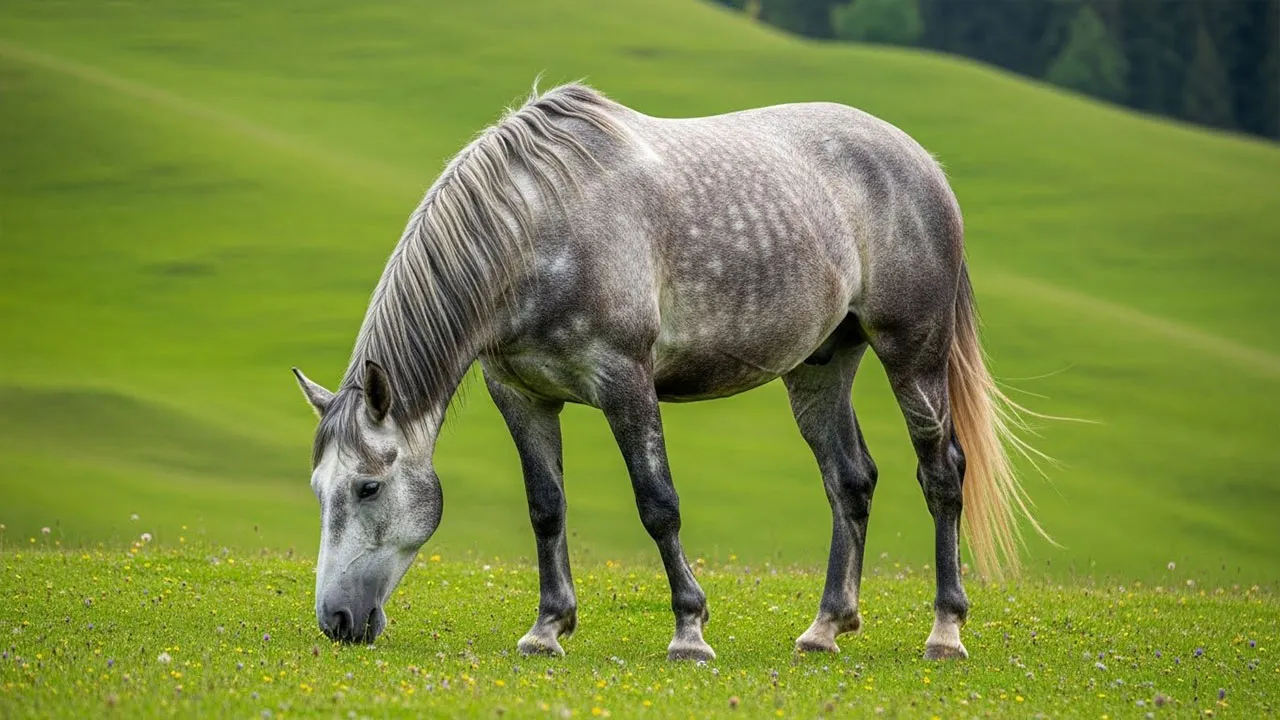
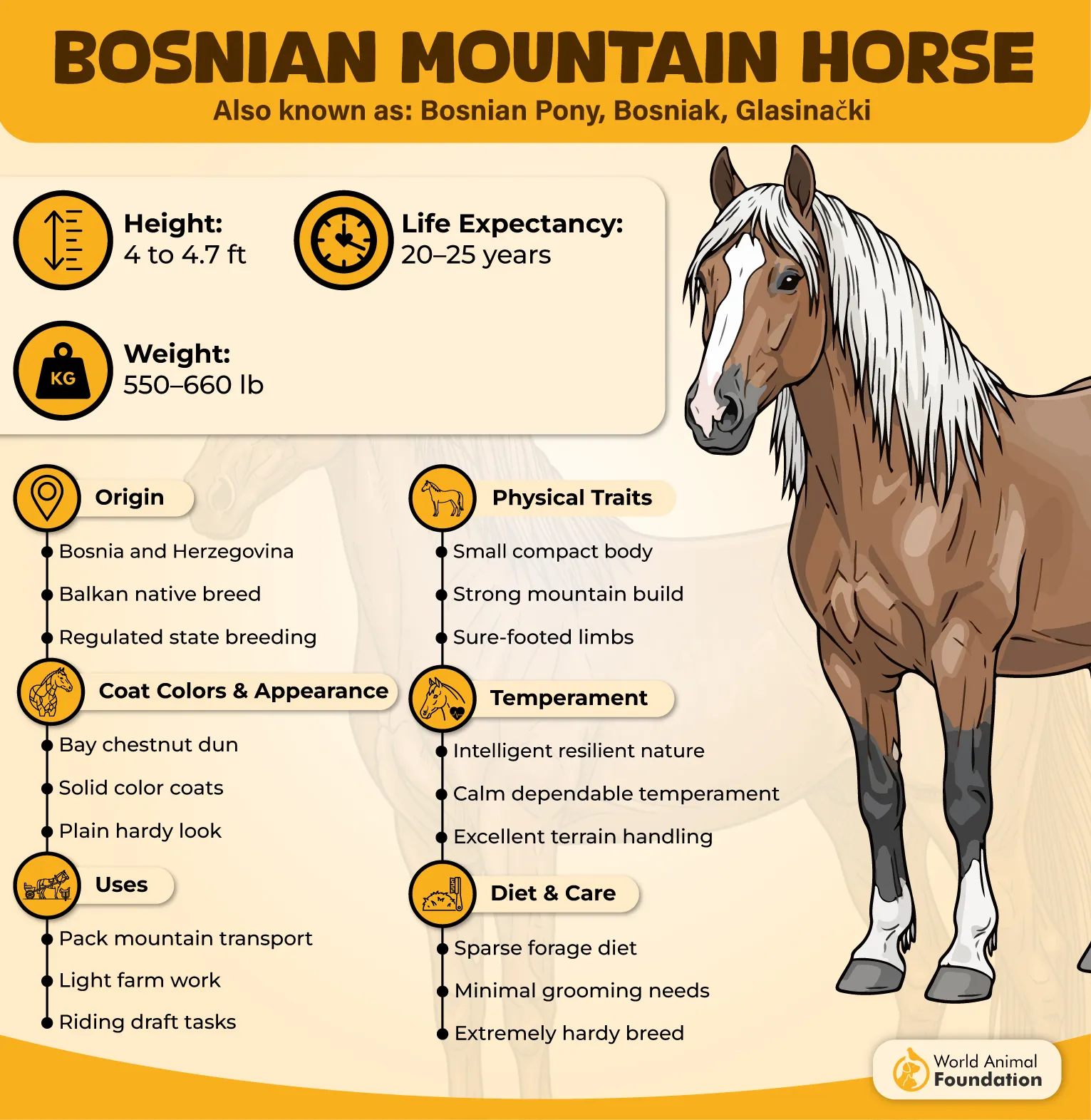
Bosnian Mountain Horse shows a calm way of reading the ground before taking a step. This trait matters on narrow mountain routes where footing can change without warning. Stability comes from instinct rather than training tricks, which suits steep and uneven travel.
Built for Harsh Paths
Endurance and resilience shape how this horse handles long mountain stretches with little support. Its history of working across rough terrain explains why movement stays controlled instead of rushed.
A few details explain that reliability:
Strong balance on rocky slopes
Low maintenance needs in remote areas
Steady pace on long ascents
Survival Bred Into Movement
Primitive genetic traits play a role in how confidently this breed handles elevation and exposure. Cold, wind, and poor ground conditions do not easily interrupt its rhythm. That natural toughness reduces dependency on ideal conditions during mountain travel.
3. Norwegian Fjord

Norwegian Fjord horses are known for their steady behavior that holds firm on narrow mountain paths. That even temper shows up when footing turns loose or steep, keeping movement controlled and predictable. Mountain travel benefits from this balance because hesitation is rare on tricky climbs.
Sure Footed by Nature
Norwegian Fjord horses stay reliable when trails shift from rock to soil to snow. Nord Gen states that their background in heavy farm tasks shaped a body that stays planted under pressure.
That reliability shows itself in small but important ways:
Secure steps on uneven slopes
Strong push on uphill sections
Confidence on narrow tracks

Built Through Work
Norwegian Fjord horses earned their trust through demanding jobs, such as pulling lumber and navigating through deep snow. That history shows in mountain settings where strength matters more than speed. Steady effort over long routes ensures smooth progress without rushing the terrain.
4. Pottok
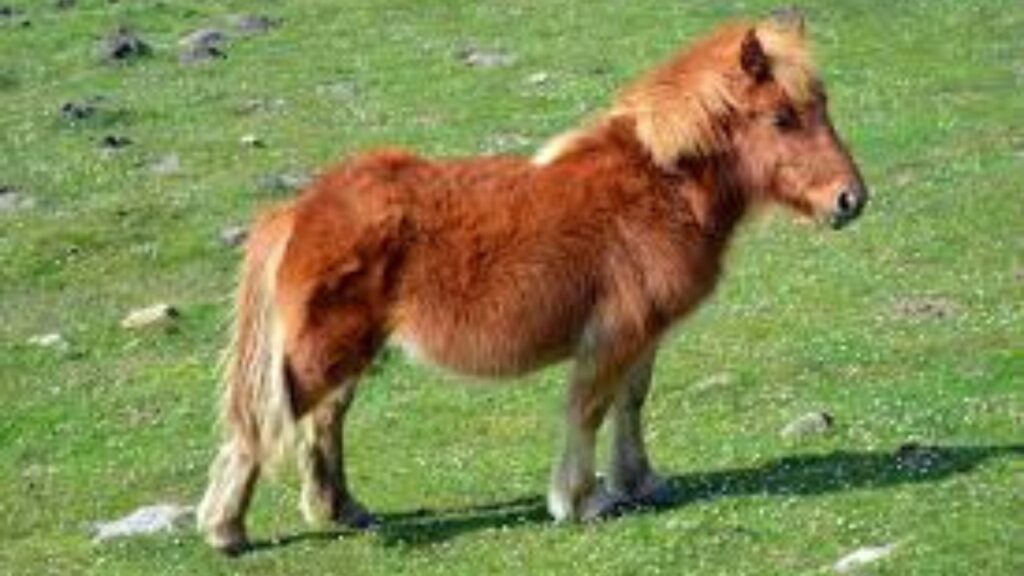
Compact size and toughness shape how Pottok handles steep and uneven ground. Centuries spent in high mountain ranges formed a horse that stays steady where paths narrow, and surfaces break apart. This long exposure to elevation explains its calm movement during demanding mountain travel.
Everyday Work That Sharpened Balance
Daily tasks across slopes and rough land shaped how Pottok moves today. That background translates well to mountain routes where consistency matters more than speed.
This history supports several practical advantages:
Secure footing on rocky trails
Comfort on long uphill routes
Steady pace on sharp descents
Versatility on Difficult Terrain
Pottok once handled agriculture, transport, and early riding duties without specialized conditions. That wide range of work encouraged adaptability rather than dependency on managed environments. In mountain travel, this means fewer reactions to isolation, exposure, or unpredictable ground.
5. Kyrgyz Horse
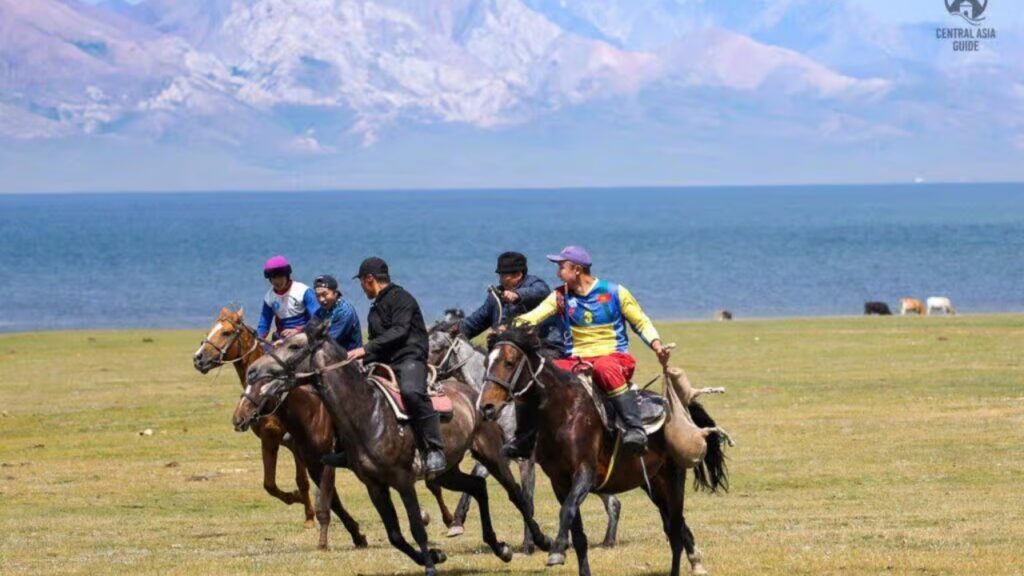
Wikipedia mentions that the Kyrgyz Horse shows natural confidence on broken mountain paths where footing changes without warning. This steadiness comes from generations spent moving across rocky slopes and narrow passes. For mountain travel, that built-in balance matters more than speed.
Movement That Saves Energy
Kyrgyz Horse is known for efficient gaits that reduce strain over long climbs and descents. That efficiency becomes clear when routes stretch across uneven ground all day.
A few movement-based strengths appear quickly:
Ambling and fast walking gaits
Smooth rhythm on rough paths
Reduced fatigue over distance
Early Use and Practical Value
Kyrgyz Horse is introduced to work at a young age and later trusted for heavier mountain transport. This gradual progression builds reliability on demanding off-road routes. The result is a horse shaped by real mountain use rather than controlled environments
6. Icelandic Horse
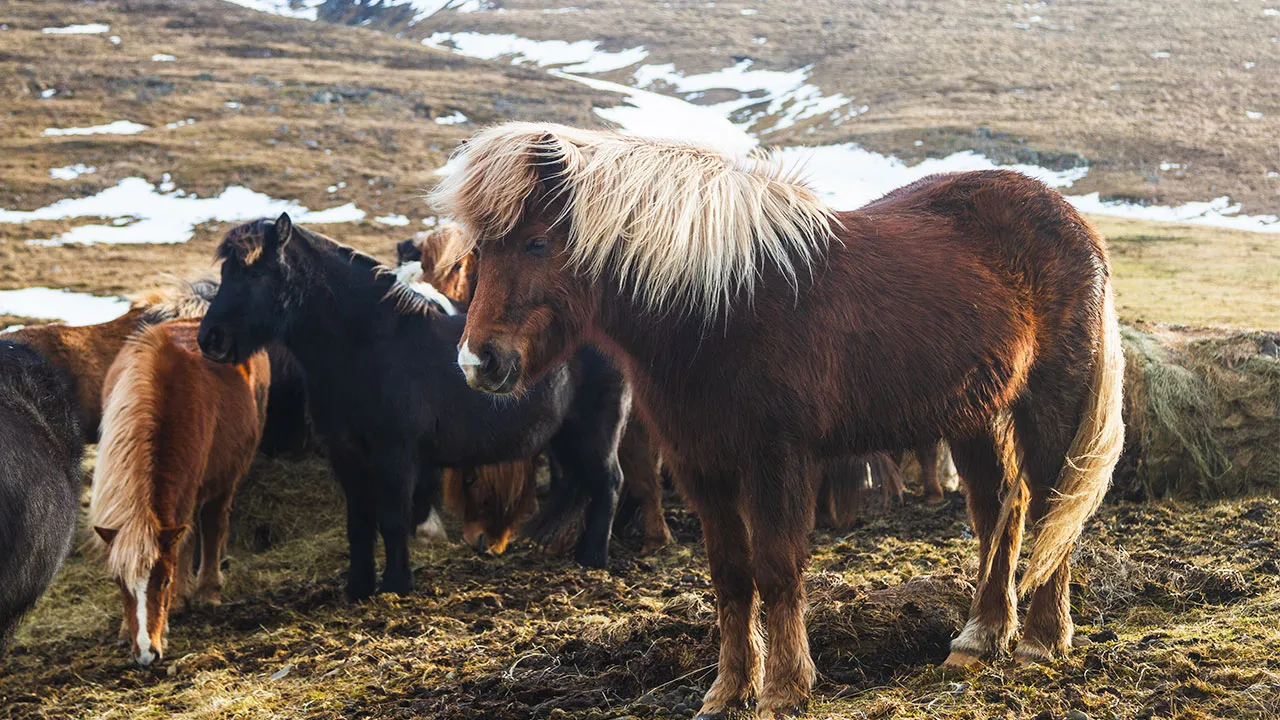
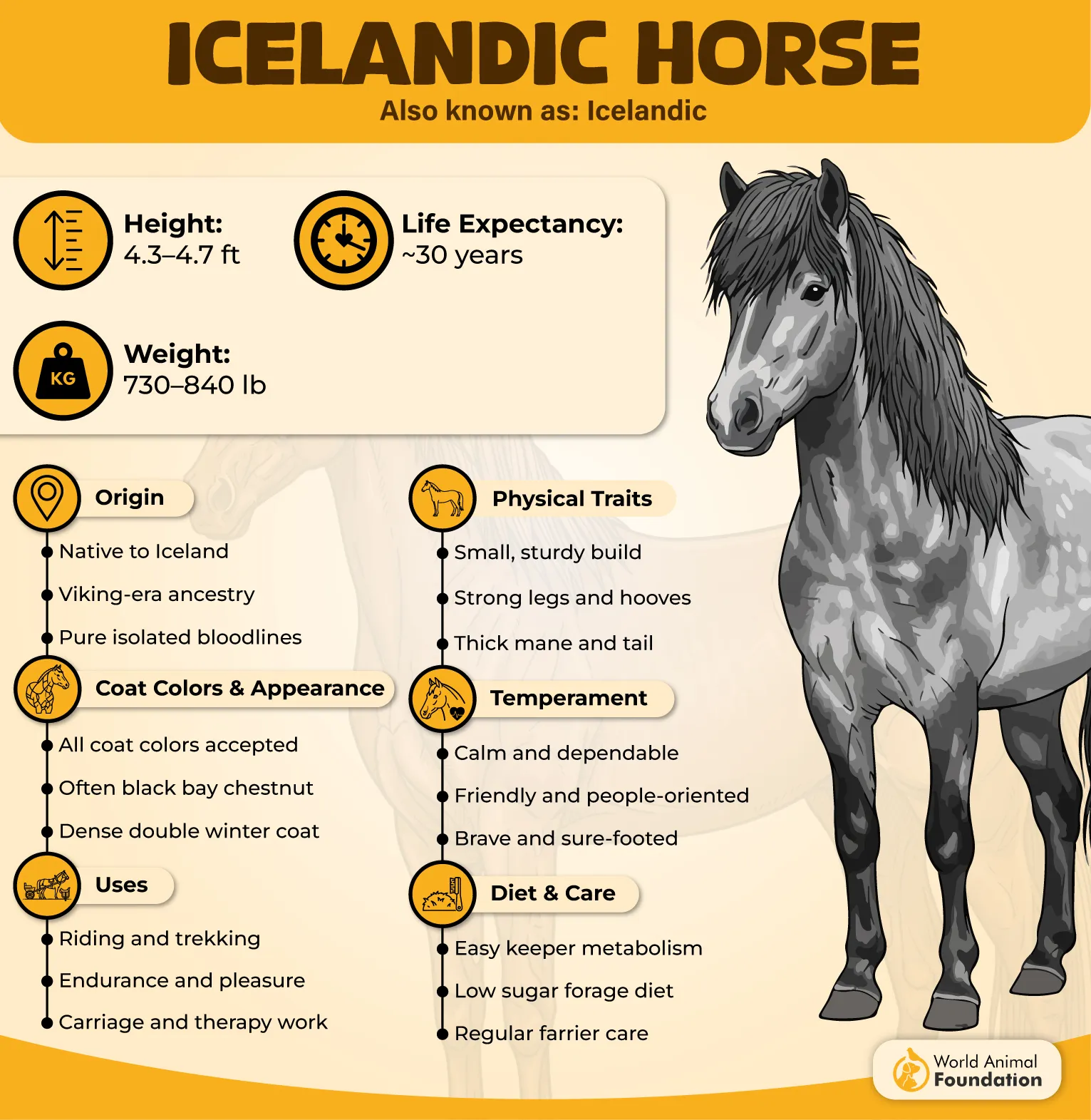
Icelandic horses handle rocky and uneven terrain with ease due to their stocky build. Their compact frame and strong legs make steep ascents feel manageable and reduce fatigue over long treks. Thick winter fur keeps them warm even in harsh conditions, making them reliable for rugged landscapes.
Gaits That Make a Difference
Smooth and controlled movement is part of their charm, with extra gaits that suit extended journeys. The tölt offers a four-beat rhythm that cushions every step, while the flying pace allows for bursts of speed when needed.
Here’s how their stride works best:
Tölt maintains a steady, comfortable motion
Flying pace reaches high speed safely
Walk and trot are easy to sustain over long stretches
Calm and Curious Nature
Friendly and inquisitive behavior helps them navigate unfamiliar trails without tension. Icelandic horses respond quickly to cues and show confidence in shifting footing. Their docile temperament makes them approachable while maintaining alertness in challenging terrain.
7. Mongolian Horse
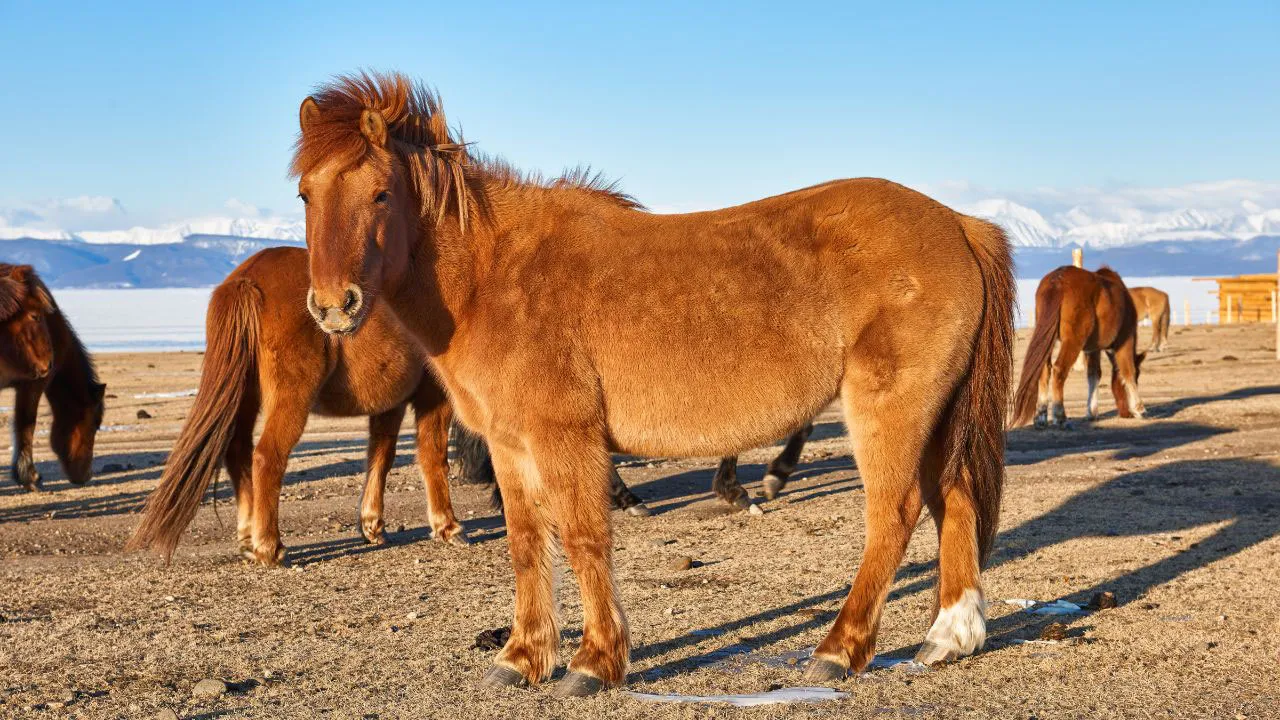
Mongolian horses are built to endure extreme temperatures and rugged landscapes. Their thick coat and sturdy frame protect them from cold winds and rocky slopes. Compact yet muscular, they navigate steep inclines and uneven paths with ease.
Strength That Matches Distance
This breed can maintain steady movement across vast areas without tiring quickly. Their short, strong legs and tough hooves support long journeys across steppe, desert, and mountains.
Some key capabilities are:
Sure-footed balance on rocky terrain
Ability to travel long distances consistently
Robust hooves for sharp and uneven surfaces
Adapted for Varied Terrain
Mongolian horses adjust to changing landscapes naturally, moving confidently over slopes, grasslands, and sand. Their muscular frame keeps them stable when the ground is unpredictable. Alertness and stamina allow them to cover challenging terrain efficiently.
Conclusion
Mountain travel reveals qualities that set these breeds apart from other horses. Each one carries a steadiness that turns steep slopes and narrow paths into manageable routes. Whether someone needs a riding horse for long distances or gaited horses for smoother movement, these breeds offer reliable support on difficult ground.
Their history in mountain riding shows how naturally they adjust to shifting terrain. Many are still owned for practical work, while others serve as dependable trail horses for modern journeys. Trail riders searching for balance, calm focus, and sure steps will find these breeds ready for any challenging landscape.
