




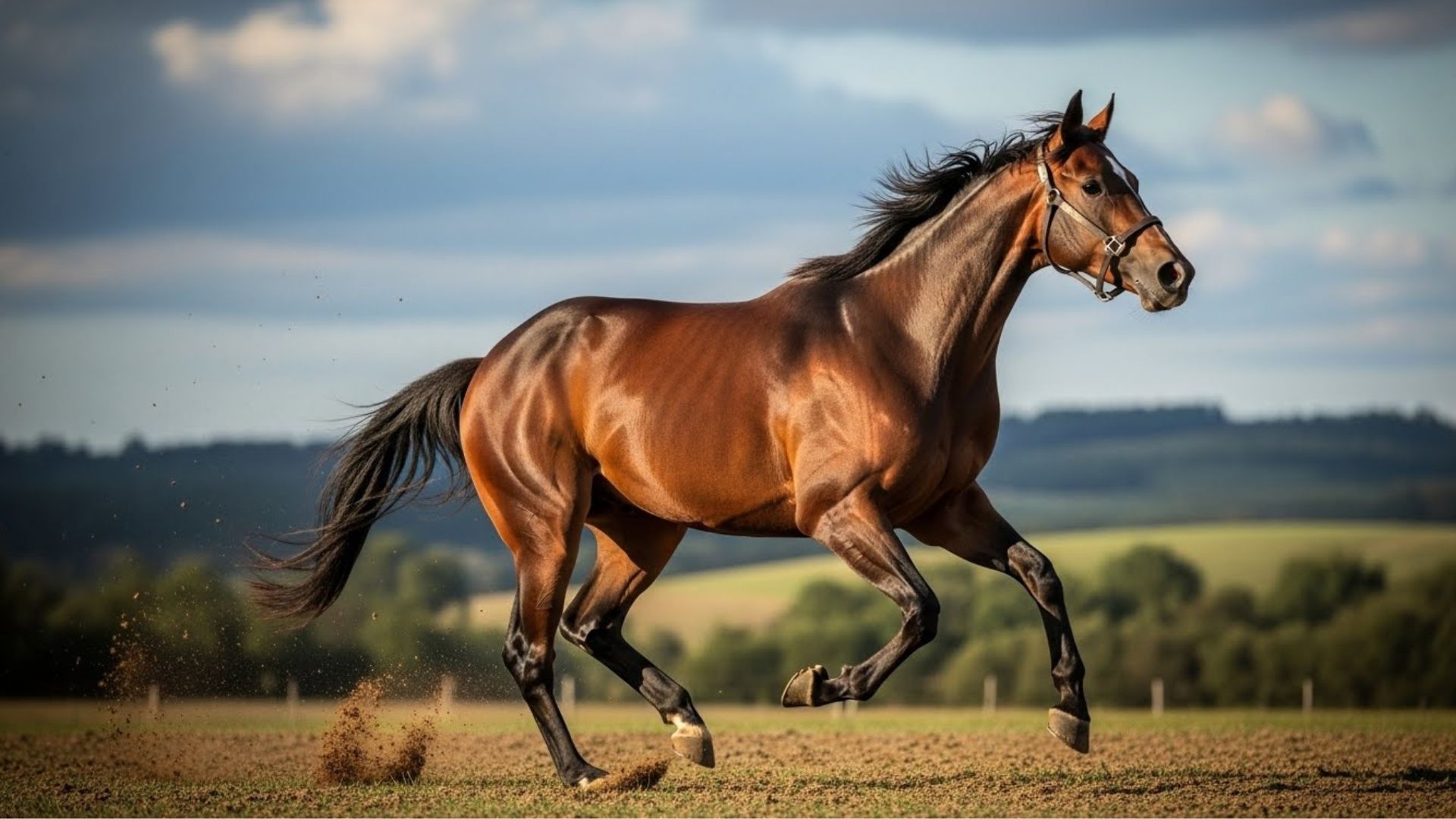
Many animals can move quickly, but few can do so while staying controlled. Horses known for speed and agility stand apart because they unite pace with precision.
Where raw speed risks imbalance, agility restores control. These horses accelerate without losing form, change direction without hesitation, and recover without disruption. Their movement remains smooth even under pressure.
Speed expands their reach, while agility refines it. This contrast defines their strength. They are not built for reckless motion, but for purposeful movement that responds instantly to demand. Such balance matters in performance, training, and trust between horse and handler.
This article focuses on how speed and agility interact, what physical and mental traits support them, and why their combination continues to be one of the most admired qualities in the equine world.
Key Takeaways
Horses that combine speed with agility move with a control that makes every stride look effortless.
Thoroughbreds sprint across long distances at 40 miles per hour while keeping perfect balance and rhythm in each step.
Quarter Horses can explode off the line, navigating sharp turns with the power of their broad hindquarters and agility to match.
By the end, you will see which breeds dominate both speed and precision and why they are admired across the equine world.
Horses Known for Their Speed and Agility
1. Thoroughbred
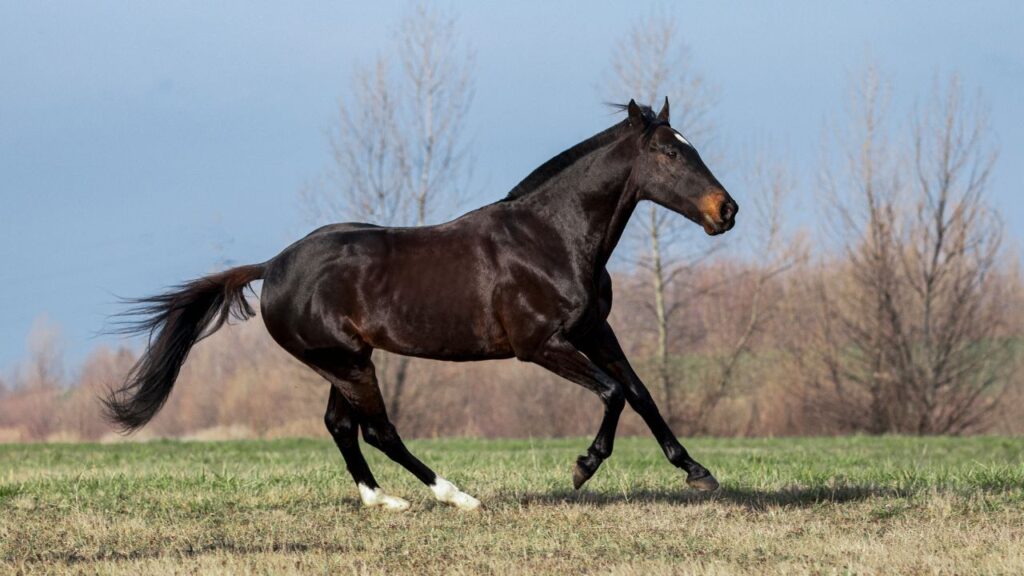
Thoroughbreds excel in sustained speed across long distances, reaching 40 to 45 miles per hour. Their lean, muscular bodies allow them to cover ground efficiently while maintaining balance. This combination of stamina and elegance makes them remarkable in competitive racing.
Precision in Every Stride
Focused training brings out their natural quickness and responsiveness, allowing them to adapt to different courses and terrains. Each movement is deliberate, emphasizing control alongside acceleration.
Short points highlighting their capabilities:
Quick acceleration over long distances
Exceptional cardiovascular endurance
Smooth stride that conserves energy
Refined Strength and Agility
Their agility comes from a flexible spine and strong hindquarters, letting them maneuver tight turns without losing momentum. Coordination between fore and hind limbs supports consistent performance. Their ability to maintain rhythm at high speeds distinguishes them among elite racing horses.
2. American Quarter Horse

The American Quarter Horse excels in sprinting over short distances, reaching speeds up to 45 or even 50 miles per hour. Its broad chest and powerful hindquarters give it an edge on quarter-mile tracks. Agility and sudden bursts of energy make it one of the fastest horses for short-distance events.
Versatile Performance
Quarter Horses perform across racing, rodeo, and ranch work, adapting quickly to different tasks and challenges, as per RMQHA. Their compact strength allows them to accelerate quickly without losing balance.
These traits show off their athletic edge:
Quick starts and fast sprints
Rounded hindquarters for power
Sharp turns with controlled agility
Agility That Impresses
They handle sudden direction changes and tight turns with remarkable balance. This ability keeps them competitive in rodeo events and shows requiring precise maneuvers. Their agility also reduces strain during fast accelerations, making them reliable for short, intense activity.
3. Arabian
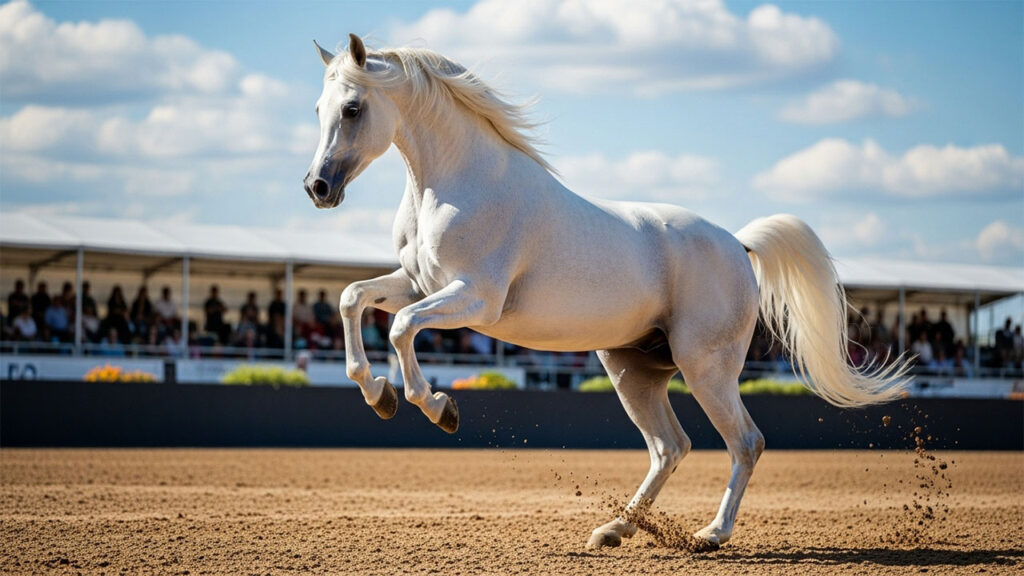
Arabian’s wedge-shaped head and elevated tail posture give this horse a balanced silhouette built for motion, as PetMD notes. Light bone and elastic movement allow rapid shifts in pace without wasted effort. Agility shows through clean turns and steady rhythm rather than raw power.
Distance Speed That Holds Its Form
Centuries of selection favored stamina that supports speed over long ground. Efficient breathing and a responsive frame keep momentum steady when others slow. That endurance shapes how speed is sustained rather than spent early.
This advantage becomes clear through small details:
Fast recovery between efforts
Consistent stride length
Strong cardiovascular output
Sharp Learning and Willing Focus
Quick understanding allows precise responses during high-speed movement. A spirited yet cooperative nature keeps reactions clean and timely. Mental clarity plays a direct role in how smoothly agility translates into action.
4. Akhal-Teke
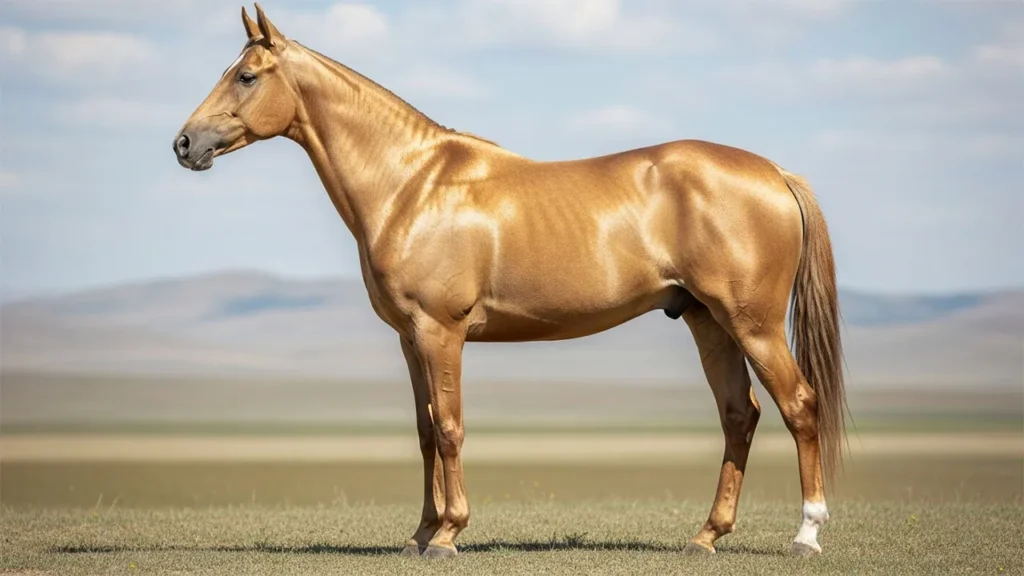
Slim proportions and elastic movement give the Akhal-Teke horse a striking edge on open ground. Long strides flow with minimal effort, allowing rapid acceleration without wasted energy. Speed and agility emerge naturally through balance rather than brute force.
Athletic Range Beyond Racing
This horse channels speed into controlled performance rather than straight-line competition alone. Its athletic reach extends into disciplines where precision matters as much as pace. Success in high-level sport reflects how efficiently power is translated into motion.
That versatility becomes clearer in action:
Rapid response to subtle cues
Strong stamina over extended work
Light, ground-covering stride
Performance Proven on the World Stage
International dressage history includes a defining moment with the stallion Absent. He earned individual gold at the 1960 Rome Olympics, followed by medals in Tokyo and Mexico City. Those wins highlighted agility refined through discipline rather than raw sprinting.
5. Andalusian
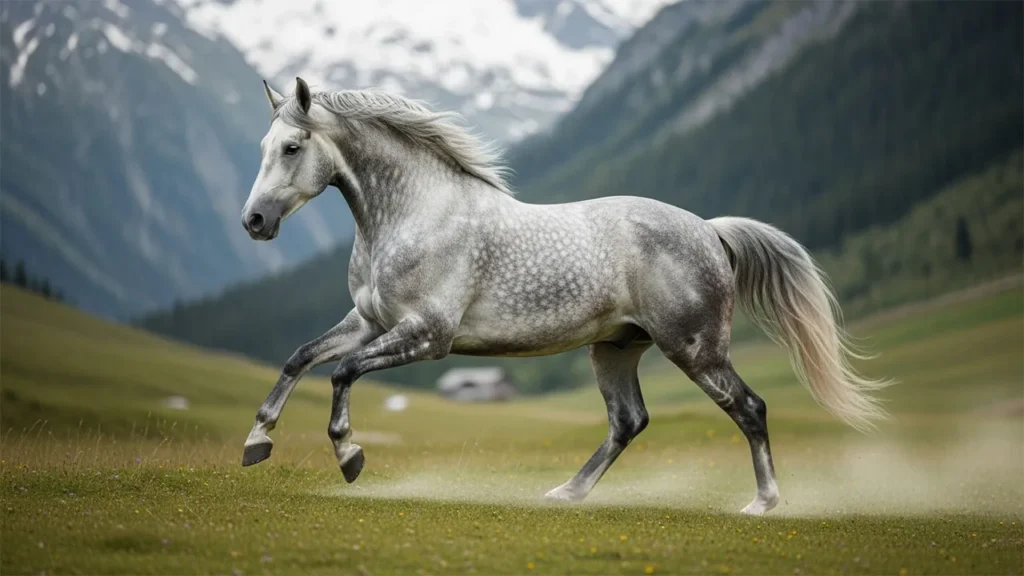
Elegant posture and fluid movement define the Andalusian the moment it steps forward. Its compact strength supports rapid shifts in direction without breaking rhythm. This balance between power and control connects naturally to disciplines that demand speed through precision.
Agility That Elevates Performance
An impressive range of motion allows this horse to respond quickly while staying composed. Each stride shows flexibility rather than raw pace alone. That distinction matters in competitive arenas.
This edge becomes clearer through a few details:
Elevated knee action
Tight turning ability
Sustained balance at speed
Built for Technical Excellence
The Andalusian’s movement favors collected gaits, which gives it an advantage in dressage courses. Long-distance events benefit from their ability to conserve energy through efficient motion. These traits explain its continued presence in elite equestrian competition.
Note: Andalusians contributed to medal-winning performances at the 2002 World Equestrian Games and the 2004 Summer Olympics.
6. Morgan
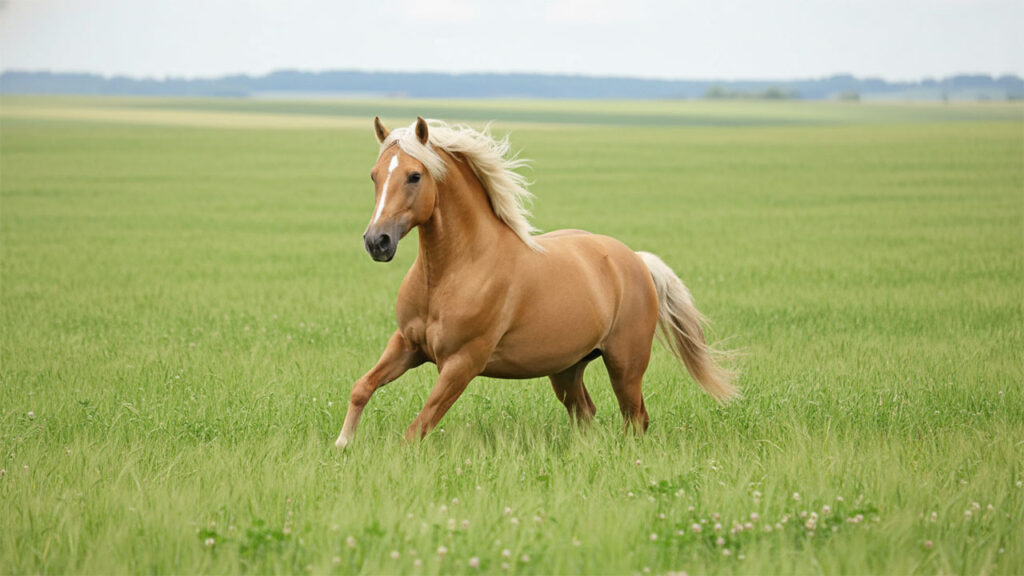
Balance defines the Morgan, from its muscular frame to the way it changes pace without hesitation. Strong hindquarters and a deep chest support quick bursts of speed, paired with controlled movement, as per Britannica. This physical efficiency allows the breed to stay competitive in fast-paced disciplines.
Speed Backed by Endurance
Acceleration comes naturally, with recorded speeds reaching 20 to 30 mph in timed efforts. Stamina plays an equal role, allowing sustained motion rather than brief sprints. This blend supports performance across events that reward consistency over distance.
That balance becomes clearer in action:
Fast acceleration
Efficient stride
Reliable stamina
Responsiveness Under Pressure
Mental sharpness contributes directly to agility, especially when quick decisions matter. Morgans respond promptly to rider cues, helping maintain rhythm during turns and transitions. This responsiveness supports steady speed control in competitive settings.
7. American Paint Horse
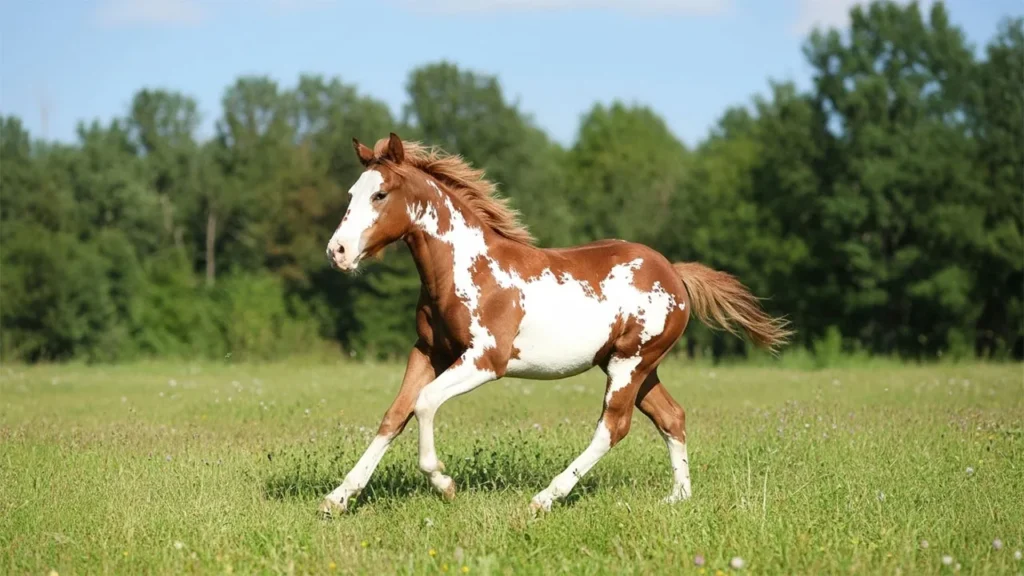
Bold pinto markings set this American Paint Horse horse apart at first glance, with clean contrasts of white and dark coats flowing across the body. Those striking visuals often move at impressive speed across arenas and tracks. Agility becomes clear once the horse transitions from stillness into motion.
Speed Backed by Athletic Precision
Strong hindquarters and quick acceleration allow this horse to compete across fast-paced disciplines. Reining, show jumping, and Western events highlight its ability to change direction without losing balance.
The performance details speak quickly.
Sharp turns
Fast starts
Sustained pace
Recognized in Competitive Racing
A dedicated racing circuit operated by the American Paint Horse Association reinforces its place among fast-performing horses. Records set during the 1990s still stand, including multiple wins by Izzy Legal. Documented speeds reaching around 40 miles per hour place it firmly among elite runners.
8. Standardbred
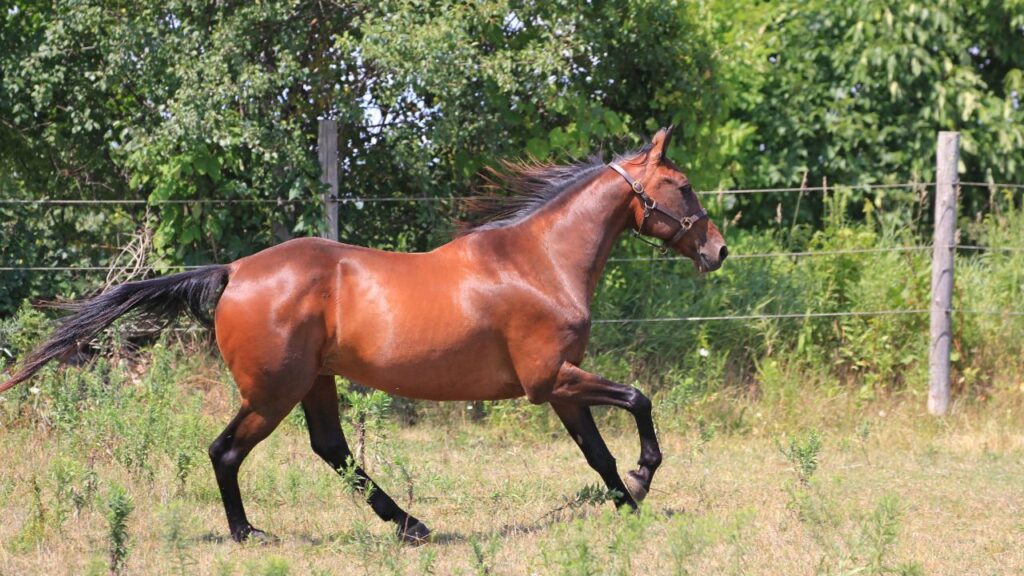
Powerful shoulders and hindquarters give the Standardbred a compact force that stays efficient at speed. Its movement favors balance and coordination, which play a major role in agility-based performance. This physical setup allows consistent pacing without wasted motion.
Athletic Versatility on the Track
Harness racing highlights how this horse maintains rhythm while pulling a two-wheel cart at competitive speeds. Strength-driven acceleration keeps momentum steady through longer distances. That balance opens doors beyond racing.
A closer look reveals practical advantages:
Strong pulling ability
Consistent stride timing
Reliable pace control
Agility Beyond Racing Circles
Jumping and eventing showcase how smoothly this breed adjusts between disciplines. Quick transitions and stable landings reflect controlled athleticism rather than raw speed. These qualities translate well into varied performance settings.
9. Appaloosa
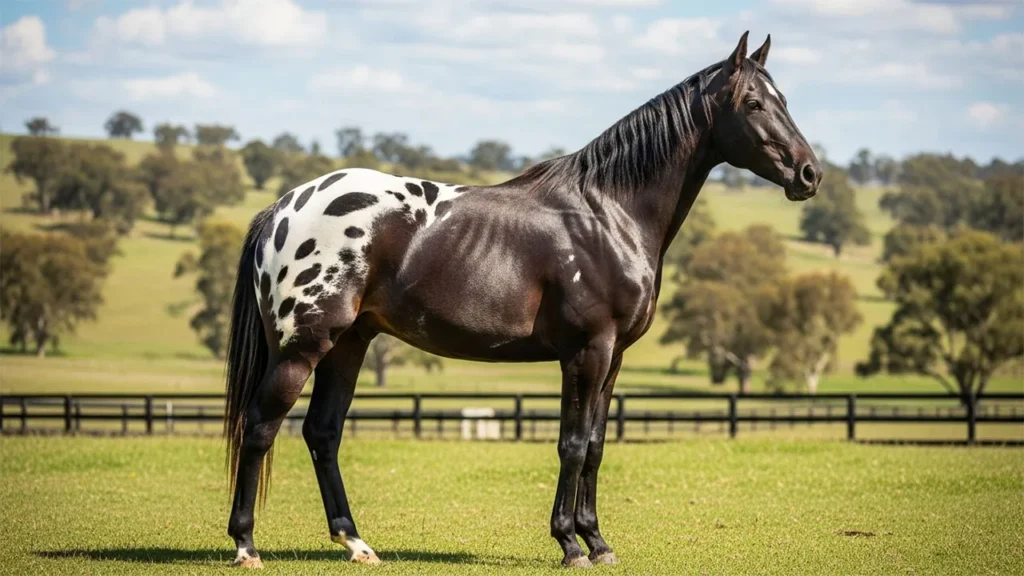
Distinctive spotted coats often draw attention first, yet movement is where this Appaloosa horse truly stands out. Quick acceleration and sharp turns give it an edge in speed-driven tasks. These qualities place it naturally among horses admired for their agility.
Versatility in Motion
Athletic balance allows smooth transitions between bursts of speed and controlled stops. This adaptability supports performance across demanding riding styles without strain. The range of motion stays fluid even under pressure.
Speed shows itself clearly in specific ways:
Fast lateral shifts
Tight turning radius
Strong sprint response
Agility Across Disciplines
Western arenas highlight precision during reining, cutting, and roping events. English settings also benefit from their ability to clear obstacles and adjust stride length quickly. Each discipline relies on timing, coordination, and swift response.
10. Mustang
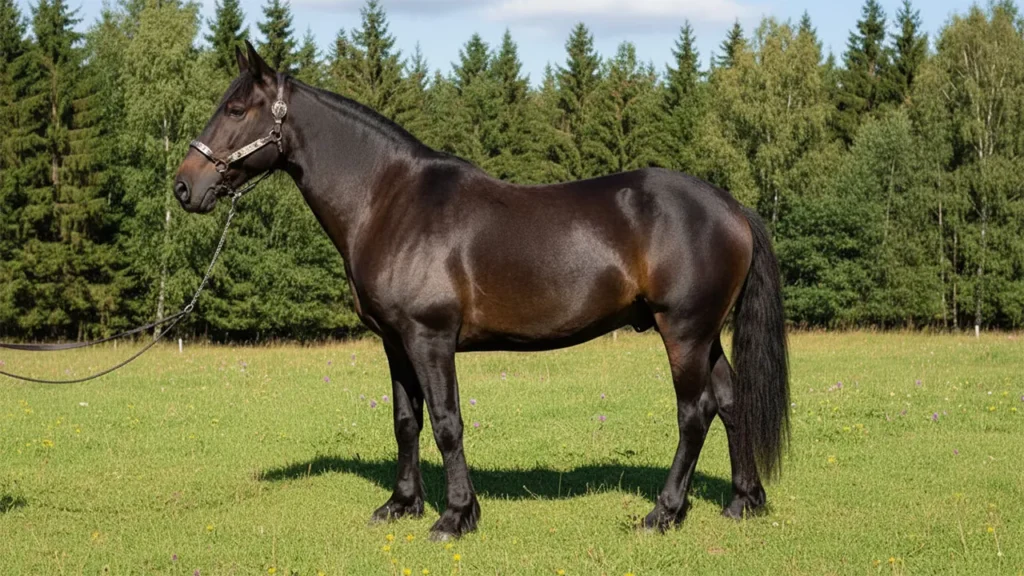
Mustangs move with a natural grace that combines stamina with swift acceleration. Their strong, stocky bodies support challenging tasks, from ranch work to high-speed gallops across open terrain. These horses have adapted to varied conditions, allowing them to navigate obstacles effortlessly.
Versatile and Fast
They can sustain speeds of 25 to 30 miles per hour, with bursts that exceed these limits for short distances. Their training potential extends to dressage, riding, and racing, reflecting both adaptability and focus.
Speed and endurance are reflected in these key points:
Quick bursts are ideal for open landscapes
Endurance for long rides or demanding tasks
Adaptable to different types of performance work
Alertness in Motion
Mustangs respond instantly to changes in their surroundings, combining keen perception with precise movement. Their instincts guide them through uneven terrain, helping them maintain balance at high speeds. This awareness makes them exceptional in situations that require both speed and judgment.
Conclusion
Speed and agility define how a horse breed performs under pressure. In horse racing, quick response matters as much as raw pace. The fastest horse breed succeeds because balance supports speed. From barrel racing to endurance racing, movement must stay controlled. Some of the oldest horse breeds still compete because form lasts longer than force.
High tail carriage often reflects confidence during motion. Incredible stamina allows effort to stay consistent across events. While other breeds also show skill, these horses set a standard. Across equestrian sports, agility shapes trust. Speed becomes meaningful only when control remains steady.
