




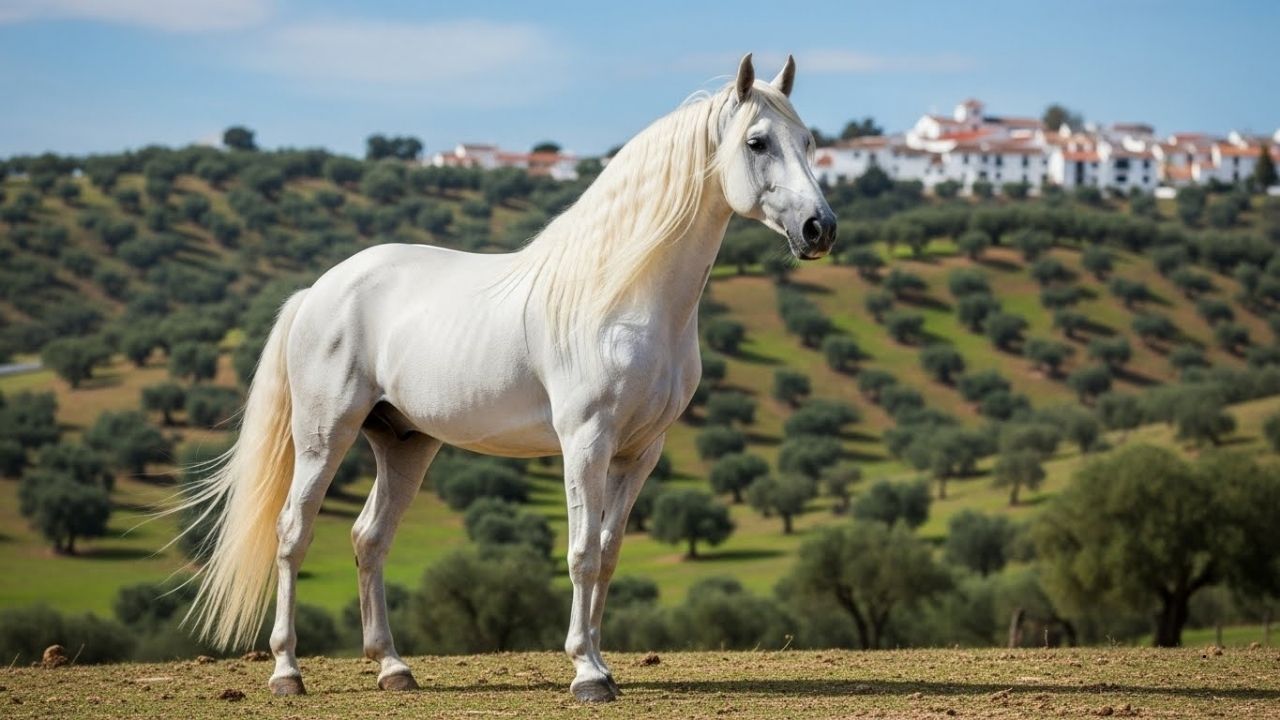
Thick manes have a way of capturing attention instantly. The moment a horse steps into view, the fullness of the hair becomes the first thing the eye settles on. The strands fall heavily, creating a natural rhythm that moves with deliberate grace.
There is a quiet confidence in that much volume. It gives the neck a sculpted look and adds an almost mythical quality to the animal’s presence. Riders often speak about how these manes create a sense of connection before any other feature does.
The weight, the texture, the fall of the hair, everything works together to form an unforgettable first impression. These horses feel as if they carry a little extra story within them, something expressed not through movement, but through the richness of their appearance.
As the article begins, you will step into the horse world shaped by hair that carries personality and beauty with remarkable ease.
Key Takeaways
Horses with thick manes have a way of making ordinary rides feel magical, as their flowing hair dances in the wind.
Friesians and Gypsy Vanners turn heads with wavy, dense hair that moves like a curtain of silk while they trot or canter.
Icelandic horses and Haflingers show that thick hair isn’t just for beauty—it keeps them warm in freezing winters and shields them on rugged terrain.
By the end, you’ll discover which seven breeds combine strength, grace, and luxurious hair that make every glance unforgettable.
Horse breeds with unusually thick manes
1. Friesian
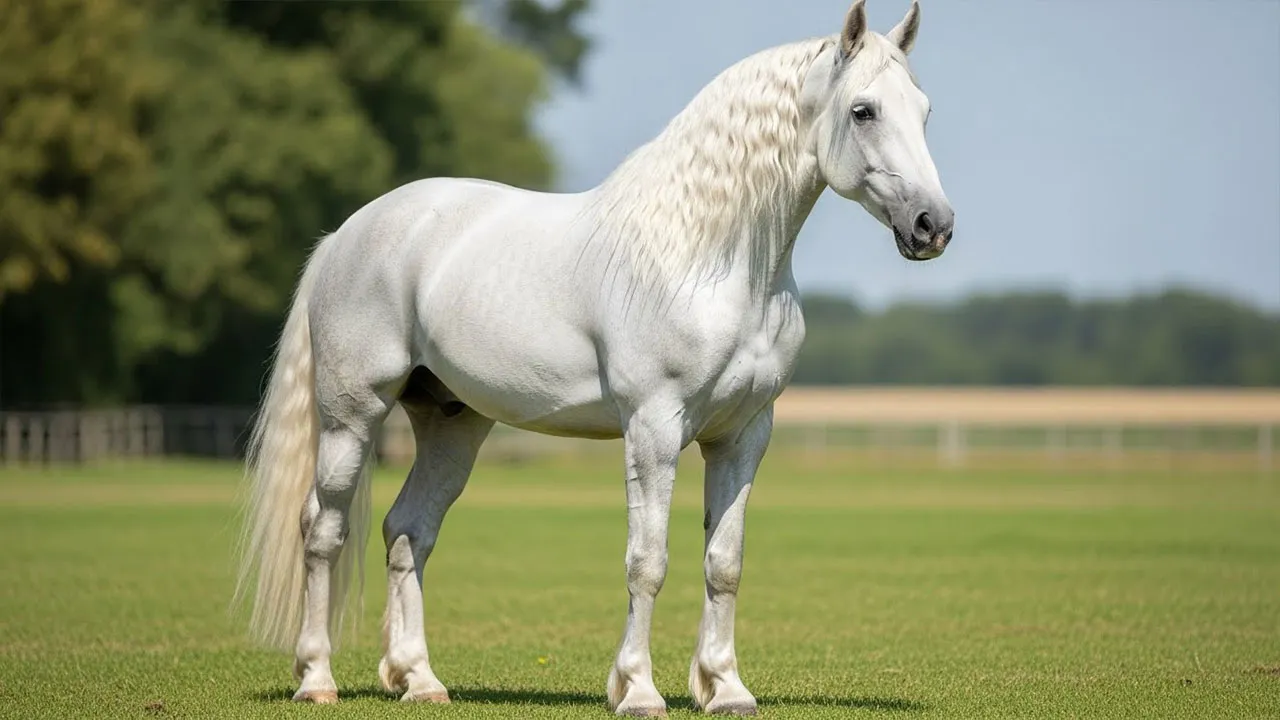
Friesian horses stand out with long, thick manes and tails that give them a striking presence. Their hair is naturally wavy and dense, creating a flowing effect as they move, as per Konno Przez. This richness adds both beauty and practicality for outdoor riding, where thick hair can shield from elements.
Strength Hidden in Elegance
The breed combines substantial build with surprising agility, making them capable of carrying through challenging terrain. Their flowing feathers enhance movement while maintaining balance and stability.
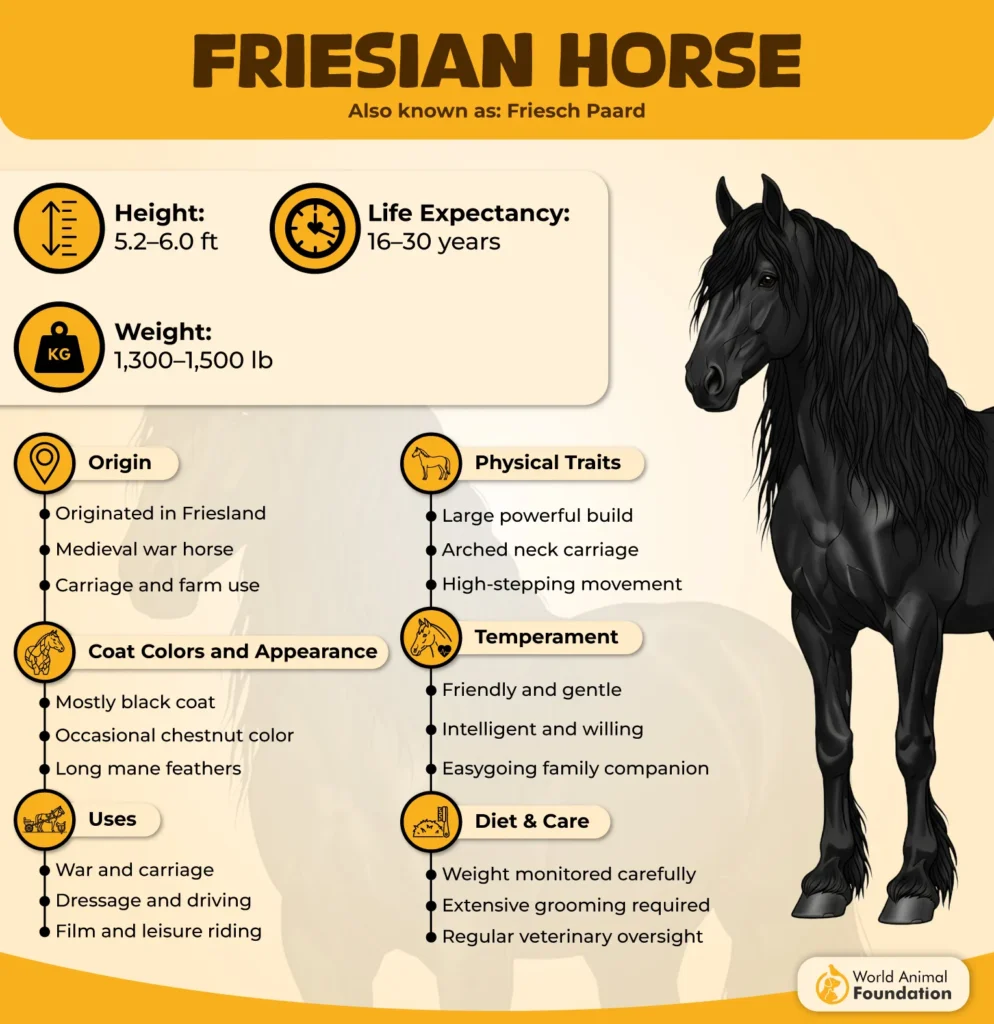
Their body supports agility and endurance:
Thick mane and tail require regular care
Feathering adds grip on uneven surfaces
Hair density provides light protection from the weather
Agility Behind the Show
Despite their impressive appearance, Friesians move with coordination and poise. Each step is measured, and their natural grace allows smooth navigation across open trails and uneven ground. This balance makes them a reliable companion for longer rides in natural settings.
2. Icelandic Horse
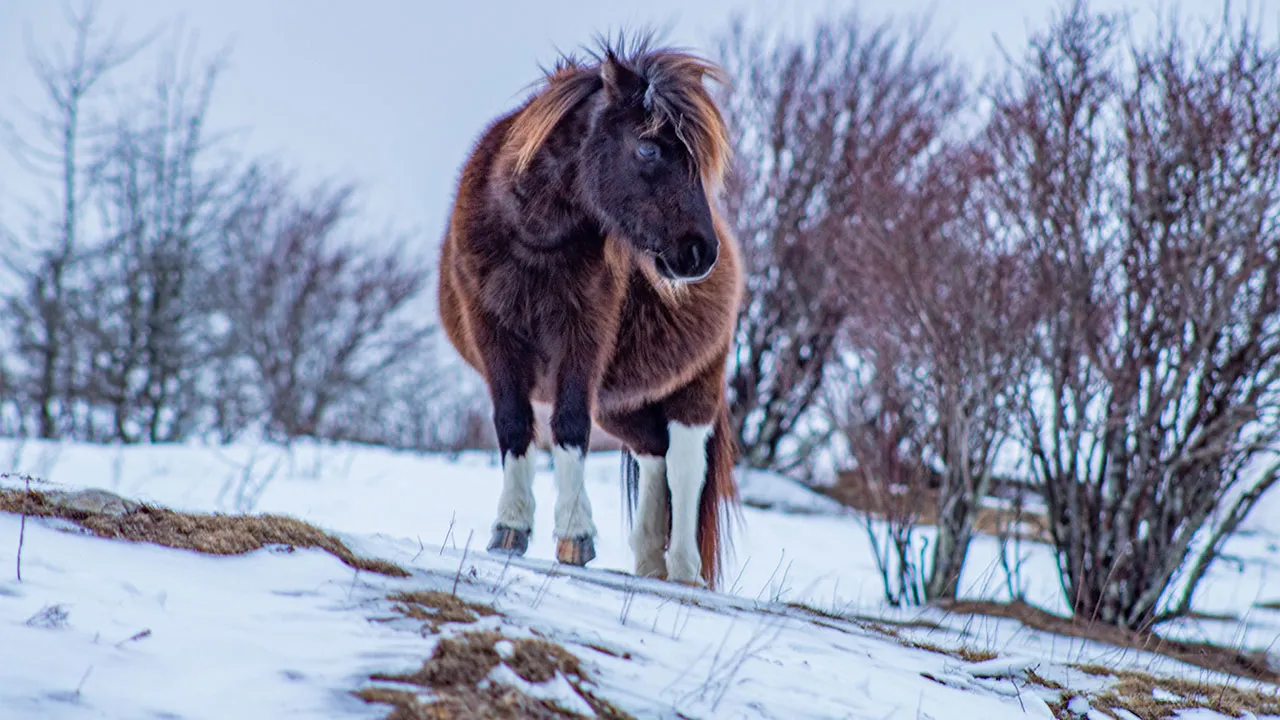
Icelandic horses have long, thick manes that float behind them while moving through snow or open fields. Their dense hair works together with a seasonal double coat to protect them in harsh winters. Even temperatures dropping below -22°F are no match for their natural insulation.
Strength in Every Strand
Their hair supports function across changing conditions and rugged terrain. Alongside their compact frame, it helps them maintain energy and warmth while performing their tölt or flying pace.
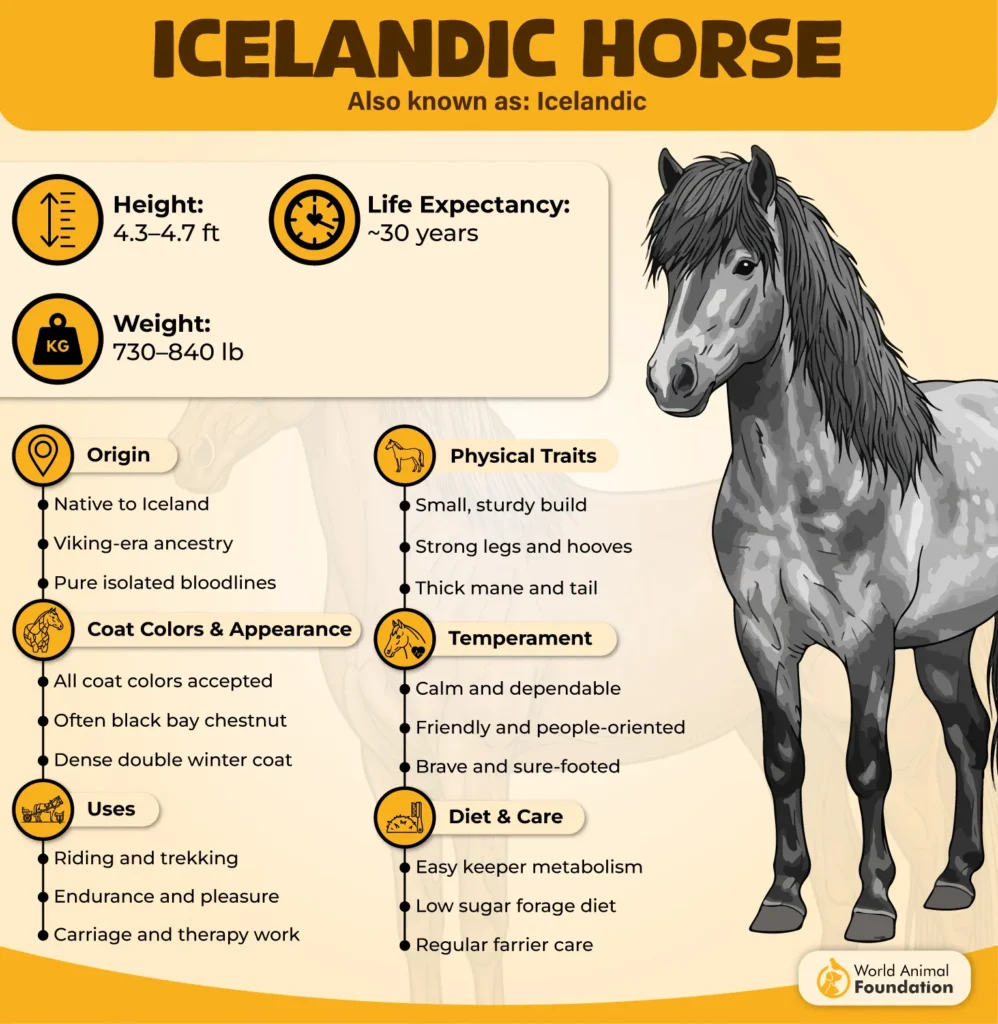
The coat and mane offer practical benefits:
Extra warmth during the winter months
A thick tail helps keep insects away in summer
Coarse, flowing mane that resists tangling in harsh weather
Compact Power
Icelandic horses are hardy and agile despite their size, making them well-suited for uneven trails, as stated in PetMD. Their strong legs and steady gait allow smooth movement over snow, rocks, or muddy paths. Alertness combined with stamina helps them navigate demanding landscapes efficiently.
3. Gypsy Vanner
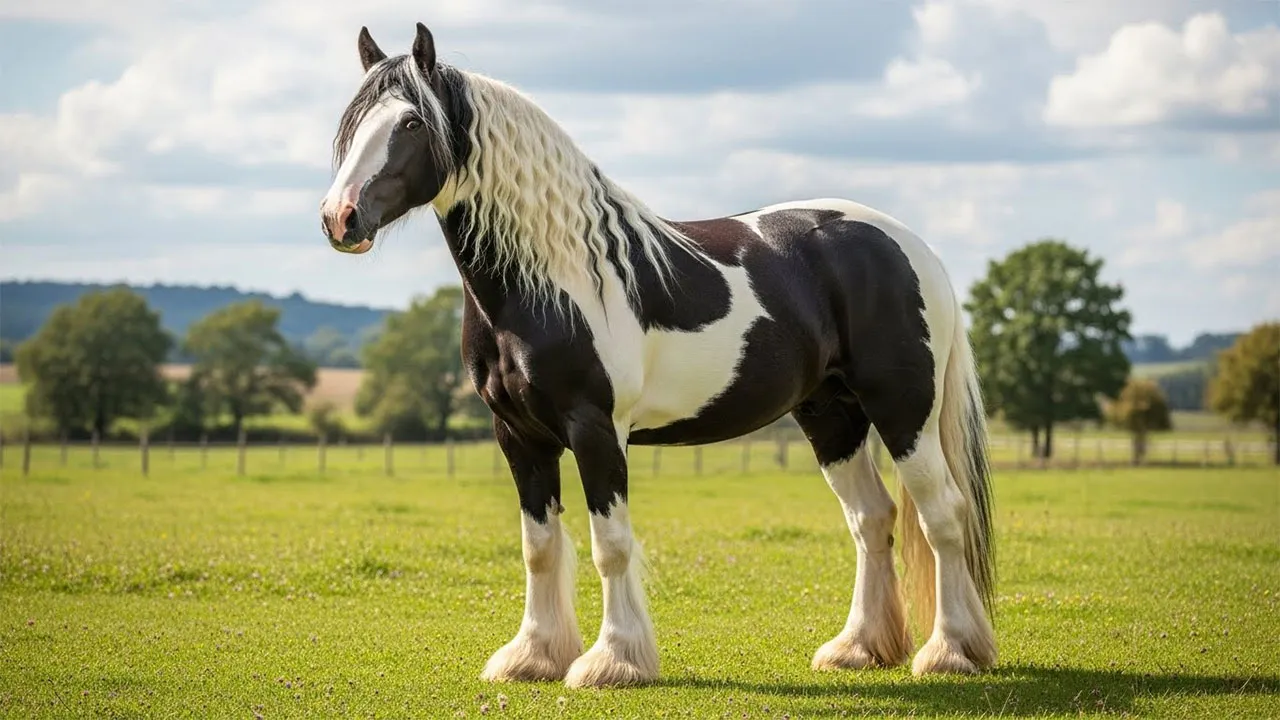
Gypsy Vanner moves with a smooth, flowing gait that makes traversing wild trails appear effortless. Their elegant motion allows them to handle uneven terrain while maintaining balance and rhythm. The long hair on their legs and bodies moves naturally without interfering with movement.
Power Behind the Hair
Muscular yet compact, these horses carry strength that supports extended work or travel. The draft horse’s ancestry contributes to steady legs and a strong back, giving them stability on rough paths.
Their build keeps them steady and protected:
Feathered legs shield from rocks and brush
Thick mane and tail protect against dirt and debris
Solid build supports endurance over longer distances
Calm and Engaged
Gypsy Vanner has a gentle disposition that keeps it attentive to its surroundings. They maintain focus in different environments, responding smoothly to changes in footing or direction. This balance of poise and alertness aids safe navigation through open fields or wooded areas.
4. Shetland Pony
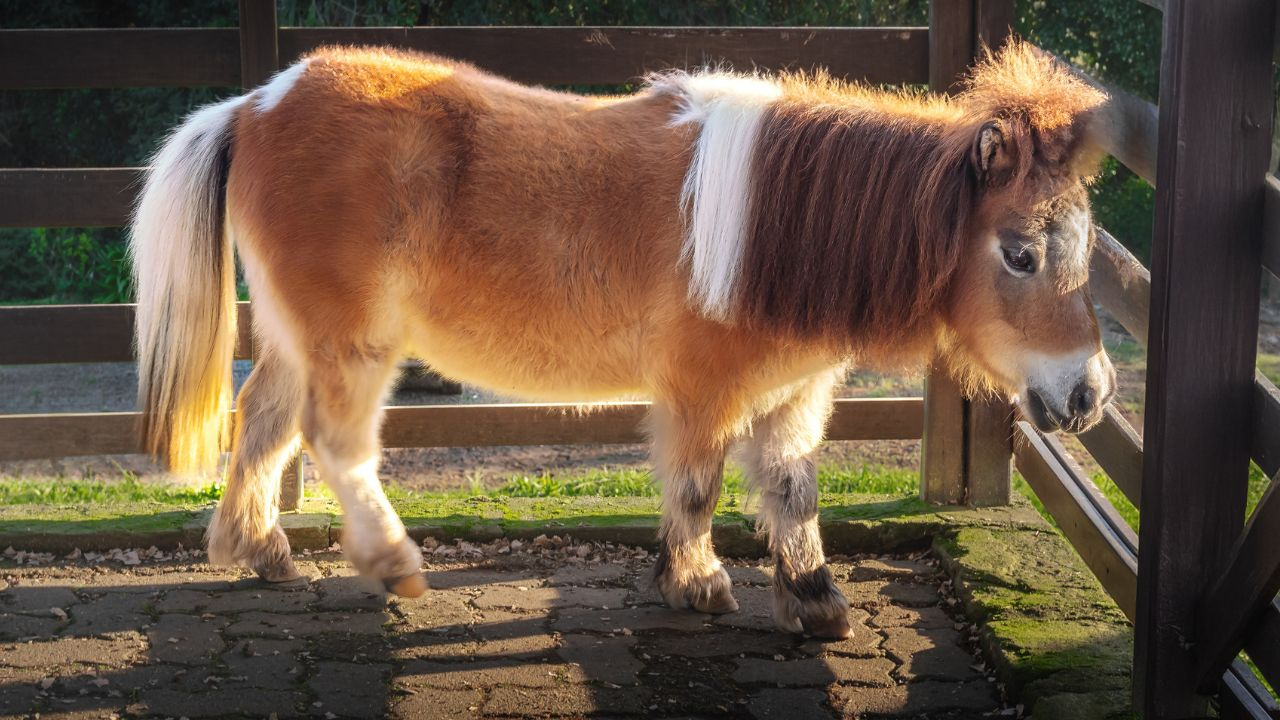
Shetland Ponies are small yet impressively sturdy, making their presence noticeable despite their size. US Eqestrian notes that their thick coats and long manes give them a distinctive look that blends durability with charm. These ponies can move confidently through uneven terrain while keeping their signature fluff intact.
Mane and Tail Flair
The flowing manes and tails reflect their pony ancestry and adaptiveness to colder weather. Their locks often form natural layers, adding volume without any styling.
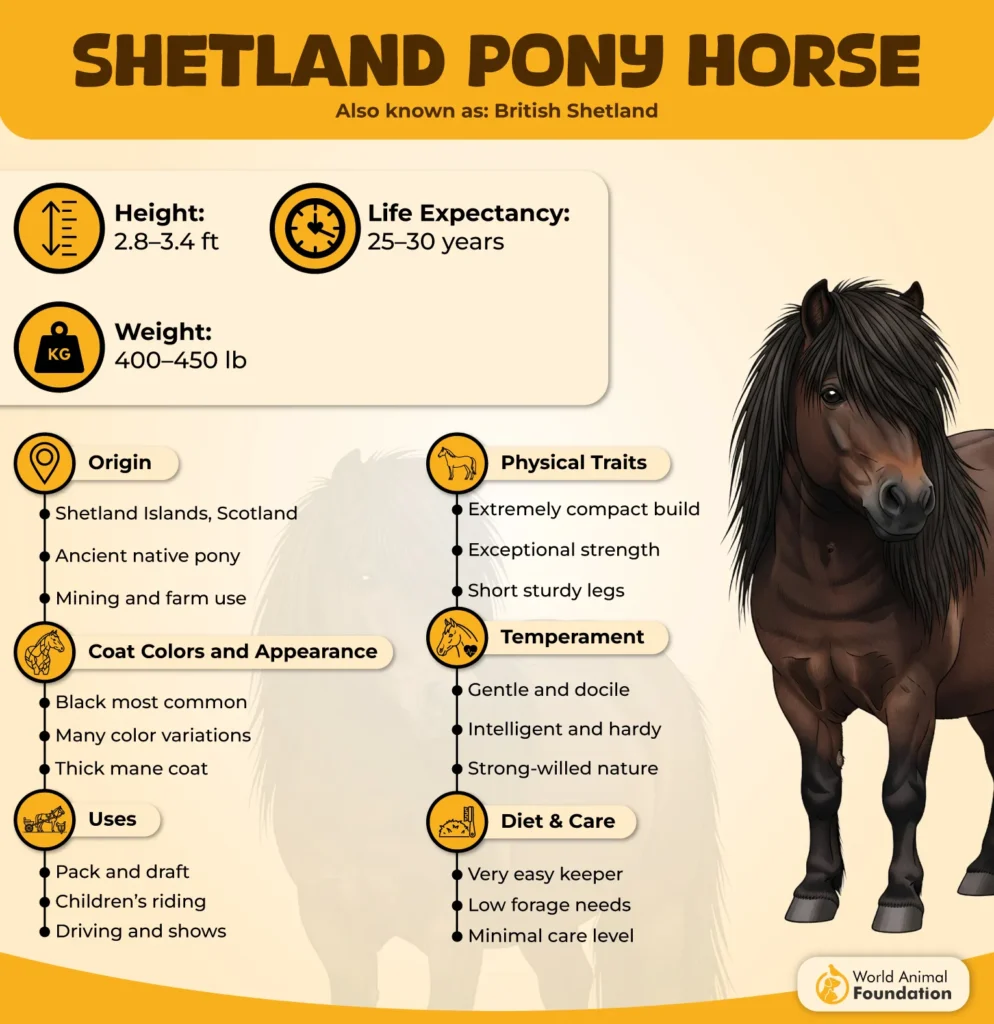
Some practical points about their hair:
Dense, long mane that can reach mid-neck
Thick tail that brushes the ground
Shaggy forelock framing the face
Alert and Engaging
Shetlands notice movement and changes around them quickly, responding with curiosity rather than fear. This attentiveness helps them navigate grassy hills, narrow paths, and small obstacles with ease. Their bright expression often reveals both energy and intelligence in compact form.
5. Shire
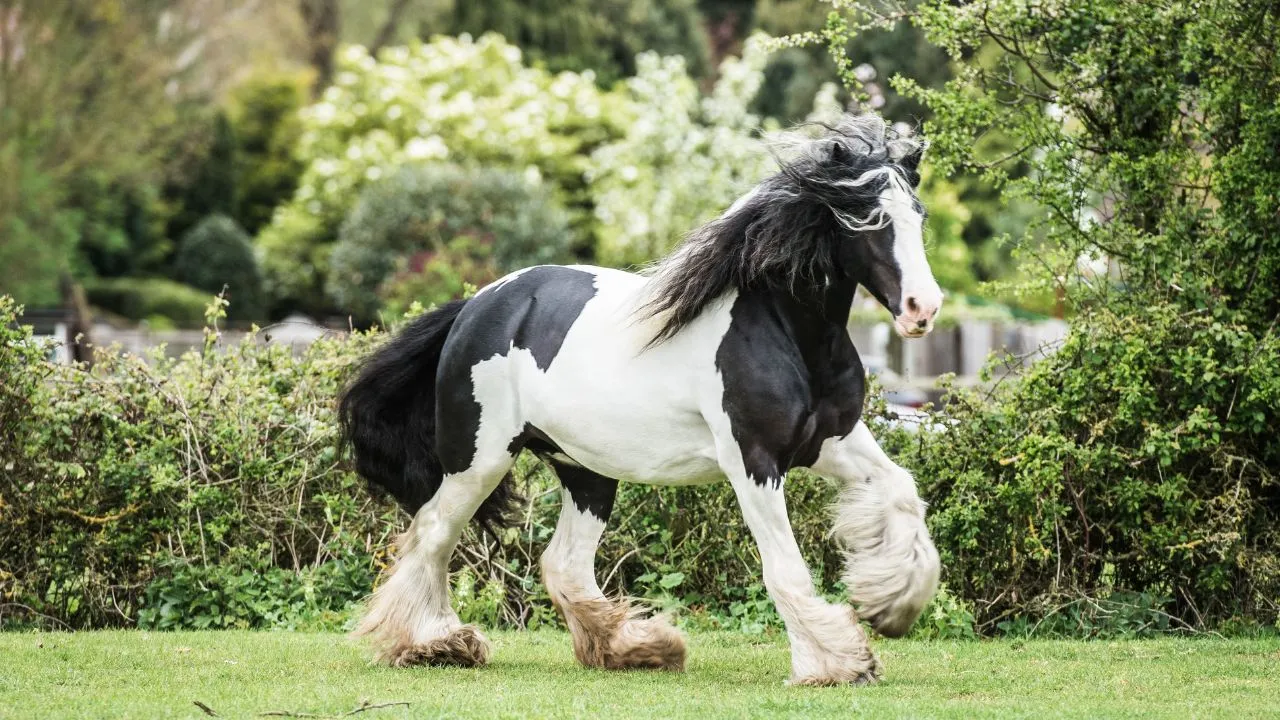
Shire horses carry immense strength that allows them to pull heavy loads and navigate farmland efficiently. Their thick feathering on the legs keeps them protected in muddy or rough terrain. These traits make them practical companions in environments where resilience matters.
Hair and Mane Qualities
Their long mane and tail can grow freely when not trimmed, adding an impressive natural look. Thick hair provides extra insulation and shields sensitive areas from the elements.
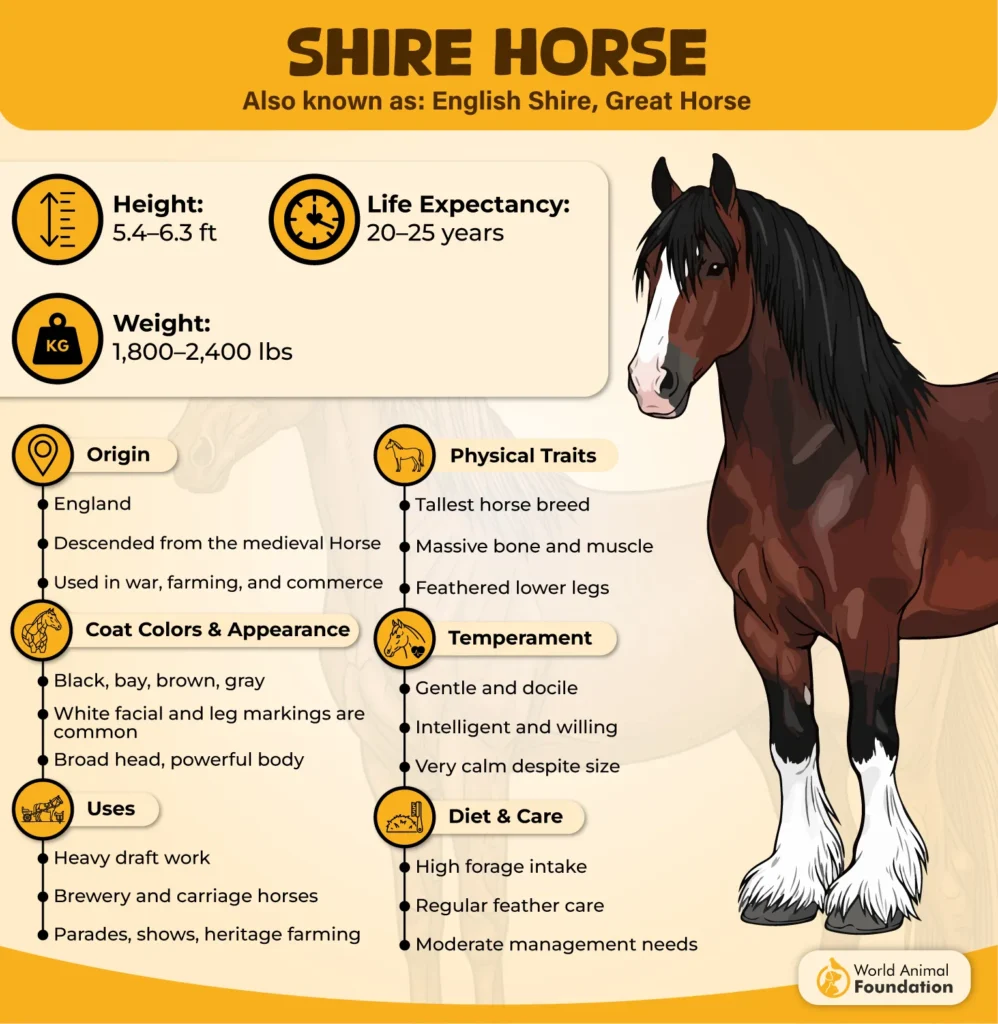
Alongside their muscular frame, these details give them functional advantages:
Feathered legs guard against mud and debris
Full mane shields the neck from the weather
The tail can grow long, but may be braided for work
Functional Grooming
Shires often have short, bobbed tails and braided manes during labor to avoid tangles in equipment. This keeps them efficient while still maintaining the option for natural growth. Their grooming adapts to activity without reducing the breed’s practicality.
6. Andalusian
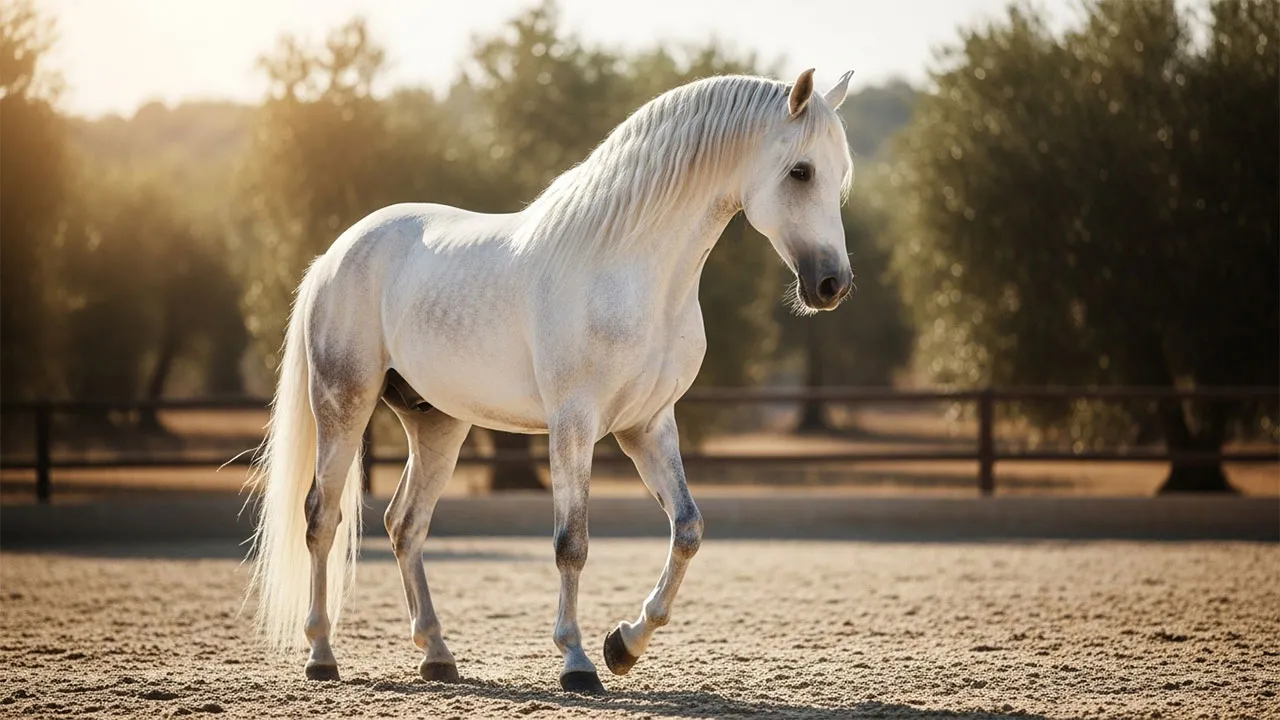
Andalusians are instantly recognized by their thick, wavy manes that often draw attention in open fields. The hair naturally forms long, flowing strands that enhance movement, giving a striking appearance. Their tail and forelock follow the same luxurious pattern, adding to the overall elegance.
Mane Qualities in Detail
The hair of this breed is resilient and grows abundantly, which makes it easy to style for shows or special displays. This feature also has practical benefits when navigating natural environments.
Some key points about their mane and tail are:
Wavy and dense strands
Often braided for discipline-specific events
Maintains volume even in humid conditions
Movement That Complements Appearance
Beyond their mane, Andalusians move with a fluid, balanced gait that catches the eye. Their stride highlights both agility and grace, making them enjoyable in open areas. This combination of hair and motion creates a visual impression that few other breeds match.
7. Haflinger
Haflingers have a gentle, friendly nature that makes them approachable for family life. Their warmth goes beyond personality, helping them endure cold weather comfortably. This reliability makes them practical companions for daily interaction and care.
Thick Hair for Cold Days
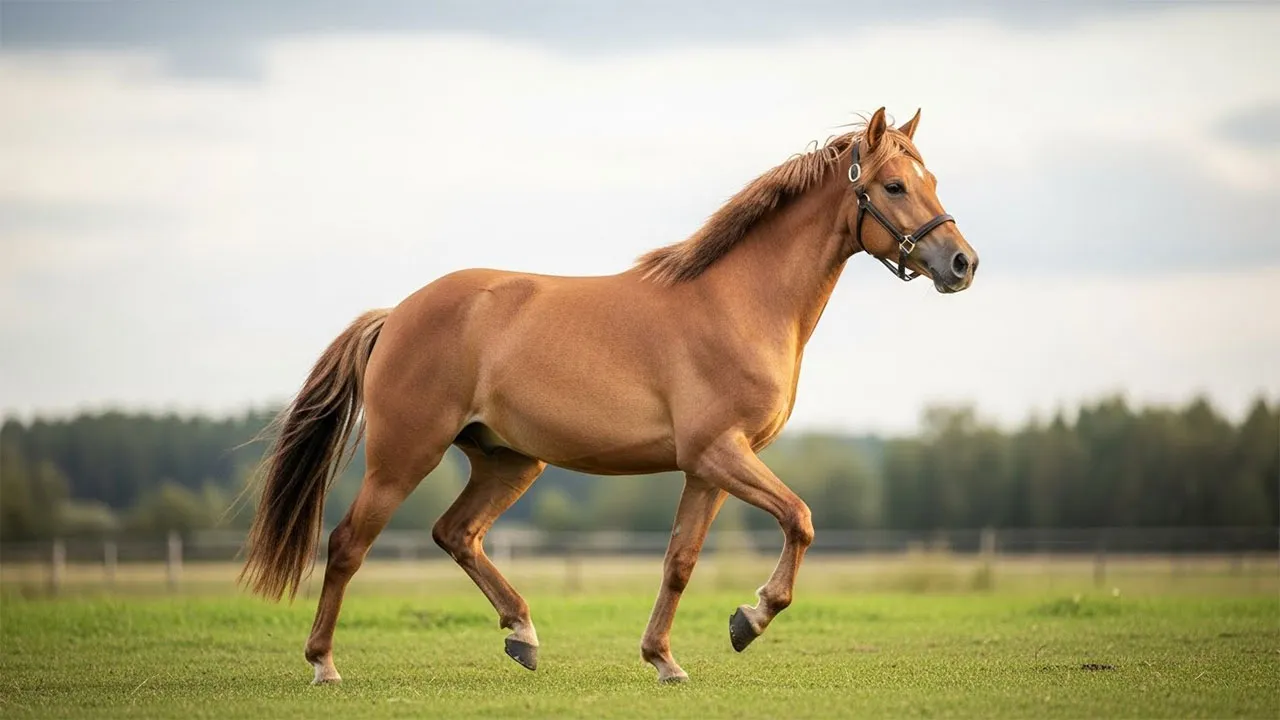
Their long, flaxen mane and tail provide natural insulation during harsh winters, keeping them cozy in chilly environments. That luxurious hair also needs attention to stay in top condition, which can be rewarding for handlers.
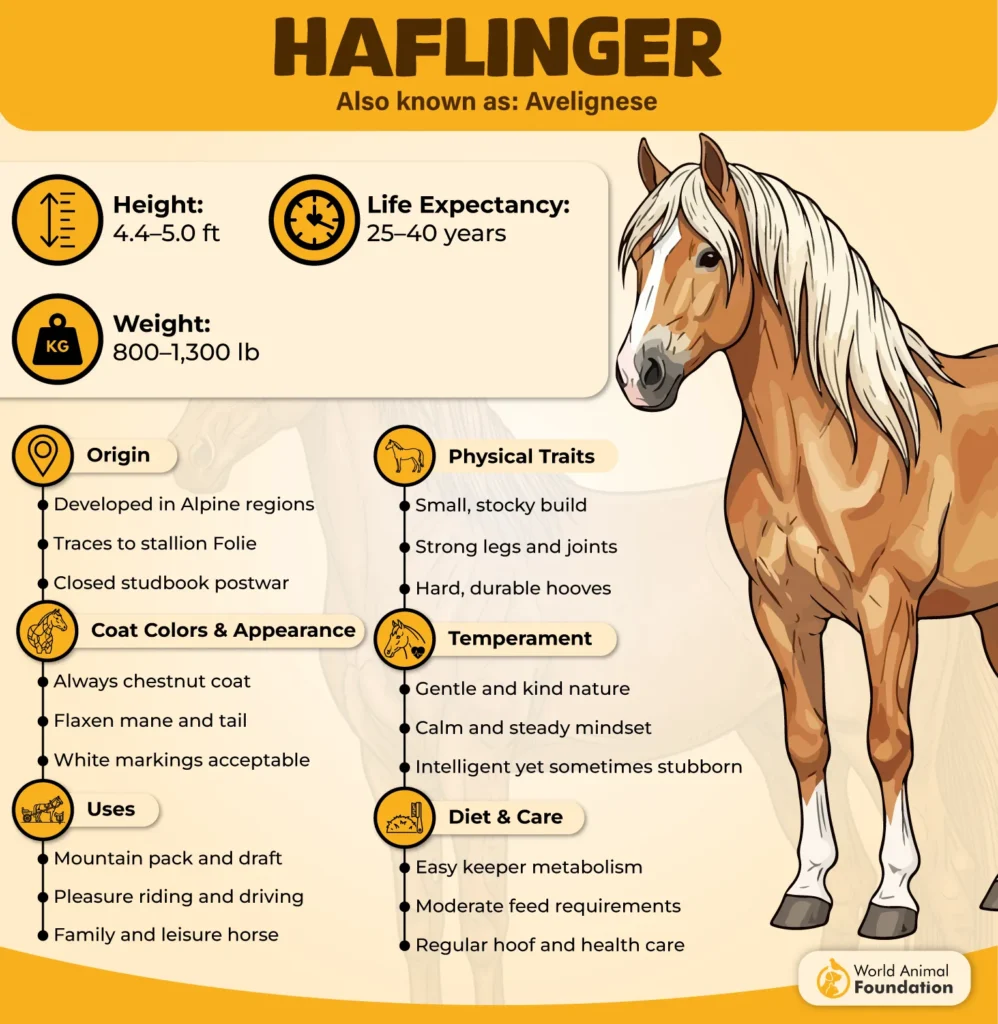
You can see this coat’s benefits in everyday traits:
Fluffy mane and tail require regular brushing
Chestnut coat complements thick hair
Hair helps shield against cold weather
Child-Friendly Temperament
Small enough to handle easily, Haflingers are calm and steady around children. Their friendly disposition makes them suitable for family settings while still maintaining the strength needed for outdoor activity. This balance allows them to interact safely without being fragile or high-strung.
Conclusion
Thick manes shape more than appearance, and each breed here shows how hair can influence comfort, movement, and presence. Their coats protect them in winter, support long rides, and create the kind of beauty that draws the eye even among other horses.
Some of the largest horse breeds carry luxurious manes that appear almost sculpted by nature, adding weight to their quiet strength. These traits help explain why many of them stand close to world records in elegance and recognition. While most horses rely on simple grooming, these breeds turn everyday care into a small moment of admiration.
