




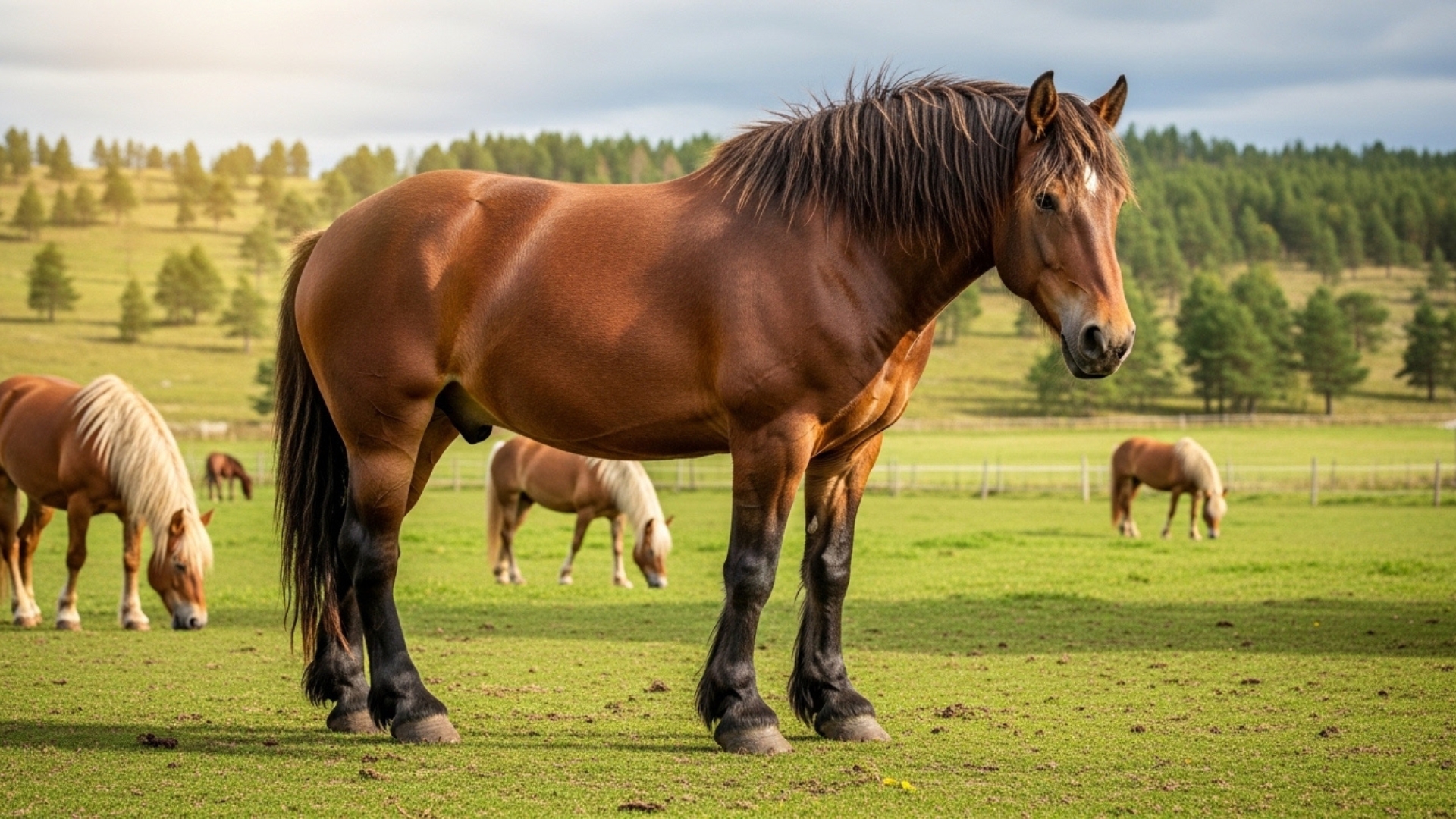
Many horse owners eventually face the same concern when working or riding across uneven ground. Some horses handle rough trails comfortably, while others struggle with soreness, fatigue, or unstable footing.
The difference often begins with the natural strength of the hooves and legs. These structures support every movement the horse makes throughout its life. When they are strong and well-formed, the animal moves with greater confidence and balance across challenging terrain.
Durable hooves resist wear from constant contact with the ground, while powerful limbs absorb impact and maintain steady motion. Horses that possess these qualities tend to remain sound longer and perform more reliably in demanding conditions.
The article ahead introduces horses widely respected for tough hooves and sturdy legs, showing how these traits support endurance, stability, and dependable movement through difficult landscapes.
Key Takeaways
What gives certain horses the power to work long hours across rough fields and heavy terrain without breaking stride?
The Suffolk Punch and Percheron stand out for their dense muscles and steady build, making them trusted partners in demanding agricultural and hauling tasks.
Breeds like the North Swedish Horse and Ardennes add strong legs and firm hooves that provide stability on snow, forests, and uneven ground.
Explore each breed to see how structure, stamina, and reliability come together in horses known for real working strength.
Horse Breeds With Strong Hooves and Legs
1. Suffolk Punch
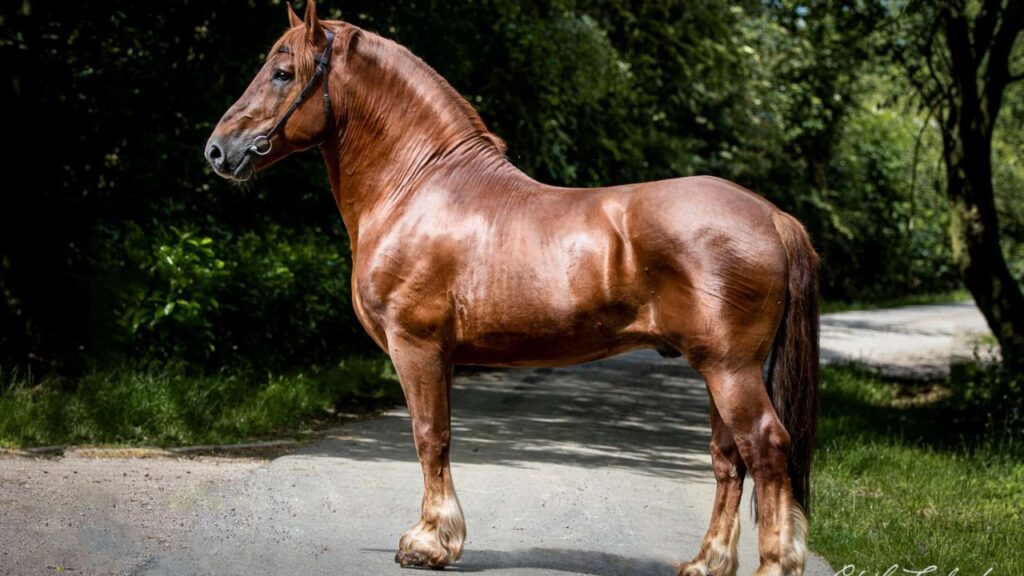
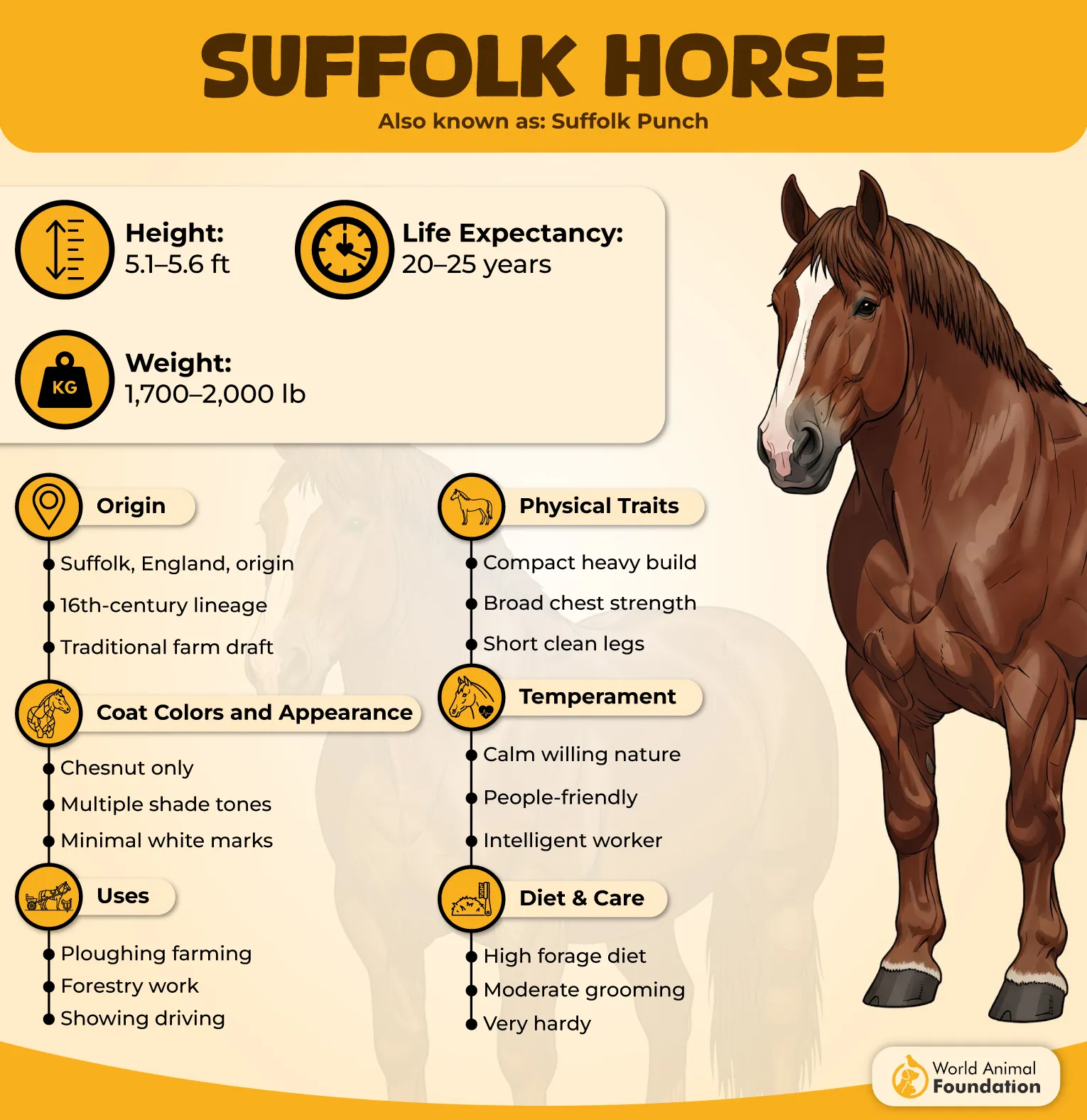
Suffolk Punch originates from Suffolk in England, where it was valued for dependable field performance. This draft horse is typically deep chestnut, giving it a consistent and recognizable appearance. Its compact yet solid frame reflects steady structural strength.
Built for Endurance
Although smaller than many draft breeds, its muscular build delivers substantial pulling ability, as per Animalife. The breed earned respect for reliable performance in demanding agricultural and military settings.
Consider what makes this horse practical for long working days:
Dense muscle structure supporting sustained effort
Solid limbs designed for heavy ground work
Efficient build requiring comparatively moderate feed
Dependable Frame
Its legs are known for strength and stability, supporting consistent movement across varied terrain. The hooves contribute to steady footing during pulling and hauling tasks. This combination made the breed a trusted partner in farming operations.
2. North Swedish Horse
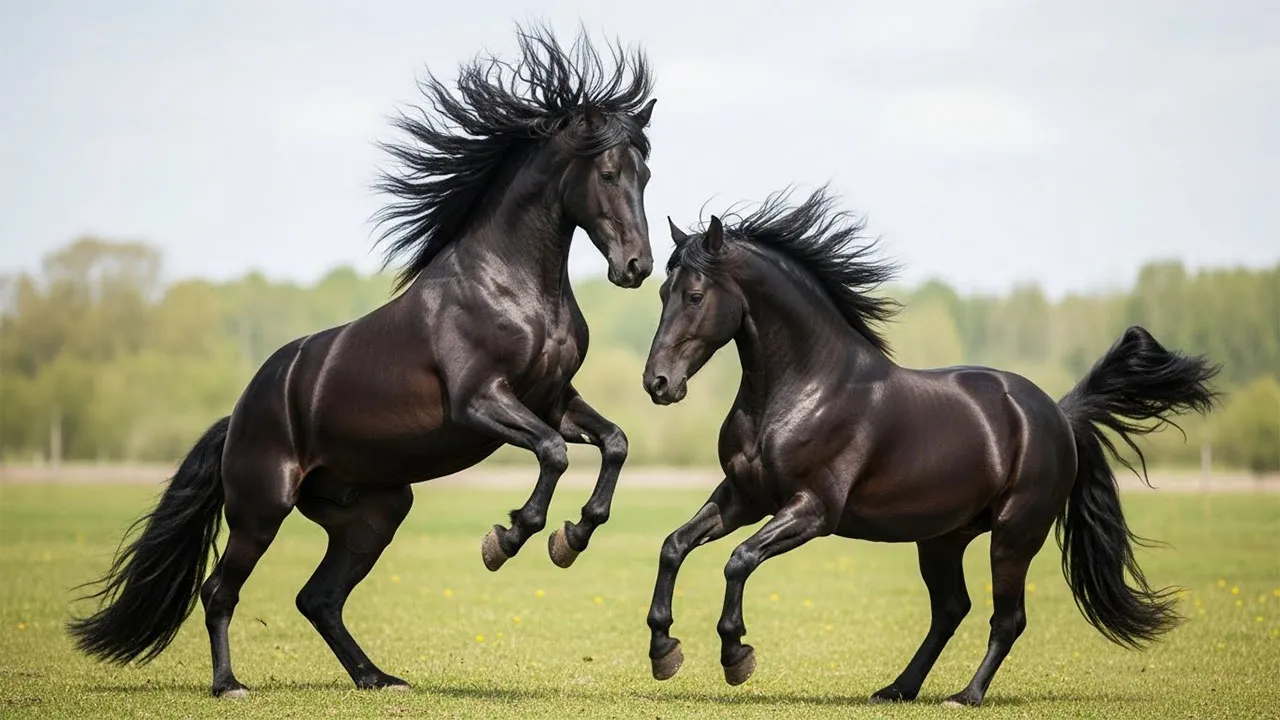
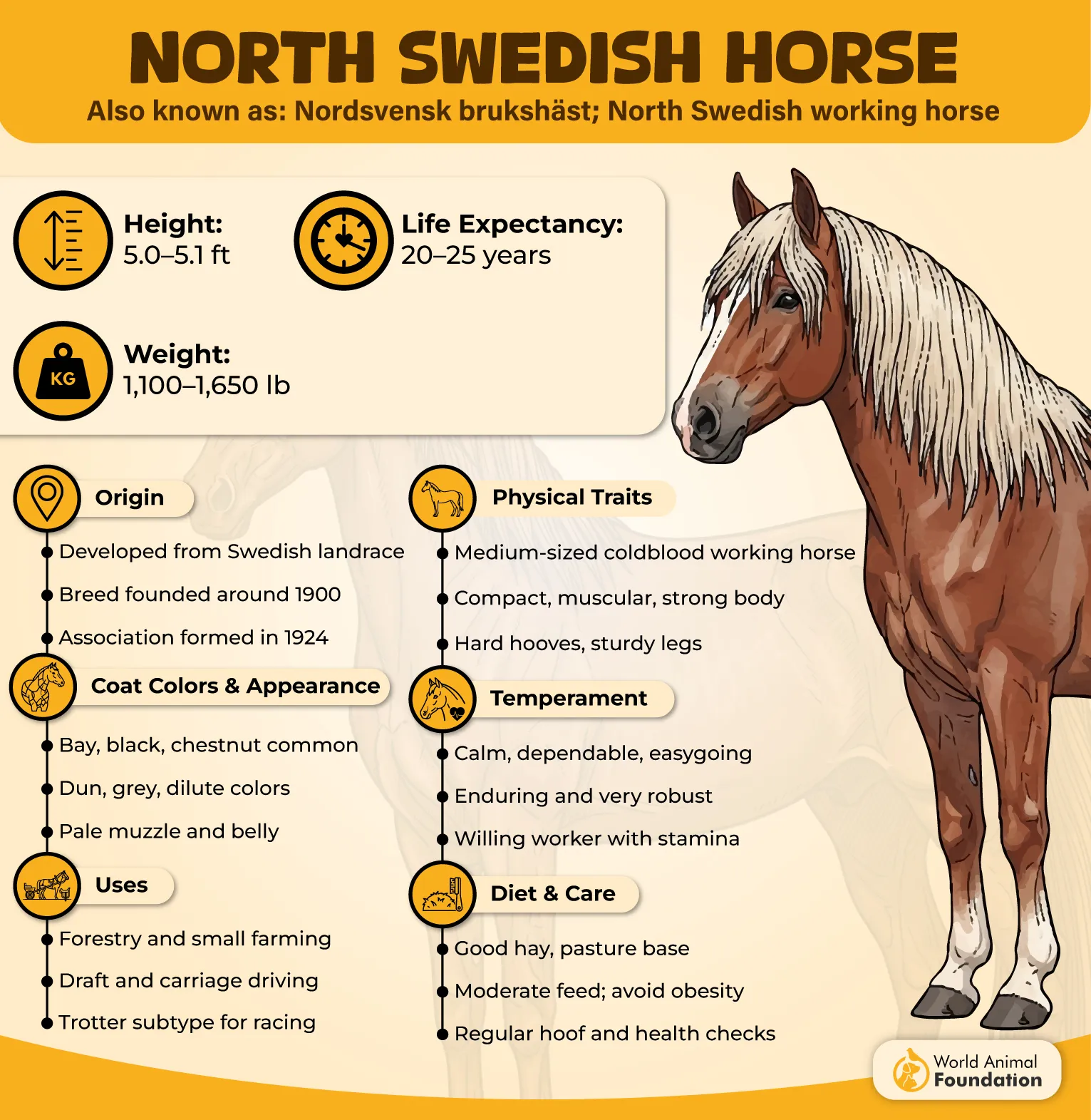
The North Swedish Horse is a compact and powerful breed shaped by cold Scandinavian climates. Its body is solid and balanced, designed to handle demanding terrain with steady movement. This breed reflects durability built through generations of practical farm and forest work.
Built for Demanding Tasks
This horse is widely trusted for pulling heavy loads in woodland and rural settings. Its strength is paired with stability, allowing consistent performance on uneven ground.
A closer look shows why it is valued in tough environments:
Reliable traction in deep snow and rough paths
Steady build suited for sustained effort
Calm temperament that supports focused handling
Calm Working Temperament
They stand out for their friendly and composed behavior around people, as NordGen writes. Its willingness to cooperate makes daily tasks smoother in structured settings. This balanced nature supports long hours of productive effort without unnecessary tension.
3. Ardennes
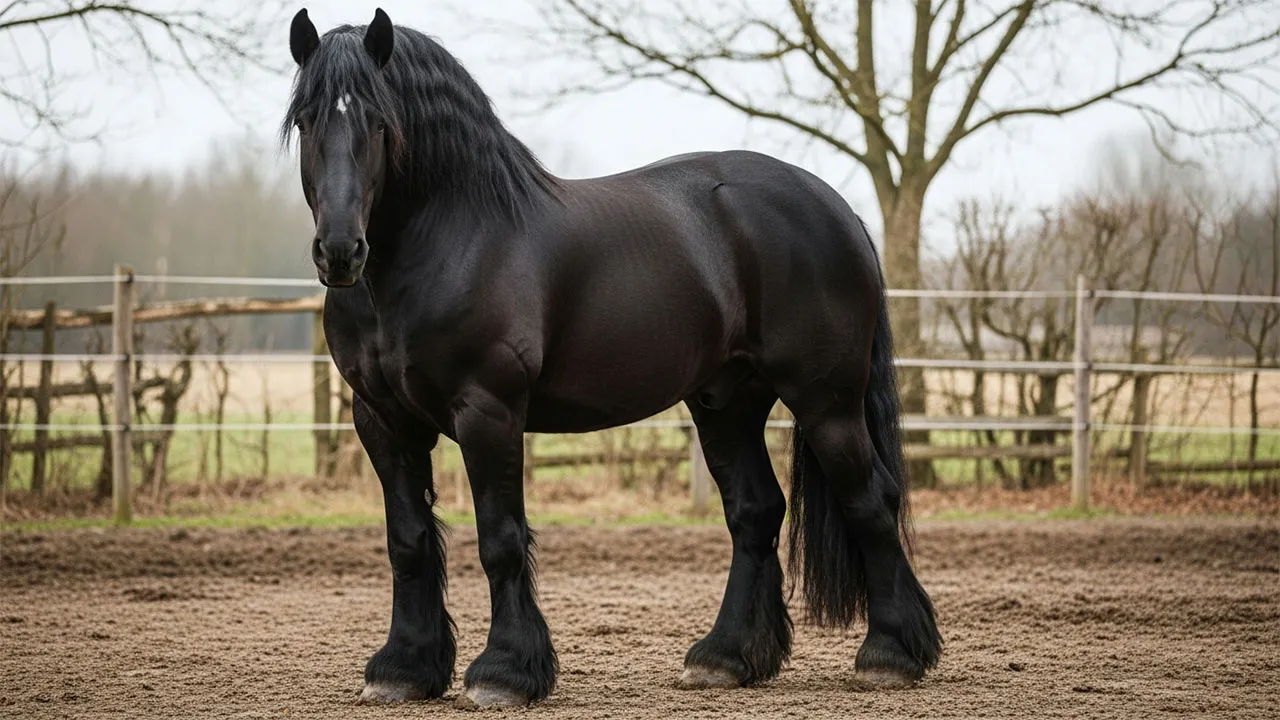
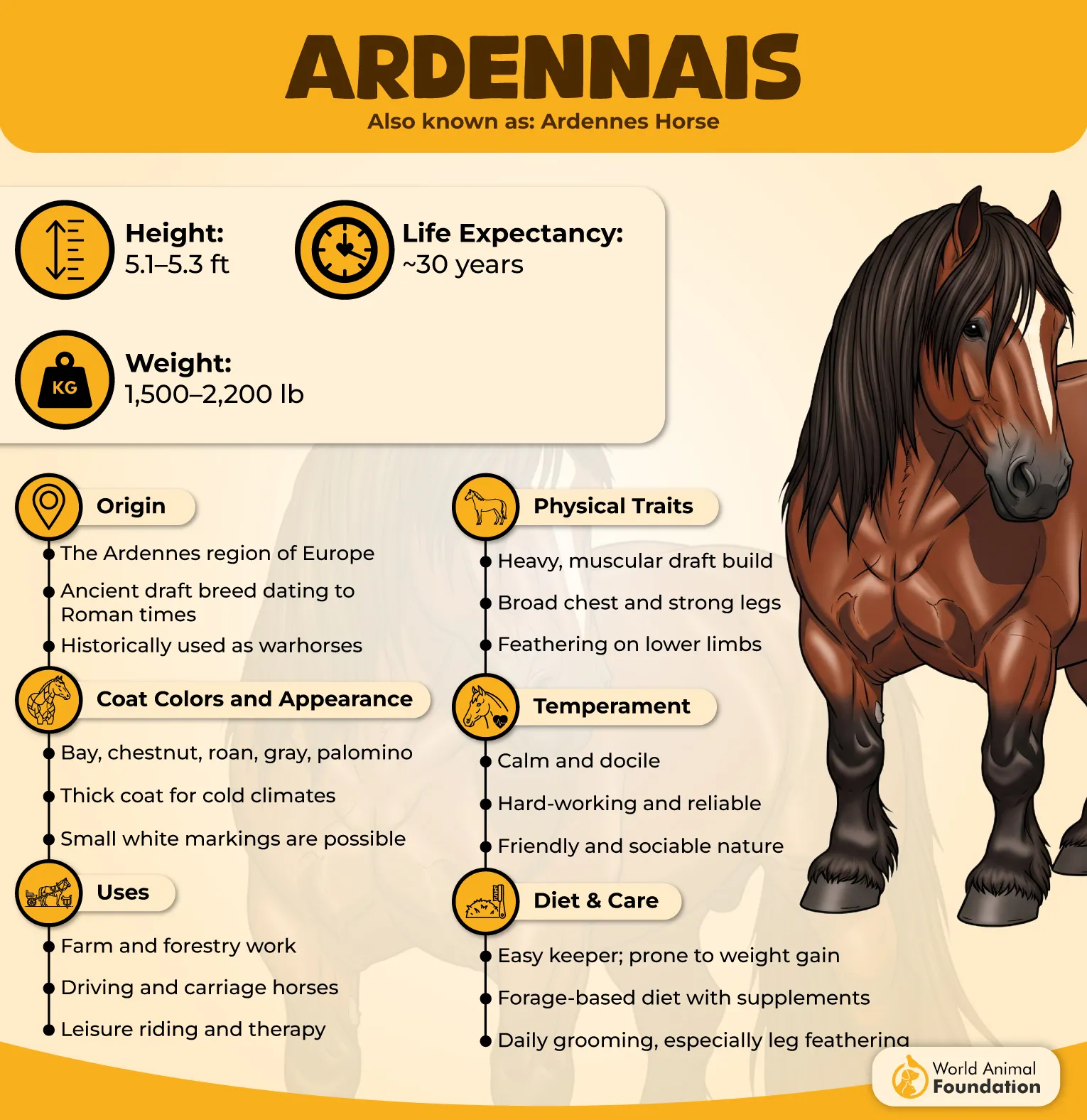
Ardennes horses trace their roots to the Ardennes region of Belgium, where strength was valued above appearance. As one of the oldest draft breeds, their history reflects generations of purposeful breeding for demanding farm and field tasks. The name itself connects directly to their long working tradition.
Built for Endurance
Their compact frame and powerful build allow steady performance in challenging conditions. This gentle giant is widely recognized for dense muscles and distinctive feathering around the lower limbs.
These features support stability during heavy pulling tasks:
Muscular and stocky body structure
Feathered lower legs for added protection
Steady movement under load
Temperament and Handling
Ardennes horses are known for a calm, cooperative nature that makes them dependable partners. Their patient behavior allows handlers to work with confidence in busy environments. This balanced temperament supports consistent performance without unnecessary tension.
4. Percheron
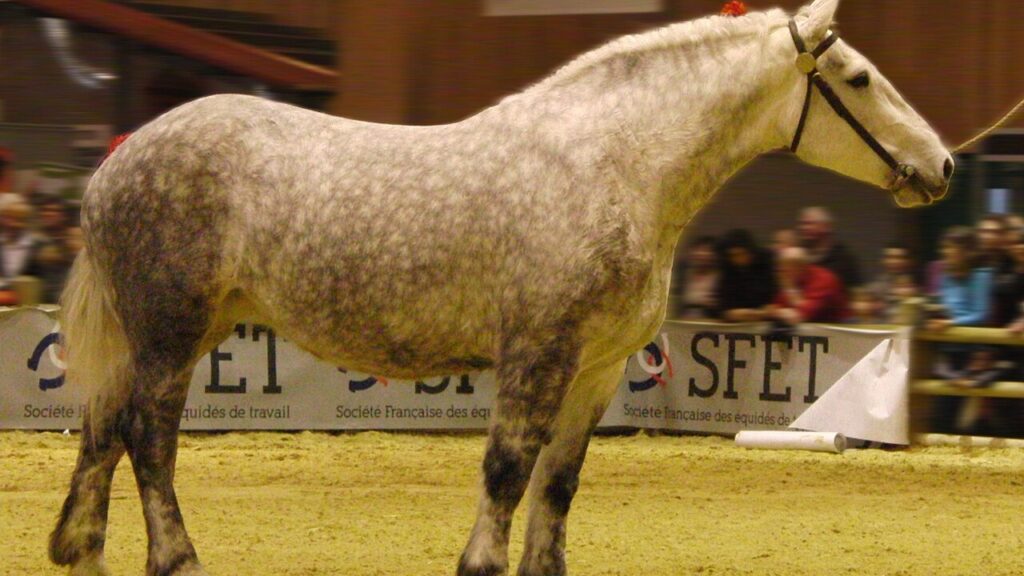
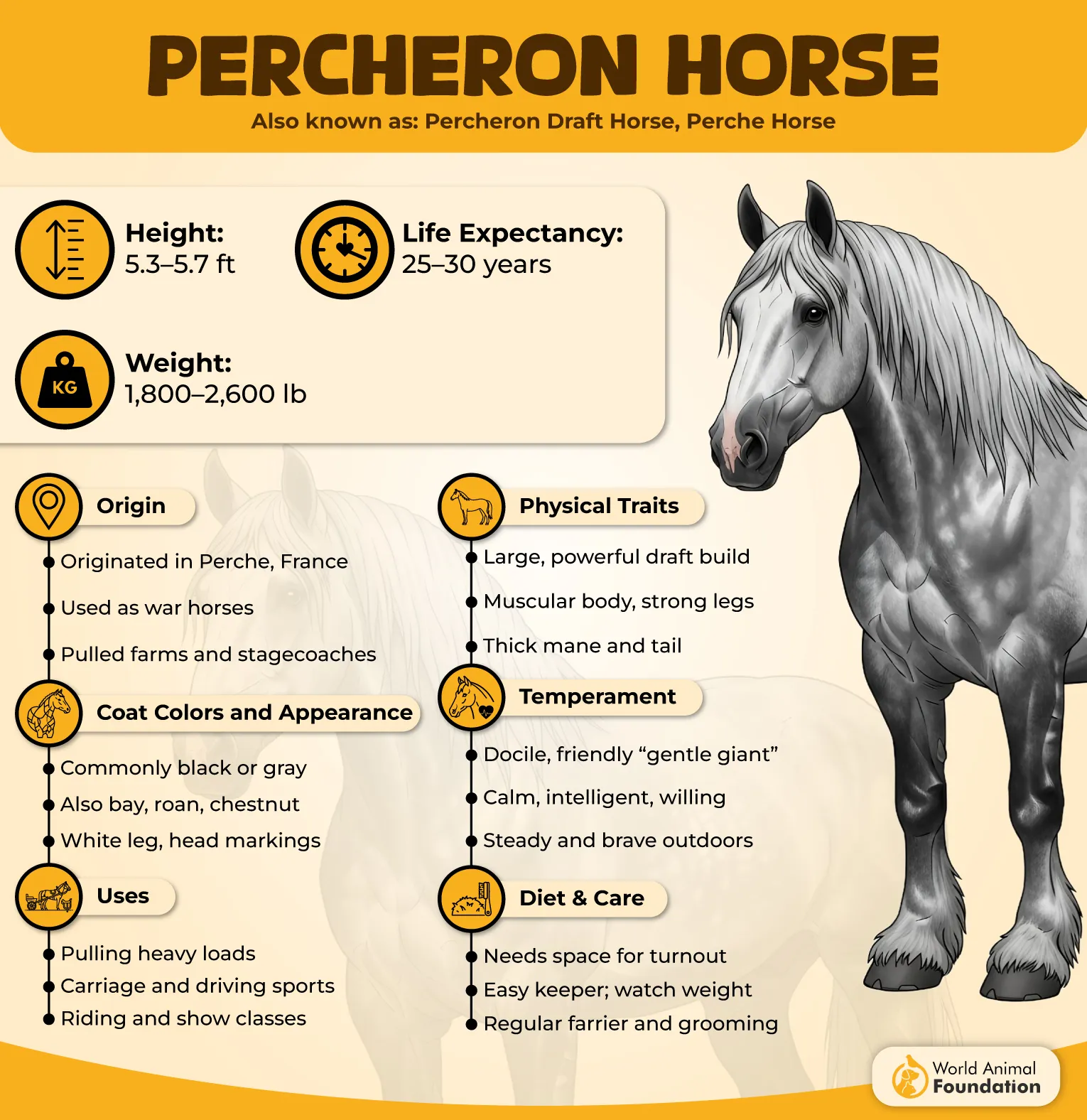
Percheron traces its origins to France, where it was valued for remarkable strength and steady structure. Its powerful build reflects generations of selective breeding for demanding tasks. The breed’s frame is designed to support heavy work with stability and control.
Built for Power
Percheron combines muscle mass with balanced movement, making it dependable in harness and training. Its calm temperament complements its physical capability, allowing focused performance.
Their strength is clearly reflected in these features:
Dense musculature supporting heavy workloads
Calm and cooperative disposition
Adaptability to varied training styles
Reliable Presence
Originally used as war horses in the 1800s, Percherons later gained popularity as draft horses in the United States, as Okstate noted. Their steady mindset makes them suitable for structured activities that require discipline. This combination of composure and strength enhances their practical value.
5. Belgian Draft
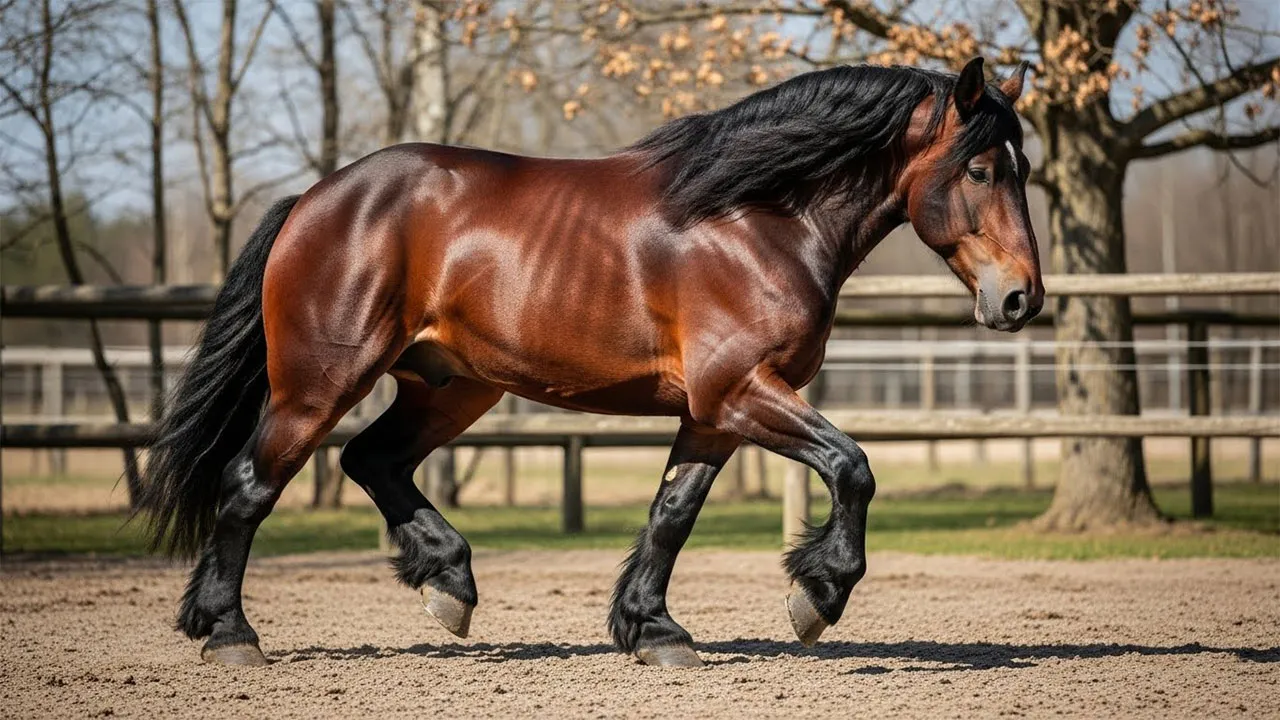
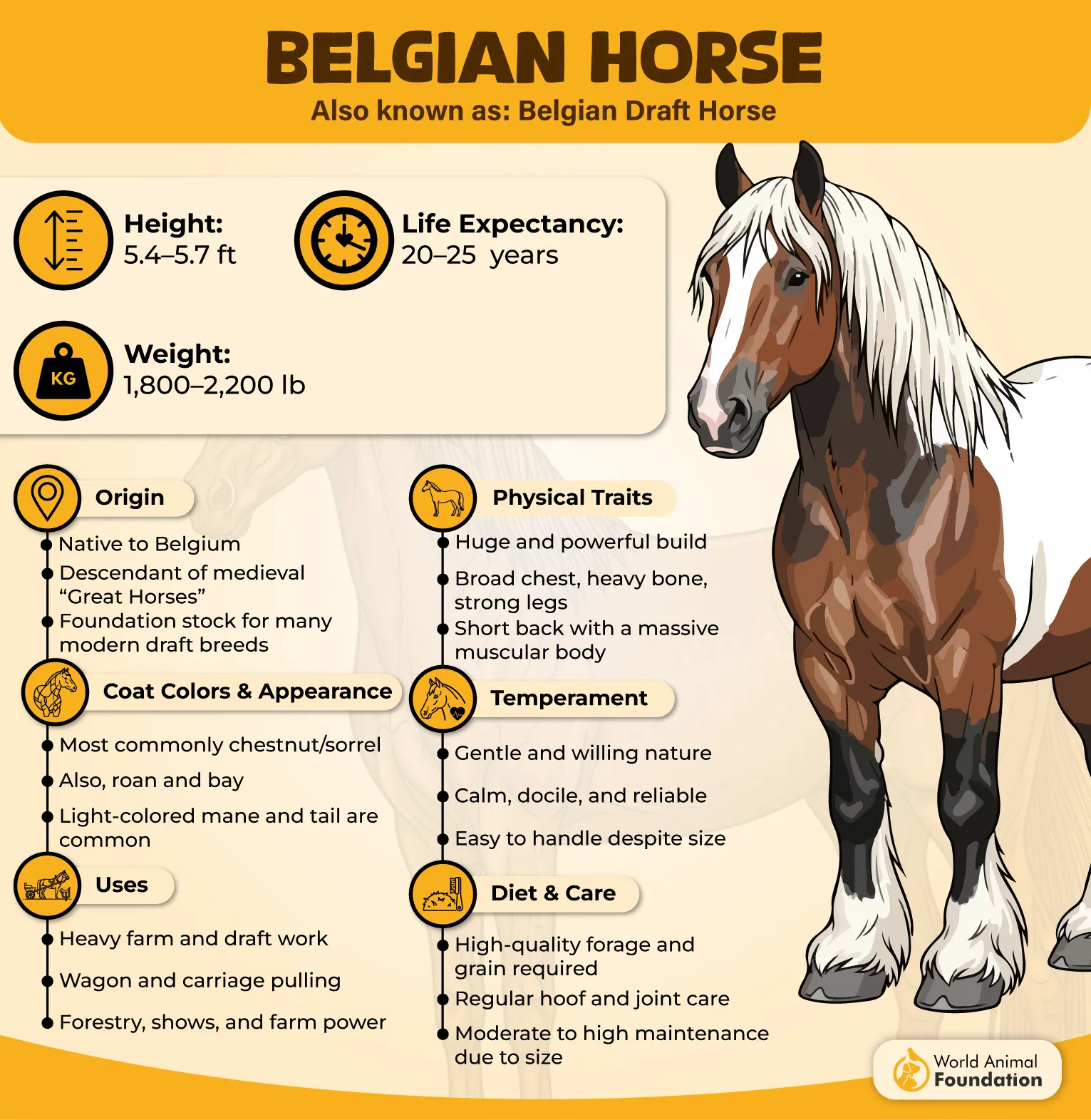
Belgian Draft horses are known for their massive frame and remarkable muscle structure. Their broad shoulders and dense bodies give them the physical foundation needed for demanding tasks. Originating in Belgium, they represent one of the strongest heavy horse types in the world.
Strength in Structure
Their build directly supports powerful movement and stability under load. This structure is reflected in their lower limbs, which are solid and dependable.
Here’s a short glance at their frame:
Broad hooves designed for stability
Thick, well-developed legs
Strong pulling capability in fields and transport
Legacy of Heavy Work
Historically, Belgian Draft horses supported farming communities by handling plows and wagons. Their muscular legs and resilient hooves enabled them to manage repeated weight and movement across varied terrain. Their presence continues to symbolize endurance and structural strength.
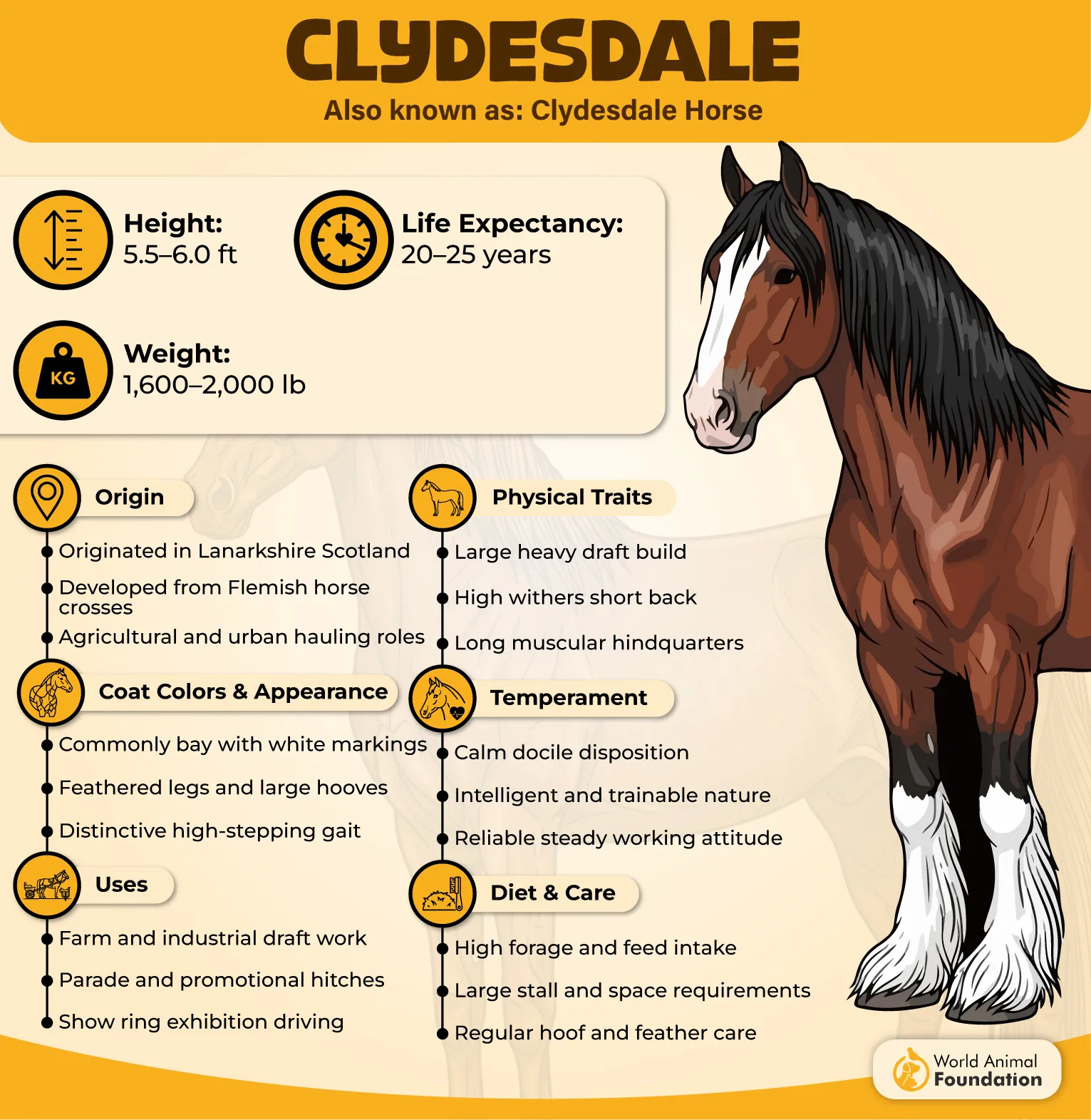
6. Clydesdale
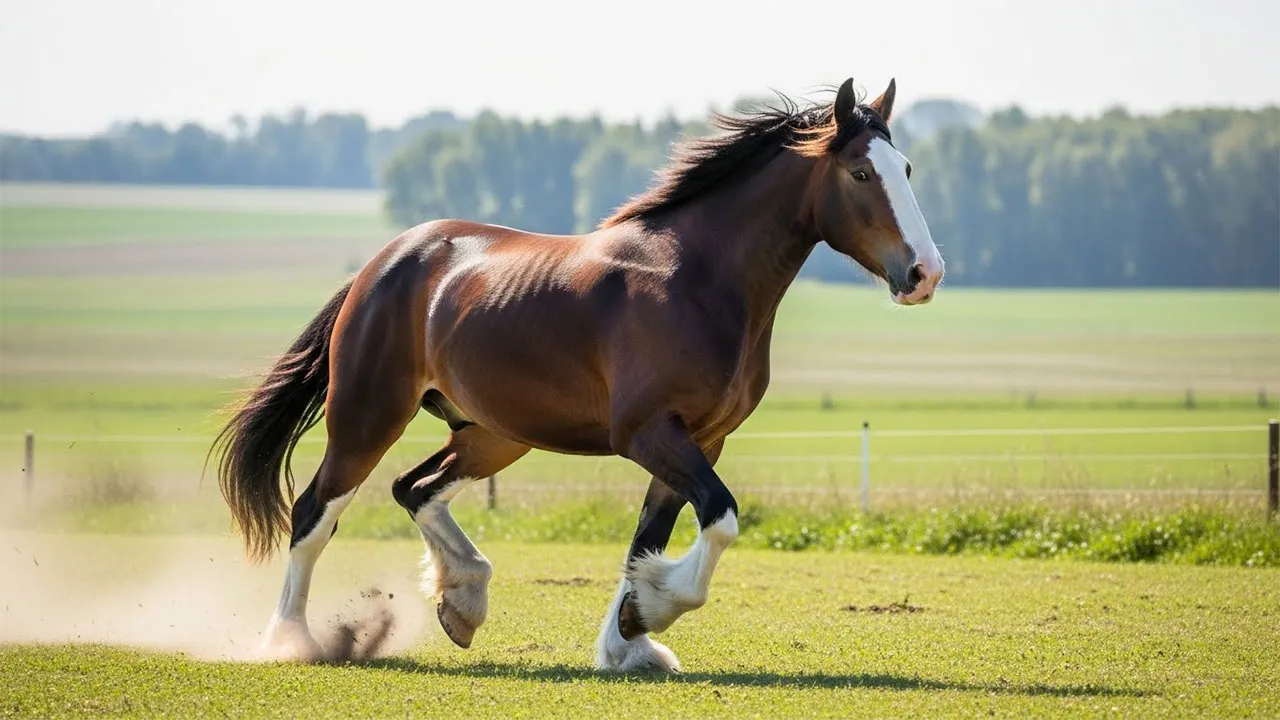
Clydesdale horses trace back to the Clydesdale valley in Scotland, where they were valued for demanding farm and transport tasks.
Their large frame and steady build helped them handle heavy workloads in rural settings. This background shaped a horse known for dependable power and durability.
Physical Foundation
Their structure supports long hours of effort, with dense muscles, solid bone structure, and a slightly arched back that enhances balance. These traits contribute to stability during pulling and field work.
Consider the qualities that shape their physical reliability:
Strong skeletal framework
Deep, well-developed musculature
Stable movement with a steady stride
Modern Roles and Appearance
Today, Clydesdales appear in show rings, cart pulling, logging work, riding activities, and companionship roles. Their common bay coat is widely recognized, while black, dun, and chestnut variations also exist. Their presence combines visual impact with practical strength in structured environments.
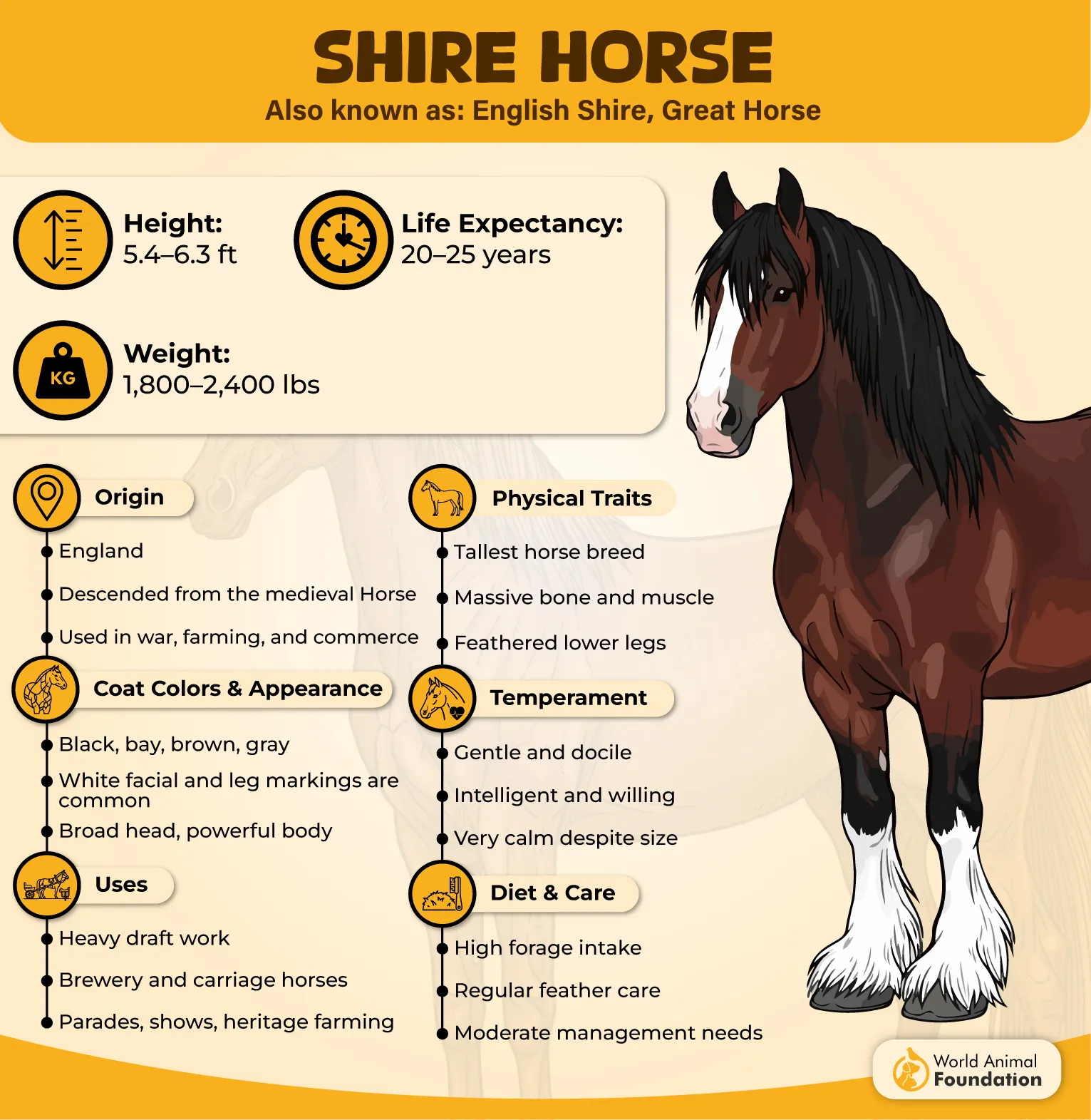
7. Shire
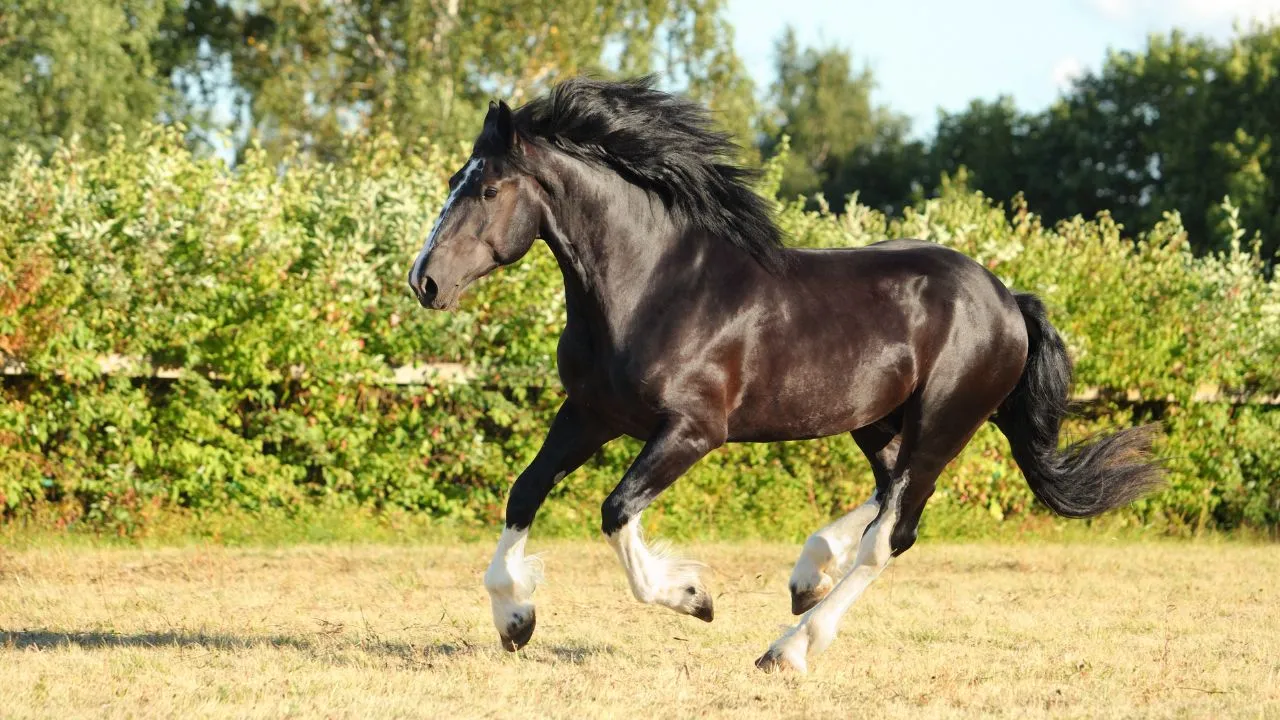
Shire is one of the oldest draft horse breeds, with records tracing back to the 1600s. Its long history reflects generations of selective breeding for power and reliability. From its origins, this breed has been closely linked to demanding tasks that required steady endurance.
Built for Heavy Work
With a massive frame and powerful build, the Shire was valued for strength in both war and agriculture. Its structure supports balance, stamina, and controlled movement under load.
This is where its physical structure stands out:
Broad, muscular legs that support stability
Large hooves designed for firm ground contact
Deep chest that enhances strength and endurance
Enduring Legacy
Shire horses remain recognized for their size, strong limbs, and dependable constitution. Their contribution across centuries highlights how physical structure shaped their historical roles. Even in modern settings, their frame and movement continue to represent classic draft heritage.
Conclusion
Strength in a horse often begins with the foundation beneath it.
Across the horse world, breeds known for sturdy hooves and powerful legs continue to earn respect for dependable performance. Their structure allows them to handle farm work, travel long distances, and remain steady partners in demanding conditions.
In the equestrian world, horse enthusiasts recognize that these qualities support not only endurance but also the long-term well-being of the animal. While other breeds may excel in speed or elegance, these horses demonstrate incredible stamina where durability matters most.
For generations, they have served as reliable human partners across landscapes that require strength and balance.
