




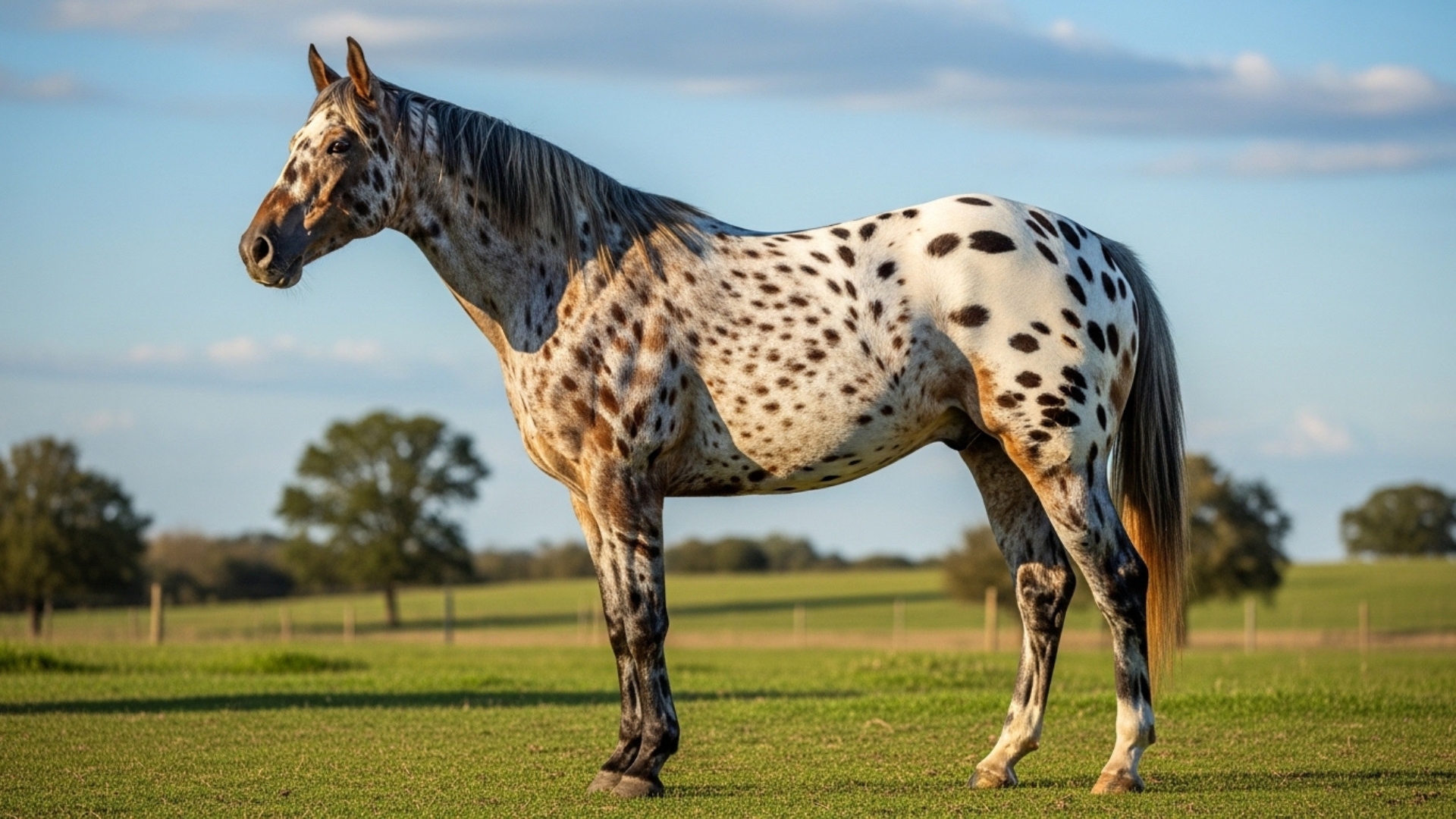
Some horses carry their history in patterns written across their coats. Spotted primitive markings appear like quiet echoes from another time, small clusters of color scattered over the body in ways that feel ancient rather than ornamental.
Riders and breeders often notice these markings long before they understand them. The eye catches the contrast of spots against a base coat, yet the real story lies deeper in heritage and survival. Primitive markings trace back to early equine ancestors that relied on camouflage and adaptation.
Those patterns still surface today in certain horses, creating a striking reminder that domestication has never erased their origins. A horse standing in sunlight with these spotted markings feels both familiar and wild, as if the past briefly stepped forward.
In this article, we will explore the horse breeds where these rare patterns still appear, the history behind them, and the traits that allow these remarkable markings to endure.
Key Takeaways
Spotted primitive markings catch the eye, but the story behind them is older than most riders realize.
Appaloosas and Knabstruppers flaunt patterns so unique that each horse seems like a work of living art.
Noriker and Icelandic Horses combine strength, elegance, and striking markings, making every ride feel both wild and familiar.
By the end, you’ll discover which breeds preserve these rare markings and why they continue to captivate riders and breeders alike.
Horse breeds with spotted primitive markings
1. Appaloosa
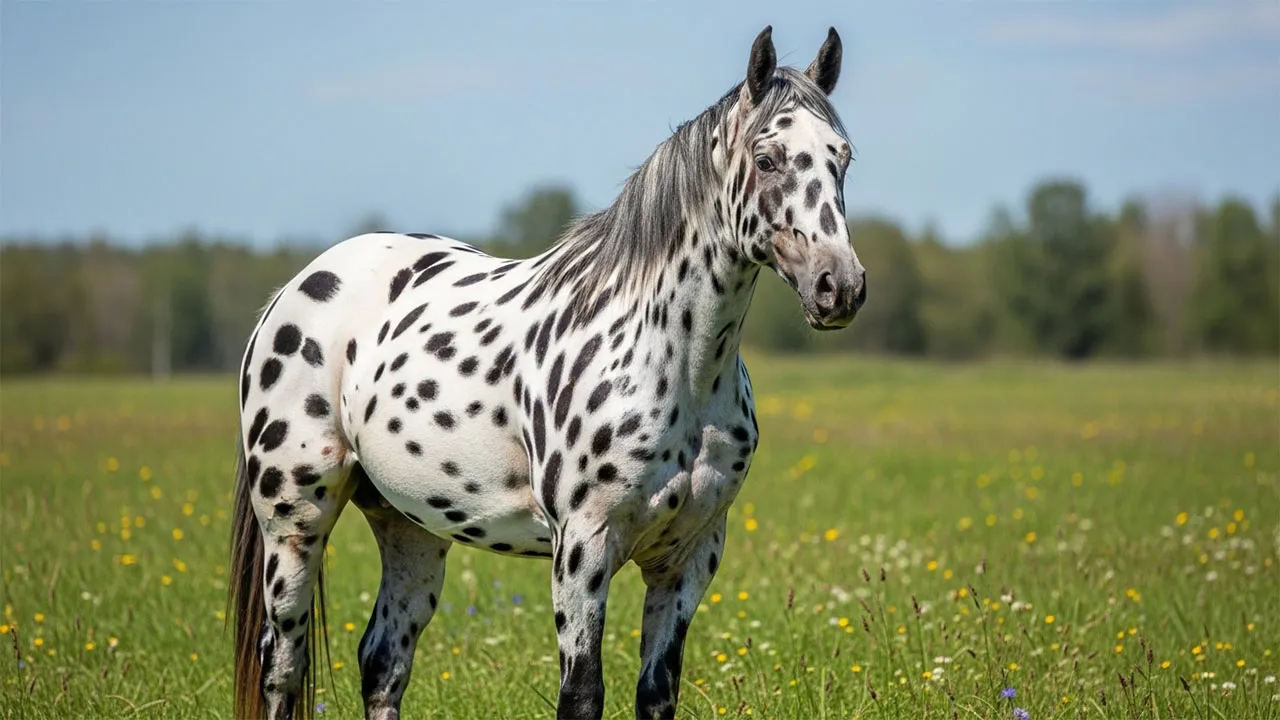
Appaloosa horses captivate with coats that resemble living art, featuring patterns from blanket to leopard that trace back to ancient genetics. Each horse’s spots are distinct, giving a visual identity as unique as a fingerprint. Their presence commands attention in any paddock or arena.
Heritage and Versatility
This breed’s roots with the Nez Perce tribe explain its endurance, intelligence, and agility. Appaloosas adapt to a wide range of equestrian activities, showing both skill and personality.
The following features represent their endurance:
Exceptional stamina for long rides
Agility in obstacle courses and jumping
Calm yet responsive temperament for riders
Personality and Connection
Beyond the coat, Appaloosas are personable, curious, and willing to engage with humans and other horses, as per PetMD. Their intelligence allows them to learn quickly, while their gentle nature makes them reliable companions in varied settings. Consistent attention and handling strengthen their bond.
2. Knabstrupper
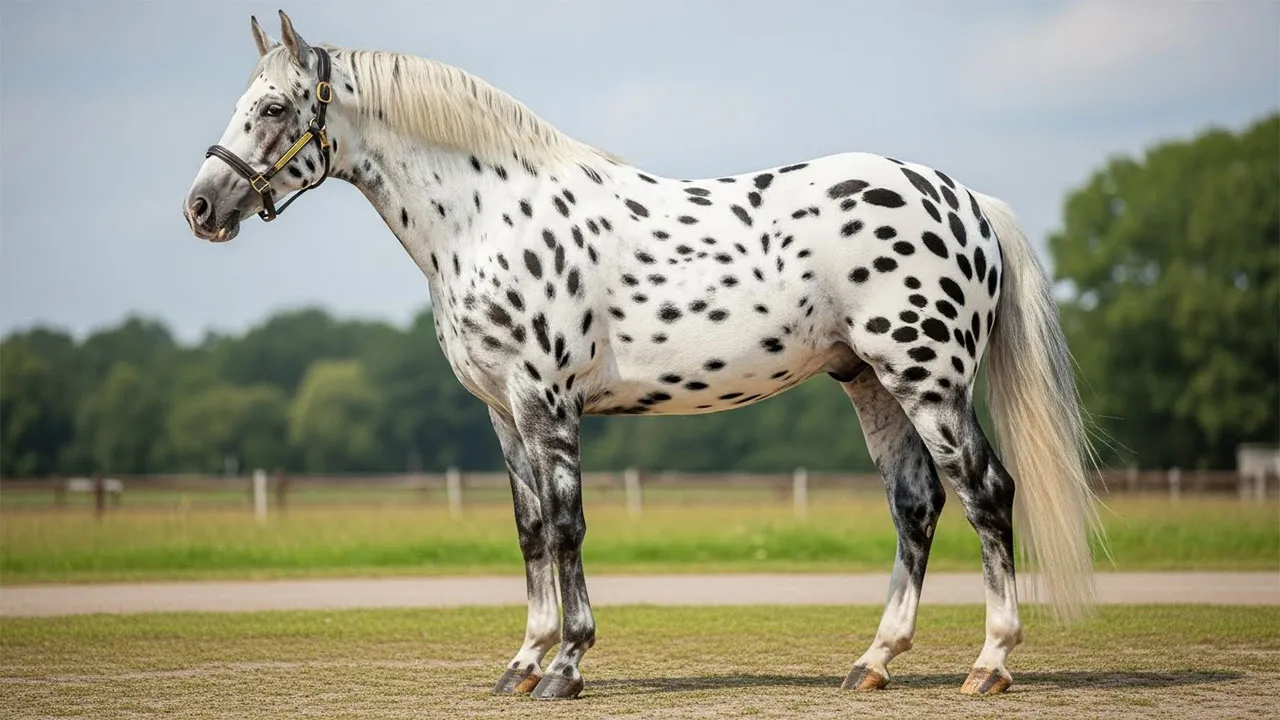
Knabstruppers catch the eye with their striking leopard-spotted coats, a visual testament to centuries of careful breeding, as Mad Barn notes. Their patterns are more than decorative, reflecting genetic diversity and a robust constitution. These horses combine elegance with a commanding presence.
Athletic Elegance
Built for performance, Knabstrupper breeds excel in various equestrian disciplines, pairing agility with precision. Their athleticism supports both artistic and practical uses, making them versatile performers.
Important attributes of this breed are:
Exceptional dressage and jumping capability
Strong, compact body suited for dynamic movement
Calm temperament in high-pressure situations
Noble Temperament
Known for their friendly and approachable nature, Knabstruppers balance spirited energy with reliability. They respond well to consistent handling and thrive in partnerships where trust and communication are prioritized. Their expressive eyes reflect both intelligence and curiosity.
3. Noriker
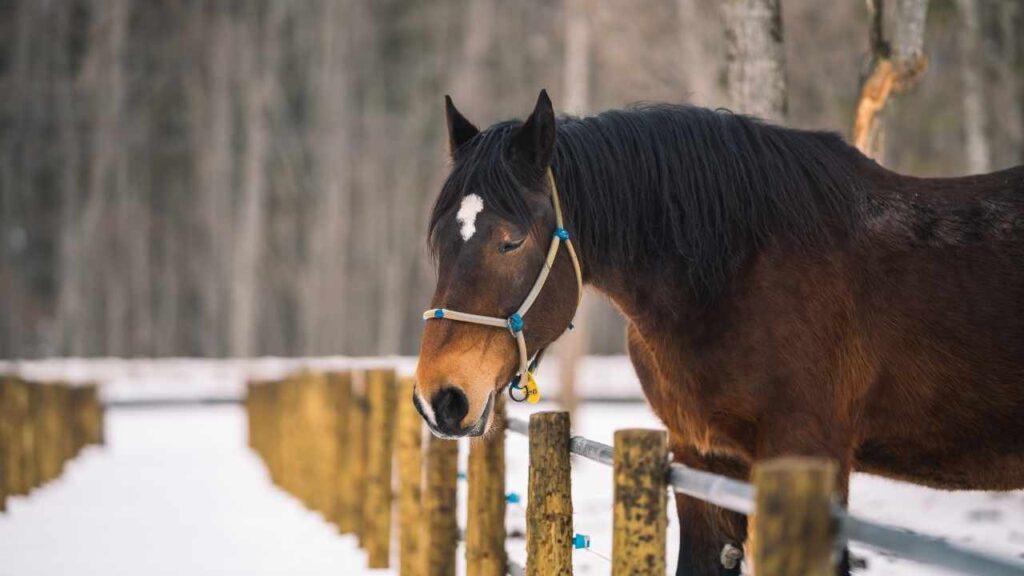
Noriker horses trace their roots to the Austrian Alps, once known as Pinzgauer, thriving as dependable draft horses for mountainous terrain. Their strength and calm temperament made them invaluable on farms before mechanization reshaped agriculture.
Distinctive Coat Patterns
These horses are celebrated for their spotted and primitive markings, often leopard-type, which are prized among breeders. Each pattern adds visual interest and showcases the breed’s genetic richness.
Other common patterns include:
Black and blue roan shades
Chestnut and traditional reins
Tobiano and overo pinto varieties
Population and Preservation
After a decline in the 1970s, Noriker numbers rebounded, with Austria now home to roughly 10,000 individuals. Italian breeding programs maintain a separate standard, reflecting regional appreciation. Their conservation reflects the cultural importance of maintaining this historic draft breed.
4. Icelandic Horse
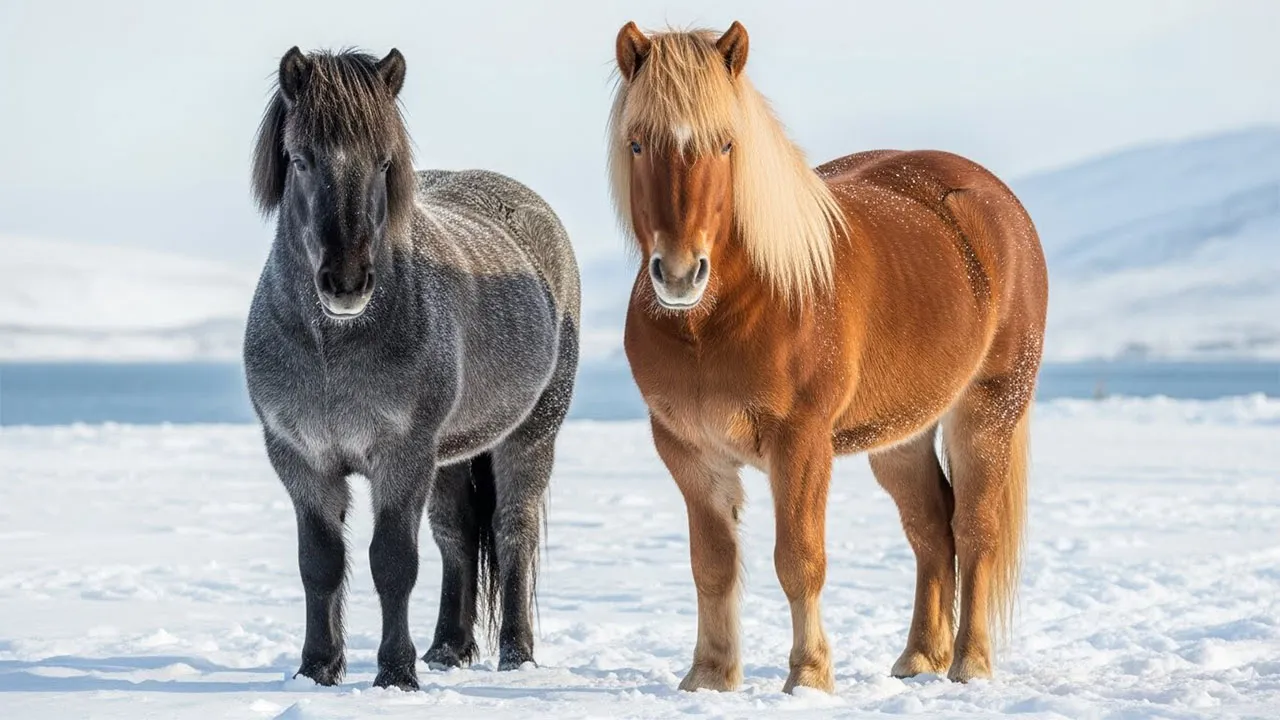
Icelandic Horses have roamed the rugged landscapes of Iceland for centuries, carrying the legacy of Norse settlers. Their compact, sturdy build allows them to endure harsh climates while maintaining agility and stamina. These horses symbolize resilience woven into every muscle and stride.
Distinctive Markings
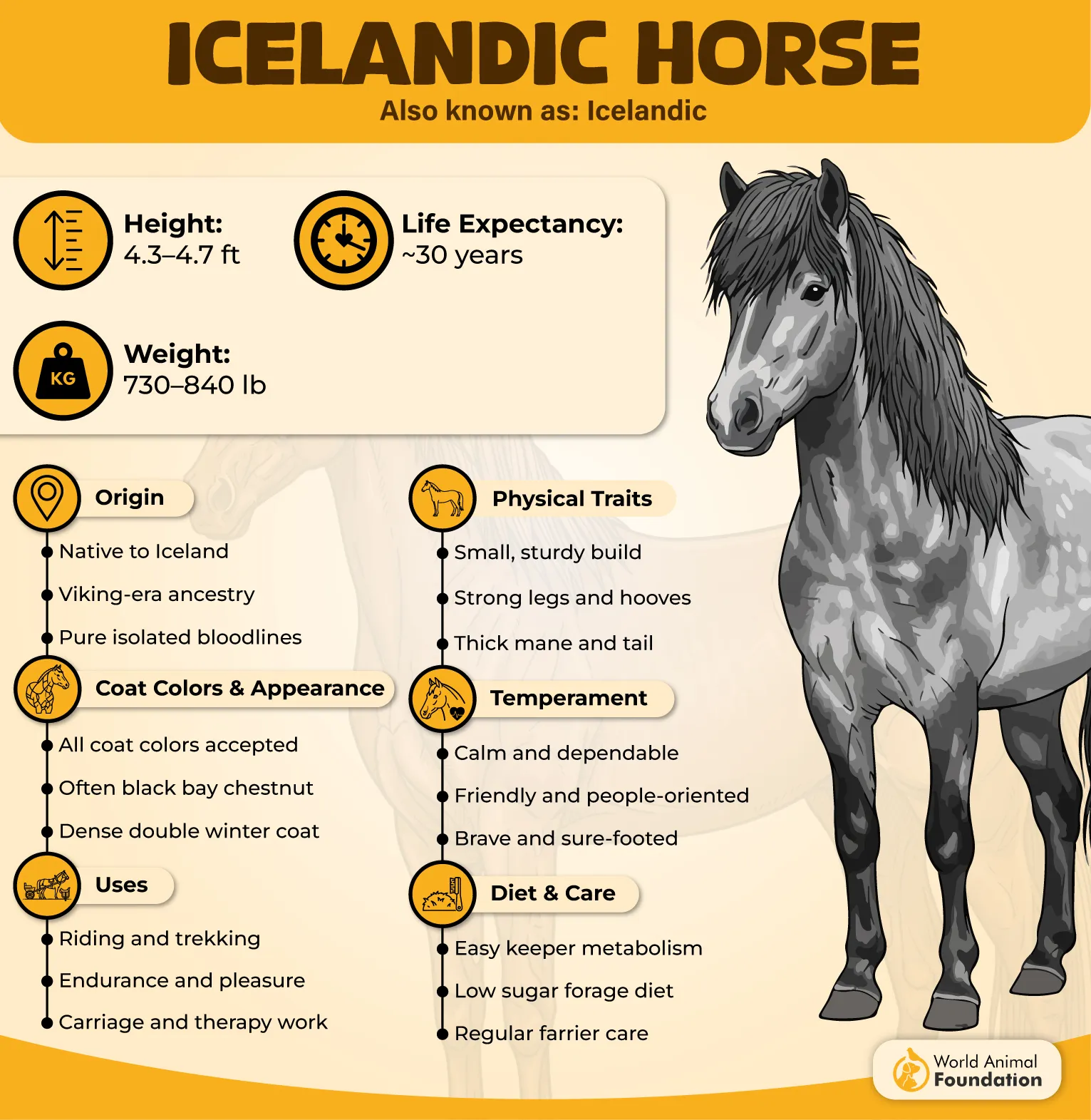
Their striking dorsal stripe and spotted primitive patterns hint at ancient equine ancestry, giving each horse a one-of-a-kind appearance. These markings complement a thick double coat built for Iceland’s chill.
Notable features of these spotted horse breeds are:
Smooth tölt gait for effortless riding
Compact frame with muscular hindquarters
Dense mane and tail enhance their rugged charm
Versatile Gaits
Beyond their looks, Icelandic Horses are celebrated for five gaits, including the smooth tölt and quick flying pace, as stated by Holdane Icelandic Horses. Their movement is both efficient and graceful, making them reliable for both riding and farm work. Adaptability is key to their enduring popularity.
5. Nez Perce
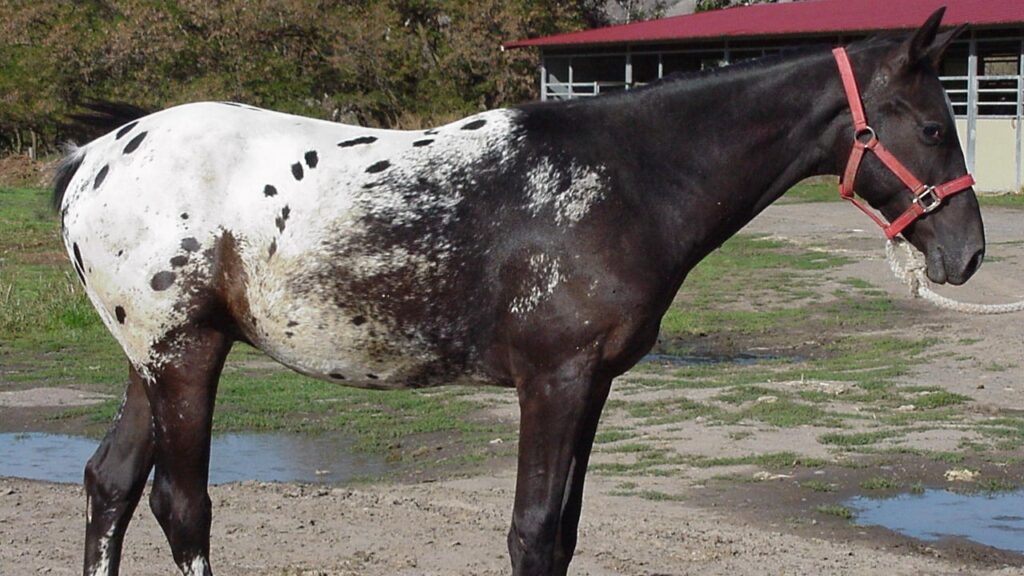
Nez Perce horses descend from old-line Appaloosas and the Akhal-Teke breed, blending Native American tradition with Central Asian endurance. These horses were carefully bred to produce both elegance and stamina, reflecting generations of selective pairing for speed and agility.
Appearance and Distinctive Features
Their striking coat patterns include buckskin or palomino shades with mottled skin and a spotted blanket, giving each horse a unique visual identity.
The physical traits of this breed are:
Long, lean frame built for running
Narrow shoulders and a longer back
Elegant, refined musculature
Temperament and Movement
Nez Perce horses are spirited yet trainable, displaying intelligence and responsiveness under saddle. Their movement is smooth and flowing, combining athletic grace with the agility of a long-distance runner, making them both versatile and captivating in appearance.
6. British Spotted Pony
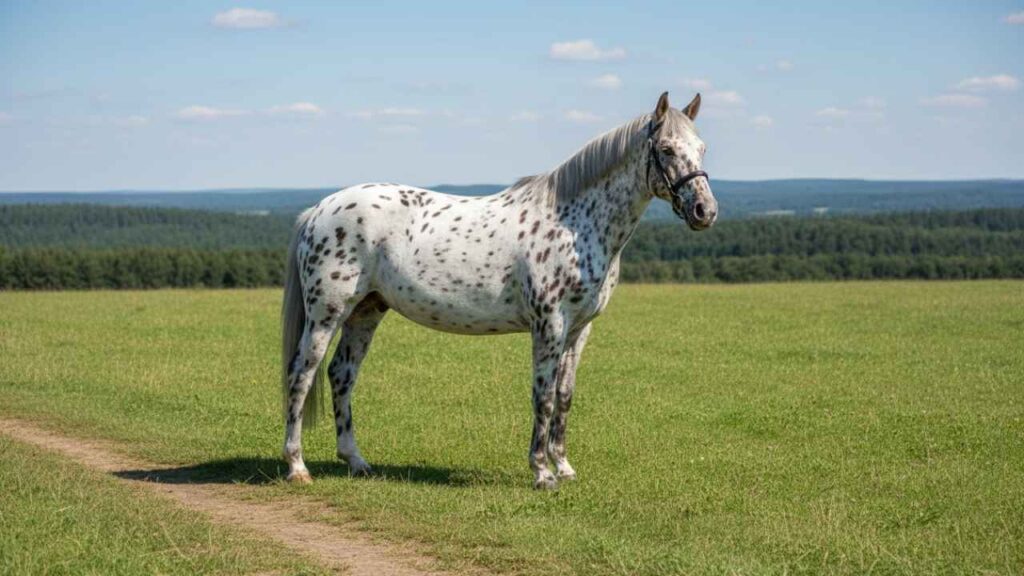
British Spotted Ponies trace back centuries in England, celebrated for their unusual dotty coat patterns. These ponies gained a dedicated association in 1947 to preserve their rare characteristics and maintain breed purity. Their history reflects both careful breeding and cultural pride in spotted equines.
Markings and Registration
Spot patterns must match leopard, near-leopard, snowflake, blanket, or mottled types, with strict registration requirements. Their playful energy and striking coat patterns make them both appealing and functional.
Other features include:
Pink mottled skin around eyes, muzzle, and ears
White sclera in the eyes
Striped hooves
Genetic Challenges
Breeding spotted ponies is unpredictable; two spotted parents can produce an unspotted foal. These quirks make every registered British Spotted Pony particularly valuable and highlight the careful stewardship required to maintain the lineage.
7. Colorado Ranger
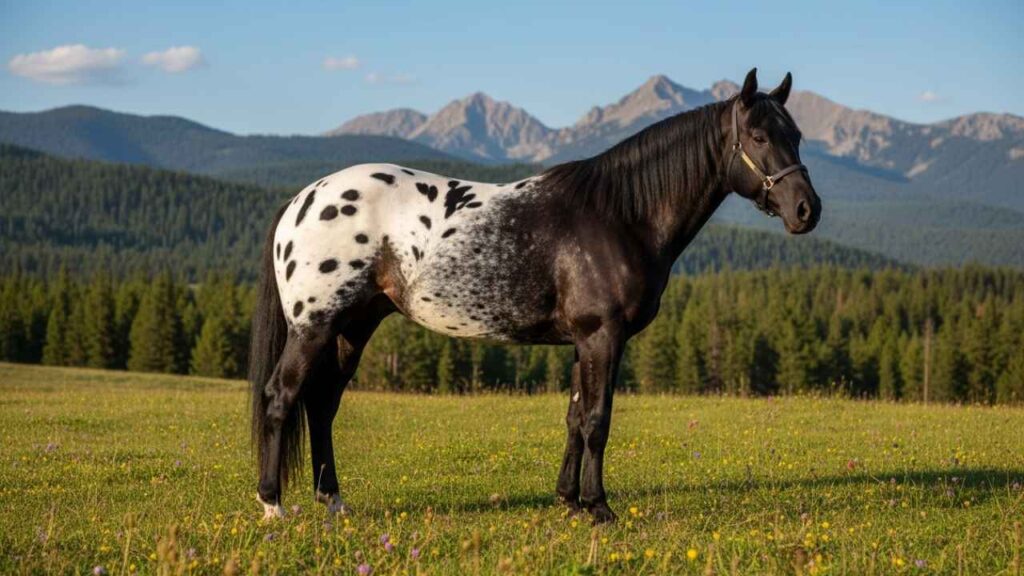
Colorado Ranger Horses trace back to Turkish imports but were first bred on Colorado’s High Plains. Their lineage became formalized when the Colorado Ranger Horse Association formed in 1935. Within seventy years, the registry grew to over 6,000 horses.
Spotted and Solid Beauty
This breed displays either solid coats or distinctive leopard-style spots that set them apart. Their markings are strict: horses with Paint or pinto ancestry cannot be registered.
Key points about their appearance include:
Leopard-style spotted patterns
Smooth, muscular build suitable for ranch work
Adaptable to trail and leisure riding
Ranch-Bred Temperament
Originally used for ranch work, Colorado Rangers remain agile, intelligent, and reliable. They balance calmness with responsiveness, making them approachable for riders of various skill levels. Their alertness complements both work and leisure riding.
8. Pony of the Americas
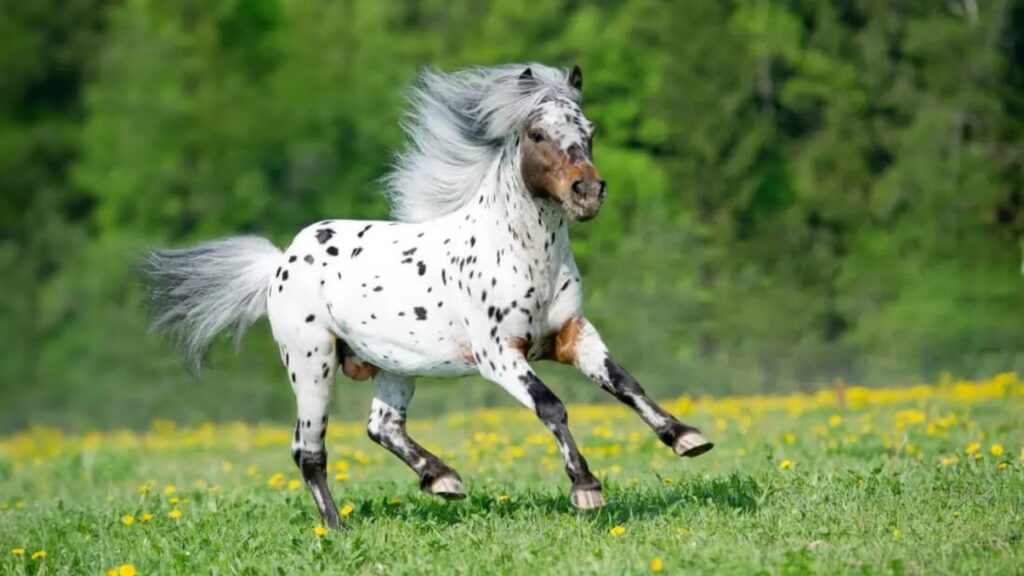
Pony of the Americas began in Iowa with a stallion that blended Appaloosa, Arabian, and Shetland bloodlines. Recognized in 1954, the registry allows horses from multiple backgrounds while maintaining strict breed standards. Their roots reflect both versatility and a distinctive visual identity.
Distinctive Markings
These ponies show a wide range of eye-catching patterns that make them instantly recognizable. Their spotted coats and athleticism make them popular in both competitive and recreational arenas.
Some notable traits include:
Leopard, snowflake, and blanket coat patterns
Mottled skin around the muzzles and genitalia
Striped or unpigmented hooves
Physical and Temperamental Traits
Ponies of the Americas combine compact strength with lively movement, making them nimble and responsive. They are known for curiosity and intelligence, forming strong bonds with handlers. Their temperament balances alertness with playful energy suitable for varied riders.
9. Walkaloosa
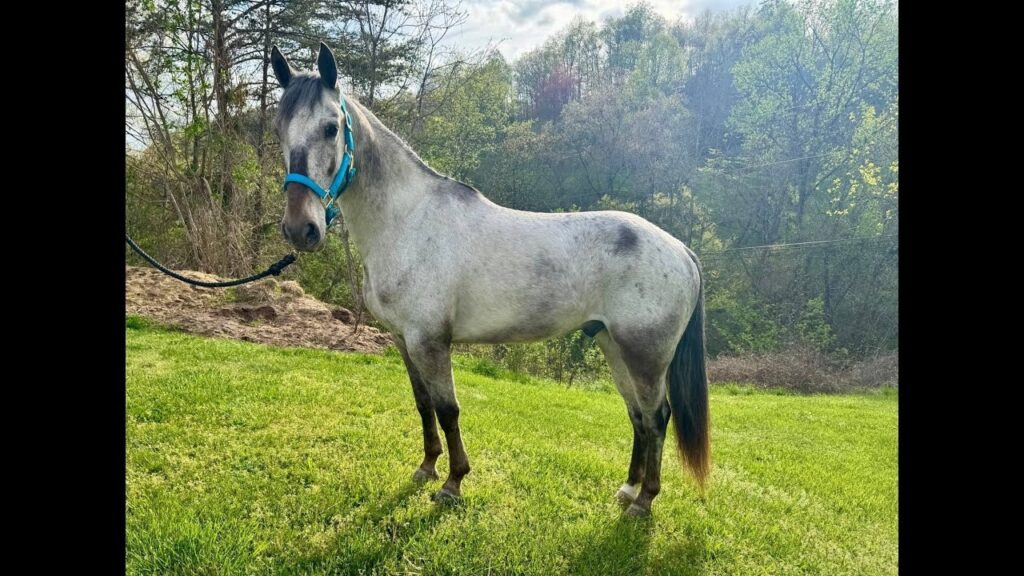
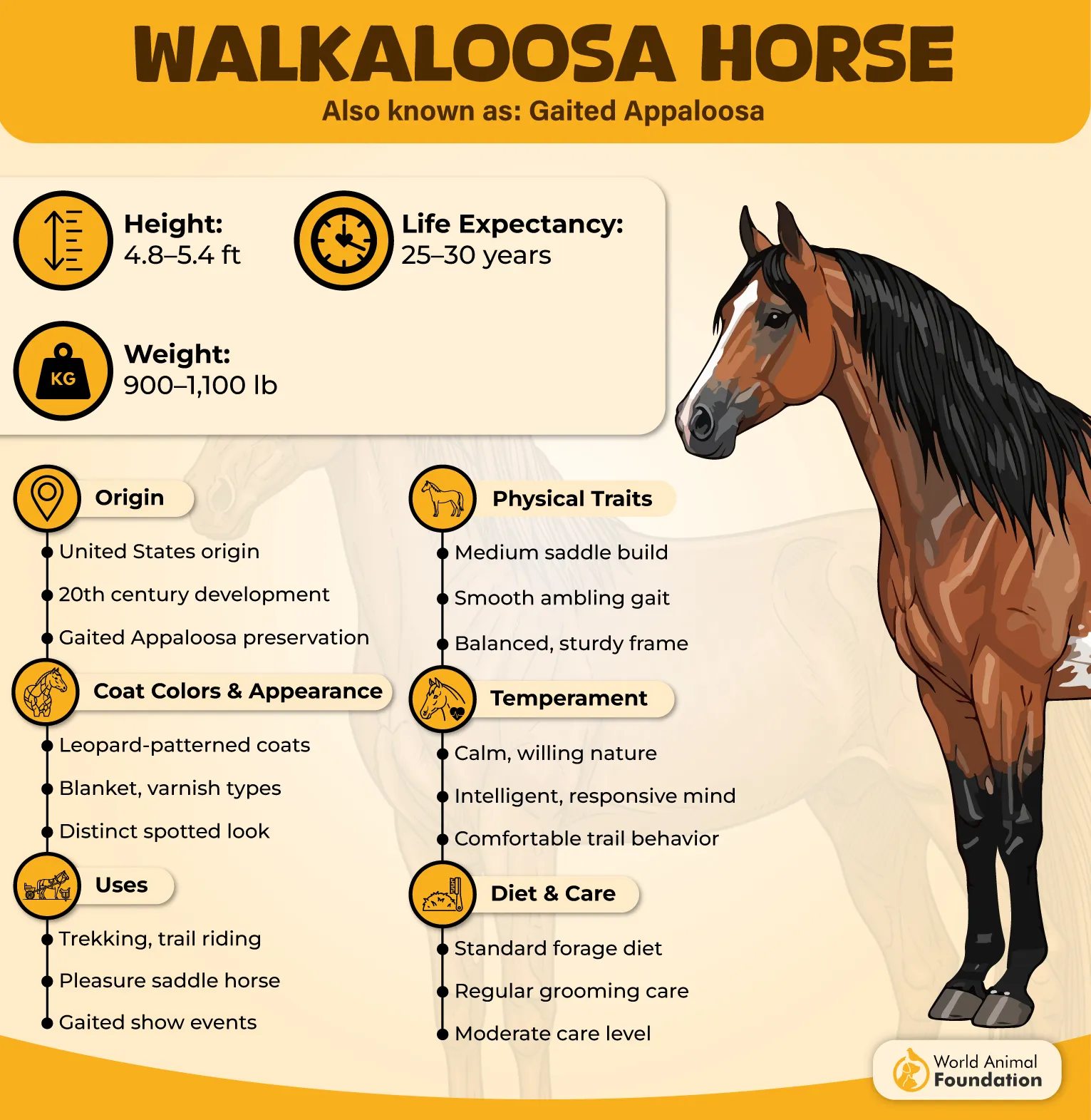
Walkaloosa horses are gaited horses that display the distinctive coloring of the Appaloosa while maintaining a smooth, four-beat ambling gait. This combination creates a visually striking and unusually comfortable ride, blending color and motion in one remarkable package.
Distinctive Traits
These horses inherit traits from Paso Fino and other gaited ancestors, giving them an effortless, gliding step ideal for long hours in the saddle.
Notable traits include:
Smooth “Indian shuffle” gait for comfort
Versatile in both trail and leisure riding
Coat patterns ranging from leopard spots to blankets
Riding Experience
The Walkaloosa’s gait ensures a steady, almost floating ride, making it a favorite for riders seeking comfort over long distances. While the horse may not conform to traditional show-ring trotting expectations, its natural rhythm appeals to enthusiasts of relaxed and stylish movement.
10. Tiger Horse
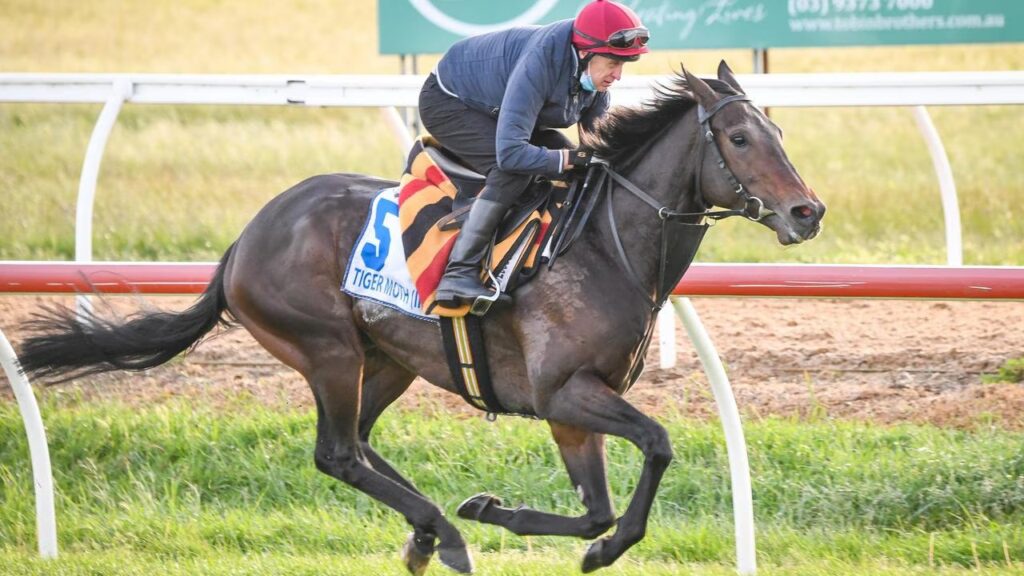
Tiger Horse takes its name from Spanish terminology that does not distinguish between tiger and leopard markings, giving this breed a unique identity among spotted horses. Its origins are mysterious, with ties to the Spanish Jennet and Chinese Soulon, both historic horses known for unusual spotting.
Distinctive Coat and Movement
The Tiger Horse combines visual appeal with smooth performance, making it an exceptional ride. Its spotted coat resembles the Appaloosa, but the gait sets it apart.
Here’s a closer look at their features:
A rare four-beat ambling gait, called the “Indian shuffle.”
Dense, glossy coat patterns that vary widely across individuals
Strong, balanced build suited for riding and endurance
Riding Comfort and Personality
This breed’s intermediate gait ensures a soft, comfortable ride, while its temperament balances alertness with gentleness. Tiger Horses are intelligent and sensitive, responding quickly to riders’ cues, and their calm yet spirited nature makes them a versatile equestrian partner.
Conclusion
Across many stables and open fields, spotted coats still spark curiosity and admiration. These markings reflect echoes of wild horses whose patterns once blended with natural landscapes. As horses became domesticated, those traits did not disappear completely. Instead, they survived in a few distinctive lines.
Breeds such as the Appaloosa or Knabstrupper are often considered popular spotted horse breeds because their coats create a truly striking appearance. Riders appreciate them not only for beauty but also for versatility in activities like trail riding. Compared with many other breeds, these horses show how heritage and appearance can remain connected across generations.
