




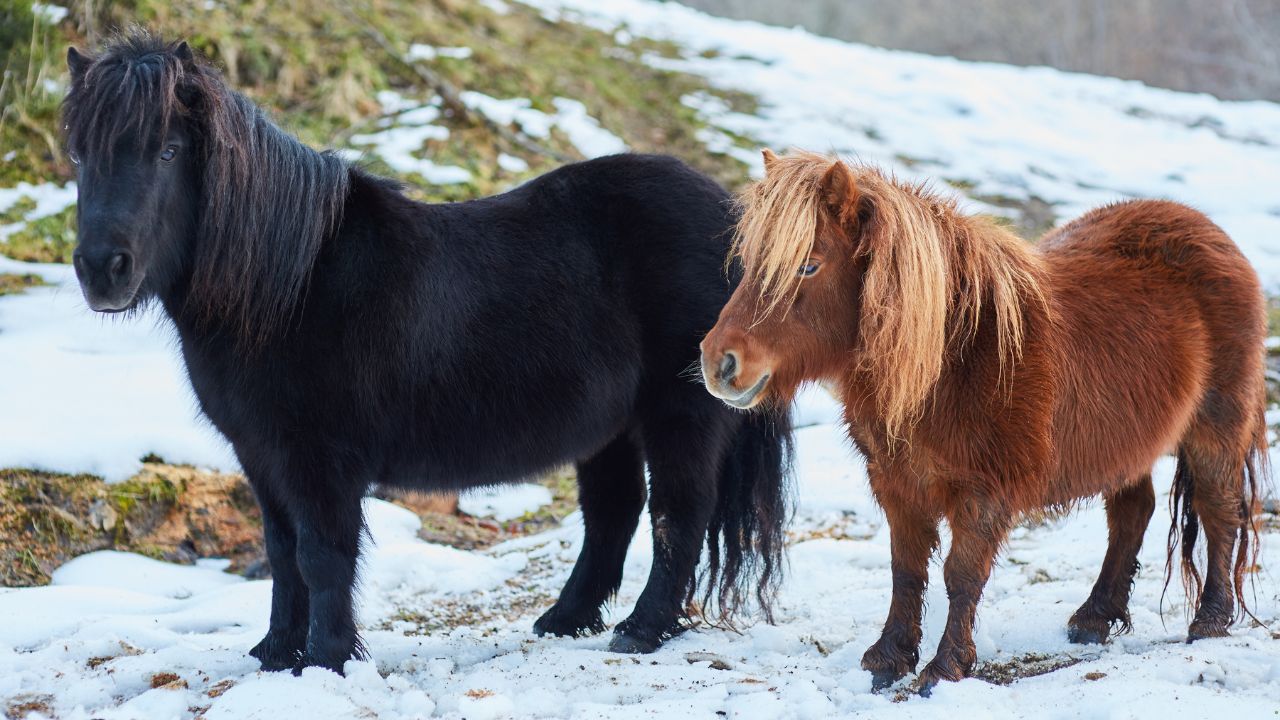
Cold air has a way of revealing a horse’s true nature. When winter settles across the land, and the world turns quiet beneath a layer of frost, some horses show a strength that feels almost ancient.
Their bodies adapt with surprising ease, their instincts sharpen, and their calm presence grows even more grounded. These horses handle harsh winds and frozen terrain with a steadiness that feels reassuring.
Watching them move through snow with purposeful steps reminds us of the deep connection between resilience and environment. Their coats thicken, their breath warms the air around them, and their confidence remains unshaken despite the changing season.
Readers here can expect a closer look at the characteristics, histories, and natural adaptations that make certain horses thrive where cold weather shapes both landscape and life.
Key Takeaways
Frosty mornings and icy trails bring out qualities in horses that warm the heart and impress the eye.
Icelandic Horses glide over icy paths with their unique tölt gait, while Norwegian Fjords and Yakutian Horses handle deep snow with effortless sure-footedness.
Shetland Ponies and Exmoor Ponies prove that compact size does not limit endurance, and Haflingers and Canadian Horses show steady energy through the harshest days.
By the end, you’ll understand why these nine breeds are unmatched in cold-weather resilience and endurance.
Horse Breeds That Thrive in Cold Climates
1. Icelandic Horse
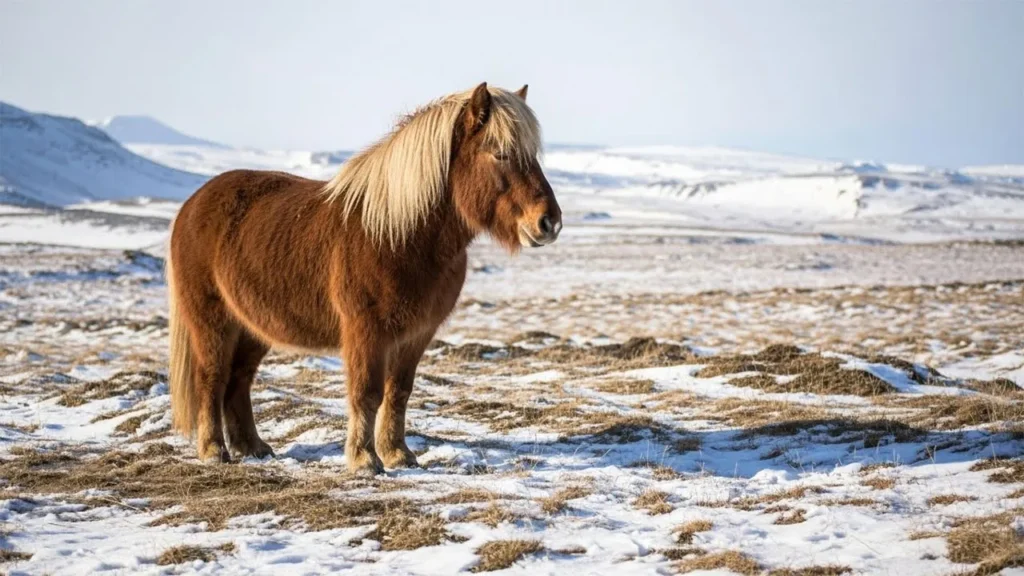
Icelandic Horses survive harsh winters with ease, thanks to a thick double-layered coat that insulates against the cold. Their sturdy frame provides balance on icy paths, while their compact structure helps them navigate winter weather efficiently.
Work and Movement Made Smooth
These horses are prized for their distinctive gait, the tölt, which offers a stable and comfortable ride over frozen or rocky surfaces. Their energy and endurance make them effective for both work and recreational riding.
Key points about their capabilities:
Maintains a steady pace over icy paths
Can carry loads for extended periods
Moves smoothly even on uneven ground
Temperament That Matches the Climate
Icelandic Horses are alert without being skittish, reacting calmly to sudden changes in weather or footing, as PetMD noted. Their responsiveness allows them to adjust quickly while keeping both horse and rider safe. This calm adaptability is part of why they thrive in cold environments.
2. Norwegian Fjord
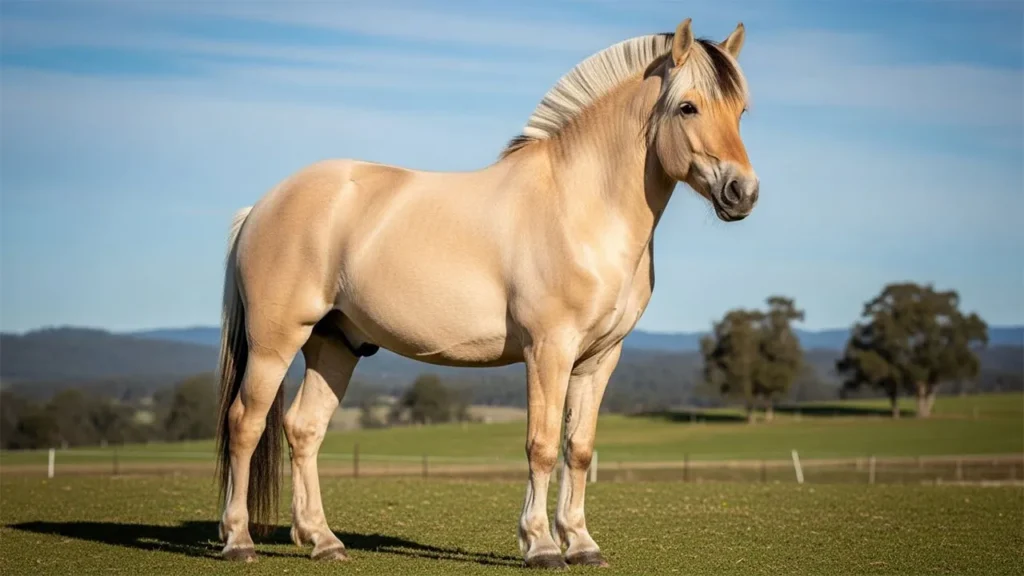
Norwegian Fjord horses move confidently across snowy and icy terrain thanks to their compact, muscular build. Their dense coat provides natural insulation against harsh weather. Upright mane and sturdy hooves enhance stability on slippery surfaces.
Multi-Purpose Strength
They have historically been used in agriculture, forestry, and as riding horses in frigid environments, as per Okstate. Calm temperament makes them manageable under demanding conditions. Their versatility has helped them remain practical over centuries.
Their qualities can be seen in these details:
The thick coat protects against frost
Hooves designed for traction on ice
Steady nature in challenging weather
Endurance and Stamina
These horses can sustain work over long hours, even in extreme cold. Their body structure allows them to maintain balance on uneven or snowy ground. Long-term exposure to harsh climates has built natural resilience in the breed.
3. Shetland Pony
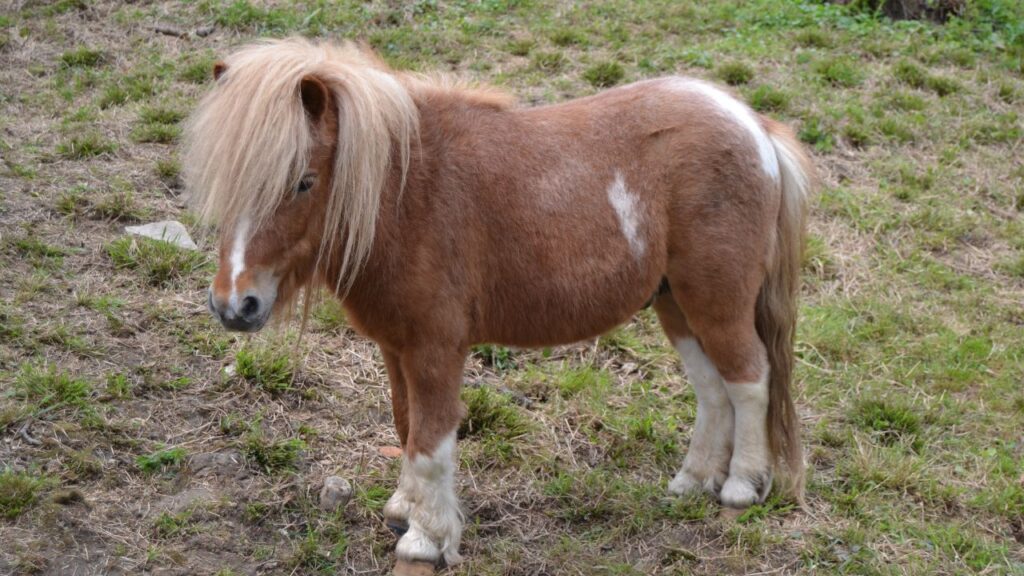
Shetland Ponies stand out for their compact, muscular build that supports surprising strength. Their thick coat protects against freezing temperatures, letting them endure harsh winter conditions. These ponies remain active and capable even in icy terrain, showing resilience beyond their size.
Adapted to Cold Climates
Their intelligence and adaptability help them adjust to challenging environments while maintaining consistent performance. Experience shows that they manage physical tasks efficiently without extra strain.
Their winter readiness traits are shown here:
A dense coat preserves body heat
Compact legs support heavy workloads
Steady endurance for repeated tasks
Resilient Work Partners
Shetland Ponies can pull carts, carry loads, and support outdoor work with minimal supervision, as mentioned in Horse and Hound. Their alertness allows them to respond to changing terrain or weather conditions quickly. This combination of reliability and agility makes them exceptional in frozen landscapes.
4. Yakutian Horse
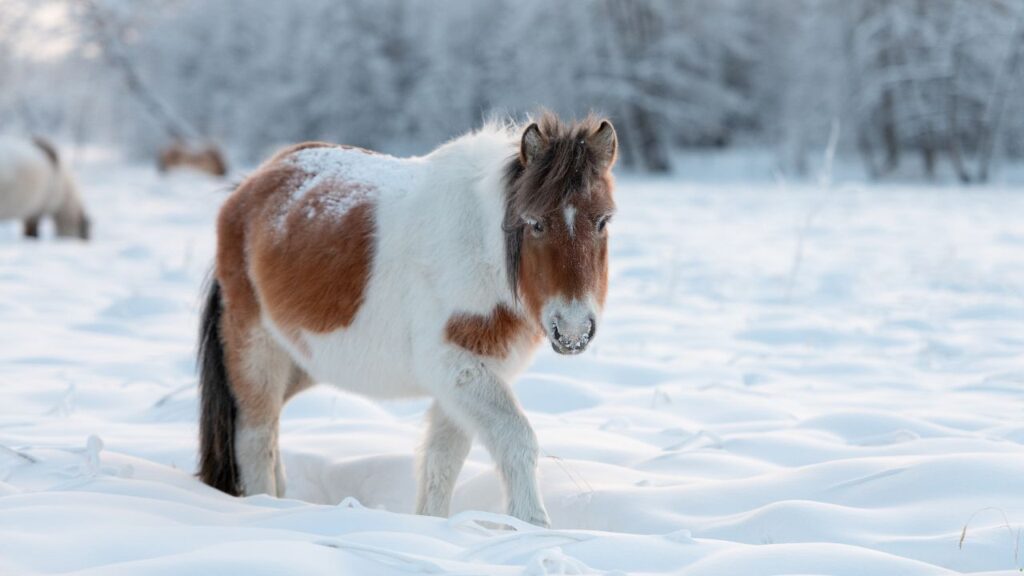
Thick winter coats and compact bodies let Yakutian Horses move through deep snow without losing warmth. Their resilience under extreme cold makes them exceptional for long, challenging journeys. They can maintain energy even in temperatures far below freezing.
Adaptation That Supports Survival
These horses rely on instinctive foraging to find nourishment beneath heavy snow. Their metabolism and body composition help them preserve energy during harsh winters.
Practical traits highlight their cold-weather mastery:
Thick coat shields against -70°C
Strong hooves for icy terrain
Efficient energy use in scarce conditions
Agility Meets Strength
Yakutian Horses navigate uneven snowy landscapes with remarkable sure-footedness. Their muscle structure supports both strength and balance in extreme environments. This balance allows them to travel long distances without injury.
5. Haflinger
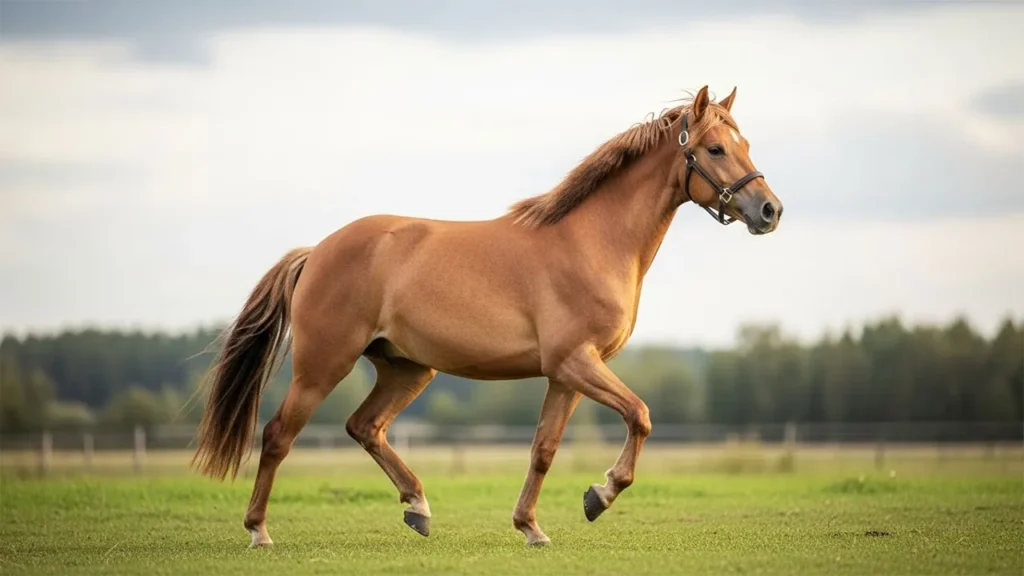
Haflingers excel in snowy forests and rugged trails, showing surprising resilience for their size. Their strong, compact body supports long rides over cold terrain without strain.
Gentle yet determined, they remain steady under challenging conditions, making them a dependable companion in winter landscapes.
Versatile in Winter Work
These horses manage cold-weather tasks with ease, staying active and reliable even on slippery paths. They respond quickly to guidance, making them practical for both riding and light draft work.
Their build and instincts shine in cold-weather work:
Dense chestnut coat keeps warmth in
Flaxen mane and tail protect against frost
Sure-footed on icy or uneven ground
Hardy and Resilient
Haflingers maintain energy and endurance even in harsh weather. Their compact muscles allow them to navigate deep snow and steep inclines efficiently. Their careful footing and steady pace show why they are preferred for winter excursions.
6. Exmoor Pony
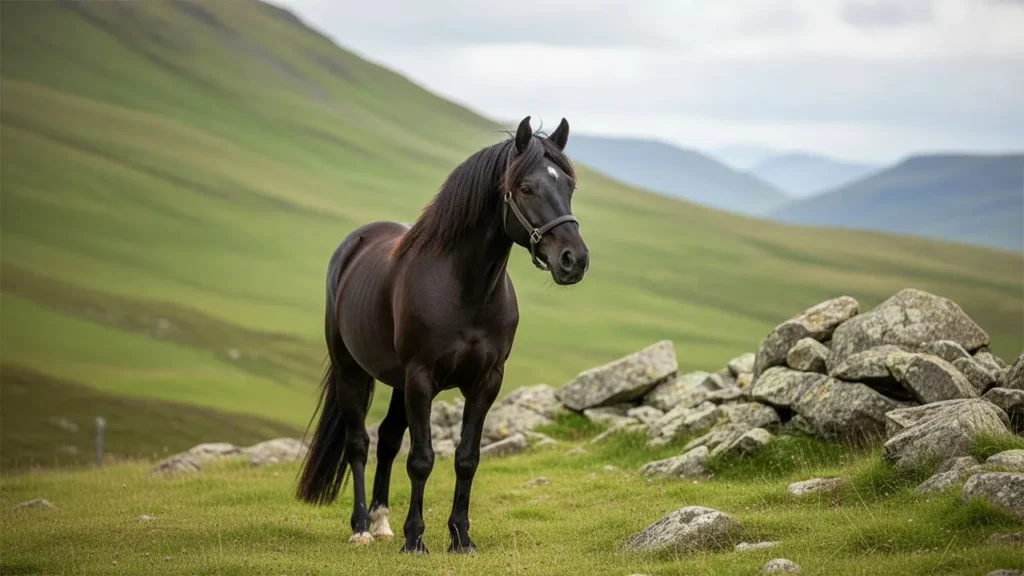
Adapted to withstand harsh conditions, Exmoor Ponies navigate cold, windy terrain with ease. Their thick double-layered coat keeps them insulated, while their sturdy, compact frame ensures sure-footed movement.
Smart and Versatile Nature
These ponies are highly intelligent, responding well to training and challenges. Their alertness and problem-solving skills make them suitable for varied tasks in cold climates.
Highlights of their capabilities include:
Quick learners for complex tasks
Sure-footed movement over uneven ground
Can adapt to changing weather conditions
Independent Yet Attentive
Exmoor Ponies are observant and can assess situations without constant guidance. Their independent streak helps them conserve energy while maintaining focus. They respond thoughtfully, making them reliable in rugged environments.
Fun fact: The Exmoor Pony is considered one of the oldest native breeds in Britain, maintaining many characteristics of its wild ancestors over centuries.
7. Canadian Horse

Nicknamed the “Little Iron Horse,” Canadian Horses demonstrate remarkable strength and resilience. Their hardiness allows them to perform in the harshest northern winters. They are equally capable in riding, driving, and agricultural work, showing both endurance and reliability.
Adaptable to Changing Conditions
These horses adjust to a variety of tasks while maintaining consistent performance. Their versatility ensures they can handle both work and leisure demands without issue.
Practical points to note about their capabilities:
Works efficiently in snow and icy terrain
Performs multiple equestrian roles
Maintains energy across long tasks
Enduring Work Ethic
Canadian Horses sustain their efforts over long periods, showing persistence in daily work. Their strong build supports both light and heavy duties with steady consistency. This combination of stamina and composure makes them reliable partners in cold climates.
8. Mongolian Horse
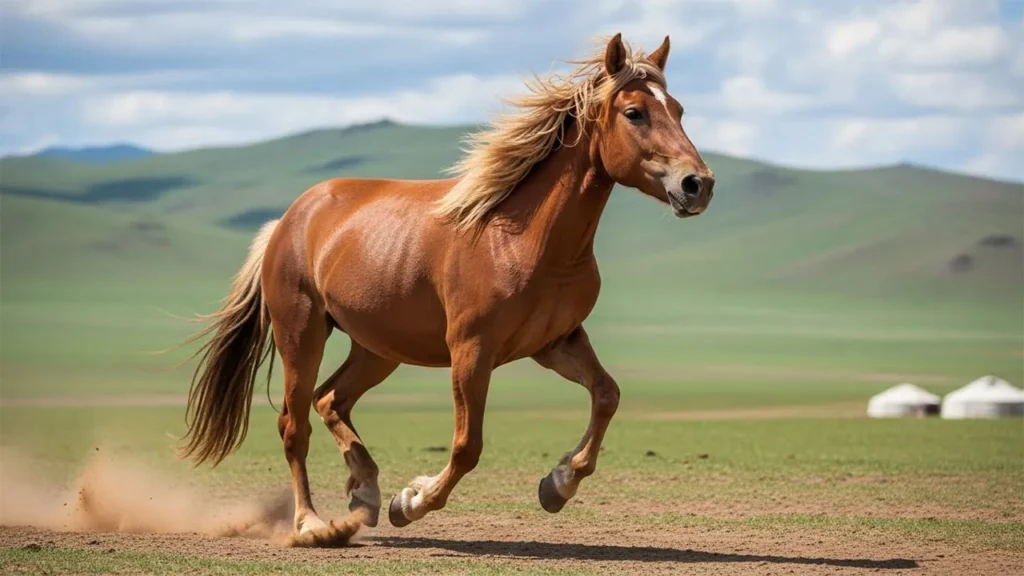
Mongolian Horses move through frigid steppes with remarkable ease, their stamina allowing them to graze and travel even in deep snow.
Their long, thick coat provides natural insulation against strong winds and freezing temperatures. This resilience keeps them active and steady throughout the coldest months.
Adapted for Survival
Their ability to find sparse food during winter highlights an instinct honed over centuries. They adjust grazing patterns and conserve energy when resources are scarce.
You can see their winter-ready nature in these ways:
Efficient foraging in snowy conditions
Tolerance to low temperatures without extra shelter
Strong, sure-footed movement on icy terrain
Strength in Compact Build
Despite their size, Mongolian Horses are remarkably sturdy, with short legs and a strong torso that supports long journeys. They maintain balance and agility across uneven terrain while carrying packs or pulling small loads. Their build allows them to endure conditions that would challenge larger, less-adapted breeds.
9. Highland Pony
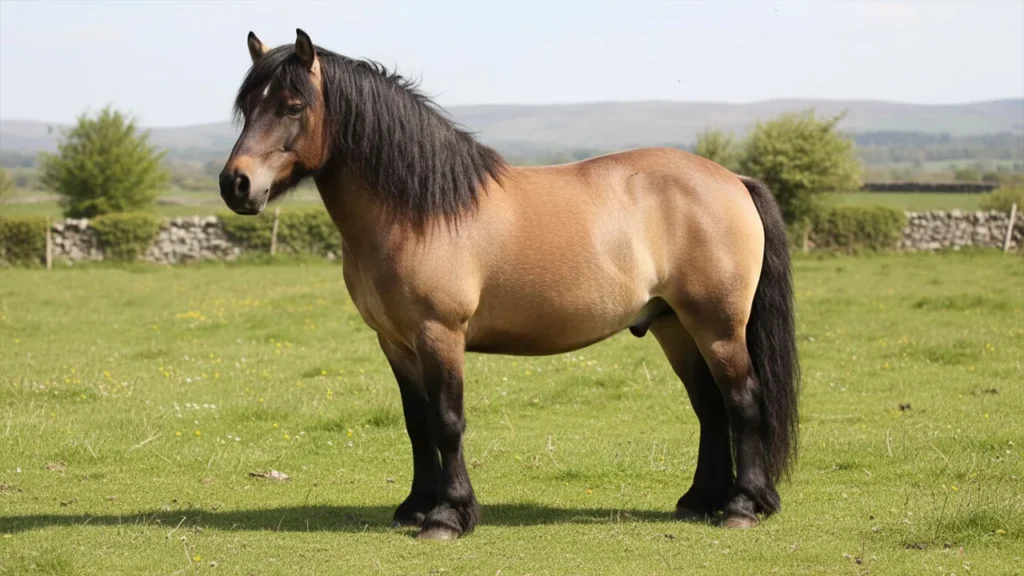
Compact and muscular, Highland Ponies navigate rugged terrain with remarkable balance and sure-footedness. Their dense winter coat keeps them protected in cold, wet conditions. Their agility and resilience allow them to handle winter landscapes with ease.
Versatile Workers in Cold Climates
They adapt naturally to both riding and heavy work, demonstrating stamina and reliability in harsh conditions. Their intelligence and calm temperament help them perform consistently across various tasks.
Their capabilities are reflected in these points:
Strong hooves that grip slippery surfaces
The thick coat protects against wind and frost
Quick learners for varied riding or farm tasks
Confidence and Composure Outdoors
Highland Ponies move with assurance across rough paths, showing balance and steadiness even in deep snow. They respond calmly to sudden changes in weather or terrain. Their confidence reduces risks while performing demanding tasks in the cold.
Conclusion
Horses that flourish through cold winters show a calm strength that feels shaped by the land itself. They move through snow with steady purpose and complete winter chores with quiet focus. Their thick mane protects them from harsh winds, and their bodies adjust to extreme temperatures without strain.
Some gentle giants rely on instinct, while other breeds reveal surprising toughness through small frames. They thrive with minimal human intervention because their efficient metabolism supports long days outdoors. These qualities remind us why cold-adapted horses stand apart in resilience and why their presence feels so naturally rooted in winter landscapes.
