




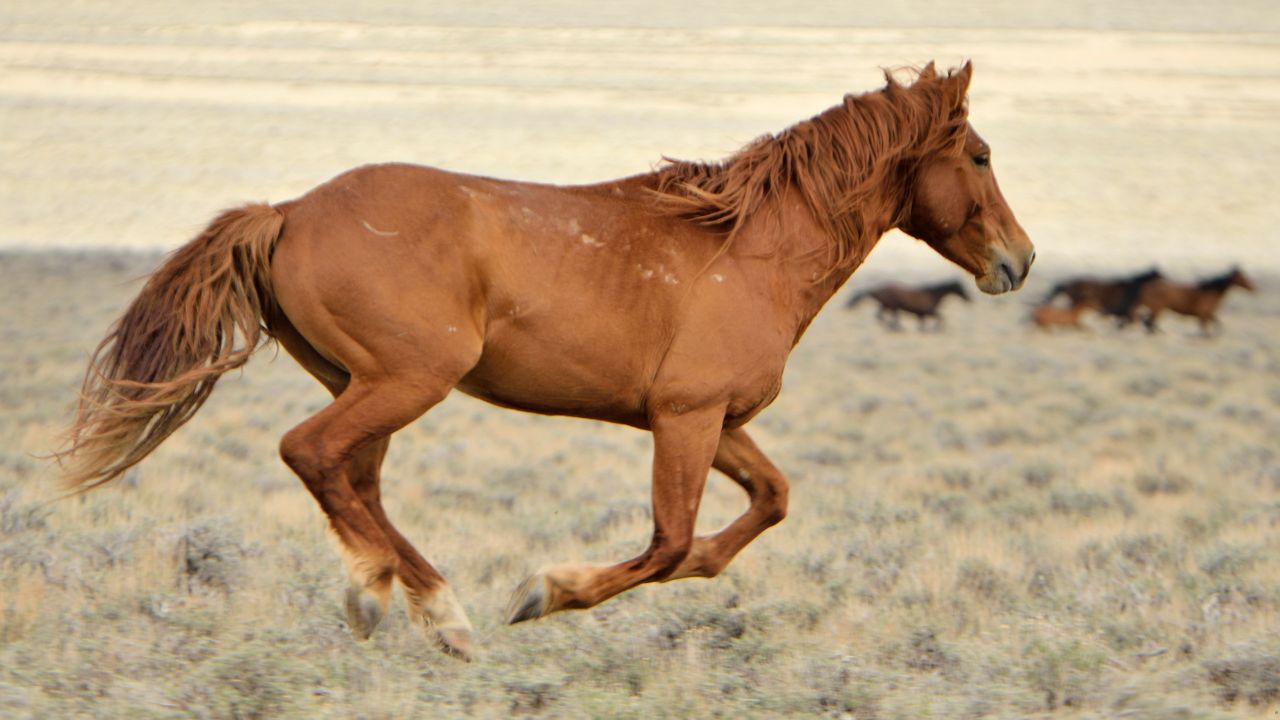
What makes a horse truly reliable when the task involves managing a herd that can shift direction without warning? It is a question every rancher and handler eventually asks, because not every horse is suited for the unpredictable patterns of cattle.
Some horses step into a herd with confidence. Others hesitate, unsure of how to read the energy around them. A capable working horse knows how to manage distance, apply pressure in the right places, and respond to movement without creating unnecessary commotion.
It is a skill shaped by instinct, patience, and a natural willingness to focus on the job. Cattle work is not simply about strength. It is about understanding. A good horse supports the handler by anticipating what comes next and guiding the herd with calm precision.
In this article, you will see exactly which traits shape a horse that can excel in genuine cattle handling environments.
Key Takeaways
Herding cattle is a dance that requires speed, patience, and intuition. Not every horse can keep up with the unpredictable moves of livestock.
American Quarter Horses respond instantly with bursts of speed while Clydesdales bring steady strength and calm focus to long workdays.
Mustangs and Appaloosas navigate rough terrain with precision and resilience, making every ranch task smoother and safer.
By the end, you’ll see which breeds combine power, patience, and intelligence to truly master cattle work.
Horse Breeds That Are Great for Working with Cattle
1. American Quarter Horse
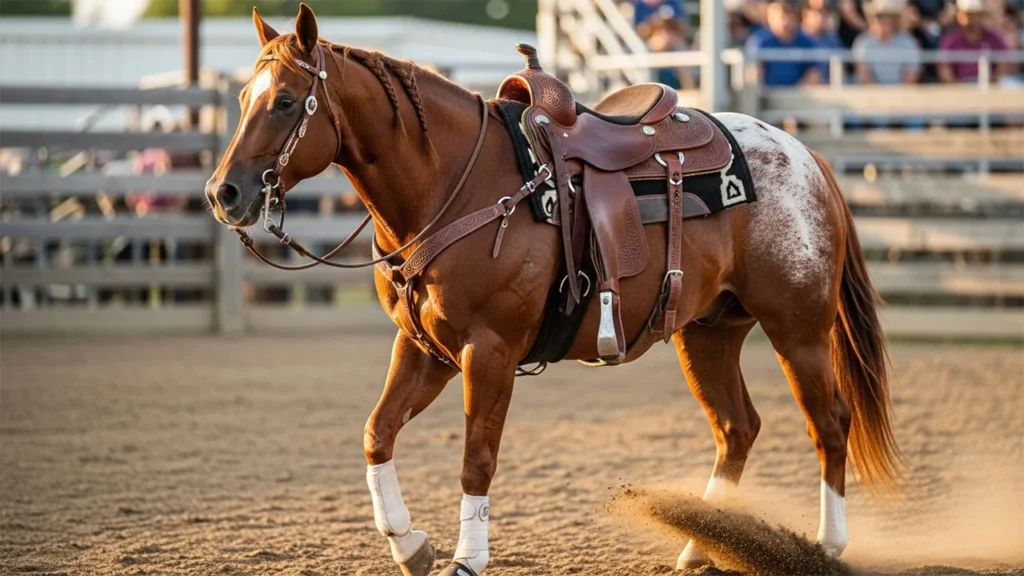
American Quarter Horses excel in rapid bursts of speed, allowing them to respond instantly during cattle work. Their muscular build supports sudden movements without losing balance. Calm and focused, they remain steady even in high-intensity situations on the ranch, as PetMD writes.
Versatile and Reliable on the Ranch
Their strength and temperament let them manage diverse ranch tasks efficiently. Training is straightforward due to their willingness to follow cues. A horse like this adapts well to both routine work and unexpected challenges.
Essential points about their capability:
Exceptional acceleration for short-distance sprints
Agile turns to handle moving cattle
Endurance for repeated bursts of effort
Adaptable Mindset in Action
They quickly read the movements of cattle, allowing smooth herding without confusion. Their steady nature ensures consistency even during long working days. This makes them highly dependable partners for precision tasks.
2. American Paint Horse

American Paint Horses move with ease across open pastures, showing quick reflexes while managing livestock. Their athletic build supports long hours on the ranch without compromising balance or stamina. These horses adapt naturally to the rhythm of cattle work, making them reliable partners in daily chores.
Intelligence and Responsiveness
They quickly learn commands and respond smoothly to guidance, which is essential in managing unpredictable cattle movements. Their focus and attentiveness allow them to stay sharp during complex tasks.
Short highlights of what makes them effective:
Sharp awareness of surroundings
Smooth and controlled movements
Quick adaptation to ranch routines
Personality That Connects
Paint Horses display a friendly and cooperative demeanor, which helps them work alongside other horses and riders efficiently. Their steady disposition reduces stress for both horse and rider during demanding work. This calm energy supports precision and consistency in handling livestock.
3. Appaloosa

Appaloosas stand out with their striking spotted coats, grabbing attention wherever they go. Their sturdy legs and well-balanced build let them navigate rough terrain with ease. Ranch work benefits from their combination of alertness and smooth, precise movements.
Hardy and Versatile Workers
These horses handle herding tasks and trail riding without hesitation, adapting quickly to the pace of cattle. Their energy and resilience make them reliable partners in busy ranch environments.
Key points that highlight their capability:
Quick response to commands
Endurance over long workdays
Smooth transitions during turns
Friendly Demeanor on the Ranch
These horses interact well with other animals, making group work less stressful, as per WebMD. Their intelligence allows for predictable reactions when herding or maneuvering through obstacles. Appaloosas bring energy and precision to demanding ranch routines.
4. Mustang
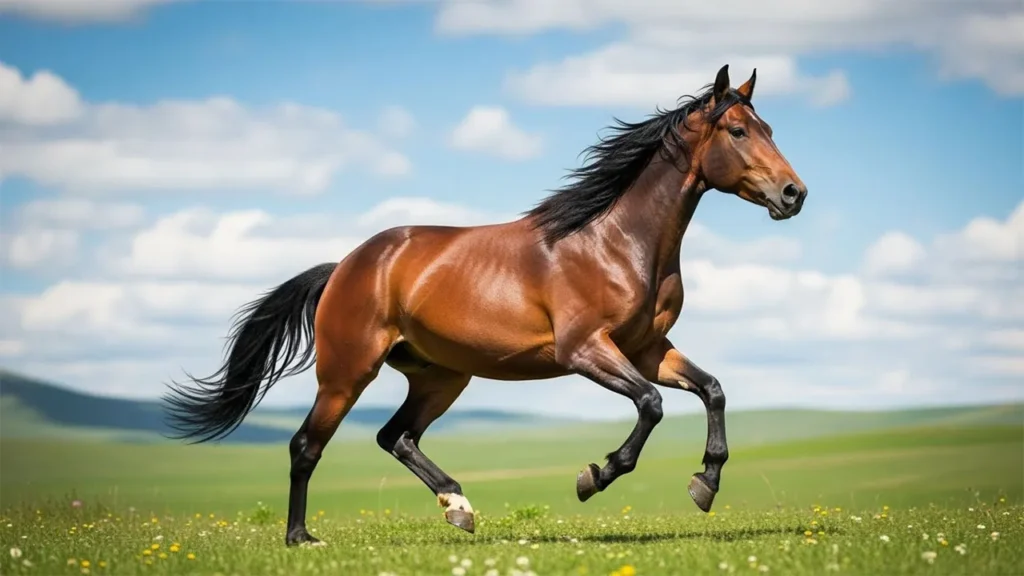
Mustangs exhibit a natural toughness that allows them to handle long hours in rugged terrain. Their hardy bodies give them the stamina to face unpredictable conditions while staying alert and responsive. Ranch work becomes easier when a horse can move confidently across uneven ground.
Adaptability for Demanding Tasks
Their intelligence and instinctive understanding make them highly capable of herding cattle. Mustangs quickly read movements and adjust without hesitation, making them reliable partners on open ranges.
Practical highlights of their skills include:
Quick navigation through rough terrain
Strong, steady gait for sustained work
Sharp attention to moving livestock
Resilient and Independent Nature
Their resilience allows them to recover quickly from challenging work while maintaining focus. Mustangs can manage themselves in large pastures and respond to cues efficiently. Independence does not hinder their cooperation; it enhances their problem-solving in dynamic situations.
5. Clydesdale

Clydesdales impress with a presence that blends size and composure, moving steadily even during heavy work. Their power is evident in the way they handle demanding tasks with patience and precision. Gentle confidence allows them to perform consistently under pressure.
Reliable Partners on the Ranch
These horses are adaptable and dependable, responding well when given clear tasks. They bring calm focus to long hours of work, making them a practical choice for ranch activities.
Their work capabilities are shown in these points:
Feathered legs protect lower limbs during rough terrain
A calm temperament reduces stress during herding
Strong pulling ability supports heavy-duty tasks
Calm Temperament in Action
According to Equestrian Studio, their relaxed nature makes them manageable even in large herds, keeping cattle and riders safe. They learn routines quickly and maintain steady movement when the work gets challenging. Observant yet patient, they handle unexpected situations with ease.
6. Tennessee Walking Horse
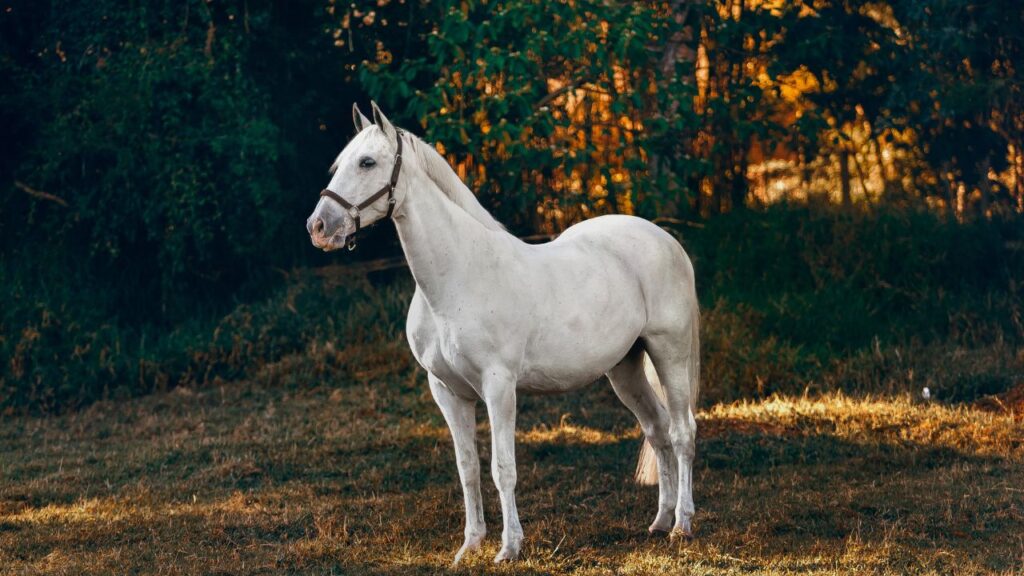
Tennessee Walking Horses offer an effortless, gliding gait that keeps riders comfortable across rough terrain. Their movement allows riders to maintain control without fatigue during extended hours on cattle drives. The natural fluidity of their stride makes them reliable partners for demanding ranch work.
Strength and Endurance in Action
These horses combine calmness with stamina, making them dependable in all-day tasks. Their willingness to work supports consistent performance in open fields and during herding.
Here’s what sets them apart in the field:
Stable gait even over uneven ground
Maintains energy for long hours
Calm response to sudden movements
Comfort That Supports Productivity
Riders can focus on the cattle instead of constantly adjusting to the horse’s motion. Their steady pace reduces strain on both horse and rider while covering large areas efficiently. This balance of comfort and control increases productivity during ranch work.
7. Morgan Horse
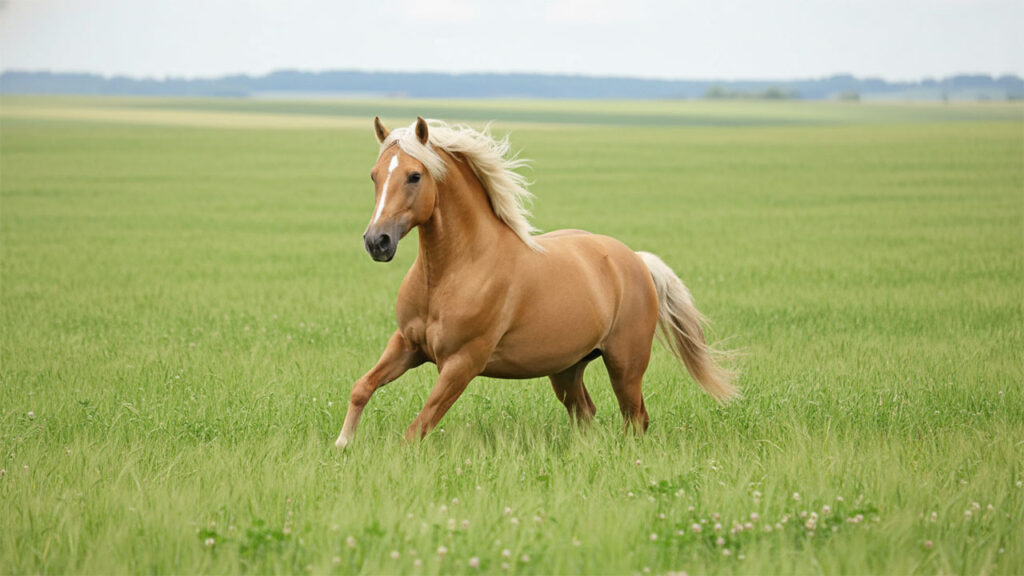
Morgan Horses are celebrated for their adaptability across a wide range of ranch tasks. Compact and muscular, they handle both driving and riding with impressive skill. Their spirited personality allows them to respond quickly to varied work demands on the ranch.
Quick Learners With Reliable Focus
Their intelligence makes training straightforward, allowing them to pick up new tasks efficiently. This responsiveness ensures they remain dependable throughout the workday.
These points show how reliably they stay on task:
Easy to train for multiple tasks
Can switch smoothly between riding and driving
Stays attentive under different working conditions
Loyal and Committed Team Members
Their dedication becomes apparent as they follow instructions reliably and maintain steady energy throughout tasks. Morgans respond well to structured routines, making them efficient collaborators. This combination of trainability and stamina makes them suited for cattle work.
Conclusion
Working with cattle requires ranch horses that stay steady, think quickly, and move with purpose. A cattle ranch depends on choosing the right horse that can stay calm while guiding livestock through changing situations. Some horses stand out for strength, while others show value through patience, balance, and a clear work ethic.
Even the gentle giants manage tasks with quiet confidence and low-maintenance routines. A good partner supports daily work on the farm and adjusts smoothly across rough ground. One horse with focus and willingness can make herding more predictable and keep every task moving in the right direction.
