




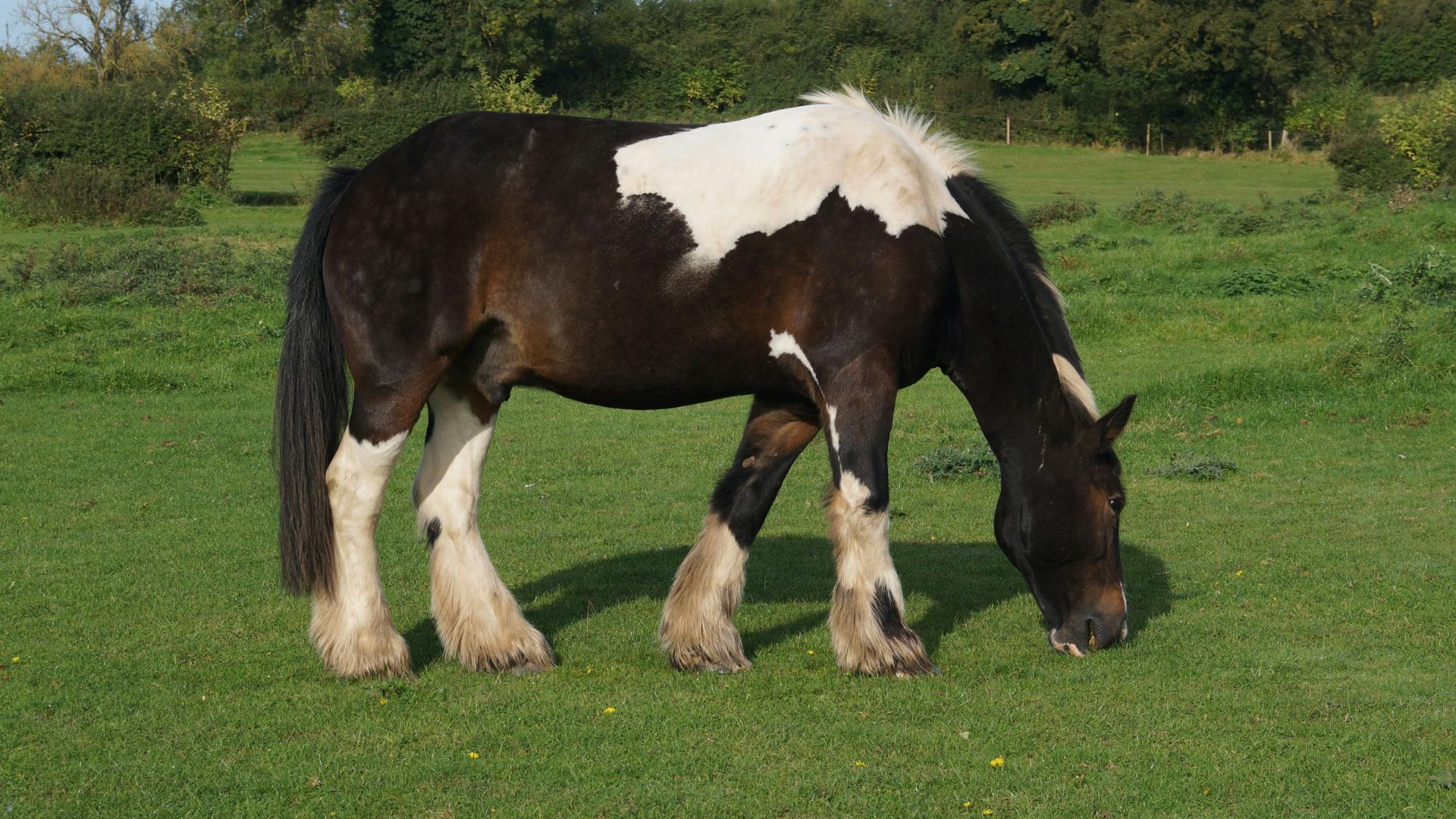
Some equine features are soft and refined, designed to blend quietly into overall balance. Roman nose facial profiles do the opposite. They stand out immediately. The pronounced curve transforms the head into a statement of strength and presence.
Where straight profiles suggest elegance, Roman noses suggest power, endurance, and authority. This has shaped how horses with this feature are perceived across cultures and time. The profile alters expression, posture, and even how movement is visually interpreted.
It became closely tied to horses expected to work hard, travel far, and endure demanding conditions. Roman nose profiles were valued where function mattered more than ornament. The feature continues to influence admiration and debate among horse enthusiasts today.
In this article, you will examine how Roman nose facial profiles differ from other structures, why this contrast exists, and how specific horses came to be defined by this bold and unmistakable trait.
Key Takeaways
Some horses draw attention without even moving, all thanks to a Roman nose that shapes their face.
Belgian Drafts and Cleveland Bays show bold, slightly convex noses that complement their powerful build.
Andalusians and Lusitanos carry refined heads with smooth Roman lines that highlight their elegance and lineage.
By the end, you’ll notice how each of these seven breeds turns a simple head shape into a signature of strength and beauty
Horse Breeds Known for Their Roman Nose Facial Profiles
1. Belgian Draft
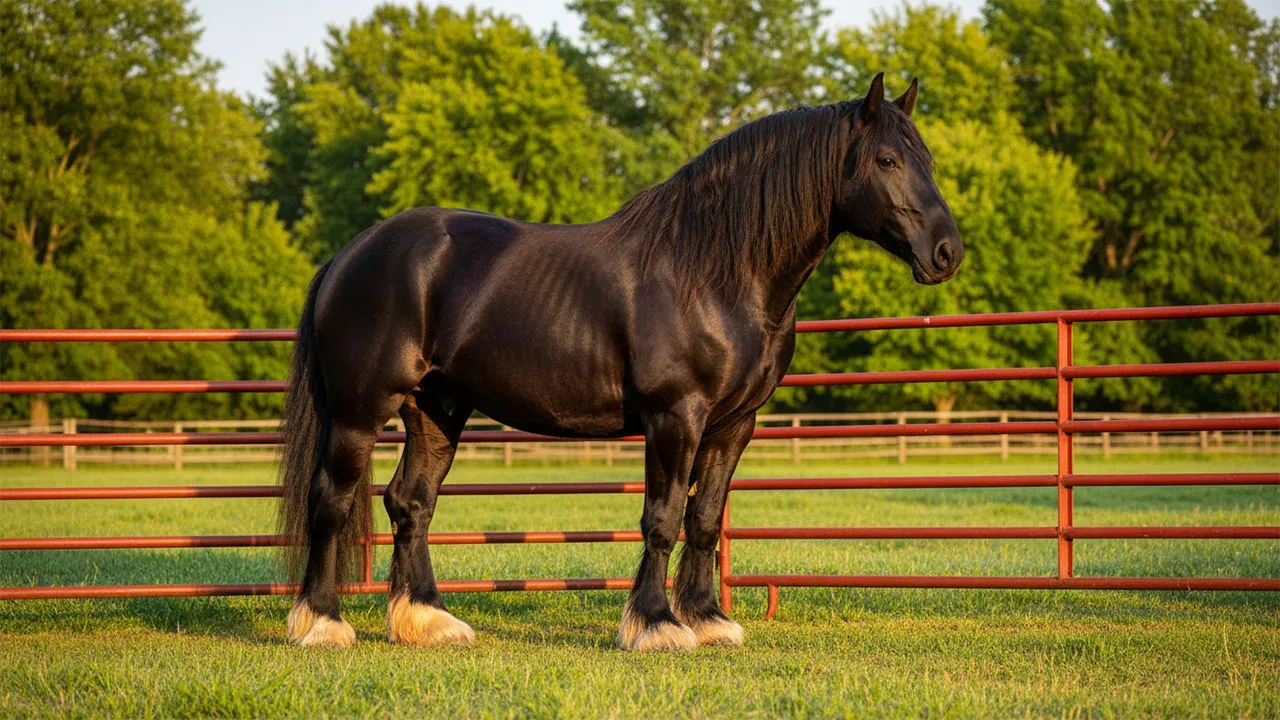
Belgian Draft horses are known for a powerful build paired with a calm, steady expression. The head often appears smaller in proportion to the body, drawing attention to facial details. In many individuals, a gently convex nasal line becomes part of their visual identity.
Roman Nose Influence
According to FEI descriptions, the American Belgian typically shows a straight profile and a soft, kind eye. Still, a noticeable number display a Roman nose linked to ancestral draft lines.
That variation shows up most clearly in these features:
Slightly convex nasal bridge
Rounded forehead flow
Strong jaw balance
Ancestral Facial Legacy
The Roman nose seen in some Belgian Drafts traces back to older European draft stock. Ardennais, Brabant, and Flemish lines are all documented with subtly convex facial profiles. Those influences remain visible today, especially when viewing the head from the side.
2. Andalusian
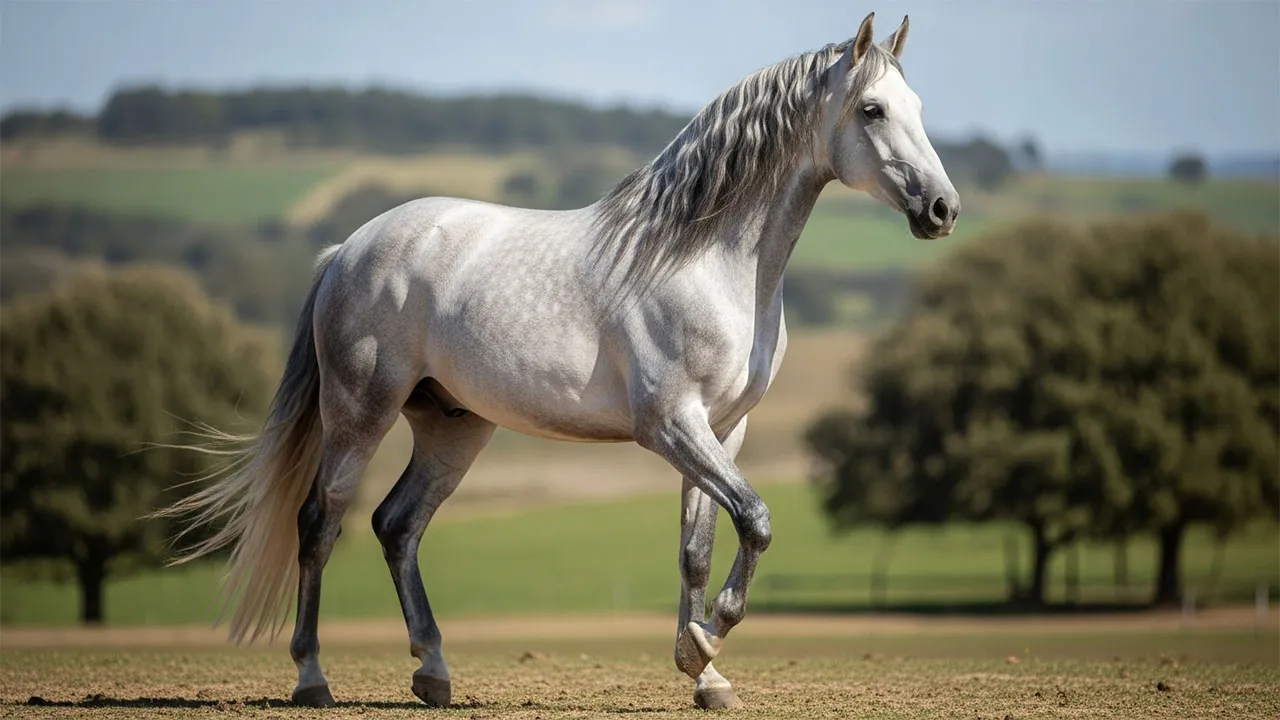
Andalusian horses are recognized first for their expressive presence and refined head shape. The facial profile often appears slightly convex or straight, giving the breed its well-known Roman nose look. A broad forehead and neatly set ears add to the balanced and intentional expression, as Mad Barn writes.
Defining the Roman Profile
Andalusian head structure is not accidental and follows long-standing breed standards. The facial outline flows smoothly from forehead to muzzle without sharp breaks.
This consistency becomes easier to notice when broken into clear visual markers:
Slightly convex or straight profile
Broad and proportionate forehead
Clean facial lines without exaggeration
Close Relation to Lusitano
Andalusian and Lusitano horses share such similar facial characteristics that they are registered under the same system. This shared lineage explains the comparable Roman nose profiles seen in both breeds. The resemblance shows most clearly in the head shape and overall facial balance.
3. Cleveland Bay
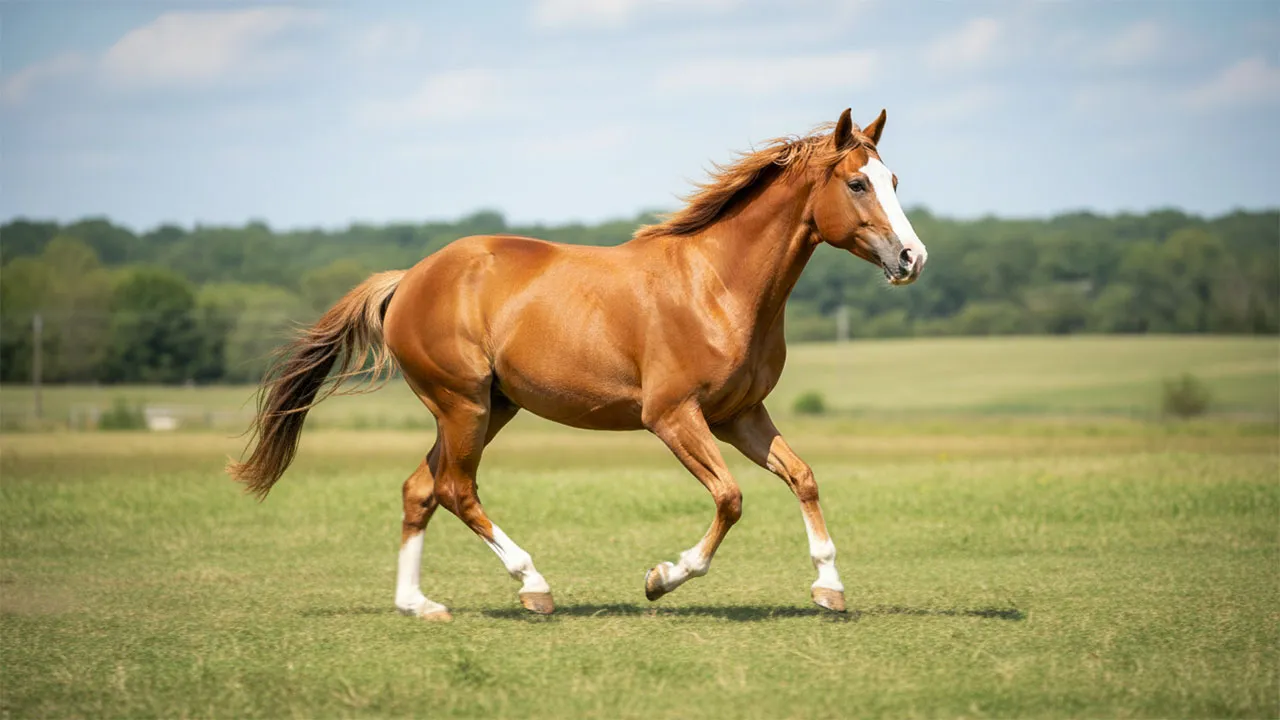
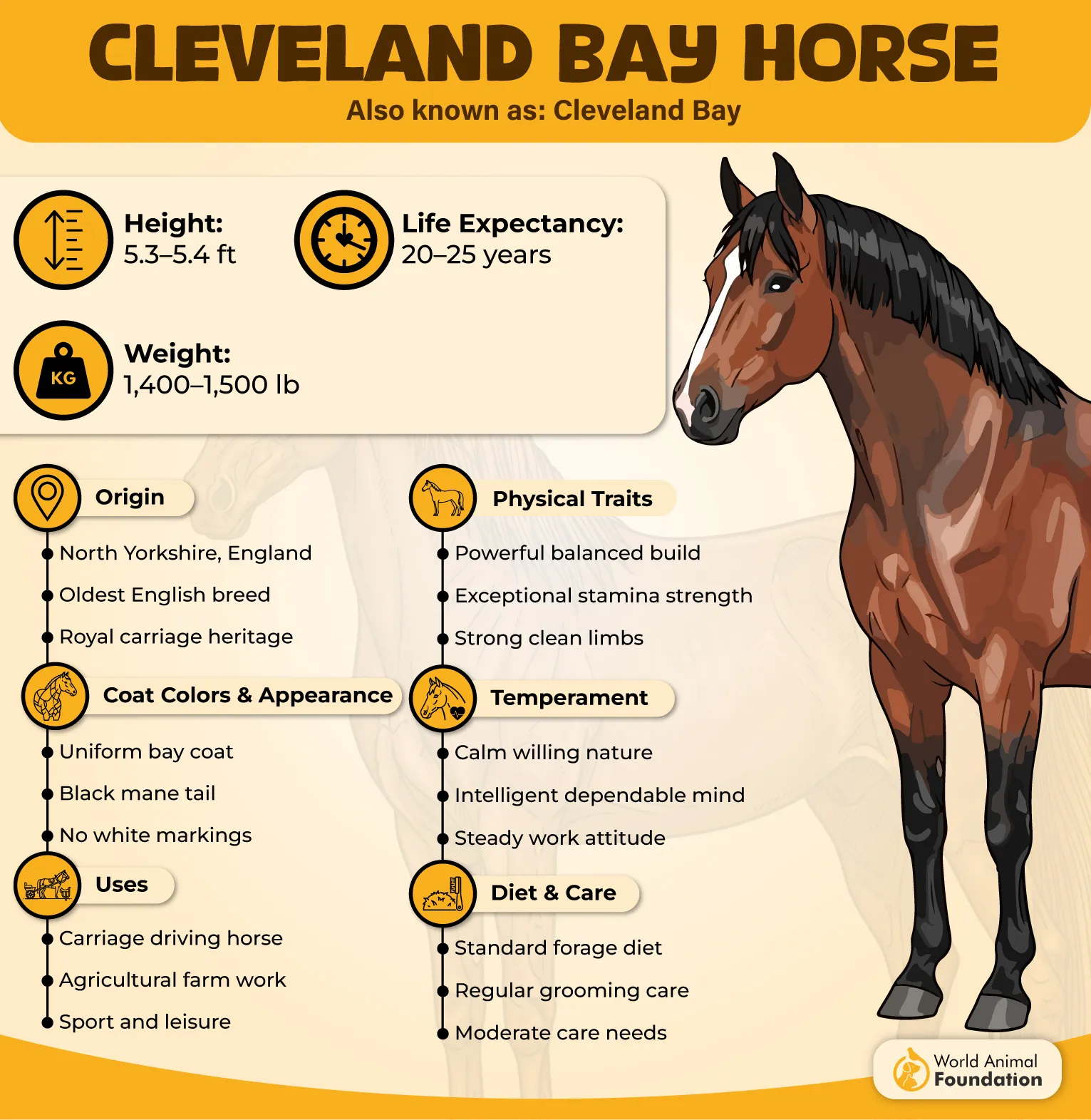
Cleveland Bay presents strength through bone, frame, and overall presence rather than refinement. That solid build naturally leads the eye upward to a head that looks purposeful and grounded. In breeds where function-shaped form, this kind of structure was expected.
A Head That Sets the Tone
Cleveland Bay is recognized for a bold head that leans large and plain instead of fine. The Roman nose appears often, giving the profile a strong arc that matches the breed’s powerful outlook. That facial structure reflects exactly what this horse was meant to project.
The look becomes clearer when broken down:
Large and commanding head
Roman nose is commonly visible
Balanced profile rather than refined
Roman Nose by Design
The facial shape is not incidental or decorative. Cleveland Bay was shaped using horses already known for convex profiles, reinforcing that strong nose over generations. What results is a head that looks well supported and proportionate to the rest of the body.
4. Lusitano
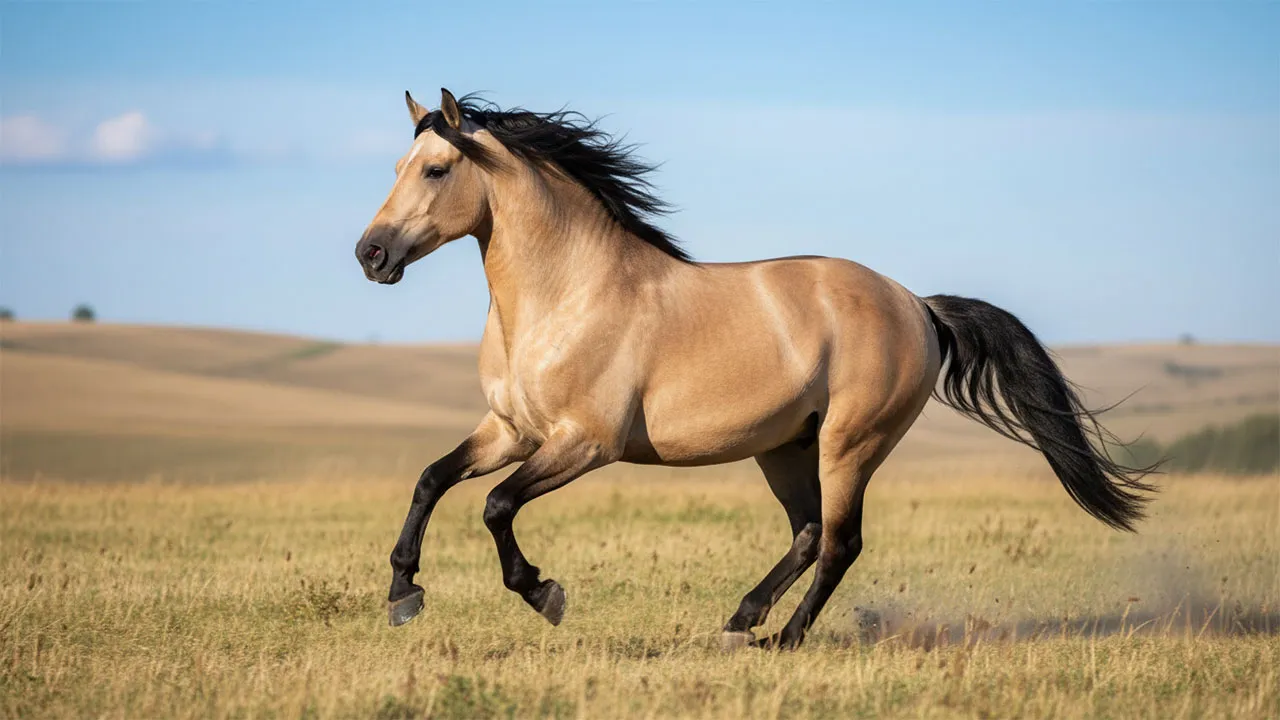
Lusitano carries a long recorded presence in horse history, shaping the look of several later breeds. That lasting influence is reflected most clearly in the head, where balance and refinement take priority. The Roman nose profile developed early and remained consistent through generations.
Facial Structure in Focus
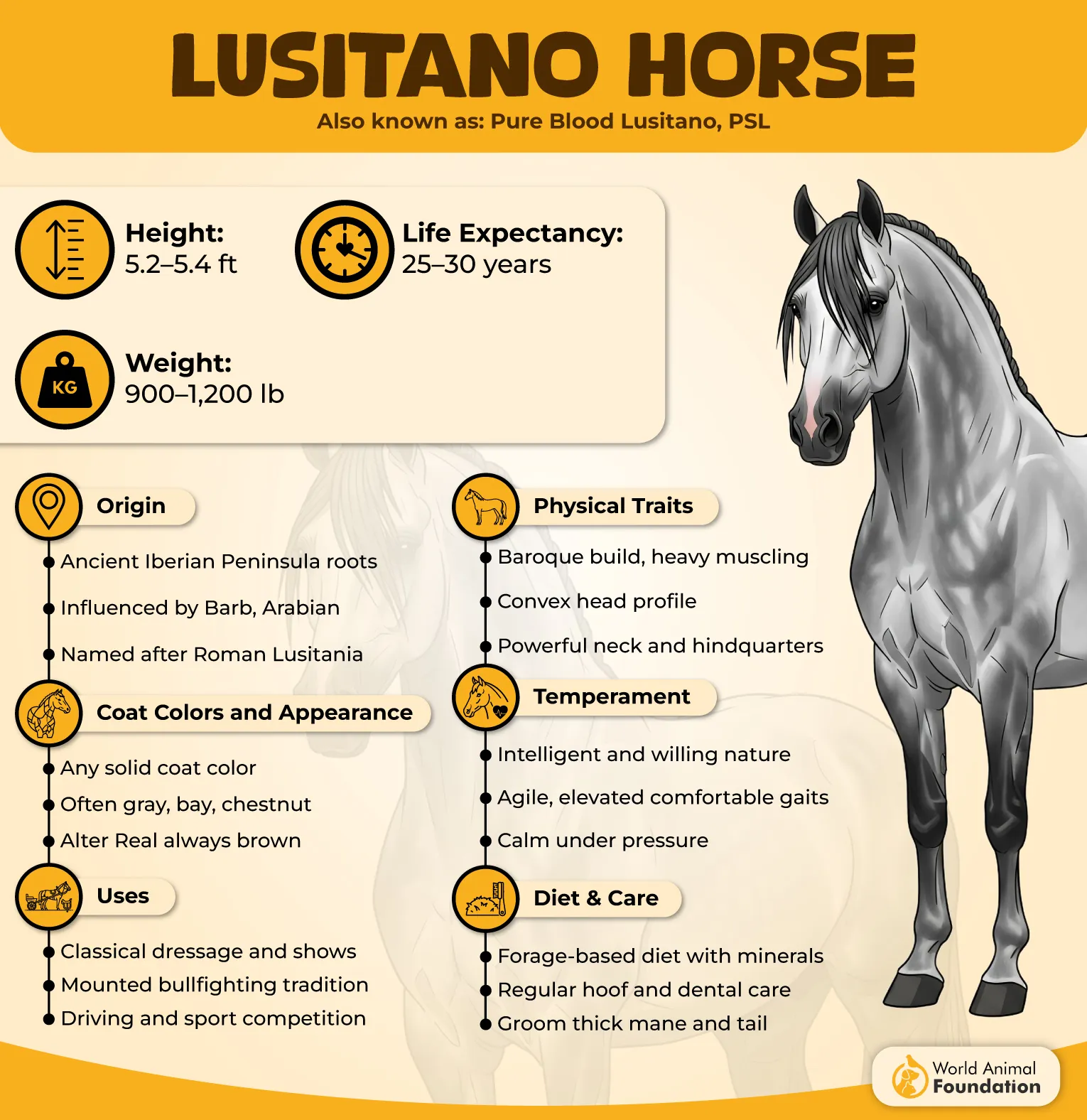
Attention naturally settles on the head because its shape follows precise breed expectations. Breed standard points to a narrow build, a gently convex line, and a forehead that projects slightly ahead of the brow bones.
This structure becomes clearer when viewed in parts:
Slightly sub-convex profile
Forehead set forward of the eyebrows
Refined and narrow head form
Why the Roman Nose Matters
The Roman nose in Lusitano is deliberate rather than decorative. That curved line gives depth to the face and supports the breed’s classical expression seen in historic references. It also became a visual benchmark when defining what the correct type should look like.
5. Standardbred
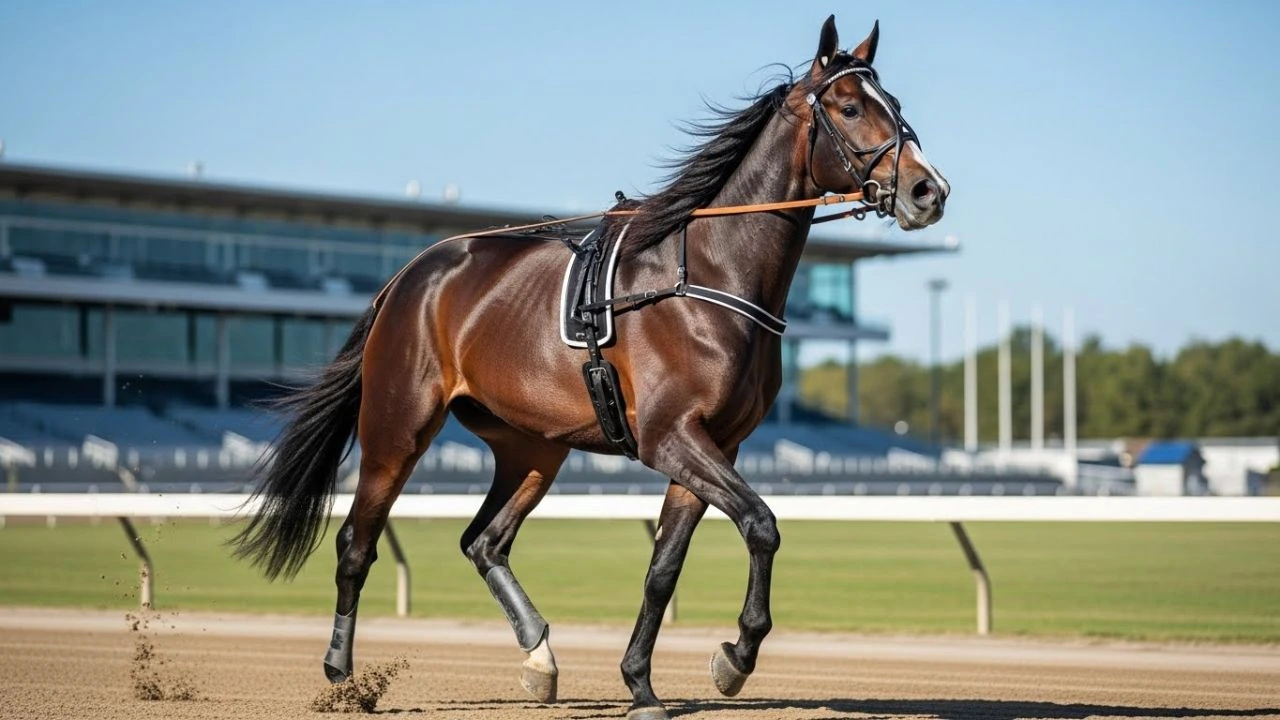
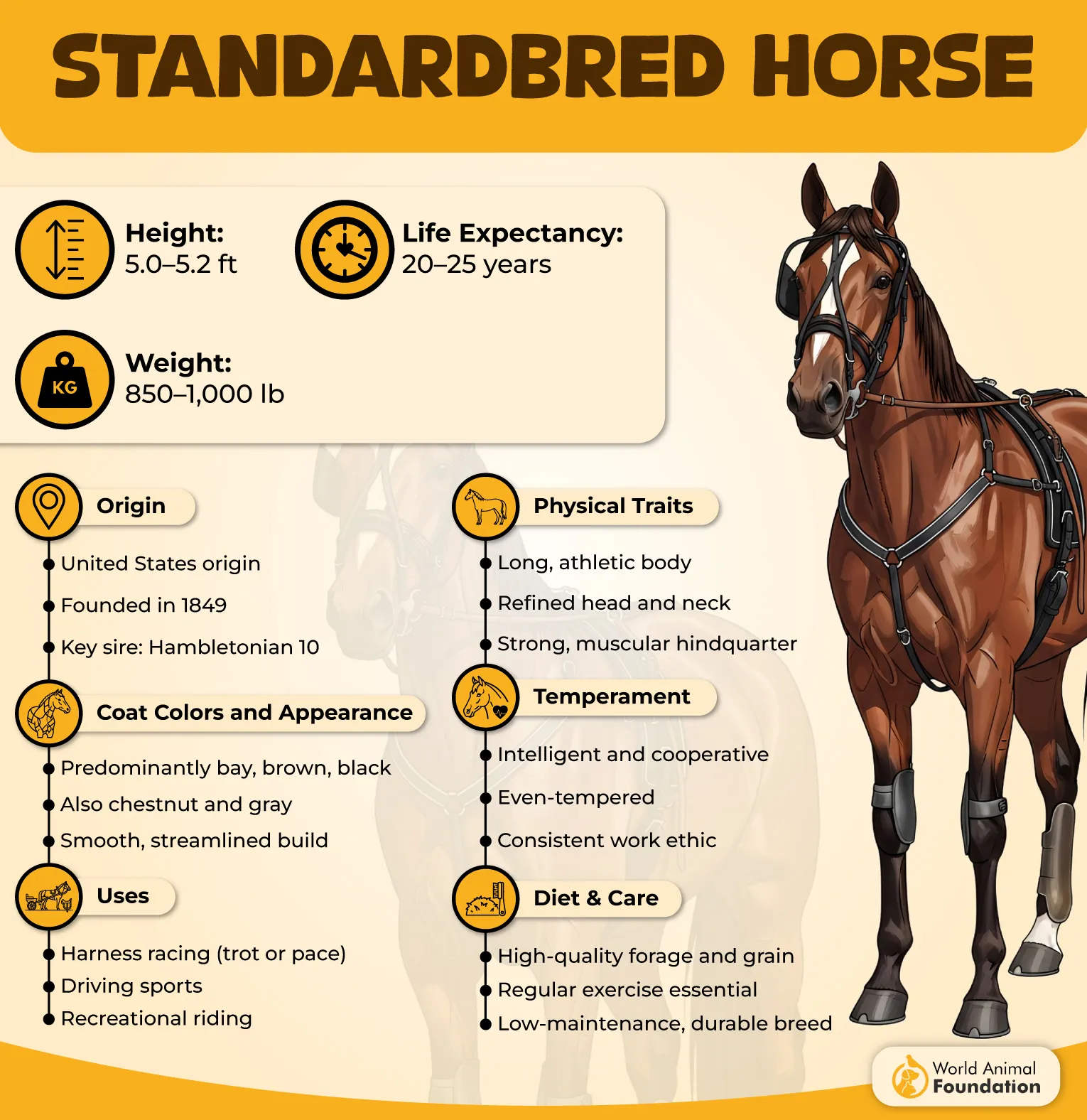
Standardbred earned its reputation through unmatched trotting speed, which influenced how the entire head developed. For much of its history, the breed displayed a bold Roman nose paired with a large, solid head. Function guided form, and the facial profile reflected strength rather than refinement.
The Roman Nose Evolution
Earlier Standardbreds commonly showed a rougher facial outline, with heavier noses and broader features. In recent decades, selective breeding softened that look without removing its character.
A closer look reveals consistent elements:
Strong nasal curve
Broad, rectangular head shape
Substantial jaw and bone
Influence Beyond One Breed
Thoroughbred bloodlines played a role in reshaping speed and proportions within the Standardbred. This influence helped streamline the profile while keeping the heavier head intact. The result is a cleaner Roman nose that reflects both performance focus and lineage history
6. Lipizzaner
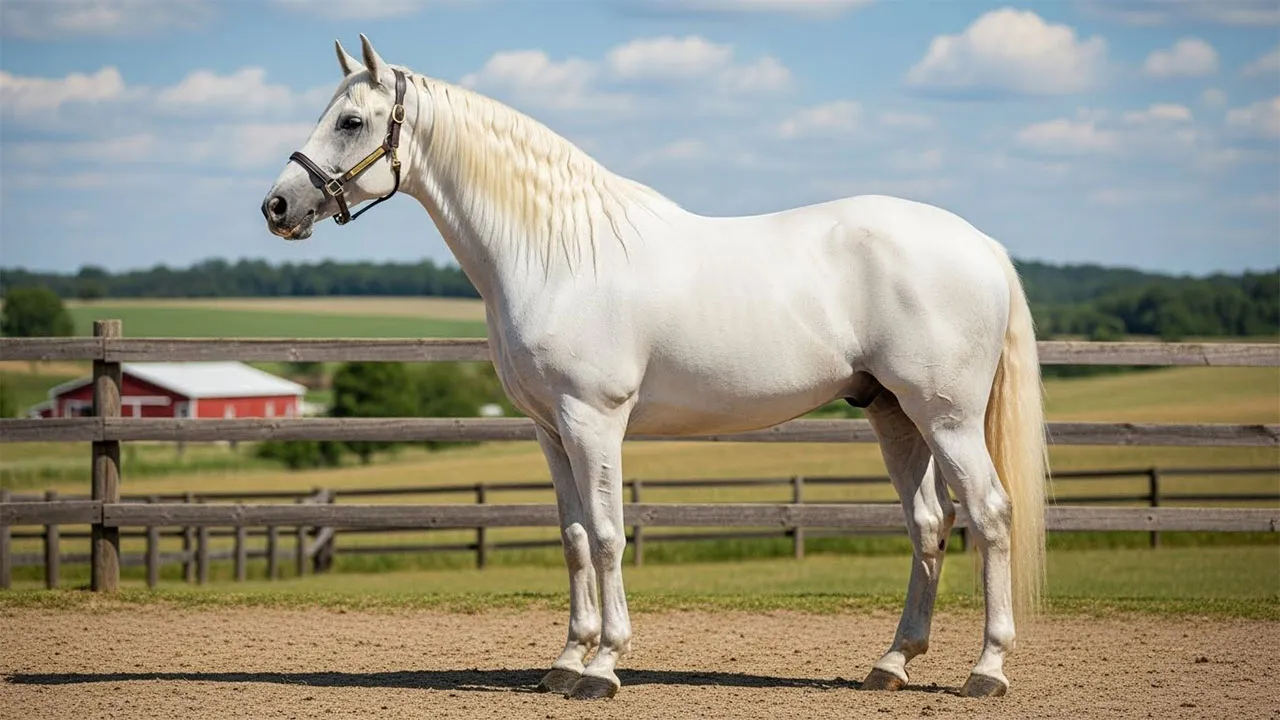
Lipizzaner horses feature a subconvex Roman nose with smoothly rounded outlines across the body, as stated in the US Lipizzan Federation. This structure supports precise balance and fluid movement during disciplined exercises. It contributes to their refined appearance without affecting agility or responsiveness.
Power in Precision
Their strong yet flexible build allows controlled motion across varied terrain and training settings. The breed combines strength with subtlety, offering efficiency in movement.
Some practical highlights include:
Smooth and collected steps
Balanced weight distribution
Quick adjustment to changes in pace
Intelligent Awareness
Lipizzaners are attentive and react to slight cues with accuracy, which improves control in complex movements. Their alertness helps them handle challenging exercises with calm confidence. This responsiveness makes coordination with handlers more intuitive.
7. Shire
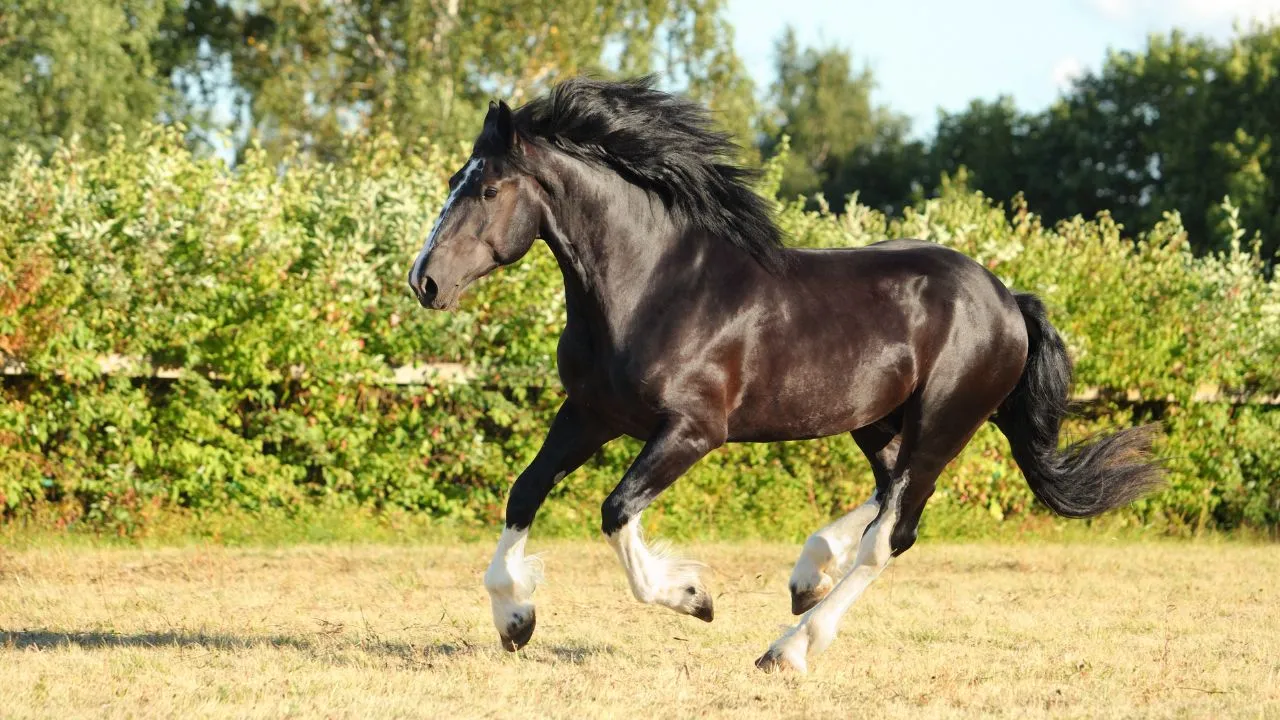
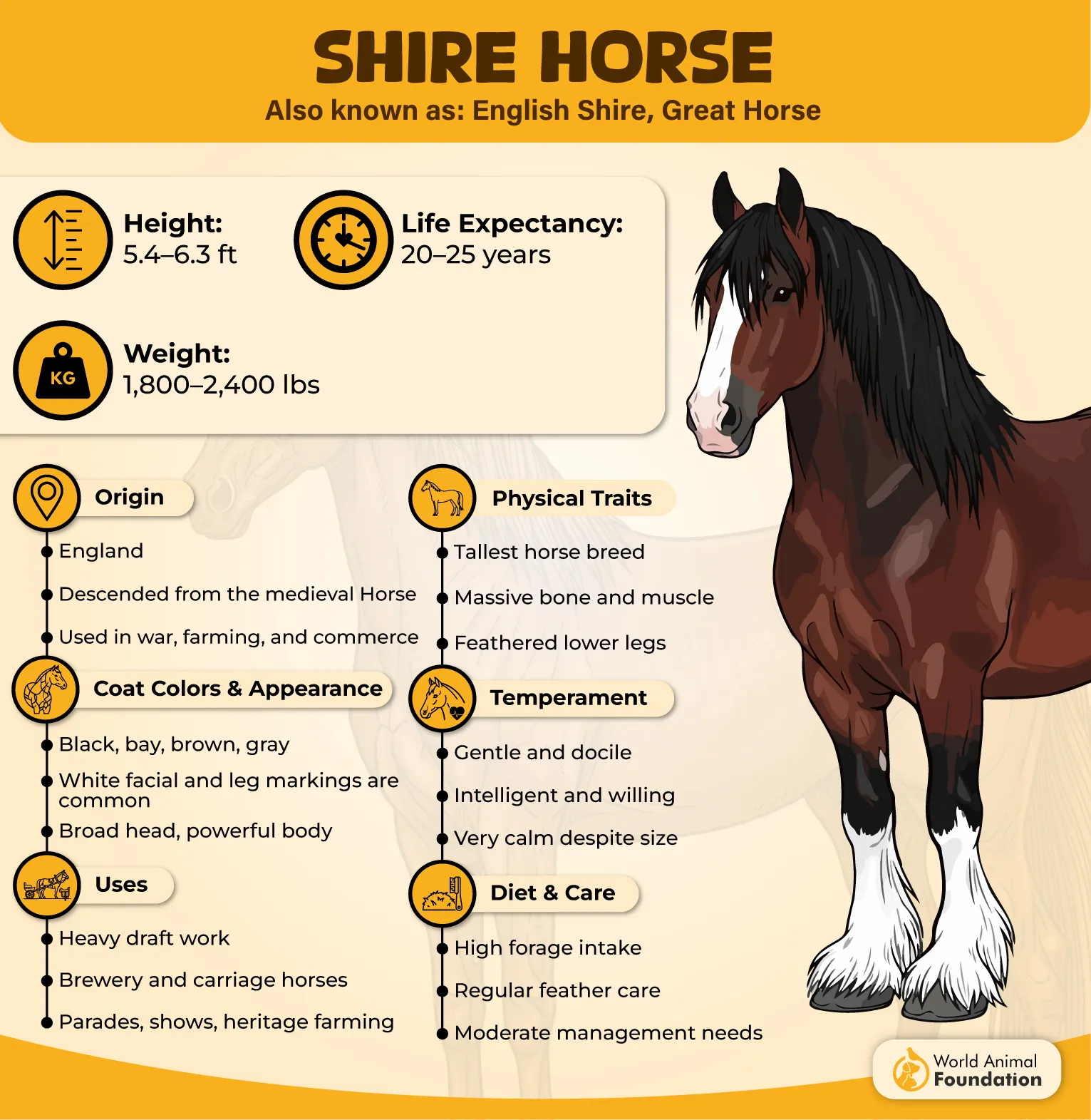
Shire horses move with strength and stability that reflects their impressive build. Their slightly Roman nose, thin and wide nostrils, and closed lips create a distinct profile that combines functionality with elegance. This facial structure enhances airflow while adding a refined look to their massive frame.
Structural Highlights
Alongside their facial features, Shires carry traits that make them capable of challenging grounds. Their size does not compromise their balance or coordination.
Key attributes include
Muscular chest and shoulders for steady movement
Feathered lower legs for protection and support
Slightly convex nose aiding efficient breathing
Observant and Attentive
These horses remain aware of their environment without unnecessary tension, noticing shifts in footing and subtle cues around them. That awareness supports safe movement and reduces missteps across fields or uneven paths. Their calm focus complements the power in their stride.
Conclusion
Roman nose profiles remind us that beauty in horses is not limited to softness or symmetry. Roman-nosed horses stand out because their faces carry strength, history, and presence in one clear line. For many owners, choosing the right horse begins with connection, and this profile often sparks immediate wonder.
A prominent facial curve changes how the head is read in motion and at rest. It invites curiosity rather than blending in. These horses continue to draw admiration because they challenge expectations and prove that character, function, and appeal can exist together.
