




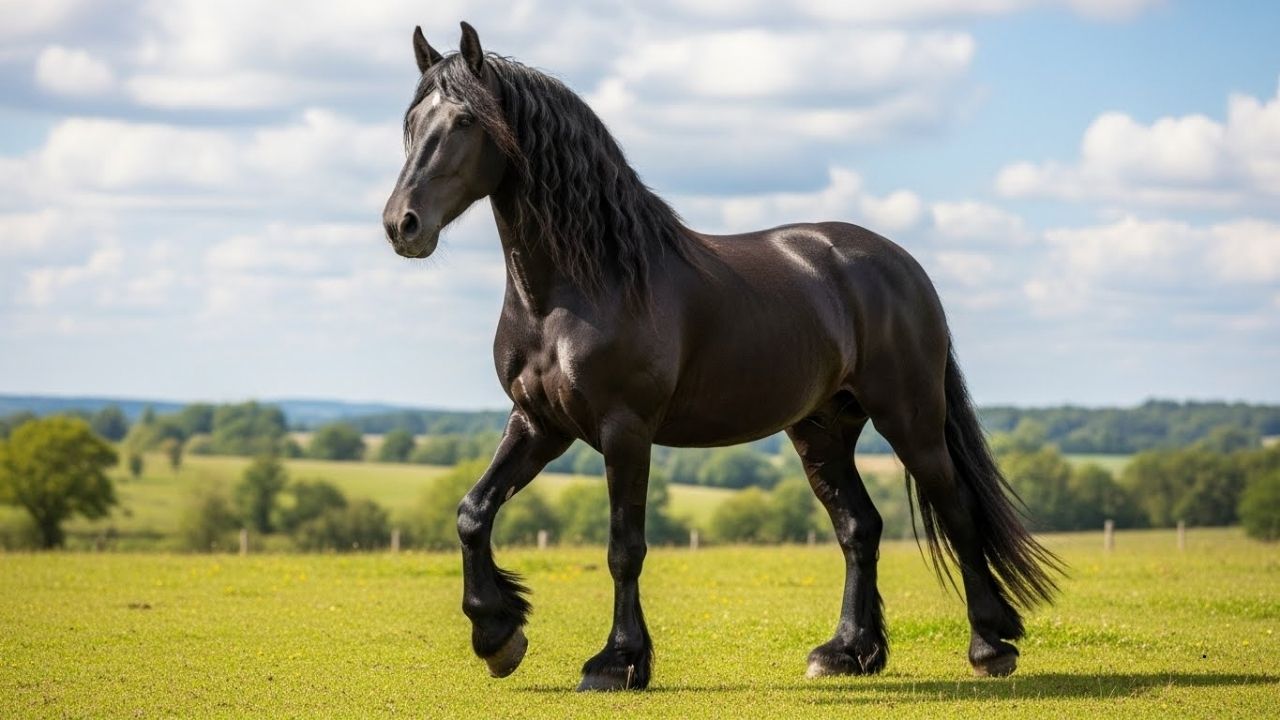
Horses with feathered legs and full fetlocks leave a lasting impression the moment they move. The long hair around their lower legs flows with each step, creating a sense of weight, strength, and quiet elegance.
This feature is not decorative by chance. Feathered legs developed to protect skin and joints in demanding environments where mud, moisture, and cold were constant challenges. Over time, that protection became part of the horse’s identity, shaping both appearance and function.
Many people admire the visual drama of feathering without realizing how deeply it connects to purpose and endurance. These horses carry their history close to the ground, where every step once mattered. Their legs tell a story of work, resilience, and careful breeding shaped by necessity rather than trend.
In this guide, you will explore why feathered legs exist, how they function, and what makes this trait one of the most recognizable features in the equine world.
Key Takeaways
Horses with flowing, feathered legs catch every eye, but these breeds combine beauty with strength that moves beyond mere appearance.
The Clydesdale carries thick white feathers over its fetlocks that sway with each step, adding drama to its calm and powerful presence.
Shires and Gypsy Vanners pair their feathering with steady strength and smooth movement, showing that every strand serves a purpose.
Keep reading to see which seven breeds turn functional hair into a signature trait that makes them unforgettable.
Horse Breeds Known for Their Feathered Legs and Fetlocks
1. Clydesdale
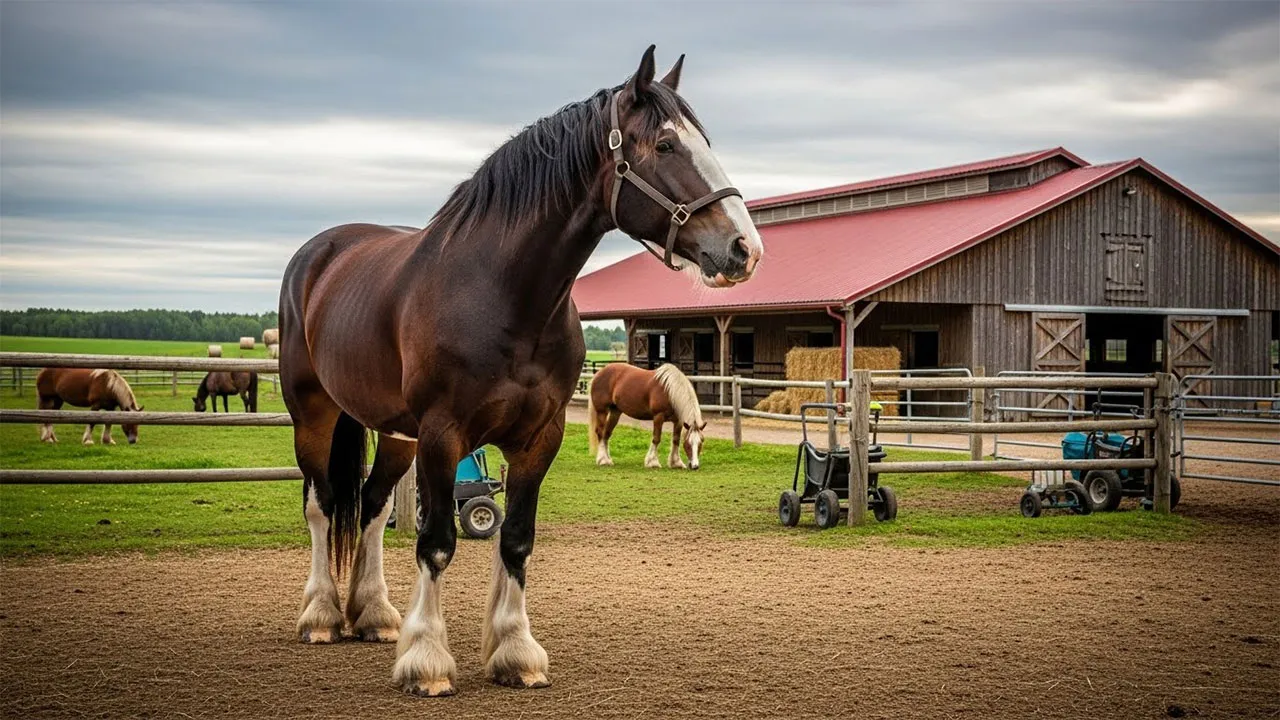
Clydesdale stands out immediately because of the dense feathering that flows over the lower legs and fetlocks. This hair is thick, bright, and dramatic, often framing the hooves in white. In breeds known for feathered legs, this visual impact is hard to miss in motion or at rest.
Form Meets Function
Clydesdale combines size with a calm presence, which helped shape its traditional working image. The heavy feathering is paired with strong limbs built for steady ground contact.
That balance shows clearly in three defining features:
Abundant white feathering at the fetlocks
Broad hooves partly hidden by hair
Long mane and tail, adding to symmetry
Presence in Public Displays
Clydesdale has long been chosen for parades and ceremonial appearances due to its composed nature, as stated by PetMD. The flowing leg hair enhances each step, making slow, deliberate movement visually striking. This is one reason the breed remains closely linked to formal showcases and large-scale events.
2. Shire
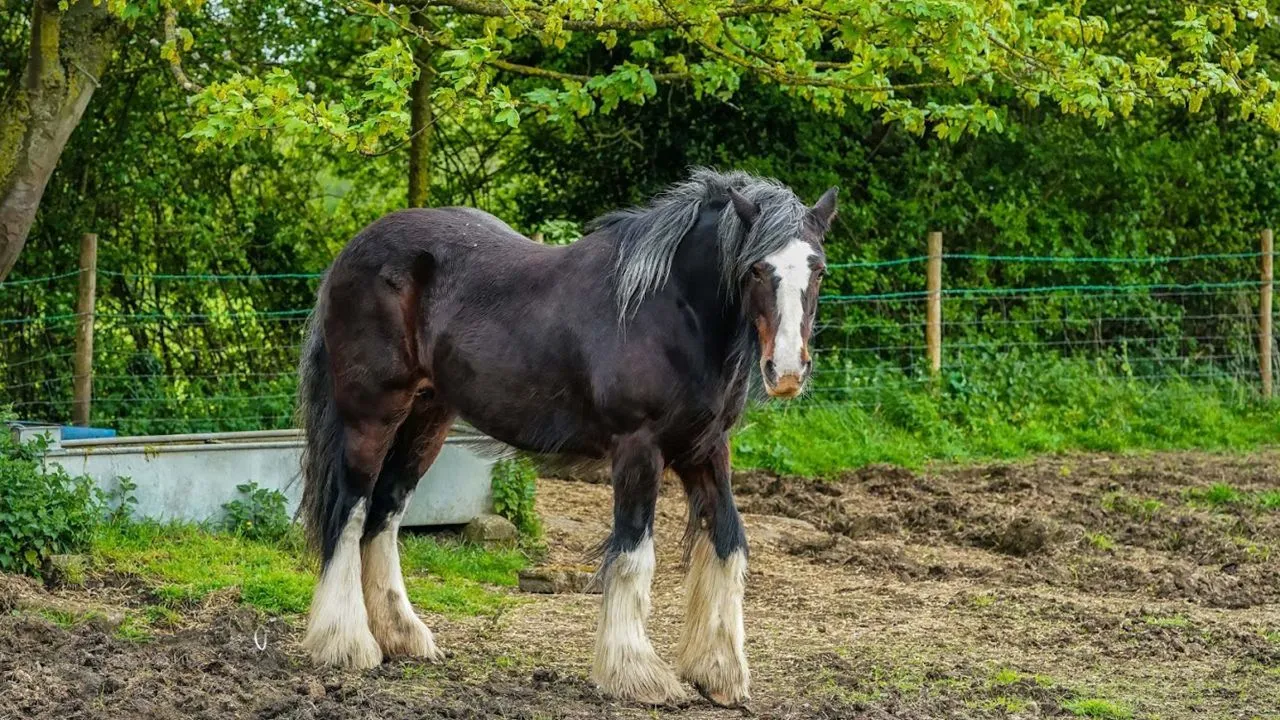
Strength defines the Shire long before its feathered legs draw attention. This breed handled demanding transport jobs for centuries, including hauling goods between breweries and public houses. That workload shaped a horse built for weight, stability, and repeated effort on hard ground.
Feathering With a Purpose
The long hair around the lower legs developed alongside tough working conditions rather than for display. Over time, selective influence refined the texture into the silky feathering seen today.
That evolution explains several visible details:
Dense hair around fetlocks
Longer strands along the cannon bone
Softer texture from later refinement
Structure That Supports the Look
A tall frame and substantial body mass give context to the heavy feathering, as mentioned by The Livestock Conservancy. Without that scale, the leg hair would feel out of proportion. Instead, it visually anchors the horse, reinforcing the impression of weight, balance, and physical capability.
3. Gypsy Vanner
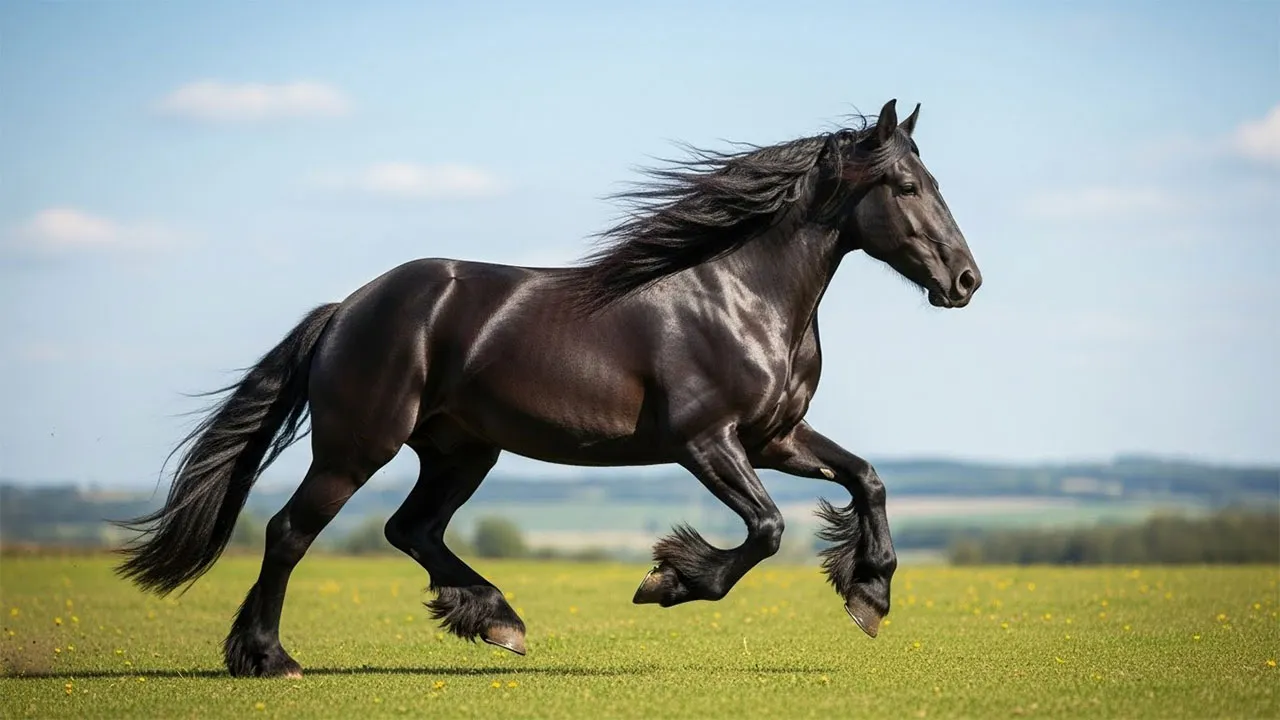
Gypsy Vanner has long been valued for its steady and people-focused attitude developed through close daily work. That dependable temperament allowed this horse to function calmly around families and constant activity. Over time, this trust-based role shaped a horse that remains confident and manageable in varied settings.
Feathering With Purpose
Thick leg feathering is one of the most defining physical traits of this breed, often beginning high at the knee. It developed alongside a working lifestyle that demanded strength and consistency rather than speed.
That history explains why the feathering stays practical, not fragile:
Dense hair from the knee to the fetlock
Full mane and tail growth
Legs are built to support weight smoothly
Strength Beneath the Hair
As a smaller draft type, Gypsy Vanner carries strong hindquarters that support smooth and effortless movement, as WebMD notes. The feathered legs move freely without stiffness, even with heavy hair coverage. This balance between power and fluid motion keeps the horse comfortable over long working days.
4. Friesian
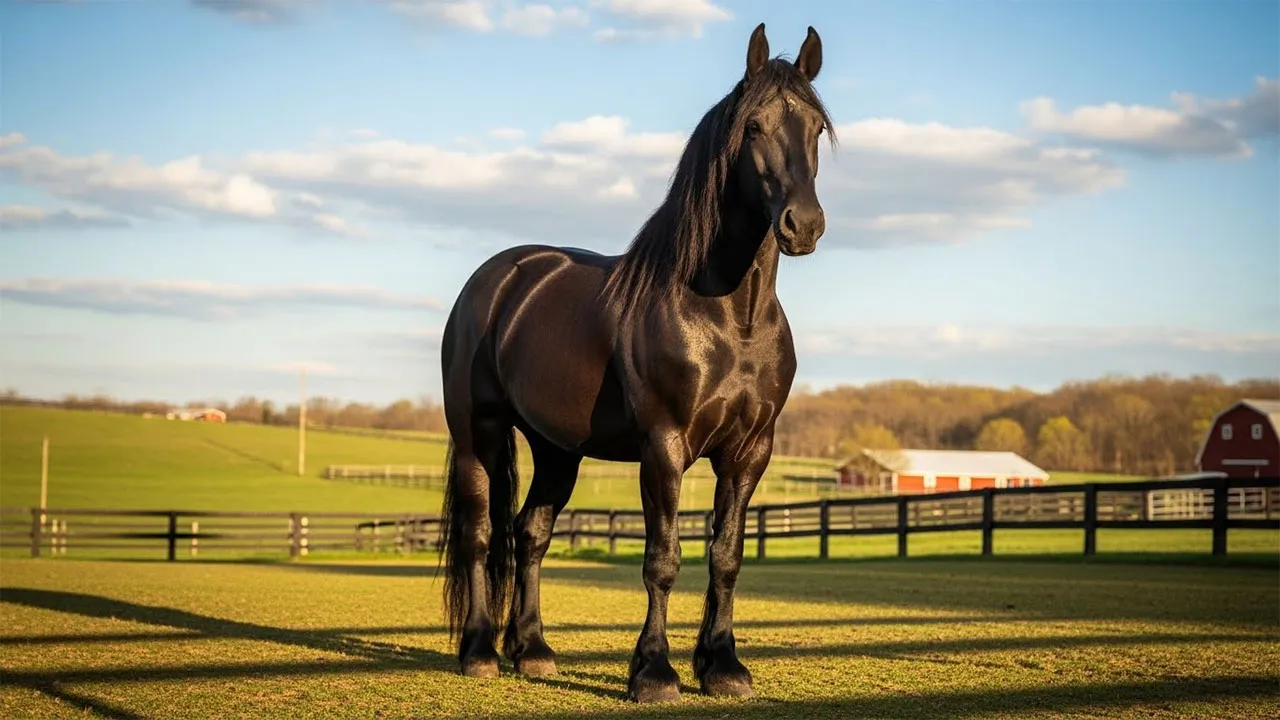
Friesian horses earned their reputation through bravery and strength long before their flowing hair drew attention. Their role as intimidating war horses shaped a powerful build that naturally supports heavy feathering around the legs and fetlocks.
Feathering as a Visual Marker
The long hair on the lower legs is not an isolated feature but part of a larger physical picture. When paired with a thick mane and tail, the feathering creates a grounded, commanding outline from the hooves upward.
This becomes especially noticeable when observing their structure in motion:
Silky hair framing the fetlocks
Dense feathering covering the lower legs
Strong contrast against a dark coat
Strength Paired With Agility
Despite their solid frame, Friesians developed the agility needed for demanding tasks. That balance between power and controlled movement later translated well into modern equestrian sports. The feathered legs remain a constant feature, adding visual depth without limiting motion.
5. Fell pony
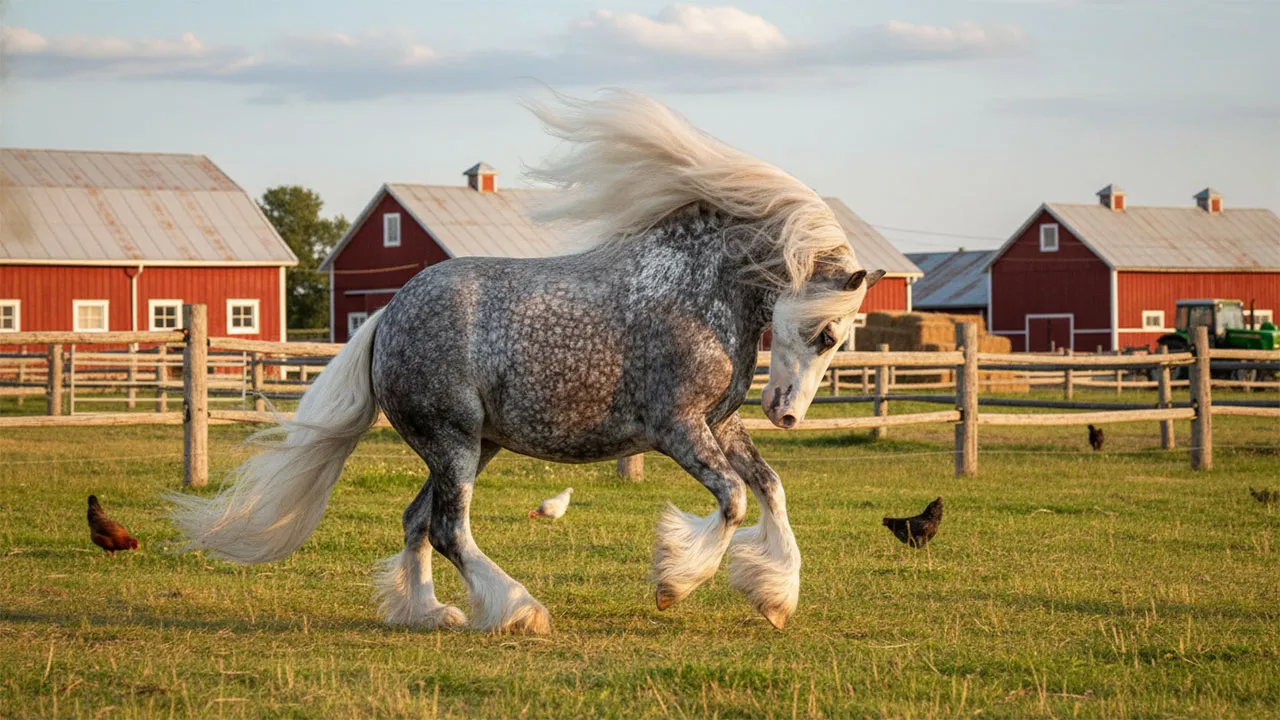
Fell ponies are known for moving long distances with steady energy, making them ideal for extended journeys in rugged terrain. Their efficient walk and muscular build allow them to cover rough trails without tiring quickly. These traits make them practical for work that demands both endurance and reliability.
Strength and Versatility
These ponies handle heavy loads with surprising ease and adapt well to different tasks on uneven ground. Their hardiness and intelligence make them flexible companions for a range of outdoor work.
Some features that highlight their capability are:
Energy-efficient movement over long stretches
Ability to manage steep or rocky paths
Consistent pace under load
Distinctive Appearance
Solid colors like black, brown, bay, or grey give them a striking look on the trail. Their thick mane and fetlocks help protect legs and joints from rough terrain and wet weather. The combination of endurance and rugged features makes them practical for extended outdoor use.
6. Dales Pony
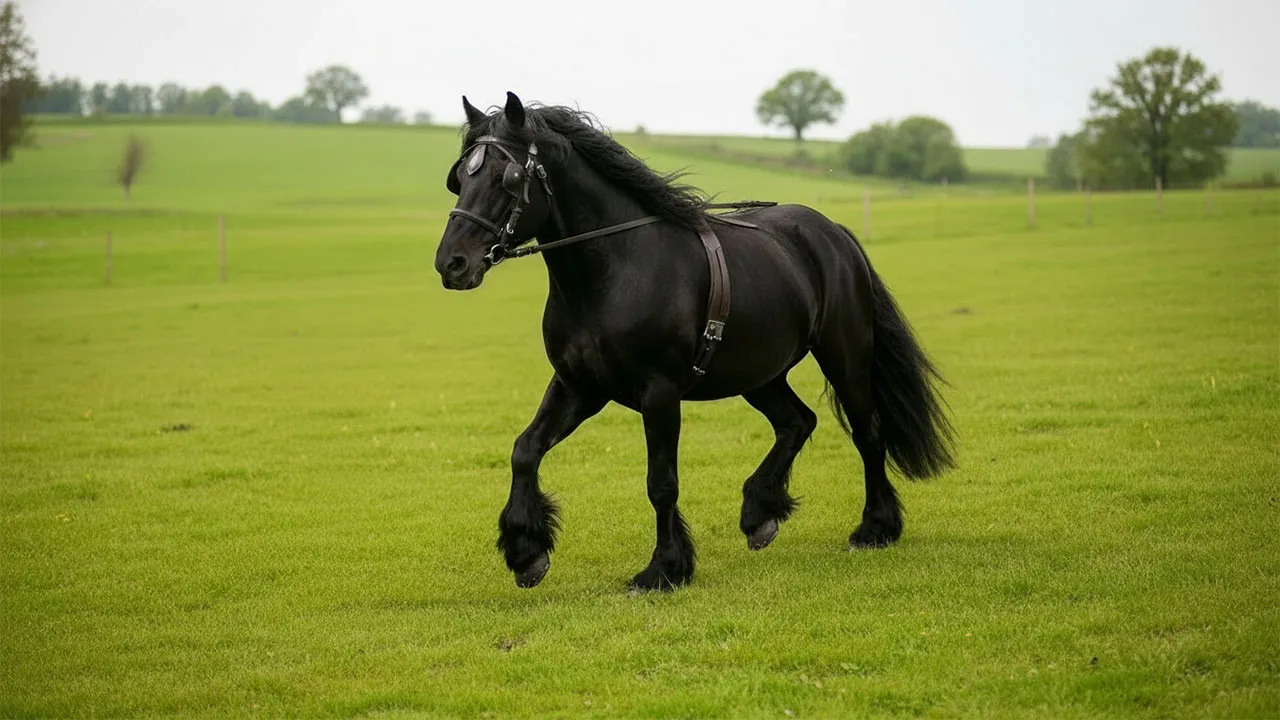
Dales Ponies are strong and well-muscled, built to handle tough terrain and long stretches of moorland. Their sturdy legs and solid bone structure let them move confidently through uneven ground. The heavy feathering around their hooves helps protect them in wet or muddy conditions.
Versatile Movement
These ponies combine steady strength with surprising agility, making them capable of handling rugged paths. Their natural balance supports long and challenging rides.
These traits make them suited for wild terrain, are:
Smooth motion across slopes and rocks
Thick fetlocks that shield against debris
Endurance for extended periods of activity
Historical Resilience
Used in lead mines and military service, this breed carries a history of demanding work and resilience. Their strong build and dense coats helped them endure harsh conditions for decades. The black coat, long mane, and heavy feathers give them both a functional and striking appearance.
7. Ardennes
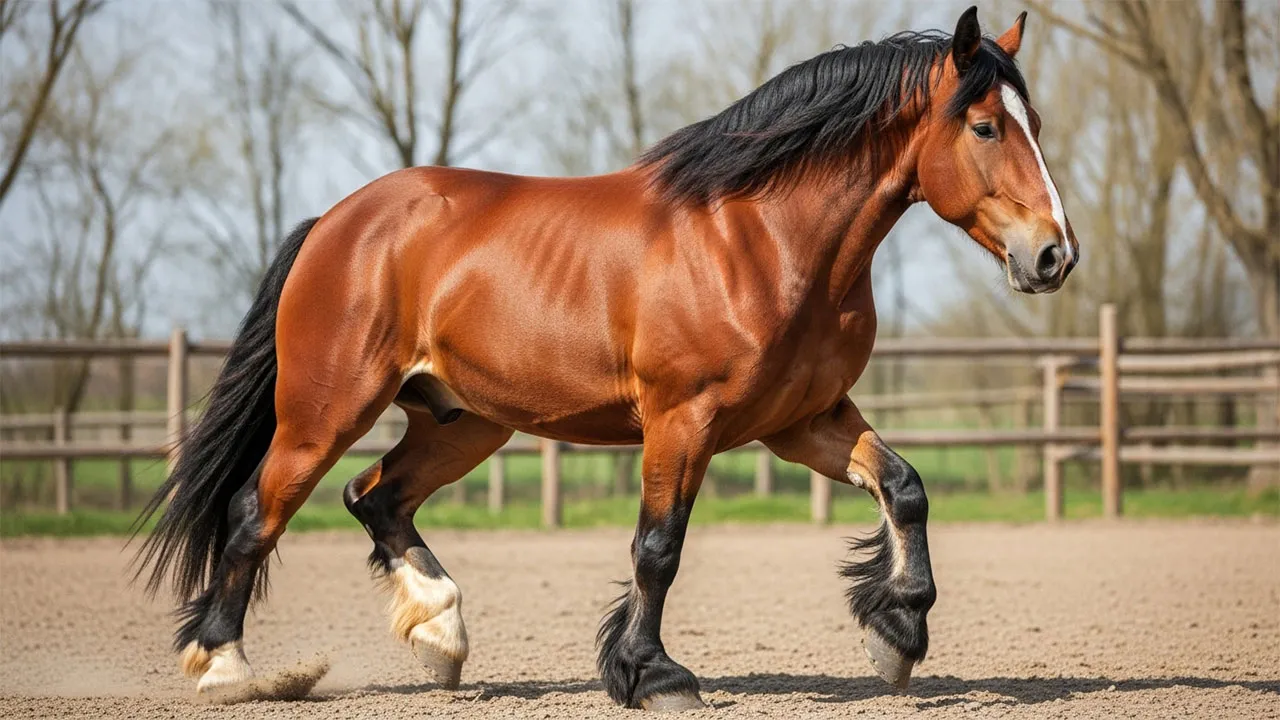
Ardennes horses carry remarkable strength that shows in every task they take on. Their heavy bones and muscular frame give them stability on rough terrain and during work with carts or wagons. Thick feathering around the hooves also protects them on soft or muddy ground.
Practical Traits for Work
Early maturity and a calm, steady nature make them reliable partners for heavy labor. They manage long hours without constant attention, which adds to their efficiency.
These features show their durability:
Thick feathers shield hooves from mud and rocks
Sturdy frame handles sustained effort
Smooth gait across uneven terrain
History of Durability
This breed has centuries of experience as war horses and agricultural helpers, which has shaped their resilience. Their temperament remains composed, allowing them to focus on tasks rather than distractions. Alert yet calm, they navigate open fields and working environments with ease.
Conclusion
Feathered horses stand apart because their beauty grew from necessity, not decoration. The long hair around their legs protected joints and skin in cold climates where work continued through mud and moisture. That purpose still shapes their presence today. Whether used as riding horses or for steady ground work, their gentle nature supports calm handling and trust.
The feathering adds a majestic appearance, but it also reflects resilience built over generations. For outdoor enthusiasts, these breeds offer more than visual appeal. They represent durability, history, and thoughtful breeding shaped by real conditions rather than changing trends.
