




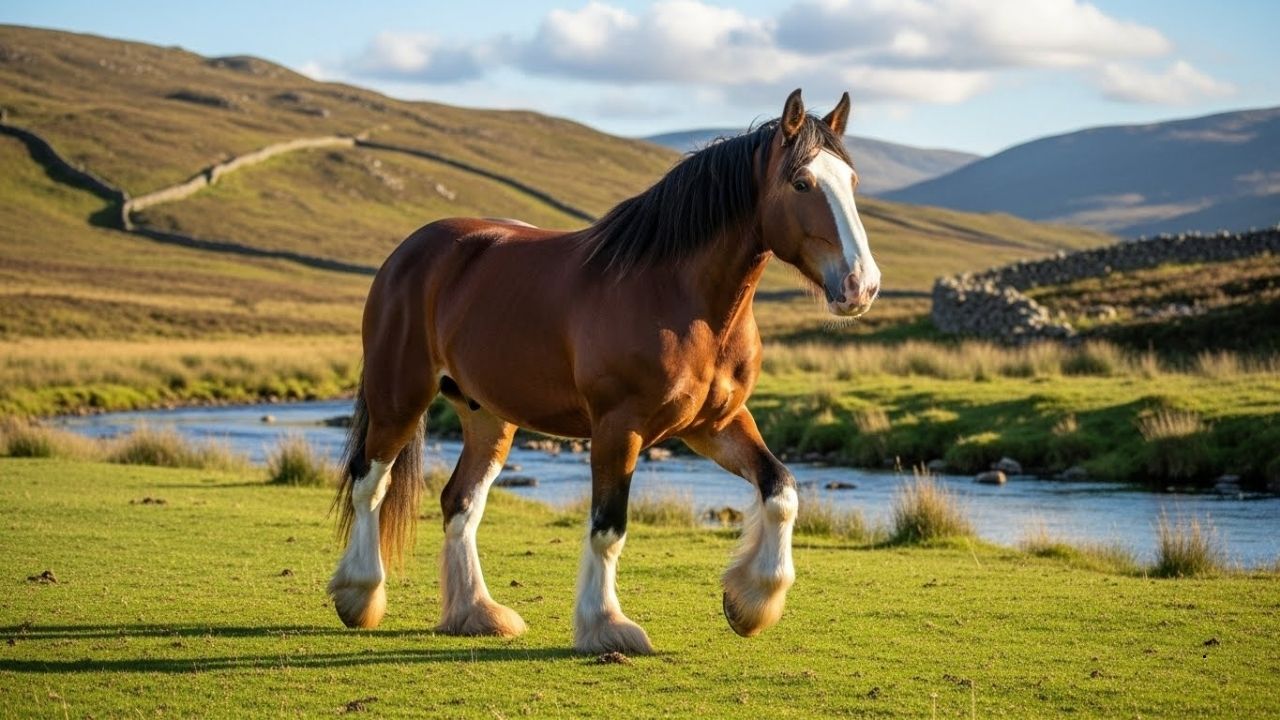
A horse with royal heritage moves with unmatched dignity and poise, its every step precise yet effortless. The rhythm of its gait, the carriage of its head, and the strength in its body convey nobility that transcends time.
Its presence commands attention without aggression, inspiring admiration through sheer elegance. Generations of careful breeding have preserved these traits, creating horses that embody prestige, grace, and refinement.
From ceremonial appearances to historical roles in courts and parades, these horses have long symbolized wealth and influence. Their majesty is felt not only in appearance but in the way they carry themselves with authority, calm, and confidence.
In this guide, you will explore the characteristics, history, and allure of horses known for royal heritage, discovering what makes their presence truly unforgettable.
Key Takeaways
Royal heritage shines in horses that move with both strength and elegance, turning every field or arena into a showcase
Thoroughbreds sprint with effortless grace while Arabians balance speed and stamina, showing why royalty has always prized them
Andalusians and Friesians add flowing manes and strength that make every step a statement of power and poise
Reading through these breeds reveals a living connection to centuries of tradition and nobility
Horse breeds known for royal heritage
1. Thoroughbred
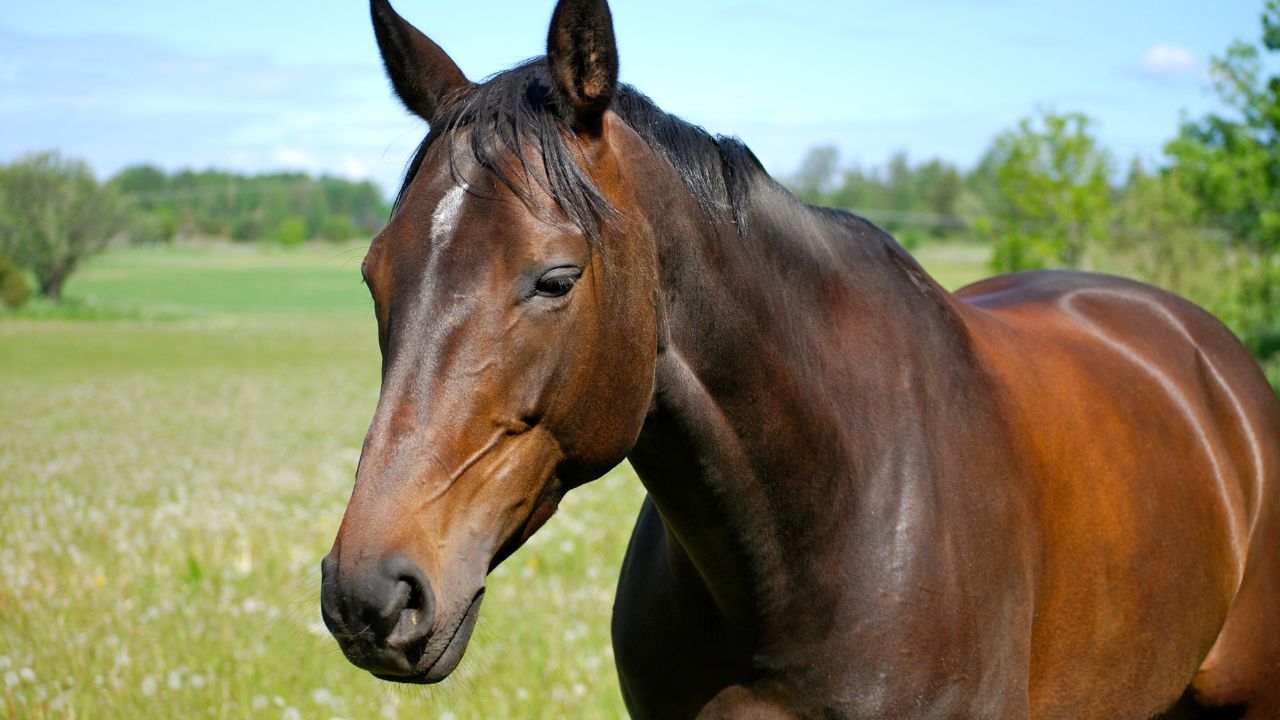
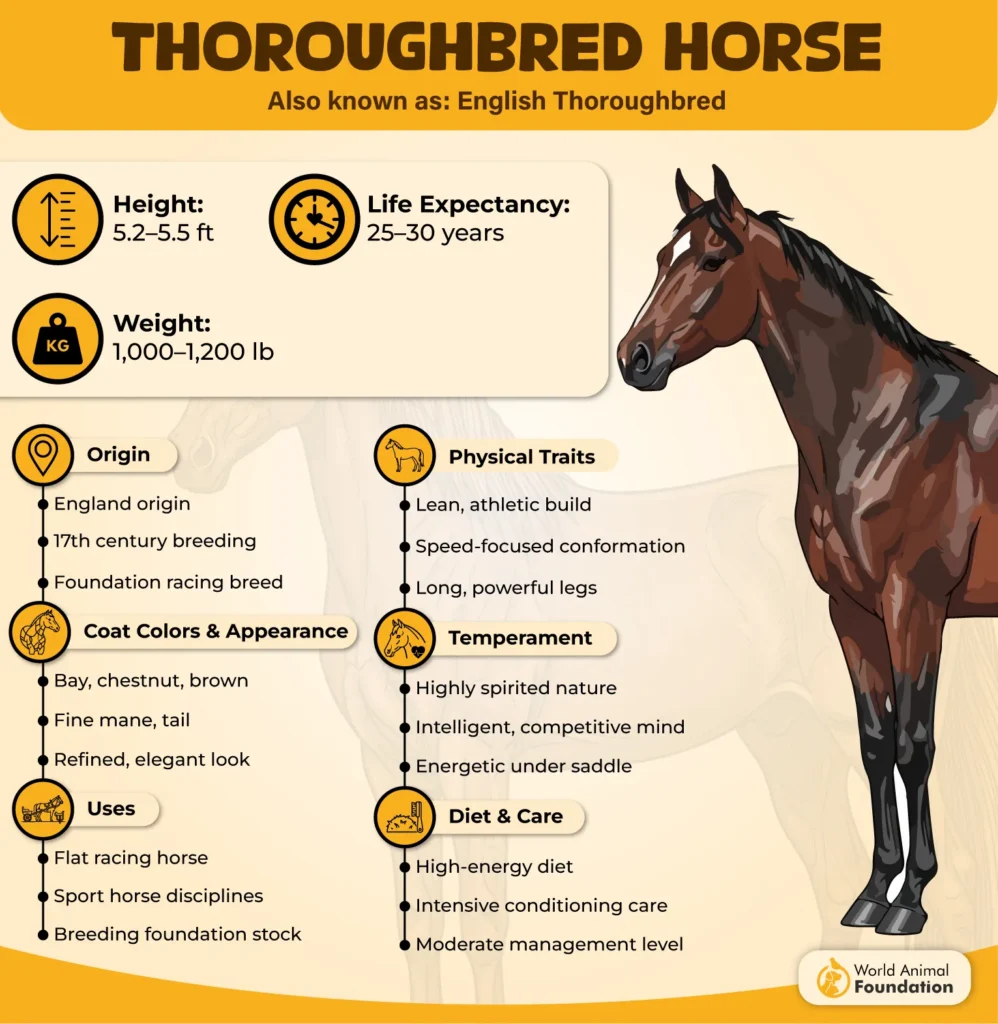
Thoroughbreds combine elegance with athletic energy, making them instantly recognizable in open fields or arenas. Their long legs and lean build give them an effortless stride that commands attention. These horses move with a grace that reflects both strength and agility.
Speed and Versatility
Their structure supports high-speed performance across different challenges, as Mad Barn mentioned. This athleticism makes them effective in activities requiring precision and endurance.
A few features stand out for their royal appeal:
Exceptional pace and quick acceleration
Strong jumping ability over obstacles
Smooth transitions in structured work
Royal Legacy
Queen Elizabeth II treasured these horses for both racing and leisure. Aureole, inherited from King George VI, achieved multiple wins and became a personal favorite. Estimate, another of her mounts, won the Gold Cup at Ascot in 2013, highlighting the breed’s combination of beauty and competitive edge.
2. Arabian
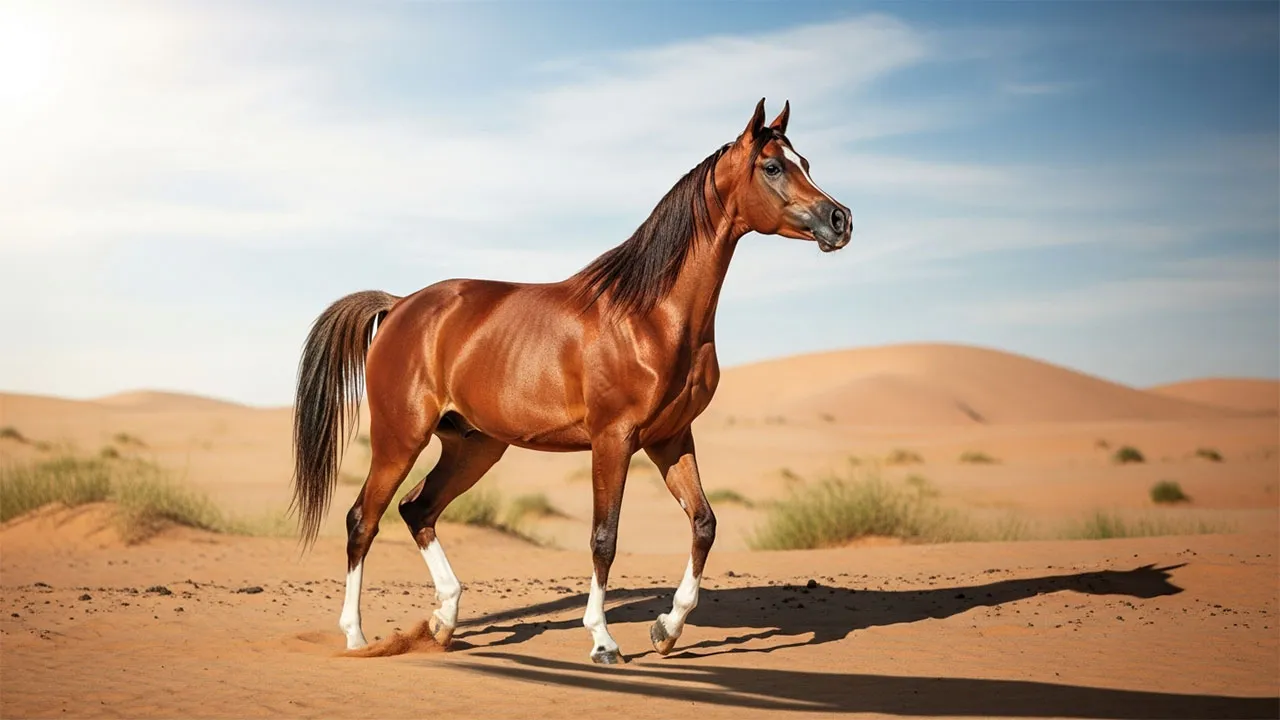
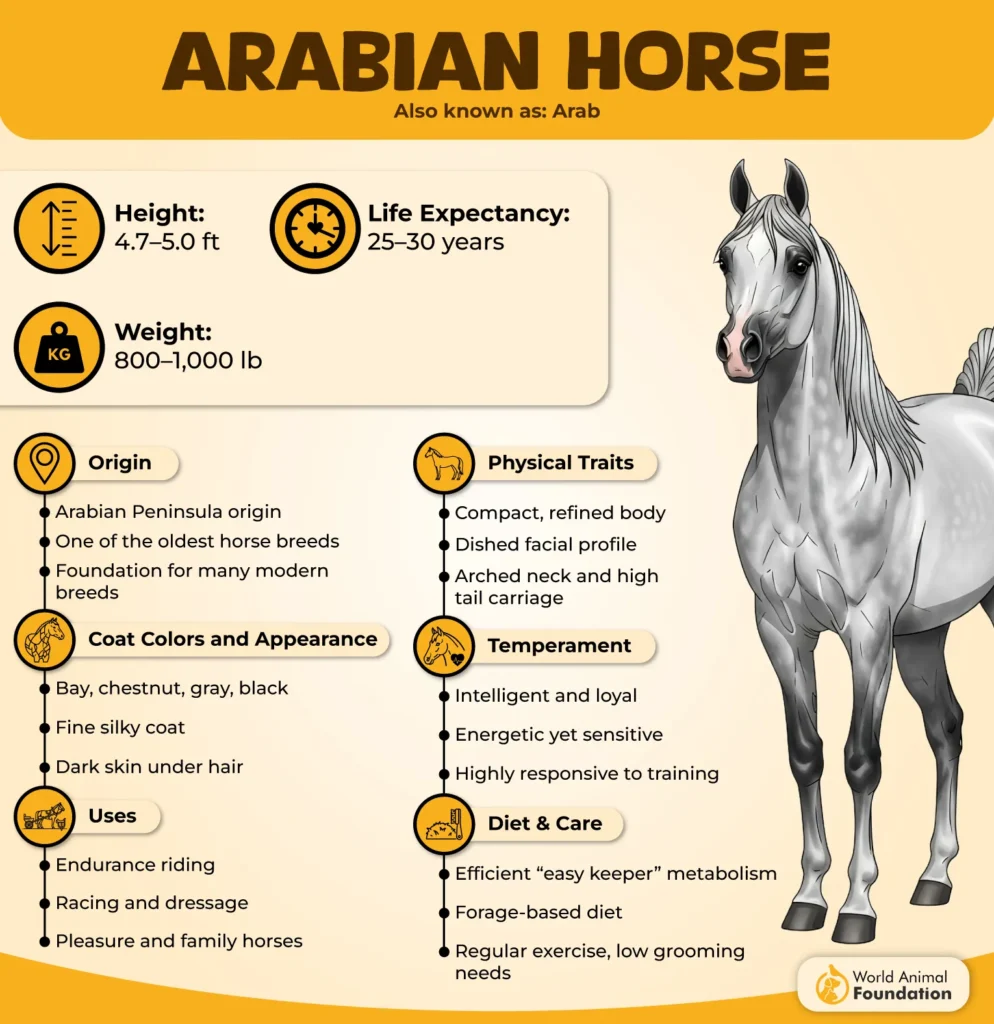
Arabians are known for their intelligence and elegant structure, with a small head, arched neck, and high tail. Their strong frame and speed make them stand out among royal horse breeds. These traits give them a presence that feels both commanding and approachable.
Strength That Shines
This breed combines power and balance in a way that supports versatility in riding and equestrian sports. They move with precision across arenas or open terrain, making each stride confident and controlled.
Key qualities that enhance their royal stature:
Quick, fluid movement
Stamina over long periods
Calm under focused activity
Royal Appeal
Arabians have a history of being favored by kings and queens for their elegance and charm. Their friendly nature and refined looks suited ceremonies and leisure alike. These horses often embody the poise expected of elite royal companions.
3. Andalusian
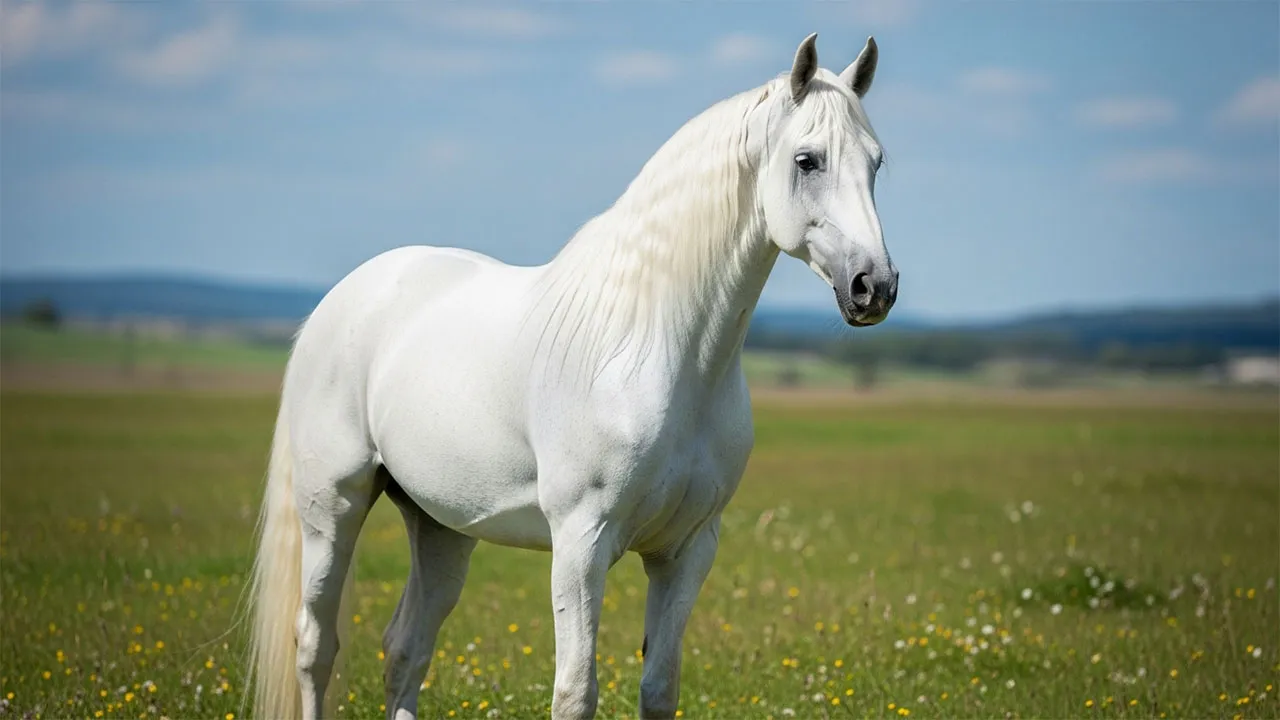
Andalusian horses move with elegance that captures the eye at first glance. Their proud stance and thick flowing mane give them an unmistakable presence on parade grounds or open fields. Each step is smooth and measured, showing strength in every movement.
Strength in Every Step
These horses blend power and poise in a way suited for performance and ceremonial displays. Their agility allows them to execute complex maneuvers while maintaining composure on varied terrain.
Noticeable features include:
Balanced and precise footwork
Strong, muscular build for endurance
Natural rhythm in motion
A Legacy Woven in History
Andalusian horses earned their title as the royal horse of Europe through centuries of use in parades and battles, as per Konno Przez. Their majestic appearance and noble bearing symbolize power and status. This combination of elegance and strength ensures they remain admired in equestrian circles.
4. Friesian
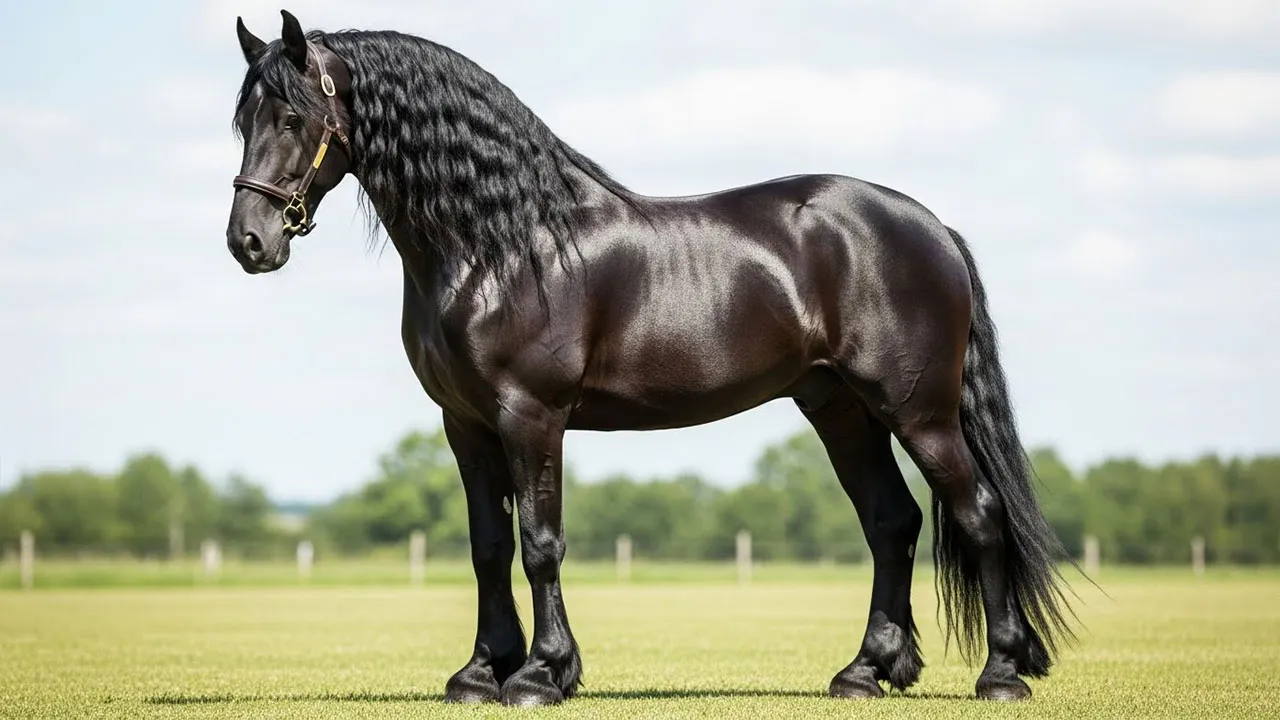
Friesians impress immediately with their glossy black coat and flowing mane. Their graceful, powerful movements make them stand out in any setting. This elegance is more than appearance; it shows in the way they handle varied terrain during processions and shows.
Strength and Poise
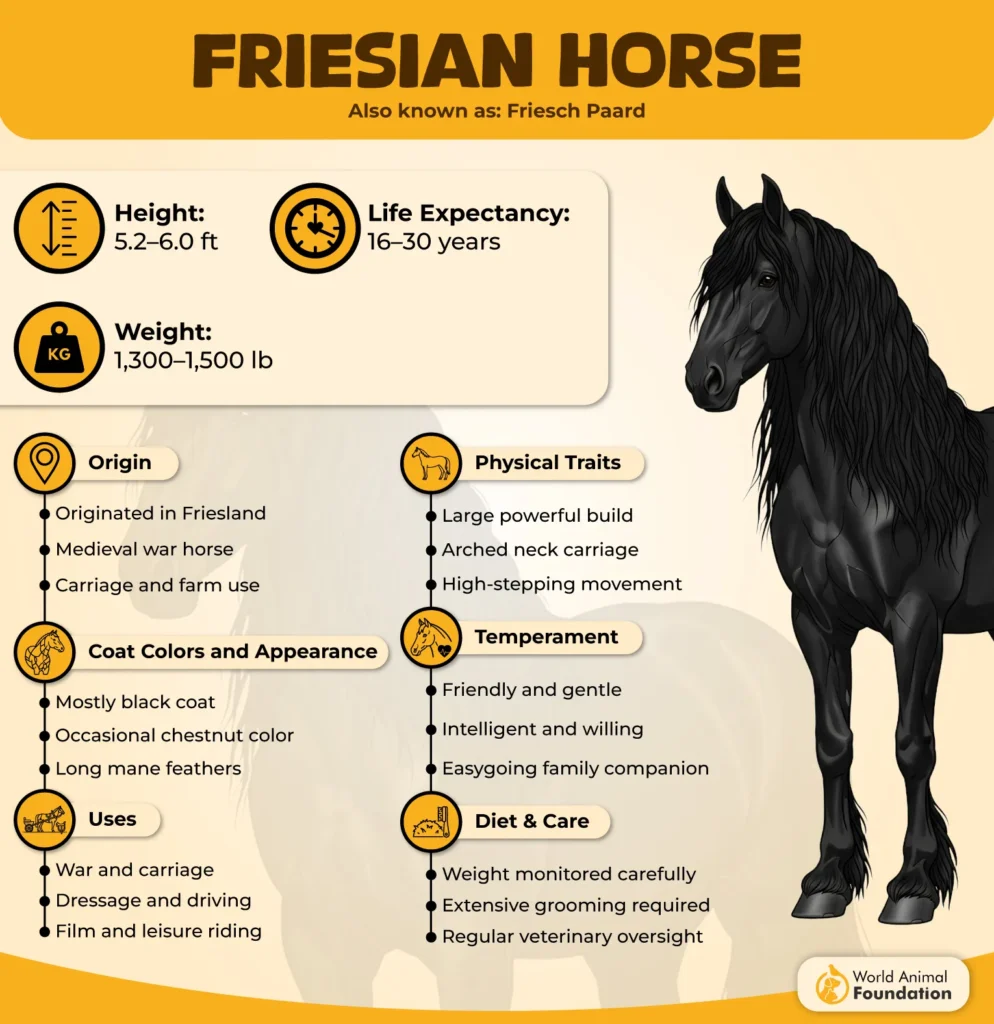
Beyond beauty, Friesians have a solid, muscular build that supports smooth and controlled movement. Their calm and willing nature lets them maintain composure in ceremonial settings and formal rides.
Their build aids precise, steady movement:
Strong, balanced gait
Controlled steps on uneven ground
Impressive stamina over long performances
Historical Charm
These horses were favored in royal processions and carriage events, symbolizing wealth and influence. Their majestic appearance helped them secure roles in elite ceremonies for centuries. This background gives them an air of sophistication in modern equestrian displays.
5. Clydesdale

Clydesdales carry a quiet strength paired with a gentle temperament that fits royal heritage perfectly. Their large, muscular build and feathered legs give them a majestic presence in parades and formal events. The bay coat with white markings adds to their elegant appearance.
Grace in Motion
Despite their size, these horses move with surprising ease and balance, which makes them impressive in shows and ceremonies.
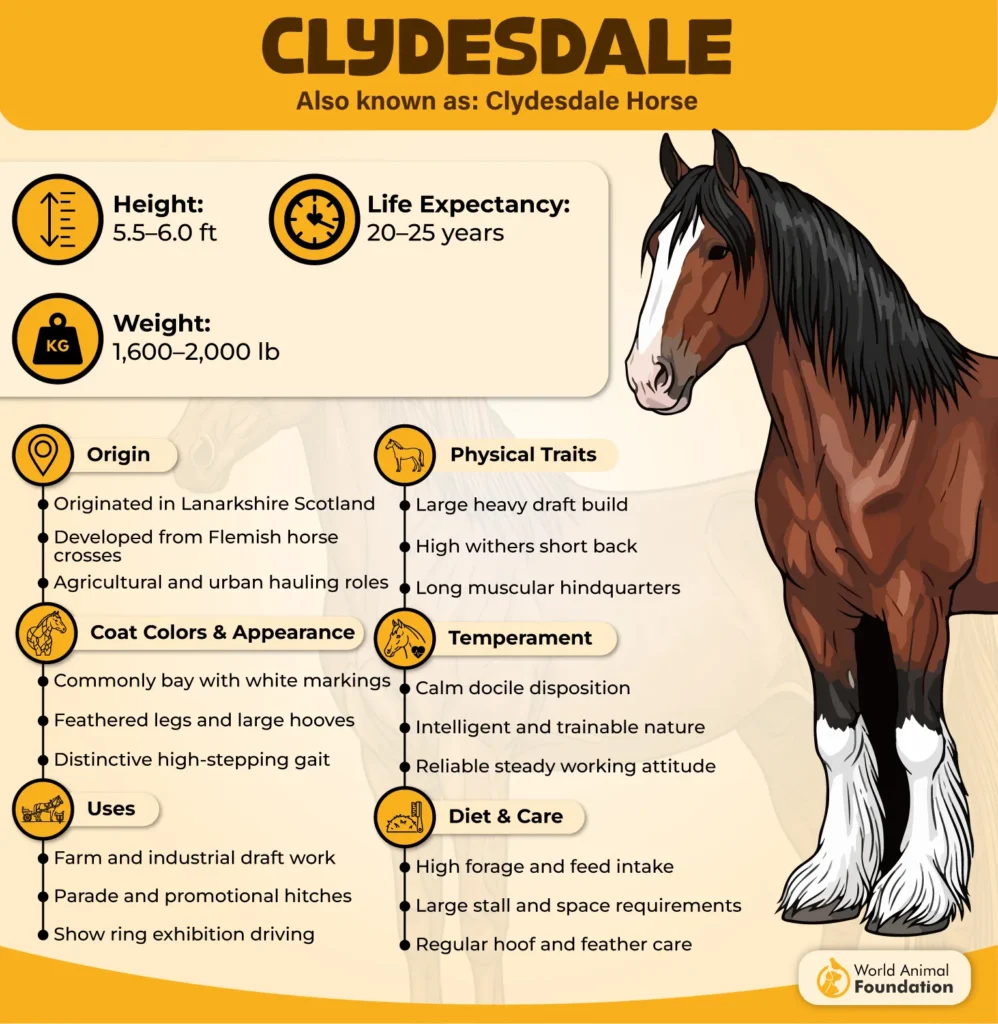
These qualities highlight their royal suitability:
Smooth, steady gait on varied surfaces
Feathered legs that protect in outdoor displays
Strong, controlled movements that emphasize poise
A Royal Connection
This breed has long been admired by British royalty, with Queen Victoria owning a Clydesdale stallion, as CBC writes. Their combination of strength, elegance, and calmness made them symbols of pride and tradition. Clydesdales were frequently used in royal stables for display and ceremonial purposes.
6. Hackney
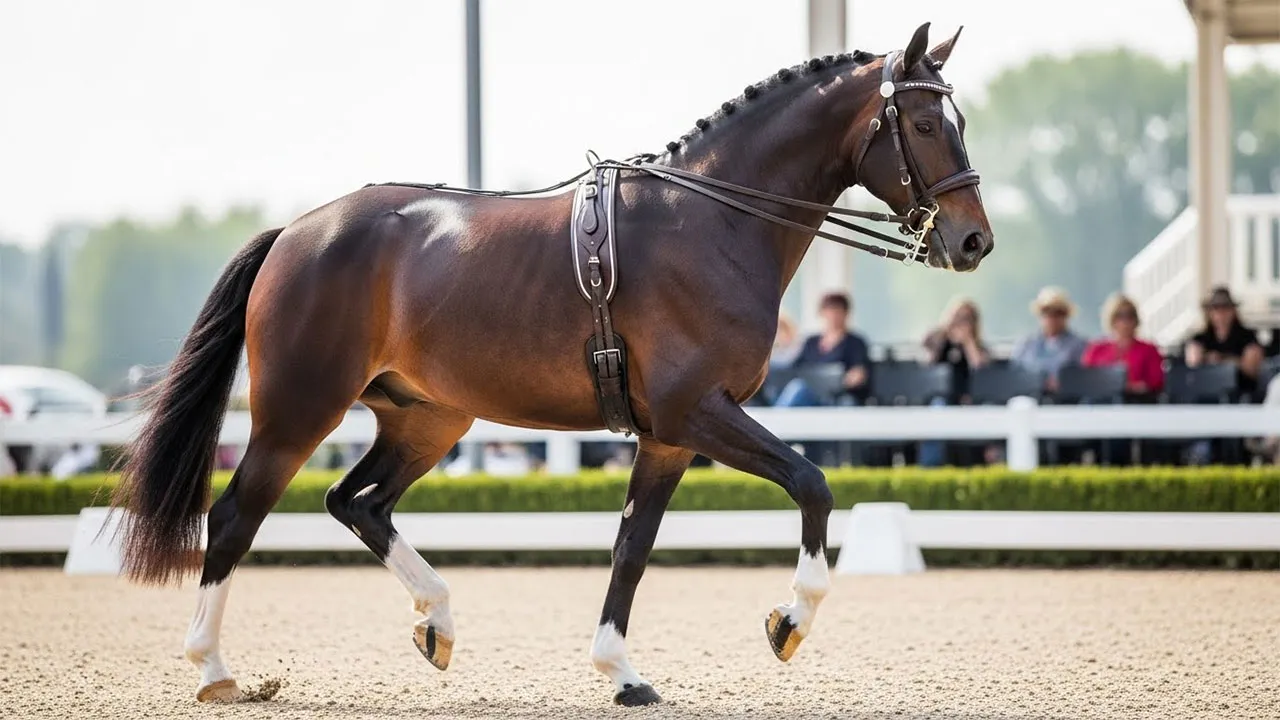
Hackney horses are famous for their high-stepping trot that captures attention in every parade and show. Their proud neck and strong legs create a presence that feels both lively and regal. This energy gives them a striking way of moving across open spaces and formal events.
Energy and Style in Motion
Smart and full of vitality, Hackneys respond quickly to direction while maintaining rhythm. Their flashy motion makes them stand out, especially in environments that demand poise and precision.
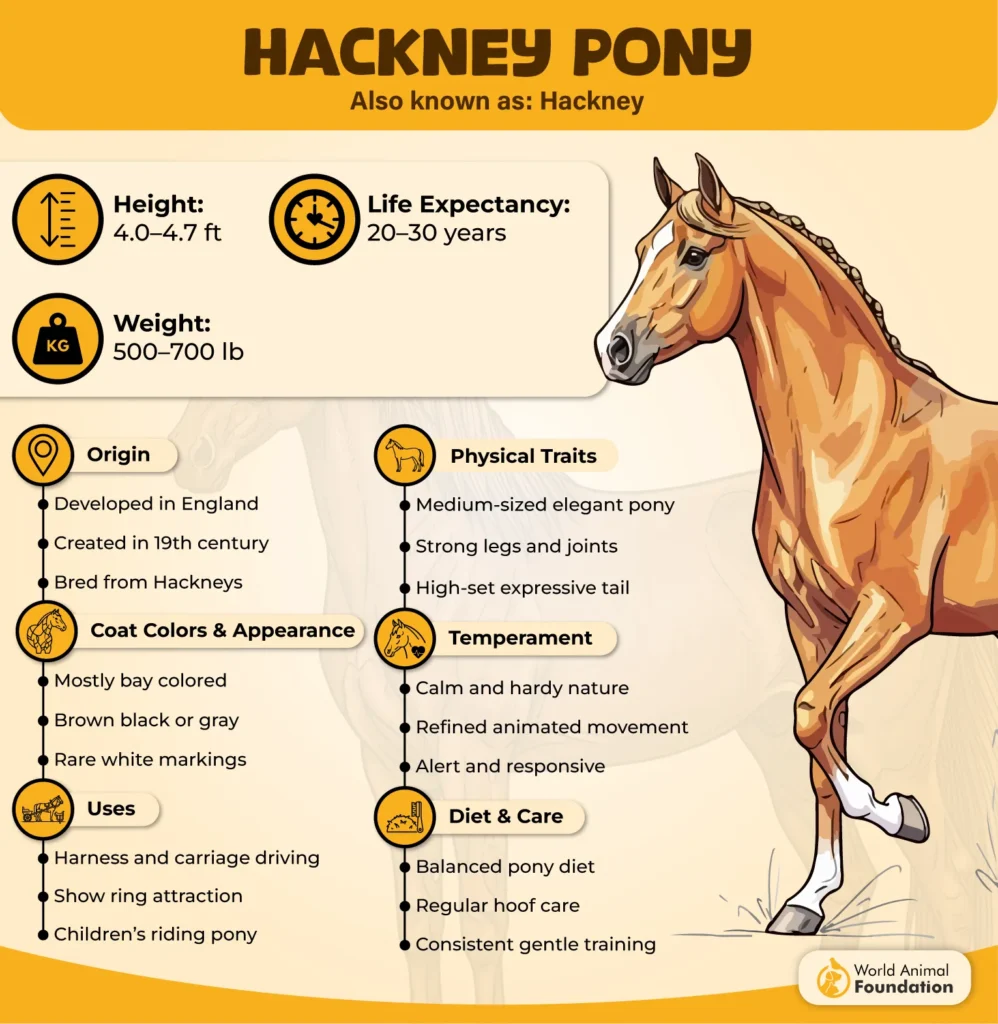
You can see their energy in these features:
Strong, agile legs
Balanced and rhythmic trot
Attention-grabbing posture
Royal Appeal
Hackneys were a preferred choice for British nobility, often pulling carriages in grand events. Their stylish appearance matched the elegance expected in royal courts. This connection with tradition reinforces their role as symbols of heritage and refinement.
7. Lipizzan
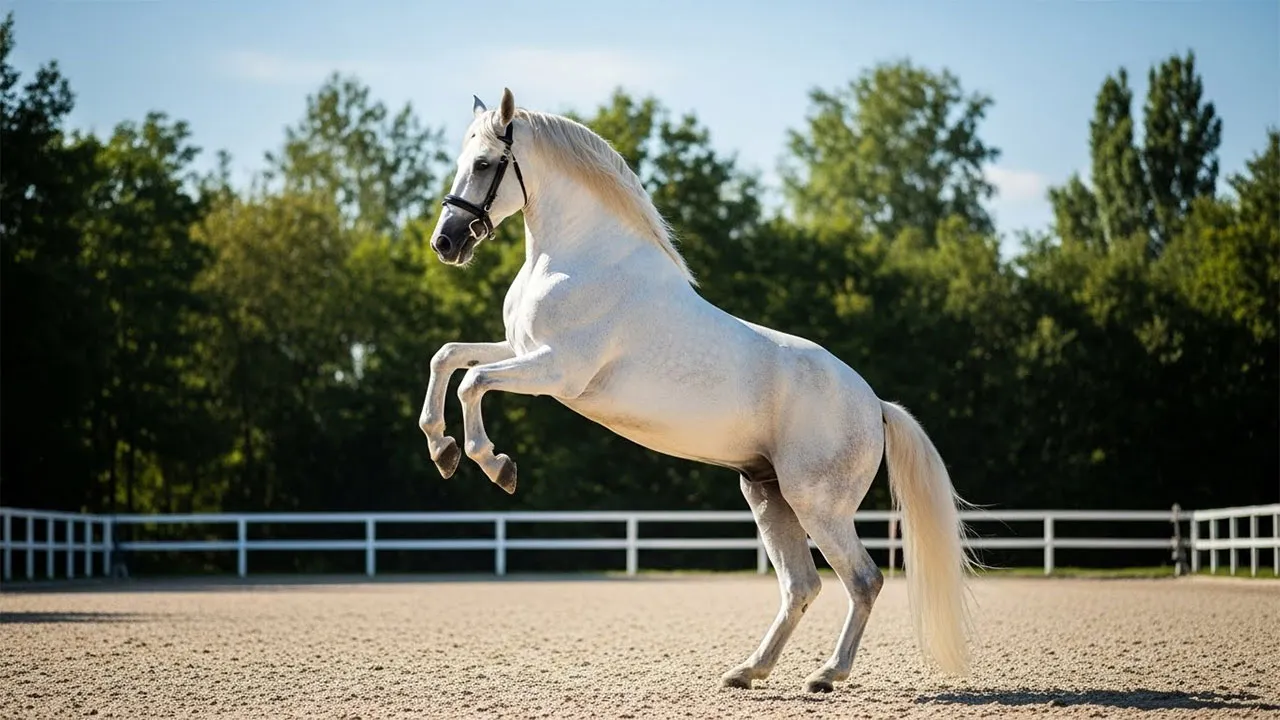
Lipizzans carry a powerful build that allows precise and controlled movements across any surface. Their grace and poise make them perfect for formal performances that require skill and focus. This combination of strength and finesse reflects the royal attention they were bred for.
Mastery in Motion
These horses perform complex classical dressage routines that highlight their discipline and agility. Their bodies adapt to demanding movements while staying balanced and coordinated.
Here’s how their training reflects in motion:
Elevated steps powered by strong hindquarters
Smooth transitions between intricate movements
Consistent rhythm even in advanced maneuvers
Royal Connection
Lipizzans were treasured by the Habsburg monarchy and trained at the Spanish Riding School in Vienna. Their discipline and elegance made them a symbol of refinement and ceremonial tradition. These horses remain living representatives of noble equestrian heritage.
Conclusion
Horses with royal heritage continue to inspire admiration through their movement, strength, and poise. Riding horses from native breeds shows how centuries of careful breeding preserve elegance, agility, and endurance. Racehorses like Thoroughbreds demonstrate the blend of speed and refinement valued in royal mews, while Andalusians and Friesians carry tradition through ceremonial appearances.
Even smaller native breeds reveal grace that complements their stature. Across parade grounds and open fields, these horses embody discipline, charm, and power. Whether in classical dressage or high-speed gallops, each breed reflects the living history of nobility and the enduring appeal of riding horses prized for prestige.
