




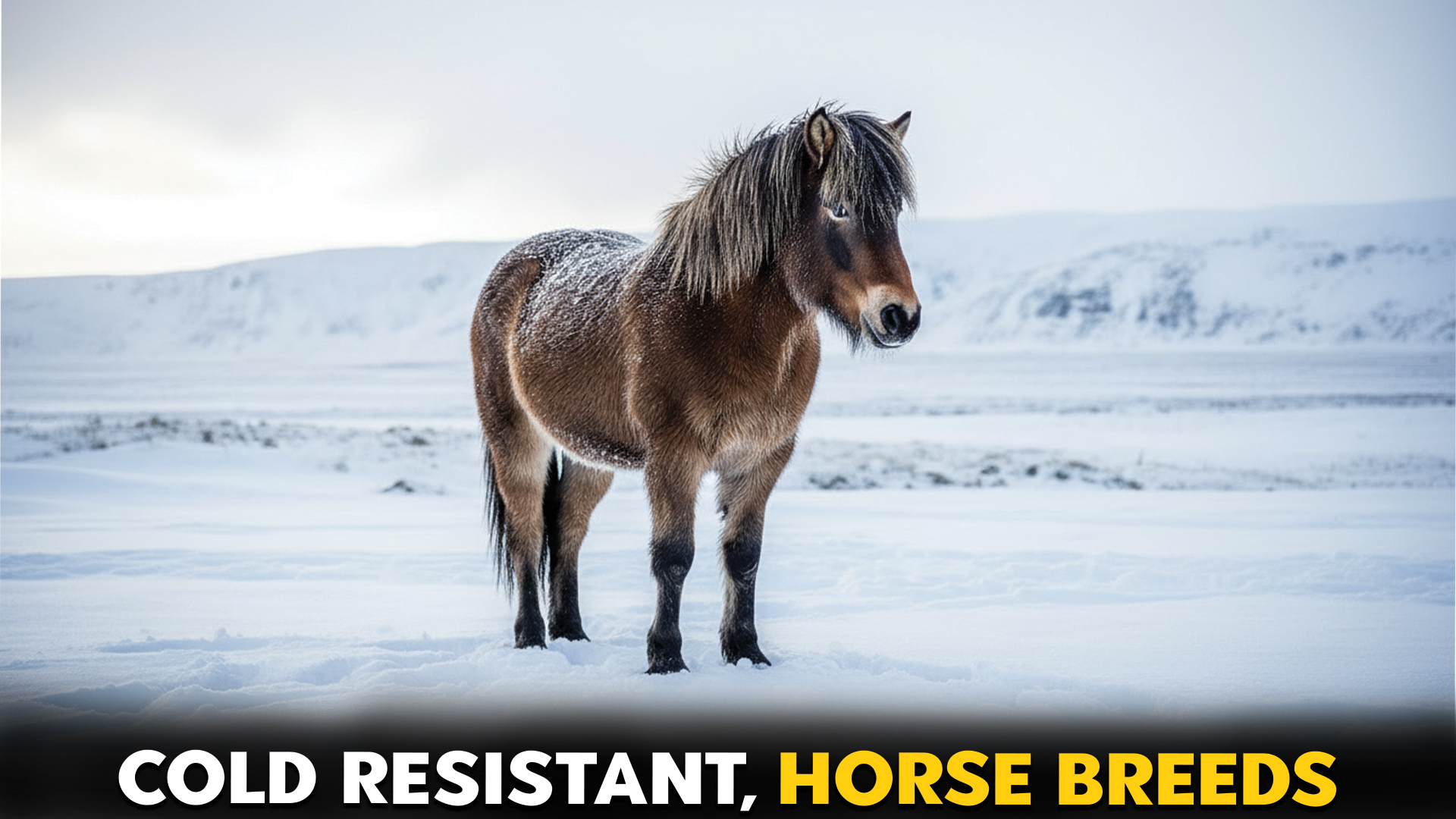
Cold reshapes everything it touches, especially living bodies. For certain horse breeds, extreme cold tolerance is not an advantage added later but a condition written into their survival.
These horses were shaped in regions where snow settles deep, winds cut sharply, and warmth must be preserved with care. Their bodies respond to freezing temperatures with quiet efficiency. Dense winter coats grow thick at the right time. Metabolism adjusts without strain. Movement becomes deliberate, conserving strength rather than wasting it.
Cold does not disrupt their balance or cloud their instincts. It sharpens them. Life in these environments demands patience, endurance, and an ability to remain steady when comfort disappears. These horses meet that demand without hesitation, moving through winter with calm presence and physical certainty.
In this article, you will learn how these horses developed such resilience, how their bodies function in severe cold, and why their tolerance remains unmatched in frozen environments.
Key Takeaways
When temperatures drop and snow blankets the land, only certain horses continue without hesitation.
Icelandic Horses move steadily across frozen ground, their dense coat and unique tölt gait keeping them balanced even on ice.
Yakutian Horses can tolerate temperatures as low as minus seventy degrees Celsius while digging through snow to find food.
By the end, you’ll see which seven breeds carry endurance, calm, and intelligence that let them master winter with ease.
Horse breeds known for extreme cold tolerance
1. Icelandic Horse
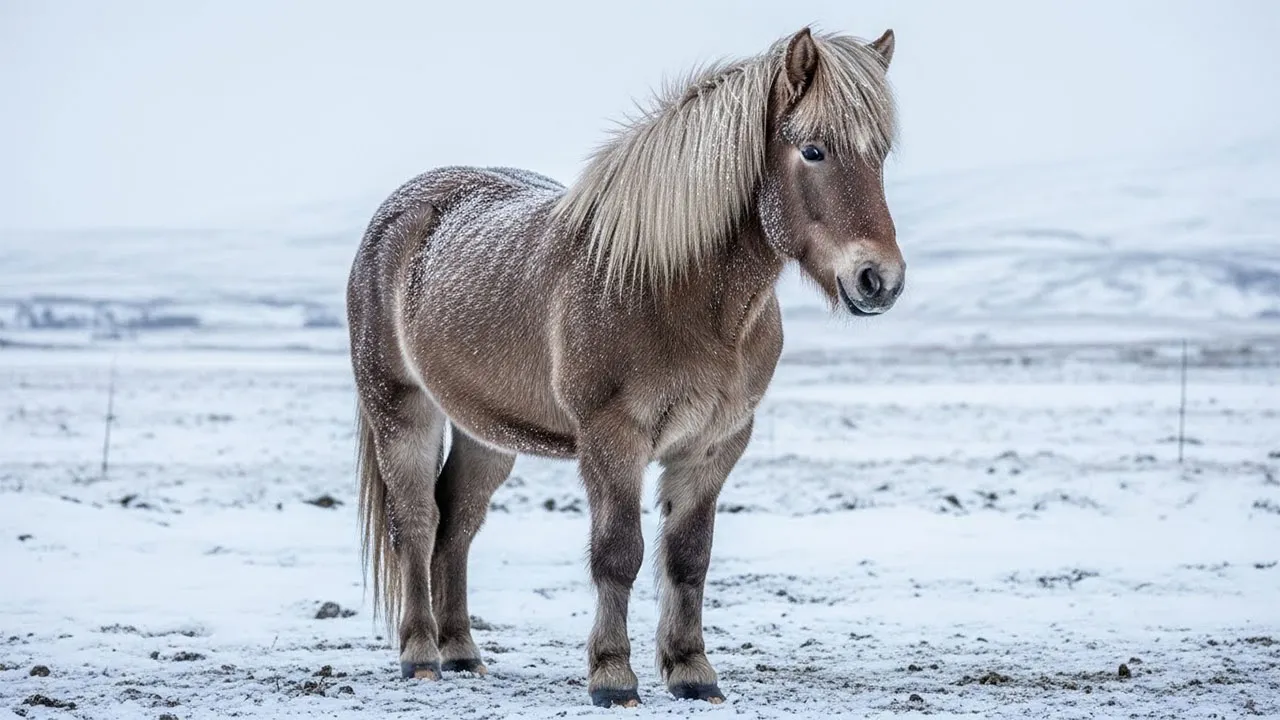
The Icelandic Horse shows its strength through its ability to stay functional in harsh winter conditions. Dense insulation protects the body from freezing temperatures while conserving energy in prolonged cold. This resilience makes daily movement possible even when snow and wind dominate the landscape.
Built for Frozen Ground
Strong legs and a compact frame help maintain stability on slick and uneven surfaces. Movement stays controlled and efficient when paths turn icy or packed with snow.
All of this is reflected in the features that follow:
Thick double-layered coat
Stable footing on ice
Efficient heat retention
Smooth Movement in Winter Terrain
This horse is also known for the tölt, a gait that stays steady regardless of frozen ground, as per PetMD. This smooth motion reduces strain during long periods of travel across snow-covered areas. It also helps maintain balance, where slipping would challenge other breeds.
2. Yakutian Horse
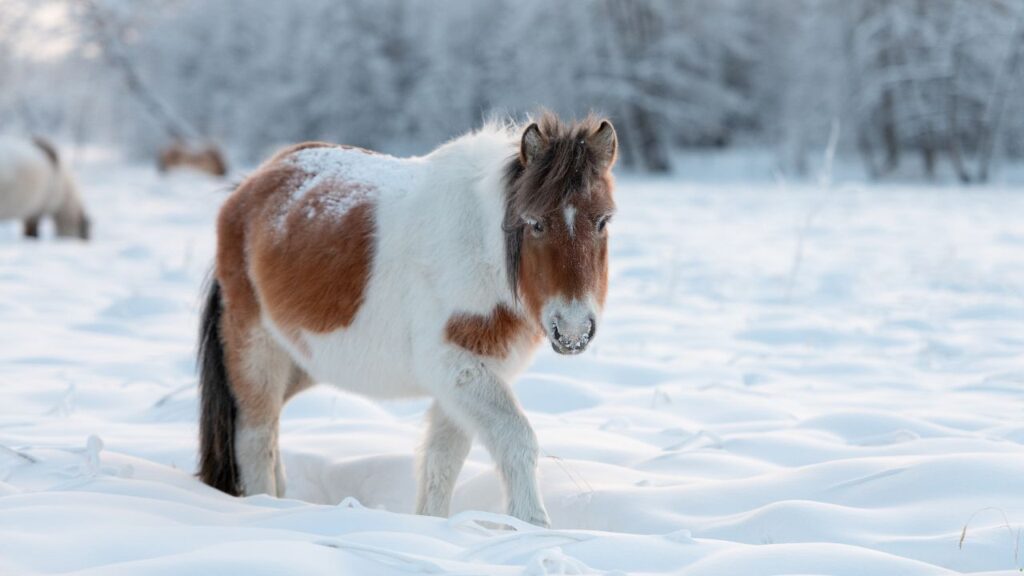
The Yakutian Horse has an unmatched ability to function in deep winter without artificial shelter. A dense, woolly coat forms naturally as temperatures plunge, protecting the body from prolonged exposure to severe cold.
Snow Handling and Self-Reliance
The Yakutian Horse is known for staying functional even when food sources are buried under snow. It uses strong instincts to locate forage beneath frozen layers, reducing dependence on stored feed.
A closer look explains why
Thick winter coat growth
Efficient energy conservation
Ability to dig through snow for food
Extreme Temperature Resistance
This horse breed is widely documented for tolerating temperatures as low as minus seventy degrees Celsius. Cold that cracks wood and freezes metal does not interrupt daily movement or feeding patterns. This resistance is not seasonal luck but a consistent biological response to Arctic winters.
3. Norwegian Fjord
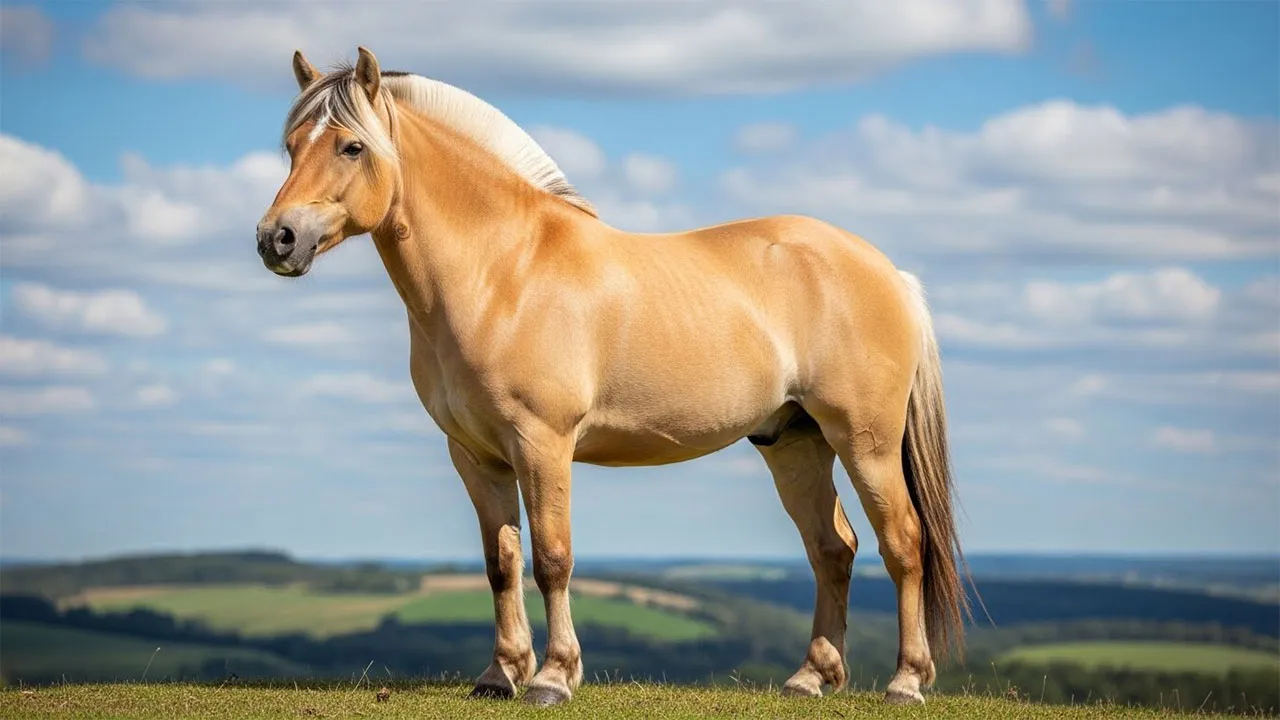
Norwegian Fjord shows its cold readiness through a thick, weather-resistant coat that shields the body from biting winds. That natural barrier helps maintain warmth during long exposure to snow and freezing air. This physical setup supports steady work in environments where cold is constant.
Secure Movement on Icy Ground
Norwegian Fjord handles slick terrain with confidence thanks to a compact frame and firm footing, as FEI states. Strong hooves help reduce slipping on ice and packed snow.
That reliability becomes clear through a few practical advantages:
Dense coat that blocks cold
Hooves built for traction
Balance on frozen surfaces
Built for Demanding Winter Work
Norwegian Fjord has a long history of working in snowy regions across farming and forestry settings. Strength and a calm working nature allow steady performance when conditions turn harsh. These qualities helped the breed remain useful in daily winter tasks for centuries.
4. Shetland Pony
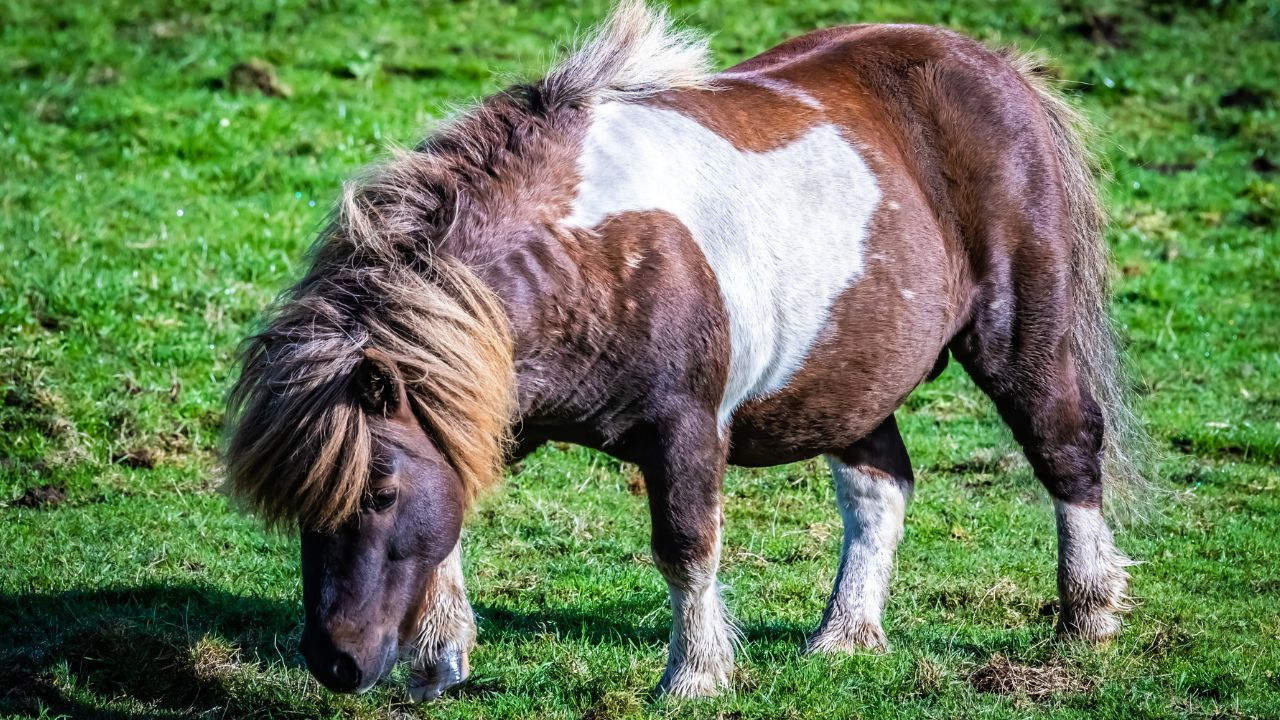
Shetland Pony is tough and compact, built to handle harsh winters with ease. Its thick coat insulates against biting winds and snow, letting it stay active when conditions turn extreme.
These ponies demonstrate strength and endurance well beyond their size, making them practical for cold-weather work.
Strength Packed in a Tiny Frame
Despite being small, Shetlands are surprisingly strong and reliable for rugged conditions, as per Britannica. They manage tasks with remarkable balance and persistence.
These traits come with useful features for winter conditions:
Can pull or move loads much larger than expected
Maintain energy during extended cold exposure
Navigate icy or uneven terrain with sure-footedness
Adaptable Intelligence
This breed handles changing environments with sharp instincts and awareness. They quickly adjust to snow-covered fields, rocky patches, and narrow paths without hesitation. Alertness in the Shetland Pony helps it stay confident and effective in extreme weather conditions.
5. Haflinger
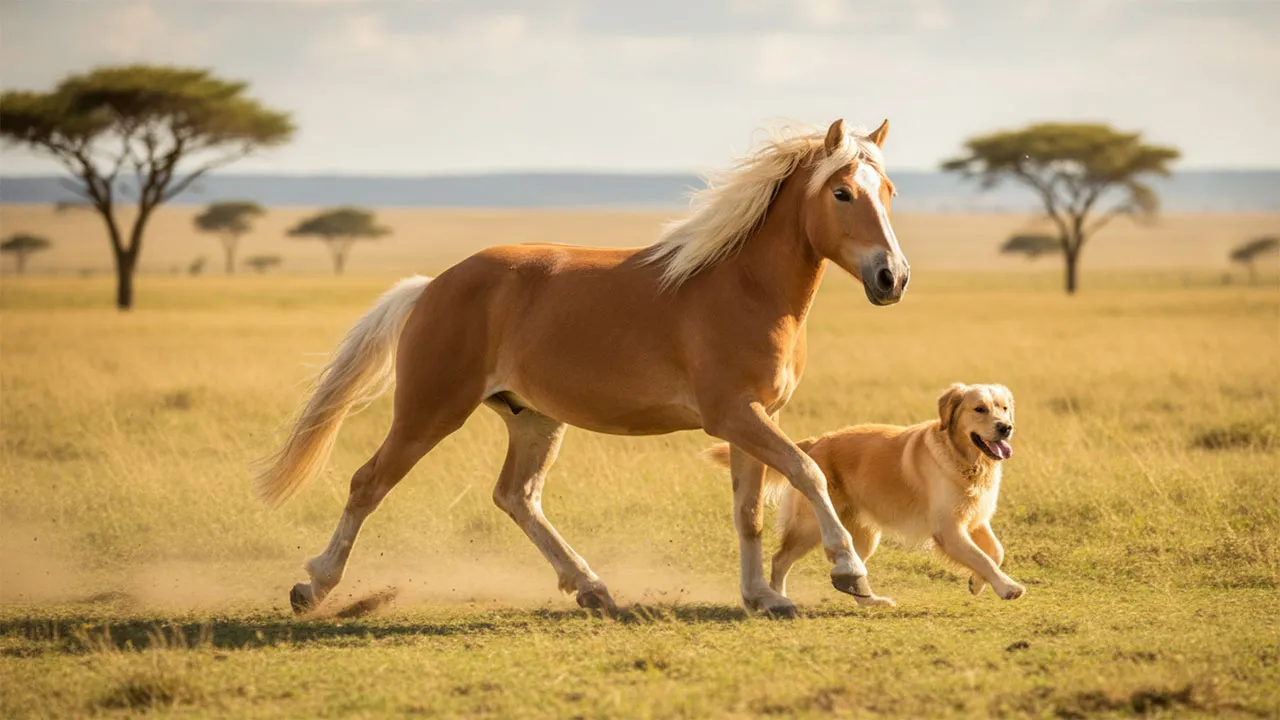
Haflingers handle snowy forests and icy trails with ease thanks to their dense chestnut coat and flaxen mane. Their compact, sturdy build keeps them steady in harsh conditions, allowing them to move confidently across slippery or uneven ground.
Versatile Performance
These horses respond well to a variety of tasks, from riding to driving, while staying composed in challenging terrain. Their intelligence and steady temperament help them navigate long hours outdoors comfortably.
You can see their calmness in these qualities:
Thick coat for cold protection
Sure-footed in snow and ice
Calm and approachable in new environments
Friendly and Alert
Haflingers form strong bonds and remain attentive while working through wooded trails or open snowfields. Their friendly nature helps them cooperate in diverse settings without unnecessary tension. Alertness ensures they notice shifts in footing while maintaining a relaxed manner.
6. Mongolian Horse
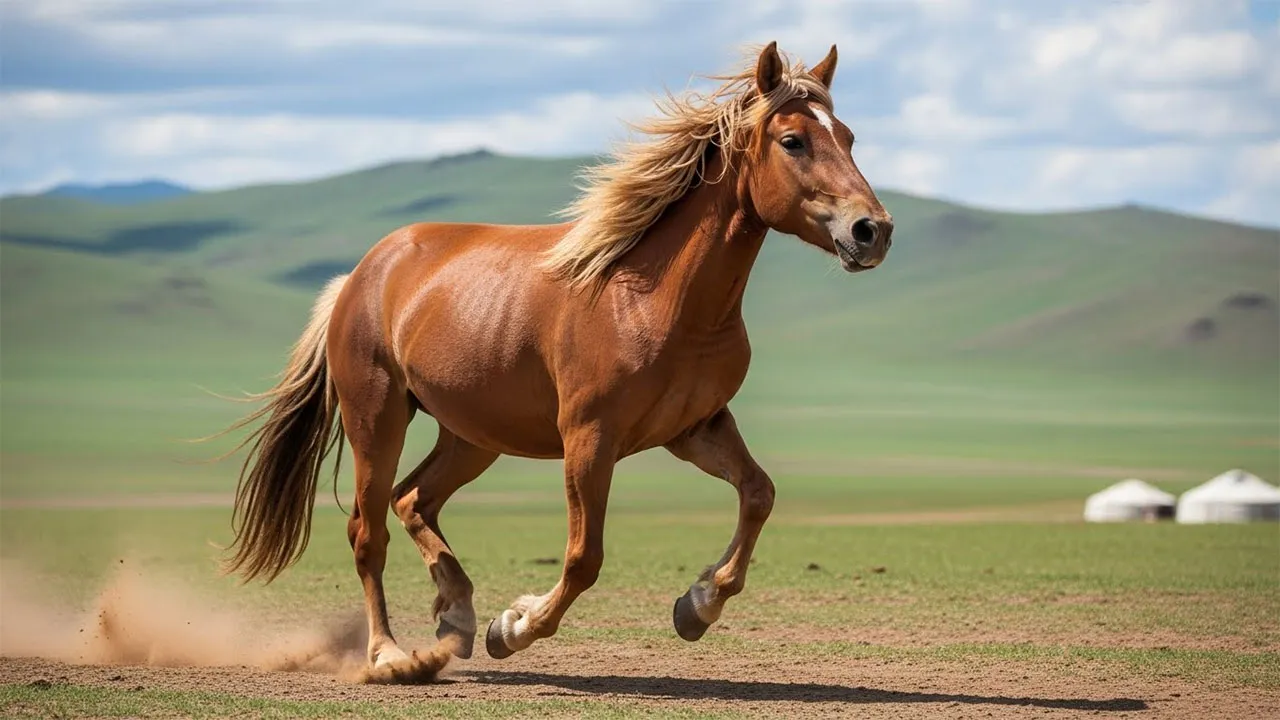
Mongolian Horses are known for withstanding bitterly cold temperatures while remaining active and alert. Their thick, dense coats protect against snow and icy winds, allowing them to roam freely across challenging landscapes. Food scarcity in winter does little to slow their resourceful instincts.
Strength in Every Step
These horses have stamina that lets them travel long distances through tough terrain without losing energy. Their endurance is paired with surprising agility, making movement across the steppes smooth and consistent.
Their resilience appears in these ways:
Ability to navigate snow and uneven ground
Quick recovery after long exposure to cold
Efficient foraging in harsh conditions
Adaptability to Environment
Mongolian Horses adjust easily to sudden changes in weather, staying steady even during storms or blizzards. Their alertness helps them sense obstacles or shifts in terrain, which is crucial in wide-open, rugged spaces. These instincts make them reliable for enduring extreme climates without constant oversight.
7. Exmoor Pony
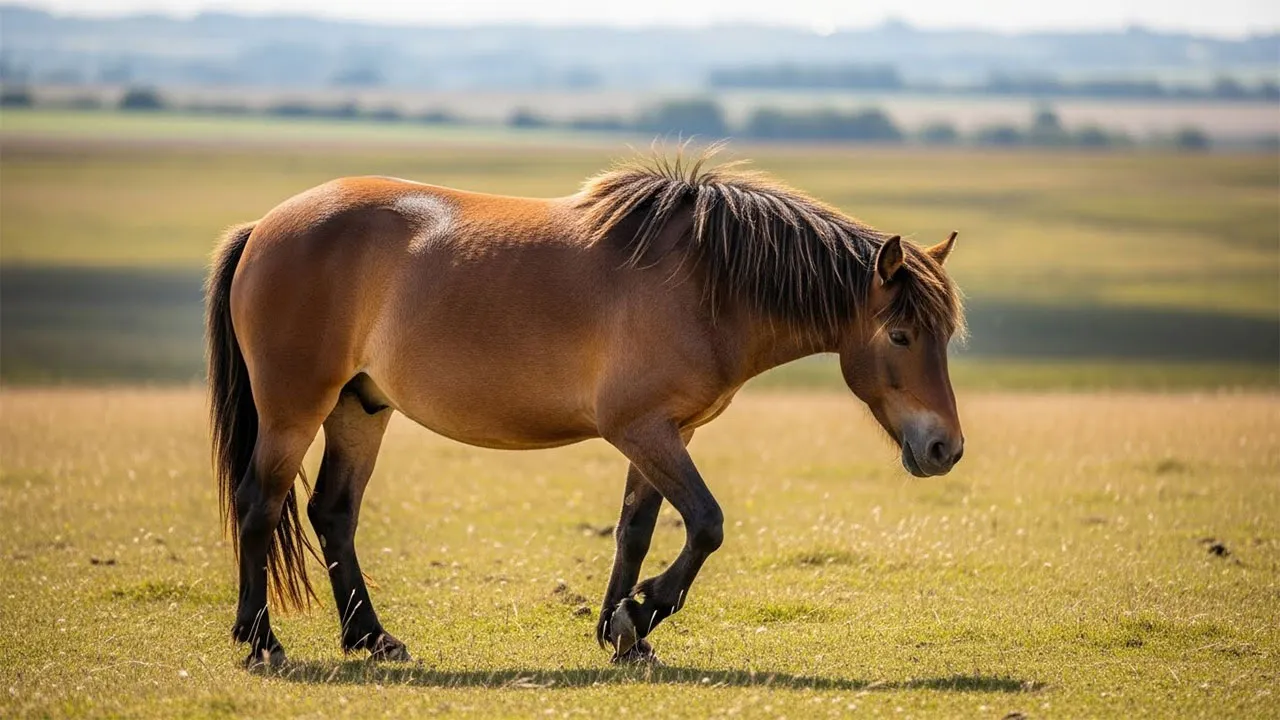
Exmoor Ponies have a thick double-layered coat that shields them from icy winds and heavy snow. Their compact frame and agile legs allow them to move efficiently across rough, frozen terrain. These traits make them reliable companions in harsh, cold environments.
Strength and Survival Skills
These ponies manage challenging landscapes with intelligence and stamina, making them excellent for long outdoor treks. Their alertness helps them navigate obstacles while staying steady on slippery surfaces.
This is how they handle tough terrain:
Maneuverable on icy or uneven ground
Can find food efficiently in snowy areas
Sustain energy during long hours outdoors
Observant and Calm
Exmoor Ponies notice subtle changes in their surroundings, which helps prevent accidents on uneven trails. Their focus is paired with a calm demeanor that keeps them steady even in strong winds. This balance allows them to handle unpredictable winter conditions safely.
Conclusion
Cold defines survival, and these horses answer it with calm certainty. Through winter weather, their bodies regulate body temperature without panic or waste. A thick double coat insulates where shelter fails, while efficient metabolism conserves energy when resources are thin. Across the horse world, few animals move so confidently over rugged terrain with hardy hooves that resist ice and impact.
Their strength is quiet, never hurried, shaped by generations of exposure rather than protection. These horses do not endure winter by chance. They meet it prepared, balanced, and composed, showing how adaptation becomes instinct when survival allows no room for error.
