




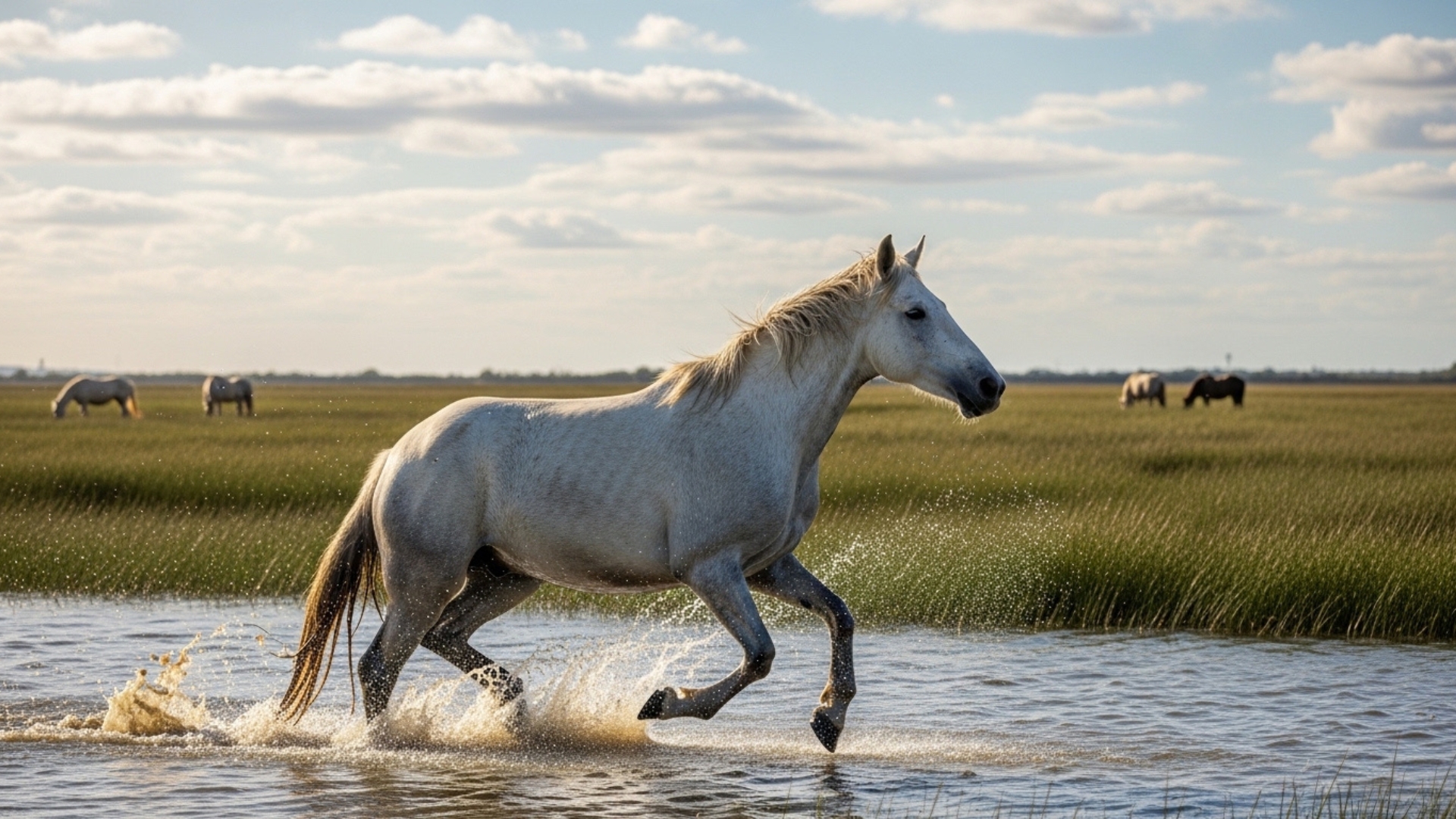
Wet ground can humble even the strongest horse, yet some carry a sense of calm when the earth beneath them shifts. There is a quiet confidence in the way they step, almost as if they have memorized the rhythm of the marsh.
Their movements feel intentional, steady, and patient, shaped by years of living where land and water blend. Riders who meet such horses often describe a different kind of connection, one built on trust in conditions that test balance, footing, and instinct.
These horses learn the language of soft soil and shallow pools in ways that cannot be taught through training alone. They understand how to read the ground, how to slow their breath, and how to remain composed when terrain becomes uncertain.
As you move forward, you will discover what sets these marsh-adapted horses apart and what remarkable qualities await within the full article.
Key Takeaways
Marshy terrain is tough to cross, but some horses move through mud and wetlands with surprising confidence.
Camargue Horses use resilient hooves and steady steps to glide across soft ground while keeping balance in tricky channels.
Exmoor Ponies and Sorraia Horses combine strength, sharp senses, and moisture-resistant coats to handle slippery or uneven areas.
Keep reading to meet all seven breeds that turn marshy landscapes into their natural playground.
Horse breeds adapted to marshy terrain
1. Camargue Horse
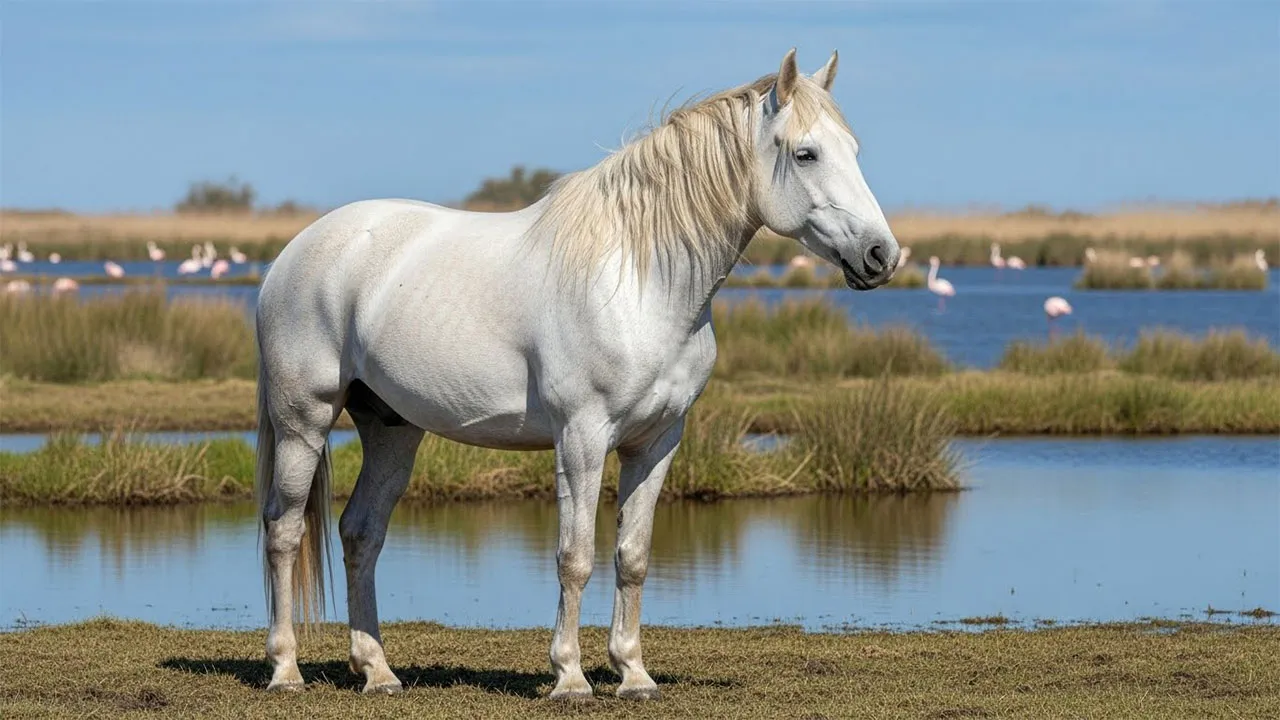
Camargue Horses navigate salt marshes and wetlands with surprising ease. Their hooves and sturdy legs let them move confidently across soft, uneven ground. Survival in semi-feral conditions shaped a horse that is tough, sure-footed, and reliable in challenging terrain, as per Mad Barn.
Adapted for the Environment
These horses developed abilities to handle long hours in rugged wetlands without tiring. Their endurance is matched by a natural intelligence that helps them respond quickly to subtle changes in the landscape.
Small but powerful, they excel in the marshy habitat thanks to:
Resilient hooves for soft mud and shallow water
Agile movements in narrow channels
Calm focus in unpredictable terrain
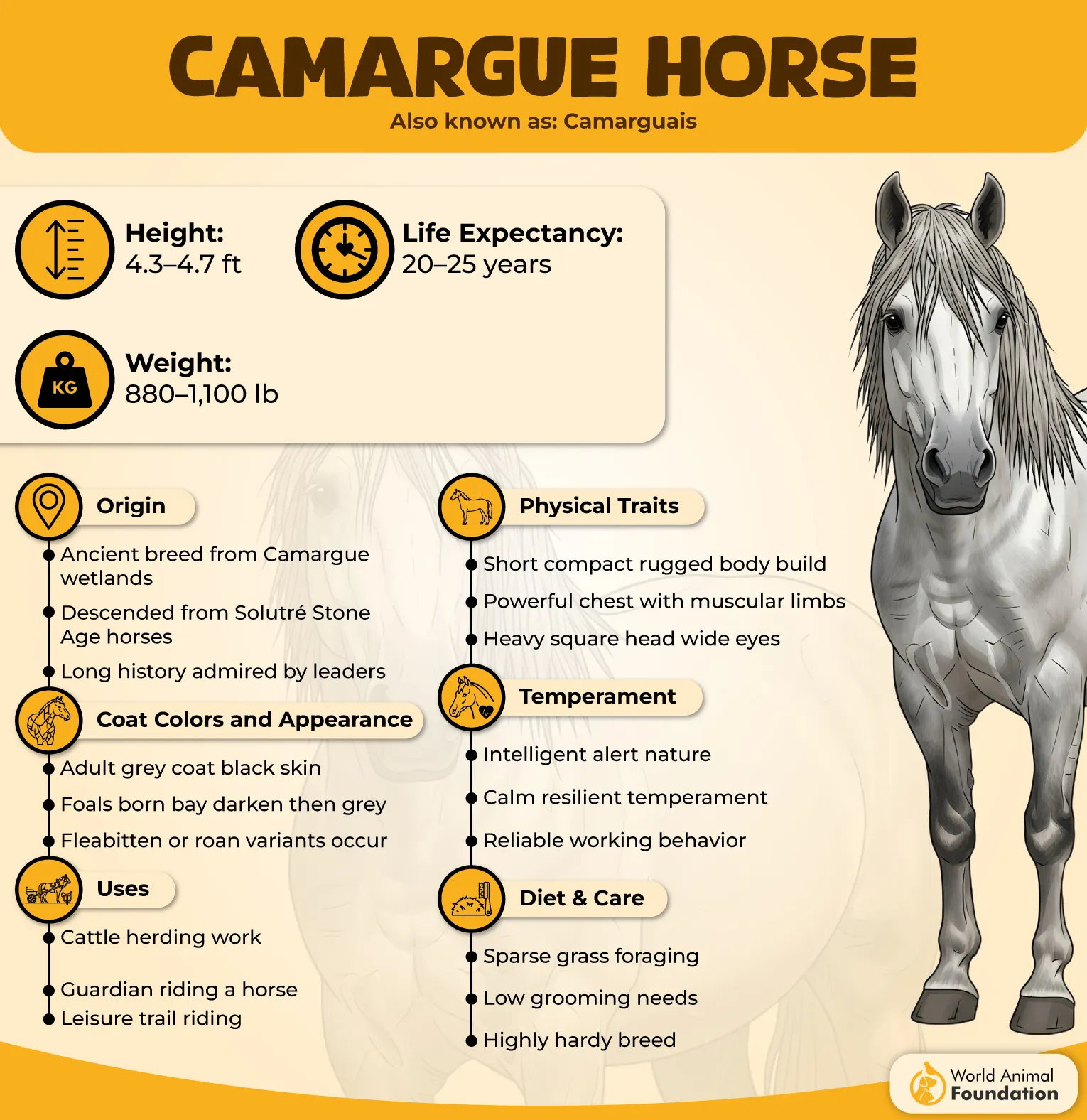
Cultural Role and Work
Camargue Horses have long supported the gardians in herding livestock across wide wetlands. Their instincts and strength make them practical partners for managing animals over large, waterlogged areas. This close link with tradition also emphasizes their adaptability and intelligence.
2. Konik Horse
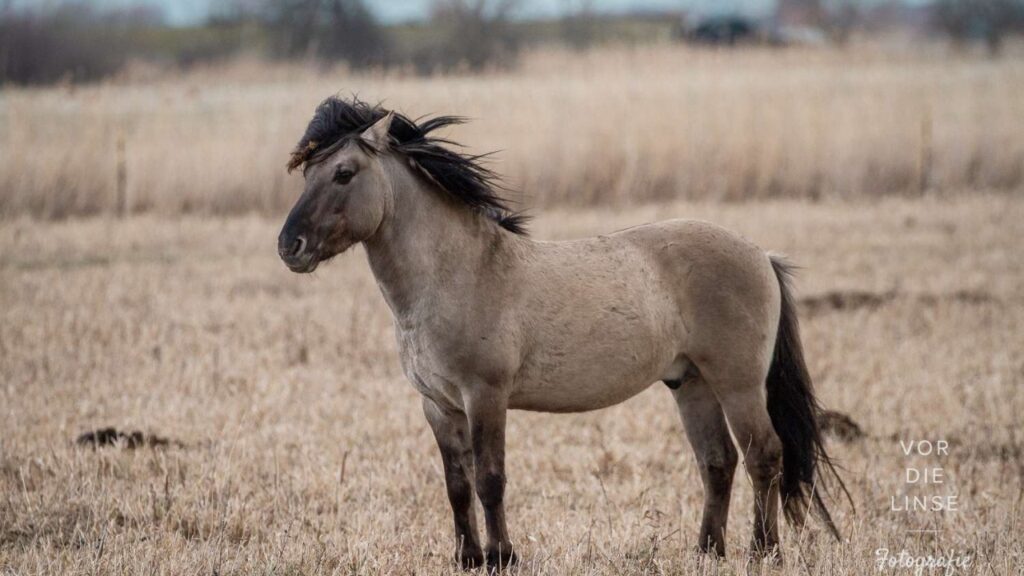
Konik horses navigate wetlands with ease, adjusting their movement to grasslands, mid-forest dunes, and fen meadows. They spend most of their time in open habitats while carefully avoiding dense forests. This preference helps them access resources efficiently across marshy landscapes.
Grazing Patterns
Their feeding choices change depending on humidity, weather, and terrain, allowing them to make the most of wetland environments, as PetMD highlighted. Habits observed over several years highlight specific practical behaviors that influence their habitat use.
Here are those behaviours:
Favoring open grasslands on mineral hills
Utilizing mowed fen meadows selectively
Shifting grazing locations with seasonal moisture
Seasonal and Spatial Adaptation
During the growing season, Konik horses alter their movements to match changing wetland conditions. Semi-feral herds show consistency in using preferred areas while adjusting to yearly differences in rainfall and soil moisture. Their choices create a dynamic balance in heterogeneous marshy terrain.
3. Exmoor Pony
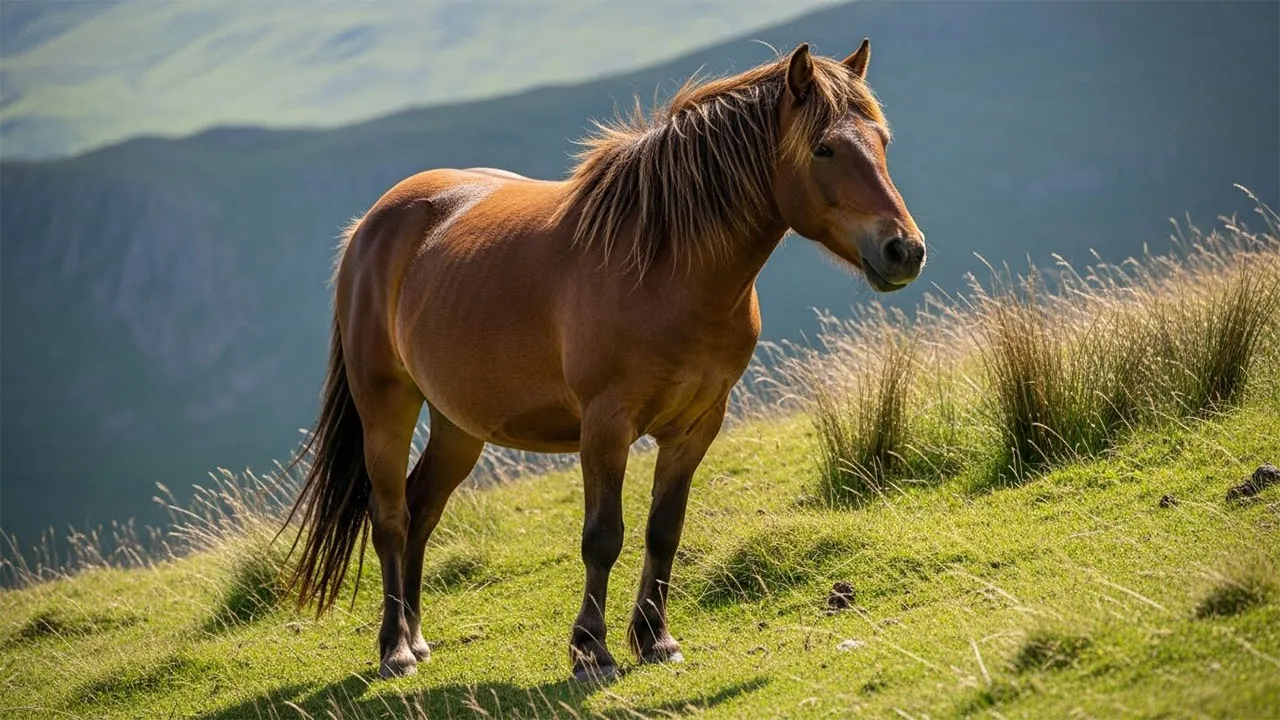
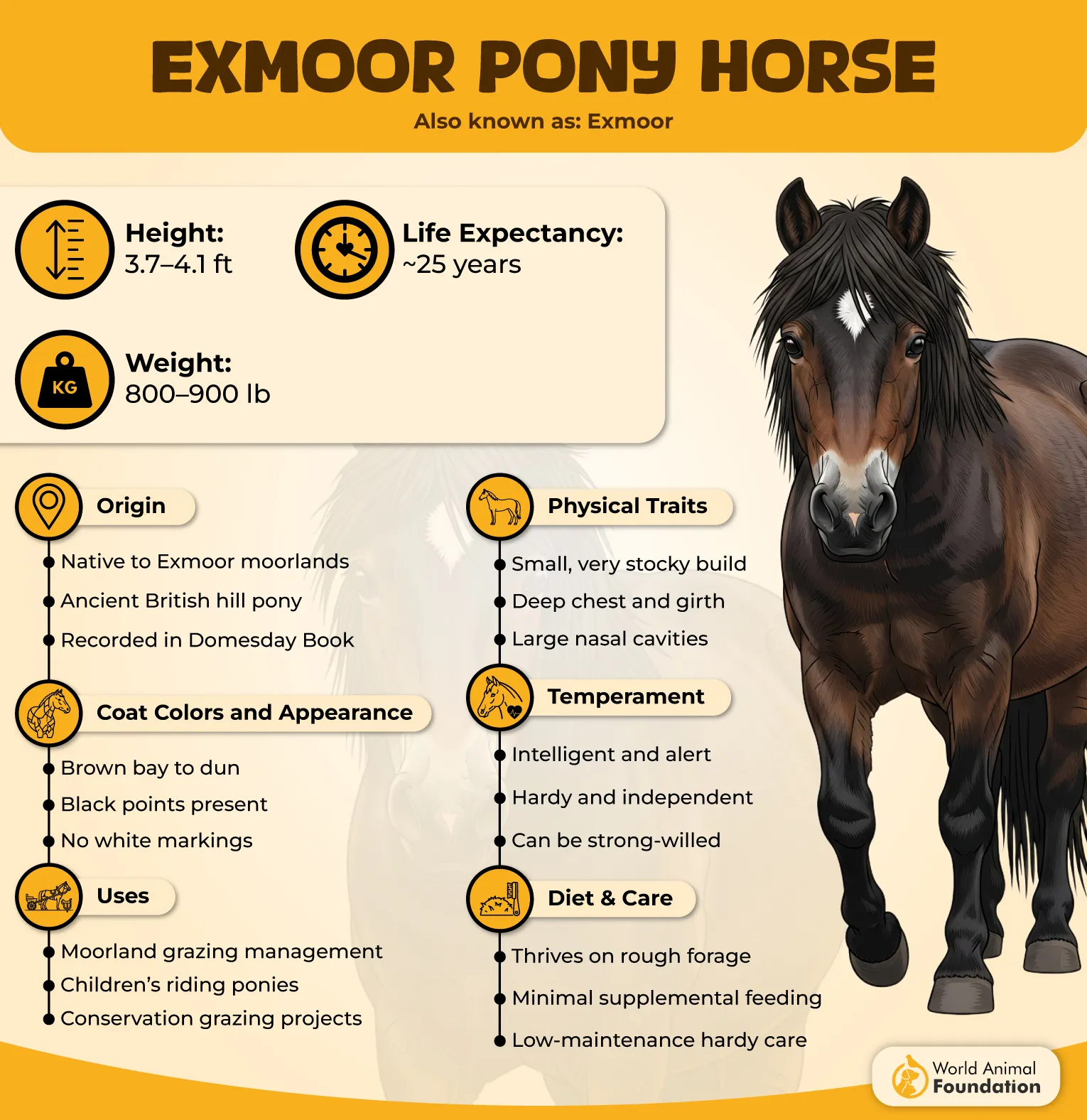
Exmoor Ponies adapt naturally to wet and challenging terrain thanks to their dense, waterproof coats. Their sturdy build and sure-footed steps make traversing marshy and uneven land reliable. This resilience allows them to move confidently where softer-soil areas might slow other breeds.
Features That Make a Difference
Several traits help the Exmoor Pony navigate tough landscapes with ease. These characteristics combine physical adaptations with practical advantages.
Here’s what sets them apart on challenging terrain:
Tightly built hooves for traction on wet soil
“Toad eyes” that protect against rain and wind
A double coat that repels moisture and cold
Alertness in the Wild
Sharp senses allow this pony to notice subtle changes in the environment, from shifting ground to nearby movement. This attention to detail helps maintain balance and avoid hazards. Exmoor Ponies remain steady even in areas where footing is inconsistent and tricky.
4. Sorraia Horse
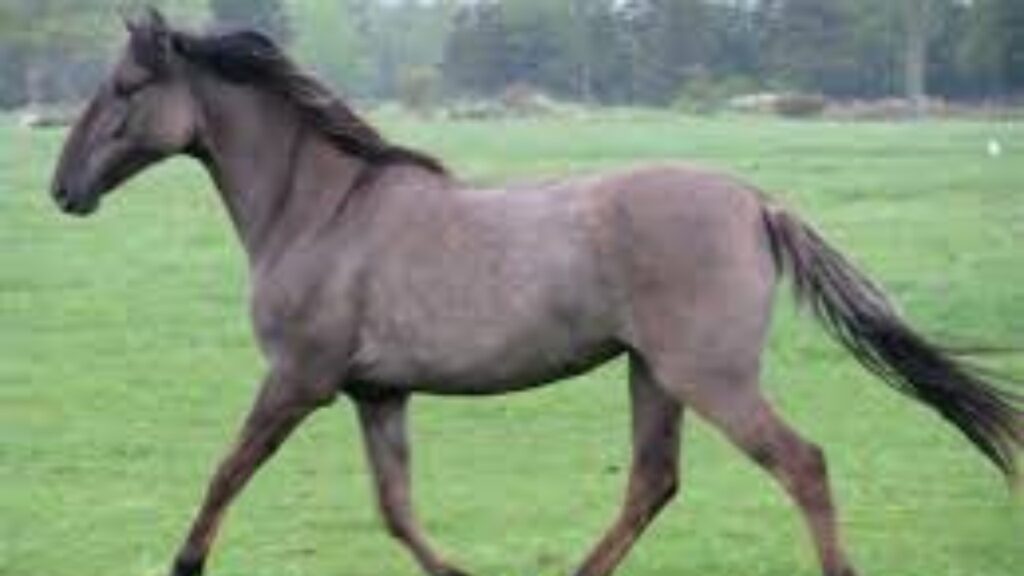
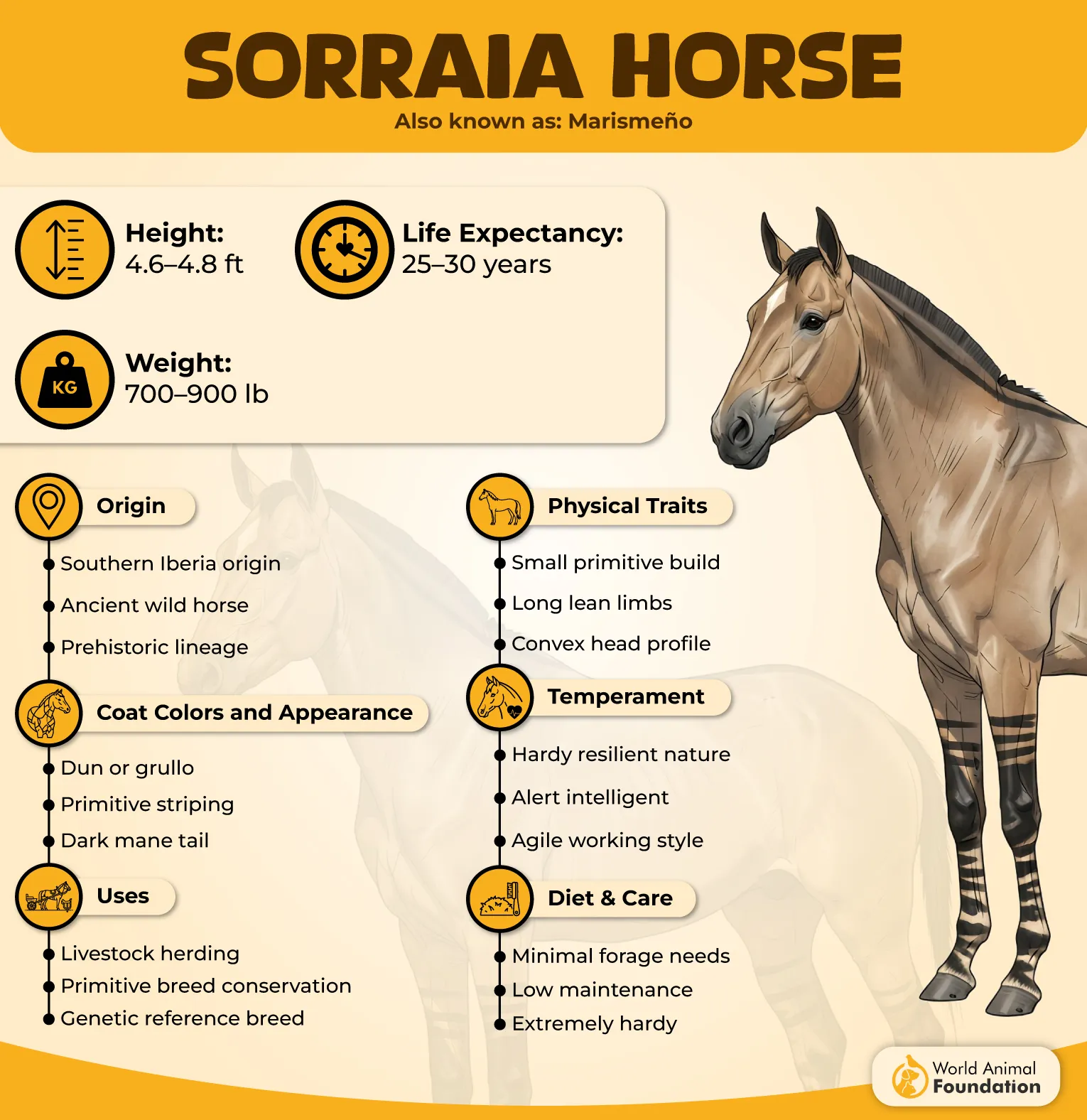
Sorraia horses navigate wet and uneven terrain with ease thanks to their strong instincts and careful footing. Their agility moves from marshes and river lowlands look effortless. This skill is rooted in generations surviving in demanding, water-rich landscapes.
Durable and Resilient
Hardiness defines this breed, allowing it to handle poor ground without strain or hesitation. Their hooves are naturally tough, offering stability where softer soils could bog down other horses. These qualities make the Sorraia reliable in fluctuating terrain.
Practical traits for marshy areas include
Resistant hooves for muddy surfaces
Agile steps over uneven ground
Quick recovery on soft soil
Alert Navigation
Sorraia horses are highly attentive to shifts in terrain and surroundings. They adjust balance and pace intuitively, ensuring stable movement even when footing changes unexpectedly. This alertness supports smooth progression through marshy tracks.
5. Eriskay Pony
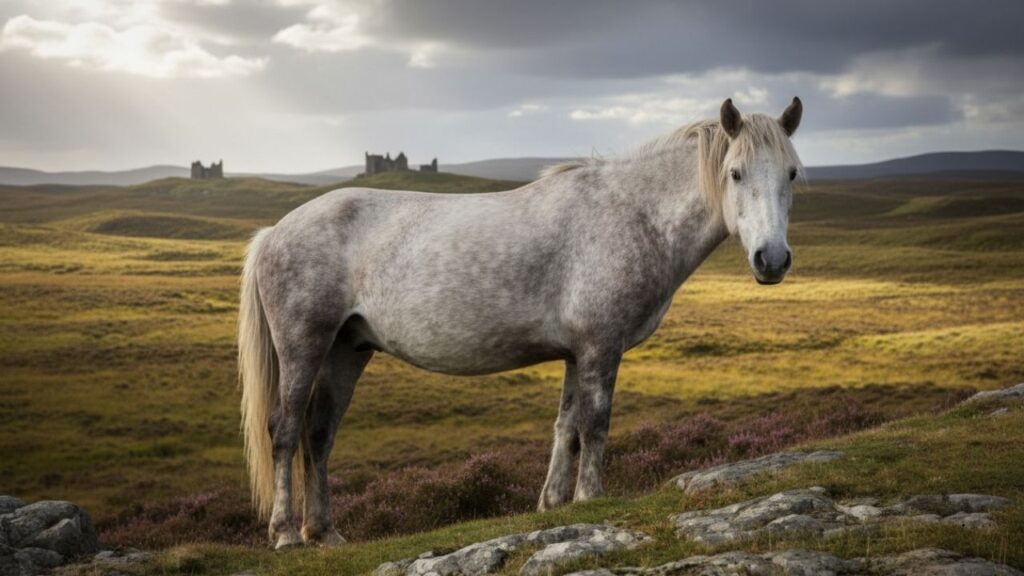
Eriskay Ponies developed resilience to wet, windy, and marshy landscapes, moving easily across soft ground where other ponies struggle. Their thick coats and sturdy tails help them stay warm and dry while handling everyday tasks.
Practical Skills on the Ground
These ponies were historically trusted to carry peat and seaweed, pull carts, and handle chores around crofts, as OKSTATE reports. Their intelligence and calm temperament made them suitable for working closely with women and children in difficult conditions.
Some traits that help in marshy environments are:
Managing uneven and soft terrain efficiently
Completing repetitive daily tasks without fuss
Maintaining strength on limited food supplies
Temperament and Training
Eriskays have always needed to get along with people and stay willing to work under close supervision. Ponies that could not adapt were not kept, so the breed evolved with a patient and cooperative attitude. Their natural calmness helps them navigate slippery or boggy areas without unnecessary hesitation.
6. Gotland Pony
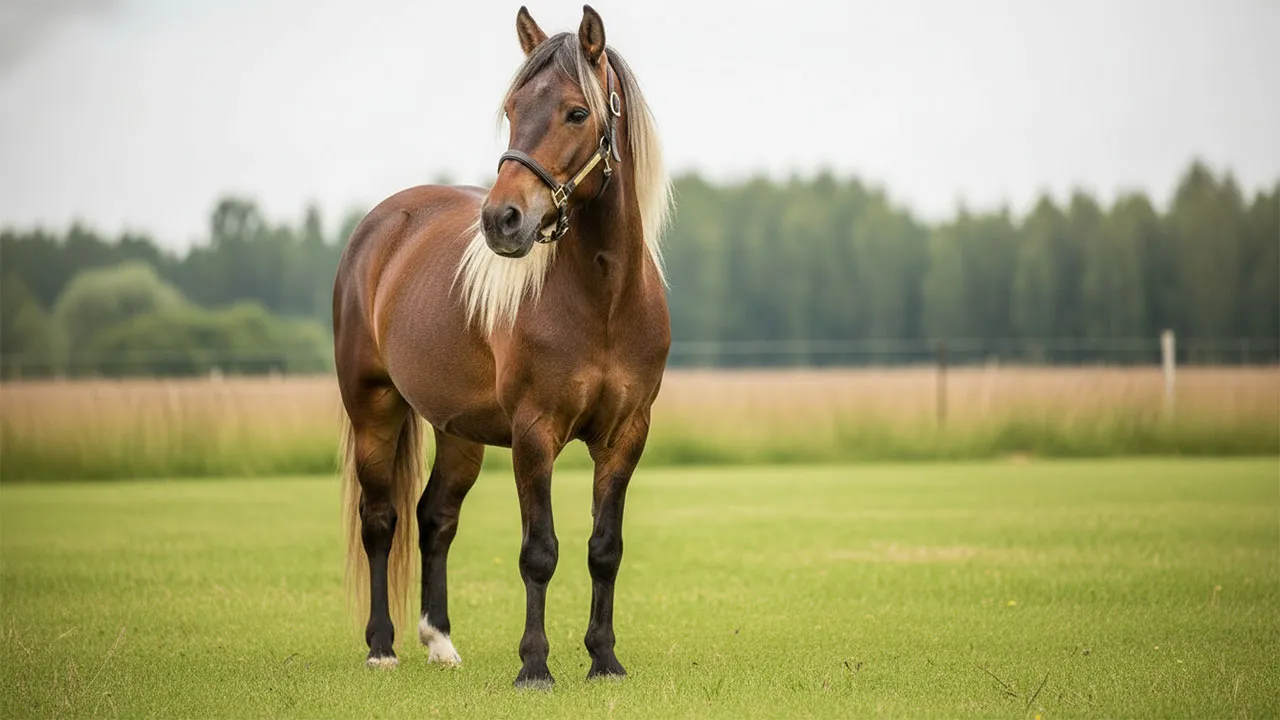
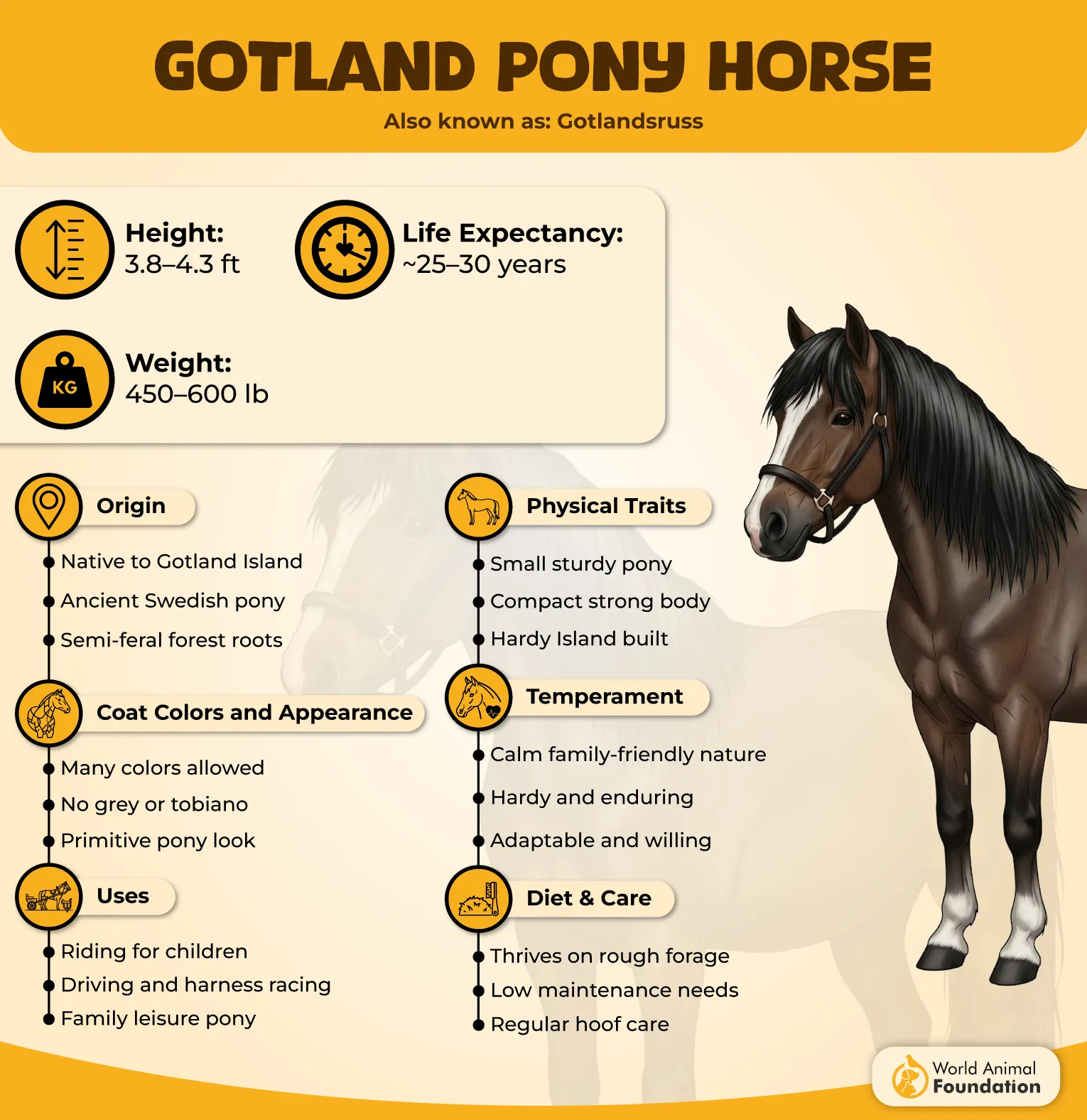
Gotland Ponies move easily across boggy and uneven terrain, showing surprising agility for their size. Their semi-wild heritage allows them to navigate wet heathlands and rough forests without hesitation. Even in harsh weather, they stay energetic while seeking dry spots to rest.
Adapted for Tough Terrain
These ponies handle marshy landscapes with efficiency, making each step purposeful and light. Their build and movement let them explore areas where softer ground can be tricky to cross. Key abilities that stand out include
Strong footing on wet or uneven soil
Efficient, light movement across the heaths
Endurance for long periods outdoors
Outdoor-Ready Build
A compact, sturdy frame helps them handle marshy and rough ground with ease. Energetic yet steady, these ponies are capable of sustained activity even in winter conditions. Their combination of toughness and light-footed motion makes them highly suited to wild, variable terrain.
7. North Forest Pony
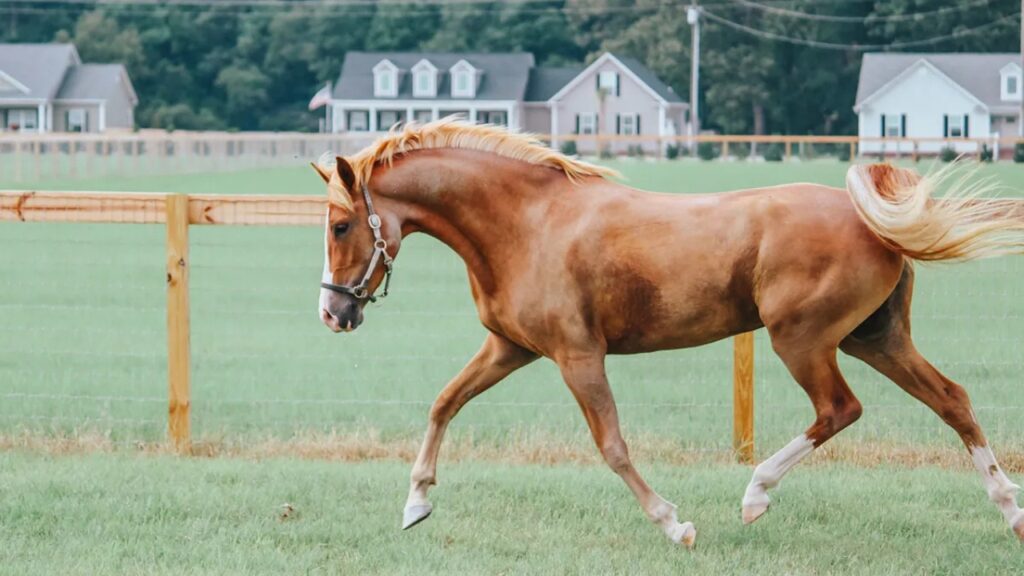
New Forest Ponies are built for wet and uneven terrain, moving confidently through bogs, heaths, and damp forest areas. Their balance and sure-footedness make navigating soft or slippery ground feel effortless. Grazing tough vegetation like gorse or brambles keeps them active and resilient.
Grazing and Adaptability
They handle varied diets with ease, which helps in marshy or less fertile zones. Their natural grazing habits support life in habitats that challenge other horses.
This flexibility shows in several ways:
Comfortable eating coarse plants like holly and brambles
Efficiently foraging across boggy sections
Adjusting to shifting terrain without losing stability
Built for Hard Conditions
Exposure to wet weather and rough patches strengthens their endurance and resilience over time. They remain steady where others may struggle, making them dependable in challenging environments. Their instincts guide them through areas with hidden mud or soft mossy patches.
Conclusion
Marsh-adapted breeds show how balance, calm instinct, and steady movement shape safe travel across soft ground. Their traits come from generations of horses living in landscapes where soil shifts without warning. Many carry the resilience of an ancient breed shaped by water, wind, and open wetlands.
Even feral horses display a natural rhythm that fits their native habitat without effort. These qualities separate them from wild horses found in drier regions. While they are rarely linked with equestrian sports, their value lies in reliability and composure, where footing requires patience, focus, and trust in both horse and rider.
